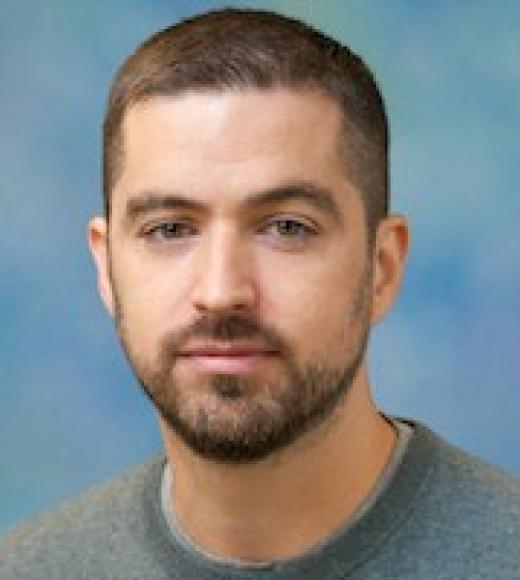
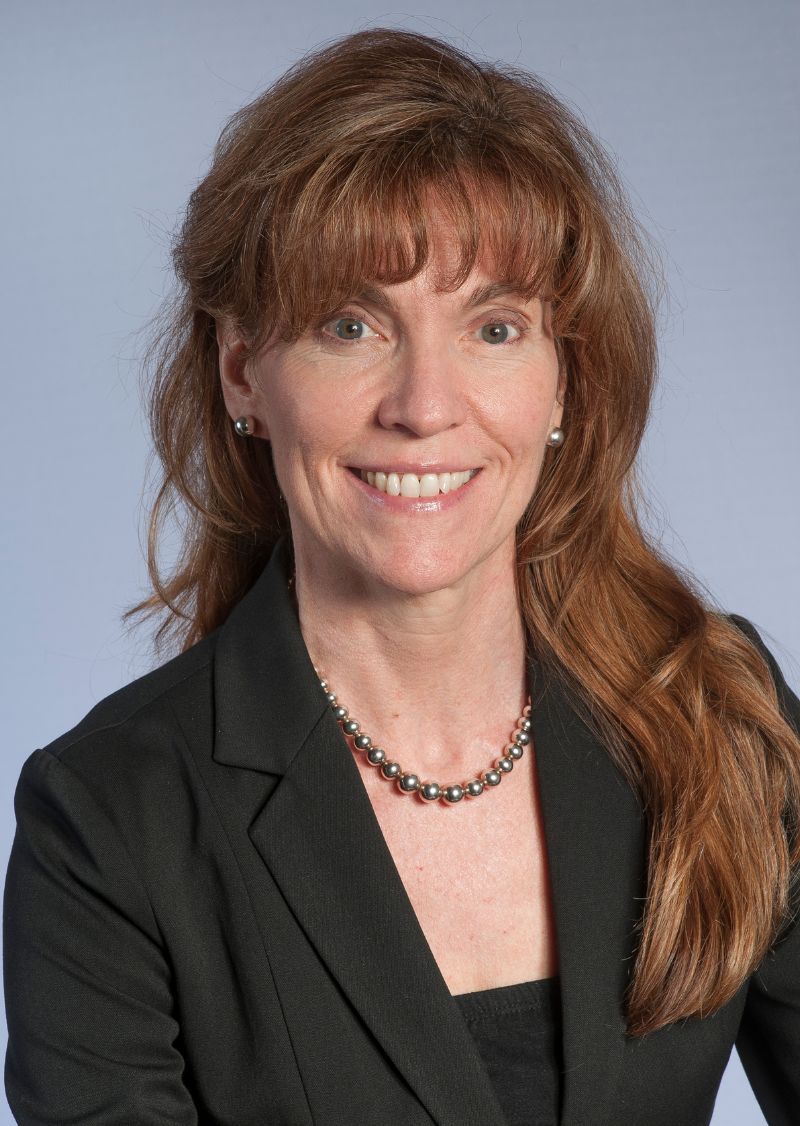
Miriam van Mersbergen, Ph.D., is an Associate Professor in the School of Communication Sciences and Disorders at the University of Memphis. She directs the Voice, Emotion, and Cognition Laboratory (VECL) and serves as an affiliate of the Institute for Intelligent Systems. Her clinical expertise focuses on performing voice users. University of Memphis Institute for Intelligent Systems Her research examines how emotional and cognitive factors influence vocalization and communication. Key projects include establishing vocal measures of affect modulation, studying individual differences in responses to vocal mistakes, and developing clinical tools like measures of voice effort for use in voice clinics. She employs psychometric, behavioral, and psychophysiological methods to analyze the interplay between inner experiences and vocal expression. Dr. van Mersbergen’s academic journey began with studies in music and communication arts at Calvin College, followed by speech-language pathology and vocology at the University of Iowa and doctoral work in speech-language hearing sciences and psychology at the University of Minnesota.
Takako Fujioka is an Associate Professor of Music at Stanford University, affiliated with the Center for Computer Research in Music and Acoustics (CCRMA). Her research focuses on the neural mechanisms underlying auditory perception, auditory-motor coupling, and music-supported therapy for neurorehabilitation. She holds a Ph.D. in Physiology from the Graduate University for Advanced Studies, Japan, and M.Sc./B.Eng. degrees in Electrical Engineering from Waseda University. Her work combines neurophysiological techniques such as MEG and EEG to study brain plasticity in development, aging, and stroke recovery. Notable contributions include investigating how music influences motor and cognitive recovery in stroke patients, as well as exploring the neural basis of musical perception through rhythmic synchronization and pitch discrimination studies. Supported by awards from the Canadian Institutes of Health Research during her postdoctoral work at the Rotman Research Institute, her research bridges clinical neuroscience and music cognition. Dr. Fujioka’s expertise spans auditory neuroscience, neurorehabilitation, and technology-assisted music therapy. She has pioneered studies on tactile mapping for cochlear implant users and networked music performance systems, emphasizing cross-modal perception and human-technology interaction. Her findings contribute to both theoretical understanding of auditory processing and practical applications in medical and educational settings. Awards: Canadian Institutes of Health Research Awards (postdoctoral phase) Labs/Teams: CCRMA, Stanford Music Perception Laboratory, Rotman Research Institute collaborations Key Themes: Neuroplasticity, Music-Mediated Rehabilitation, Auditory-Motor Integration, Multisensory Processing Her recent work examines aging-related changes in binaural hearing and the role of beta/gamma oscillations in rhythmic processing. She advocates for translational research that connects neural mechanisms with real-world therapeutic interventions.
Professor Emily S. Cross is a cognitive and social neuroscientist holding dual appointments at the University of Glasgow's School of Psychology & Neuroscience (UK) and Western Sydney University's MARCS Institute (Australia). She directs the Social Brain in Action Laboratory (SoBA), specializing in how embodied experiences shape social perception. Cross earned a BA in psychology and dance from Pomona College, MSc from University of Otago as a Fulbright Fellow, and PhD in cognitive neuroscience from Dartmouth College, followed by postdoctoral training at University of Nottingham and Max Planck Institute. Her research explores experience-dependent plasticity through dance, robotics, and neuroimaging techniques (fMRI, TMS), focusing on four key areas: neural signatures of embodied expertise, neuroaesthetics, visual learning across lifespan, and social engagement with robots. This interdisciplinary work bridges neuroscience, performing arts, and robotics. Cross's research shows strong focus on human-robot interaction dynamics, cultural perceptions of robotics, and the neural correlates of aesthetic experiences. Recent work investigates how social experience shapes human-robot interaction, cross-cultural differences in robot acceptance, and computational approaches to movement analysis. Publications consistently demonstrate methodological innovation through VR, economic games, and large-scale motion capture libraries. Honors & Awards: Jacob Brownowski Award (British Science Association, 2017) Philip Leverhulme Prize in Psychology (2018) World's 50 Most Renowned Women in Robotics (2020) Elected member: Young Academy of Europe Elected member: Royal Society of Edinburgh's Young Academy of Scotland Her ERC Starting Grant funds groundbreaking work on human-robot interaction. Cross leads the Social Brain in Action Lab with focus on mentoring next-generation scientists and research ethics training. The lab employs neuroimaging, training paradigms, and diverse methodologies to study action observation across dance, music, and robotics domains.
Alexandra Papoutsaki is an Associate Professor of Computer Science at Pomona College since 2017. Her research focuses on Human-Computer Interaction , particularly in webcam-based eye tracking and shared gaze for remote collaboration . Ph.D. in Computer Science from Brown University M.Sc. in Computer Science from Brown University B.Sc. in Computer Science from Athens University of Economics and Business Her work spans personal informatics , crowdsourcing methodologies , and remote usability testing , with recent projects examining collaborative drawing interfaces, baby tracking reflection, and digital health communities. Earlier contributions include computational biology research in genome-wide survival analysis and pan-cancer mutation networks. Key trends in her publications include: Remote collaboration tools enhanced by eye tracking Personal data systems for health and creative domains Foundational work in crowdsourcing quality control Interdisciplinary approaches combining computer science with psychology and medicine Scientific recognition includes: NSF CRII Grant (2020-2022) Wig Distinguished Professor Award (2020) Best Paper at RECOMB (2013) She has developed multiple open-source platforms including WebGazer for scalable eye tracking and Remotion for mobile usability testing. Her research team has published extensively in top venues like CHI, IMWUT, and IJCAI.
Suvi Saarikallio is a Professor of Music Education at the University of Jyväskylä, Finland , affiliated with the Faculty of Humanities and Social Sciences and the Department of Music, Art and Culture Studies . She leads interdisciplinary research bridging music psychology, education, and therapy, with a focus on youth development, emotion regulation, and well-being. Research Groups: Centre of Excellence in Music, Mind, Body and Brain (2022-2029), Musiconnect (2022-2027) Key Projects: Music and You, Stress & music listening, MPACT (Music and Sports), Music and Cross-modal Associations, SOSUS (Social Sustainability for Children) Research Trends: Her recent publications explore music's role in emotional regulation, cross-modal perception, health outcomes, and educational applications. Themes include AI's impact on music evaluation, rhythm's connection to cognitive skills, and music's influence on stress and social-emotional development. Contact: suvi.saarikallio@jyu.fi
Patrick Sturt is a Reader in Psychology at the University of Edinburgh's School of Philosophy, Psychology and Language Sciences. His research focuses on syntactic processing in language comprehension, computational models of incremental parsing, anaphor resolution, and eye movements in reading. With over 100 publications and more than 3,300 citations, he is a recognized expert in psycholinguistics and language processing. Dr. Sturt's research interests span multiple areas of language processing. He investigates how humans comprehend sentences in real-time, with particular focus on syntactic structures, agreement phenomena, and anaphoric reference. His work often employs eye-tracking methodologies to examine the moment-by-moment processing of linguistic information. He has made significant contributions to understanding how readers handle syntactic ambiguities, garden-path sentences, and the role of prediction in language comprehension. His recent publications demonstrate a strong focus on cross-linguistic studies, particularly examining language processing in Mandarin Chinese and Korean. Many of his studies investigate how syntactic and semantic information interact during comprehension, and how linguistic structures like honorifics, classifiers, and non-canonical word orders are processed. His work bridges theoretical linguistics with experimental psycholinguistics, providing empirical evidence for models of sentence processing. Dr. Sturt actively supervises PhD students including Carine Abraham, Wenjia Cai, Chiuchou Hao, Ruomeng Zhu, and Christy Gu. He teaches Psychology of Language 1 and 2 at the MSc level, as well as Data Analysis for Psychology in R for first-year undergraduates. His teaching reflects his research expertise, providing students with both theoretical knowledge and practical analytical skills. Based in Room G29 of the Psychology Building at 7 George Square, Edinburgh, Dr. Sturt maintains regular office hours on Tuesdays from 3-4pm, providing accessibility to students and colleagues. His email address is patrick.sturt@ed.ac.uk.
Christos Gatzidis serves as Executive Dean of Bournemouth University's Faculty of Science and Technology since October 2023, overseeing six departments including Computing and Informatics, Creative Technology, and Psychology. Previously Deputy Dean (2021-2023) and Head of Creative Technology Department (2016-2021), he was appointed Professor in Creative Technology in November 2019. The Faculty leads five REF Units of Assessment and secures funding from AHRC, NIHR, and Innovate UK for research spanning digital healthcare, gaming technologies, and cultural heritage applications. His educational qualifications include: PhD in Information Science, City University London (2010) PG Cert in Research Degree Supervision, Bournemouth University (2010) MA in Computer Animation, Teesside University (2003) BSc (Hons) in Computer Studies (Visualisation), University of Derby (2002) Professor Gatzidis specializes in computer graphics with research spanning virtual reality, serious games, and digital healthcare applications. His work bridges technical innovation and practical implementation, particularly in mindfulness prototypes for healthcare and stroke rehabilitation systems. Current projects focus on the multidisciplinary application of gaming technologies in medical contexts, emphasizing user experience and therapeutic outcomes through collaborations with industry partners. His publication record (2014-2025) demonstrates evolving expertise from foundational computer graphics research in terrain generation and deformation to applied work in healthcare, cultural heritage, and music education. Key trends include virtual reality for therapeutic mindfulness, usability studies in mobile gaming, and digital cultural presentation techniques, reflecting a trajectory toward socially impactful technological solutions with strong industry translation. No scientific awards are documented in the provided information. He has supervised PhD students and secured competitive research funding, including two Innovate UK Knowledge Transfer Partnerships. His principal investigator role in a virtual reality mindfulness prototype project exemplifies his approach to translating academic research into practical industry solutions, with current focus on expanding knowledge exchange activities to support the University's civic engagement mission. As Executive Dean, he leads faculty-wide research strategy across six departments, fostering interdisciplinary collaborations particularly in digital healthcare and cultural heritage. His personal research integrates computer graphics expertise with clinical applications through partnerships with healthcare providers and technology companies, driving innovation in therapeutic VR systems and educational gaming platforms.
Santiago Barreda is an Associate Professor in the Department of Linguistics at the University of California, Davis, specializing in speech perception and phonetic analysis. His research examines how acoustic properties of speech convey speaker characteristics including age, gender, and physical attributes. Education: Ph.D. in Linguistics (Phonetics), University of Alberta, 2013 M.A. in Hispanic Studies (Language and Linguistics), University of Western Ontario, 2008 B.A. in Linguistics and Spanish Language and Literature, University of Western Ontario, 2006 Research Focus: Dr. Barreda employs behavioral experiments and statistical modeling to investigate perceptual mechanisms in speech recognition. His work bridges theoretical phonetics with practical applications, particularly in vowel normalization techniques and formant tracking algorithms. Key questions address how listeners extract speaker identity from acoustic cues and interpret social characteristics through vocal signals. Publication Trends: Recent publications (2020-2025) reveal three dominant themes: computational phonetic tools (FastTrack, phonTools), perception of social/physical speaker characteristics from children's voices, and interdisciplinary public health research on speech-related aerosol transmission. His work demonstrates strong methodological consistency in combining acoustic analysis with perceptual validation. Scientific Awards: No scientific awards were mentioned in the source material. Advising and Grants: The provided documentation does not specify graduate student advising roles or external grant funding. Technical Contributions: Dr. Barreda develops open-source phonetic analysis software including FastTrack (Praat-based formant tracking) and the phonTools R package, which have become standard resources in acoustic phonetic research.
Rita Aiello is an Adjunct Associate Professor in the Department of Psychology at New York University's College of Arts & Science. Her research focuses on the cognitive and perceptual processes involved in musical listening, with particular emphasis on neuroaesthetics, music learning, and memory. She holds an Ed.D. from Columbia University and has held faculty positions at institutions including the Juilliard School and the Manhattan School of Music. Her work bridges music theory, cognitive science, and education, with a lifelong background as a classical pianist. Education: Columbia University (Ed.D.), Manhattan School of Music (M.M., B.M.), Conservatorio San Pietro a Maiella (Diploma in Music Theory) Certifications: Kodály and Orff Methods Her research explores how musical training influences cerebral dominance, the relationship between mental representations and emotional responses to music, and the cognitive underpinnings of musical memory. She has published widely on topics ranging from musical expectation to pedagogical strategies for memorization. Recent work investigates evolutionary perspectives on singing and the psychological mechanisms behind musical communication. Publications reflect interdisciplinary engagement with music's structural rules, metaphorical dimensions, and its role in human cognition. While no specific grants or awards are listed, her extensive international teaching experience includes visiting roles at institutions in Rome and Lugano, Switzerland, and an honorary appointment at Columbia University's Teachers College.
Stephen M. Shore is a Clinical Associate Professor at Adelphi University's Ruth S. Ammon College of Education and Health Sciences, specializing in autism and Asperger Syndrome with expertise in educational practices, social inclusion, and successful transition to adulthood for individuals on the autism spectrum. Dr. Shore earned his Ed.D. in Education from Boston University (2008), M.A. in Music Education from Boston University (1992), and dual B.A. degrees in Music Education and Accounting and Information Systems from the University of Massachusetts at Amherst (1986). He holds professional teaching licenses in Music and Business Management for Massachusetts public schools (grades 5-12). His research focuses on multiple critical areas including successful transition to adulthood, employment opportunities, comparative approaches for treating children with autism, socially-based inclusion methods, self-advocacy development, teaching musical instruments to individuals on the spectrum, and international perspectives on autism diagnosis and treatment. His work uniquely bridges academic research with practical applications, informed by his personal experience as someone on the autism spectrum. Dr. Shore's publications demonstrate a consistent emphasis on practical applications of autism research across diverse contexts, with recurring themes in educational strategies, inclusion methodologies, and strength-based approaches that leverage individual capabilities rather than focusing on deficits. Member, Interagency Autism Coordinating Committee (2008-present) Vice President, Autism Society of America - Massachusetts Chapter (2007-present) Board Member, Autism Society of America - National (2001-2004, 2005-present) Former Board President, Asperger's Association of New England (2001-2006) As an educator, Dr. Shore teaches specialized courses including 'Diagnosis Of And Intervention In Autism,' 'Educating Students With Autism Classified At Level 1,' and 'Classroom Management,' emphasizing evidence-based practices that accommodate neurodiversity while promoting academic and social success.
Dmitri Tymoczko is a Professor of Music at Princeton University, where he has taught composition and theory since 2002. His work bridges the gap between academic music theory and contemporary composition, creating a unique interdisciplinary approach that has earned him recognition as a leading figure in modern music scholarship and creation. Tymoczko's research interests focus on the geometric modeling of musical structures, polystylistic composition that draws from genres spanning Renaissance to rock, and the mathematical foundations of tonality. His theoretical work explores how harmonic structures can be represented geometrically, revealing fundamental patterns that connect diverse musical traditions. He approaches composition as 'a logical deduction from absurd premises,' blending rigorous structural thinking with playful musical exploration. His scholarly publications and compositions reveal a consistent interest in the intersection of mathematical precision and expressive freedom. The articles demonstrate expertise across music theory, composition, and the cognitive aspects of musical perception, with recurring themes of geometric modeling, tonal structure, and genre hybridization. His work often challenges traditional boundaries between academic and popular music forms. Guggenheim fellowship Rhodes Scholarship Leonard Bernstein fellowship from Tanglewood Fellowship from the Radcliffe Institute for Advanced Study Block lectureship from the Society for Industrial and Applied Mathematics First music-theory article published in Science magazine Tymoczko maintains an active performance career alongside his academic work, with his compositions performed by leading ensembles including the Brentano Quartet, Newspeak, and Roomful of Teeth. His teaching integrates theoretical insights with practical composition, fostering a generation of musicians who understand music's structural foundations while embracing creative freedom. He has developed innovative tools like the musical programming language 'arca' to explore new compositional possibilities.
Margaret Greenwald serves as Associate Professor and Ph.D. Coordinator in the Department of Communication Sciences and Disorders (CSD) within Wayne State University's College of Liberal Arts and Sciences. Previously department chair (2014-2020), she is a Licensed and Certified Speech-Language Pathologist (CCC-SLP) recognized in 2022 as Wayne State's Outstanding Graduate Mentor in the health sciences. Her academic credentials include: M.A. in Speech-Language Pathology (University of Florida) Ph.D. in Communicative Sciences and Disorders (University of Florida) Post Doctoral Research Training in Cognitive Neuropsychology (University of Maryland, Department of Neurology) Dr. Greenwald's research centers on adult neurogenic communication disorders , specializing in aphasia, traumatic brain injury, and stroke rehabilitation through cognitive neuropsychology. Her work employs Magnetoencephalography (MEG) to map brain-behavior relationships during language and musical processing tasks, revealing critical insights for rehabilitation. She actively bridges clinical practice with neuroscience to develop evidence-based interventions. Analysis of her recent publications shows consistent focus on neuroimaging applications for understanding language disorders, with growing emphasis on telepractice implementation and the cognitive effects of musical training. Her work demonstrates strong translational value, connecting basic neuroscience to clinical rehabilitation protocols while maintaining rigorous methodological standards. Her scientific recognition includes: Outstanding Graduate Mentor in the Health Sciences, Wayne State University (2022) As an educator, Dr. Greenwald teaches graduate courses in aphasia, neuromuscular speech disorders, research methods, and doctoral seminars, plus undergraduate speech-language pathology instruction. She supervises doctoral research as Ph.D. coordinator and mentors students through clinical research projects. Her teaching integrates current neuroscience findings with clinical practice standards. She maintains active professional engagement through memberships in the American Speech-Language Hearing Association (ASHA), Academy of Aphasia, and International Neuropsychological Society, contributing to both clinical guidelines development and research community advancement.
Dr. Sam Ferguson is a Senior Lecturer at the School of Computer Science, University of Technology Sydney (UTS), with a multidisciplinary background in music performance, cognitive science, and psycho-acoustics. His research explores the intersection of sound, music, and human experience through creative coding, machine learning, and interactive systems. Key Research Areas: Sound and Music Computing, Human-Computer Interaction, Creative Coding, Cognitive Science, Installation Art, and Acoustics. Current Projects: ARC Linkage project on creative coding and multiplicitous media; industry collaborations on IoT-based audiovisual systems. Recent Publications: Focus on spatial audio complexity, gestural interaction with networked sound, music emotion recognition frameworks, and robotic performance through genre-based cultural platforms. Leadership Roles: Director of Teaching & Learning Engagement; former Deputy Head of School (Teaching and Learning); active in ACM Creativity and Cognition Steering Committee. Teaching: Courses like Digital Media Studio , Prototyping Physical Interaction , and Data Processing using R within UTS's interdisciplinary Software Development Studio.
Pamela Beach is the Associate Dean, Research and Associate Professor of Language and Literacy at Queen’s University’s Faculty of Education. She holds an MA and PhD in Child Study/Developmental Psychology from the University of Toronto. With nearly a decade of elementary teaching experience, her research focuses on leveraging online and multimedia resources to enhance teacher education and professional development. Key projects include SSHRC-funded studies on teachers’ self-directed online learning, analysis of web analytics for literacy PD platforms, and cross-cultural studies of literacy practices in Montessori and Reggio Emilia schools. Her expertise spans early literacy development, critical literacy integration, and the use of technologies like eye-tracking and virtual classrooms in teacher training. She leads the Literacy Education Research Team, collaborating on projects such as integrating music into literacy education and evaluating virtual classroom tools for teacher candidates. Beach is also the author of Promoting Language and Early Literacy Development (2024), a practical guide for educators and caregivers. Current roles include supervising graduate students in the Language and Literacy program and overseeing research initiatives as Associate Dean. Her work bridges research, practice, and policy to improve literacy instruction and teacher learning in diverse educational contexts.
Professor Helen Mitchell is a multidisciplinary scholar in music performance and perception at the University of Sydney's Sydney Conservatorium of Music. Her research explores the intersection of music practice with scientific discovery, focusing on vocal pedagogy, listener perception, and multisensory performance analysis. She holds a BA (Hons) from Oxford and a PhD from the Sydney Conservatorium. Previously, she served as Dean of Students at the University of Sydney's Women’s College (2004–2005). Research Interests: Mitchell’s work investigates listeners’ sound quality perception, vocal identity recognition, and the cognitive effects of verbal descriptions on musical memory. Notable projects include longitudinal studies on music training outcomes and current investigations into audio-visual integration in performer identification. Her ARC-funded research emphasizes practical applications in pedagogy and performance valuation. Grants & Collaborations: Key grants include the 2022 ARC Discovery Project on bel canto sound rediscovery (with Neal Peres Da Costa) and a 2014 OLT grant for perceptually-aware music leadership training. She collaborates with institutions like Sydney Living Museums via projects such as The Dowling Songbook Project, blending historical performance practice with educational innovation. Teaching & Supervision: Mitchell convenes postgraduate research methods courses and supervises Honours, Masters, DMA, and PhD students in music performance studies. She coordinates Honours research at the Conservatorium and integrates empirical approaches into ethics and methodology training. Affiliations: Member of the Charles Perkins Centre, contributing to interdisciplinary health and performance research.