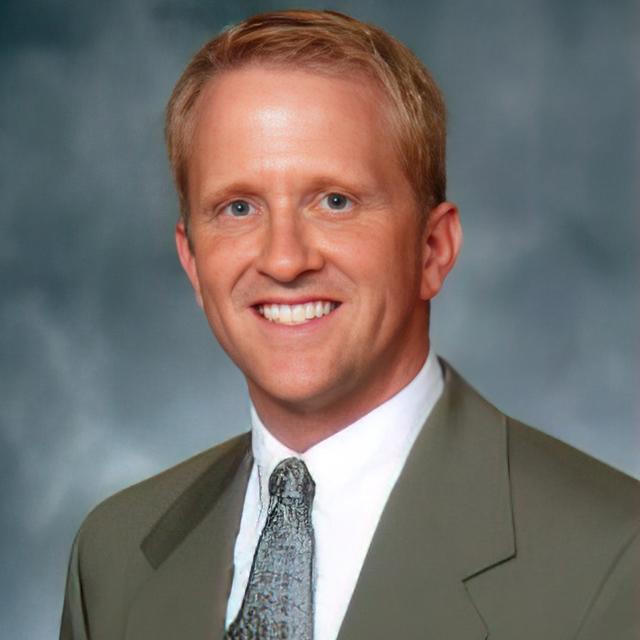
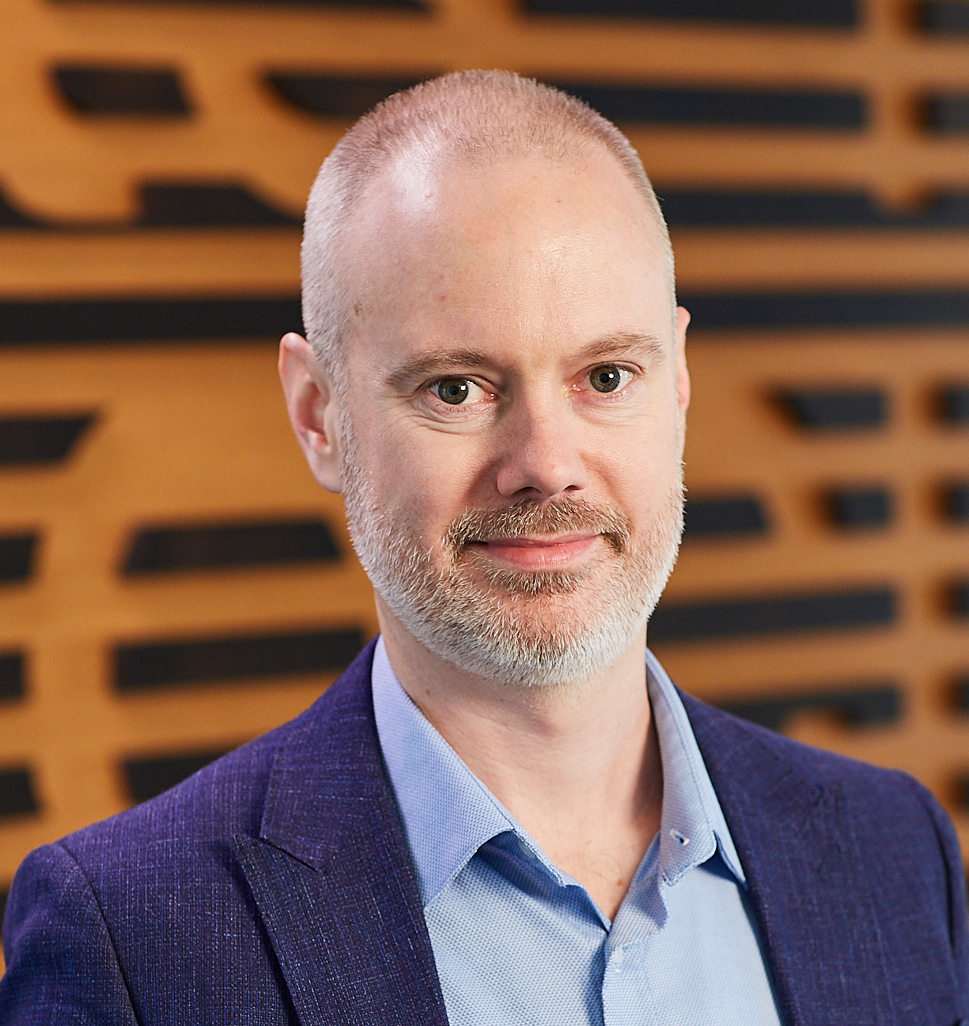
Mike Carbonaro is a Professor in the Department of Educational Psychology at the University of Alberta's Faculty of Education. He holds multiple advanced degrees including a Ph.D. (Educational Psychology), M.Sc. (Computing Science), and interdisciplinary credentials in Education. His research focuses on educational technology integration, robotics in K-12 education, computational thinking, and interprofessional health sciences education. He pioneered Canada's first university-level course on LEGO robotics for K-12 and contributed to a major simulation-based healthcare training grant. He co-developed the ScriptEase project and collaborated on GRAND initiatives like BELIEVE and HLTHSIM. Education: Ph.D. Educational Psychology, University of Alberta (1997) M.Sc. Computing Science (AI focus), University of Alberta (1993) B.A. Computer Science, York University (1991) M.Ed. Educational Psychology, University of Alberta (1988) B.Ed. Secondary Biological Sciences, University of Alberta (1984) Research Highlights: Dr. Carbonaro's work bridges technology and education across multiple domains. Key areas include: Blended learning models Health sciences interprofessional training Indigenous education technology integration Computational thinking curriculum development He has led projects integrating robotics and digital games into school curricula, and co-developed the Aboriginal Teacher Education Program (ATEP) with Blue Quills First Nations College. Teaching & Leadership: Coordinator for the Graduate Certificate in Educational Technology Teaches courses like EDCT 400 (Lego Robotics) and EDU 210 (Technology in Education) Developed new blended delivery models university-wide Grants & Collaboration: Over $1M in funded projects, including simulation-based healthcare training and interprofessional education initiatives. Collaborations span computing science, health sciences, and Indigenous education sectors. Future Work: Focus on K-12 computational thinking integration, health sciences simulation development, and technology equity in Indigenous education contexts.