Michael Amundson serves as Professor in the Department of History at Northern Arizona University, where he focuses on the environmental and cultural dynamics of the American West. His academic work bridges historical analysis with visual documentation methodologies, particularly through rephotography projects examining landscape transformation across Western landscapes. His primary research domains include Environmental History , History of the American West , Nuclear History , History of Photography , Mining History , and Indigenous History . Amundson's scholarship consistently investigates how resource extraction, particularly uranium mining, has reshaped both physical environments and cultural narratives across Navajo Country and other Western regions. His work demonstrates particular expertise in visual methodologies for documenting environmental change and the cultural construction of Western landscapes. Analysis of his recent publications reveals sustained engagement with uranium mining legacies, atomic community development, and rephotography as historical tools. His scholarship shows methodological innovation through comparative analysis of Arizona's deserts with Martian landscapes and systematic cataloging of Western-themed audio recordings. The thematic threads connecting his work include environmental justice concerns, visual culture analysis, and the political dimensions of landscape representation in the American West. No scientific awards were documented in available sources. Information regarding student advising activities, research grants, laboratory facilities, or collaborative research teams was not present in the provided materials. His professional focus appears centered on independent scholarship and publication within his specialized historical domains.
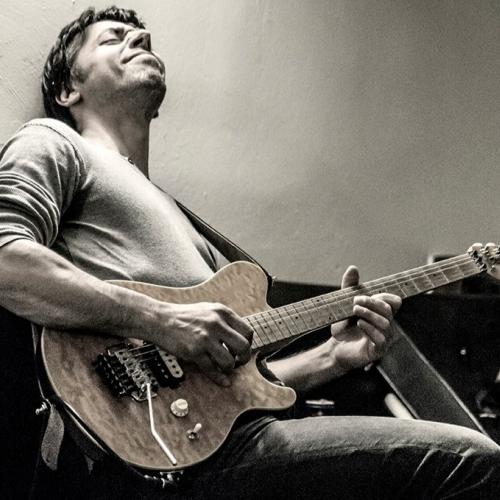
Mario Dancso is an academic and artist specializing in jazz guitar and music education, currently serving as lecturer at JAM MUSIC LAB Private University for Jazz and Popular Music since 2017, and concurrently teaching at the Friedrich Gulda School of Music. He holds an artistic diploma from the Vienna Conservatory (2004) and completed additional teaching roles at the Prayner Conservatory (2016-2020), focusing on Jazz/Pop Guitar instruction and songwriting. His pedagogical focus includes arrangement techniques and home recording methodologies. His artistic work spans theater direction, documentary filmmaking, and musical composition. Notable projects include the 2004 theater production Das Leben des Francois Villon and documentaries like Spuren im Sand (2005) and Feuchtwanger lebt! (2008). His filmography demonstrates expertise in cultural documentation across diverse topics like African cultural history and luxury industry narratives. Professional compositions have been commissioned by major brands including Gebrüder Weiss, Emirates, and Vier Pfoten. His creative output reflects a multidisciplinary approach blending music, theater, and visual media.
Lisa Sanders is a Professor in the Department of Psychological and Brain Sciences at the University of Massachusetts Amherst. She leads the Neurocognition and Perception Laboratory and is affiliated with the Neuroscience & Behavior Graduate Program, Center for Research on Families, Healthy Development Initiative, Initiative in Cognitive Science, and the Institute for Applied Life Sciences. PhD, 2001, University of Oregon Her research lies at the intersection of cognitive neuroscience and developmental science, focusing on auditory perception, speech processing, and selective attention across the lifespan. She investigates how listeners process speech in noise, how prosody and rhythm influence perception, and the neural mechanisms underlying attentional allocation in both speech and music. Her work employs behavioral, EEG, and ERP methodologies with participants ranging from toddlers to older adults. The most recent publications highlight a strong trend in temporal attention, speech segmentation, and the influence of prosody and musical structure on perception. Her research increasingly explores cross-modal and developmental aspects of auditory cognition, using artificial languages and controlled stimuli to isolate perceptual mechanisms. Collaborative work extends into emotional decision-making and visual attention. Lisa Sanders has not been mentioned as receiving any scientific awards in the provided text. She advises graduate students through the Neuroscience & Behavior program and leads a multidisciplinary research team. Her lab conducts externally funded research projects such as LiveNoise, SpeechRate, PrecedNoise, and PhonoLearn, often in collaboration with researchers across departments and institutions. While specific grants are not listed, her sustained research output and lab operations imply active grant support. She directs the Neurocognition and Perception Laboratory at Tobin Hall, where her team investigates neural and cognitive mechanisms of perception using electrophysiological and behavioral methods. The lab fosters collaboration across psychology, linguistics, neuroscience, and communication disorders.
Dr. Thomas Bergmann serves as a scientific collaborator at the Institute of Psychology, Humboldt University of Berlin, while maintaining clinical roles at the Evangelical Hospital Queen Elisabeth Herzberge and a teaching position at the University of the Arts, Berlin. He is concurrently pursuing doctoral studies at the Free University of Berlin's Department of Psychology. Academic Background: 1st State Examination in School Music and Jazz Studies (1988), University of Music and Performing Arts, Hamburg Diploma in Music Therapy (1999), University of the Arts, Berlin Ongoing Doctorate in Psychology (since 2011), Free University of Berlin Research Focus: Bergmann specializes in developing innovative diagnostic and therapeutic approaches for adults with autism spectrum disorders (ASD) and co-occurring intellectual disabilities (ID). His work pioneers music-based assessment tools like MUSAD to address diagnostic gaps in low-verbal populations, emphasizing non-verbal communication analysis and socio-emotional development evaluation. He investigates severe behavioral disorders through interdisciplinary lenses, integrating clinical observation with therapeutic intervention design. Publication Trends: His 13 most recent publications (2010-2014) reveal a concentrated focus on adapting autism diagnostics for intellectually disabled adults. Key contributions include the Diagnostic Observation Sheet (DiBAS) and revisions to behavioral assessment instruments, demonstrating consistent innovation in methodology. His work bridges music therapy with clinical diagnostics, particularly through musical interaction analysis for non-verbal populations, while critically evaluating alternative interventions like animal-assisted techniques. Research Leadership: Bergmann directs two major funded projects: MUSAD (supported by Stiftung Irene) for music-based autism diagnostics in low-verbal adults, and AutKom for developing a 20-session group therapy program targeting social skills and stress regulation in ASD with mild ID. These initiatives emphasize practical clinical translation through caregiver involvement and multimodal assessment. Research Environment: Affiliated with the Dziobek Lab (dziobek-lab.org), Bergmann operates within a specialized research ecosystem focused on neurodevelopmental disorders. His work integrates clinical practice at Queen Elisabeth Herzberge with academic research, creating a continuous feedback loop between diagnostic innovation and therapeutic application for underserved adult populations.
Leonhard Dobusch is a full Professor of Business Administration with a focus on Organization at the University of Innsbruck's Faculty of Business and Management, specifically within the Institute for Organisation and Learning. He has held this position since February 2016, after serving as a Junior Professor at Freie Universität Berlin from 2012-2016. Professor Dobusch maintains active international collaborations with researchers at institutions including ETH Zurich, University of Oxford, University of Zurich, and University of Duisburg-Essen. University of Innsbruck: Professor of Business Administration (since 2016) Freie Universität Berlin: Junior Professor of Management (2012-2016) Freie Universität Berlin: Postdoc at Chair for Inter-Organizational Cooperation (2009-2012) Stanford Law School: Research Fellow at Center for Internet & Society (2008) Max Planck Institute for Social Research: Postdoc Fellow (2008-2009) Professor Dobusch's research centers on three interconnected areas that challenge conventional organizational thinking. His work on organizational openness examines how principles like open source software, open science, and open innovation manifest in practice, revealing how formal openness often leads to unintended exclusion. His second research stream investigates alternatives to intellectual property rights in regulatory uncertain environments, particularly in pharmaceutical innovation where he studies approaches to vaccine development beyond traditional patent systems. Thirdly, he develops the concept of 'organisationality' to redefine how we understand organization in increasingly fluid social systems. His research has significant implications for companies, public administrations, and scientific institutions navigating the challenges of openness, regulatory uncertainty, and new organizational forms in the digital age. Professor Dobusch's publication record demonstrates consistent high-impact contributions to organizational studies, with articles appearing in top journals including Organization Studies, Journal of Management Studies, and Long Range Planning. His work shows a clear trajectory from studying open source software adoption in city administrations (his doctoral research) to broader questions about organizational forms, openness, and intellectual property in complex systems. 2025: Best Reviewer Award of the Journal Organization Theory 2025: Prof of the Year Award in Rhetoric and Didactics 2022: Best Paper Award of the Strategy Practice Interest Group 2020: Ideas Worth Teaching Award by Aspen Institute for 'Organizing in Times of Crisis' 2020: LehrePlus!-Preis der Universität Innsbruck 2016: LehrePlus!-Preis for 'Open Organizations and Organizing Openness' course Professor Dobusch actively integrates his research into teaching, exemplified by his award-winning wiki-based course 'Open Organizations and Organizing Openness' and the collaborative online course series 'Organizing in Times of Crisis', which received international recognition. He currently leads a three-year DFG/FWF-funded research project 'Organising Creativity under Regulatory Uncertainty: Alternative Approaches to Intellectual Property' with Professor Sigrid Quack. Within professional networks, he serves as Chair of the Executive Board of the Interest Group 'Strategizing Activities and Practices' at the Academy of Management and regularly leads sub-themes at the European Group of Organization Studies Colloquium on Organizational Openness. Professor Dobusch contributes to several research communities through his blogs 'osconjunction.net' and 'governancexborders.com', and participates in the Momentum-Kongress that connects academic research with social and political practice. His work bridges theoretical innovation with practical relevance, particularly in how organizations can navigate the tensions between openness and closure, formal regulation and creative adaptation.
Prof. Dr. Reinhold Decker is a full professor of business administration with a focus on marketing and market research at Bielefeld University's Faculty of Economics, where he has been affiliated since 1997. He currently serves as the Rector's Representative for Cooperation with Business, BRIC, and Research Transfer (since October 2023), following previous roles as Vice Rector for Information Infrastructure and Business (2019-2023), Vice Rector for Information Management (2015-2019), and Vice Rector for Financial Affairs and Resources (2012-2015). He is also the Scientific Director of BI2000plus - Research Projects on the Region since 2005 and a member of the Bielefeld Graduate School of Economics and Management (BiGSEM). Decker earned his degree in industrial engineering with a focus on OR/Computer Science in 1988, received his doctorate in 1993, and completed his habilitation in 1997, all from the University of Karlsruhe (KIT). His academic career includes visiting professorships at the University of Vienna, Moscow Academy of Economics, University of Veliko Turnovo, Universidade NOVA de Lisboa, Université Paris III – Sorbonne Nouvelle, and the University of Maryland. His research focuses on the development and empirical testing of methods and models for acquiring and analyzing consumer data, particularly from social media, and data-driven, consumer-centric development of intelligent products and services. His work spans social media analysis, buyer behavior modeling, brand image analysis, web mining in marketing, and internet-based preference measurement. Decker's interdisciplinary approach bridges marketing, data science, and consumer behavior, with increasing emphasis on intelligent systems and digital transformation in marketing contexts. Analysis of his 15 most recent publications reveals a strong focus on emerging technologies in marketing, including augmented reality, voice assistants, and social media analytics. His research increasingly examines privacy concerns in the digital age, sustainability communication, and the integration of AI in consumer decision-making processes. The interdisciplinary nature of his work is evident in publications spanning marketing journals, data science publications, and technology-focused outlets. Member of the Scientific Council of the journal Argumenta Oeconomica Cracoviensia (since 2013) Associate Editor of the journal Behaviormetrika (since 2012) Member of the Editorial Board of the Springer series Studies in Classification, Data Analysis, and Knowledge Organization (since 2004) Vice President of the European Association for Data Science – EuADS (2018-2022) Decker has served on numerous editorial boards and scientific program committees, including for the International Federation of Classification Societies. His extensive reviewing work spans prestigious journals such as Journal of Business Research, Journal of Product Innovation Management, and Review of Managerial Science. His leadership extends to project management, including BiLinked (2025), Bielefeld 2000plus (2024), and Bielefelder DatenNarrative (2022). Decker has also edited multiple volumes and special issues on data analysis and marketing, demonstrating his commitment to advancing methodological approaches in business research. As Scientific Director of BI2000plus, Decker leads interdisciplinary research projects focused on regional development. His work bridges academia and industry through initiatives like the Bielefeld Center for Data Science (BiCDaS) and the Bielefeld Graduate School in Theoretical Sciences. His recent projects emphasize data narrative techniques, linking data analysis with effective communication strategies for diverse audiences.
Professor Christopher Howe is a Professor of Plant and Microbial Biochemistry at the Department of Biochemistry, University of Cambridge . He has been a Fellow of the College since 1983 and currently serves as its President . He directs studies in Preclinical Medicine , teaching Biochemistry to first-year medical students. Research Interests : Photosynthesis biochemistry and evolution Biotechnological applications of photosynthetic organisms (e.g., algae for electricity production) Plasmodium's photosynthetic ancestry and remnant chloroplast Evolutionary analysis of non-biological systems like manuscripts Coral bleaching and dinoflagellate-coral symbiosis Article Trends : Focus on cyanobacteria, dinoflagellates, and Plasmodium Biophotovoltaic systems and sustainable energy Phylogenetic methods in biological and cultural evolution Scientific Awards : Fellow of the American Academy of Microbiology (2017) Advising and Collaborations : Supervises graduate students in the Howe Group Collaborates with academic and commercial partners (Anaero Technology, LEITAT, Spireat) Labs & Teams : Leads the Howe Group at the Department of Biochemistry Co-leads the BEST Project for biophotovoltaic systems Works with 3D organotypic cultures and biophotoelectrochemistry
Matthias Bertsch is a faculty member with expertise spanning musical acoustics, medical acoustics, and ethnomusicology. His work bridges musicology, biomedical engineering, and clinical applications. Academic leadership in structured doctoral programs Research on brass instrument mechanics and NICU sound environments Interdisciplinary focus on music-physiology and psychoacoustics Research Interests: Specializing in the acoustic properties of musical instruments, therapeutic sound applications for premature infants, and physiological analysis of brass players. His work combines empirical measurement with clinical and cultural implications. Article Trends: Publications emphasize brass instrument biomechanics , incubator sound optimization , and music's physiological effects , with recurring themes in virtual acoustics and interdisciplinary methodologies.
Dr. Jesse Hodgetts is a Senior Lecturer in Global Indigenous Studies at The Wollotuka Institute, University of Newcastle, specializing in Indigenous Education and Research. A Wangaaypuwan Ngiyampaa and Wiradjuri man from Central and Western NSW, he brings ancestral knowledge and contemporary academic expertise to his work. His research bridges traditional cultural practices with modern educational frameworks, focusing on Indigenous Knowledge Systems, Songlines, Language revitalization, and Kinship. Education: Aboriginal Studies, University of Newcastle Master of Teaching, University of Newcastle PhD: 'Guthi Girrmara (Old Songs Waking Up): Reawakening Archived Wangaaypuwan and Wiradjuri songs to inform our Culture, Language and Identity' Hodgetts' research centers on First Nations Cultural revitalization through Songlines, Language, and Kinship systems. He explores how traditional songs serve as vessels for cultural knowledge, connecting Country, identity, and intergenerational transmission. His work emphasizes decolonizing research methodologies and centering Indigenous voices in academic discourse. As both a cultural practitioner and academic, he develops frameworks for Indigenous-led song documentation and language revitalization that respect cultural protocols while adapting to contemporary contexts. His scholarly output reveals a consistent focus on Indigenous musicology, language documentation, and cultural revitalization. The publications demonstrate methodological innovation in representing Indigenous knowledge systems through culturally appropriate frameworks rather than Western academic conventions. A recurring theme is the development of Mayi (Aboriginal) terminology for discussing songs within their cultural context, challenging Western musicological approaches. His work bridges archival research with community-based application, particularly in language reclamation efforts. Scientific Awards: 3rd Place 3MT Competition, University of Newcastle (2021) Musicology Society Indigenous Postgraduate Prize, Musicology Australia (2019) Hodgetts actively supervises five PhD candidates and has completed one supervision, focusing on topics including Aboriginal music in digital platforms, language revitalization, land management, and cultural education. His teaching portfolio includes courses such as 'Aboriginal Ways of Knowing, Being and Doing' and 'Aboriginal Cultural Immersion,' which emphasize experiential learning through storytelling, art, weaving, dance, and language. As a trained secondary teacher with experience in Aboriginal communities and juvenile justice settings, he brings practical educational insights to his academic work. His creative practice as a singer of traditional Ngiyampaa and Wiradjuri songs informs his scholarly approach, creating a unique integration of cultural practice and academic research.
Stephen Shoemaker is Professor and Department Head of Religious Studies at the University of Oregon within the College of Arts and Sciences. A specialist in the history of Christianity and the beginnings of Islam, his academic focus centers on early Byzantine and Near Eastern Christianity, with particular emphasis on early devotion to the Virgin Mary, Christian apocryphal literature, and the relations between Near Eastern Christianity and formative Islam. His scholarly profile includes expertise across multiple ancient languages including Greek, Latin, Coptic, Syriac, Georgian, Armenian, Ethiopic, Arabic, and Hebrew, which enables him to work directly with primary sources across religious traditions. His research program integrates historical-critical analysis with attention to the material dimensions of religious texts and practices. Shoemaker's publications reveal a scholarly trajectory from early work on Marian traditions to broader investigations of Islamic origins and apocalyptic literature in late antiquity. His research demonstrates consistent engagement with the complex interplay between religious traditions in the Near East during the transition from late antiquity to the early medieval period. His scholarly contributions have been recognized through prestigious awards: John Simon Guggenheim Memorial Foundation fellowship Alexander von Humboldt Foundation fellowship American Council of Learned Societies fellowship National Endowment for the Humanities fellowship Institute for Advanced Study fellowship National Humanities Center fellowship Radcliffe Institute for Advanced Study at Harvard University fellowship Rockefeller Foundation fellowship Deutsche Forschungsgemeinde fellowship As an educator, Shoemaker teaches courses on medieval humanities, the history of Eastern Christianity, Islamic origins, and apocalypticism. He has secured over $1,000,000 in research funding throughout his career and serves as Editor of the Journal of Early Christian Studies, contributing significantly to scholarly discourse in his field.
Professor Philip Hider is a Professor in Information and Communication Studies at Charles Sturt University, where he leads research in the Libraries Research Group. His work focuses on information organization, metadata, and library science, with significant contributions to cataloging policy, knowledge organization, and library classification systems. He has conducted research for major institutions including the National Library Board of Singapore, National Library of Australia, State Library of Victoria, and Australian government's Office for Learning and Teaching. Hider's research expertise spans information organization, knowledge organization, metadata systems, information retrieval, and library science. His work examines the theoretical and practical applications of cataloging standards, bibliographic control, and knowledge organization systems across various contexts including academic libraries, public libraries, and digital environments. A significant portion of his recent work investigates the impact of the COVID-19 pandemic on library services, the evolution of genre classification systems, and the role of metadata in digital resource discovery. Hider's publication record demonstrates consistent scholarly output with over 113 research outputs spanning from 1997 to 2025. His recent work shows a strong focus on practical applications of knowledge organization in contemporary library settings, with particular emphasis on Australian library contexts, public library services, and the challenges of cataloging emerging digital formats like YouTube videos. His research often employs comparative methodologies, examining differences between professional cataloging practices and social cataloging systems. Professor Hider serves as an active contributor to the library and information science field through his editorial work, including serving as Program Committee Chair for RAILS (Research Applications in Library and Information Science) and contributing to major journals in the field. His research group at Charles Sturt University focuses on key issues affecting library and information services, examining ways to improve library collections and understanding the evolving role of libraries in contemporary society.
Arianna Bisazza is an Associate Professor in the Computational Linguistics Group at the University of Groningen, where she leads the InClow research group focused on Interpretable, Cognitively inspired, Low-resource language models. Her work bridges computational linguistics, cognitive science, and language acquisition to develop more robust and interpretable language processing algorithms that can adapt to diverse linguistic phenomena worldwide. Dr. Bisazza's research interests span statistical modeling of human languages in multilingual contexts, with particular focus on improving language model performance for "challenging" or low-resource languages. Her work explores how insights from human language acquisition can inform better language modeling techniques, and she investigates methods to make state-of-the-art NLP systems more interpretable and transparent. As a cross-disciplinary researcher, she actively seeks to enhance our understanding of human language processing and evolution through computational modeling tools. Her recent publications reveal a strong emphasis on multilingual evaluation frameworks (like TurBLiMP and MultiBLiMP), interpretability of language models, and connections between human language acquisition and neural network learning. Her work consistently addresses the challenge of making language technology more robust across diverse linguistic structures and typological features. Outstanding Paper Award at the BabyLM Challenge (CoNLL'24 Shared Task) for "BabyLM Challenge: Exploring the Effect of Variation Sets on Language Model Training Efficiency" Dr. Bisazza currently leads a Vidi project funded by the Dutch Research Council (NWO) on improving low-resource language modeling through child language acquisition insights. She is also part of two national consortium projects funded by NWA-ORC initiatives: InDeep (Interpreting deep learning models for language, speech & music) and LESSEN (Low Resource Chat-based Conversational Intelligence). She supervises multiple PhD students, including two China Scholarship Council (CSC)-funded researchers working on simulating human patterns of language learning and change. Her earlier research was supported by a Veni grant (2017-2021) focused on understanding and improving the encoding of linguistic structure in Neural Machine Translation models. As head of the InClow research group, Dr. Bisazza oversees a team investigating interpretable, cognitively inspired approaches to low-resource language modeling. The group's work combines insights from cognitive science and linguistics with cutting-edge NLP techniques to develop language models that better reflect human language processing capabilities, particularly in resource-constrained settings.
Prof. Dr. Simone Birkel is a Professor of Religious Education at the Catholic University of Eichstätt-Ingolstadt, currently affiliated with the School of Transformation and Sustainability. Previously, she was part of the Faculty of Religious Education/Church Educational Work until October 2023. Her work spans religious education, sustainable development, and media studies, with a focus on innovative teaching methods and practical applications in youth ministry. Her research interests include transformative learning, religious education for sustainable development (rESD), digital media in religious contexts, and youth and school pastoral care. Her work bridges theological reflection with practical educational applications, particularly in the context of ecological and social transformation. Prof. Birkel's recent publications reveal a strong focus on the intersection of digital culture and religious identity, particularly through her research on selfies and digital self-presentation among youth. Her work also demonstrates significant engagement with sustainable development education, festival pastoral care, and innovative teaching formats that connect theological reflection with practical social engagement. Her notable awards include the 2024 Uniservitate Service Learning Award for her work on festival pastoral care, the 2019 Creation Prize from the Diocese of Eichstätt, and the 2017 Teaching Innovation Award from the Catholic University of Eichstätt-Ingolstadt. 2024 Uniservitate Service Learning Award: Special Mention for Awareness: Pastoral Care in Festival Contexts 2019 Creation Prize of the Diocese of Eichstätt for student film project 2017 Teaching Innovation Award from KU Eichstätt-Ingolstadt 2000 Recognition in scientific early career competition Prof. Birkel has supervised numerous student projects, including innovative youth ministry initiatives like the Spirit Poetry Slam, festival pastoral care programs, and research on digital identity formation. Her teaching includes courses on transformative religious education, theological-ethical aspects of sustainable development, and media education in religious contexts. She has also led significant research projects on church youth education transformation and religious education for sustainable development.
Philippe Cathé is a Professor at Sorbonne University, specializing in 20th-century French music (1870-1950), harmonic analysis via Nicolas Meeùs' theory of harmonic vectors, and the interplay of sound and image in cinema. He teaches seminars on harmonic vectors and courses on tonality, analytical methods, and music-cinema relationships at both Sorbonne and New York University. His research integrates theoretical innovation with extensive repertoire analysis, spanning from Renaissance to pop music. His publications focus on Charles Koechlin and Claude Terrasse, with notable works including co-edited volumes like Charles Koechlin, Composer and Humanist (Vrin, 2010) and monographs such as 500 Years of Harmonic Music (HDR thesis, 2012). He co-developed the Charles software for harmonic vector analysis. Scientific Awards: Manuscript Prize of the General Council of the Rhône (2003) Conference Organization: Co-organized multiple Petites Biennales de Musique Française and international symposia on musicology, including topics like harmonic vectors and film music. Radio Work: Regular contributor to France-Musique programs on French operetta and composers like Terrasse and Koechlin.
James Davis is an Assistant Professor in the Elmore Family School of Electrical and Computer Engineering at Purdue University. His research focuses on engineering robust computing systems through socio-technical approaches, emphasizing software correctness, security, and usability. He applies empirical methodologies to evaluate the practical impact of technical solutions. Research interests include software supply chain security, deep learning reproducibility, regular expression optimization, IoT cybersecurity, and the socio-technical challenges in system design. His work bridges theoretical foundations with real-world applications, addressing issues like regex denial-of-service (ReDoS), model reuse in AI, and developer practices for safety-critical systems. Recent publications span topics such as actor reputation metrics in software supply chains, AI safety for downstream developers, and edge-computing optimizations for vision transformers. His interdisciplinary approach integrates empirical studies, formal verification, and human-centered design principles. No scientific awards are explicitly mentioned in the provided materials. His advising record is currently unspecified, though his research group likely engages in collaborative projects with industry and academia. He contributes to initiatives like the Sigstore ecosystem and open-source security tooling, reflecting his commitment to practical impact.