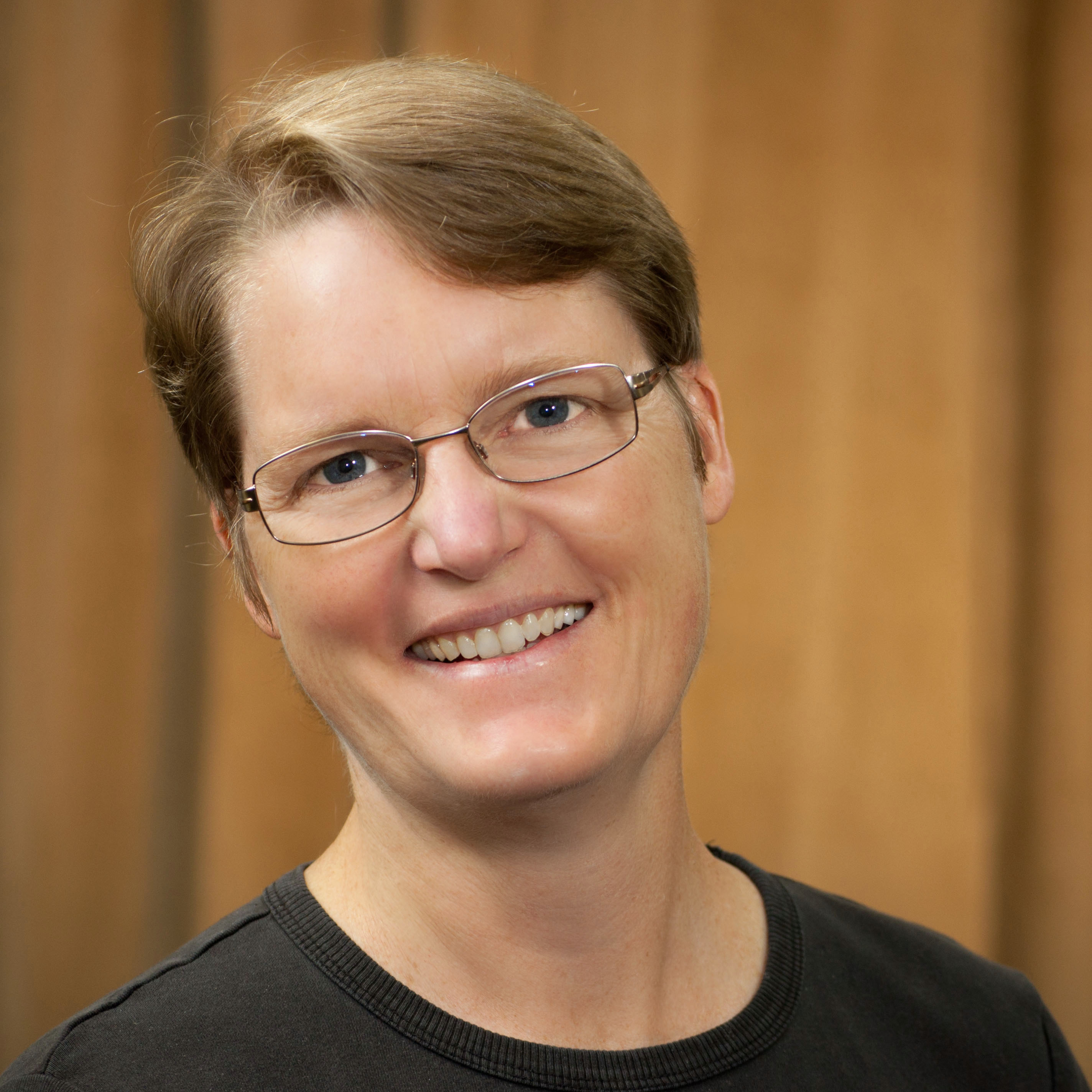
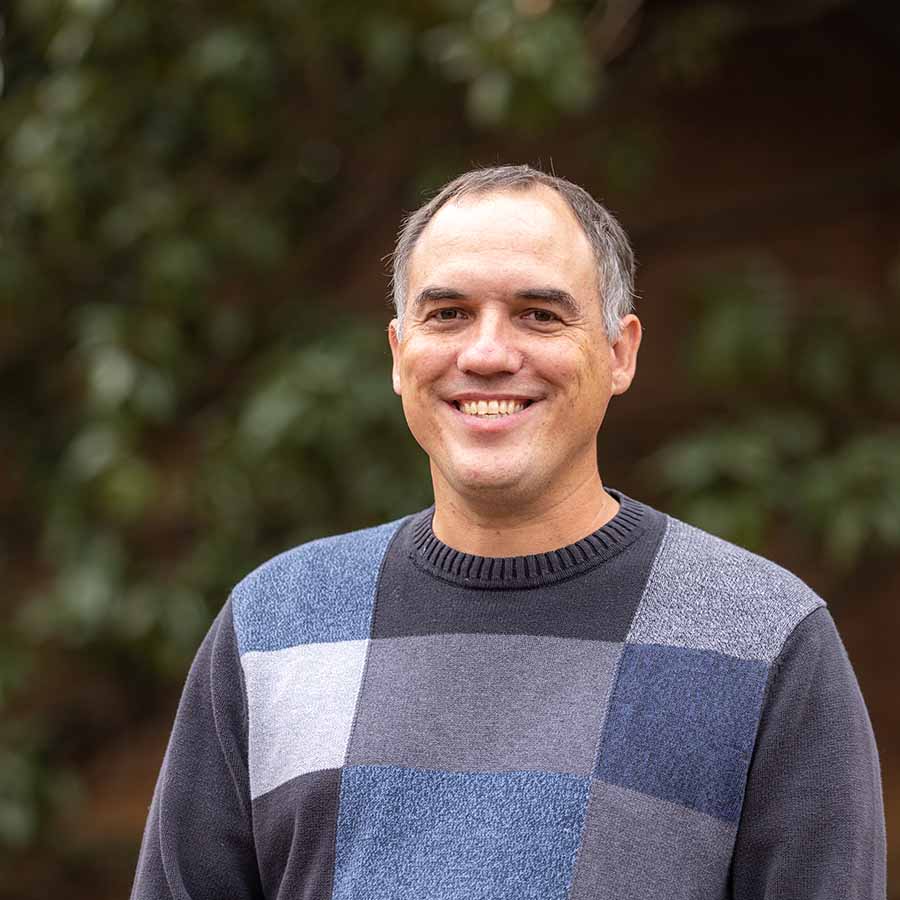
Dr. Kiki Adhinugraha is a Lecturer in the Department of Computer Science and Information Technology at La Trobe University, Melbourne, Australia. He holds a PhD in Information Technology from Monash University and is certified as an Oracle 11g OCA DBA. His research focuses on Spatial Data Science, Database Management, and Big Data applications, particularly in GIS, spatial query processing, and spatial crowdsourcing. He teaches courses such as Programming Environment, Cloud-based Web Applications, and Database Fundamentals. His academic contributions span geospatial accessibility analysis, machine learning applications in public health (e.g., tracking pandemic impacts), and optimizing video compression and network scheduling. He has published widely on spatial data structures, including Voronoi diagrams for IoT networks and trajectory analysis. Notable works include studies on education accessibility in Melbourne and AI-driven approaches for analyzing ALS comorbidity trajectories. Teaching responsibilities include programming, web development, and database management courses. His research often bridges theoretical computing with practical applications in urban planning, transportation systems, and healthcare analytics. He collaborates on interdisciplinary projects combining GIS, machine learning, and data-driven methodologies.
Roles and Affiliations: Dorothea Blostein is a Professor in the School of Computing at Queen's University, part of the Faculty of Arts and Science. She has held this position since 1988 after earning her Ph.D. (1987) and B.Sc. (1978) from the University of Illinois and an M.Sc. (1980) from Carnegie Mellon University. Research: Her work focuses on the interface between paper and electronic documents, with specialties in graphics recognition, document analysis, and biomedical computing. Key areas include tensegrity structures for biomechanical modeling, adaptive systems, and artificial fascial networks. She also explores music notation recognition and software engineering document classification. Collaborations include projects with NASA on tensegrity robotics and studies on concussion prevention through helmet fitting systems. Teaching: She teaches courses such as CISC 859 (Pattern Recognition) and CISC 324 (Operating Systems). Her pedagogical approach emphasizes hands-on projects and theoretical foundations in AI and algorithms. Labs and Teams: Her research leverages tools like the NASA Tensegrity Robotics Toolkit and ArtiSynth. She collaborates with institutions like the Gordon Lab for embryonic modeling and biomechanical engineers on cytoskeleton simulations.
Mark Gotham is a Senior Lecturer in Cultural Computation at King's College London's Digital Humanities Department, part of the Faculty of Arts & Humanities. He holds a unique interdisciplinary background with prior roles in music theory (Professor at TU Dortmund), computer science (Assistant Professor at Durham University), and digital humanities. His research focuses on computational methods for music analysis, composition, and accessibility, emphasizing corpus creation and mathematical modeling. He is affiliated with King's Computational Humanities Research Group and the Centre for Digital Culture. Education: PhD in Music Theory from Cambridge (2011-15), MMus from Royal Northern College of Music (2008-09), and a First Class BA in Music from Christ Church, Oxford (2005-08). Research interests include computational music theory, cultural computation, and pedagogical innovation. He leads projects like the OpenScore initiative and has collaborated with organizations such as Deutsche Telekom on the 'Beethoven X' project. His compositional works have been broadcast globally and received critical acclaim. Key contributions include the RomanText format for harmonic analysis, the TISMIR Education Track, and interdisciplinary frameworks for music corpus development. He actively contributes to labs such as the Music Computing Lab at King's, focusing on computational approaches to music creation and understanding.
David Nichols is a Professor in the Department of Psychology at Roanoke College, where he specializes in neuroscience, sensation and perception, and computational modeling. He holds a Ph.D. in Experimental Psychology from Florida Atlantic University (2006), complemented by M.A. and B.A. degrees from the same institution. His research employs psychophysical and neuroimaging methods to investigate visual perception, brain maturation, and EEG applications in education. Research Focus Dr. Nichols' work spans visual psychophysics (e.g., motion perception, interocular suppression), computational modeling of neural processes, and cognitive neuroscience applications in EEG and fMRI. His recent studies examine brain maturation patterns, Alzheimer's disease biomarkers, and methodological innovations in undergraduate neuroscience education. Publications frequently involve undergraduate collaborators, reflecting his commitment to the teacher-scholar model. Publication Trends His 15 most recent articles (2013-2025) demonstrate interdisciplinary work bridging neuroscience, psychology, and education. Dominant themes include neuroimaging validation studies (fMRI/EEG), perceptual mechanisms (motion, face, and accent processing), and pedagogical research on undergraduate neuroscience training. Methodological rigor and real-world applicability characterize his scholarly output. Academic Contributions Dr. Nichols develops curriculum resources for computational neuroscience and EEG methodologies, emphasizing hands-on MATLAB training. He mentors undergraduate researchers across projects ranging from brain wave analysis to dementia studies, though specific student names are not listed in available sources. No scientific awards or lab affiliations are documented in the provided materials.
Fred Dick is a Professor and former Director of the BUCNI (Birkbeck-UCL Centre for Neuroimaging) at Birkbeck, University of London. His primary affiliation is with the Department of Psychological Sciences. His research focuses on auditory and speech processing, attention mechanisms, neuroimaging techniques, and developmental cognitive neuroscience. He has led studies on neural entrainment in ADHD, functional connectivity in congenital amusia, and cross-modal perceptual strategies. His work is supported by grants from prestigious institutions including the National Institutes of Health, European Commission, and Royal Society. Notable contributions include developing the Multidimensional Battery of Prosody Perception (MBOPP) and pioneering studies on auditory sequence processing in primates. Key themes in his research include: neural correlates of attention, developmental disorders affecting auditory processing, and the role of musical expertise in sensory learning. His interdisciplinary approach integrates fMRI, EEG, and behavioral methods to map brain function across populations. He has published extensively on topics like cortical laminar dynamics, neuroimaging techniques for myelination assessment, and the evolution of auditory pathways. His findings have advanced understanding of how attention modulates auditory processing and how neural networks adapt to sensory challenges.
Aleksandr Petrov is a Tutor in the School of Computing Science at the University of Glasgow. His research focuses on recommendation systems, machine learning, and information retrieval, with a particular emphasis on large-scale and sequential recommendation challenges. Recent work includes developing efficient methods for handling millions of items in recommendation systems, improving fairness and accuracy in sequential models, and leveraging generative AI for semantic search integration. Publications highlight advancements in dynamic pruning techniques for sub-item embeddings, fairness in group-based recommendations, and optimizing transformer models for low-latency inference. His contributions span both algorithmic innovation and practical system design, addressing scalability and real-world deployment constraints in AI-driven recommendation engines. No scientific awards or grants are explicitly listed in the provided information. Mr. Petrov advises no students in the current dataset, though his research often involves collaborative projects with peers like C. Macdonald and N. Tonellotto.
Fahim Kawsar is Professor of Mobile Systems at the University of Glasgow's School of Computing Science. His research focuses on mobile and pervasive systems with applications in augmented reality, human-computer interaction, and health monitoring. He supervises PhD students working on therapeutic music interventions and wellbeing sensing technologies. Research spans: Augmented reality collaboration systems Energy-efficient AI on microcontrollers Contactless vital sign monitoring Wearable computing for health Recent publications explore avatar placement in AR meetings, thermal management of AI accelerators, and neurocomputational models for personalized therapy. Work consistently addresses practical implementation challenges in ubiquitous computing.
Dr. Suzanne Hall serves as Associate Professor of Music Education at Temple University's Boyer College of Music and Dance, where she teaches general music and music education introduction courses. With extensive K-5 teaching experience in Florida and Tennessee, she previously coordinated Augusta University's music education program and taught at the University of Central Florida. Her academic credentials include: PhD from University of Memphis MEd from University of Central Florida BME from University of Central Florida Dr. Hall's research pioneers the integration of music with language arts, focusing on pre-service teacher development and comprehensive musicianship. She examines how storybooks enhance music experiences while advancing literacy skills, with recent work emphasizing diversity and inclusion strategies. Her scholarship bridges cognitive theory with practical classroom applications across early childhood through K-12 settings. Analysis of her 2012-2020 publications reveals consistent exploration of music-literacy intersections, evolving toward stronger emphasis on cultural diversity after 2016. Her work demonstrates systematic progression from foundational parallel analysis to actionable diversity frameworks, featuring practical strategies like picture book sequencing and culturally responsive repertoire selection. Dr. Hall actively contributes to professional communities as advisory board member for the International Journal of Education and the Arts and committee member for the College Music Society's Cultural Inclusion initiative. She has delivered nationwide professional development workshops on music-literacy integration for school districts including Boston Public Schools and Philadelphia School District. Her research program includes curriculum development projects such as the language arts-integrated music curriculum commissioned by a Memphis charter school, with current work focusing on overcoming diversity barriers in music education through culturally responsive texts and inclusive pedagogical models.
Tiina Parviainen is an Associate Professor of Neuroscience at the Department of Psychology, University of Jyväskylä, and Director of the Center for Interdisciplinary Brain Research (CIBR). She holds a Ph.D. from Aalto University (2007) and completed postdoctoral work at Oxford University. Her research focuses on neuroimaging (MEG, EEG) to study brain and autonomic nervous system dynamics in development and adulthood, emphasizing cortical plasticity, body-brain interactions, and individual variation in cognitive performance. **Affiliations**: Faculty of Education and Psychology, University of Jyväskylä; CIBR Director. **Follow-up Groups**: CIBR, PSY, JYU.Well. **Projects**: Principal Investigator in projects like 'Brains and Bodies in Social Interaction' (2024–2027) and 'Sustainable Careers in Elite Sports' (2024–2027). Team member in Profi3 (2017–2021) and Profi4 (2018–2022) initiatives, including 'Brain Development Across the Life Span' and 'Active Ageing and Care'. **Research Interests**: Neuroimaging markers of plasticity, body-brain interactions, and developmental neuroscience. **Key Contributions**: Over 50 peer-reviewed articles since 2019, emphasizing MEG/EEG studies on working memory, interoception, and the impact of physical activity on brain function. **Labs/Teams**: Leads CIBR, collaborating on interdisciplinary projects linking neuroscience to education, health, and aging. **Grants/Projects**: €4.6M Profi3 funding (2017–2021), €5.68M Profi6 (2021–2026), and multiple grants from Finnish and EU agencies. **Awards**: Not explicitly listed, but her sustained leadership in profiling initiatives reflects recognition. **Students/Advising**: None listed here; focus on collaborative projects and team supervision.
Ingrid Johnsrude is a Professor at Western University with a joint appointment in Psychology and the School of Communication Sciences and Disorders. She directs the Brain and Mind Institute and previously held roles as Canada Research Chair (Tier II) and Western Research Chair. Her research focuses on cognitive neuroscience of speech perception and hearing, particularly in aging populations and hearing-impaired individuals. Johnsrude earned a BSc from Queen’s University and a PhD in clinical psychology (neuropsychology) from McGill University (1997), followed by postdoctoral work at University College London and the Medical Research Council’s Cognition and Brain Sciences Unit in Cambridge. Her research integrates behavioral and neuroimaging methods to study how auditory input is transformed into meaningful language. Key interests include how familiarity with voices aids speech comprehension in noise, neural mechanisms underlying listening effort, and the impact of hearing loss on social engagement. She leads the CoNCH lab and has authored over 99 peer-reviewed articles, with an h-index of 41 and over 14,600 citations (Google Scholar). Johnsrude’s work bridges clinical and cognitive neuroscience, addressing real-world challenges like hearing aid efficacy and the psychosocial consequences of hearing decline. Awards include the prestigious E.W.R. Steacie Memorial Fellowship (2009). She teaches perceptual psychology, hearing science, and cognitive neuroscience methods. Her contributions span auditory neuroscience, aging research, and translational studies linking hearing health to broader social outcomes.
Samuel V. Norman-Haignere, Ph.D. is an Assistant Professor at the University of Rochester with appointments in the Department of Biostatistics and Computational Biology, Department of Biomedical Engineering, and Department of Neuroscience within the School of Medicine and Dentistry. His research focuses on understanding the neural and computational mechanisms that underlie human hearing, particularly how the brain processes natural sounds like speech and music. Dr. Norman-Haignere received his BA in Cognitive Science from Yale University in 2010 and his Ph.D. in Neuroscience from Massachusetts Institute of Technology in 2015. His doctoral work was conducted under the advisement of Josh McDermott and Nancy Kanwisher. He then completed postdoctoral training at Massachusetts Institute of Technology (2015-2017), École Normale Supérieure (2017-2018), and Columbia University (2018-2021). Dr. Norman-Haignere's research centers on cognitive computational neuroscience, specifically investigating how the human brain perceives and understands natural sounds. His lab, the Computational Neuroscience of Audition Lab, focuses on three main areas: Neural mechanisms of hierarchical temporal integration - studying how the brain integrates information across multiple timescales from milliseconds to minutes Representation of speech and music in non-primary auditory cortex - identifying distinct neural populations that respond selectively to speech, music, and singing Testing computational models of human auditory cortex - developing models that replicate the nonlinear computations of the human auditory system Analysis of Dr. Norman-Haignere's recent publications reveals a consistent focus on auditory neuroscience and computational modeling. His work spans multiple methodologies including fMRI, intracranial recordings, and computational modeling approaches. A key theme across his recent work is temporal integration in auditory processing, with several papers examining how the brain processes information across different time scales. His research also shows strong interdisciplinary connections between neuroscience, computer science, and cognitive psychology. Dr. Norman-Haignere has received several scientific awards including: Poster Award (2019) Poster Award (2015) NSF Graduate Research Fellowship (2010-2015) Dr. Norman-Haignere actively mentors graduate students and postdoctoral scholars in his lab. Current lab members include Postdoctoral Scholar Dana Boebinger, Research Technicians Zehua Kcriss Li and Guoyang Liao, and graduate students Joseph Jaeger (Biomedical Engineering), Pavel Rjabtsenkov (Neuroscience), David Skrill (Statistics), and Xinzhu (Claire) Wang (Statistics). His lab employs a range of methodologies including functional MRI, intracranial recordings from patients, and computational modeling to investigate auditory processing. The Computational Neuroscience of Audition Lab, located at 601 Elmwood Ave, Rochester, NY 14642, maintains active collaborations with animal physiology labs to understand cross-species differences in auditory processing and address questions that cannot be answered using human neuroscience methods alone. A key focus of the lab is developing novel computational and experimental methods to fully exploit various neural recording techniques.
Anders Friberg is a Professor at KTH Royal Institute of Technology, affiliated with the School of Electrical Engineering and Computer Science (EECS) and the Department of Speech, Music and Hearing. His research focuses on music communication, perception, and modeling, encompassing topics such as music performance, expressive timing, and the interplay between music and emotion. He leads projects in computational models for music analysis, audio signal processing, and the neuroscience of music. His work bridges musicology, computer science, and cognitive science. Research Interests: Music perception and modeling Expressive performance analysis Audio feature extraction Music emotion and crossmodal perception Neuroscience of singing and vocal production Key Contributions: Development of the KTH rule system for musical performance Studies on jazz swing rhythms and ensemble timing Computational models for accent salience and dynamics Investigations into insula connectivity in trained singers Publications highlight interdisciplinary approaches, with recent work on vocal sound imitation models, child-computer interaction in music learning, and neural correlates of musical expression.
Hervé Abdi is a full Professor in the School of Behavioral and Brain Sciences at the University of Texas at Dallas. He holds a Ph.D. in Mathematical Psychology from the University of Aix-en-Provence (France, 1980). His career includes roles as an assistant and full professor in French universities, adjunct professor at UT Southwestern Medical Center, and visiting scholar at institutions worldwide, including Brown University and the University of Geneva. Abdi’s research focuses on computational models of cognition, multivariate statistical techniques (e.g., PCA, correspondence analysis, PLS regression), and neuroimaging data analysis. He explores face and odor perception, brain imaging methodologies, and sensory evaluation. His work bridges cognitive science, statistics, and neuroscience, with over 327 publications, including 12 books and 13 edited volumes. He has mentored numerous Ph.D. students and postdoctoral researchers, many of whom hold academic and industry leadership roles. Key awards include two Fulbright Scholarships. His recent work emphasizes DISTATIS and STATIS methods for multi-table data, covSTATIS for network neuroscience, and applications in autism research and sensory analysis. Education: M.S. Psychology, University of Franche-Comté (1975) M.S. Economics, University of Clermond-Ferrand (1976) M.S. Neurology, University Louis Pasteur (1977) Ph.D. Mathematical Psychology, University of Aix-en-Provence (1980) Grants & Collaborations: Recipient of NIH-funded grants for autism neuroimaging studies and sensory evaluation projects. Collaborates internationally on brain-behavior relationships and multivariate statistical methodologies. Labs & Teams: Leads computational neuroscience and multivariate analysis research groups. Involved in the Face Lab at UTD, exploring face perception and cognitive modeling.
Alain Simons is a Senior Lecturer in Games Technology Programming at Bournemouth University, Faculty of Media and Communication, within the Department of Games Technology and Games Programming. His work bridges technical innovation and educational application in game development, 3D modeling, and digital imaging. His research focuses on novel imaging technologies such as VectorPixels , which aim to reduce bandwidth usage by representing photographic images through vector-based rendering. He also pioneers Scale Model Games (SMG) , integrating physical miniatures with online multiplayer systems for immersive tactical gameplay, and eScale Model Racing , simulating real-world racing conditions in scaled environments. Additional work includes avatar-based support for online learners and gamification of historical and engineering education. His publications span augmented reality, game engines, architectural visualization, and educational technology. Trends show a consistent focus on blending physical and digital interactivity, optimizing visual data, and enhancing learning through gamification. Senior Fellow of Higher Education Academy (2018) Alain supervises final-year student projects and integrates research into teaching. He has secured multiple grants from EPSRC, HEFCE, HEIF, and the Paul Mellon Centre, supporting projects in immersive simulation, structural behavior gamification, and VR for STEM outreach. He is actively involved in consultancy, including advising on Innovate UK bids. He leads initiatives in broadcasting student work across university screens and developing automated marking tools. His lab activities center on the Center for Games and Music Technology , where students engage in modeling, programming, and historical research for gameplay development.
Hossein Malekmohamadi is a Senior Lecturer in Computer Vision at De Montfort University, affiliated with the School of Computer Science and Informatics within the Faculty of Computing, Engineering and Media. His work bridges computer vision, machine learning, and energy systems. PhD, MSc, BSc in Computer Science or related fields Postgraduate Certificate in Higher Education (PGCLTHE) His research focuses on computer vision, machine learning, and multimedia signal processing, with applications in energy data analysis, Internet of Energy (IoE), and human-computer interaction via EEG signal processing. He has pioneered techniques like Gramian Angular Field (GAF) encoding for energy data visualization and edge computing solutions for real-time classification. Recent publications highlight his work on neural networks for aerodynamic modeling, EEG-based energy data analysis, and 3D feature compression methods. He holds a U.S. Patent for paper classification based on three-dimensional characteristics and is recognized as a Senior Fellow of the Higher Education Academy.