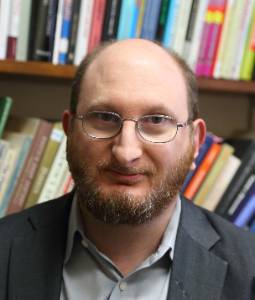
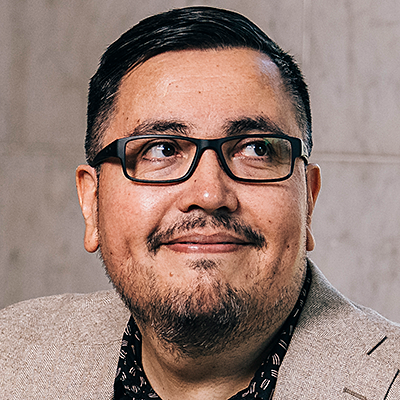
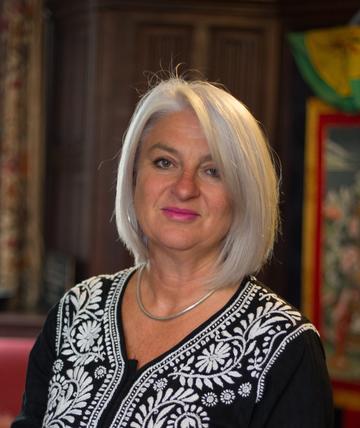
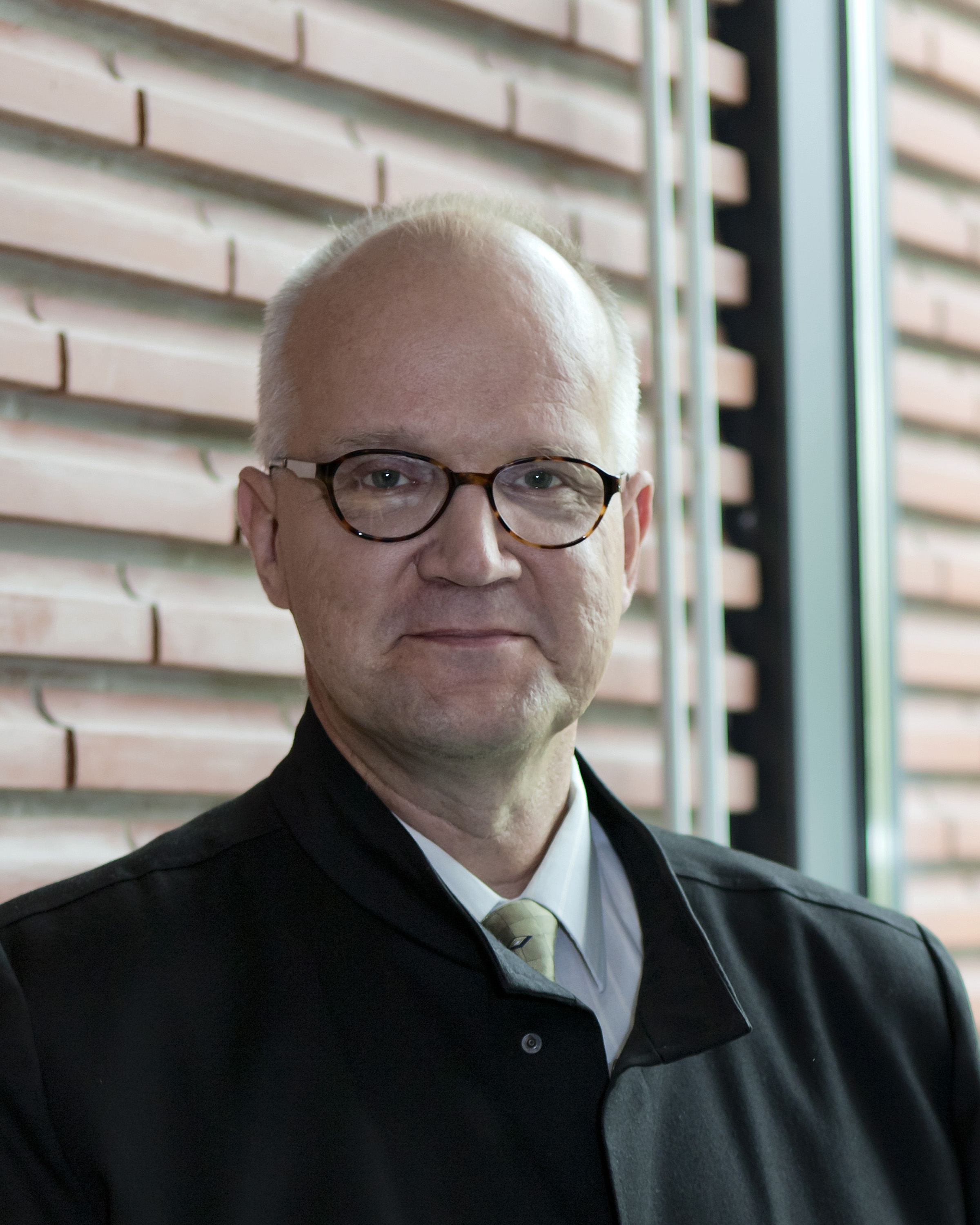
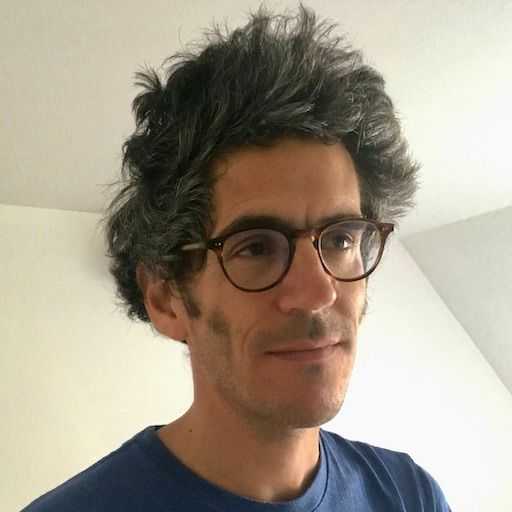
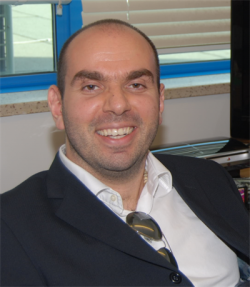
Joseph A. November is an Associate Professor in the Department of History at the University of South Carolina, affiliated with the McCausland College of Arts and Sciences. His research focuses on the history of biomedical computing, distributed computing, and the intersection of technology and medicine. He holds a Ph.D. from Princeton University (2006), an M.A. from the University of Chicago (2002), and a B.A. from Hamilton College (1997). His work includes the award-winning book Biomedical Computing: Digitizing Life in the United States (2012), which explores the co-development of biomedicine and computing technologies. Current projects include Revolutions@home , examining distributed computing in protein folding research, and a biography of computing pioneer Robert S. Ledley. He has received grants from the NSF, NIH, and the Charles Babbage Institute. Teaching interests span the history of science and technology, including courses on the history of medicine, digital humanities, and the role of games in historical education. He actively contributes to professional organizations like SHOT and the History of Science Society. Awards include the Computer History Museum Prize (2013) and the National Institutes of Health DeWitt Stetten Fellowship (2007-2008). His research bridges historical analysis with contemporary issues in technology and biomedical ethics.
Professor Andrew Hudson-Smith is the Director of the Bartlett Centre for Advanced Spatial Analysis (CASA) at University College London (UCL), where he holds the title of Professor of Digital Urban Systems. He leads UCL's academic and applied research in smart cities, digital twins, and urban informatics. His roles include Editor-in-Chief of the Future Internet Journal and academic lead for the Smart Queen Elizabeth Park project. He contributes to strategic initiatives such as the Greater London Authority Smart London Board and EPSRC Digital Economy Programme Advisory Board. Education: PhD (2003), MSc (1996) from UCL; BSc in Geography from the University of Plymouth (1992). Research focuses on digital urban systems, IoT applications, sustainable urban planning, and cyberphysical systems. Notable projects include urban heat island monitoring, participatory planning platforms, and metaverse-driven urban design. His work bridges technology, art, and public engagement, exemplified by initiatives like Tales of Things and the Haggle-O-Tron. Recent publications emphasize digital twins, metaverse urbanism, and IoT integration in urban environments. Awards include a Fellowship of the Royal Society of Arts. His work addresses SDGs 3 (Good Health) and 11 (Sustainable Cities), with a focus on equitable smart city development and public space innovation.
Andres Lucero is Associate Professor of Interaction Design at Aalto University's Department of Art and Media, specializing in human-computer interaction for mobile devices and interactive surfaces. His research integrates human-computer interaction, design methodologies, and playful interfaces. He holds a PhD from Eindhoven University of Technology and has industry experience from Nokia, where he led user-centered design projects as Senior Researcher. Research explores tangible interfaces, social wearables, museum experience design, human-AI collaboration, and cross-cultural co-design approaches. Recent projects investigate conversational agents in design processes, persona generation workflows, and freeform interactive devices. Dr. Lucero received the Honourable Mention Award at MUM 2020 for innovative interaction research. His work advances design methods through first-person perspectives, AI integration, and novel interaction paradigms.
Clare Harris serves as Professor of Visual Anthropology and Head of the School of Anthropology and Museum Ethnography at the University of Oxford, concurrently holding curatorship of Asian Collections at the Pitt Rivers Museum and a Fellowship at Magdalen College. Her academic leadership spans institutional administration, museum curation, and doctoral supervision within Oxford's anthropological ecosystem. Her educational foundation includes a BA from the University of Cambridge and MA/doctorate from SOAS, University of London. Early career roles comprised Lecturer in Anthropology of Art at the University of East Anglia (1994-1998) before her Oxford appointment. Harris pioneers research at the intersection of visual anthropology, Tibetan studies, and museum decolonization. Her work critically examines Himalayan visual culture, colonial/post-colonial photography, and museum representation politics, evolving toward digital repatriation and community-centered curation. She integrates anthropological fieldwork (conducted in Tibetan diaspora communities since the 1990s) with art historical analysis and archival research. Her 13 recent publications (2004-2022) reveal a progressive trajectory from Tibetan art history toward urgent museum decolonization debates, with consistent focus on photographic practices and cross-cultural representation. Key thematic developments include the shift from historical analysis to active digital repatriation projects and increased engagement with contemporary artists. Harris's accolades include: Fellowship of the British Academy (2019) E. Gene Smith Prize for The Museum on the Roof of the World (2014) Visual Anthropology Prize for In the Image of Tibet (2000) She currently supervises five DPhil students while examining over 25 completed doctorates globally. Research funding spans British Academy personal grants, Leverhulme Trust support, and major collaborative projects including AHRC, Wenner-Gren Foundation, and EU grants—most notably the current AHRC-funded Decolonising the Museum: Digital Repatriation of the Gaidinliu Collection . At the Pitt Rivers Museum, Harris leads high-impact curatorial initiatives including the Abramović collaboration ( Gates and Portals ), Nyema Droma's Performing Tibetan Identities , and community projects like My Tibet Museum , establishing innovative frameworks for museum-public engagement.
Eero Hyvönen is a Professor of Computer Science at Aalto University and Director of the Helsinki Centre for Digital Humanities (HELDIG) at the University of Helsinki. He leads the Semantic Computing Research Group (SeCo), specializing in Semantic Web technologies and applications. Hyvönen holds an Adjunct Professor title at the University of Helsinki's Department of Computer Science. His work focuses on developing national-level semantic web infrastructure, with applications in digital humanities, cultural heritage, and AI. He has published over 500 research articles and books, receiving numerous awards including the Decoration of Knight, First Class, of the Order of the White Rose of Finland (2018). Hyvönen chairs editorial boards of journals like Semantic Web and serves on committees for major conferences. His research spans semantic web technologies, linked open data, and AI applications in cultural heritage domains. Key projects include Sampo portals (e.g., LetterSampo, OperaSampo) for cultural data analysis, ParliamentSampo for parliamentary data, and FindSampo for archaeological finds. His work emphasizes interdisciplinary collaboration, integrating law, history, and computing through initiatives like FIN-CLARIAH. Hyvönen advises doctoral and master's students, notably Annastiina Ahola and Jouni Tuominen, who have won awards under his supervision. He directs research infrastructures, chairs international boards, and actively contributes to open data policies and standards development.
Thomas Pape is a Professor at The Natural History Museum of the University of Copenhagen, specializing in the systematics, taxonomy, phylogeny, biogeography and evolution of Diptera (two-winged insects), with special emphasis on Calyptratae families including Sarcophagidae, Oestridae, and Calliphoridae. He has been a professor since 2025 after serving as an Associate Professor from 2004-2024. PhD from Copenhagen University (1990) Docent at Stockholm University (1998) Associate Professor at Danish Bilharziasis Laboratory (1990-1992) Research Entomologist at Naturhistoriska Riksmuseet, Stockholm (1994-2004) His research spans taxonomy, systematics, phylogeny, biogeography and evolution of Diptera with special emphasis on calyptrate families. He collaborates on Systema Dipterorum, conducts comparative larval morphology studies, and investigates the phylogeny of Calyptrata. His work includes Diptera nomenclature and large-scale biodiversity inventories. Analysis of his recent publications reveals a strong trend toward molecular phylogenetics (using RAD-seq and anchored phylogenomics), forensic entomology applications, and biodiversity informatics. His research spans entomology, systematics, evolutionary biology, and increasingly intersects with bioinformatics and conservation science, with significant contributions to understanding flesh flies, bot flies, and blow flies. President of the International Council of Zoological Nomenclature (since 2016) Chair of the Council for the International Congresses of Dipterology (2010-2018) Member of editorial boards for Entomotropica, Studia dipterologica, Stuttgarter Beiträge zur Naturkunde, and Tijdschrift voor Entomologie Dr. Pape teaches courses in Entomology (structure, phylogeny and biology of terrestrial arthropods), Field Biology II - Zoology, and Ecology and Evolution of East Africa (a 2-week field course in Tanzania with Nikolaj Scharff). He has served on scientific panels for SYNTHESYS and as chair of the scientific advisory committee for Museum Koenig in Bonn (2006-2009). His research group employs both morphological and molecular approaches to address evolutionary questions in Diptera, with particular expertise in calyptrate families. The laboratory maintains active international collaborations across multiple continents, as evidenced by his extensive publication record and research network.
Jan Oliver Borchers is a full professor of computer science and head of the Media Computing Group at RWTH Aachen University, where he holds the endowed Chair in Media Informatics and Human-Computer Interaction (Computer Science 10). He established his research group in 2003 and pioneered modern HCI academic research and teaching in Germany, becoming a leading lab in terms of archival publications at CHI, the top international conference in HCI. Before joining RWTH, he held faculty positions at Stanford University and ETH Zurich. His research focuses on Human-Computer Interaction with particular interest in new user interfaces for soft robotics, textile user interfaces, 3D printing and personal fabrication, augmented reality, wearable and tangible computing, interfaces for software development, deceptive patterns, and interactive guides and exhibits. He opened Germany's first Fab Lab in 2009 and has been instrumental in advancing digital fabrication and maker culture in academia. His work bridges theoretical HCI research with practical applications, as evidenced by his consulting for major companies including AirBus, Apple, ARD, Bayer, Children's Museum Boston, Daimler, Handelsblatt, OTIS, Scout24, TEDx, and Deutsche Telekom. His recent publications show a strong focus on deceptive patterns in UI design, textile interfaces, and the intersection of AI with human interaction. The research demonstrates consistent innovation in tactile interaction techniques, with numerous honorable mentions at top conferences like CHI. His lab has produced significant contributions to eyes-free interaction, textile computing, and the ethical implications of dark patterns, particularly regarding children's experiences with deceptive designs. IDC 2025 Best Work in Progress for research on children's assessment of deceptive designs CHI'25 Student Games Competition Winner for The Deceptive Dungeon RWTH-Wissenschaftsnacht 2024 Best Science Slam for Usability: 4 Prinzipien guter User Interfaces Multiple CHI Honorable Mentions spanning from 2008-2021 Best Note and Best Demo awards at ITS and UIST conferences Borchers has served in numerous leadership roles including heading the Computer Science Department's Examination Board (2015-2025), coordinating the department's public relations since 2010, and organizing the weekly Faculty Lunch since 2003. He is an active member of the ACM, SIGCHI, SIGCHI Germany, and GI, and introduced the Interactivity format to the CHI conference in 2005. His PhD thesis, A Pattern Approach to Interaction Design, became the first book to bring design patterns to HCI. The Media Computing Group under his leadership has developed significant expertise in physical computing, textile interfaces, and fabrication technologies, with a strong emphasis on both theoretical contributions and practical applications. His lab continues to push boundaries in interactive technologies while maintaining a strong ethical stance on user experience, particularly regarding deceptive design patterns.
Thomas Chaney is a Professor of Economics at the University of Southern California (USC), holding the John Elliott Chair in Economics. He is affiliated with Sciences Po’s Department of Economics and leads the ERC Project HTMG. His research focuses on International Trade, Networks, and Finance, with notable contributions to historical trade dynamics and modern financial constraints. Chaney is a CEPR and CESifo Research Fellow, reflecting his academic standing. Research Interests: Chaney’s work bridges historical and contemporary economic phenomena, analyzing trade networks, collateral constraints in corporate finance, and the impact of migration on innovation and urban development. His research often employs innovative methodologies, such as combining archaeological data with economic models to study ancient trade systems. Articles Trends: Recent work examines Bronze Age trade networks, modern corporate investment dynamics, and the role of real estate collateral. His 2024 articles explore ancient trade’s end and contemporary empathy’s economic implications, showcasing interdisciplinary approaches. Earlier papers like Trade, Merchants, and the Lost Cities of the Bronze Age (2019) exemplify his historical focus. Grants & Awards: Chaney leads the ERC-funded HTMG project and holds prestigious fellowships. His work has been published in top journals and spans empirical trade analysis, financial economics, and historical methods. Labs/Teams: Active in USC’s Economics Department and collaborates with global institutions like Sciences Po and the Bank for International Settlements (BIS). His research group integrates economists, historians, and data scientists for interdisciplinary projects.
Professor Isto Huvila is a leading scholar at Uppsala University's Department of ABM (Archives, Libraries, and Museums) within the Faculty of Humanities. His academic profile spans information science, digital humanities, and cultural heritage studies with a distinctive focus on documentation practices and information management across diverse contexts. His research interests encompass: Information and knowledge management Social and participatory information practices Documentation and paradata theory Digital humanities and archaeological information systems Health information and e-health services Open data and research data management Recent scholarly output reveals a strong trajectory toward understanding information practices across multiple domains. A significant portion of his work examines paradata in archaeological contexts through the CAPTURE project, investigating how documentation of data creation processes can enhance research transparency and data reuse. He also conducts extensive research on digital inclusion among older adults and immigrant populations regarding e-health services, analyzing both experiences and expectations of these user groups. Professor Huvila publishes in high-impact journals including Journal of Documentation, Information Research, Journal of the Association for Information Science and Technology, and Journal of Medical Internet Research. His interdisciplinary approach connects information science with archaeology, health informatics, and digital humanities, yielding practical insights for improving documentation standards, research data management, and e-health service design. His 2025 book 'Paradata: Documenting Data Creation, Curation and Use' represents a major contribution to the field, alongside influential review articles like 'Trends in information behavior research, 2016-2022' in the Annual Review of Information Science and Technology. His work bridges theoretical and practical concerns in information science, making substantive contributions to both academic knowledge and real-world applications in cultural heritage institutions and healthcare information systems.
Tamara Munzner is a Professor of Computer Science at the University of British Columbia, with a confirmed email at tamara@cs.ubc.ca . Her research focuses on information visualization , visual analytics , and graph drawing , emphasizing practical design frameworks and theoretical foundations. Recent work explores visitor engagement with science museum exhibits large-scale data visualization challenges health informatics applications for chronic pain management advanced graph neural network visualization His publications in IEEE Transactions on Visualization and Computer Graphics and Eurographics conferences demonstrate her expertise in visual analytics. Scientific awards include the Best Panel Award at Euro Vis 2009 for her work on visualization education. Her research spans visualization design principles, dimensionality reduction techniques, and applications in genomic epidemiology and environmental sustainability.
Prof. Dr. Mona Hess is a Full Professor and Chairholder of the Chair of Digital Heritage Technologies at Otto-Friedrich-Universität Bamberg , Germany. She directs the M.Sc. Digital Technologies in Heritage Conservation program and serves as Vice-Speaker at the Centre for Heritage Conservation Studies and Technologies (KDWT) . Her work bridges digital documentation, 3D imaging, and heritage conservation, with a focus on cultural landscapes, historic timber, and artifact preservation. Education : Dipl.-Ing. in Architecture (TUM), M.A. in Heritage Conservation (University of Bamberg), Ph.D. in 3D Imaging Metrology for Cultural Heritage (University College London, 2015) Her research spans 3D laser scanning, photogrammetry, SLAM-based recording , and digital twin environments , particularly for structural monitoring, museum artifacts, and historic gardens. She leads projects like VirScan3D (virtual laser scanner simulator) and 3DPetrie (UCL Petrie Museum 3D models) and collaborates on international initiatives such as the British Museum War Canoe digital repatriation. Recent publications emphasize automated defect analysis in timber, multi-modal imaging for ceiling art, and linked open data in heritage. She has contributed to CIPA ICOMOS as an expert member and will chair their Education and Dissemination Commission (2024). Scientific Awards : Fellow of the UK Higher Education Academy (2016), Associate Fellow of the Higher Education Academy (2014) She teaches courses in Digital Object Recording , 3D Spatial Data Modeling , and Science Communication , and organizes international summer schools on heritage monitoring. Her lab, the Chair of Digital Heritage Technologies , collaborates with institutions in Italy, Spain, and the UK, focusing on interdisciplinary innovation in heritage conservation.
Maureen Meadows is a Professor of Strategic Management at Coventry University's Research Centre for Business in Society. Her work focuses on strategic decision-making, big data applications, privacy in business models, and M&A dynamics. She previously held leadership roles at the Open University and Warwick Business School, where she contributed to strategic management education and research. Education: PhD in Open University (2016) MSc in Management Science from University of Warwick (1987) Bachelor of Arts in Mathematics (Oxford University, 1986) Research Interests: Strategic management tools (e.g., scenario planning), customer data analytics, privacy implications of data sharing, and post-merger integration. She has co-led projects on surveillance society blurring and privacy in the digital economy, funded by Leverhulme and EPSRC. Key Projects: Leverhulme-funded 'Taking Liberties?' (surveillance society) EPSRC-funded 'Monetize Me?' (privacy and quantified self) Co-designing digital strategies for museums and education sectors Grants & Collaborations: Multiple internally-funded projects on board assurance frameworks, creative accounting, and hybrid business models in museums. Active in international conferences and professional bodies like BAM Council. Awards: While no specific prizes are listed, her h-index of 24 and 1,891 citations reflect significant scholarly impact.
Oliver Grau is a Chair Professor for Image Science and a leading figure in Media Art research, affiliated with Hong Kong Baptist University (Academy of Visual Arts, Distinguished Fellow since 2023) and Danube University Krems (Chair Professor for Image Science from 2005–2022). He founded the Archive for Digital Art (ADA) and the international MediaArtHistories Conference Series , with key roles at institutions across Germany, Austria, and Australia. His work bridges art, science, and technology, focusing on immersive images, digital heritage, and emotion research. Key Positions: Director of ADA (since 2000), Founding Director of MediaArtHistories Conference Series (since 2005), PI for high-resolution digitization of the Goettweig Graphic Print Collection (2005–2017). Research Grants: Funded by DFG, Austrian Science Fund, Australian Research Council, VW Foundation (total 8.3 Mio EUR), and Erasmus+ Joint Master program (5.4 Mio EUR). Research Interests: Grau’s scholarship spans the history of media art, telepresence, artificial life, emotion research, and digital humanities. His work emphasizes the evolution of immersive visual experiences from historical art forms to digital media, integrating theoretical and practical approaches. Article Trends: His recent publications focus on digital art’s sociopolitical dimensions, archiving challenges in the digital era, and cross-disciplinary methodologies. Themes include media art conservation, web-based tools for digital humanities, and the intersection of artistic expression with contemporary global issues like climate change and surveillance. Scientific Awards: Distinguished Fellow at Hong Kong Baptist University (2023) Science Award of Lower Austria (2019) Honorary Doctorate from University of Oradea (2014) Invitations to G-20 summit, Olympic Games, and international symposia Labs & Teams: He leads the Archive for Digital Art, managing a global team of 28 staff, and co-founded the Erasmus+ Joint Master in Media Arts Cultures. His projects emphasize collaborative archiving tools (e.g., Web 2.0/3.0 archives) and large-scale digitization initiatives.
Professor Ian Ruthven is a Professor of Information Seeking and Retrieval in the Department of Computer and Information Sciences at the University of Strathclyde. He chairs the Scottish Library and Information Council (SLIC) and the Steering Committee of the Information Seeking in Context (ISIC) conference series. His research focuses on human information interaction, including information seeking in health, migration, and cultural heritage contexts. He authored Dealing With Change Through Information Sculpting , proposing a theory explaining how people use information behaviors to adapt during life transitions. Education: PhD in Abduction, Explanation, and Relevance Feedback (University of Glasgow, 2001), MSc (University of Birmingham, 1993), BSc in Computing Science (University of Glasgow, 1992). Research Interests: Information seeking theory, interface design for information access, user studies. His work bridges human-computer interaction with socio-technical systems, emphasizing ethical and inclusive design. Publications: Over 170 peer-reviewed papers, including influential works on information resilience, digital divides, and pandemic impacts on international students. Recent work includes Grey Digital Divide: Factors Associated with Older People’s Use of the Internet for Financial Transactions (2025) and Information Avoidance: A Critical Conceptual Review (2025). Awards: Tony Kent Strix Memorial Award (2020), Fellow of the Royal Society of Arts (2010), and multiple best paper awards. His contributions span academic and policy realms, addressing societal challenges through information science. Projects: Co-investigator in the Participatory Harm Auditing Workbenches and Methodologies (PHAWM) project (2024–2028) and leader of the Scottish Network on Digital Cultural Resources Evaluation (ScotDigiCH) (2015–2016). These projects emphasize participatory design and cultural heritage evaluation. Professional Activities: Editorial roles for major conferences, visiting researcher at the University of Pretoria (2021), and advisory roles in library and information science initiatives. His work fosters collaboration between academia and cultural institutions.
Christos Gatzidis serves as Executive Dean of Bournemouth University's Faculty of Science and Technology since October 2023, overseeing six departments including Computing and Informatics, Creative Technology, and Psychology. Previously Deputy Dean (2021-2023) and Head of Creative Technology Department (2016-2021), he was appointed Professor in Creative Technology in November 2019. The Faculty leads five REF Units of Assessment and secures funding from AHRC, NIHR, and Innovate UK for research spanning digital healthcare, gaming technologies, and cultural heritage applications. His educational qualifications include: PhD in Information Science, City University London (2010) PG Cert in Research Degree Supervision, Bournemouth University (2010) MA in Computer Animation, Teesside University (2003) BSc (Hons) in Computer Studies (Visualisation), University of Derby (2002) Professor Gatzidis specializes in computer graphics with research spanning virtual reality, serious games, and digital healthcare applications. His work bridges technical innovation and practical implementation, particularly in mindfulness prototypes for healthcare and stroke rehabilitation systems. Current projects focus on the multidisciplinary application of gaming technologies in medical contexts, emphasizing user experience and therapeutic outcomes through collaborations with industry partners. His publication record (2014-2025) demonstrates evolving expertise from foundational computer graphics research in terrain generation and deformation to applied work in healthcare, cultural heritage, and music education. Key trends include virtual reality for therapeutic mindfulness, usability studies in mobile gaming, and digital cultural presentation techniques, reflecting a trajectory toward socially impactful technological solutions with strong industry translation. No scientific awards are documented in the provided information. He has supervised PhD students and secured competitive research funding, including two Innovate UK Knowledge Transfer Partnerships. His principal investigator role in a virtual reality mindfulness prototype project exemplifies his approach to translating academic research into practical industry solutions, with current focus on expanding knowledge exchange activities to support the University's civic engagement mission. As Executive Dean, he leads faculty-wide research strategy across six departments, fostering interdisciplinary collaborations particularly in digital healthcare and cultural heritage. His personal research integrates computer graphics expertise with clinical applications through partnerships with healthcare providers and technology companies, driving innovation in therapeutic VR systems and educational gaming platforms.