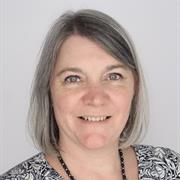
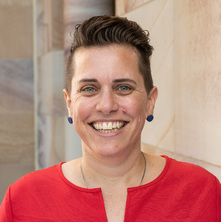
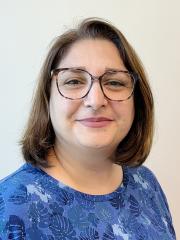
Dr. Susan Hua is an Associate Professor at the University of Newcastle's School of Biomedical Sciences and Pharmacy, specializing in translational nanopharmaceutics and therapeutic targeting. She established the first translational nanopharmaceutics laboratory in the Hunter region, focusing on drug delivery systems for gastrointestinal, musculoskeletal, and reproductive pathologies. Education: Bachelor of Pharmacy with Honours, University of Queensland (UQ) PhD in Neuroscience and Nanotechnology, UQ Research Interests: Her work centers on using nanotechnology to create targeted drug delivery systems for diseases such as chronic pain, inflammatory conditions, and obstetric complications. Key focuses include oxytocin receptor-targeted liposomes for uterine therapies and localized drug delivery to bypass biological barriers. Awards & Recognition: 2020 DVC(A) Educator Innovation Award 2017 NSW Premier's Early Career Researcher of the Year 2015 HMRI Early Career Researcher of the Year Grants & Collaborations: A/Prof Hua has secured over $5.5M in grants, including NHMRC and ARC funding. She collaborates with institutions like HMRI, John Hunter Hospital, and global teams on projects like nanoparticle-based treatments for preterm labor and uterine hemorrhage. Teaching & Leadership: She coordinates pharmacy programs, emphasizing clinical application and innovation. Her courses include Pharmacotherapeutics and Pharmacy Practice, with awards for teaching excellence (2020, 2011). Labs & Programs: Head of Therapeutic Targeting Program, University of Newcastle Director, Translational Pharmaceutics & Medical Technologies Theme (HMRI)
Professor Hala Zreiqat AM is a leading biomedical engineer at The University of Sydney , serving as the Director of the ARC Training Centre for Innovative BioEngineering . A Fellow of all major Australian academies (AAS, ATSE, FAHMS, FRSN), she develops 3D printed bioceramics for bone regeneration while championing diversity through initiatives like the IDEAL Society and BIOTech Futures mentorship program. Her work bridges academia, clinical practice, and industry in musculoskeletal research . Research Focus: Her lab creates synthetic bone scaffolds that mimic natural bone architecture, strength, and porosity, enabling non-rejected bone regeneration via patient-matched implants. Key applications include orthopaedic, dental, and maxillofacial repair , with over $18M in competitive funding and multiple patents. Current projects explore AI-driven scaffold performance prediction and anti-senescence strategies for aging-related bone loss. Scientific Trends: Recent publications highlight 3D printed nanovoxelated ceramics , antisenescence biomaterials , and multifunctional theranostic platforms . Her team integrates machine learning for scaffold design, atom probe tomography for interface analysis, and two-photon imaging for cellular monitoring in 3D environments. 2021-2022 Fulbright Senior Scholar 2018 NSW Premier's Woman of the Year 2019 Eureka Prize for Innovative Use of Technology Fellow of Australian Academy of Science (2021) Over $18M in research funding Teaching & Leadership: She designed core courses like Tissue Engineering and Nanomaterials in Medicine , mentoring 158 students in 2020 alone. As Chair of CAAR (2020-2023), she strengthens Australia-Arab collaborations. Her lab trains early-career researchers , with alumni now in academia and industry.
Janani Thillainadesan is an NHMRC Senior Research Fellow at the Sydney Medical School/Concord Clinical School and the Centre for Education and Research on Ageing, affiliated with the Faculty of Medicine and Health at the University of Sydney. She is also a member of the Charles Perkins Centre. Her research focuses on optimizing healthcare delivery for older adults, particularly in geriatric surgery, perioperative care, and dementia interventions. Key research areas include frailty assessment, deprescribing strategies, collaborative care models, and leveraging technology (e.g., mobile health) in geriatric medicine. She has contributed to multidisciplinary studies involving clinical datasets, quality indicators, and mixed-methods analyses of patient experiences and care expectations. Awards: 2023 RACP Vincent Fairfax Research Fellowship 2021 ANZSGM Career Investigator Prize 2021 UK Age Anaesthesia Association Best Oral Presentation Prize 2019 Evidence Based Perioperative Medicine Asia Congress Runner Up Prize Her work bridges clinical practice, education, and policy through grants like the 2024 electronic frailty index project. Media engagement includes a 2019 Studio 10 segment highlighting her contributions to aging-related healthcare innovations.
Marita Dale is a Senior Lecturer in the Discipline of Physiotherapy at the University of Sydney and an Early Career Researcher affiliated with the Charles Perkins Centre. She specializes in cardiorespiratory physiotherapy, focusing on exercise interventions for chronic respiratory and cardiac diseases, particularly asbestos-related and dust-related conditions. Her work emphasizes improving accessibility to pulmonary rehabilitation services and leveraging mHealth technologies for patient care. Education: PhD in Physiotherapy (2016, University of Sydney). Her research interests include optimizing pulmonary rehabilitation through mobile health platforms, such as the m-PR™ app, and investigating pediatric burn injury rehabilitation, including orthosis use and scar prevention. She also explores multimorbidity management and simulation-based learning in healthcare education. Recent studies have highlighted her contributions to COPD care protocols, telehealth implementation during the pandemic, and qualitative analyses of patient experiences. Major awards: Sydney School of Health Sciences Teaching Citation (2022), Ashurst Prize for Outstanding Oral Presentation (2015), Helga Pettitt FHS Postgraduate Study Award (2010). Marita supervises Honours, Masters, and PhD students, including Mitchell Taylor on airway clearance in bronchiectasis. Her teaching spans undergraduate and postgraduate programs in cardiopulmonary and musculoskeletal physiotherapy. She collaborates on projects like the Lung Support Service, a nationwide text message program for chronic respiratory patients during the pandemic, and contributed to the commercialization of the Perx-R app for pulmonary rehab. Labs/teams: Active member of the Charles Perkins Centre, focusing on interdisciplinary chronic disease research and healthcare innovation.
Emmanuel Stamatakis is a Professor of Physical Activity, Lifestyle, and Population Health at the University of Sydney's School of Health Sciences (Faculty of Medicine and Health). He holds NHMRC Leadership Fellowships (2021-2025 and 2026-2030) and leads the Charles Perkins Centre's Physical Activity & Exercise Theme. His research focuses on lifestyle behaviors' impacts on cardiometabolic conditions, cancer, and cardiovascular health, using large-scale cohort studies and wearable device data. Key roles include directing the Mackenzie Wearables Research Hub and co-chairing WHO's Physical Activity Guidelines Development Group. Education: PhD from University of Bristol (2003), post-doctoral training at University College London. He leads the ProPASS consortium, involving 45 cohorts with wearable data. Over 460 peer-reviewed publications, including Clarivate's Highly Cited list since 2019. Research interests integrate physical activity, sedentary behavior, and sleep analytics with clinical outcomes. Current projects explore wearables-based measurement innovations, SPAN (sleep-physical activity-nutrition) synergies, and intervention designs for GLP-1 receptor agonist users. Recent articles emphasize VILPA (vigorous intermittent lifestyle physical activity) benefits, sleep-cardiovascular links, and multimodal lifestyle optimization. Awards include Australia's Top Researcher in Sports Medicine and multiple NHMRC grants. Supervises PhD projects on physical activity measurement and intervention design. Active in 50+ peer-reviewed journals and national/international funding bodies.
Greg Haff is a Professor of Strength and Conditioning and Director of the Strength and Power Research Group at Edith Cowan University's School of Medical and Health Sciences. He holds a PhD from the United States (1999) and has extensive experience in strength and conditioning research, education, and professional practice. His work focuses on neuromuscular adaptations, training theory, velocity-based training methods, and recovery strategies. Haff has received numerous awards, including the National Strength and Conditioning Association’s Impact Award (2021) and the UK Strength and Conditioning Coach of the Year (2014). Affiliations: ECU School of Medical and Health Sciences, Strength and Power Research Group Education: PhD (1999), MS (1996), BS (1993) in Physical Education from the United States. Research Interests: Haff’s research explores optimal training methodologies, including periodization, eccentric loading, and velocity-based resistance training. He investigates how neuromuscular adaptations enhance athletic performance and reduce injury risk. His work spans sports science, biomechanics, and exercise physiology. Publications & Awards: Over 270 scientific papers, 9 books, and 28 book chapters. Notable awards include the William J. Kraemer Sport Scientist of the Year (2011) and the NSCA Young Investigator Award (2001). His research has been cited over 9,000 times (Scopus h-index 53). Grants & Labs: Leads the Strength and Power Research Group, focusing on applied strength training and performance optimization. Research spans athlete development, recovery strategies, and injury prevention.
Kerryn Butler-Henderson is an Adjunct Professor in the Department of Health and Biomedical Sciences at RMIT University. Her research focuses on digital health transformation, healthcare informatics, and workforce education. She actively contributes to understanding the integration of artificial intelligence, predictive analytics, and electronic health records (EHR) into healthcare systems. Her work emphasizes improving clinical outcomes through data-driven approaches and addressing challenges in workforce digital literacy. She holds an ORCID identifier (0000-0002-6082-2108) and is open to supervising PhD and Masters students. Research interests include: Learning health systems and AI applications Prediction modeling for musculoskeletal disorders Digital health workforce development Value-based healthcare frameworks Educational innovations in nursing and healthcare Key publications from 2024-2025 explore topics like EHR generalizability, digital health literacy measures, and global digital health workforce roles. Her interdisciplinary collaborations span occupational health, gerontology, and healthcare accounting. Dr. Butler-Henderson is engaged in curriculum development for digital health competencies and has contributed to national surveys on nursing education trends. She maintains strong industry connections through RMIT's Health and Biomedical Sciences research networks.
Professor Karin Verspoor is the Dean of the School of Computing Technologies at RMIT University in Melbourne, Australia. She previously held roles as Director of Health Technologies and Deputy Head of the School of Computing and Information Systems at the University of Melbourne, and as Scientific Director of Health and Life Sciences at NICTA's Victoria Research Laboratory. Her research focuses on applying artificial intelligence methods to biomedical discovery and clinical decision support, particularly through natural language processing of clinical texts and biomedical literature. Affiliations: RMIT University (STEM College), Australian Alliance for Artificial Intelligence in Health (Victorian Node Lead) Industry Experience: Intelligenesis/Webmind Corp., Applied Semantics, Los Alamos National Laboratory, National ICT Australia Research Interests: Artificial Intelligence in Medicine Biomedical Natural Language Processing Health Informatics Computational Biology Cheminformatics Her work emphasizes cross-modal data integration, EHR analytics, and AI-driven clinical tools to address challenges in healthcare outcomes, musculoskeletal disorders, and infectious disease surveillance. Advising & Grants: Supervises research on AI-based decision-making frameworks, EHR data quality, and chemical knowledge extraction. Leads projects funded by initiatives like CANAIRI (Collaboration for Translational AI in Healthcare). Labs & Collaborations: Co-founder of the Australian Alliance for AI in Health, advancing national AI healthcare policy and translational research.
Amabile Borges Dario is a Postdoctoral Research Fellow at the University of Sydney's School of Public Health, Sydney Medical School. Her research focuses on musculoskeletal pain, sedentary behavior impacts, and public health interventions. With 8 years of tertiary teaching experience in physiotherapy, she has collaborated internationally, including with Universidade Federal de Minas Gerais in Brazil. Current research student Annie Thien-an is investigating patient-centered communication in physiotherapy education. Research Themes: Obesity, Diabetes, Healthy Ageing, Musculoskeletal Health, E-Health. Keywords: Child Health, Family Studies, Pain Management, Musculoskeletal Disorders. Key Research Contributions: - Systematic reviews on spinal pain in children, telehealth for low back pain, and diabetes-musculoskeletal links. - Cross-sectional and longitudinal studies on twin cohorts to explore genetic/environmental risk factors. International Collaboration: - Prof Ligia Loiola (Universidade Federal de Minas Gerais), focusing on musculoskeletal disorders. Advising & Grants: - Supervising Annie Thien-an's master's project. - No explicit grants listed, but research spans multiple funded projects. Labs/Teams: - Arthritis and Musculoskeletal Disorders research group at Sydney Medical School.
Helen Vidgen is a Professor in Public Health at the School of Public Health, Faculty of Health, Queensland University of Technology (QUT). Her research focuses on food literacy, childhood obesity prevention, and nutrition education, with significant contributions to public health policy and program implementation. She has led projects evaluating school meal programs, childhood obesity management services like PEACH™, and food literacy interventions across diverse populations. Her work emphasizes socio-ecological barriers to nutrition education, policy development, and the translation of evidence-based practices into community settings. Dr. Vidgen has authored over 100 peer-reviewed articles and edited books, including Food Literacy: Key Concepts for Health and Education (2016), which establishes foundational frameworks for food literacy research. She collaborates with government agencies, non-profits, and healthcare professionals to address systemic challenges in obesity prevention and food system reforms. Recent contributions include analyzing the role of school-provided meals in obesity prevention, evaluating father’s roles in family food practices, and advancing measurement tools like the IFLQ-19 food literacy questionnaire. Her research bridges theory and practice, informing policy initiatives on nutrition education, food regulation, and equitable health outcomes.
Dr. Bei Bei is an Associate Professor at the School of Psychological Sciences, Monash University, and an NHMRC Emerging Leadership (EL2) Fellow. She leads the Behavioural Sleep Medicine service, research, and training at Monash University Healthy Sleep Clinic, focusing on individual differences in sleep-wake behaviors, sleep-mental health relationships, and community dissemination of evidence-based sleep interventions. Doctor of Psychology (Clinical), University of Melbourne PhD, University of Melbourne Her research spans six major areas: Sleep-wake circadian rhythm disorders Cognitive Behavioral Therapy for Insomnia (CBT-I) Psychological/behavioral aspects of sleep Sleep-mental health interactions (mood, anxiety) Adolescent sleep patterns and wellbeing Perinatal/postpartum sleep interventions for women Recent publications (2024-2025) address: Insomnia treatment mechanisms in depression comorbidity Neurodevelopmental impacts of circadian factors Pregnancy-related insomnia risk identification Adolescent sleep facilitators/barriers Integrated models for youth depression and sleep across continents She also contributes to: Antifungal drug tolerance mechanisms RNA polyadenylation dynamics Mitochondrial RNA stability in cancer 3' UTR splice variants in rare diseases Awarded the NHMRC Emerging Leadership (EL2) Fellowship and Early Career Research Grant , Dr. Bei serves on editorial boards for Sleep Medicine Reviews, Sleep, and Behavioral Sleep Medicine journals.
Professor Kylie Tucker is a distinguished academic at the University of Queensland, serving as Professor and School Director of Teaching and Learning in the School of Biomedical Sciences within the Faculty of Health, Medicine and Behavioural Sciences. She is also an Affiliate of the Centre for Innovation in Pain and Health Research (CIPHeR) and currently serves as President of the International Society of Electrophysiology and Kinesiology (ISEK) for the term 2024-2026. Professor Tucker leads a dynamic research environment focused on advancing knowledge about muscles and movement control, with significant contributions to understanding how pain impacts movement, methods for estimating muscle forces, and assessment of childhood movement control and adolescent skeletal maturity. Professor Tucker earned her Bachelor of Arts, Bachelor of Science, and Doctor of Philosophy from the University of Adelaide. Her academic journey has positioned her as a leader in neuromuscular research, particularly in the areas of motor control and pain adaptation. Within the School of Biomedical Sciences, she has held significant leadership roles including Deputy Director of Teaching and Learning (2018-2020), inaugural chair of the REMEDE committee (2021-2023), and Director of Teaching and Learning (2024-2025). She also co-facilitates UQ's flagship Career Progression for Women program. Her research interests span motor control, pain research, biomechanics, electromyography, neuromuscular control, pediatric movement, scoliosis, and muscle physiology. Professor Tucker's work has transformed understanding of pain's impact on movement and advanced assessment methods for childhood movement control and skeletal maturity. She has recently proposed new insights into scoliosis progression, identifying unique muscle features that can be non-invasively detected early in curve progression. Approximately 3-7% of children worldwide develop adolescent idiopathic scoliosis, often requiring surgical intervention when conservative treatments fail. Analysis of Professor Tucker's recent publications reveals a strong focus on neuromuscular control mechanisms, particularly in relation to pain, scoliosis, and pediatric movement disorders. Her work integrates advanced methodologies including electromyography, shear wave elastography, and biomechanical modeling to investigate muscle function across diverse populations. A notable trend is her leadership in consensus projects (CEDE) establishing standardized methodologies for electromyography research, reflecting her commitment to methodological rigor in the field. Professor Tucker actively mentors the next generation of researchers, supervising numerous PhD students across projects related to scoliosis, knee osteoarthritis, pain research, and pediatric movement disorders. Her research is supported by significant funding including NHMRC MRFF EPCDR grants for chronic musculoskeletal conditions in children and the SRS Research Grant for novel insights into adolescent idiopathic scoliosis. She leads the Motor Control and Pain Research Lab, a collaborative environment bringing together basic science and clinical researchers. The lab focuses on two main research streams: Motor Control and Pain Research and Child and Adolescent Neuromotor Control Research. Professor Tucker teaches across 10 UQ programs with class sizes ranging from 70-1400 students, demonstrating her commitment to education alongside her research leadership.
Kate Dooley is a Lecturer in Physiotherapy at Charles Sturt University's School of Allied Health, Exercise and Sports Sciences, Orange campus, specializing in musculoskeletal physiotherapy practice. She commenced her academic role in July 2021, teaching third-year students in courses PHS313 and PHS314 while maintaining active clinical research engagement. Her educational qualifications include a Bachelor of Physiotherapy with Honours (BPhysio(Hons)) and a Doctor of Philosophy (PhD) awarded on 15 February 2022. Her doctoral research quantified movement strategy differences in male athletes with historical groin pain during agility running tasks. Dr. Dooley's research centers on sports injury prevention mechanisms, particularly groin and hamstring pathologies in athletes, utilizing advanced biomechanical analysis and functional MRI techniques. She pioneers clinician-driven research translation through the Research In Practice Network (RIPN), addressing implementation barriers between evidence and clinical settings while advancing value-based care frameworks for musculoskeletal conditions. Analysis of her 15 most recent publications (2022-2025) reveals three dominant research trajectories: (1) biomechanical investigations of groin/hamstring injuries using motion capture and functional MRI; (2) development of high-value care consensus statements for musculoskeletal physiotherapy; and (3) methodological innovations in practice-based research networks that empower clinicians as co-researchers. Her work consistently bridges elite sports science with community clinical practice. Scientific recognition includes: Inaugural Change One Thing Award (2023) from Charles Sturt University for integrating LGBTQIA+ content into physiotherapy curricula As a research leader, she co-supervises Honours students and secured US$295k through the 'HAMI' grant (funded by GE Healthcare and NBA Orthopaedics), coordinating multi-site collaborations across six Australian universities. Her grant portfolio emphasizes methodological development in functional MRI and 3D motion capture biomechanics, with ongoing focus on athlete movement strategy analysis. She directs methodological development for the RIPN steering committee—a clinician-researcher partnership generating practice-relevant studies across regional Australia—and leads the 'HAMI' collaboration's functional MRI arm, solving technical challenges in scanning anteromedial thigh structures through industry partnerships with GE Healthcare.
Dr. Nafiseh Khalaj is a Postdoctoral Research Fellow at The University of Queensland's School of Public Health, specializing in mixed-methods health research focused on cancer screening programs for Aboriginal and Torres Strait Islander peoples. Her work intersects Indigenous health equity, musculoskeletal biomechanics, and chronic injury management. Education: PhD in Biomechanics (2019) from The University of Queensland's School of Health and Rehabilitation Sciences, with earlier research in musculoskeletal disorders and pediatric motor skills. Research interests include: Aboriginal and Torres Strait Islander health disparities, chronic ankle instability, osteoarthritis biomechanics, and orthotic interventions for spinal deformities. She employs both quantitative and qualitative methods to address health inequities and musculoskeletal dysfunction. Publications span 12 journal articles and 3 conference papers, with recent work emphasizing Indigenous health advocacy and housing determinants of wellbeing. Active in collaborative programs like the First Nations Cancer & Wellbeing Research Program. Advising and grants: No formal advisees listed, though involved in multidisciplinary research teams. Grants not explicitly detailed in provided materials. Labs/Teams: Core member of the First Nations Cancer & Wellbeing Research Program, contributing to culturally responsive healthcare initiatives.
Rodrigo Rico Bini is a Senior Lecturer at La Trobe University's Rural Health School, where he leads the Discipline of Exercise Science & Physiology and coordinates the Bachelor of Exercise Science program. His research focuses on quantitative analysis of human movement to improve athletic performance and reduce injury risks, specializing in cycling and running biomechanics using motion capture, force measurements, and AI modeling. He holds editorial positions at multiple sports science journals including Journal of Science and Cycling and Sports Biomechanics . His professional affiliations include the Holsworth Biomedical Research Centre and AUT-SPRINZ research institute. Dr. Bini's educational background includes a PhD in Biomechanics from Auckland University of Technology (2009-2011), an MSc from UFRGS Brazil (2006-2008), and a BPhEd from UFRGS (2000-2005). His research demonstrates consistent focus on sports biomechanics applications, with recent work exploring AI-driven motion analysis, equipment ergonomics, and active transportation health impacts. Key thematic trends include technological validation studies (wearables, neural networks), injury prevention strategies, and performance optimization across cycling, running, and occupational activities. Fellow of the International Society of Biomechanics in Sport Mid Career Research Award 2024 - La Trobe Rural Health School Certificate of Excellence in Reviewing: Physical Therapy in Sport AUT Laptop Scholarship First place, II Biofenac Brazilian Award for Exercise Science Dr. Bini supervises graduate students and leads industry collaborations, including an Australia Post-funded project on cycling biomechanics in postal delivery. He directs biomechanics research through the Holsworth Biomedical Research Centre and maintains international partnerships with institutions in New Zealand and Brazil.