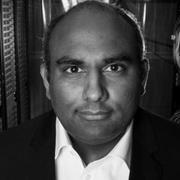
Ms Romany Martin is a PhD Scholar at the School of Health and Rehabilitation Sciences , The University of Queensland , supervised by Dr Roma Forbes , Dr Allison Mandrusiak , and Professor Trevor Russell . She is affiliated with the RECOVER Injury Research Centre and the NHMRC Centre of Research Excellence . Rural and remote physiotherapy Telehealth service delivery Clinical documentation training Workplace mentorship for new graduates Cultural competence in allied health Her research explores how to prepare new-graduate physiotherapists for rural practice, with a focus on telehealth integration , clinical documentation , and student support systems . Her publications highlight trends in rural healthcare education , interprofessional collaboration , and digital learning tools for allied health. Scientific Awards: Associate Fellow of the Higher Education Academy (AFHEA) Her work has been conducted under the guidance of her advisors, with significant contributions to allied health education and rural practice frameworks . She has co-authored studies on interprofessional simulation , CALD community engagement , and telehealth curriculum development .
Dr. Catherine Galvin is a Lecturer in the School of Engineering at The Australian National University (ANU). She holds a PhD in Healthy and Osteoarthritic Knee Kinematics and has qualifications in Electrical Engineering, Sports Science, and Health Research. Her research focuses on knee biomechanics, osteoarthritis prediction, and medical technology for orthopaedic surgery. She collaborates with Prof. Mark Pickering to develop the Orthovis 3D/2D medical imaging software, aiding knee replacement surgery. Galvin’s research interests include analyzing knee joint kinematics using medical imaging, developing predictive models for early osteoarthritis detection, and improving surgical outcomes through advanced prosthesis design. She has published extensively on topics like patellar facet morphology, age-related knee changes, and the impact of knee braces on joint forces. Her work bridges biomedical engineering and clinical practice, aiming to enhance surgical precision and patient recovery. Her academic roles include serving as President of Engineers Australia (2023–2024). She combines her engineering expertise with over 30 years of Taekwondo experience, which fuels her interest in musculoskeletal health and physical fitness longevity. Galvin’s interdisciplinary approach integrates engineering principles with clinical research to address challenges in musculoskeletal medicine. Her research outputs include systematic reviews on total knee arthroplasty designs and meta-analyses of unloader knee braces. She has pioneered hybrid medical image registration techniques, advancing computational tools for knee analysis. Current projects focus on creating an 'early warning system' for osteoarthritis using predictive modeling and refining surgical methodologies for total knee replacements.
Carol Ward is a Professor in the Department of Pathology and Anatomical Sciences at the University of Missouri. She holds additional titles as Curator’s Professor and Adjunct Professor. Her research focuses on primate and hominin anatomy, biomechanics, and evolutionary adaptations. Ward’s work integrates fossil analysis, comparative morphology, and functional modeling to explore topics such as locomotion, feeding mechanics, and skeletal evolution. She has contributed to studies on hominid mandibles, pelvic anatomy, and postcranial adaptations, with a strong emphasis on understanding the biomechanical principles underlying evolutionary changes in primates and early humans. Her research spans Pliocene and Miocene fossils, including work on Australopithecus specimens from East Turkana and Middle Miocene ape skeletons from Kenya. She has pioneered methods in 3D musculoskeletal modeling and finite element analysis to study bone and muscle interactions. Ward has also been involved in paleoenvironmental reconstructions, linking fossil evidence to ecological contexts. Her grants include doctoral dissertation funding for studies on grasping toes and hip biomechanics. Collaborative projects with institutions like the National Science Foundation highlight her interdisciplinary approach. While her work is primarily academic, her contributions have implications for medical anthropology, particularly in understanding skeletal adaptations and pathologies. Key Focus Areas: Hominin evolution, biomechanics, primate locomotion, mandibular function, pelvic morphology Fieldwork Regions: East Turkana (Kenya), Napudet (Kenya), Hadar (Ethiopia) Methodologies: 3D imaging, finite element analysis, fossil excavation, musculoskeletal modeling Ward’s research bridges paleoanthropology and functional anatomy, offering insights into the anatomical basis of human and primate evolution.
Dr. Tien-Min Gabriel Chu is the Associate Dean for Research and Professor at the Department of Biomedical and Applied Sciences in the Indiana University School of Dentistry. He holds adjunct positions at Indiana University School of Medicine's Orthopedic Surgery Department and a courtesy appointment at Purdue University's Biomedical Engineering Department. His academic credentials include a D.D.S. from Kaohsiung Medical University (Taiwan) and a Ph.D. in Materials Science from the University of Michigan, followed by postdoctoral training in Biomedical Engineering. Dr. Chu’s research focuses on biomaterial-tissue interactions and regenerative strategies for bone and craniofacial defects using 3D scaffolds, growth factors, and stem cells. His work is funded by NIH, Department of Defense, and industry grants. He has over 100 peer-reviewed publications and five US patents. His awards include the IU School of Dentistry's Distinguished Faculty for Research, ADEA’s Dr. Dominick P. DePaola Scholar, and Kaohsiung Medical University's Distinguished Alumni Award. He is a Fellow of the American College of Dentists and a member of Omicron Kappa Upsilon. Dr. Chu teaches graduate dental materials courses and chairs the IUSD Promotion and Tenure Committee. His research labs collaborate across disciplines, addressing translational challenges in bone regeneration and dental biomaterials.
Gretchen A Seif is a Professor in the Department of Rehabilitation Sciences at the College of Health Professions, Medical University of South Carolina (MUSC). Her academic qualifications include a Doctor of Physical Therapy (DPT), Master of Health Sciences (MHS), and certifications as a Board-Certified Orthopaedic Clinical Specialist (OCS) and Fellow of the American Academy of Orthopaedic Manual Physical Therapists (FAAOMPT). Her research focuses on neurophysiological effects of dry needling, clinical skills education in physical therapy, and interprofessional healthcare collaboration. She has contributed to studies on spinal reflex modulation, clinical reasoning development, and technology-enhanced learning in health professions. Research Interests : Dry needling mechanisms, neuromuscular rehabilitation, clinical education innovation, and interprofessional teamwork in healthcare. Labs/Teams : Involved in musculoskeletal rehabilitation research and simulation-based education initiatives at MUSC. Her publications span clinical trials evaluating orthotic devices, pedagogical tools for skill assessment (e.g., ECHOWS), and community-based service-learning programs. She emphasizes translating research into clinical practice and improving educational methodologies for health professions students.
Josef Viellehner is a Researcher at the German Sport University Cologne (DSHS), affiliated with the Institute of Biomechanics and Orthopaedics and the Institute for Outdoor Sports and Environmental Research. His work focuses on biomechanical analysis of sports activities, injury prevention, and equipment optimization. He has contributed to projects funded by third-party grants, including studies on cycling biomechanics, vibration effects, and sports injury risks. Viellehner holds a New Investigator Award from the International Society of Biomechanics in Sport (2019). Research interests span cycling biomechanics, musculoskeletal injury prevention, sensor calibration in sports equipment, and vibration analysis in sports performance. His projects include evaluating damping systems in cycling, saddle pressure optimization, and the biomechanical impact of treadmill running. Key collaborations involve analyzing joint moments during cycling and developing ergonomic sports equipment. Recent publications highlight advancements in dynamic calibration using machine learning, recovery patterns post-marathon, and vibration effects on neuromuscular performance. His work bridges biomechanical theory with practical applications in sports technology and injury mitigation. Awards: New Investigator Award (2019) Grants: 8 projects funded by third-party institutions, including studies on gravel-bike damping and triathlon equipment systems Labs/Teams: Collaborates with interdisciplinary teams focusing on biomechanics, sports engineering, and orthopaedic research at DSHS.
Bill Rooney is a Senior Scientist at the Advanced Imaging Research Center (AIRC) of Oregon Health & Science University (OHSU), where he holds a primary appointment as Research Professor. He is also a member of OHSU's Neuroscience Graduate Faculty. His career includes roles as Assistant Professor at UCSF Radiology and Research Scientist at Brookhaven National Laboratory. Rooney earned his Ph.D. in Chemistry from Stony Brook University in 1990, followed by an NIH fellowship in neuroimaging. His research focuses on quantitative MRI techniques to study brain vascular dynamics, cellular metabolism, and neurodegenerative diseases. Key areas include pharmacokinetic modeling of brain blood vessels in diseases like multiple sclerosis and Alzheimer's, and 31P/1H spectroscopy for energy metabolism analysis. He has pioneered high-field MRI applications and contributed to understanding disease pathophysiology through imaging biomarkers. Recent work emphasizes longitudinal studies on mitochondrial metabolism in multiple sclerosis, vascular risk factors' impact on brain ATP, and MRI-based models for Duchenne muscular dystrophy clinical trials. Rooney's publications span over 30 years, addressing topics from cerebral perfusion to neuro-oncology imaging. His lab is equipped with state-of-the-art MRI facilities, including the W.M. Keck Foundation High-Field MRI Laboratory. Rooney collaborates extensively with clinical and research teams to translate imaging innovations into diagnostic and therapeutic advancements.
Stacie Ringleb is a Professor & Associate Dean for Faculty Affairs & Student Engagement at Old Dominion University's Batten College of Engineering and Technology. She holds a B.S. in Biomedical Engineering from Case Western Reserve University, an M.S.E. in Mechanical Engineering from Temple University, and a Ph.D. in Mechanical Engineering from Drexel University. Her postdoctoral work at the Mayo Clinic focused on orthopedic biomechanics. Her research spans biomechanics, rehabilitation engineering, and musculoskeletal modeling, with a focus on foot/ankle biomechanics, ACL injury prevention, and VR applications in rehabilitation. She has led numerous grants totaling over $4M, including studies on military physical performance, stroke recovery, and subtalar joint instability. Her work has been published in journals like Journal of Biomechanics and Archives of Physical Medicine and Rehabilitation . Ringleb has received awards such as the International Society of Biomechanics Dissertation Award and the Koerner Fellowship. She actively contributes to interdisciplinary education initiatives, partnering with pre-service teachers to integrate engineering into K-12 curricula. Her lab utilizes advanced tools like the MotionMonitor and pressure sensors to study gait and joint mechanics. Key Grants: $1.5M study on altitude acclimatization and marksmanship. $330K VR tools for TBI assessment. $94K ACL injury enigma research. Lab Affiliations: Virginia Modeling, Analysis and Simulation Center (VMASC); biomechanics labs focusing on foot/ankle and knee mechanics.
Louise Lee, Ed.D., is a Professor in the College of Pharmacy and Health Sciences at St. John's University, specializing in Physician Assistant (PA) education and clinical practice. She has taught full-time since 2000, previously serving as Assistant Program Director at Tufts University and Chair of the Department of PA Education at Massachusetts College of Pharmacy and Health Sciences. Her expertise spans medical education innovation, healthcare simulation, and clinical topics like gestational diabetes and pre-eclampsia. Lee actively practices once weekly at a local hospital, maintaining a connection between academia and clinical care. Education: Doctorate in Education (Ed.D.), 2016 Master's in Health Administration (M.H.A.), 2006 Bachelor's in PA Studies, 1987 Research Interests: Medical education, test anxiety in healthcare students, simulation-based learning, and clinical specialties including women's health and chronic pain management. Lee has published extensively on topics like fibromyalgia, pre-eclampsia, and Long Covid management. Recent Articles: Focus on clinical practice and education, including studies on pre-eclampsia mental health, Long Covid guidance for primary care providers, and fibromyalgia treatment updates. Awards: Teaching Excellence Award, St. John's University (2018) Scholarship of Teaching Award, MCPHS (2010) Professional Contributions: Advises on PA curriculum design, contributes to national conferences, and advocates for integrating simulation into healthcare training. No specific grants or student advising roles are detailed in the provided text.
Stefano Mazzoleni is a researcher at Scuola Superiore Sant'Anna in Pisa, Italy, specializing in biomedical robotics and neurorehabilitation. His work focuses on robot-mediated therapy for neurological disorders, particularly stroke and spinal cord injuries, combining biomechanical modeling, sensor systems, and clinical applications. Education includes a PhD in Bioengineering (2007, University of Genoa) and a Laurea in Computer Engineering (2002, University of Pisa). He has conducted research at Katholieke Universiteit Leuven and collaborated with institutions like the University of Pennsylvania and Columbia University. Key research areas: robotic exoskeletons, upper limb rehabilitation, telerehabilitation, biomechanical modeling, and clinical monitoring technologies. Over 100 conference presentations and peer-reviewed publications demonstrate his expertise in translating robotics into clinical practice. His work bridges engineering and medicine, addressing challenges in motor recovery assessment, spasticity management, and wearable robotics design for patients with disabilities.
Louise Statham is a Senior Lecturer in Clinical Pharmacy at the University of Sunderland , specifically within the School of Pharmacy and Pharmaceutical Sciences . With over 15 years of hospital pharmacy experience, she specializes in osteoporosis and pharmacy education , contributing to both undergraduate ( MPharm ) and postgraduate ( MSc Clinical Pharmacy ) programs. She also practices as an independent prescriber at the Freeman Hospital Bone Clinic, assessing patients with osteoporosis. Research Interests: Osteoporosis management, pharmacy education, and interprofessional learning. Collaborations: Newcastle Hospitals NHS Foundation Trust, Newcastle Medical School, and Health Education England. Publications focus on osteoporosis interventions , prescribing safety assessments , and interprofessional education models , reflecting her expertise in clinical pharmacy practice and medication optimization . She is a member of the Royal Pharmaceutical Society , Higher Education Academy , and National Osteoporosis Society .
Xiomara Gislen Fernández Garibay is a Researcher at the Institute for Bioengineering of Catalonia (IBEC) , affiliated with the Biosensors for bioengineering group. Her work focuses on bioengineered tissue models, particularly in muscular dystrophies and skeletal muscle regeneration. She actively contributes to developing xeno-free hydrogel systems, 3D bioprinted muscle tissues, and integrated biosensor platforms for real-time monitoring of tissue behavior. Key Projects: Muscle-on-a-chip systems, in vitro models for neuromuscular diseases, and biomaterials for regenerative medicine. Research Themes: Tissue engineering, disease modeling, biofabrication, and biosensor integration. Her publications span high-impact journals like Biofabrication , Disease Models & Mechanisms , and Lab on a Chip , emphasizing translational applications in clinical research and drug screening. Collaborations include multidisciplinary efforts with bioengineers, clinicians, and material scientists at IBEC, leveraging core facilities like MicroFabSpace and BioImaging.
Jongsang Son is an Assistant Professor in the Department of Bio-Medical Engineering at the New Jersey Institute of Technology (NJIT). His research focuses on neuromuscular systems, biomechanics, and rehabilitation engineering, with an emphasis on understanding muscle mechanics and developing interventions for neurological conditions like stroke. His work integrates experimental and computational methods, including electromyography (EMG), mechanomyography (MMG), and machine learning. Key research areas include muscle contractile properties in vivo, neuromuscular electrical stimulation (NMES), and the application of AI-driven models for motor impairment assessment. He leads a NIH-funded project (2022–2024) investigating motor unit mechanics and muscle properties. Collaborations span biomechanics, rehabilitation robotics, and neurological disorders. Publications highlight studies on joint torque prediction using BiLSTM networks, scaling of leg muscle architecture, and eccentric contraction training effects on balance. His contributions bridge basic science and clinical applications, aiming to improve mobility and recovery for patients with neuromuscular impairments.
Mark Gillett is a Clinical Senior Lecturer in the Northern Clinical School at the University of Sydney , specializing in Emergency Medicine . His research focuses on critical care, trauma outcomes, and infectious disease management in emergency settings. University: University of Sydney School: Northern Clinical School Department: Emergency Medicine Rank: Senior Lecturer His work spans septic shock , traumatic brain injury , influenza pathogenesis , and sleep apnea in cardiac patients. Recent studies emphasize host response biomarkers for viral infections and imaging utilization in low back pain. Key publication trends include: Emergency care optimization for septic and trauma patients Development of mRNA-based prognostic tools for viral infections Standardization of diagnostic protocols for mild traumatic brain injury Clinical pathway design for whiplash and dyspnea management Analysis of resuscitation techniques and medical logistics Selected Grants : Enhancing pandemic preparedness in Singapore and Australia (2019) - Partnership Collaboration Awards Surveillance Study for Traumatic Brain Injury Diagnosis (2016) - Ramsay Research and Teaching Fund Contact: mark.gillett@sydney.edu.au
Ranil Rohantha Sonnadara is an Associate Professor (Part-Time) in the Department of Surgery at McMaster University. He maintains additional academic appointments in the Department of Psychology, Neuroscience and Behaviour and the McMaster Education Research, Innovation and Theory (MERIT) Program, with an affiliation at the Vector Institute for Artificial Intelligence. His professional profile uniquely bridges academic research and creative practice, serving as creative director of McMaster's LIVELab and director of the Performance Science Lab, while also working as head of sound design for the Stratford Festival. Dr. Sonnadara earned his M.Sc. from the University of Leeds and completed his Ph.D. at McMaster University. Originally from the UK, he moved to Canada in 1998 to pursue research in psychoacoustics and auditory neuroscience, eventually establishing a dual career spanning both academic research and theatrical production across more than 30 years and 250 production credits. As a behavioral neuroscientist, his research investigates how humans learn complex skills, with particular applications for health professionals, musicians, and athletes. His work examines performance evaluation in high-stakes environments and explores how learning and practice change brain function and information flow between neural systems. His research spans medical education, artificial intelligence applications in healthcare assessment, surgical training methodologies, performance psychology, and the integration of arts-based methods for developing professional skills. His publications demonstrate a consistent focus on bridging theoretical neuroscience with practical applications in professional training environments, with recent work emphasizing AI-driven assessment tools and studies of flow states in surgical practice. His scholarly activity shows a clear trajectory toward integrating computational methods with traditional medical education research, while maintaining his foundational work in auditory neuroscience and performance science. The interdisciplinary nature of his work reflects his unique position at the intersection of medicine, neuroscience, artificial intelligence, and the performing arts. Dr. Sonnadara actively contributes to medical education through teaching courses on assessment and evaluation, and through his leadership in developing innovative surgical training approaches like the Surgical Boot Camp model. His creative work as a sound designer for theater productions provides a practical application of his research on human performance and auditory processing. He directs the Performance Science Lab at McMaster University, which explicitly explores 'the art and science of human performance in all its forms,' and serves as creative director of the LIVELab, a specialized facility that combines a concert hall with scientific instrumentation for studying human interaction and performance in naturalistic settings.



.jpg)