Dr. Thanh Nho Do is a Scientia Senior Lecturer at the Graduate School of Biomedical Engineering (GSBmE), UNSW Sydney, and Director of the UNSW Medical Robotics Lab. He holds a PhD in Mechanical Engineering (Surgical Robotics) from Nanyang Technological University (NTU), Singapore, and a B.Eng. in Manufacturing Engineering from Ho Chi Minh City University of Technology, Vietnam. His research focuses on soft robotics, wearable technologies, and biomedical devices, including flexible surgical systems, soft actuators, and haptic interfaces. Education PhD in Mechanical Engineering (Surgical Robotics), NTU Singapore, 2015 B.Eng. in Manufacturing Engineering, Ho Chi Minh City University of Technology, Vietnam Research Interests Soft robotics for medical applications (e.g., NOTES systems, wearable haptics) Functional materials for biomedical devices Cardiovascular engineering and assistive devices Advanced control algorithms for medical robotics Key Contributions His work spans bioprinting, motor-free robotic systems, and soft wearable technologies. Recent studies include self-deploying cardiac compression devices and bioinspired artificial muscles. Awards 2025: CINSW Career Development Fellow 2024: NSW Young Tall Poppy Science Award 2023: Best Poster Awards at EMBC and ICRA Grants & Funding Includes NHMRC Ideas Grant (Lead CI), Cancer Institute NSW Fellowship, and UNSW Scientia Grant. Active projects address cardiovascular interventions and wearable robotics. Labs & Teams Leads the UNSW Medical Robotics Lab, collaborating on devices like soft robotic catheters and textile-driven exosuits.
Greg Haff is a Professor of Strength and Conditioning and Director of the Strength and Power Research Group at Edith Cowan University's School of Medical and Health Sciences. He holds a PhD from the United States (1999) and has extensive experience in strength and conditioning research, education, and professional practice. His work focuses on neuromuscular adaptations, training theory, velocity-based training methods, and recovery strategies. Haff has received numerous awards, including the National Strength and Conditioning Association’s Impact Award (2021) and the UK Strength and Conditioning Coach of the Year (2014). Affiliations: ECU School of Medical and Health Sciences, Strength and Power Research Group Education: PhD (1999), MS (1996), BS (1993) in Physical Education from the United States. Research Interests: Haff’s research explores optimal training methodologies, including periodization, eccentric loading, and velocity-based resistance training. He investigates how neuromuscular adaptations enhance athletic performance and reduce injury risk. His work spans sports science, biomechanics, and exercise physiology. Publications & Awards: Over 270 scientific papers, 9 books, and 28 book chapters. Notable awards include the William J. Kraemer Sport Scientist of the Year (2011) and the NSCA Young Investigator Award (2001). His research has been cited over 9,000 times (Scopus h-index 53). Grants & Labs: Leads the Strength and Power Research Group, focusing on applied strength training and performance optimization. Research spans athlete development, recovery strategies, and injury prevention.
Mike Climstein serves as a Lecturer in Human Sciences within the Faculty of Health at Southern Cross University (SCU), where he coordinates the Master of Clinical Exercise Physiology program and acts as Deputy Academic Integrity Officer. He concurrently holds an adjunct Associate Professor position in the Physical Activity, Lifestyle, Ageing and Well-being Research Group at the University of Sydney and directs SCU's Aquatic Based Research initiative. His academic credentials include a PhD in Exercise Science & Human Performance from Oregon State University (1990), an MSc in Exercise Science from Utah State University (1986), and a BSc in Biology from Utah State University (1982). Climstein's research spans clinical exercise physiology with emphases on master athletes' health, chronic disease rehabilitation, sports injury surveillance (particularly surfing), cardiac rehabilitation, smart textile monitoring, and osteoporosis. His work integrates technology-driven health solutions with population-specific exercise interventions, notably for aging populations and athletes. Analysis of his recent publications reveals three dominant trends: 1) AI applications in dermatological diagnostics (e.g., melanoma detection systems), 2) physiological adaptations in aging populations through martial arts and aquatic exercise, and 3) epidemiological studies of chronic conditions in master athletes and occupational groups. These reflect his dual focus on technological innovation and practical health interventions. His scientific recognition includes: Fellowship by Sports Medicine Australia (FASMF) Fellowship by American College of Sports Medicine (FACSM) Fellowship by Exercise and Sports Science Australia (FAAESS) Climstein actively supervises 4 PhD and 2 Master's students while co-supervising 6 Doctor of Physiotherapy candidates. His research program is supported by 38 grants totaling over $7.8 million AUD, including studies on aquatic rehabilitation and smart textile monitoring. As Director of Aquatic Based Research, he leads interdisciplinary teams investigating water-based exercise interventions for chronic disease management, with ongoing projects in cardiac rehabilitation and osteoporosis prevention.
Fabio Zanini is an Associate Professor at the University of New South Wales (UNSW) , leading a research group focused on computational biology , single-cell approaches , and transcriptomic analysis across diseases like severe dengue , neonatal lung disease , cancer , and marine biology . He previously conducted postdoctoral research at Stanford University (2016-2019) and earned a PhD in Bioinformatics from the Max Planck Institute for Developmental Biology and the University of Tuebingen (2015). Current Affiliation: Group leader, UNSW Previous Training: Postdoc (Stanford), PhD (Max Planck/University of Tuebingen) His research spans single-cell RNA sequencing , computational virology , developmental cell biology , and bioinformatics tool development , with recent work on: Severe dengue progression (viral-host interactions, immune signatures) Lung development (endothelial cell diversity, hyperoxia-induced injury) Cancer genomics (mutant HSC clones, AZA therapy response) Marine biology (plankton transcriptomics, evolutionary analysis) Bioinformatics (HTSeq 2.0, northstar algorithm) Recent scientific awards include grants from the Chan Zuckerberg Initiative ($270,000), NIH R01 (multiple), ARC Discovery Grant , and NHMRC Ideas Grant . Notable contributions include: Northstar - Cell classification algorithm SpectralSeq - Hyperspectral-transcriptomic integration Tabula Muris - Mouse aging atlas He has supervised research into hematopoietic stem cell regulation , lung vascular development , and autophagy in viral infections , with collaborations across Stanford , University of Sydney , and Harvard .
Dr. Anna Hatton is a Senior Lecturer at the School of Health and Rehabilitation Sciences , The University of Queensland. As Co-Director of the UQ Centre for Neurorehabilitation, Ageing and Balance Research and Associate Editor for Gait & Posture , she leads interdisciplinary research into sensory-based rehabilitation technologies. Her work bridges clinical practice with engineering innovation, focusing on footwear devices for balance enhancement. Research themes: novel textured/vibratory insoles , neurological gait analysis , age-related mobility Key funding: NHMRC IDEAS Grants , Bionics Queensland Challenge , Diabetes Australia , PA Research Foundation Her Young Tall Poppy Science Award (2016) recognizes contributions to plantar sensory stimulation. Current supervised projects explore bionic insole neurophysiology , combat sports injury prevention , and sport performance optimization . Media engagements focus on electromyography , sensorimotor function , and footwear interventions .
Dawson Kidgell is an Associate Professor in the Department of Physiotherapy at Monash University, Faculty of Medicine. He is an active researcher and PhD supervisor with a strong focus on the neurophysiology of exercise, particularly neuroplasticity and motor cortex responses to strength training and non-invasive brain stimulation techniques such as Transcranial Magnetic Stimulation (TMS) and transcranial direct current stimulation (tDCS). His research interests include understanding how the nervous system adapts to exercise, rehabilitation, and neuromodulation. He employs advanced electrophysiological methods—TMS, tDCS, EMG, and spinal reflex testing—to explore corticospinal excitability, intracortical inhibition, and motor learning. His work has significant implications for sports science, rehabilitation of neuromuscular injuries, and aging populations. Recent publications (2020–2024) highlight a strong trend in systematic reviews and meta-analyses on tDCS, corticospinal responses to training, and clinical applications in tendinopathy, concussion, and aging. His research frequently investigates bilateral transfer, cross-education of strength, and the neural mechanisms underlying rehabilitation interventions. Scientific Awards: University of Jyväskylä Visiting Fellow grant (2023) Research Funding and Supervision: Associate Professor Kidgell has secured over $2.5 million in research funding. He has successfully supervised 11 PhD students to completion and currently mentors 5 additional PhD candidates. His research projects include NHMRC-funded studies on neurophysiological markers of balance and equipment grants for advanced neurostimulation tools. Laboratories and Research Teams: His work is conducted within neurophysiology and exercise neuroscience labs at Monash, often in collaboration with interdisciplinary teams focusing on motor control, rehabilitation, and sports medicine.
Dr. Bei Bei is an Associate Professor at the School of Psychological Sciences, Monash University, and an NHMRC Emerging Leadership (EL2) Fellow. She leads the Behavioural Sleep Medicine service, research, and training at Monash University Healthy Sleep Clinic, focusing on individual differences in sleep-wake behaviors, sleep-mental health relationships, and community dissemination of evidence-based sleep interventions. Doctor of Psychology (Clinical), University of Melbourne PhD, University of Melbourne Her research spans six major areas: Sleep-wake circadian rhythm disorders Cognitive Behavioral Therapy for Insomnia (CBT-I) Psychological/behavioral aspects of sleep Sleep-mental health interactions (mood, anxiety) Adolescent sleep patterns and wellbeing Perinatal/postpartum sleep interventions for women Recent publications (2024-2025) address: Insomnia treatment mechanisms in depression comorbidity Neurodevelopmental impacts of circadian factors Pregnancy-related insomnia risk identification Adolescent sleep facilitators/barriers Integrated models for youth depression and sleep across continents She also contributes to: Antifungal drug tolerance mechanisms RNA polyadenylation dynamics Mitochondrial RNA stability in cancer 3' UTR splice variants in rare diseases Awarded the NHMRC Emerging Leadership (EL2) Fellowship and Early Career Research Grant , Dr. Bei serves on editorial boards for Sleep Medicine Reviews, Sleep, and Behavioral Sleep Medicine journals.
Natalie Warburton is an Associate Professor in Zoology at Murdoch University, Australia, affiliated with the Harry Butler Institute and the School of Medical, Molecular and Forensic Sciences, College of Environmental and Life Sciences. She holds a PhD in Zoology (University of Western Australia, 2004), a BSc(Hons) in Zoology (UWA, 1998), and a Graduate Diploma in Education (Murdoch University, 2002). She is also a Research Associate at the Western Australian Museum. Her research focuses on the functional morphology of marsupials, integrating anatomy, ecology, and evolution. Key interests include locomotion adaptations (digging, climbing, bounding), reproductive strategies, and the evolutionary drivers of musculoskeletal systems. Her work bridges extant and extinct species, particularly tree-kangaroos (e.g., Bohra , Congruus ) and marsupial moles. She has pioneered techniques for transferring anatomical insights from living species to fossil analysis, contributing to palaeontological reconstructions. Dr. Warburton has received awards such as the Vice Chancellor's Award for Excellence in Learning and Teaching (2015) and Senior Fellow status from Advance HE (2017). She actively engages in public science communication through podcasts (e.g., 'Aussie Wildlife Show', 'Palaeo Jam') and documentaries (e.g., ABC Catalyst's 'Megafauna'). Her research has produced over 50 peer-reviewed articles, emphasizing skeletal anatomy, muscle function, and evolutionary adaptations. Current projects explore predator escape behaviors in marsupials and the functional morphology of extinct species. She collaborates across disciplines, integrating CT scanning, biomechanics, and comparative anatomy.
Professor Kylie Tucker is a distinguished academic at the University of Queensland, serving as Professor and School Director of Teaching and Learning in the School of Biomedical Sciences within the Faculty of Health, Medicine and Behavioural Sciences. She is also an Affiliate of the Centre for Innovation in Pain and Health Research (CIPHeR) and currently serves as President of the International Society of Electrophysiology and Kinesiology (ISEK) for the term 2024-2026. Professor Tucker leads a dynamic research environment focused on advancing knowledge about muscles and movement control, with significant contributions to understanding how pain impacts movement, methods for estimating muscle forces, and assessment of childhood movement control and adolescent skeletal maturity. Professor Tucker earned her Bachelor of Arts, Bachelor of Science, and Doctor of Philosophy from the University of Adelaide. Her academic journey has positioned her as a leader in neuromuscular research, particularly in the areas of motor control and pain adaptation. Within the School of Biomedical Sciences, she has held significant leadership roles including Deputy Director of Teaching and Learning (2018-2020), inaugural chair of the REMEDE committee (2021-2023), and Director of Teaching and Learning (2024-2025). She also co-facilitates UQ's flagship Career Progression for Women program. Her research interests span motor control, pain research, biomechanics, electromyography, neuromuscular control, pediatric movement, scoliosis, and muscle physiology. Professor Tucker's work has transformed understanding of pain's impact on movement and advanced assessment methods for childhood movement control and skeletal maturity. She has recently proposed new insights into scoliosis progression, identifying unique muscle features that can be non-invasively detected early in curve progression. Approximately 3-7% of children worldwide develop adolescent idiopathic scoliosis, often requiring surgical intervention when conservative treatments fail. Analysis of Professor Tucker's recent publications reveals a strong focus on neuromuscular control mechanisms, particularly in relation to pain, scoliosis, and pediatric movement disorders. Her work integrates advanced methodologies including electromyography, shear wave elastography, and biomechanical modeling to investigate muscle function across diverse populations. A notable trend is her leadership in consensus projects (CEDE) establishing standardized methodologies for electromyography research, reflecting her commitment to methodological rigor in the field. Professor Tucker actively mentors the next generation of researchers, supervising numerous PhD students across projects related to scoliosis, knee osteoarthritis, pain research, and pediatric movement disorders. Her research is supported by significant funding including NHMRC MRFF EPCDR grants for chronic musculoskeletal conditions in children and the SRS Research Grant for novel insights into adolescent idiopathic scoliosis. She leads the Motor Control and Pain Research Lab, a collaborative environment bringing together basic science and clinical researchers. The lab focuses on two main research streams: Motor Control and Pain Research and Child and Adolescent Neuromotor Control Research. Professor Tucker teaches across 10 UQ programs with class sizes ranging from 70-1400 students, demonstrating her commitment to education alongside her research leadership.
Olivier Girard is a Professor at the School of Human Sciences, The University of Western Australia. His research focuses on neuromuscular fatigue, hypoxia, altitude training, heat stress, and sports performance in team/racket sports. He has secured over $980,000 in research grants as lead investigator and co-investigator, including studies on badminton, soccer, and tennis. His work contributes to UN Sustainable Development Goals related to health and well-being. Education: PhD in Human Movement Sciences from Université de Montpellier (2006). Research interests include physiological adaptations in extreme environments, caffeine effects on performance, and biomechanics of sprinting/asymmetry. Recent articles explore caffeine supplementation, altitude training for team sports, and heat acclimation strategies. Grants include studies on ischemic preconditioning in badminton (2017), altitude training protocols (2014), and heat stress in team sports (2017). Awards include the European College of Sport Science Fellowship (2017). Editorial roles include Frontiers in Sports and Active Living (Editor-in-Chief) and Journal of Science and Medicine in Sport. Key projects involve quantifying thermal strain in badminton (2022–2023) and evaluating caffeine’s impact on cycling sprints. His research bridges physiology, biomechanics, and applied sports science to optimize athlete performance and health.
Dr. Nafiseh Khalaj is a Postdoctoral Research Fellow at The University of Queensland's School of Public Health, specializing in mixed-methods health research focused on cancer screening programs for Aboriginal and Torres Strait Islander peoples. Her work intersects Indigenous health equity, musculoskeletal biomechanics, and chronic injury management. Education: PhD in Biomechanics (2019) from The University of Queensland's School of Health and Rehabilitation Sciences, with earlier research in musculoskeletal disorders and pediatric motor skills. Research interests include: Aboriginal and Torres Strait Islander health disparities, chronic ankle instability, osteoarthritis biomechanics, and orthotic interventions for spinal deformities. She employs both quantitative and qualitative methods to address health inequities and musculoskeletal dysfunction. Publications span 12 journal articles and 3 conference papers, with recent work emphasizing Indigenous health advocacy and housing determinants of wellbeing. Active in collaborative programs like the First Nations Cancer & Wellbeing Research Program. Advising and grants: No formal advisees listed, though involved in multidisciplinary research teams. Grants not explicitly detailed in provided materials. Labs/Teams: Core member of the First Nations Cancer & Wellbeing Research Program, contributing to culturally responsive healthcare initiatives.
Lionel Hebbard is a Professor in the Department of Molecular and Cellular Biology at James Cook University's College of Medicine and Dentistry. His research spans hepatocellular carcinoma mechanisms, metabolic liver disease, and cancer therapeutics with significant contributions to adiponectin biology and sarcopenia assessment in cardiac surgery. James Cook University (Current) Department of Molecular and Cellular Biology College of Medicine and Dentistry Senior Researcher in Liver Cancer Biology His research focuses on hepatocellular carcinoma pathogenesis , particularly adiponectin signaling pathways and liver cancer stem cells. He investigates non-alcoholic fatty liver disease progression to cancer, metabolic drivers of tumorigenesis, and therapeutic targeting using aptamer-based delivery systems. Recent work explores sarcopenia quantification via CT imaging for cardiac surgery risk prediction, demonstrating clinical translation of his molecular findings. His lab employs advanced techniques including CRISPR screening (TARGET-SL platform), in vitro cancer models, and murine tumor systems. Analysis of his 15 most recent publications reveals strong emphasis on translational liver cancer research (60%), cardiac surgery complications (20%), and emerging biotechnologies (20%). Key trends include adiponectin's dual roles in fibrosis and tumorigenesis, sarcopenia as a surgical biomarker, and aptamer-based targeting of cancer stem cells. His work consistently bridges molecular mechanisms with clinical applications, particularly in hepatocellular carcinoma diagnostics and treatment. He mentors multiple doctoral students and early-career researchers including Rhys Gillman and Miriam Wankell. His research is supported by continuous funding from Australian NHMRC and international collaborations with George Jacob (Westmead Institute), Qiao Liang (Bentham Books), and Ranscht Barbara (T-cadherin studies). He leads the Hepatic Cancer Biology laboratory focusing on: Liver cancer stem cell characterization Adiponectin receptor signaling in HCC Metabolic drivers of tumor progression Novel drug delivery systems for liver cancer Translational sarcopenia assessment tools
Professor Stephen Bird is a renowned performance scientist and strength and conditioning expert at the University of Southern Queensland (USQ), leading the School of Health and Medical Sciences. He holds the title of Professor (Sport and Exercise Science) and directs the High-Performance Sport program. His roles include Editor-in-Chief of the International Journal of Strength and Conditioning and advisor to organizations like the Australian Strength and Conditioning Association. Education: BHumMov(ExSc), BHumMov(Hons), and PhD from Charles Sturt University. Research Focus: Strength and conditioning methodologies, nutritional supplementation, athlete recovery, and technology-driven performance optimization. Key Projects: '2 WIN 2032' student-athlete empowerment initiative, NBA sleep health studies, and blood flow restriction (BFR) training for muscle/bone health in space travel. Affiliations: Institute for Resilient Regions (IRR), National Health and Medical Research Council (NHMRC) peer review, and collaborations with Flinders University, University of Gloucestershire. Research interests span elite athlete performance (basketball, rugby, hockey), female athlete health, and applications of pupillometry and wearable tech for fatigue monitoring. Awards include the prestigious ESSA Medal (2006) and Life Membership (Western Region Academy of Sport). Teaching includes courses on strength training, sports nutrition, and athlete workload monitoring. He has supervised over 20 doctoral and master’s students, contributing to >40 research outputs annually. Grants include a $832k Quantum wearable sensor project (2024) and $240k AI-driven motion capture initiative. His work bridges academia and elite sport, advising teams like the Brisbane Bullets (NBL) and GB Women’s Basketball. Recent trends in publications emphasize NBA performance metrics, sleep science, and interdisciplinary solutions for athlete resilience.
Professor Alastair Blanshard holds the Paul Eliadis Chair of Classics and Ancient History and serves as Director of the RD Milns Antiquities Museum at The University of Queensland's School of Historical and Philosophical Inquiry. His academic work bridges classical scholarship with contemporary cultural analysis through his leadership in the Discipline of Classics and Ancient History. Blanshard's research centers on the social and cultural history of the Greco-Roman world, with particular emphasis on queer theory applications to antiquity, classical reception in film, and the politics of sexuality. His interdisciplinary approach examines how ancient Greek and Roman societies navigated gender, power structures, and identity formation, often challenging modern assumptions through historical analysis of erotic practices, legal frameworks, and cultural representations. His extensive publication record reveals consistent engagement with classical reception studies, especially examining cinematic portrayals of antiquity from Hollywood epics to independent film. Key thematic threads include the modern reinterpretation of heroic archetypes, the evolution of classical rhetoric in contemporary discourse, and the material culture of sexuality across historical periods. This body of work demonstrates rigorous interdisciplinary methodology connecting philology, film studies, and gender theory. As Director of the RD Milns Antiquities Museum, Blanshard oversees Australia's significant collection of Mediterranean artifacts while developing innovative public programming that connects ancient material culture with modern social discourse through exhibitions on topics ranging from classical topography to queer histories of the ancient world.
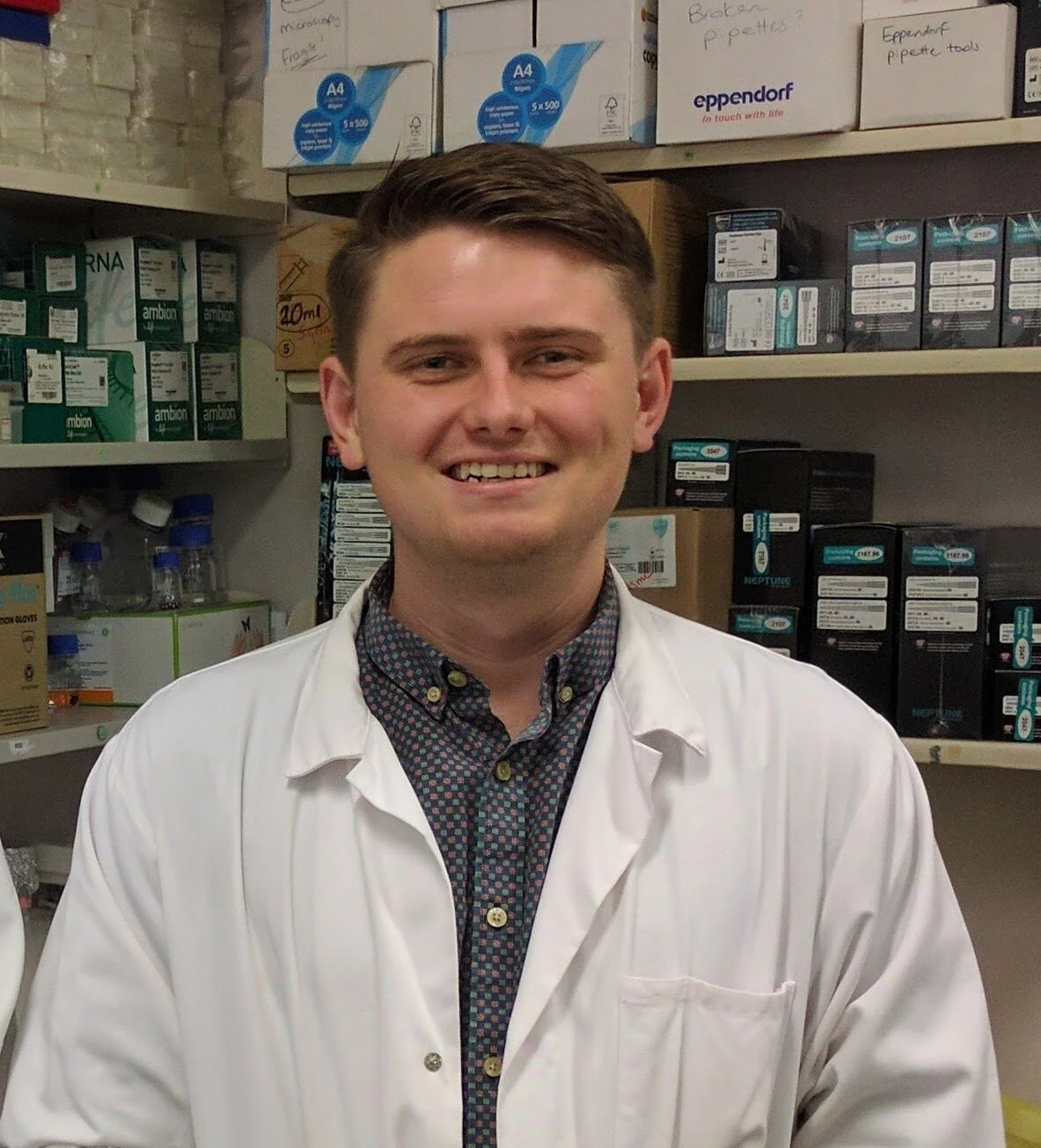
Dr Stewart Masson is a Research Fellow at the Charles Perkins Centre, University of Sydney, within the Faculty of Science. His research focuses on the genetics of metabolic disease and insulin resistance, with a particular interest in the etiology of insulin resistance and intracellular trafficking mechanisms. He holds a PhD from the University of Auckland (2021), where he studied insulin signaling and β-catenin's role in skeletal muscle glucose transport under Prof. Peter Shepherd and Assoc. Prof. Troy Merry. His work now investigates genetic influences on metabolic health and aging in collaboration with Prof. David James' lab. Research Interests: Genetic determinants of metabolic disorders Insulin resistance mechanisms Cellular trafficking in metabolism Genetic diversity in metabolic responses Publications highlight advancements in understanding insulin signaling pathways, lipid metabolism, and the development of tools like Synteny for gene prioritization. His studies leverage mouse models to explore diet-related metabolic changes and identify therapeutic targets. Advising and Grants: While no students are listed, his research has been supported by projects investigating genetic and dietary influences on metabolic health. Collaborative efforts with the James Lab focus on metabolic cybernetics and systems biology approaches. Labs/Teams: Active member of the James Lab at the Charles Perkins Centre, contributing to the Metabolic Cybernetics research group.