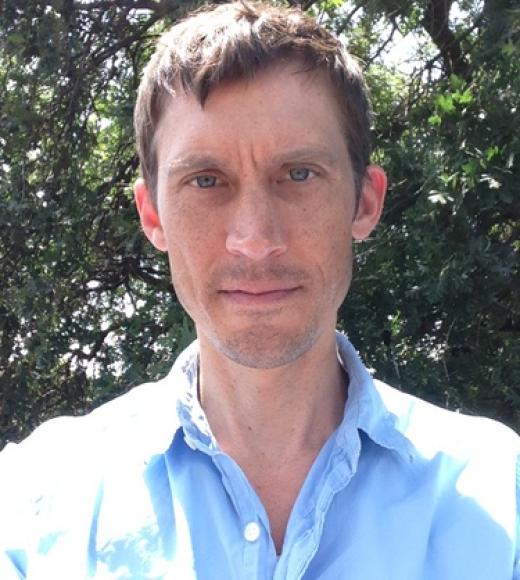
Alesander Badiola Zabala is a Lecturer in the Department of Nursing and Physiotherapy at the Blanquerna School of Health Sciences, Universitat Ramon Llull. His research focuses on athlete performance optimization, sports injury prevention, and biomechanical analysis in physical activities. He has contributed to projects like the SAFE initiative (2014-2017 and 2017-2021), investigating health, physical activity, and sports-related interventions. His work integrates observational studies, clinical trials, and biomechanical assessments to address topics such as lumbar movement in swimmers, core training for rhythmic gymnasts, and ACL injury mechanisms. He has collaborated on multidisciplinary teams including experts in physiotherapy, sports science, and public health. Badiola Zabala's publications reflect a strong emphasis on applying evidence-based methods to improve athletic performance and reduce injury risks. His research aligns with UN Sustainable Development Goals related to health and well-being.
Lee M. Miller is a Professor and Vice Chair of Academic Affairs in the Department of Neurobiology, Physiology and Behavior at the University of California, Davis, affiliated with the Center for Mind and Brain. His research focuses on neuroengineering, computational neuroscience, and neural mechanisms underlying attention, speech processing, and multisensory integration. Research interests include the development of neural prosthetics, decoding of neuromuscular signals for prosthetic control, and understanding how auditory and visual systems interact during speech perception and attentional processes. His work bridges clinical applications (e.g., cochlear implants) with fundamental neuroscience, leveraging tools like electrophysiological recordings, EEG/MEG, and advanced signal processing techniques. Recent publications highlight innovations in electromyographic speech neuroprosthetics, the topology of neuromuscular signals, and the neural basis of speech-in-noise processing. Miller’s studies emphasize translational potential, such as improving speech synthesis from brain signals and designing haptic feedback systems for motor coordination. His contributions have advanced understanding of neural mechanisms in sensory integration, auditory attention, and the impact of cognitive factors on perception. Miller maintains a lab dedicated to these interdisciplinary efforts, with a focus on both basic science and clinical applications.
Dr. Boubker Zaaimi is a Lecturer in Neuroscience at Aston University, affiliated with the School of Life & Health Sciences under the College of Health and Life Sciences. His 15+ years of experience focus on implanting electrodes in animal models (rodents to primates) to study brain activity modulation, particularly in stroke and epilepsy contexts. He specializes in brain-machine interfaces, optogenetics, and closed-loop protocols to regulate neural activity. Key projects include the CANDO project (Newcastle University) and collaborations with DARPA and industry partners like Autifony Therapeutics. His research uses magnetoencephalography (MEG) to advance human brain activity recording and modulation techniques. Employment History: Multiple postdoctoral roles at Newcastle University, Northwestern University, and City College, NY, culminating in his current faculty position. Research Interests: Optogenetic control, neural dynamics in primates, spinal cord plasticity, and neuromodulation therapies. His work bridges basic science and clinical applications, with recent focus on non-invasive neurostimulation (e.g., brain-responsive music) and closed-loop systems for epilepsy management. Over 19 peer-reviewed articles highlight his contributions to understanding neural pathways and developing therapeutic interventions.
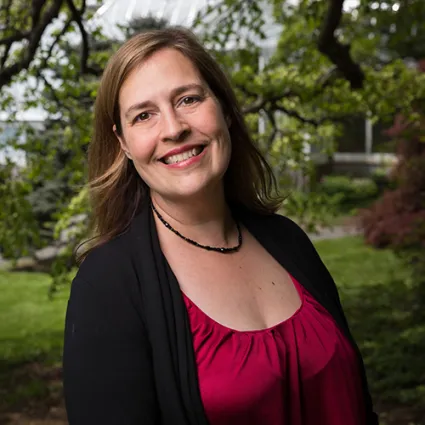
Sara Pruss is the Esther Cloudman Dunn Professor of Geosciences at Smith College, where she has established herself as a leading researcher in geobiology and paleontology. Her work focuses on critical transitions in Earth's history, particularly mass extinctions and the evolution of early life forms. She maintains an active research program that combines field work, laboratory analysis, and theoretical approaches to understand the complex interactions between life and Earth's environments through geological time. Education: Ph.D., University of Southern California M.S., University of Southern California B.S., University of Rochester Professor Pruss's research spans several interconnected areas within geobiology and paleontology. Her primary focus is on understanding mass extinction events, particularly the end-Permian extinction and Cambrian-Ordovician transitions. She investigates how these events affected marine ecosystems and the subsequent recovery patterns. Her work on Neoproterozoic carbonates and early animal evolution has provided important insights into the environmental conditions that facilitated the emergence of complex life. Professor Pruss also examines microbial sedimentary structures and their implications for interpreting ancient environments. Her research often combines detailed field observations with geochemical analyses to reconstruct paleoenvironments and understand the taphonomic processes that affect fossil preservation. Analysis of Professor Pruss's recent publications reveals a consistent focus on critical transitions in Earth's history. Her work spans the Ediacaran-Cambrian boundary, the Cambrian-Ordovician transition, and the Permian-Triassic extinction. A recurring theme is the relationship between environmental changes (particularly oxygenation and redox conditions) and biological evolution. Her research increasingly incorporates geochemical proxies like mercury chemostratigraphy to identify potential volcanic triggers for extinction events. The geographical scope of her work is global, with field sites in North America, Scotland, Namibia, and the Arctic. Scientific Awards: Outstanding Contributions to Geobiosciences by the Society for Geobiology and Geomicrobiology (2014) Sherrerd Prize for Distinguished Teaching by Smith College (2015) Professor Pruss has mentored numerous undergraduate students through her research lab at Smith College. Several of her former students, including Katie Castagno, Jana Burke, Kelsey Moore, Sophie Westacott, and Kiara Gomez, have gone on to earn PhDs from prestigious institutions like MIT, Yale, and Woods Hole. Her research has been consistently supported by major funding agencies including the National Science Foundation and the National Geographic Society. Beyond her research mentorship, Professor Pruss has been actively involved in programs aimed at supporting underrepresented women in STEM fields, demonstrating her commitment to inclusive excellence in science education. Professor Pruss leads an active research laboratory at Smith College that combines field, laboratory, and analytical approaches to geobiological research. Her lab has produced numerous publications with undergraduate co-authors, reflecting Smith's strong emphasis on undergraduate research. The lab's work often involves international collaborations with researchers from institutions around the world. Current research directions include investigating the relationship between oxygenation and early animal evolution, studying microbial influences on sedimentary structures, and examining the environmental triggers for major extinction events throughout Earth's history.
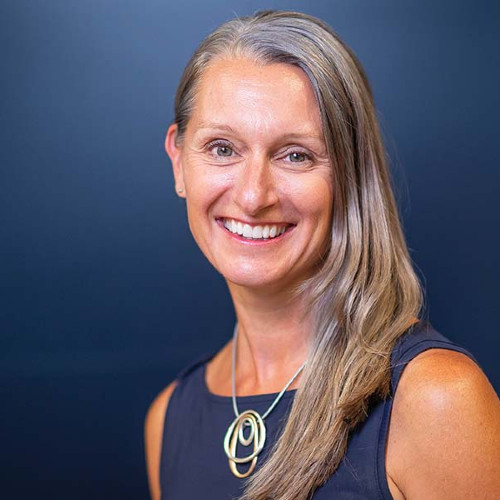
Jennifer Jakobi is a Professor at the School of Health and Exercise Sciences , Faculty of Health and Social Development, UBC Okanagan. She serves as Director of the Institute for Healthy Living and Chronic Disease Prevention and holds the NSERC Chair for Women in Science and Engineering . Her work bridges neuromuscular physiology and STEM diversity initiatives . Research Themes : Frailty, aging in place, sex-differential muscle function, and motor unit modulation. Labs : Leads the Healthy Exercise and Aging Lab (HEAL) and coordinates the iSTAND diversity program. Publications focus on aging biomechanics, cannabis impacts in elderly populations, social VR interventions, and pandemic-era health behaviors. Her NSERC-funded basic research examines cortical-spinal pathways, while UBCO grants support applied studies on vibration therapy and assistive technologies. Scientific Contributions : Identified sex-specific force steadiness mechanisms Developed prehabilitation frameworks for functional independence Advocated for gender-inclusive STEM education Outreach includes youth STEM camps, equity workshops, and community partnerships on aging-in-place policies. Current research explores VR-based social engagement and cannabis safety protocols for seniors.
Friedl De Groote is a Senior Lecturer at KU Leuven's Faculty of Human Movement and Rehabilitation Sciences, Department of Human Movement Sciences, specializing in the biomechanics of human movement. She leads the Biomechanics of Human Movement Research Group and is a member of the iSi Health - KU Leuven Institute for Physics-based Modeling for In Silico Health. Her research focuses on understanding neuromusculoskeletal control of human movement, particularly through computational modeling approaches. She investigates gait disorders in children with cerebral palsy and Duchenne muscular dystrophy, examining how muscle impairments, contractures, and neural control mechanisms contribute to altered movement patterns. Her work combines experimental biomechanics with predictive computer simulations to uncover the underlying mechanisms of movement disorders and develop new rehabilitation approaches. She also studies fundamental aspects of human locomotion, balance control, and energy expenditure during walking. Her recent publications demonstrate a strong emphasis on predictive simulations to understand the relationship between neuromusculoskeletal impairments and movement pathology. Her research spans multiple domains including cerebral palsy, Duchenne muscular dystrophy, gait analysis, balance control, and musculoskeletal modeling. She frequently collaborates with clinical researchers to bridge the gap between computational models and clinical applications. Dr. De Groote is actively involved in various academic councils including the Faculty Council FaBeR, POC Rehabilitation Sciences and Physiotherapy, POC Physical Education and Movement Sciences, and multiple departmental councils within Human Movement Sciences. Her ORCID identifier is 0000-0002-4255-8673 . She currently leads or co-leads numerous research projects funded through KU Leuven and external grants, with a focus on understanding walking control mechanisms, energy expenditure during locomotion, and developing computational models to inform rehabilitation strategies for children with movement disorders. Her research portfolio demonstrates a commitment to translating biomechanical insights into clinically relevant applications.
Dr. Irma D. Fleming serves as an Assistant Professor of Surgery at the University of Utah School of Medicine, where she maintains clinical practice at the University of Utah Hospital Burn Center in Salt Lake City. Board certified by the American Board of Surgery and its Surgical Critical Care subspecialty, she specializes in acute burn care, burn reconstruction, critical care trauma management, and necrotizing soft tissue infections. Her academic training includes: B.S. in Biology from Spelman College M.D. from Meharry Medical College General Surgery Residency at the University of Chicago Burn Surgery Fellowship at Vanderbilt University Medical Center Anesthesia Critical Care Fellowship at the University of Chicago Dr. Fleming's research integrates clinical burn care with microbiome science, focusing on how microbial communities influence wound healing, sepsis, and surgical outcomes. Her work examines nutritional interventions in burn recovery, electrical injury complications, frostbite management, and antibiotic-resistant pathogens in burn units. She investigates the intersection of trauma, critical illness, and host-microbe interactions using multi-omic approaches and clinical database analysis. Analysis of her 15 most recent publications (2016-2024) reveals consistent emphasis on burn care optimization through microbiome modulation, infection control in burn units, and metabolic/nutritional support. Key trends include translational studies on fecal microbiota transplants for sepsis, outbreak management of multidrug-resistant Acinetobacter baumannii, and innovative techniques like botulinum toxin application in acute burn care. Her work spans clinical trials, multi-omic tissue analysis, and hospital environmental microbiome studies. No scientific awards were documented in the provided materials. While no student mentorship or grant details were specified, Dr. Fleming's collaborative publications suggest active participation in multi-institutional research teams focused on surgical infections and critical care outcomes. Her clinical role involves telemedicine applications and comprehensive burn center care coordination.
Stephen E. Still is a Professor of Practice in the Department of Civil, Structural and Environmental Engineering at the University at Buffalo (UB), affiliated with the Institute for Sustainable Transportation and Logistics. His roles include teaching applied transportation planning and technology courses, advising students, and collaborating across disciplines between the School of Engineering and Applied Sciences and the School of Management. Prior to academia, he served as founder and managing director of Seabury Airline Planning Group and Diio, LLC, specializing in aviation consulting and IT. With over 30 years of industry experience, he held leadership roles at US Airways and United Airlines, focusing on strategic route planning, fleet management, and alliance development. Dr. Still holds a PhD in Civil Engineering and Operations Research from Princeton University, with a focus on transportation systems and economics, and a BS in Engineering (magna cum laude) from UB with a concentration in transportation planning. He has also completed advanced coursework in demand modeling at MIT. His research interests emphasize sustainable transportation systems and logistics, integrating engineering principles with operational efficiency. While his academic contributions primarily reside in transportation engineering, his interdisciplinary work incorporates wearable technology and sensor-based solutions for health monitoring, as evidenced by his extensive publication record in smoking cessation and behavioral health research. Scientific awards and grants are not explicitly mentioned in the provided information. Dr. Still’s advising and teaching focus on fostering student engagement in transportation innovation and real-world problem-solving. His professional experience bridges academia and industry, reflecting a commitment to practical applications of engineering and logistics principles.
Dr. Eric Meyers is an Assistant Professor in the Department of Bioengineering at the Erik Jonsson School of Engineering and Computer Science, University of Texas at Dallas. He holds a Ph.D. in Biomedical Engineering and dual Bachelor's/Master's degrees in Electrical Engineering from the same institution. His research focuses on closed-loop neurotechnology, neuromodulation, and bioelectronic medicine to enhance recovery from nervous system injuries. Key projects include developing wearable EMG sleeves for stroke rehabilitation and closed-loop neuromodulation systems to restore motor function. Education: B.S. (2012), M.S. (2018), Electrical Engineering; Ph.D. (2017), Biomedical Engineering – all from UTD His research interests span machine learning applications in neurorehabilitation, biomarker discovery for neurological conditions, and clinical translation of bioelectronic therapies. Recent work emphasizes wearable devices for real-time motor function assessment and neuromodulation-driven recovery strategies. Publications highlight advancements in EMG-based neural interfaces, closed-loop algorithms for stroke therapy, and innovative FES systems. His lab actively collaborates on projects funded by NIH and industry partnerships, with a focus on translating technologies to clinical settings.
Dr. Philippe Dixon is an Assistant Professor in the Department of Kinesiology & Physical Education at McGill University, with a division in Biomechanics and Neuroscience. He holds adjunct professor roles at the University of Montreal (School of Kinesiology and Physical Activity Sciences) and the University of Laval (Department of Kinesiology). His research focuses on human movement biomechanics using motion capture systems and wearable sensors, combined with machine learning for health and athletic performance optimization. He has expertise in gait analysis, muscle coactivation patterns in cerebral palsy, and predictive modeling of physiological states. Dr. Dixon earned a Post-doctoral fellowship in Public Health at Harvard University, a PhD in Engineering Science from the University of Oxford, and dual degrees in Biomechanics and Physics from McGill University. His education includes a Bachelor of Education in Mathematics and Physics (McGill), a Master of Science in Biomechanics (McGill), and a PhD in Engineering Science (Oxford). He has received grants such as the NSERC Discovery Grant (2022–2027) and the FRQSC AUDACE Grant (2022). His work emphasizes wearable sensor integration, with contributions to datasets like NACOB and tools like OpenOFM. He currently supervises Master’s and PhD students in biomechanics and machine learning applications. Key research themes include gait adaptations on uneven surfaces, machine learning for cough detection via smart garments, and musculoskeletal coordination in clinical populations. His articles span biomechanical modeling, wearable sensor validation, and neuro-musculoskeletal analysis, reflecting interdisciplinary innovation in human movement science.
Shuangquan (Peter) Wang is an Assistant Professor of Computer Science at Salisbury University. He holds a PhD in Computer Science from the College of William & Mary (2020) and a PhD in Pattern Recognition and Intelligent Systems from Shanghai Jiao Tong University (2008), along with earlier degrees from Wuhan University of Technology and Wuhan Institute of Technology. His research focuses on mobile/wearable computing, activity recognition, smart health, and machine learning. He has over 10 years of experience in academia and industry, including roles at Philips Research East Asia and Nokia Research Center (Beijing). His work emphasizes wearable sensor-based health monitoring, such as fall detection, mastication analysis, and Parkinson’s disease monitoring. He leads the WISH Research Lab and serves as an Associate Editor for Elsevier's Smart Health Journal. Recent contributions include papers on salinity anomaly detection (2024), LLM-based user requirement analysis (2024), and socially acceptable food recognition (2022). His research trends emphasize interdisciplinary applications of machine learning in healthcare and sensor-driven human activity analysis. Professional service roles include coordinating Salisbury University’s Center for Applied Mathematics and Science (2021–2024) and chairing ACM/IEEE CHASE conferences. He has delivered invited talks on artificial intelligence and its societal impacts to diverse audiences, including the Institute of Retired Persons at Salisbury University. His lab, WISH Research Lab, explores innovative solutions in smart health and mobile computing, integrating wearable technologies with machine learning for real-world health applications.
Ramana Vinjamuri is an Associate Professor in the Department of Computer Science and Electrical Engineering at the University of Maryland, Baltimore County (UMBC). He holds a secondary appointment as Visiting Professor at the Indian Institute of Technology, Hyderabad, India. His academic journey includes a Ph.D. in Electrical Engineering from the University of Pittsburgh (2008), M.S. in Bioinstrumentation from Villanova University (2004), and B.Tech. in Electrical and Electronics Engineering from Kakatiya University (2002). Dr. Vinjamuri's research focuses on Brain-Machine Interfaces (BMIs) for upper-limb prostheses control , neuroprosthetics and exoskeletons , machine learning in motor control , and neurophysiological signal processing . His work extends synergy-based models to control 37-dimensional hand movements, addresses human-robot interaction through emotionally intelligent systems, and develops neurotechnologies for substance use disorder using wearable sensors and AI. NSF CAREER Award (2019) NSF IUCRC BRAIN Center Planning Grant (2020) Harvey N Davis Distinguished Teaching Assistant Professor Award (2018) His publications demonstrate expertise in EEG and EMG signal analysis , deep learning for motor decoding , synergy modeling , and humanoid robot control . The Vinjamuri Lab at UMBC involves graduate, undergraduate, and high school researchers, with international collaborations in India and the US.
Raquel Iniesta is a Reader in Statistical Learning for Precision Medicine at King's College London, leading the Fair Modelling and TDA lab within the Department of Biostatistics & Health Informatics. Her expertise spans mathematics, statistics, and machine learning applied to precision medicine, with a focus on ethical AI integration in healthcare. She teaches advanced machine learning and statistical modeling courses and actively engages in scientific communication through workshops and media outreach. Her research emphasizes developing transparent AI models for personalized medicine, particularly in depression, hypertension, and neurodegenerative diseases. Notable contributions include studies on fasciculation analysis in ALS and ethical frameworks for healthcare AI. Publications highlight interdisciplinary approaches, combining machine learning with clinical and genetic data to improve predictive models. Dr. Iniesta leads educational initiatives, including the Machine Learning module and Introduction to Statistics programs, and contributes to public engagement by designing digital content and managing social media for research dissemination.
Dr. Jenna Yentes is an Associate Professor in the Department of Kinesiology and Sport Management at Texas A&M University, affiliated with the College of Education and Human Development. Her research focuses on functional resiliency in aging populations, biomechanics of chronic obstructive pulmonary disease (COPD), and nonlinear analysis of human movement. She leads studies on gait stability, respiratory-gait coupling, and exoskeleton-assisted walking. Notable contributions include quantifying locomotor reserve and exploring firefighter performance in protective gear. Education: Ph.D. in Biomechanics (University of Nebraska, 2013), M.S. in Kinesiology (California State University Fullerton, 2006), B.A. in Kinesiology (University of Northern Colorado, 2000). Research Interests: Reserve capacity in older adults' mobility and cognition Biomechanical adaptations in COPD patients Methodological rigor in nonlinear data analysis (e.g., entropy metrics) Firefighter physical performance under protective gear Recent Articles Trends: Focus on entropy-based gait analysis, COPD biomechanics, dual-task interference in aging, and exoskeleton effects on interlimb coordination. Methodological rigor in parameter selection for nonlinear algorithms is a recurring theme. Awards: 2023 Faculty Climate Award (Texas A&M), 2019 Promising Scientist Award (International Society of Posture and Gait Research), and 2019 Chancellor's Commission on the Status of Women Award (University of Nebraska). Advising & Grants: Mentors graduate students (noted in publications) and collaborates with TEEX Fire Academy and multiple Texas A&M research centers including the Huffines Institute for Sports Medicine and the Center for Population Health and Aging. Research supported by institutional and federal grants. Labs/Teams: Active in Texas A&M's Human Movement and Aging Lab, collaborating with interdisciplinary teams in sports medicine, rehabilitation engineering, and pulmonary research.
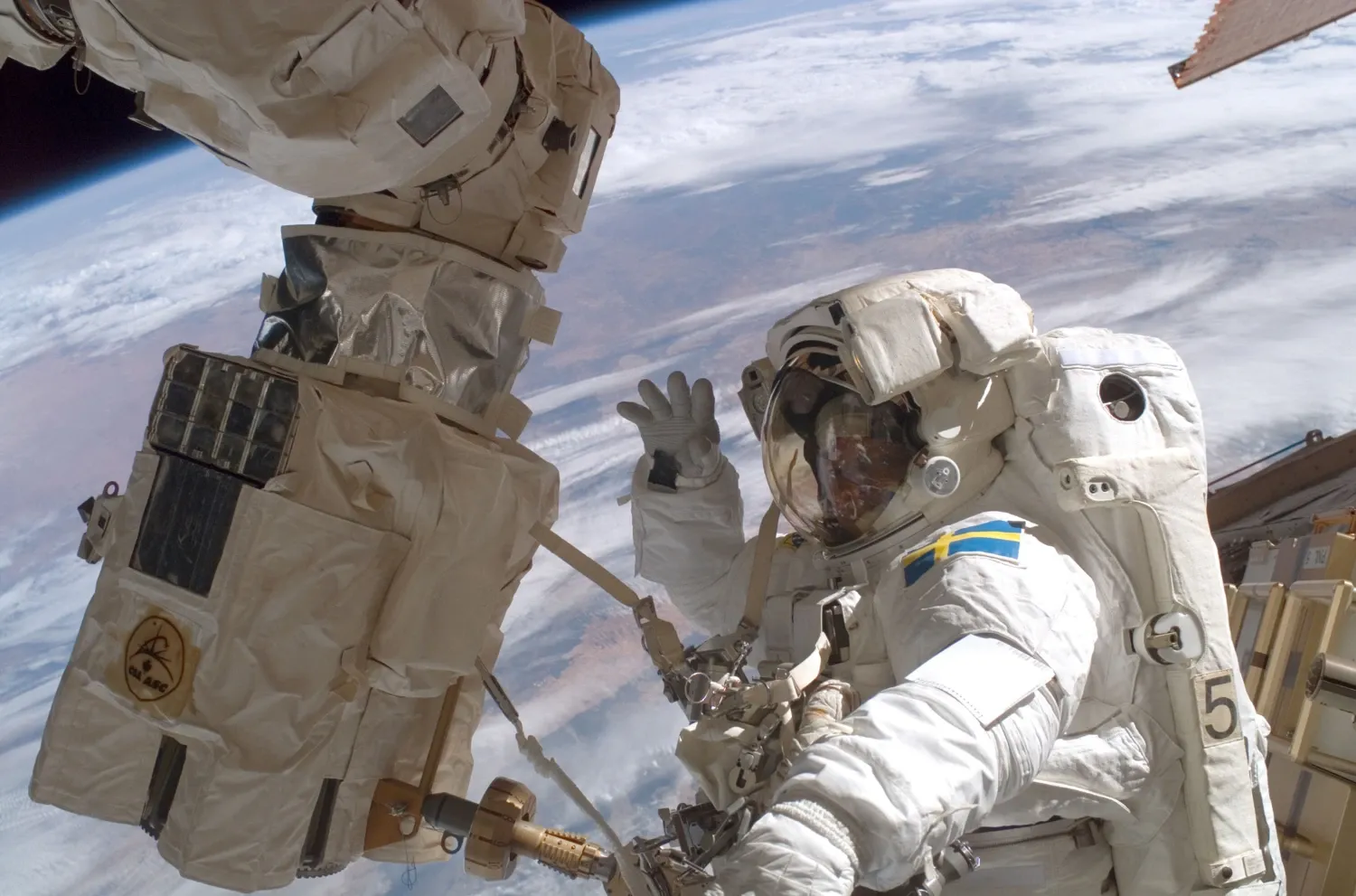
Rodrigo Fernandez Gonzalo is a Docent (Associate Professor) in Physiology and Principal Researcher at the Division of Clinical Physiology, Department of Laboratory Medicine, Karolinska Institutet. He leads the Space and Environmental Physiology research group focusing on skeletal muscle adaptation under various conditions including microgravity, aging, disease, and exercise. His research interests span skeletal muscle physiology, space physiology, and environmental physiology, with particular expertise in how skeletal muscle interacts with other physiological systems. His work employs diverse methodologies including human clinical studies, animal models, and cellular models to investigate functional, metabolic, morphological, molecular, and neural adaptations. Analysis of his recent publications reveals a strong focus on space physiology applications, particularly how microgravity affects skeletal muscle and immune systems, along with translational applications for clinical populations like those with cerebral palsy. His research integrates molecular analysis, imaging techniques, and physical performance outcomes to develop countermeasures for spaceflight effects. 4.5 MSEK funding from the Swedish National Space Agency (2020) Member of European Space Agency's Life Science Working Group (2022-2026) Member of Space Researchers Sweden (2021-) Dr. Fernandez Gonzalo serves as course responsible for Anatomy and Physiology in the nursing program (since 2018) and Advanced Human Physiology Research in the Master's programme in Translational Physiology and Pharmacology (since 2023). He also teaches Human Spaceflight at KTH and participates in the Erasmus Mundus Joint Master in Physiology and Medicine of Humans in Space and Extreme Environments. His laboratory utilizes facilities at Karolinska University Hospital and ANA Futura for human, animal, and cellular studies investigating space exposome effects.