Jonathan Eric Rosenberg is a Clinical Professor in the Department of Medicine at Memorial Sloan Kettering Cancer Center , specializing in Genitourinary Oncology . His research focuses on molecular subtypes in bladder cancer, DNA damage response, and clinical trial outcomes.
Volkan M Gurel is an Adjunct Assistant Professor of Pathology and Laboratory Medicine at Brown University. He holds a PhD in Biochemistry from West Virginia University (2004) and has conducted extensive research in molecular biology, toxicology, and cancer-related gene expression mechanisms. Education: PhD, West Virginia University (2004) MS, University of California, Davis (1998) BS, Ankara University (1994) His research focuses on heavy metal-induced carcinogenesis, neurotransmitter-based therapies for urological disorders, and molecular mechanisms of DNA repair and cellular stress response. He has also explored the role of metallothionein isoforms in cancer progression and chemoresistance. Key research domains include environmental toxicology , oncology , molecular pathogenesis , and pharmacology . Recent publications emphasize gene-environment interactions, bacterial resistance mechanisms, and therapeutic applications of neurotransmitters. Dr. Gurel has contributed to courses like Environmental Health & Disease 1820 , covering dose-response relationships, toxicant metabolism, and case studies on environmental health impacts.
Dr. Gregory Yochum is an Associate Professor at Penn State University, affiliated with both the College of Medicine's Department of Molecular and Precision Medicine and Department of Surgery. His research focuses on the molecular mechanisms of Wnt/β-catenin signaling in intestinal homeostasis, inflammatory bowel disease (IBD), and colorectal cancer (CRC), with a specific emphasis on MYC proto-oncogene regulation through chromatin architecture modifications and long-range DNA loops. BS, Bucknell University (1990-1994) PhD, University of Utah (1996-2002) Postdoctoral Fellowship, Vollum Institute for Advanced Biomedical Research (2002-2009) Current projects investigate how TCF/β-catenin complexes modulate target gene expression, alongside the role of RNA-binding protein TTP in intestinal barrier function and its implications for ulcerative colitis (UC) and CRC. Collaborations with Dr. Walter Koltun's lab utilize a biobank of 4,500+ patients to explore genetic and environmental factors (e.g., microbiome) in intestinal disease. His work contributes to UN Sustainable Development Goals through advancements in medical research and education. Key research outputs include studies on: BRD4 inhibition for IBD therapy Epigenetic alterations in pediatric IBD Metabolic reprogramming in CRC metastasis Interferon signaling in bladder cancer Microbial consortia in diverticulitis His lab employs biochemical approaches in CRC cell lines, mouse models, and human tissues to validate findings.
Ettore De Berardinis is an Associate Professor in the Department of Maternal Infantile and Urological Sciences at Sapienza University of Rome. He teaches Integrated Pathology II - Urology and Integrated Medical-Scientific Methodology courses for Medicine and Surgery students in their fourth year. His research focuses on urological oncology with particular emphasis on bladder cancer diagnostics and treatment. Dr. De Berardinis has pioneered work on the Vesical Imaging-Reporting and Data System (VI-RADS) for bladder cancer staging and has conducted extensive research on biomarkers for predicting Bacillus Calmette-Guérin (BCG) therapy response in non-muscle invasive bladder cancer. His methodology frequently involves analysis of US insurance claims data to evaluate perioperative outcomes and healthcare costs across various urological procedures. Recent publications reveal a strategic shift toward evidence-based analysis of surgical techniques, particularly robotic-assisted radical prostatectomy configurations and minimally invasive approaches for lower urinary tract symptoms. His 2023-2025 work demonstrates increasing sophistication in biomarker research, with studies on extracellular vesicles and NGS multigene panels for risk stratification in bladder cancer. Dr. De Berardinis leads two significant research initiatives: one examining the interplay between intravesical BCG and PD-L1 expression in non-muscle invasive bladder cancer, and another investigating oncogenic aberrations as predictive biomarkers for BCG efficacy. His collaborative approach is evident through multi-institutional studies involving US healthcare data and international research teams.
Jonathan Chou is a physician-scientist at the University of California, San Francisco (UCSF) School of Medicine, actively contributing to both clinical practice and translational research in genitourinary oncology. As an attending physician in the Genitourinary Medical Oncology Clinic and member of the Division of Hematology/Oncology, he bridges patient care with innovative investigations into cancer biology. MD and PhD in Biomedical Sciences, UCSF A.P. Giannini Postdoctoral Fellow, 2018 Research focus on prostate and bladder cancer mechanisms Chou's research explores cancer biology with emphasis on transcription-replication conflicts and CDK12 regulation . His lab develops novel CAR T and radioimmunotherapies for genitourinary malignancies, utilizing transcriptomic and proteomic approaches to identify therapeutic targets. Current projects investigate resistance mechanisms to antibody-drug conjugates , synthetic lethality , and immunotherapeutic targets in aggressive cancer subtypes. His article analysis reveals expertise in prostate cancer (CDK12 biology, radioimmunotherapy), bladder cancer (TM4SF1, CA125+ cell states), and cross-cutting themes in genomic instability , translational imaging , and precision medicine . Research trends show integration of functional genomics (CRISPR screens), clinical trials (IMPACT trial), and health equity initiatives. Scientific recognition includes: Young Investigator Awards (BCAN 2023, Prostate Cancer Foundation 2020) DoD Physician Research Award (2019) Multiple UCSF fellowships (2017-2018) Goldwater Scholar (2003) Chou's clinical training under Eric Small, Terence Friedlander, and Chuck Ryan, combined with postdoctoral work with Felix Feng and Alan Ashworth, positions him at the intersection of clinical oncology and cutting-edge cancer research . His educational background from Stanford University and mentorship under Zena Werb further strengthens his foundation in tumor microenvironment and metastasis regulation studies.
David Oh, MD, PhD is an Associate Professor of Medicine at the University of California, San Francisco (UCSF) School of Medicine. He is a physician-scientist specializing in cancer immunotherapy with particular expertise in genitourinary malignancies, including prostate and bladder cancers. Dr. Oh sees patients in the Cancer Immunotherapy Program at UCSF and leads numerous early-phase clinical trials focused on adoptive cell therapies for solid tumors, including CAR-T and TCR therapies. His laboratory conducts translational research on cytotoxic immune effectors in anti-tumor responses and immune-related adverse events following immunotherapy. Harvard College AB 2000 Biochemical Sciences Stanford University School of Medicine MD/PhD 2011 Medicine, Physiology University of California, San Francisco Residency 2014 Internal Medicine University of California, San Francisco Fellowship 2017 Hematology/Oncology Dr. Oh's research focuses on developing novel immunotherapies with enhanced activity and reduced toxicity for patients with solid cancers. His work spans high-resolution multiomic interrogation and functional validation using patient samples, as well as murine model systems. Recent publications highlight his expertise in CD4+ T cell function in antitumor immunity, immune-related adverse events, and predictive biomarkers for immunotherapy response. His research has shown particular promise in understanding the role of cytotoxic CD4+ lymphocytes in bladder cancer and developing strategies to manage immune checkpoint inhibitor colitis. Analysis of Dr. Oh's recent publications reveals a strong focus on translational immunology with emphasis on T cell responses to cancer therapies. His work consistently bridges basic science and clinical applications, particularly in the areas of immune monitoring, biomarker development, and management of immunotherapy toxicities. The publications show increasing sophistication in analytical approaches, moving from traditional immunological techniques to advanced single-cell and spatial multi-omics methods. University of California, San Francisco Clinical Fellow Award 2015 Conquer Cancer Foundation of American Society of Clinical Oncology Merit Award 2016 Conquer Cancer Foundation Young Investigator Award 2017 Bladder Cancer Advocacy Network Young Investigator Award 2018 Prostate Cancer Foundation Young Investigator Award 2018 Damon Runyon Cancer Research Foundation Clinical Investigator Award 2021 Dr. Oh leads the NIH-funded project 'Identification of circulating and tissue-specific autoimmune responses in checkpoint inhibitor-induced immune-related adverse events' (K08AI139375). His clinical trials portfolio includes studies of adoptive cell therapies, intratumoral immunotherapies, and next-generation cytokine therapies for solid tumors. He has mentored numerous trainees in the field of cancer immunology and regularly collaborates with researchers across multiple disciplines including immunology, urology, and gastroenterology. His laboratory maintains strong connections with clinical programs at UCSF, facilitating rapid translation of research findings into patient care.
Piyush Agarwal is a Professor in the Department of Surgery-Urology at the University of Chicago, specializing in urologic oncology with a focus on bladder cancer and genitourinary malignancies. He maintains an active research program centered on clinical trials, surgical outcomes, and therapeutic innovations in urologic cancers. Dr. Agarwal's research focuses on multiple aspects of urologic oncology, including clinical trial design for bladder cancer therapies, surgical techniques for radical cystectomy, organ preservation strategies, and biomarker development. His work spans translational research with particular emphasis on targeted therapies and immunotherapies for advanced genitourinary tumors. He maintains collaborative relationships across multiple institutions for clinical trial consortia and has contributed to standardization of treatment protocols in urologic oncology. Dr. Agarwal has an extensive publication record with recent articles demonstrating trends in immunotherapy clinical trials (particularly checkpoint inhibitors and combination therapies), surgical innovations in cystectomy techniques, and biomarker-driven treatment approaches. His work frequently addresses both clinical outcomes and methodological improvements in clinical trial design for urologic malignancies. As an active clinical investigator, Dr. Agarwal contributes to multicenter trials through leadership roles and participates in expert consensus panels developing best practice guidelines for urologic cancer management and tissue procurement standards in oncology research.
Stuthi Perimbeti is an Assistant Professor at the Penn State Cancer Institute , affiliated with the Department of Medicine in the College of Medicine at Penn State University. Her research focuses on cancer-related health disparities, molecular targets in disease therapy, and clinical outcomes in oncology. Key Research Areas : Breast Cancer, Prostate Cancer, Lung Cancer, Racial Disparities, Medicaid Expansion, Molecular Targets Her recent publications highlight trends in oncology and public health , including studies on patient preferences in non-small-cell lung cancer, psychological distress in prostate cancer survivors, and policy impacts on bladder cancer treatment. She contributes to the United Nations Sustainable Development Goals (SDGs) by addressing health equity and disease therapy. Collaborations : Work with researchers like Jiang, Joshi, and Chatta Geographic Focus : United States, with emphasis on clinical outcomes and health policy
Fredrik Liedberg is Professor at Lund University's Department of Urology (Malmö) and Principal Investigator at Lund University Cancer Centre (LUCC). He leads the translational research group 'Clinical and experimental urothelial carcinoma research' focusing on improving prognostication, developing biomarkers, and optimizing surgical outcomes for bladder and upper urinary tract cancers. His research spans: Molecular subtyping of urothelial carcinomas Neoadjuvant chemotherapy responses Surgical complication prevention Lymph node metastasis mapping Diagnostic pathway optimization Contributing to UN Sustainable Development Goals through cancer research. Research trends show strong focus on precision oncology approaches across 213 publications, with recent work (2020-2025) emphasizing molecular classification, surgical outcomes, and population-level diagnostic patterns in urological cancers. Currently leads multiple projects: Precision medicine for non-muscle invasive bladder cancer (Sjöbergstiftelsen funded, 2025-2028) Clinical translation of molecular subtypes (Swedish Research Council, 2021-2025) Manages the urothelial carcinoma research team at LUCC and regularly organizes academic conferences including the UroCAN Retreat and Malmö Cancer Seminars.
Ines Ambite is an Associate Researcher at the Division of Microbiology, Immunology and Glycobiology (MIG) and Medical Microbiology at Lund University, with affiliations to Infect@LU. Her work bridges urinary tract infections and cancer treatment response , focusing on transcriptional control mechanisms through translational molecular research. Key affiliations: Division of MIG, Medical Microbiology, Infect@LU Email: ines.ambite@med.lu.se Research emphasizes immunomodulatory therapies for infection and oncology, leveraging proteomics and molecular pathways. Recent publications highlight: ER remodeling in tumor cells Innate/adaptive immune imbalance in pyelonephritis Multitarget inhibition of MYC by bacterial proteases Alpha1-oleate clinical trials in bladder cancer Comparative analyses of immunotherapies Her work aligns with UN Sustainable Development Goals for global health advancement.
Murphy Wan is a postdoctoral fellow at the Faculty of Medicine, Lund University , affiliated with the Division of Microbiology, Immunology and Glycobiology (MIG) and Cancer Infection. Their research spans pharmacology, immunology, and oncology, focusing on natural compounds for disease prevention, host-pathogen interactions, and cancer therapies. Key Roles: Postdoctoral Fellow, Research Fellow Institution: Lund University, Sweden Their work contributes to the UN Sustainable Development Goals, particularly in health and well-being (SDG 3) and life on land (SDG 15). Research interests include the pharmacokinetics of Schisandra chinensis lignans, modulation of immune responses by toxins like deoxynivalenol, and MYC inhibition mechanisms in disease. Recent publications highlight investigations into: Schisandra chinensis lignans for disease prevention Deoxynivalenol's impact on mucin and cytokines Multitarget MYC inhibition by bacterial proteases Alpha1-oleate in bladder cancer treatment Drug interactions in colorectal cancer models Collaborations extend across disciplines (immunology, microbiology, oncology) and geographies, with external partnerships in Europe, North America, and Asia. Their studies integrate molecular biology, clinical applications, and food science to address infectious and oncological challenges.
Dr. Divya Parikh is a Clinical Assistant Professor in the Department of Medicine - Oncology at Stanford School of Medicine. She specializes in treating genitourinary cancers and is actively involved in clinical practice, education, and research aimed at improving patient outcomes. Boston University School of Medicine, MD (2015) Stanford University, Internal Medicine Residency (2018) Stanford University, Hematology and Oncology Fellowship (2021) Stanford University, Master of Science in Health Policy (2021) Dr. Parikh's research focuses on medical oncology, particularly genitourinary cancers. Her work addresses financial toxicity, advance care planning, healthcare disparities, and cost-effectiveness of cancer treatments. She utilizes interdisciplinary approaches involving social work, machine learning, and quality improvement frameworks. Her recent publications highlight interventions to reduce financial burden in urologic cancer patients, applications of computer models in advance care planning, and cost comparisons of bladder cancer treatments. These studies reflect her commitment to optimizing patient care through clinical research and policy analysis. Dr. Parikh mentors medical residents and fellows, emphasizing compassionate and evidence-based oncological care. She is affiliated with Stanford Health Care and the VA Palo Alto Health Care System, where she provides clinical services.
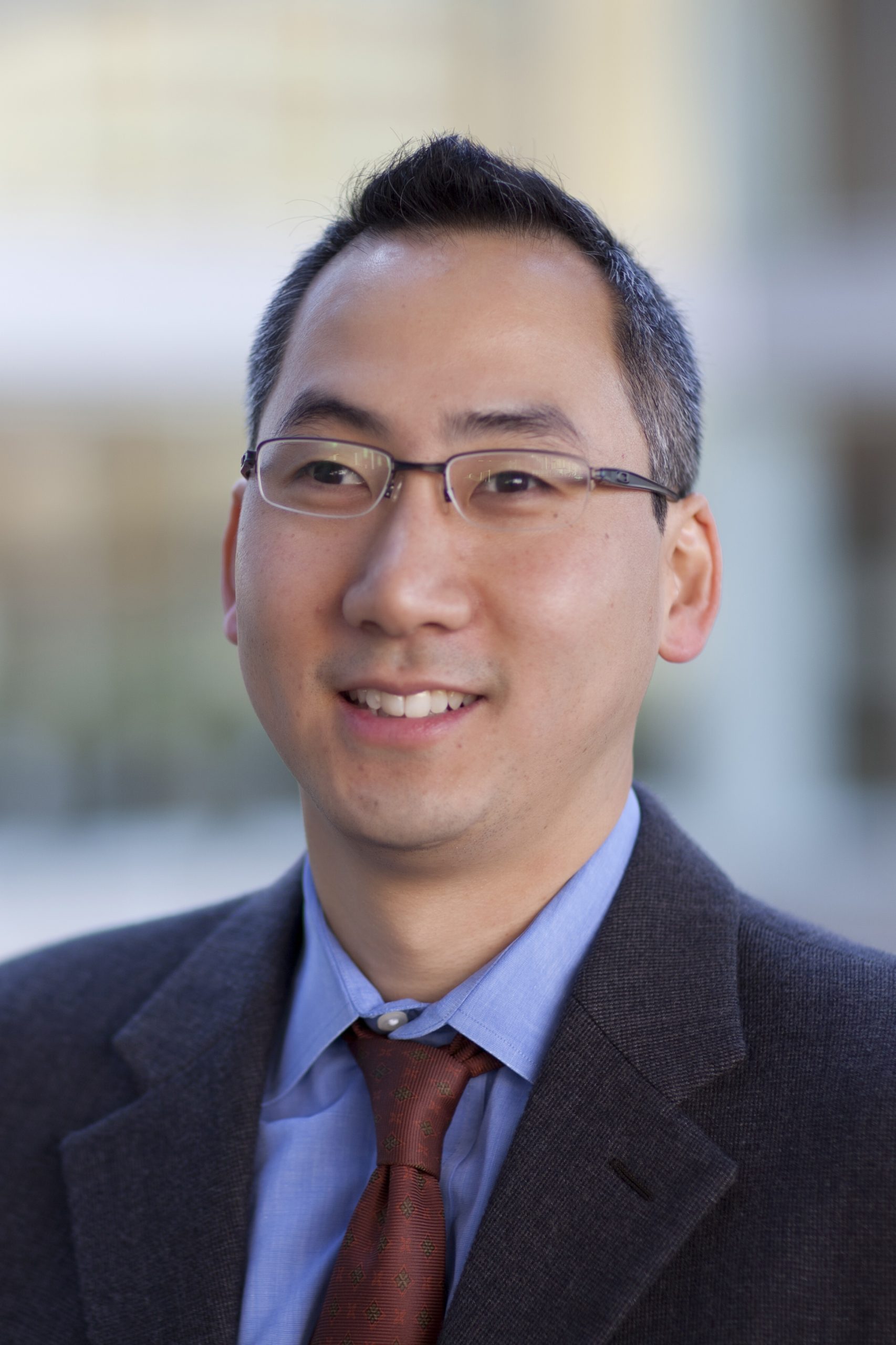
William Y. Kim, MD , is a Professor of Medicine and Genetics at the UNC School of Medicine , where he serves as the Rush S. Dickson Distinguished Professor . He leads the Kim Laboratory at the UNC Lineberger Comprehensive Cancer Center , focusing on the genetics and biology of bladder and kidney cancers . Kim is also Co-Leader of the UNC Lineberger Cancer Genetics Research Program and Co-Director of the Mouse Phase 1 Unit. Medical School: Brown University (1996) Certification: Internal Medicine-Medical Oncology (2002) His research integrates genomics and cancer biology to identify therapeutic vulnerabilities in renal cell carcinoma (RCC) and bladder cancer . Key projects include studying NRF2 transcription factor , KDM6A , and FGFR3 in bladder cancer progression, and investigating non-canonical tumor antigens in RCC. The lab employs patient-derived xenografts , genetically engineered murine models , and single-cell RNA sequencing to dissect tumor-immune interactions and improve immune checkpoint blockade outcomes. Recent publications highlight his work on bladder cancer subtypes , immunotherapy combinations , and renal carcinoma genetics . His awards include the BCAN Innovation Award (2014), ASCI membership (2014), and grants from the American Association for Cancer Research (2012) and DOD Prostate Cancer Program (2008, 2010). Kim also contributes to clinical trials and collaborates with industry partners like GeneCentric Therapeutics . Scientific Awards: Rush S. Dickson Distinguished Professor (2015) Bladder Cancer Advocacy Network Innovation Award (2014) ASCI member (2014) AACR-Kure It Grant (2012) Kim's lab emphasizes team science and multidisciplinary collaboration , particularly with the UNC Vincent Lab. Current initiatives explore cancer-associated fibroblasts (CAFs) and their role in immunotherapy resistance, alongside non-canonical tumor antigens in RCC. His clinical work centers on genitourinary malignancies , bridging translational research with patient care.
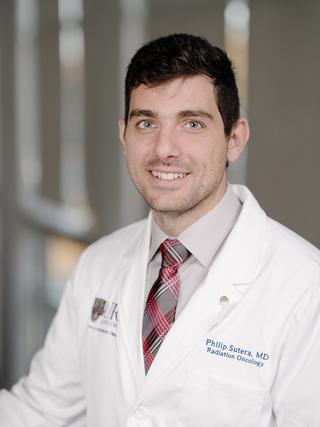
Philip A. Sutera, M.D., is an Assistant Professor in the Department of Radiation Oncology at the University of Rochester School of Medicine and Dentistry. He practices at the Wilmot Cancer Institute and is affiliated with the University of Rochester Medical Faculty Group (URMFG) and Accountable Health Partners (AHP). His clinical and research focus spans advanced radiation therapies for prostate and bladder cancer, with particular emphasis on oligometastatic disease and genomic biomarkers. MD, University of Pittsburgh School of Medicine (2019) Residency, Radiation Oncology, Johns Hopkins University School of Medicine (2020-2024) Internship, Internal Medicine, Allegheny General Hospital (2019-2020) Dr. Sutera's research integrates machine learning, radiomics, and genomic profiling to optimize radiation therapy outcomes. His work has been published in leading journals like Radiotherapy and Oncology and Clinical Cancer Research , with a focus on PSMA PET imaging, metastasis-free survival prediction, and pathway-based biomarkers in castration-sensitive prostate cancer. His recent publications highlight trends in artificial intelligence applications for prognostic modeling, genomic determinants of therapy response, and comparative analyses of imaging modalities (PSMA PET/CT vs conventional imaging) in oligometastatic disease. Recurring themes include stereotactic ablative radiotherapy (SABR), immune cell infiltration in chemoradiation, and mitochondrial dysfunction in radiation-induced apoptosis. ASTRO Annual Meeting Abstract Award (2024) ASCO Conquer Cancer Merit Award (2024) American Radium Society Travel Grant (2023) Bert and Sally O'Malley Award (2019) ... Dr. Sutera's clinical work involves stereotactic body radiation therapy (SBRT) for pancreatic carcinoma and salvage radiosurgery for recurrent gliomas. His research extends to DNA damage mechanisms in radiation therapy and proteomic responses to novel agents like Dinaciclib and YM155. He collaborates with teams in the STOMP and ORIOLE trials and contributes to evolving definitions of disease burden in metastatic castration-sensitive prostate cancer.
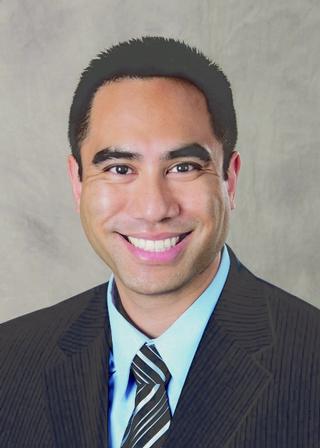
William B. Tabayoyong, M.D., Ph.D., is an Assistant Professor in the Department of Urology at the University of Rochester School of Medicine and Dentistry. He specializes in Urologic Oncology, with expertise in minimally invasive robotic surgery for bladder, prostate, and kidney cancers, as well as advanced open pelvic and retroperitoneal cancer surgery. Educated at the University of Iowa (MD/PhD in Immunology, 2011) Urology residency at Case Western Reserve University (2012–2017) Society of Urologic Oncology fellowship at MD Anderson Cancer Center (2017–2019) His research focuses on immunotherapy for urologic cancers, particularly bladder cancer. He has led clinical trials on intravesical TARA-002 for high-grade non-muscle invasive bladder cancer and published extensively on treatment protocols, surgical approaches, and biomarkers in urothelial cancers. His work emphasizes optimizing chemotherapy timing, multidisciplinary care, and advanced imaging techniques for prostate cancer diagnosis. Dr. Tabayoyong is board-certified in Urology and actively participates in the University of Rochester Medical Faculty Group (URMFG) and Accountable Health Partners (AHP). He has received consistently high patient satisfaction scores for compassionate care, thorough explanations, and shared decision-making.