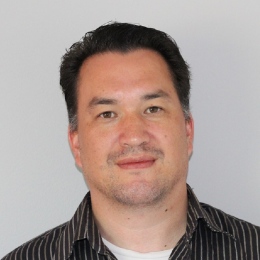
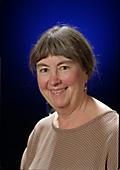
Patrick J. Cahill, MD, is a pediatric spine specialist and the Robert M. Campbell Jr. Endowed Chair in Thoracic Insufficiency Syndrome at Children's Hospital of Philadelphia (CHOP). His clinical expertise spans disorders of the pediatric spine, scoliosis, cervical spine conditions, and minimally invasive surgical techniques. He leads the Center for Thoracic Insufficiency Syndrome, collaborating with pulmonology, anesthesia, and physical therapy teams. Academic Role: Physician Scientist Leadership: Director of the Center for Thoracic Insufficiency Syndrome Research Focus: Spinal growth modulation, 3D surgical planning, and reducing anesthesia exposure in young patients His work emphasizes fusionless treatments like magnetically expandable growing rods and Mehta casting, alongside innovations in dynamic MRI for preoperative assessment. Recent publications highlight comparative studies on spinal fusion techniques, surgical complication classifications, and multidisciplinary approaches to complex cases. Awards: Philadelphia Magazine's Top Doctors (2022), SRS Travelling Fellowship (2015) Professional Memberships: Scoliosis Research Society, North American Spine Society, Pediatric Orthopaedic Society of North America
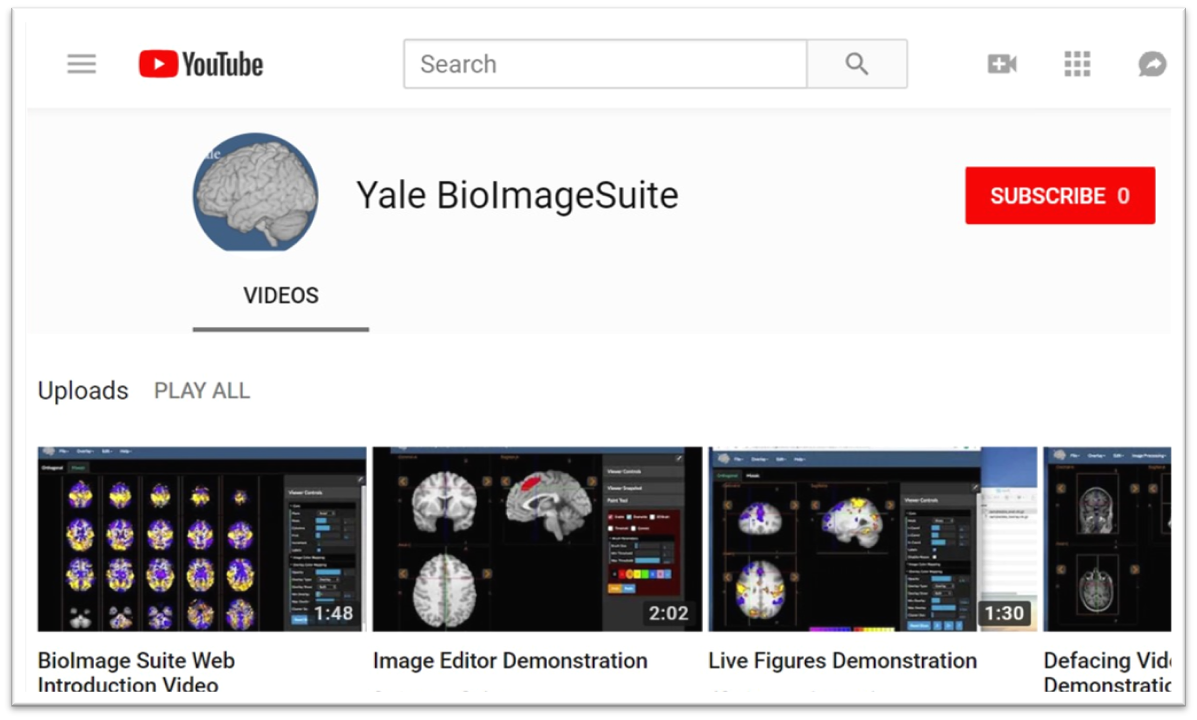
Xenophon Papademetris is a Professor of Biomedical Informatics & Data Science and Radiology & Biomedical Imaging at Yale School of Medicine. He serves as Associate Director of Biomedical Imaging Data Sciences at Yale Biomedical Imaging Institute and directs the Medical Software and Medical Artificial Intelligence Certificate Program. PhD in Electrical and Information Sciences from Yale University (2000) BA from Cambridge University (1994) Postdoctoral Fellowship at Yale University (2002) His research focuses on medical image analysis, machine learning, and biomedical software development. He has developed tools like BioImage Suite Web and contributed to standards committees at the Association for the Advancement of Medical Instrumentation (AAMI). His work spans modalities including MRI, CT, PET, and optical imaging. Recent publications emphasize neuroimaging analysis, explainable AI in healthcare, and multimodal data integration across species. He leads NIH-funded research under the BRAIN Initiative (R24 MH114805) and has authored a textbook on Medical Software published by Cambridge University Press. IEEE Senior Member Yale Brown-Coxe Postdoctoral Fellowship Harding Bliss Prize for Excellence in Engineering He directs the BioImage Suite Project, creating web-based image analysis tools using JavaScript and WebAssembly. His teaching includes both academic courses and a Coursera program on Medical Software with over 14,000 enrollments.
Prof. Casper Hoogenraad is a full professor in Molecular Neuroscience at the Department of Cell Biology, Faculty of Science, Utrecht University. His research focuses on understanding how intracellular protein trafficking underlies neuronal development and function, with particular emphasis on the microtubule cytoskeleton, synaptic cargo trafficking, and synaptic plasticity. He leads an active research group within Utrecht University's Cell Biology department and collaborates extensively with other neuroscience research groups. Education: PhD, Erasmus University Rotterdam (1996-2001) Postdoc, Massachusetts Institute of Technology (2002-2005) Hoogenraad's research spans three main themes: cytoskeleton dynamics during neurodevelopment and synaptic plasticity, motor proteins and adaptors as regulators of synaptic transport, and psychiatric and neurologic disease disorders linked to intracellular transport. His work combines genetics, biochemistry, molecular, and cellular biology methods in in vitro (neuron cultures), ex vivo (brain slices), and in vivo (mice) systems, along with advanced microscopy techniques including immunofluorescent confocal microscopy, high-resolution live cell imaging, and photo-activated localization microscopy (PALM). Analysis of Hoogenraad's recent publications reveals a strong focus on microtubule organization, neuronal polarity, and the molecular mechanisms underlying synaptic function and dysfunction. His work frequently explores how disruptions in intracellular transport contribute to neurological disorders including Alzheimer's disease, schizophrenia, and autism spectrum disorders, with particular attention to the relationship between cytoskeletal organization and cargo transport in neuronal compartments. Scientific Awards and Memberships: ZonMW-VIDI (2004) European Young Investigators (EURYI) award (2005) NWO-ALW VICI (2011) ERC Consolidator grants (2013) FENS-Kavli Network of Excellence (2014) European Molecular Biology Organization (EMBO) (2015) Young Academy of Europe (YAE) (2015) IBRO Kemali Prize (2016) Hoogenraad leads a research group studying neuronal development and function, with a particular focus on how intracellular transport mechanisms contribute to both normal brain function and neurological disorders. His laboratory employs a multidisciplinary approach combining molecular, cellular, and systems neuroscience techniques to investigate the molecular basis of neuronal polarity, synaptic plasticity, and the pathogenesis of neurological disorders. He has secured significant research funding through prestigious grants including ERC Consolidator grants. The Hoogenraad lab operates within the Cell Biology department at Utrecht University, collaborating with other research groups focusing on cellular dynamics, biophysics, and neurobiology. The lab utilizes advanced microscopy techniques including immunofluorescent confocal microscopy, high-resolution live cell imaging (spinning disc microscopy and total internal reflection fluorescence microscopy), and quantitative analysis using advanced high-resolution microscopy (photo-activated localization microscopy). Current lab technicians include Phebe Wulf and Bart de Haan.
Panagiota (Nota) Klentrou is a Distinguished Professor and Dean of the Faculty of Applied Health Sciences at Brock University, specializing in Kinesiology. Her research focuses on exercise physiology , bone development , and the health implications of sport training in youth , particularly examining cellular mechanisms linking exercise, diet, and lifelong bone health. Supported by NSERC, CIHR, Osteoporosis Canada, and the International Gymnastics Federation Education: PhD, FCSEP (Fellow of the Canadian Society of Exercise Physiology) Her work spans bone physiology , inflammatory responses to exercise , and sclerostin-mediated tissue cross-talk , with recent studies exploring the impact of obesogenic diets , acute exercise , and nutritional interventions on skeletal growth and adaptation. Key findings include the role of sprint interval training in modulating adipose tissue Wnt signaling and the effects of dairy consumption on bone turnover markers. Scientific Awards & Distinctions Fellow, Canadian Society for Exercise Physiology (CSEP), 2020 Marilyn Rose Graduate Leadership Award, 2017 TVO's Best Lecturer nominee, 2010 Chancellor’s Chair for Research Excellence, Brock University, 2009 Award for Distinguished Research & Creative Activity, Brock University, 2006 Dr. Klentrou actively supervises graduate and undergraduate students in projects related to bone physiology , inflammation , and exercise adaptation , and collaborates with organizations like Osteoporosis Canada and the International Gymnastics Federation.
Dr. Thanh Nho Do is a Scientia Senior Lecturer at the Graduate School of Biomedical Engineering (GSBmE), UNSW Sydney, and Director of the UNSW Medical Robotics Lab. He holds a PhD in Mechanical Engineering (Surgical Robotics) from Nanyang Technological University (NTU), Singapore, and a B.Eng. in Manufacturing Engineering from Ho Chi Minh City University of Technology, Vietnam. His research focuses on soft robotics, wearable technologies, and biomedical devices, including flexible surgical systems, soft actuators, and haptic interfaces. Education PhD in Mechanical Engineering (Surgical Robotics), NTU Singapore, 2015 B.Eng. in Manufacturing Engineering, Ho Chi Minh City University of Technology, Vietnam Research Interests Soft robotics for medical applications (e.g., NOTES systems, wearable haptics) Functional materials for biomedical devices Cardiovascular engineering and assistive devices Advanced control algorithms for medical robotics Key Contributions His work spans bioprinting, motor-free robotic systems, and soft wearable technologies. Recent studies include self-deploying cardiac compression devices and bioinspired artificial muscles. Awards 2025: CINSW Career Development Fellow 2024: NSW Young Tall Poppy Science Award 2023: Best Poster Awards at EMBC and ICRA Grants & Funding Includes NHMRC Ideas Grant (Lead CI), Cancer Institute NSW Fellowship, and UNSW Scientia Grant. Active projects address cardiovascular interventions and wearable robotics. Labs & Teams Leads the UNSW Medical Robotics Lab, collaborating on devices like soft robotic catheters and textile-driven exosuits.
Prof. Raimon Jané Campos is a leading figure in biomedical signal processing at the Universitat Politècnica de Catalunya (UPC) and Universitat de Barcelona (UB). As co-director of UPC's Biomedical Signal and System Group (CREB) and coordinator of the Biomedical Engineering PhD Programme, he bridges engineering and clinical applications. His work focuses on respiratory and sleep disorder diagnostics, with significant contributions to COPD and sleep apnea monitoring through wearable devices and machine learning. PhD in Biomedical Engineering (UPC, 1989) Visiting researcher at Université de Nice-Sophia Antipolis Vice-president of Spanish Society of Biomedical Engineering Research spans respiratory mechanics , sleep-disordered breathing , acoustic biomarkers , bioimpedance , and machine learning in biomedical contexts . His 2025 work on microcalorimetric pathogen classification and 2024 spiking neural networks for apnea detection demonstrate cutting-edge integration of computational methods with physiological monitoring. Articles from 2017-2024 reveal consistent focus on non-invasive diagnostics , cardiorespiratory synchronization , and smartphone-based health solutions . Awarded the Barcelona City Technology Research Award (2005) and serving on the International Advisory Board for Physiological Measurement since 2010, his career combines academic leadership with real-world clinical translation through IBEC's technology transfer initiatives.
Dr. Timur Alexander Yorgan is a prominent researcher at the Department of Osteology and Biomechanics at University Medical Center Hamburg-Eppendorf (UKE). Holding a Dr. rer. nat. degree, he has established himself as a leading figure in bone biology with over 60 publications spanning from 2013 to 2025. His research is deeply integrated with key institutional research areas including the Hamburg Center of Neuroscience and immunology research networks at UKE. Dr. Yorgan's research focuses on skeletal development, bone remodeling, and genetic bone disorders, with particular emphasis on Wnt signaling pathways and their role in bone homeostasis. His work spans multiple approaches from molecular genetics to translational studies, investigating osteoblast and osteocyte biology, genetic mechanisms underlying disorders like osteogenesis imperfecta, and the effects of various mutations on skeletal integrity. Recent research has expanded into the gut-bone axis, mechanobiology of bone cells, and neuro-immune interactions affecting bone metabolism. Analysis of Dr. Yorgan's publication record reveals a consistent trajectory of high-impact research in bone biology. His work increasingly explores interdisciplinary connections between bone metabolism and other physiological systems, with growing emphasis on translational approaches for therapeutic interventions. The research demonstrates sophisticated use of mouse models and molecular techniques to unravel complex bone disorders and identify potential treatment targets. Dr. Yorgan appears to be actively involved in collaborative research across multiple institutions, as evidenced by his extensive publication record with numerous co-authors from various departments and institutions. His work is frequently published in high-impact journals including Journal of Bone and Mineral Research, Nature Communications, and Bone Research. The Department of Osteology and Biomechanics at UKE, where Dr. Yorgan is based, is part of a vibrant research ecosystem that includes the Hamburg Center of Neuroscience and other key research networks focusing on immunology, oncology, and cardiovascular research. This collaborative environment enables interdisciplinary approaches to understanding skeletal disorders and developing novel therapeutic strategies.
Stephen A. Boyd is a University Distinguished Professor in the Department of Plant, Soil and Microbial Sciences within Michigan State University's College of Agriculture and Natural Resources. His research spans environmental chemistry and microbiology with a focus on soil systems. His educational background includes a B.S. in Chemistry from Central Michigan University (1975), and M.S. and Ph.D. in Soil Chemistry from Purdue University (1978, 1980). Dr. Boyd's research investigates organic contaminant movement in soil, microbial/catalytic degradation mechanisms, and remediation technologies for contaminated soils/sediments. His work features innovative approaches including chemically modified clays for contaminant sorption and degradation, mechanistic studies of toxicant interactions with natural/modified clays, and development of in-situ soil modification technologies. He extensively examines biodegradation of xenobiotics (particularly PCB reductive dechlorination) and bioavailability of soil-bound contaminants to degrading bacteria. His 15 most recent publications reveal strong trends in clay-based contaminant immobilization, pharmaceutical/water pollutant interactions, dioxin chemistry, and nanomaterial applications for environmental remediation, with dominant fields being environmental chemistry, soil science, and contaminant toxicology. University Distinguished Professor (MSU, 2005) Jackson Award in Soil Science (SSSA, 2004) Highly Cited Researcher (Institute for Scientific Information, 2002) Distinguished Faculty Award (MSU, 2001) Soil Science Research Award (SSSA, 1999) Dr. Boyd has secured significant research funding including a recent $750K USDA grant (2022) for PFAS mitigation research. His laboratory focuses on clay chemistry applications for environmental remediation, with notable breakthroughs in soil cleansing technologies and biochar applications. Current work emphasizes advanced contaminant degradation pathways and practical field applications of his soil modification technologies.
Martin Jastroch is a Professor at Stockholm University's Department of Molecular Biosciences, The Wenner-Gren Institute. His research focuses on the physiology and molecular mechanisms of energy metabolism from organism to molecule level. His primary research interests include: Energy metabolism physiology and molecular mechanisms Obesity and metabolic aspects Adipose tissue biology Mitochondrial mechanisms Thermogenesis and brown fat function Metabolic regulation in health and disease Professor Jastroch's research spans multiple disciplines, connecting molecular mechanisms with whole-organism physiology. His work on mitochondrial bioenergetics and thermogenesis has contributed significantly to understanding how energy metabolism is regulated across different biological scales. Recent publications show a growing interest in the evolutionary aspects of thermogenesis and the role of brown adipose tissue in metabolic diseases, with particular focus on UCP1 function, mitochondrial adaptations, and metabolic reprogramming in disease states. His scientific contributions include important findings on: UCP1 (Uncoupling Protein 1) function and regulation Mitochondrial bioenergetics in different tissue types Evolutionary aspects of mammalian thermogenesis Metabolic regulation in obesity and related disorders Links between mitochondrial dysfunction and neurodegenerative diseases Professor Jastroch leads 'Group Jastroch' at Stockholm University, where his team investigates the complex interplay between cellular energy metabolism and whole-body physiology, with implications for understanding and treating metabolic disorders.
Dr. James Ashton-Miller is a prominent faculty member in the Department of Mechanical Engineering at the University of Michigan, where he directs the Biomechanics Research Laboratory. He serves as a Center Member of the University of Michigan Injury Prevention Center and maintains affiliations with the Institute of Gerontology. His interdisciplinary work bridges engineering principles with medical applications, focusing on injury prevention across sports medicine, obstetrics, and geriatrics. Dr. Ashton-Miller's educational background includes: PhD from the University of Oslo, Oslo, Norway (1978-1983) MSME from M.I.T., Cambridge, MA, U.S.A (1972-1974) B.SC. (Hons) from the University of Newcastle-upon-Tyne, Newcastle-upon-Tyne, England (1967-1972) His research focuses on the biomechanics of injury prevention across multiple critical domains. In sports medicine, he has demonstrated that some ACL injuries are overuse injuries resulting from too many sub-maximal loading cycles that prevent healing of collagen damage. In women's health, his work on childbirth injuries addresses conditions that affect more women than breast cancer. His research on fall-related injuries in older adults reveals the dual threat of physical and cognitive factors. He also investigates sciatica, disc degeneration, and develops new medical devices for screening, diagnosis and treatment. Dr. Ashton-Miller's recent publications show a strong trend toward developing practical clinical applications from fundamental biomechanical research, with emphasis on advanced imaging methods, wearable sensors, and computational modeling for pelvic floor function assessment. His work consistently aims to translate engineering insights into clinical solutions for injury prevention. His research insights have earned him numerous national and international research awards, though specific awards aren't detailed in the available information. His work involves close collaboration with clinicians and surgeons who meet weekly to discuss progress and next steps. Dr. Ashton-Miller is deeply committed to mentoring, working with NIH K-series fellows along with 1-2 post-doctoral fellows, 3-5 PhD students, 2-4 M.S. students, 4-5 undergraduate students, and 2-4 young clinicians. His research is generously supported by the National Institutes of Health, National Science Foundation, National Basketball Association, Fortune 500 companies, and startup companies including Procter & Gamble and Hologic, Inc. He directs the Biomechanics Research Laboratory and co-leads the Pelvic Floor Research Group, where his teams develop new medical devices to improve screening, diagnosis, and treatment of various biomechanical conditions. These laboratories maintain strong clinical connections, ensuring research remains grounded in real-world medical challenges.
Charl FJ Faul is a Professor of Materials Chemistry and Associate Pro Vice Chancellor (Global Engagement) at the University of Bristol’s Faculty of Science. He leads the Faul Research Group, focusing on functional materials for sustainable energy and soft robotics, including conjugated microporous polymers (CMPs) for CO2 conversion, electroactive materials, and 3D-printed soft actuators. His roles include academic leadership, global engagement initiatives, and research collaboration across institutions like Kyoto University and Tsinghua University. Education: B.Sc., M.Sc., Ph.D.(Stellenbosch). Research emphasizes scalable CMP synthesis, bio-adhesives, and materials for mobility assistance. Collaborates on projects like the £14M EPSRC-funded VIVO Hub for Enhanced Independent Living. Advises over 15 students, including recent PhD graduates Dr Helal Alharbi and Dr Yubing Wang. Research outputs span 2025-2023, highlighting advancements in hydrogen storage, CO2 capture, and soft robotic actuators. The group actively publishes in journals like Small and Journal of Materials Chemistry A . Grants include EPSRC funding for VIVO Hub and Innovate UK support for conductive composites.
Vignesh Ram Somnath is a Professor in the Biosciences of Sports at the University of Hildesheim since 2018. Previously, he served as an Acting Professor (2016-2018) and Research Associate (2010-2016) at the Institute of Sports Science, German Sports School Cologne. His work bridges molecular biology with sports science, focusing on skeletal muscle adaptation. Current: University Professor W2, University of Hildesheim 2016-2018: Acting Professor, University of Hildesheim 2010-2016: Research Associate, German Sports School Cologne 2005-2007: Research Assistant, German Sports School Cologne Research Interests: Regulation of molecular signaling pathways in skeletal muscle Mechanoprotective mechanisms during exercise Protein degradation dynamics Optimization of training and nutrition in competitive sports Integration of molecular biology with traditional sports science Key Publications (2020-2017) demonstrate expertise in: Metabolomics of muscle hypertrophy AMPK signaling in training Mitochondrial adaptations Extracellular vesicle analysis Calcium signaling pathways
Mike Climstein serves as a Lecturer in Human Sciences within the Faculty of Health at Southern Cross University (SCU), where he coordinates the Master of Clinical Exercise Physiology program and acts as Deputy Academic Integrity Officer. He concurrently holds an adjunct Associate Professor position in the Physical Activity, Lifestyle, Ageing and Well-being Research Group at the University of Sydney and directs SCU's Aquatic Based Research initiative. His academic credentials include a PhD in Exercise Science & Human Performance from Oregon State University (1990), an MSc in Exercise Science from Utah State University (1986), and a BSc in Biology from Utah State University (1982). Climstein's research spans clinical exercise physiology with emphases on master athletes' health, chronic disease rehabilitation, sports injury surveillance (particularly surfing), cardiac rehabilitation, smart textile monitoring, and osteoporosis. His work integrates technology-driven health solutions with population-specific exercise interventions, notably for aging populations and athletes. Analysis of his recent publications reveals three dominant trends: 1) AI applications in dermatological diagnostics (e.g., melanoma detection systems), 2) physiological adaptations in aging populations through martial arts and aquatic exercise, and 3) epidemiological studies of chronic conditions in master athletes and occupational groups. These reflect his dual focus on technological innovation and practical health interventions. His scientific recognition includes: Fellowship by Sports Medicine Australia (FASMF) Fellowship by American College of Sports Medicine (FACSM) Fellowship by Exercise and Sports Science Australia (FAAESS) Climstein actively supervises 4 PhD and 2 Master's students while co-supervising 6 Doctor of Physiotherapy candidates. His research program is supported by 38 grants totaling over $7.8 million AUD, including studies on aquatic rehabilitation and smart textile monitoring. As Director of Aquatic Based Research, he leads interdisciplinary teams investigating water-based exercise interventions for chronic disease management, with ongoing projects in cardiac rehabilitation and osteoporosis prevention.
Joshua J. Coon is a Professor at the University of Wisconsin-Madison with appointments in the Department of Biomolecular Chemistry and the Department of Chemistry. He leads the Coon Group, focusing on advancing mass spectrometry technologies for proteomics, metabolomics, and lipidomics. His research addresses fundamental questions in cell biology, including stem cell differentiation, epigenetic regulation, and cancer biomarker discovery. Affiliations : Director of the NIGMS National Center for Quantitative Biology of Complex Systems. Research Emphasis : Instrumentation development, data analysis software, ion chemistry, and biological applications of proteomics. Laboratory : Located in the Genome Center of Wisconsin with a dozen hybrid mass spectrometers, including Orbitrap systems. Collaborations : Long-term partnership with Thermo Fisher Scientific and the Wisconsin Alumni Research Foundation (WARF) for technology commercialization. Training : Mentored 27 Ph.D. students since 2009, emphasizing interdisciplinary research and professional development.
Carole S. Hickman is a Professor at the University of California, Berkeley. Her research integrates theoretical, constructional, evolutionary, and developmental morphology to understand the diversity of structure and function in living and fossil organisms, with a focus on molluscs. She explores macroevolutionary trends through phylogenetic trajectories in design spaces and investigates taphonomic assembly in shell beds linked to global climate change during the Cenozoic Era. Primary Research Organisms: Molluscs Key Tools: Design spaces, ecospaces, ethospaces, developmental spaces Current Projects: Community architecture responses to climate change, microbial-metazoan interactions in extreme environments Her publications highlight interdisciplinary approaches to evolutionary morphology, with recent work emphasizing gastropod larval development and biomineralization changes at metamorphosis. Students in her laboratory prioritize independent research questions while utilizing molecular tools and shared evolutionary methodologies.