Vignesh Ram Somnath is a Professor in the Biosciences of Sports at the University of Hildesheim since 2018. Previously, he served as an Acting Professor (2016-2018) and Research Associate (2010-2016) at the Institute of Sports Science, German Sports School Cologne. His work bridges molecular biology with sports science, focusing on skeletal muscle adaptation. Current: University Professor W2, University of Hildesheim 2016-2018: Acting Professor, University of Hildesheim 2010-2016: Research Associate, German Sports School Cologne 2005-2007: Research Assistant, German Sports School Cologne Research Interests: Regulation of molecular signaling pathways in skeletal muscle Mechanoprotective mechanisms during exercise Protein degradation dynamics Optimization of training and nutrition in competitive sports Integration of molecular biology with traditional sports science Key Publications (2020-2017) demonstrate expertise in: Metabolomics of muscle hypertrophy AMPK signaling in training Mitochondrial adaptations Extracellular vesicle analysis Calcium signaling pathways
Dr. Nicholas Broskey is an Associate Professor in the Department of Kinesiology at the College of Health and Human Performance, East Carolina University. His research bridges translational science and clinical practice, focusing on skeletal muscle physiology and mitochondrial biology to address metabolic diseases through exercise interventions. Dr. Broskey's work explores how maternal health during pregnancy programs infants' metabolic health outcomes, utilizing mesenchymal stem cell models to study developmental programming of obesity and diabetes. He combines clinical expertise in exercise prescription and metabolic assessment (e.g., hyperinsulinemic-euglycemic clamp, indirect calorimetry) with basic science techniques to evaluate mitochondrial content and function. His recent publications highlight maternal exercise effects on offspring metabolism, mitochondrial heterogeneity in racial health disparities, and bioenergetic adaptations in cancer cells. Grants from NIH, Brody Brothers' Foundation, and Duke University support his research on maternal-fetal metabolic programming and exercise transducers. Scientific Awards Outstanding Researcher or Creative Activity Award 2023-2024 Early Career Grant Challenge 2018 Endowed Postdoctoral Fellowship 2015 Best Poster 2012 Dr. Broskey actively serves on editorial boards for Clinical Experimental Obstetrics and Gynecology (2023) and International Journal of Sports Medicine (2022).
Prof. Dr. Yavuz Yakut serves as full-time Professor and Head of the Department of Physiotherapy and Rehabilitation at Hasan Kalyoncu University's Faculty of Health Sciences since 2016. Previously, he held academic positions at Hacettepe University from 1985 to 2016, progressing from Research Assistant to Professor, while concurrently serving on national committees including the Ministry of Health and Ministry of Finance Budget Implementation Commissions (1997-2003) and YÖK Physiotherapy Sub-Commission (2013-2016). His educational foundation includes a Bachelor's (1984), Master's (1987), and PhD (1990) in Physiotherapy and Rehabilitation, all completed at Hacettepe University. Yakut's research demonstrates exceptional breadth across rehabilitation science, with concentrated expertise in biomechanics and scoliosis rehabilitation . His work significantly advances neurological rehabilitation for conditions like multiple sclerosis and cerebral palsy, while pioneering applications in burn rehabilitation and orthotics/prosthetics . Recent publications reveal strategic integration of biopsychosocial models and telerehabilitation , particularly addressing pandemic-related challenges and chronic disease management across diverse populations. Analysis of his 2023-2025 publications shows consistent interdisciplinary innovation: validating cross-cultural assessment tools (e.g., Turkish translations of scoliosis and ADL questionnaires), developing novel exercise protocols (dance therapy, cognitive exercise therapy), and investigating rehabilitation responses in complex cases including HIV, rheumatic diseases, and post-earthquake trauma. His methodology frequently combines biomechanical analysis with patient-centered outcomes, demonstrating particular rigor in controlled trials for spinal deformities and burn recovery. His leadership extends beyond direct research through committee roles shaping national rehabilitation policy and educational standards, including his current departmental leadership and recent systematic review on physiotherapy distance education during pandemic disruptions.
Dr. Andrew Best is an Assistant Professor of Biology at Massachusetts College of Liberal Arts (MCLA), specializing in biological anthropology with a focus on human physiological evolution. His primary research examines the role of sweating in human evolution, contemporary human sweat characteristics, and the metabolic limits of endurance performance. He holds a Ph.D. from the University of Massachusetts (2021), an M.A. from the University of Massachusetts (2016), an M.A. from Quinnipiac University (2006), and a B.A. from Saint Michael’s College (2004). Dr. Best teaches courses including BIOL 101: Biology Seminar for Majors , BIOL 342/343: Anatomy and Physiology , BIOL 440: Exercise Physiology , and BIOL 484: Biomechanics . His research integrates evolutionary biology, thermal physiology, and exercise science to explore how human metabolic and thermoregulatory systems have evolved to support extreme endurance activities. Key projects include studying sweat gland density variation across populations and the physiological constraints of ultra-endurance events. His publications span topics such as ultramarathon energy expenditure, strength training’s impact on endurance, and primate sweat gland evolution. He actively participates in academic conferences and collaborates with researchers globally. No scientific awards are explicitly noted in the provided materials. Dr. Best’s work reflects interdisciplinary approaches to understanding human biological adaptation, with ongoing projects likely extending into nutritional strategies for endurance athletes and comparative analyses of primate thermoregulation systems.
Ian Greenhouse serves as an Assistant Professor in the Department of Human Physiology within the College of Arts and Sciences at the University of Oregon. He directs the Action Control Laboratory, where he investigates the neurophysiological mechanisms underlying human movement initiation and cancellation using multimodal approaches including electrophysiology, neuroimaging, and brain stimulation. Education: Undergraduate degree in Psychology from Tufts University Ph.D. from the University of California, San Diego Postdoctoral training at the University of California, Berkeley Research Focus: Dr. Greenhouse's work centers on action control neurophysiology , specifically examining motor inhibition processes during response stopping and preparation. His lab employs electromyography (EMG) , transcranial magnetic stimulation (TMS) , and magnetic resonance spectroscopy (MRS) to probe corticospinal excitability in healthy and clinical populations. Key investigations include neural computations for action preparation, biomarkers of stopping failure, and relationships between motor performance and brain chemistry (e.g., GABA). Publication Trends: Analysis of Dr. Greenhouse's 2022-2025 publications reveals intensified focus on subcomponents of response inhibition (pause vs. cancel processes) and neurochemical modulation of motor control. His work increasingly integrates menstrual cycle effects on GABA with action stopping metrics, while maintaining core investigations of corticospinal dynamics during unimanual/bimanual preparation. Recent studies show growing clinical applications in stroke rehabilitation. Scientific Awards: No awards were documented in the source materials. Advising and Research: As laboratory director, Dr. Greenhouse mentors students in the Action Control Laboratory's research program. Although specific grants aren't detailed, his high-output publication record spanning neuroimaging, electrophysiology, and clinical applications suggests sustained external funding for equipment-intensive neuroscience research. Laboratory Operations: The Action Control Laboratory (https://actioncontrollab.uoregon.edu) operates from Gerlinger Hall (Room 348), utilizing TMS-EMG integration, MRS, and behavioral paradigms to study action control. Current projects examine preparatory inhibition in stroke recovery, interhemispheric dynamics during movement preparation, and individual differences in stopping processes using the stop-signal task framework.
Greg Haff is a Professor of Strength and Conditioning and Director of the Strength and Power Research Group at Edith Cowan University's School of Medical and Health Sciences. He holds a PhD from the United States (1999) and has extensive experience in strength and conditioning research, education, and professional practice. His work focuses on neuromuscular adaptations, training theory, velocity-based training methods, and recovery strategies. Haff has received numerous awards, including the National Strength and Conditioning Association’s Impact Award (2021) and the UK Strength and Conditioning Coach of the Year (2014). Affiliations: ECU School of Medical and Health Sciences, Strength and Power Research Group Education: PhD (1999), MS (1996), BS (1993) in Physical Education from the United States. Research Interests: Haff’s research explores optimal training methodologies, including periodization, eccentric loading, and velocity-based resistance training. He investigates how neuromuscular adaptations enhance athletic performance and reduce injury risk. His work spans sports science, biomechanics, and exercise physiology. Publications & Awards: Over 270 scientific papers, 9 books, and 28 book chapters. Notable awards include the William J. Kraemer Sport Scientist of the Year (2011) and the NSCA Young Investigator Award (2001). His research has been cited over 9,000 times (Scopus h-index 53). Grants & Labs: Leads the Strength and Power Research Group, focusing on applied strength training and performance optimization. Research spans athlete development, recovery strategies, and injury prevention.
Mary J. Sandage is a Professor and Dean's Distinguished Research Fellow in the Department of Speech, Language & Hearing Sciences within the College of Liberal Arts at Auburn University. She serves as Graduate Program Officer and maintains an active research program focused on voice physiology and upper airway disorders. Her educational background includes: PhD in Exercise Science from Auburn University MA in Speech Language Pathology from the University of Iowa BA in English with a minor in Linguistics from Iowa State University Internationally recognized for expertise in laryngeal physiology and clinical voice rehabilitation, Dr. Sandage specializes in singing voice rehabilitation, chronic cough, inducible laryngeal obstruction, and exercise-induced laryngeal obstruction. Her research examines muscle bioenergetics, performance physiology, hormonal influences, and fatigue aspects of voice function, along with thermoregulation for upper airway disorders and healthcare disparities in speech pathology services. Analysis of her recent publications (2022-2025) reveals a strong interdisciplinary approach bridging exercise science with voice pathology. Her work consistently explores biomarkers of vocal function (particularly blood lactate), develops novel assessment tools like the Fluid Interval Test for Voice, and addresses critical gaps in differential diagnosis for upper airway disorders. She has made significant contributions to understanding vocal physiology through the lens of sports science, with applications for both clinical populations and professional voice users. Her scientific recognition includes: Fellow of the American Speech Language Hearing Association Pan American Vocology Association Recognized Vocologist Dean's Distinguished Research Fellow at Auburn University As Graduate Program Officer, Dr. Sandage oversees graduate education in Speech, Language & Hearing Sciences. Her research program includes numerous collaborative projects examining healthcare disparities, particularly in rural Alabama, and has resulted in the development of the Voice & Upper Airway Clinic within the Auburn University Speech & Hearing Clinic. She directs the Voice Physiology Lab, where she investigates applied muscle physiology, voice acoustics and aerodynamics, laryngeal imaging, and laryngeal thermophysiology. Her work frequently involves interdisciplinary collaborations with exercise scientists, otolaryngologists, and sports medicine specialists to advance understanding of voice function across diverse populations.
Mike Climstein serves as a Lecturer in Human Sciences within the Faculty of Health at Southern Cross University (SCU), where he coordinates the Master of Clinical Exercise Physiology program and acts as Deputy Academic Integrity Officer. He concurrently holds an adjunct Associate Professor position in the Physical Activity, Lifestyle, Ageing and Well-being Research Group at the University of Sydney and directs SCU's Aquatic Based Research initiative. His academic credentials include a PhD in Exercise Science & Human Performance from Oregon State University (1990), an MSc in Exercise Science from Utah State University (1986), and a BSc in Biology from Utah State University (1982). Climstein's research spans clinical exercise physiology with emphases on master athletes' health, chronic disease rehabilitation, sports injury surveillance (particularly surfing), cardiac rehabilitation, smart textile monitoring, and osteoporosis. His work integrates technology-driven health solutions with population-specific exercise interventions, notably for aging populations and athletes. Analysis of his recent publications reveals three dominant trends: 1) AI applications in dermatological diagnostics (e.g., melanoma detection systems), 2) physiological adaptations in aging populations through martial arts and aquatic exercise, and 3) epidemiological studies of chronic conditions in master athletes and occupational groups. These reflect his dual focus on technological innovation and practical health interventions. His scientific recognition includes: Fellowship by Sports Medicine Australia (FASMF) Fellowship by American College of Sports Medicine (FACSM) Fellowship by Exercise and Sports Science Australia (FAAESS) Climstein actively supervises 4 PhD and 2 Master's students while co-supervising 6 Doctor of Physiotherapy candidates. His research program is supported by 38 grants totaling over $7.8 million AUD, including studies on aquatic rehabilitation and smart textile monitoring. As Director of Aquatic Based Research, he leads interdisciplinary teams investigating water-based exercise interventions for chronic disease management, with ongoing projects in cardiac rehabilitation and osteoporosis prevention.
Rita Aiello is an Adjunct Associate Professor in the Department of Psychology at New York University's College of Arts & Science. Her research focuses on the cognitive and perceptual processes involved in musical listening, with particular emphasis on neuroaesthetics, music learning, and memory. She holds an Ed.D. from Columbia University and has held faculty positions at institutions including the Juilliard School and the Manhattan School of Music. Her work bridges music theory, cognitive science, and education, with a lifelong background as a classical pianist. Education: Columbia University (Ed.D.), Manhattan School of Music (M.M., B.M.), Conservatorio San Pietro a Maiella (Diploma in Music Theory) Certifications: Kodály and Orff Methods Her research explores how musical training influences cerebral dominance, the relationship between mental representations and emotional responses to music, and the cognitive underpinnings of musical memory. She has published widely on topics ranging from musical expectation to pedagogical strategies for memorization. Recent work investigates evolutionary perspectives on singing and the psychological mechanisms behind musical communication. Publications reflect interdisciplinary engagement with music's structural rules, metaphorical dimensions, and its role in human cognition. While no specific grants or awards are listed, her extensive international teaching experience includes visiting roles at institutions in Rome and Lugano, Switzerland, and an honorary appointment at Columbia University's Teachers College.
Prof. Oliver Faude is a Professor and Researcher at the Department of Motor Performance & Biomechanics within the University of Basel's Department of Sport, Exercise and Health (DSBG). His research focuses on exercise physiology, sports medicine, and the application of physical activity in managing chronic conditions like type 2 diabetes. He supervises doctoral students, including Vivien Hohberg, whose work on telephone-based health coaching for diabetes patients was published in the Journal of Science and Medicine in Sport. Faude collaborates on projects such as the dbcoach intervention, funded by Innosuisse and health insurers, demonstrating how personalized coaching increases physical activity in diabetic populations. His work also extends to musculoskeletal imaging innovations, such as the UMUD web application for ultrasonography data access, and the PrepAir study addressing chemotherapy-induced sensory dysfunction in children. Faude's interdisciplinary approach integrates clinical research, biomechanics, and public health, with a particular emphasis on aging populations and pediatric oncology. He contributes to injury prevention strategies in sports like badminton and soccer, while advancing methodologies for muscle volume assessment via 3D ultrasound and MRI comparisons. Key Projects: dbcoach program, PrepAir study, musculoskeletal imaging tools, agility training for frailty prevention. Grants: Innosuisse, SwissLife Foundation, Voluntary Academic Society of Basel. Students: Vivien Hohberg (PhD). Labs/Teams: Motor Performance & Biomechanics lab, collaborations with Prof. Bart Roelands (Vrije Universiteit Brussel) on overtraining syndrome research.
Eadric Bressel is a Professor and Head of the Department of Kinesiology and Health Science at Utah State University (USU). He holds a PhD in biomechanics from the University of Northern Colorado and earned his B.S. and M.S. in kinesiology from California State University, Fresno. Prior to joining USU in 2000, he was a postdoctoral fellow at the Auckland University of Technology's health and rehabilitation center. Education: PhD in Kinesiology (Biomechanics), University of Northern Colorado, 1999 MA in Kinesiology (Exercise Science), California State University, Fresno, 1995 BS in Kinesiology (Exercise Science), California State University, Fresno, 1994 Research Interests: Dr. Bressel focuses on biomechanical adaptations to therapeutic exercise in healthy and clinical populations. His work emphasizes spine stabilization exercises, determinants of balance, and aquatic rehabilitation strategies for conditions like osteoarthritis. Recent studies explore the efficacy of aquatic environments for improving motor learning, cognitive performance, and functional outcomes in older adults. Key Research Trends: His publications highlight the biomechanical benefits of aquatic training, including its impact on muscle function, postural control, and injury prevention. Cross-disciplinary studies integrate biomechanics with gerontology and sports medicine, addressing aging populations and athletic performance optimization. Awards: Excellence in Aquatic Physical Therapy Research Award (APTA Aquatic Section, 2016) Researcher of the Year (HPER Department, 2012) Employee of the Year (Kinesiology & Health Science Department, 2017) Top Professor Award (Mortar Board Senior Honor Society, 2004) Advising & Grants: Dr. Bressel has mentored over 40 graduate students, many of whom have contributed to studies on aquatic exercise, balance rehabilitation, and sports biomechanics. He has secured grants to investigate aquatic treadmill training for osteoarthritis, cognitive-aquatic interaction effects, and eccentric resistance protocols. Labs/Teams: His lab focuses on translational research integrating biomechanical analysis with clinical applications. Collaborations with institutions like the Auckland University of Technology and the American Physical Therapy Association highlight his commitment to bridging research and practice in aquatic therapy and sports science.
Jan Helgerud is a Professor in the Department of Circulation and Medical Imaging at the Norwegian University of Science and Technology (NTNU), Faculty of Medicine and Health Sciences. His research focuses on exercise physiology, endurance training, and cardiovascular health, with particular emphasis on aerobic capacity, muscle strength, and their clinical applications in chronic diseases and rehabilitation. Research Interests: Exercise physiology and its impact on health and disease High-intensity interval training (HIIT) adaptations in athletes and clinical populations Cardiovascular and metabolic responses to exercise Strength training in patients with rheumatic diseases, Parkinson's disease, and spinal cord injuries Physiological determinants of endurance performance in sports like cycling and cross-country skiing Recent Article Trends: Recent work emphasizes the efficacy of high-intensity training protocols for improving aerobic capacity (VO2max) and functional outcomes in diverse populations, including elite athletes and patients with long-term conditions like long-COVID or rheumatic diseases. Studies also explore mechanisms of muscle adaptation, heat tolerance in occupational settings, and digital health tools for exercise assessment. Advising & Grants: Collaborations with colleagues on randomized controlled trials for strength and endurance interventions Focus on translational research linking physiological insights to clinical outcomes Labs/Teams: Active in NTNU's Department of Circulation and Medical Imaging, contributing to interdisciplinary projects in sports science and rehabilitation medicine.
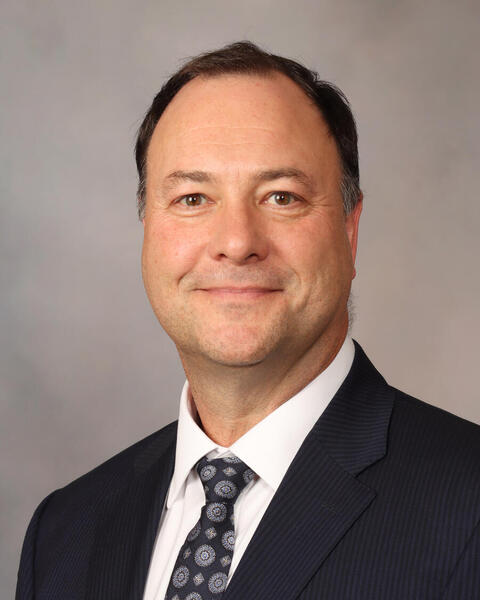
Timothy B. Curry, M.D., Ph.D., is a Professor of Anesthesiology and Assistant Professor of Physiology at Mayo Clinic, Rochester, Minnesota. He holds academic roles including Vice Chair for Clinical Practice in the Department of Anesthesiology and Perioperative Medicine, and leads initiatives in individualized medicine through the Center for Individualized Medicine. His research focuses on autonomic nervous system regulation of cardiovascular and metabolic functions, employing advanced techniques such as microneurography and glucose clamping. Key interests include perioperative outcomes, environmental physiology, and hyperbaric medicine. Education: B.A. in Molecular Biology & Biochemistry (Middlebury College) M.D./Ph.D. via Medical Scientist Training Program (SUNY Buffalo) Residency in Anesthesiology (Mayo Clinic) Research Interests: Dr. Curry’s work spans autonomic nervous system physiology, metabolic syndrome mechanisms, and perioperative glycemic control. He leads the Human Integrative Physiology and Clinical Pharmacology Laboratory and collaborates globally on microneurography studies. Recent projects include investigating cerebral oxygen metabolism under hypoxia and developing genomic medicine training programs (COGENT). Awards: Emerald Award for Excellence (2015) Mayo Excellence in Leadership Award (2009) Multiple research and teaching accolades Grants & Leadership: Co-director of Mayo’s Clinomics Program, Team Leader for Perioperative Glucose Management, and Chair of multiple committees overseeing clinical practice and research. Labs & Teams: Directs the Human Integrative Physiology Lab and collaborates with the Clinical Research Unit. Active in multidisciplinary teams addressing autonomic dysfunction and precision medicine.
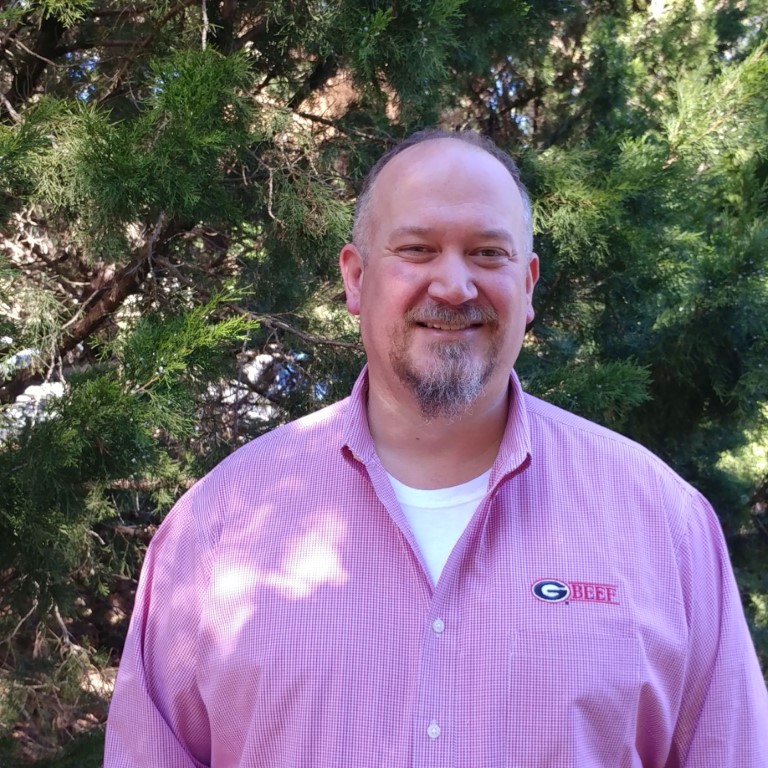
Alexander Stelzleni is a Professor and Graduate Coordinator in the Department of Animal and Dairy Science at the University of Georgia's College of Agricultural & Environmental Sciences. He has been with the University of Georgia since July 2007, progressing from Assistant Professor to Associate Professor in 2013, and ultimately to Professor in 2020. As Graduate Program Coordinator since January 2021, he oversees both the Animal and Dairy Science (ADSC) and Regenerative Bioscience (REBI) graduate programs. Dr. Stelzleni's research program maintains two central foci: (1) the influence of production and management on meat quality and yield with emphasis on southeastern and subtropical beef finishing systems, and (2) further processing to improve quality and safety of red meat and poultry. His lab has been particularly active in studying heat stress mitigation in Southeastern US beef finishing systems, sous vide as a consistent cookery method, further processing of poultry myopathies, and safety of low-thermal meat products. His scholarly work reflects strong expertise in meat science, with recent publications focusing on nicotinamide riboside effects, National Beef Quality Audits, dairy-beef crossbreeding, poultry myopathies, sous vide techniques, and high-pressure processing for pathogen control. The Stelzleni Lab has presented numerous studies at the Reciprocal Meat Conference in recent years, demonstrating consistent productivity and relevance to industry challenges. Student Career Success Influencer Award (2024) Multiple UGA Career Center Awards (2019, 2016, 2015, 2014, 2012) Larry Benyshek Excellence in Teaching Award (2016) ADSC 3650 recognized as top 5 college courses at UGA As an advisor, Dr. Stelzleni has mentored numerous graduate students including Clint Lee (MS thesis on heat stress mitigation), Cameron Catrett (MS 2024), and M. Junaid Nawaz (PhD student). His lab actively involves undergraduates in research and meat judging competitions, with students regularly presenting at professional conferences and winning awards in Iron Chef contests and meat judging events. Dr. Stelzleni directs the Meat Science Technology Center where his team investigates methods to improve meat quality, yield, shelf-life, and safety. The lab maintains strong industry connections with commodity groups, meat processors, and stakeholders to address current challenges in meat production and processing.
Tommy Lundberg is a Senior Lecturer and Docent in Physiology at Karolinska Institutet. He works at the Department of Laboratory Medicine, Division of Clinical Physiology. His email address is tommy.lundberg@ki.se, and his postal address is H5 Laboratoriomedicin, H5 Klinisk Fysiologi Gustafsson, 141 52 Huddinge. Lundberg is affiliated with the university library and has held positions since 2022. Research Interests: Lundberg's research focuses on skeletal muscle mass and function adaptation, particularly in athletic performance, disease contexts, aging, and transgender individuals undergoing hormone therapy. He investigates molecular, metabolic, morphological, and functional responses to resistance and aerobic exercises. His work also explores biological maturity selection biases in youth sports, bio-banding applications in soccer and ice hockey, and the impact of anti-inflammatory drugs on muscle hypertrophy. Article Trends: Lundberg's recent publications (2025–2024) cover topics like sex differences in disc golf, muscle atrophy in space exposome, longitudinal hormone therapy effects in transgender individuals, and bio-banding in youth sports. Earlier works delve into molecular pathways in muscle hypertrophy, concurrent training effects, mitochondrial function, and imaging techniques (CT/MRI) for muscle assessment. Scientific Recognition: Most prominent young researcher in Sport Science, Swedish Central Association for Sport Promotion (SCIF), 2017 Teaching and Editorial Roles: Lundberg teaches human physiology and sports science in nursing, physiotherapy, and biomedical analytics programs. He leads a contract education course in advanced exercise physiology and contributes to a PhD course on scientific writing. He is an Associate Editor for Frontiers in Physiology - Exercise Physiology (2022) and a member of the editorial board for Translational Exercise Biomedicine (2024). Collaborations and Expertise: He collaborates with the Swedish Football Association and Swedish Ice Hockey Association on bio-banding studies. Lundberg served as an invited speaker at the ACSM Annual Meeting (2024) on transgender athletes and as an expert panelist for World Rugby's transgender workshop (2020). His supervision includes Andrea Tryfonos (2021) and thesis evaluations at Mid Sweden University and Linköping University.