Prof. Marcy Zenobi-Wong is a Full Professor at ETH Zurich's Department of Health Sciences and Technology, specializing in biofabrication and tissue engineering. Her research focuses on cartilage regeneration using advanced biomaterials, including nanofilm coatings and 3D printing techniques. She holds patents in tissue engineering and has pioneered methods like filamented light (FLight) biofabrication for creating anisotropic tissues. Her academic journey includes a B.Sc. from MIT (1985), M.Sc. and Ph.D. from Stanford (1987, 1990), followed by postdoctoral work at the University of Michigan. She leads the Biofabrication Group at ETH, developing therapies for joint repair and regenerative medicine. Courses taught include Biomedical Engineering and Materials and Mechanics in Medicine . Research highlights include engineered hydrogels for cartilage protection, CRISPR-driven gene editing in chondrocytes, and biohybrid neural interfaces. Her work bridges material science, cell biology, and clinical applications, with a focus on translational medicine. Collaborative projects involve creating elastic cartilage grafts for microtia reconstruction and volumetric printing of complex tissue constructs.
Roles & Affiliations: Ikhlas Khan serves as Director of the National Center for Natural Products Research (NCNPR), Distinguished Professor, and Research Professor of Pharmacognosy at the University of Mississippi's School of Pharmacy. He also leads the FDA Program and coordinates natural products research across multiple initiatives, including the Sino-US TCM Research Center and the Center for Research of Indian Systems of Medicine (CRISM). Education: B.Sc. Chemistry (1980) - Aligarh Muslim University, India M.Sc. Organic Chemistry (1982) - Aligarh Muslim University, India Ph.D. Pharmacy (1987) - Ludwig-Maximilians-Universität, Munich Postdoctoral Studies - Swiss Federal Institute of Technology (ETH), Zurich Research Focus: Dr. Khan specializes in natural products research with emphasis on: Phytomedicine: Standardization of herbal products via analytical fingerprinting, pesticide/herbicide residue analysis, and bioanalytical quality control. Drug Discovery: Isolation of bioactive natural products, development of analytical methods for phytochemical characterization, and chiral separation techniques. Metabolism Studies: Role of metabolism in drug/natural product activity, particularly in aminoquinoline antimalarials. His work bridges academia, industry, and regulatory bodies, shaping policies for botanical supplements. Key Contributions: Over 850 peer-reviewed publications and leadership in high-impact projects like the FDA Center of Excellence. His lab pioneered methods to combat herbal product adulteration and safety issues. Awards & Recognition: UM Distinguished Professor Award (2018) Wiley Award (AOAC International, 2018) Qihuang International Prize (2017) Honoris Causa Doctorate (University of Hamdard, 2012) Labs & Collaborations: Directs the NCNPR, a global leader in natural products research, and collaborates with institutions worldwide. His team develops technologies for herbal product authentication and drug metabolism studies.
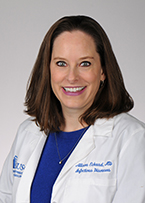
Allison Ross Eckard, MD is Professor in the Departments of Pediatrics and Medicine at the Medical University of South Carolina (MUSC) College of Medicine, serving as Division Chief for Pediatric Infectious Diseases and Director of MUSC's Ryan White Pediatric HIV Clinic and HIV Transition Clinic. She maintains an adjunct faculty position at Emory University and holds board certification in Pediatrics and Pediatric Infectious Diseases. Her primary research focuses on metabolic, cardiovascular, and nutritional complications of chronic HIV and antiretroviral therapy across age groups, with emphasis on inflammation's role in comorbidities like cardiovascular disease and bone disorders. Current investigations include NIH R01-funded research on interventions for weight gain and abdominal fat in HIV, vitamin D supplementation, and statin therapy. She has published nearly 60 peer-reviewed papers on HIV pathogenesis and treatment optimization. Dr. Eckard co-chairs the DHHS panel for Guidelines for the Prevention and Treatment of Opportunistic Infections in HIV-Exposed and HIV-Infected Children and serves on the DHHS panel for Guidelines for the Use of Antiretroviral Agents in Adults and Adolescents with HIV . Her clinical work specializes in comprehensive HIV care for children through young adults, with particular focus on adolescent/young adult transition issues and global health initiatives through Lespwa Timoun in Haiti. Recent efforts include developing COVID-19 treatment guidelines for children and school safety protocols. HIV Specialist certification (American Academy of HIV Medicine) Fellow, Infectious Diseases Society of America Fellow, Pediatric Infectious Diseases Society Fellow, HIV Medical Association Member, HIV Medical Association's 'Ending the HIV Epidemic' working group She leads MUSC's HIV education initiatives and serves as inpatient consultant for pediatric infectious diseases, with advanced training in tropical medicine. Her NIH-funded research examines targeted interventions to minimize comorbidity development in HIV, while her clinical leadership spans the Ryan White HIV program, transition clinics, and global health partnerships.
Dr. Samira Lakhal-Littleton is an Associate Professor of Cell Physiology and MRC Senior Non-Clinical Research Fellow at the University of Oxford, affiliated with the Department of Physiology, Anatomy and Genetics and Brasenose College. Her research focuses on iron homeostasis, systems biology, and oxygen sensing mechanisms in cardiovascular and systemic physiology. Education: BSc in Human Genetics (University College London), DPhil in Molecular Medicine (University of Oxford) Her work bridges cell physiology and translational medicine, with key discoveries on hypoxia-inducible factors (HIFs), iron regulatory genes TMPRSS6 and GDF15 , and the role of hepcidin in altitude adaptation and chronic diseases. She utilizes tissue-specific animal models to study iron regulation in heart, kidney, placenta, and vasculature. Recent publications highlight her contributions to understanding: FLASH radiotherapy effects linked to iron-dependent lipid peroxidation Clinical implications of myocardial iron dynamics in heart failure Hepcidin's role in vascular protection and placental iron transfer Biomarker development for predictive iron deficiency diagnostics Scientific Leadership: British Heart Foundation Intermediate Fellowship (2012) MRC Senior Fellowship (2020) BioIron Society Board Member (2019) She collaborates with clinical teams on translational projects and serves as a Tutorial Fellow in Medicine at Brasenose College, mentoring students in physiological sciences.
Dr. Rebecca Pratt is a tenured Professor in the Department of Foundational Medical Studies at Oakland University William Beaumont School of Medicine (OUWB), where she has been a faculty member since January 2018. She previously held professorial roles at Michigan State University College of Osteopathic Medicine (MSUCOM), where she taught anatomy, embryology, neuroanatomy, physiology, and histology, and served as Associate Professor and Director of Histology at the West Virginia School of Osteopathic Medicine. She also held appointments at Grand Valley State University and completed postdoctoral training at Purdue University. Ph.D., Cell Biology and Oncology, Purdue University B.S., Zoology and Botany/Plant Pathology, Michigan State University Dr. Pratt's research focuses on the fascial system and its role in whole-body health, including fascial continuity, muscle attachment, somatic pain transmission, and biochemical communication. She integrates radiology into anatomy education and advocates for evidence-based medical curricula. Her work bridges clinical anatomy, histology, embryology, and physiology with modern educational practices. Her recent publications reflect a strong emphasis on fascial anatomy, medical education innovation, and the integration of imaging in teaching. Themes include plastination, generational learning trends, and fascia’s role in women's health and athletic performance, published in journals like Clinical Anatomy and Anatomical Sciences Education , as well as in Women and Men’s Health and NIKE magazines. Scientific awards and honors include: Basmajian Award (American Association of Anatomy) Keith and Marion Moore Award (AAA) Five consecutive Golden Apple Teaching Awards at MSUCOM Golden Apple Award at OUWB Dr. Pratt has served in major leadership roles, including President of the International Fascia Research Society, Board Member of the American Association of Anatomy (AAA) and the American Association of Clinical Anatomy (AACA), and Chair of multiple AAA committees. She is a Visiting Anatomy Professor at Weill Cornell and St. George’s University School of Medicine, and faculty advisor for the Docapellas at OUWB. She has been an invited speaker internationally and contributed to high-impact projects like the BodyWorlds Fascial Net Plastination Project. She actively serves on OUWB’s Admissions and Student Promotion and Retention Committees. Dr. Pratt leads and organizes major international initiatives, including the Women's Clinical Health Summit in Rio de Janeiro (2024) and the Fascia Research Congress in New Orleans (2025), fostering global collaboration in fascial science. Her lab and research team focus on fascial anatomy and medical education, working closely with institutions in Italy (University of Padova) and Germany (BodyWorlds project).
Michael Yeager, PhD, serves as an Associate Clinical Professor in the School of Medicine at the University of Colorado Denver, focusing on cardiopulmonary pathophysiology with emphasis on pulmonary hypertension and heart failure mechanisms. He completed his PhD at the University of Colorado Health Sciences Center in 2002, establishing foundational expertise in vascular biology. His research program investigates immunological and molecular drivers of pulmonary vascular disease, particularly the roles of autoantibodies, fibrocytes, and inflammatory cascades in disease progression. Analysis of his 14 publications (2012-2015) reveals consistent exploration of biomarker discovery, vascular remodeling, and immune dysregulation across pediatric and adult pulmonary hypertension. Key methodological approaches include proteomics, animal modeling, and molecular interrogation of cellular stress responses, with significant translational implications for personalized therapeutic strategies. Professional recognitions include: Outstanding Faculty award from Tau Beta Pi (2019) Chancellor's Teaching Recognition Award from the University of Colorado (2016) Dr. Yeager maintains active clinical research collaborations at Children's Hospital Colorado while mentoring within the medical school curriculum. His work bridges basic science discovery with clinical application through ongoing investigations into endothelial dysfunction and inflammatory mediators. Affiliated with the Department of Medicine, he contributes to pulmonary vascular research initiatives and participates in professional societies including the American Thoracic Society, American Heart Association, and T21 Research Society.
Michael McAlpine is a Professor in the Mechanical Engineering department at the University of Minnesota . He also holds affiliations with the Biomedical Engineering and Electrical and Computer Engineering departments. His research focuses on 3D printing functional materials & devices , Nanoscale inks , Biomedical devices , Bioelectronics , and Flexible Microsystems . Research Interests : 3D Printing, Biomedical Engineering, Nanotechnology, Flexible Electronics, Microfluidics Labs : ME 361/363 Contact : mcalpine@umn.edu , (612) 626-3303, ME 117 Recent Research Trends include 3D Printed Biomedical Devices , Flexible Electronics , and Bioprinting Applications . His work spans from Spinal Organoid Formation to Programmable Drug Release Capsules . Scientific Award : Circulation Research 2020 Best Manuscript Award
Dr. Juan Alvaro Gallego is a Senior Lecturer (equivalent to Associate Professor) in the Department of Bioengineering at Imperial College London's Faculty of Engineering. He leads the Behaviour and Neural Dynamics Lab (Be.Neural), a multidisciplinary team focused on understanding neural mechanisms underlying motor control and spinal cord learning, with applications in developing neural interfaces to restore movement in conditions like Parkinson’s disease and paralysis. His research integrates behavioral experiments, neural recordings, data analysis, and computational models, funded by the ERC, EPSRC, ARIA, and industry partners like InBrain Neuroelectronics and Meta Reality Labs. Research interests include motor control, neural dynamics, and clinical applications of neural engineering. The lab collaborates across systems neuroscience and biomedical engineering, aiming to translate fundamental discoveries into therapeutic technologies. Key areas of focus include neural manifolds, synaptic plasticity in motor learning, and closed-loop neuroprosthetics for tremor management. Funding sources include the European Research Council, Engineering and Physical Sciences Research Council, and industry collaborations. The Be.Neural Lab’s work is showcased on their dedicated website (https://beneural.ic.ac.uk).
Kelly Arnold is an Associate Professor in the Department of Biomedical Engineering at the University of Michigan. Her research integrates systems engineering principles with immunology to investigate variability in immune responses across infection, vaccination, and injury, with a focus on computational modeling and clinical translation. Research Focus Systems-level immune response modeling Vaccination and antibody functionality Vaginal microbiome-host interactions Chronic lung disease progression Computational serology and proteomics Recent Work Her 2025 studies examine SARS-CoV-2 vaccination responses in cancer patients and computational frameworks for vaginal probiotics. Earlier works (2024-2007) span COPD progression, lupus fibrosis, HIV susceptibility, and tissue engineering for fertility preservation. Methodologies include proteomic profiling, network modeling, and microfluidic systems.
Weiqiang Chen is a Professor of Mechanical and Biomedical Engineering at New York University's Tandon School of Engineering and Director of Research and PhD Programs. He holds a joint appointment at NYU Langone's Perlmutter Cancer Center as a Faculty Member of the Tumor Immunology Research Program. B.S. in Physics (Nanjing University, 2005) M.S. in Electrical Engineering (Shanghai Jiao Tong University, 2008) M.S. in Electrical and Computer Engineering (Purdue University, 2009) Ph.D. in Mechanical Engineering (University of Michigan, 2014) His research focuses on Lab-on-a-Chip , Organ-on-Chip systems, Biomaterials , and Mechanobiology , with applications in cancer biology, stem cell engineering, and immune monitoring. He pioneers microfabrication technologies for real-time observation of cellular interactions, including CAR T-cell immunotherapy efficacy and tumor microenvironment dynamics. Recent grants include NSF funding for leukemia bone marrow niche modeling, NIH Trailblazer Awards for glioblastoma immunotherapy research, and collaborations with the Arthritis Foundation for synovium-on-chip rheumatoid arthritis studies. His work has been supported by over $2M in federal and institutional research funding. National Science Foundation (NSF) grants for leukemia-on-chip and glioblastoma modeling National Institutes of Health (NIH) awards for immunotherapy research American Heart Association fellowships and institutional training programs Chen's scientific awards include the American Heart Association Fellow distinction, multiple Young Investigator Awards from Lab on a Chip and Biomedical Engineering Society, and recognition for his dissertation on nanotopography in stem cell differentiation. He leads the Applied Micro-Bioengineering Laboratory (AMBL) , which develops microphysiological systems for drug testing and personalized medicine. His team has created the first immunocompetent leukemia-on-a-chip for CAR T-cell therapy screening and glioblastoma models that enable patient-specific immunotherapy validation.
Professor Matthias Mann is a world-leading scientist serving as Director of the Proteomics and Signal Transduction department at the Max Planck Institute of Biochemistry in Martinsried, Germany, and Director of the Proteomics department at the Novo Nordisk Foundation Center for Protein Research, Faculty of Health Sciences, University of Copenhagen, Denmark. With an h-index exceeding 277 and over 350,000 citations, he is recognized as the highest cited German researcher and one of the most influential scientists globally in proteomics. His educational background includes: Ph.D. in Chemical Engineering from Yale University (1988) Master's Degree in Physics from Georg August University Göttingen (1984) Bachelor's of Arts in Mathematics from Georg August University Göttingen (1982) Professor Mann's research focuses on advancing mass spectrometry-based proteomics to understand biological systems at the protein level. His work spans technological developments in mass spectrometry, bioinformatics and computational analysis, signal transduction and posttranslational modifications, and clinical proteomics applications for disease diagnosis and treatment. The Mann lab has pioneered groundbreaking methods like SILAC for quantitative proteomics and MaxQuant for proteome data analysis. Their vision is to translate proteomics knowledge into clinical practice for predictive, diagnostic, and preventive medicine, with recent work focusing on AI-guided platforms for analyzing proteomes from minimal tissue samples. Analysis of Professor Mann's recent publications reveals a strong trend toward clinical applications of proteomics, particularly in cancer research, metabolic diseases, and neurodegenerative disorders. His work increasingly integrates spatial proteomics, single-cell resolution techniques, and artificial intelligence approaches to uncover disease mechanisms and identify potential biomarkers, with a clear shift from basic technology development toward direct clinical applications and personalized medicine. Professor Mann has received numerous prestigious awards throughout his career: 2025: Elected member of the American National Academy of Sciences 2024: Dr. H.P. Heineken Award for Biochemistry and Biophysics 2023: Otto Warburg Medal 2019: Nominated member of the Bavarian Academy of Sciences 2013: Elected member of Leopoldina German National Academy of Sciences 2012: Körber European Science Award, Louis-Jeantet Foundation Prize for Medicine, Ernst Schering Prize, and Leibniz Prize Professor Mann leads a highly collaborative research team involved in multiple international networks including the Bill & Melinda Gates Foundation, Michael J. Fox Foundation for Parkinson's Research, CLINSPECT-M, and Munich Heart Alliance. His lab has mentored numerous successful researchers, with several former postdocs receiving prestigious ERC Starting Grants. The Mann group has developed innovative clinical proteomics pipelines for analyzing archived tissue specimens and body fluids, aiming to identify protein markers for early detection of diseases such as diabetes and cancer. The Mann lab operates across two major research centers with state-of-the-art mass spectrometry facilities. Their Clinical Knowledge Graph platform integrates multi-omics data with extensive metadata, creating an ecosystem for machine learning applications in proteomics. Current research focuses on developing highly sensitive methods that can profile thousands of proteins from minimal cell samples, enabling the identification of critical disease-related proteins and supporting the development of individualized therapies.
Guoyao Wu is a Distinguished Professor of Animal Nutrition at Texas A&M University's College of Agriculture & Life Sciences, holding dual appointments in the Department of Animal Science and the Graduate Faculty of Nutrition. His expertise spans nutritional biochemistry, protein metabolism, and reproductive physiology. Dr. Wu earned his B.Sc. from South China Agricultural University, M.Sc. degrees from Beijing Agricultural University and the University of Alberta, and a Ph.D. from the University of Alberta, followed by postdoctoral training at McGill University and Memorial University of Newfoundland. His research focuses on amino acid and protein metabolism across molecular, cellular, and whole-animal levels, using models like cattle, pigs, and aquatic species. Key areas include placental nutrient transport, fetal programming, and the role of amino acids in mitigating conditions like sarcopenia and intrauterine growth restriction. He has pioneered studies on glycine, creatine, and citrulline supplementation in livestock and aquaculture. Dr. Wu has received over 15 prestigious awards from China, Canada, and the U.S., including the Thousand-People-Talent Award and Changjiang Scholar Award. He serves on editorial boards of journals like Amino Acids and Frontiers in Bioscience , and teaches graduate courses in protein metabolism. His work bridges basic science and applied nutrition, with implications for improving livestock productivity, human health, and aquaculture sustainability. Current projects address amino acid requirements of companion animals, microgravity effects on metabolism, and placental biology in ruminants.
Zoran Cenev holds a Tenure Track Assistant Professor position within the Mechatronics and Dynamics section of the Department of Mechanical and Production Engineering at the School of Engineering, Aarhus University. His primary institutional affiliation is with AU Engineering, and contact details include email zoran.cenev@mpe.au.dk and telephone +45 20 64 75 44, with office location Aarhus N, 5128-140. Research interests focus on interdisciplinary applications of magnetic and robotic systems: Robotic micromanipulation via electromagnetic needles Ferrofluid-based biofabrication for skeletal muscle engineering Laser-induced photothermal droplet control Theoretical modeling of particle dynamics at fluid interfaces Surface engineering for underwater metallic stability Nanostructure formation through ion bombardment His recent publications (2023-2025) reveal a dominant trend in adapting ferrofluids for biomedical automation, particularly 3D bioprinting of magnetically responsive tissues and droplet manipulation on engineered surfaces. This work bridges mechanical engineering with regenerative medicine, emphasizing practical implementations of theoretical models for microscale precision. Scientific awards are not documented in the provided information. As a faculty member, Dr. Cenev likely mentors graduate students and pursues research grants, though specific advisees or funding details are absent. Departmental laboratories and workshops support his experimental work in mechatronics, with emphasis on magnetic manipulation systems and surface characterization.
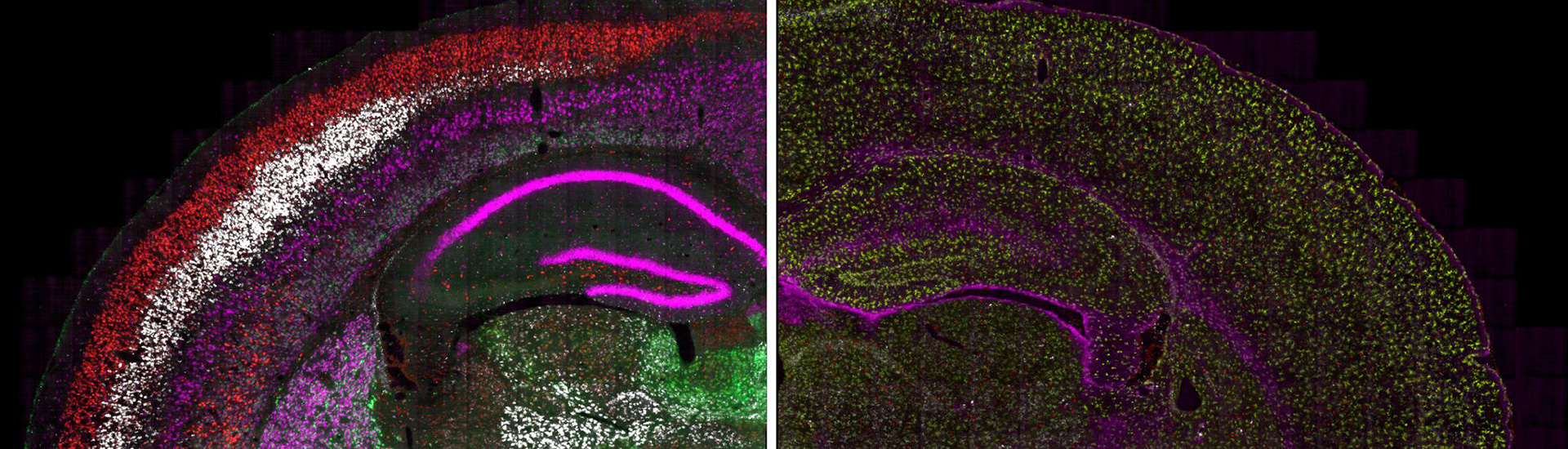
Omer Bayraktar is a Group Leader at the Wellcome Sanger Institute , leading research in the Cellular Genomics Programme. His work focuses on decoding human brain cellular diversity using spatial transcriptomics , imaging , and functional screening to study neural complexity in health and disease. Bayraktar's educational background includes a PhD from HHMI under Chris Doe, investigating neural diversity development in Drosophila , followed by postdoctoral work at University of California, San Francisco and University of Cambridge as a Life Sciences Research Foundation Fellow. He developed a spatial transcriptomic pipeline during his postdoc to analyze astrocyte heterogeneity in the cerebral cortex. His research explores neural cell type mapping , glial-neuronal interactions , and cellular pathways in neurodevelopmental disorders . Recent publications emphasize 3D tissue mapping , multi-omic integration , and computational tools like Cell2fate and WebAtlas. His work bridges neurogenetics and computational biology to advance understanding of human tissue ecosystems. Bayraktar's lab collaborates with the Human Cell Atlas initiative and develops technologies such as automated histology pipelines and highly-multiplexed smFISH for molecular cell typing. His team also investigates glia-based therapies and astrocyte functional heterogeneity in neurodevelopmental contexts. Key scientific contributions include: Discovering astrocyte layer patterns independent of neuronal laminae Developing cell2location for spatial cell mapping Characterizing Drosophila neural stem cell models with human relevance Notable awards include the Life Sciences Research Foundation Fellowship during his postdoctoral training. His current group includes a PhD student , Senior Data Scientists , and Bioinformaticians .
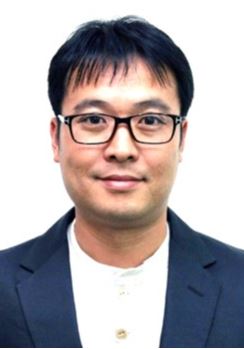
Sungkwon Park is a Professor in the Department of Food Science and Biotechnology at Sejong University, specializing in advanced food science and biotechnology research with a focus on meat science, cultured meat production, and sustainable food systems. His research integrates molecular biology, food biotechnology, and systems biology to develop innovative food solutions. His educational background includes a Ph.D. from Purdue University (2008), M.S. from Yeungnam University (2001), and B.S. from Yeungnam University (1999). Prior to his current position, he worked as a Postdoctoral Fellow at Virginia Tech (2008-2012) and as a Research Officer at the National Institute of Animal Science, RDA (2012-2015). Professor Park's research interests focus on livestock production optimization, meat processing for health functionality, environmentally friendly animal production systems, and in vitro meat production. His work has led to significant achievements including the identification of calcium and glucose interaction mechanisms in muscle metabolism, development of oleogel-based meat processing techniques, optimization of feed ingredients for sustainable livestock, and establishment of in vitro meat production systems. His recent publications (2023-2025) demonstrate a strong focus on cultured meat technology, meat science, and sustainable food production. The research spans cellular mechanisms for cultured meat production, safety and regulatory aspects of alternative proteins, comparative analysis of muscle satellite cells, and optimization of meat processing techniques. His work shows a clear trend toward developing practical applications for next-generation meat products with emphasis on health functionality and environmental sustainability. Professor Park actively serves as a reviewer for Frontiers in Veterinary Science and is an Editorial Board Member of the Korean Society of Animal Science. His laboratory, the M&M'a lab (Functional Food Lab), conducts research on high-value-added, health-functional BioFood and future foods using bio-convergence technologies.