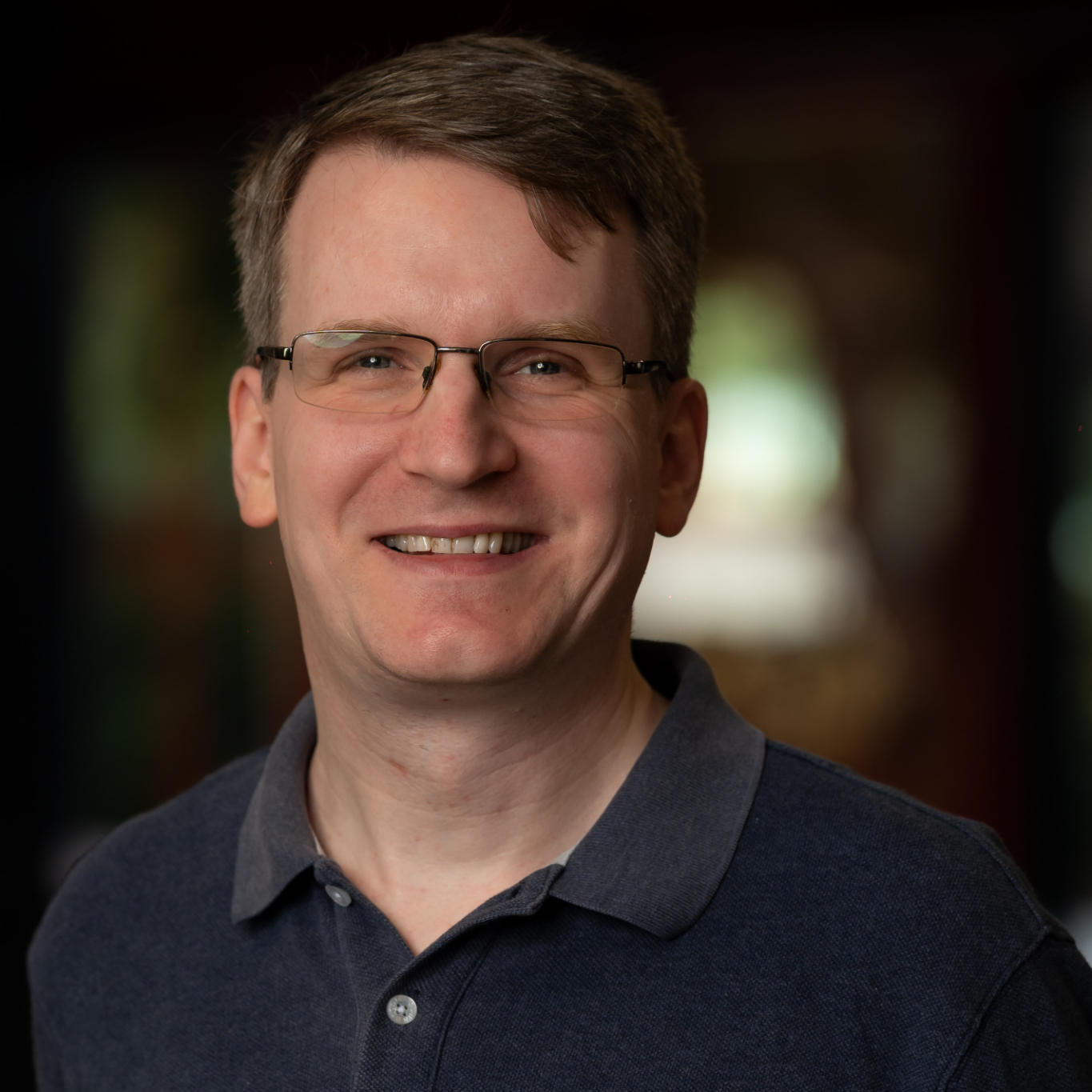
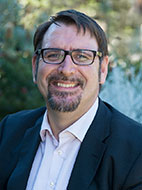
Dr. Hassan Bin Tahir is a Post-doctoral Research Fellow in Transportation Engineering at Queensland University of Technology (QUT), affiliated with the School of Civil & Environmental Engineering. His expertise spans traffic safety, highway geometric design, pavement materials, and statistical methods applied to transportation problems. Prior to academia, he worked as a Senior Engineer at NESPAK (National Engineering Services of Pakistan) and an Assistant Resident Engineer in construction projects. He currently serves as a reviewer for peer-reviewed journals including Analytical Methods in Accident Research (AMAR), Accident Analysis and Prevention (AAP), and the Transportation Research Board (TRB) annual meeting. His research focuses on advanced modeling techniques for crash risk assessment and infrastructure safety evaluation, leveraging artificial intelligence and econometric approaches.
Dr. Shamsunnahar Yasmin is a Senior Research Fellow (Road Safety Engineer) at the Centre for Accident Research and Road Safety – Queensland (CARRS-Q), Queensland University of Technology (QUT). She holds a PhD in Civil Engineering (Transportation) from McGill University, an M.Sc. from the University of Calgary, and a B.Sc. from Bangladesh University of Engineering and Technology (BUET). Her research focuses on road safety, travel behavior, transportation planning, and advanced econometric modeling, addressing issues such as crash severity analysis, real-time crash risk assessment, and road user behavior. Education: PhD in Civil Engineering (Transportation, McGill University), M.Sc. (University of Calgary), B.Sc. (BUET). Professional memberships include the Editorial Advisory Board of the Journal of Analytic Methods in Accident Research and roles in TRB committees. She has supervised multiple PhD students and led projects like the 'Novel Real-Time Risk Assessment System for Vulnerable Road Users' funded by Australian Competitive Grants. Research Interests: Road safety engineering, travel behavior modeling, sustainable urban transportation, and application of advanced statistical methods (e.g., copula-based models, latent segmentation approaches) to address complex safety challenges. Notable projects include analyzing crash injury severity and evaluating road safety policies. Publications: Over 20 peer-reviewed articles in journals like Accident Analysis & Prevention and Transportation Research Part A, focusing on econometric frameworks, crash risk analysis, and transportation policy impacts.
David Gunawan is a Senior Lecturer in Statistics at the School of Mathematics and Applied Statistics, University of Wollongong. He holds a PhD from Monash University and specializes in Bayesian computational methods, bridging methodological development and real-world applications in economics, health, and environmental sciences. His research focuses on posterior simulation techniques (e.g., MCMC, SMC, ABC) and applies these to problems like economic inequality measurement, health outcomes analysis, and offshore engineering challenges. He has secured significant funding from the Australian Research Council (ARC) and other bodies, including leadership in projects on energy infrastructure digitalization and cognitive model inference. Gunawan supervises multiple PhD/Master’s students on topics ranging from wave prediction algorithms to socioeconomic inequality analysis. His work integrates machine learning with traditional statistical methods, exemplified by contributions to phase-resolved wave modeling and spatial statistics. He collaborates with the National Institute for Applied Statistics Research Australia (NIASRA) and maintains a Google Scholar profile at bit.ly/2Gi1PVy .
Dr. Peter Humburg is a researcher at UNSW Sydney with expertise in biostatistics and bioinformatics. His work focuses on applying statistical models to genomics, epigenomics, and predictive modeling in healthcare contexts. He has collaborated on major grants including a $2.9M MRFF project on neurostimulation for spinal cord injury rehabilitation and a $544K ARC Linkage grant developing educational tools for early childhood learning (ORICL). His research spans pain mechanisms, epidemiology, and genomic analysis in conditions like osteoarthritis and dementia prevention. Dr. Humburg has published over 60 peer-reviewed articles across journals like NeuroImage, Scientific Reports, and BMC Medicine, with particular emphasis on translational research linking statistical methods to clinical outcomes. Education & Training: Academic qualifications not explicitly stated in provided texts, though extensive publication history suggests PhD-level training in biostatistics or related field. Research Interests: The integration of advanced statistical techniques with clinical data to improve diagnosis, prognosis, and treatment prediction in areas like chronic pain, neurodegenerative diseases, and musculoskeletal disorders. He also explores educational methodologies for early childhood development through data-driven approaches. Grant Contributions: Led or co-investigated projects totaling over $3.5M in funding from MRFF, ARC, and industry partners. His work emphasizes interdisciplinary collaboration between engineering, medicine, and education sectors. Awards: No specific prizes listed, though his sustained research output demonstrates academic recognition. Labs/Teams: Affiliated with UNSW's research infrastructure including high-performance computing facilities. Collaborates with multidisciplinary teams in biomedical engineering and public health initiatives.
Inge Koch serves as Adjunct Professor and head of Statistics and Data Science in the Department of Mathematics and Statistics at the School of Physics, Maths and Computing, The University of Western Australia (UWA), a position she commenced in early 2019. Her research centers on multivariate and high-dimensional data analysis with specific expertise in: Dimension reduction and feature extraction methodologies Clustering and classification algorithms Sparsity-constrained statistical models Applications in medical imaging (flow cytometry, cancer proteomics), neuroimaging (fMRI signal processing), and astronomy (source detection) Recent publications reveal a methodological focus on advancing statistical techniques for pattern recognition in complex datasets, bridging theoretical statistics with real-world applications across biomedical and astronomical domains while maintaining strong educational research components. Koch supervises graduate students and actively shapes academic discourse through leadership roles including chairing the UWA Data Science Forum and organizing the Statistics Seminar Series. Her prior tenure as Executive Director of the Australian Mathematical Sciences Institute (2015-2019) featured leadership of the BHP-funded CHOOSEMATHS initiative promoting women's participation in STEM fields.
Janice Scealy is an Associate Professor in the Research School of Finance, Actuarial Studies & Statistics at The Australian National University (ANU). She holds a PhD in Statistics from ANU (2011) and a Bachelor of Mathematics (Honours) from the University of Wollongong (2003). Her research focuses on compositional data analysis, directional statistics, robust statistics, and applications in geosciences like palaeomagnetism and seismology. She has held roles including ARC DECRA Fellow (2018-2022) and has supervised multiple research projects. Notable contributions include advancements in hypersphere-based statistical models and robust estimation techniques. Education: PhD (ANU 2011), BMath (Wollongong 2003) Her research interests include statistical methods for manifold-valued data, geostatistics, and model selection in linear mixed models. Recent work applies elliptical distributions to seismic moment tensor classification and integrates Fisher's palaeomagnetic theories with modern statistics. She leads projects on non-Euclidean data analysis and biologics immunogenicity assessment. Key collaborations involve geophysical applications and statistical methodologies for spatial data. Awards include ANU research grants (2018–2025) and contributions to international statistical reviews.
Dr. Emi Tanaka is a Senior Lecturer at the Australian National University (ANU), affiliated with the Biological Data Science Institute and the Research School of Finance, Actuarial Studies and Statistics. She holds dual roles as Deputy Director and Executive Editor of the R Journal. Her research focuses on experimental design, mixed models, bioinformatics, and statistical software development. She is a leader in open science and reproducible practices, contributing numerous R packages and educational resources. Education: PhD in Statistics (University of Sydney, 2015), BSc (Adv Maths) with Honours (University of Sydney, 2010). Affiliations: ANU Biological Data Science Institute, R Consortium, Statistical Society of Australia (ACT Branch Council Member). Her research interests span experimental design, data visualization, and applications in plant breeding and bioinformatics. She actively bridges statistical methods with interdisciplinary fields through workshops and open-source tools. Notable achievements include the SSA President’s Award for Leadership and recognition in Significance magazine. Grants & Projects: Lead investigator in the $1.5M ‘Analytics for the Australian Grains Industry’ project. Collaborates with institutions like Monash University and the University of Sydney. Labs/Teams: Core member of the ANU Statistical Support Network and rOpenSci Champions Program, advancing reproducible research and software engineering.
Professor Victor Solo serves as Director of Research with the School of Electrical Engineering and Telecommunications at the University of New South Wales (UNSW). With an extensive academic career spanning over four decades since earning his PhD from the Australian National University in 1979, he has established himself as a leading expert in multiple interdisciplinary fields. University: University of New South Wales School: School of Electrical Engineering and Telecommunications Department: Electrical Engineering and Telecommunications Position: Professor and Director of Research Professor Solo received his BSc from the University of Queensland, followed by a BSc (first class honors) and BE (first class honors) from UNSW, culminating in a PhD from ANU in 1979. His educational background provided the foundation for his diverse research career spanning engineering, mathematics, and biomedical applications. His research interests encompass a wide range of theoretical and applied topics, with particular emphasis on Systems and Signal Processing, Control Theory, and Ill-Conditioned Inverse Problems. He has made significant contributions to Econometrics and Time Series Analysis, developing innovative approaches to System Identification. His work extends into biomedical domains through research in Medical Imaging and Computer Vision, as well as Neuroengineering through studies of Neural Coding and Point Processes. Professor Solo's interdisciplinary approach bridges theoretical mathematics with practical applications across engineering and medical fields. Analysis of Professor Solo's recent publications reveals a strong focus on advanced statistical modeling techniques, particularly in time series analysis and point process modeling. His work consistently addresses stability and identifiability challenges in complex models, with recent publications exploring Vector Autoregressive models, Hawkes processes, and stochastic differential equations on manifolds. The research demonstrates a progression from foundational theoretical work to increasingly sophisticated applications in network modeling and biomedical signal processing. Professor Solo has maintained an exceptionally productive research career with publications spanning from 1981 to the present, demonstrating remarkable longevity and adaptability in his research focus. His work shows consistent contributions across multiple high-impact journals including IEEE Transactions on Signal Processing, Automatica, and Neural Computation. While specific awards are not listed in the available information, his sustained publication record in top-tier journals indicates significant recognition within his fields of expertise. As Director of Research, Professor Solo likely oversees research strategy and development within the School of Electrical Engineering and Telecommunications. His extensive publication record suggests active supervision of graduate students and postdoctoral researchers, though specific names of advisees are not provided in the available information. His research has likely attracted substantial grant funding given the scope and duration of his work across multiple domains.
Dr Raj Mehrotra is a Senior Research Fellow at the Water Research Centre, School of Civil and Environmental Engineering, University of New South Wales. He holds a PhD from UNSW, M.E. from Indian Institute of Technology Roorkee, and B.E. from Jiwaji University. His work focuses on statistical applications in hydrology and hydroclimatology, particularly on multivariate bias correction and stochastic downscaling of climate model simulations. Education: PhD: University of New South Wales M.E.: Indian Institute of Technology, Roorkee B.E.: Jiwaji University, Gwalior Raj develops innovative methodologies for climate data processing, including the Multivariate Bias Correction (MBC) and Multisite Rainfall Downscaling (MRD) software. His research addresses climate change impacts on water resources, reservoir management, and flood/drought risk assessment, with applications in Australia, India, and Thailand. Recent publications reveal a focus on climate projections, bias correction frameworks, and hydrological modeling. Key topics include CMIP5 decadal predictions, stochastic rainfall generation, and uncertainty quantification in climate simulations. His work has been supported by ARC Linkage projects, WaterNSW, Bureau of Meteorology, and international collaborations like the Australia-India Strategic Research Fund. He contributes to climate-hydrology software development and has advised on projects related to water infrastructure, agricultural productivity, and groundwater sustainability. Current projects include multivariate bias correction of regional climate simulations, development of the MINBC package, and ensemble modeling for ungauged catchments.
David Broadhurst is Professor of Data Science & Biostatistics at Edith Cowan University's School of Science. With a background in Electronic Engineering, Medical Informatics, and Metabolomics, he has over 20 years of experience in systems biology, machine learning, and translational medicine. His career spans institutions including the University of Wales, University of Manchester, Cork University Maternity Hospital, and University of Alberta. His educational credentials include a PhD in Metabolic Profiling from Wales (1998), MSc in Medical Informatics from England (1993), and BEng in Electronic Engineering from England (1992). Research interests focus on integrative metabolomics and computational biology. Key themes include multi-omics data fusion, personalized population stratification through evolutionary computation, artificial neural networks for biomarker discovery, and data visualization techniques. Recent projects address precision medicine applications in pregnancy disorders, respiratory conditions, and critical care. The 15 most recent publications highlight metabolomic approaches to precision medicine, asthma phenotyping, probiotic therapy validation, and methodological advancements in LC-MS and NMR metabolomics. Articles emphasize interdisciplinary collaboration, clinical translation, and machine learning integration for multi-omic analysis. As Director of the International Metabolomics Society, he leads community initiatives for metabolomic epidemiology standards and quality assurance protocols. Supervision roles include PhD and Master's students in metabolomic profiling of gut microbiome and kidney disease biomarkers. Research funding encompasses grants for asthma prediction systems (2023-2025), prostate cancer microbiome studies (2018-2024), and infrastructure development for metabolic phenotyping. His work bridges computational methods with clinical applications across maternal health, respiratory disease, and critical care medicine.
Dr Shalem Leemaqz is an Adjunct Researcher in the College of Medicine and Public Health at Flinders University, where he contributes to the Pregnancy Health and Beyond (PHaB) Lab. He is also a Statistician at the South Australian Health and Medical Research Institute (SAHMRI), holding a PhD from the University of Adelaide and advanced degrees in statistics and engineering. PhD, Predicting Risk for Pregnancy Complications, University of Adelaide (2010–2015) Master of Applied Statistics, Macquarie University (2009) Bachelor of Science, Mathematics/Statistics & Electronic Systems Engineering, University of South Australia (2006–2008) His research focuses on biostatistics and mathematical modelling of complex health data, particularly in pregnancy complications and maternal-fetal health. He applies advanced statistical and machine learning techniques to high-dimensional datasets, integrating clinical and genomic information. His work spans predictive modelling for preeclampsia, preterm birth, gestational diabetes, and fetal growth restriction. More recently, his research extends into transgender health and cancer epidemiology, particularly Indigenous health disparities. His recent publications (2023–2025) reflect a strong trend in applying rigorous statistical and machine learning methods to clinical problems, especially in endocrinology and obstetrics. Key themes include risk prediction models, hormone therapy safety, cancer survival analysis, and data integration from omics and electronic health records. His work often involves secondary analyses of randomized trials and large cohort studies. Dr Leemaqz is committed to advancing statistical rigour in medical research and collaborates widely with clinicians and bioinformaticians. His contributions support multiple UN Sustainable Development Goals, particularly those related to good health and well-being. He has not received any specific scientific awards mentioned in the provided text. Dr Leemaqz advises no known students but actively contributes to research teams and collaborative projects. He does not hold any named grants in the information provided but is involved in externally funded research through SAHMRI and Flinders University. His technical expertise includes R programming, machine learning, and high-dimensional data analysis. He is a member of the PHaB Lab at Flinders University and contributes to research teams at SAHMRI, focusing on biostatistical support for large-scale health studies.
Dr. Angela Escolme is a Senior Lecturer and Researcher in Geology and Geometallurgy at the University of Tasmania's School of Natural Sciences. Her research focuses on mineral deposits, particularly porphyry copper systems, and integrates field studies, microanalytical techniques, and hyperspectral data analysis. She leads the AMIRA P1202 project's Module 4, developing methodologies for characterizing porphyry copper deposits' transition zones. Education: PhD in Geology, University of Tasmania (2017) MSc in Earth Sciences (Hons), University of Manchester (2007) Research Interests: Dr. Escolme's work emphasizes mineralogical and geochemical characterization of ore deposits to improve geometallurgical modeling and environmental sustainability. Key areas include: Porphyry copper systems and their transition zones Hyperspectral imaging and machine learning for ore characterization Alteration overprints and mineral chemistry vectors Geometallurgical predictive modeling Teaching & Supervision: She coordinates the KEA711 Geometallurgy short course and has supervised multiple doctoral and masters students, including studies on the Valeriano Cu-Mo-Au Deposit and the Mankayan District gold system. Awards: Best student oral presentation, Society of Economic Geologists (2015) Grants & Projects: Leads or collaborates on AMIRA-funded projects P1202 and P1249, focusing on porphyry systems and complex orebody characterization. Recent funding includes $3.97 million for P1249 (2022–2026). Professional Activities: Active in industry partnerships and serves on the ARC TMVC Hub. Previously held postdoctoral roles and worked in exploration geology at a Western Australian gold mine.
Kais Hamza is a Professor and Deputy Head of School at the School of Mathematics, Monash University , with a focus on stochastic processes and their applications. His research bridges theoretical probability (martingales, Markov jump processes) and practical domains like financial market modeling, population dynamics, and biomedical systems. Stochastic Processes : General theory, martingale representation, and random walk analysis Mathematical Finance : Financial derivatives, volatility models, and scenario generators Biomedical Applications : Vocal cord dysfunction diagnostics, COPD exacerbation biomarkers, and respiratory imaging Recent work includes books and articles on stochastic calculus, CT imaging for laryngeal disorders, and metabolic biomarkers in COPD. No specific student advisement details are provided. Key collaborations span institutions like the Australian Research Council and Data61 , with projects on topics like Self-Interacting Random Walks (2023–2026).
Dr. Leo Lebanov is a Postdoctoral Fellow at the University of Tasmania, affiliated with the Australian Centre for Research on Separation Science (ACROSS). His research integrates machine learning and multivariate statistical analysis with analytical chemistry to advance metabolomic studies of natural products. His educational background includes: Bachelor of Chemistry-Biochemistry from the Faculty of Natural Sciences, University of Novi Sad, Serbia Master of Biochemistry from the University of Novi Sad Erasmus Mundus Master in Quality in Analytical Laboratories (EMQAL) from Universities of Bergen and Barcelona (2016) PhD from University of Tasmania supervised by Professor Brett Paull, focusing on machine learning applications in analytical chemistry for natural product metabolomics Dr. Lebanov's work bridges computational methods and chemical analysis, with core expertise in metabolomics data interpretation. His research enables more precise characterization of complex natural product systems through advanced statistical modeling and machine learning pipelines. No scientific awards were documented in the source material. He participated in the PALS Research Hub during his doctoral studies and continues research within ACROSS. No student advisement activities or external grants were specified in the provided text.
Professor Geoff Webb is a world-leading data scientist at Monash University , serving as Director of the Monash University Centre for Data Science within the Faculty of Information Technology . His research focuses on leveraging data science to enable evidence-based decision making and derive actionable insights through artificial intelligence, machine learning, and big data analytics. Core expertise in data mining , bioinformatics , and computational biology Developed Magnum Opus software and contributed to the Weka machine learning workbench Recipient of the Eureka Prize for Excellence in Data Science and leadership roles in major data mining conferences Research Interests Professor Webb's work spans artificial intelligence , machine learning , and data analytics , with a focus on black-box user modelling , interactive data analytics , and statistically-sound pattern discovery . His recent publications highlight advancements in Bayesian networks , time series analysis , and genomic data interpretation , demonstrating his interdisciplinary impact. Scientific Contributions AI in healthcare : EHR-ML framework for clinical records analysis Biological applications : KcatNet for enzyme prediction, PFresGO for protein function Data mining innovations : OPUS search algorithm, proximity forest techniques As a technical adviser to data science company Froomle , he bridges academic research with real-world applications. His work has been recognized through numerous research awards and leadership as Editor-in-Chief of Data Mining and Knowledge Discovery for a decade.