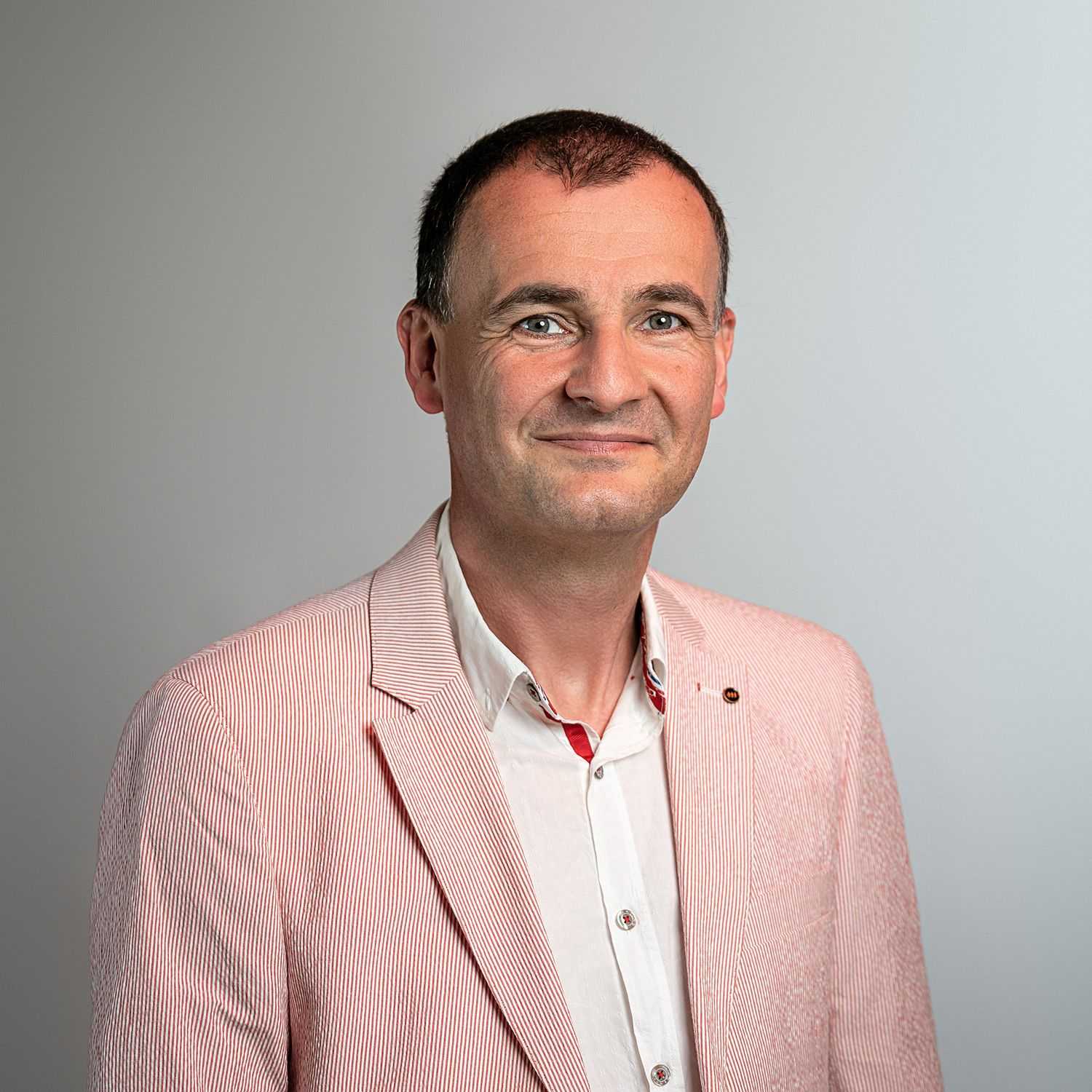
Hazel Davey is a Professor in Biology within the Department of Life Sciences at Aberystwyth University, where she also serves as Assistant Faculty Pro Vice-Chancellor (Education and Student Experience) for the Faculty of Sciences. She is scheme coordinator for the postgraduate MRes Biosciences (C190) and an elected member of AU Senate. Professor Davey earned both her BSc in Zoology and Microbiology and her PhD on Flow Cytometry of Microorganisms from Aberystwyth University, establishing her long-standing connection with the institution. Her academic journey reflects deep commitment to microbial research and higher education development. Her primary research focuses on microbial physiology using Saccharomyces cerevisiae as a model organism in biotechnologically relevant settings. She investigates viability and vitality, stress response mechanisms, and cellular heterogeneity through advanced methods including flow cytometry, radio-frequency impedance spectroscopy, barcode arrays, and multivariate data analysis. Much of this work is conducted collaboratively with Aber Instruments Ltd, an Aberystwyth University spin-out company. Analysis of her recent publications reveals consistent focus on yeast physiology under stress conditions, particularly examining thermal damage, competitive fitness, and cellular heterogeneity. Her work bridges fundamental microbiology with practical biotechnological applications, with strong emphasis on methodological development for assessing microbial viability. Fellow of the Learned Society of Wales (awarded April 25, 2023) Professor Davey maintains an active role in academic service as editor and peer reviewer for journals including Cytometry Part A, Microbiology, and Letters in Applied Microbiology. She has served as a reviewer for the Biotechnology and Biological Sciences Research Council and is a member of the European Flow Cytometry Network. Her externally funded project 'Viability and Vitality in Saccharomyces cerevisiae : modelling for prediction of fermentation success from rapid measurements' (2015-2019) demonstrates her research leadership. Her work contributes to UN Sustainable Development Goals related to scientific advancement and education.