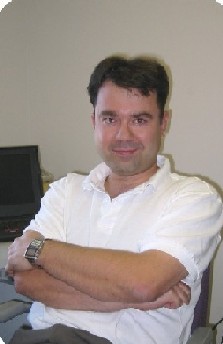
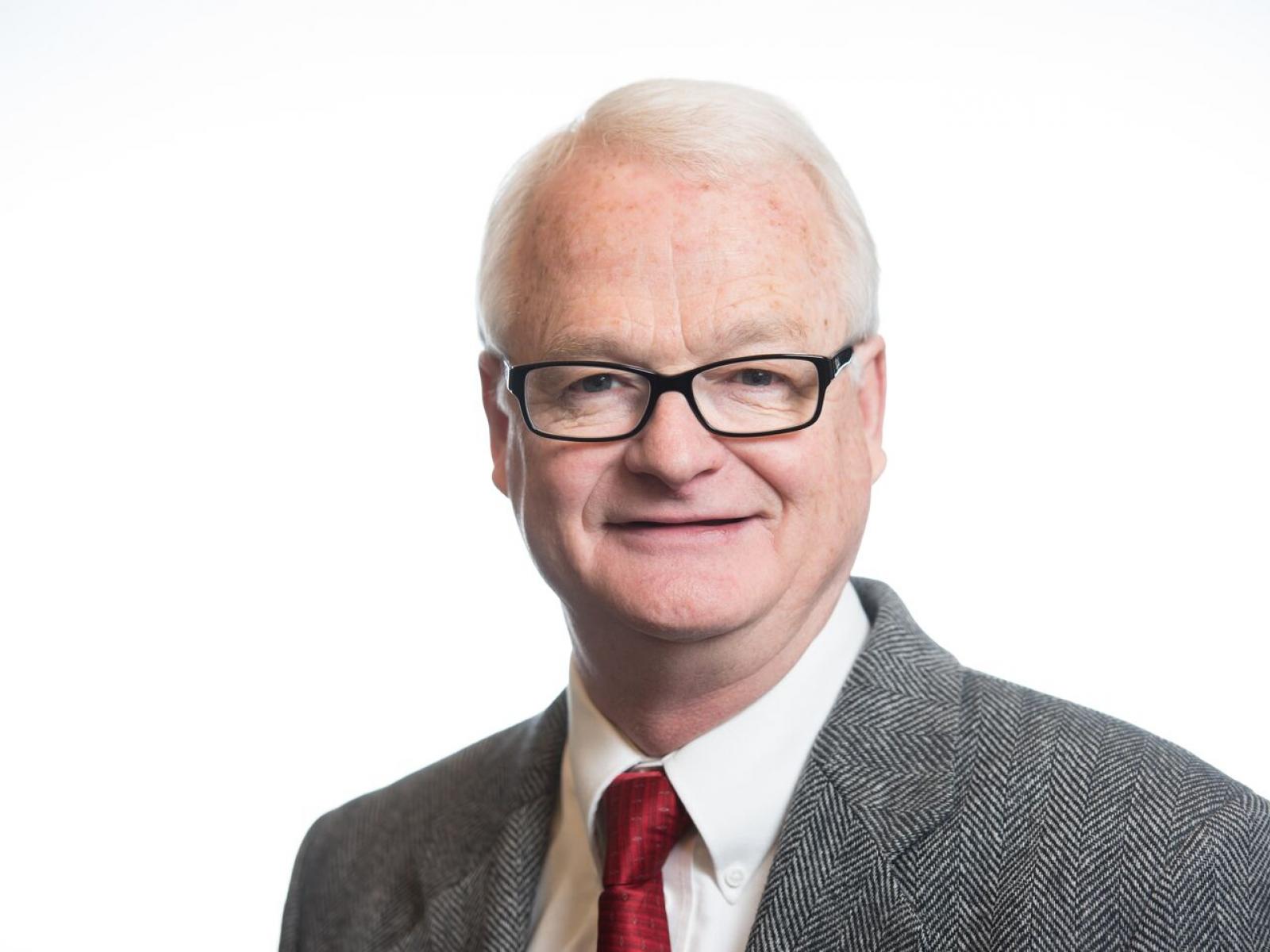
Pierre Duchesne is a Full Professor in the Department of Mathematics and Statistics at the University of Montreal . He serves as Professor-responsibility for the M.Sc. and Ph.D. in Statistics programs (2000-2004). His research focuses on applied statistics with emphasis on: Time Series Analysis (univariate and multivariate models, serial correlation testing, portmanteau statistics) Sampling Theory (robust estimation methods, calibration estimators) Multivariate Analysis (ARCH effects, vector autoregressive models, causality testing) Applications in Econometrics and Financial Econometrics His work combines theoretical development with practical implementation through: Wavelet-based diagnostic methods Simulation studies for model validation Software development (S-PLUS/SAS) for statistical analysis Collaboration with organizations like Statistics Canada and Canadian Journal of Statistics He has served as Associate Editor for journals including Computational Statistics & Data Analysis (CSDA) and Canadian Journal of Statistics (CJS/RCS) .
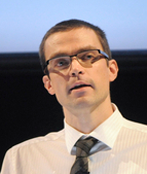
Professor Scott Anthony Sisson is a leading academic at the University of New South Wales (UNSW) , holding the position of Professor of Statistics and Data Science in the School of Mathematics and Statistics . He serves as Director of the UNSW Data Science Hub (uDASH) and Deputy Director of the UNSW AI Institute (UNSW.ai) . Previously, he was Deputy Director of the Australian Centre of Excellence for Mathematical and Statistical Frontiers (ACEMS) and held leadership roles in the Australasian Society of Bayesian Analysis and Statistical Society of Australia . PhD in Statistics (Bristol University, 2002) MSc in Environmental Statistics and Systems (Lancaster University, 1997) BSc in Mathematics and Statistics (Lancaster University, 1996) His research focuses on computational statistics and Bayesian inference , with expertise in machine learning , extreme value theory , and high-dimensional data analysis . He develops simulation-based algorithms for complex statistical problems and applies these to diverse scientific challenges like seagrass decline, urban flood modeling, and drug delivery systems. His recent work spans quantum computing for statistics, graphon modeling, and synthetic likelihood methods. Scientific awards include: 2024 Fellow of the International Society of Bayesian Analysis 2023 Fellow of the Institute of Mathematical Statistics 2017 ARC Future Fellowship 2010 Queen Elizabeth II Research Fellowship 2006 John Yu Fellowship His advising team has mentored students in statistical modeling, Bayesian computation, and applied data science. Grants from the Australian Research Council and industry collaborations support his research in government and scientific applications. He contributes as Associate Editor for Journal of Computational and Graphical Statistics and Statistics and Computing .
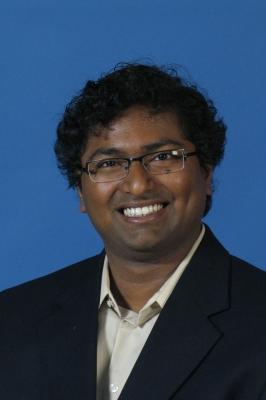
Professor Jarno Vanhatalo is a Professor of Statistics at the University of Helsinki, serving as vice director of the Research Center for Ecological Change. He is affiliated with both the Faculty of Biological and Environmental Sciences and the Faculty of Science, where he leads the Environmental and Ecological Statistics Group. His work bridges advanced statistical methodology with pressing ecological and environmental challenges. His research focuses on the development and application of statistical models for ecological and environmental data. Key areas include: Bayesian statistics and hierarchical modeling Gaussian processes and spatial statistics Species distribution modeling Ecological risk assessment Climate change impact analysis Biodiversity monitoring and conservation Professor Vanhatalo's publication record shows a consistent focus on integrating sophisticated statistical methods with ecological applications. His recent work demonstrates increasing emphasis on climate change impacts on biodiversity, spatially explicit modeling of ecological processes, and the development of Bayesian methods for uncertainty quantification in environmental predictions. His research spans terrestrial and marine ecosystems, with particular attention to Nordic and Baltic regions. Among his notable contributions are advancements in: Joint species distribution modeling Bayesian calibration of environmental models Spatiotemporal survey design Model-based variance partitioning in ecological studies Statistical approaches to Arctic risk management Professor Vanhatalo has received significant research funding, including an ERC grant for "Predective Understanding of the effects" (2024-2029) and leadership roles in multiple Academy of Finland and EU-funded projects focused on biodiversity, ecological change, and risk management in polar waters. He actively contributes to the academic community through: Supervising doctoral students in Wildlife Biology and Mathematics and Statistics programs Serving on editorial boards for journals including Conservation Biology and Ecology Letters Peer reviewing for numerous statistical and ecological journals Organizing workshops on statistical methods in ecology
Ross A Woods is a Reader in Water & Environmental Engineering at the School of Civil, Aerospace and Design Engineering, University of Bristol , and an active member of the Cabot Institute for the Environment . His research focuses on large-sample hydrology, flood and drought risk, climate-water interactions, and catchment classification. Keywords : Hydrology, Water Resources, Hazards, Hydroclimatology Research Themes : Flood Estimation in Ungauged Catchments, Climate Change Impacts on Hydrology, Snow-Rain Transition Effects, Hydrological Modeling with Simple Models Scientific Trends His recent work emphasizes groundwater-surface water interactions (e.g., DECIPHeR-GW, 2025), snow hydrology under climate change (e.g., Northern Hemisphere SWE datasets, 2025), and catchment-scale water balance analysis (e.g., 2024 studies on soil drainage and streamflow seasonality). Key disciplines include hydrology, climate science, and environmental engineering. Scientific Awards 2022 STAHY Best Paper Award (awarded 2023) Adjunct Faculty Member (2006) Award for Outstanding Achievement (2010) He has contributed to hydrology through 671 catchment studies (CAMELS-GB dataset) and model development (e.g., TOSSH toolbox, 2021). His work bridges theoretical hydrology with applied water management in regions like New Zealand, Brazil, and the contiguous USA.
Guandong Xu is a Professor in the School of Computer Science at the University of Technology Sydney (UTS), where he has been employed since 2012. He also serves as the Director of the UTS-Providence Smart Future Research Centre, which focuses on disruptive technology for sustainability, and leads the Data Science and Machine Intelligence Lab dedicated to research excellence and industry innovation in data science and artificial intelligence. Dr. Xu holds a PhD in Computer Science from Victoria University, Australia, along with MSc and BSc degrees in Computer Science and Engineering. After holding various research positions at European and Australian universities, he joined UTS in 2012 and was promoted to Associate Professor in January 2017, then to Professor in January 2019. His research spans data mining, machine learning, social computing, recommender systems, text mining, predictive analytics, and user behavior modeling. He has published over 240 papers in these areas with increasing citations from academia. His recent work demonstrates a strong focus on integrating large language models with recommendation systems, causal inference in recommendation, multimodal learning, and fairness in AI systems. His publications reveal sophisticated graph-based approaches and addressing challenges in dynamic recommendation scenarios, particularly through temporal modeling and hypergraph structures. Dr. Xu has received numerous prestigious awards including the Digital Disruptors Winner for ICT Research Project of the Year (2021), eBay's Leaders' Choice Award (2021), and was elected Fellow of Institution of Engineering and Technology (IET), UK (2021) and Fellow of Australian Computer Society (ACS) (2022). He has shown strong academic leadership as founding Editor-in-Chief of Human-centric Intelligent Systems Journal, Assistant Editor-in-Chief of World Wide Web Journal, and founding Steering Committee Chair of the International Conference of Behavioural and Social Computing Conference. He has supervised over 25 high degree research students and secured over $8 million in research funding from ARC, government, and industry sources, including projects like 'Smart Personalized Privacy Preserved Information Sharing in Social Networks' and 'A Secured Smart Sensing and Industry Analytics Facility for Industry 4.0.' Dr. Xu directs the Data Science and Machine Intelligence Lab at UTS, which aligns with UTS research priority areas in data science and artificial intelligence. The lab focuses on research excellence and industry innovation across academia and industry, with particular emphasis on developing advanced techniques for recommendation systems, knowledge graphs, and multimodal learning applications.
Professor Bill Watson is a Full Professor of Cancer Biology at the University College Dublin, School of Medicine , where he serves as Head of Pathology and Director of the Biomedical Health and Life Science BSc program. With a PhD in Biochemistry (University College Cork, 1995) and post-doctoral training at the University of Toronto, he has led translational research in prostate cancer since returning to UCD in 1997. His work focuses on biomarker discovery, therapy resistance mechanisms, and clinical decision tools through the Prostate Cancer Research Consortium and iPROSPECT collaborations. Education: BSc (University College Dublin), PhD (Royal College of Surgeons in Ireland), Post-Doctoral Research Fellow (Toronto General Hospital) His research integrates genomic, epigenetic, and proteomic biomarkers to improve prostate cancer stratification and treatment selection, as demonstrated in the Movember Global Action Plan and ToPCaP initiatives. Recent studies include validating a six-gene MCRS signature for biopsy-based prognostics (2025) and developing beta mixture models for DNA methylation analysis (2024). Scientific Awards include the Alton Prize (2000), Presidents Awards for Teaching (2000, 1998), and Young Investigator Award (1995). He has received grants such as the UCD Equip Scheme (2021) and Molecular Therapeutics for Cancer (2009-2015) . Professional Leadership: Irish Association for Cancer Research (President 2014-2017), Cancer Trials Ireland (Chair of Translational DSSG 2014-present), and Royal Academy of Medicine in Ireland (Fellow since 2006)
Dr. Saibal Mukhopadhyay is a Professor in the Department of Electrical and Computer Engineering at the Georgia Institute of Technology, where he joined in 2007. He holds the Joseph M. Pettit Professorship and is recognized as an IEEE Fellow for his contributions to low-power and reliable VLSI systems. Education: BEng (Jadavpur University, India), Ph.D. (Purdue University) Labs: Gigascale Reliable Energy Efficient Nanosystem (GREEN) Lab His research focuses on VLSI Systems , Nanotechnology , and Low-Power Electronics , with emphasis on technology-circuit co-design for energy-efficient computing. Recent work explores Compute-in-Memory (CIM) architectures and Spiking Neural Networks for edge AI. Key article themes include Transformer Model Acceleration , Quantum Computing Calibration , 3D Object Detection , and Device Aging Analysis , reflecting his interdisciplinary approach bridging hardware design and machine learning. Scientific Awards IEEE Fellow (2018) ONR Young Investigator (2012) NSF CAREER Award (2011) IBM Faculty Awards (2009, 2010) Best Paper Awards (IEEE-Nano 2003, ICCD 2004)
Claudia Teutschbein is a Senior Lecturer/Associate Professor in Hydrology at Uppsala University's Department of Earth Sciences, where she leads research in the Program for Air, Water and Landscape Sciences. She also serves as a researcher at Uppsala University's Conflicting Objectives Research Nexus (UUniCORN). With over 15 years of teaching and research experience, she has established herself as a leading expert in hydrological processes in changing climates. Her educational background includes: 2022: Docent in Hydrology, Uppsala University 2013: Ph.D. in Physical Geography, Stockholm University, Sweden 2010: Ph.Lic. in Physical Geography, Stockholm University, Sweden 2008: M.Sc. in Soil Science, SLU Uppsala, Sweden 2006: B.Sc. in Water Management, TU Dresden, Germany Dr. Teutschbein's research spans interdisciplinary hydrology with a focus on understanding hydrological processes in changing climates and their connections to meteorological, topographic, and anthropogenic drivers. Her work addresses critical issues of water quantity (including floods and droughts) and water quality across various spatial and temporal scales, with attention to socio-economic consequences. She employs advanced hydrological modeling techniques to assess climate change impacts and develops solutions for sustainable water resource management. Her recent publications demonstrate a strong focus on drought risk assessment, water-energy-food-ecosystem nexus approaches, and hydroclimatic modeling in Nordic and global contexts. She has made significant contributions to understanding drought propagation in high-latitude catchments, stakeholder perceptions of drought hazards, and the integration of data-driven approaches in nexus modeling. Her CAMELS-SE dataset has become an important resource for hydrological research and education across Sweden. Dr. Teutschbein leads and contributes to numerous research projects addressing critical water challenges: 2025-2028: REACTION: Navigating the Risks of Hydroclimatic Extremes for Freshwater Ecosystem Services in Forest Landscapes (PI) 2023-2026: PredPeat: Predicting the effects of peatland rewetting on water retention and water quality (co-applicant, WP-lead) 2022-2026: SWEFE-NEXT: the Swedish Water-Energy-Food-Ecosystem Nexus and its response to hydroclimatic EXTreme events (PI) 2021-2025: NEXOGENESIS: Facilitating the next generation of water-related policies using AI and reinforcement learning (co-applicant, WP lead) 2019-2023: Impacts of recent El-Niño Southern Oscillation (ENSO) on the Water-Food-Energy Nexus in South Asia (PI) Her research bridges academic inquiry with practical applications for sustainable water management, with particular emphasis on climate change adaptation strategies and integrated resource management approaches.
Dr. Abigail Colson is a Senior Lecturer in the Department of Management Science at Strathclyde Business School, University of Strathclyde. She specializes in decision and uncertainty analysis with a focus on public health, including expert judgment elicitation methods. Her work addresses global health challenges such as antimicrobial resistance (AMR) and health evaluation in low-resource settings. She holds a PhD in Management Science from the University of Strathclyde, an MPP from the University of Chicago, and a BA in political science and environmental studies from American University. Her research integrates structured expert judgment techniques to inform policy decisions, particularly in cost-effectiveness analysis, benefit-cost prioritization, and health technology assessment. Recent projects include quantifying future AMR trends, evaluating child mental health interventions, and designing antibiotic financing models. She collaborates with international organizations and governments to strengthen healthcare systems in developing countries. Key areas: AMR forecasting, global health economics, expert elicitation protocols Notable projects: EFSA EKE Training, Credible Routes to GB Electricity Collapse Study Professional roles: Principal Investigator on multiple grants, Resident Scholar at Center for Disease Dynamics Dr. Colson’s publications emphasize methodological innovations in decision-making frameworks and their application to pressing global health issues. She develops training programs for structured expert judgment and advocates for evidence-based policy across diverse sectors.
Simaan Abourizk, PhD, PEng, is the Dean of the Faculty of Engineering at the University of Alberta and holds the rank of Professor in Construction Engineering and Management. He also served as the NSERC/Alberta Construction Industry Research Chair (1997–2011) and Canada Research Chair in Operations Simulation (2001–2008). His roles include Executive Board membership at the Construction Research Institute of Canada. Education: Doctor of Philosophy in Construction Engineering and Management from Purdue University (1990), Master of Science and Bachelor of Civil Engineering (Honors) from Georgia Institute of Technology (1985 and 1984). Research focuses on advancing simulation technologies for construction and natural resource industries, including: Development of the Simphony simulation environment and COSYE framework Integration of AI, visualization, and scheduling tools (e.g., SmartEst, MTRACK) Optimization of tunneling, modular assembly, and industrial fabrication processes Key awards include the E. Whitman Wright Award (2002), E.W.R. Steacie Memorial Fellowship (2001), and Walter Shanly Award (2001). Current projects emphasize synthetic environments, safety analytics, and data-driven decision support systems in construction. He leads initiatives on risk simulation, resource allocation, and industrial automation.
Anastassiya Tchaikovsky is a postdoctoral researcher at the Institute of Analytical Chemistry, Department of Natural Sciences and Sustainable Resources, University of Natural Resources and Life Sciences, Vienna (BOKU). She holds a PhD in analytical chemistry and has an extensive research background in elemental and isotopic analysis, particularly using ICP-MS techniques. Her work spans food authentication, environmental forensics, and trace metal speciation. Her research interests include: Inductively Coupled Plasma Mass Spectrometry (ICP-MS) Chemometrics and multivariate data analysis Isotopic and elemental fingerprinting for provenance determination Metrology and method validation Separation techniques coupled to mass spectrometry Applications in food science, ecology, and human health Her recent publications demonstrate a strong trend toward interdisciplinary applications of analytical chemistry, particularly in verifying the geographical origin of food products (e.g., carrots, caviar, fish) using combined isotopic, elemental, and metabolomic fingerprints. She frequently employs chemometric modeling and data fusion techniques to enhance discrimination power. Her work also extends to biomedical applications, such as iron metabolism in neurodegenerative diseases and lead detoxification. She has received multiple scientific awards, including: Scholarship for a postdoc mentoring program (2019) Best talk award at DocDay, Tulln (2014) ESF-Studienabschluss scholarship (2013) Merkur scholarship from TU Vienna (2013) Best student lecture award at ICPMS Anwendertreffen (2012) Science scholarship from TU Vienna (2012) She has been involved in several research projects funded by the European Commission, Austrian federal and local governments, and private institutions. Her collaborative work includes advising on fish migration, caviar traceability, and citizen science initiatives like IsoPROTECT. She actively presents her research at international conferences and contributes to knowledge transfer in food safety and analytical methodology. She is affiliated with the Institute of Analytical Chemistry at BOKU and has no listed advisees, though she collaborates extensively with senior researchers and interdisciplinary teams.
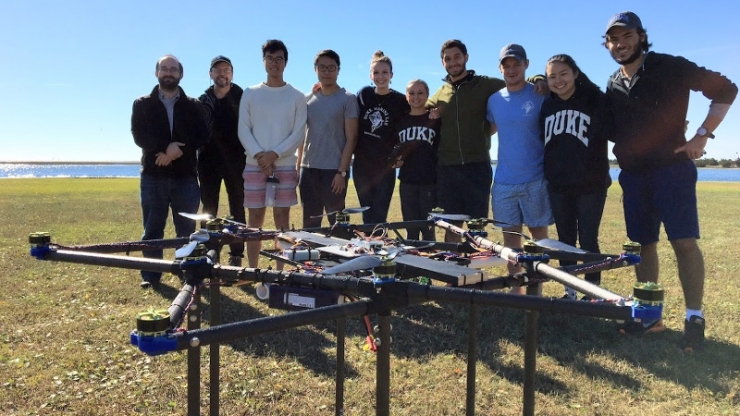
Martin Brooke is an Associate Professor of Electrical and Computer Engineering at Duke University's Pratt School of Engineering. He earned his B.E. in Electrical Engineering (First Class Honors) from Auckland University, New Zealand (1981), followed by M.S. (1984) and Ph.D. (1988) degrees from the University of Southern California. His career includes positions at Georgia Institute of Technology (1988-2003) before joining Duke. Dr. Brooke's research spans analog/RF/optoelectronic circuits, sensor interfaces, and deployable sensor systems with applications in ocean engineering and biomedical imaging. He leads innovative projects including ocean pH monitoring sensors and X Prize seafloor mapping initiatives, focusing on solving 'open-ended problems' through interdisciplinary approaches combining engineering with marine science. His extensive publication record (160+ articles) demonstrates consistent focus on sensor technologies, integrated circuits, and engineering education. Recent works emphasize biomedical applications (cancer margin assessment), environmental monitoring (ocean sensors), and educational innovations (remote microelectronics labs), showing a trend toward multidisciplinary solutions for real-world challenges. Awards and Honors: Capers and Marion McDonald Award for Teaching/Research Excellence (2022) Georgia Tech Outstanding Thesis Advisor Award (2003) IEEE Midwest Symposium Best Paper Award (1992) NSF Research Initiation Award (1990) Analog Devices Career Development Award (1988-1993) He has graduated 23 PhD students and mentors teams for major challenges like the X Prize ocean robotics competition. His research group develops deployable sensor systems with funding from NSF, X Prize Foundation, and industry partners. Current projects include drone-based ocean floor mapping systems and advanced pH sensors for marine ecosystem monitoring. Dr. Brooke leads the Brooke Research Group focusing on analog/RF systems and sensor integration. The team collaborates with Duke Marine Lab on ocean engineering initiatives and maintains eight U.S. patents. Future work emphasizes scalable sensor networks for environmental monitoring and biomedical diagnostics.
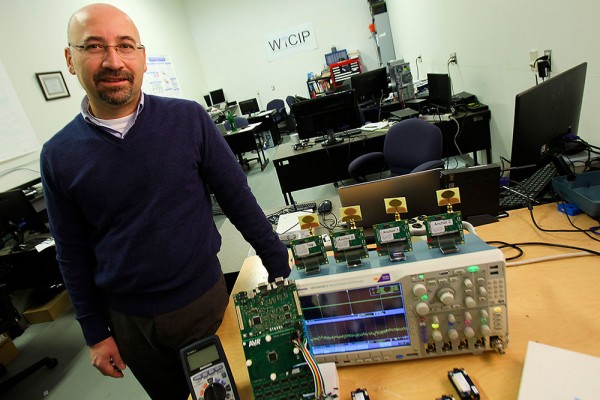
Professor Kemal Tepe is a faculty member in the Faculty of Engineering at the University of Windsor, specializing in wireless communication and information processing. His research focuses on vehicular networks, cognitive radio systems, and smart grid technologies. He leads the Wireless Communication and Information Processing Lab , where he develops solutions for autonomous driving systems, cybersecurity in vehicle-to-infrastructure communication, and spectrum sensing techniques. In 2016, he was awarded the Medal of Excellence by the Faculty of Engineering for his dedication and service. Tepe’s work bridges theoretical advancements and practical applications, addressing challenges in autonomous systems, machine learning for anomaly detection, and IoT security. His contributions include pioneering methods for detecting adversarial behavior in vehicular networks and improving spectrum utilization through probabilistic modeling. Collaborations with industry partners like Ford Motor Company and involvement in initiatives such as the Perspective Magazine automotive research highlight his industry-relevant research. His research interests span a wide range of domains including: Autonomous vehicle safety and communication protocols Cognitive radio networks and spectrum management Machine learning for network security and anomaly detection Wireless sensor networks and energy-efficient protocols Smart grid integration and communication architectures Tepe’s publications emphasize practical implementations, such as real-time routing protocols for wireless sensor networks and hardware designs for cognitive radio systems. His lab’s innovations have been showcased in industry-relevant platforms, demonstrating the real-world impact of his work.
Shuai Zhao is an Assistant Professor at the AAU Energy Department, Faculty of Engineering and Science, Aalborg University. His research focuses on applying machine learning and artificial intelligence techniques to enhance reliability and condition monitoring in power electronic systems, with specific interests in lifetime estimation, fault diagnosis, and health management of critical components like capacitors and semiconductor devices. Institution: Aalborg University School: Faculty of Engineering and Science Department: AAU Energy Email: szh@energy.aau.dk His research spans multiple domains including: Physics-informed machine learning for power converter systems Remaining useful life prediction with hybrid Bayesian deep learning Thermal transient analysis and stress emulation methods IoT-enabled monitoring schemes for semiconductor devices Neural network applications in lithium-ion battery prognostics Recent publications show a strong trend toward integrating domain-specific physics with machine learning frameworks to address real-world challenges in: Power electronics reliability under operational stress Anomaly detection in multivariate time-series data Robust fault diagnosis for railway traction systems Temperature estimation in electric vehicle motors Imbalanced data handling in diagnostic systems Capacitance degradation modeling under environmental factors Current projects demonstrate collaboration with leading institutions on: AI-assisted long-term maintenance strategies Physics-informed neural network architectures Smart agricultural monitoring systems via IoT platforms Advanced particle filter methods for life prediction
Samuel A. Bryan serves as a Lab Fellow and Chemist at Pacific Northwest National Laboratory (PNNL), where he pioneers spectroelectrochemical sensor development for measuring chemical species in highly complex nuclear systems. His innovations have resolved critical Department of Energy safety issues, particularly regarding ferrocyanide concentration determination in nuclear waste and hydrogen flammability in Hanford waste tanks. Dr. Bryan earned his B.S. in Chemistry from Boise State University (1979), followed by M.S. and Ph.D. degrees in Inorganic Chemistry from Washington State University (1983, 1985). His educational background established the foundation for his expertise in complex chemical systems analysis. His research focuses on real-time spectroscopic monitoring methodologies for nuclear applications. Key contributions include developing the first-ever luminescence detection from technetium complexes, creating sensors for nuclear waste analysis, and establishing predictive models for hydrogen gas generation that continue to inform Hanford Waste Treatment Plant safety designs 25 years later. His work bridges fundamental chemistry with practical nuclear engineering solutions. Analysis of his recent publications reveals strong emphasis on multi-modal spectroscopy (Raman, UV-Visible, NIR) combined with chemometric analysis for nuclear applications. His research spans from fundamental sensor development to practical implementation in nuclear fuel recycling, waste treatment, and safeguards verification. Fellow of the American Chemical Society Chair of Richland Section of the ACS (1998 and 2004) Fitzner-Eberhardt Award for Outstanding Contributions to Science and Engineering Education PNNL Laboratory Director's award (2005) ACS ChemLuminary Award for Outstanding Performance by Richland Section (2004) Dr. Bryan's technical leadership extends to mentoring junior scientists and contributing to national initiatives in nuclear safeguards. His current research focuses on microfluidic sensor systems, multi-modal spectroscopy approaches, and advanced data analysis techniques for nuclear applications, continuing to address critical challenges in nuclear waste management and national security.