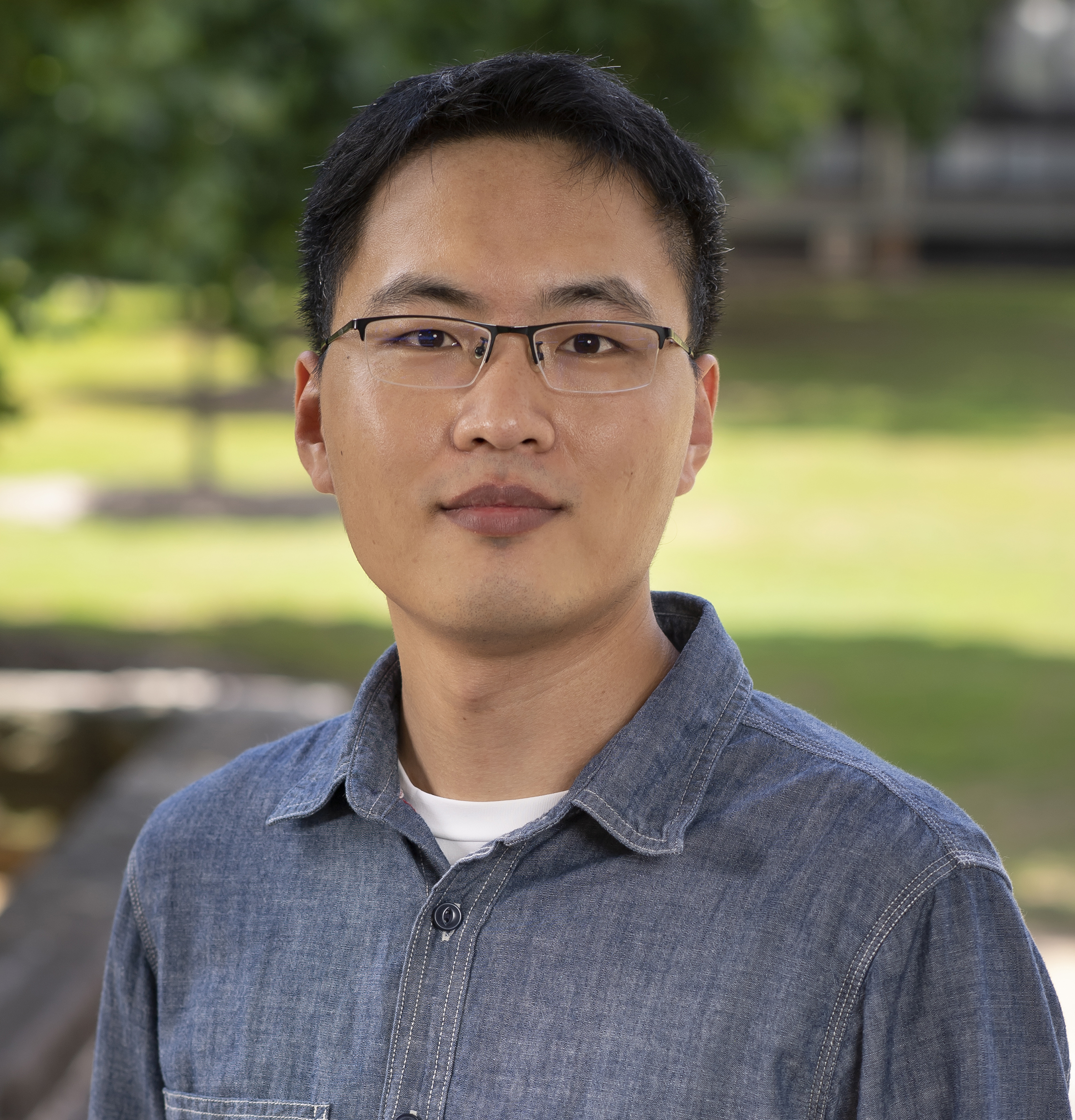
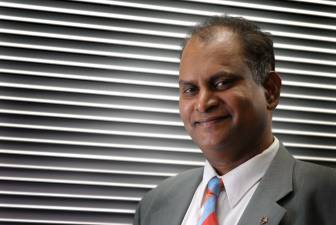
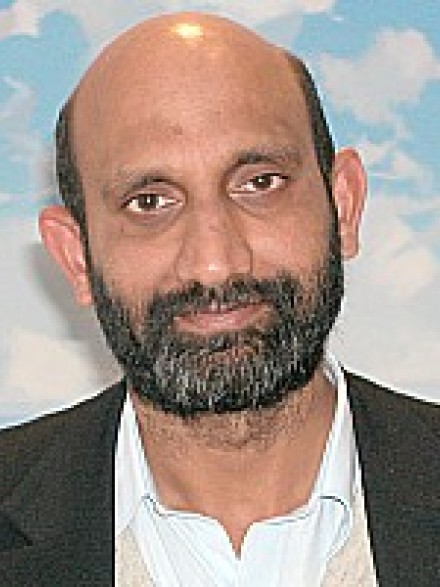
Dr. Jiang Chen is Research Fellow at Monash University's Department of Chemical and Biological Engineering and the ARC Research Hub for Computational Particle Technology. He holds a PhD in Materials Science from UNSW and BS from Tongji University. Research expertise spans: Computational modeling of particle-fluid systems Separation process optimization for industrial applications Multiscale simulation of particulate flows Cyclone separator design and efficiency analysis Recent work develops coarse-grained CFD-DEM approaches to model gas-solid flows in cyclones, enabling high-efficiency industrial separation systems. His research bridges fundamental particle technology with practical mineral processing applications.
Dr. Huilin Xing is a Professor at the School of the Environment, University of Queensland, with extensive expertise in geomechanics, computational geoscience, and reservoir engineering. Their research spans multiple disciplines including earthquake modeling, fractured rock mechanics, geothermal systems, and coal seam gas extraction. With over 113 journal articles, 60 conference papers, 4 book chapters, and 1 book to their name, Dr. Xing has established themselves as a leading researcher in computational geoscience. Dr. Xing's research interests focus on the application of advanced computational methods to solve complex geomechanical problems. Their work encompasses numerical modeling of fault systems, earthquake dynamics, fluid flow in fractured porous media, geothermal reservoir simulation, and unconventional reservoir characterization. Recent publications demonstrate a strong emphasis on integrating machine learning techniques with traditional geomechanical modeling approaches, particularly for permeability estimation and digital rock analysis. The publication record shows a consistent research trajectory with significant contributions across multiple domains. Recent work (2021-2024) reveals increasing interdisciplinary collaboration, extending into medical applications (nephrology) and psychological studies, while maintaining core expertise in geomechanics and computational geoscience. The research demonstrates strong connections between fundamental geomechanical principles and practical applications in energy resource extraction and seismic hazard assessment. Dr. Xing has received research funding for projects related to CO 2 sequestration and geothermal energy, as evidenced by the ANLEC project reports. Their work on fault systems, earthquake modeling, and reservoir engineering has significant implications for both academic research and industry applications in the energy sector.
Dr. Zhao Sha is a Lecturer at the School of Mechanical and Manufacturing Engineering, University of New South Wales (UNSW), Australia. He holds a Ph.D. in Aerospace Engineering from UNSW and degrees in Mechanical Engineering from Zhejiang University, China. His research focuses on advanced multifunctional composites, including structural energy storage, energy harvesting, and high-temperature materials. Notable work includes enhancing composite thermal stability and mechanical properties via nanoparticles and developing self-powered sensors. He secured a $497,636 grant for a project on nano-engineered phenolic composites for rocket motor cases. Research interests span composite materials, energy storage systems, aerospace engineering, and mechanical engineering applications. Recent studies emphasize nanocomposite modifications for enhanced performance in extreme conditions. His publications explore topics like triboelectric sensors, flame-retardant polymers, and structural supercapacitors. Dr. Sha has collaborated on projects involving phenolic composites, carbon fiber reinforcement, and wearable sensor technologies. His work bridges material science and engineering, addressing challenges in energy storage, aerospace, and biomedical systems. Grants and industry partnerships highlight applied research with practical industrial applications.
Dr. Levi Beeching is a Researcher in the Department of Materials Physics at The Australian National University. He specializes in advanced imaging techniques, particularly X-ray microtomography and micro-CT, applied to materials science, environmental studies, and archaeology. His work bridges disciplines including geophysics, marine ecology, and cultural heritage analysis. Education: Ph.D. in Chemistry (Photoelectron Spectroscopy) from the University of Southampton (2002). Research focuses on material characterization, fracture mechanics, climate impacts on marine ecosystems, and archaeological artifact analysis. He leads or contributes to projects such as the ARC Training Centre for Multiscale 3D Imaging and collaborations with institutions like the Australian Nuclear Science and Technology Organisation (ANSTO). Key research themes include: (1) X-ray imaging optimization for complex materials, (2) climate-driven coral decay mechanisms, (3) mineral liberation in mining processes, and (4) archaeological applications of micro-CT. Recent studies address marine heatwave impacts on calcifiers, pore space topology in porous media, and artifact preservation in ancient pottery. His projects span $1.5M funding including the ARC Training Centre (2019–2025). Collaborations involve multidisciplinary teams in materials science, environmental science, and archaeology. Active in synchrotron-based research and advanced imaging technology development.
Lachlan Deakin serves as a Research Fellow in the Department of Materials Physics at the Australian National University's College of Science and Medicine. His research integrates computational techniques with materials science to address challenges in mineral characterization and environmental monitoring. His expertise spans Computational Materials Science , Digital Rock Physics , and Volume Rendering , with specialized focus on nanoscale imaging and computer graphics algorithms. Deakin develops innovative methods for 3D image analysis, including distance-map optimizations for ray casting and multiscale bridging techniques applicable to ore processing and coral reef studies. Analysis of his 2019-2025 publications reveals a trajectory from foundational work in volume rendering (Chebyshev distance maps, empty space skipping) toward applied geoscience solutions. Current research emphasizes micro-to-nano scale integration for metal ore characterization and particle separation using 3D X-ray tomography, demonstrating cross-disciplinary impact across materials engineering, computer science, and environmental science. No scientific awards were documented in the source material. While advising relationships and grant funding remain unspecified, Deakin maintains active collaboration with ANU researchers including Professor Mark Knackstedt, contributing to laboratories focused on digital rock analysis and advanced visualization techniques.
Prof. Prasad Yarlagadda is currently the Dean of Engineering at the University of Southern Queensland and holds the rank of Professor. Previously, he served as Professor in Smart Systems and Director of Medical Devices Research at Queensland University of Technology. He has held distinguished academic and industry roles across India, China, and Australia over 38 years. His affiliations include the Centre for Future Materials, School of Health and Medical Sciences, and the Institute for Advanced Engineering and Space Sciences. Education: BTech (Mechanical Engineering) from Nagarjuna University (1983), MEng from Bharathiar University (1985), and PhD from Indian Institute of Technology, Bombay (1994). His research focuses on advanced manufacturing, bio-manufacturing, additive manufacturing, anti-pathogenic surfaces, and biomedical applications. His work on anti-pathogenic surfaces for medical devices has garnered global attention, particularly collaborations with Metro-North Hospitals, Indian Institute of Science, and Science and Engineering Research Council, India. Research highlights include over $18M in research funding, 580+ publications, and key awards like the Polish Academy of Sciences' Prestigious Great Honour Award (2012) and Order of Australia Medal (2016). His grants include the ARC-Linkage for hospital capacity optimization and the ARC Training Centre for Multiscale 3D Imaging. Supervision includes 57 HDR students, with current external supervision via an Adjunct role. Awards and recognitions include Fellowships from Engineers Australia, World Academy of Manufacturing, and the Higher Education Academy (UK). His work integrates nanotechnology, biomedical engineering, and advanced manufacturing for applications in healthcare and industry.
Tianhai Tian is an Associate Professor at the School of Mathematics, Monash University. He holds a PhD in Computational Mathematics from the University of Queensland (2001), and has held prestigious positions including Australian Research Fellow at ARC, Lord Kelvin Fellow at University of Glasgow, and ARC Future Fellow. His research focuses on mathematical modeling of biological systems, with expertise spanning computational biology, statistical inference, and multi-scale modeling of complex networks. Research Interests: Mathematical modeling of genetic regulatory networks and cell signalling pathways Computational approaches to cancer therapy optimization Stochastic modeling of biochemical systems Network inference from high-dimensional biological data Multi-scale modeling approaches for complex biological systems His publication trends demonstrate strong focus on cancer modeling, computational immunology, and development of novel algorithms for biological data analysis. Recent works increasingly integrate machine learning with dynamical systems modeling. Awards and Honors: Australian Research Fellowship, ARC (2006) Lord Kelvin Fellowship (2007) ARC Future Fellowship (2011) Research Grants: Stochastic modelling of telomere length regulation in ageing research (ARC, 2012-2017) Stochastic modelling of genetic regulatory networks with burst process (ARC, 2011-2016) Multiscale stochastic modelling of tumour robustness (ARC, 2010-2016) Spatio-temporal modelling of Ras dependent MAP kinase activation (ARC, 2007-2011)
Steven Psaltis is a Senior Research Fellow at Queensland University of Technology specializing in mathematical modeling of multiscale, multiphase systems with applications in industrial processes and porous media flow. His research develops computational methods for aluminum electrolysis, wood product characterization, and resource estimation in energy fields. With expertise in C/C++ and OpenGL, he creates virtual reconstruction techniques for material analysis. Research applications include: Aluminum hydroxide precipitation dynamics Coal seam gas production modeling Timber billet reconstruction from rotary peeling Agrochemical transport in plant systems He teaches multivariable calculus, differential equations, and engineering mathematics while developing GPU-accelerated computational methods.
Professor Troy Farrell is the Executive Dean of the Faculty of Science at Queensland University of Technology (QUT). He holds a PhD (QUT) and B.Sc (Hons) from the University of Newcastle. His expertise lies in applied mathematics and physical chemistry, focusing on industrial systems like batteries, solar cells, and biomass processing. He leads major research projects in electrochemical nano-diodes, metal-air batteries, and coal seam gas modeling. Professor Farrell has secured over $2.8M in external funding and led national initiatives such as the Mathematics in Industry Study Group (MISG) and the ATN Industry Doctoral Training Centre. He is a Fellow of the Queensland Academy of Arts and Sciences and has received prestigious awards for his research and teaching. His teaching focuses on mathematical modeling, partial differential equations, and calculus, emphasizing student-centered pedagogy and innovation. Key achievements include developing multiphase models for food drying, phase-field models for lithium-ion batteries, and population balance models for biomass pretreatment. Research Projects: Mathematical modeling of biofuel production from cellulosic materials Electrochemical nano-diodes using Poisson-Nernst-Planck models Optimization of lithium-air batteries for secondary power Multiscale modeling of porous materials with hybrid continuum/particle methods Agrochemical uptake in plant cuticles Awards: ANZIAM Mid-Career Research Award (2015) QUT Vice-Chancellor's Award for Partnerships (2013) Australian Government Citation for Teaching Excellence (2006) Teaching & Leadership: Professor Farrell pioneered innovative teaching methods recognized by the Carrick Institute, coordinating undergraduate and postgraduate programs in Mathematical Sciences. He has mentored over 13 doctoral students and actively bridges academia-industry collaboration through leadership roles in MISG and the ATN IDTC. His work emphasizes translating mathematical models into real-world solutions for energy, agriculture, and environmental sectors. Labs & Teams: He oversees interdisciplinary teams at QUT specializing in electrochemical systems, porous media modeling, and industrial mathematics. Current collaborations include projects with sugar cane industries, battery manufacturers, and coal seam gas operators to address challenges like biomass storage safety and energy storage optimization.
Dr. Marie-Luise Wille is a Senior Research Fellow at Queensland University of Technology, working within the School of Mechanical, Medical and Process Engineering. Her research spans biomedical engineering with a focus on medical imaging, bone analysis, and 3D printing technologies for medical applications. Qualifications: Doctor of Philosophy from Queensland University of Technology Qualifications: Master of Science in Physics from University of Basel Dr. Wille's research interests center on CT Imaging, Osteoporosis analysis, Medical Image Analysis, 3D reconstruction techniques, 3D printing applications in medicine, and Transit Time Spectroscopy. Her work bridges physics, engineering, and clinical medicine, with particular emphasis on developing novel imaging and analysis techniques for bone and placental assessment. She has established herself as a key researcher in ultrasound-based bone assessment and placental elastography. Her recent publications demonstrate a strong focus on 3D printing of medical scaffolds for bone regeneration, placental imaging for pregnancy monitoring, and advanced medical image analysis techniques. The trend shows increasing collaboration across engineering, medical, and computational disciplines, with applications ranging from bone defect repair to fetal health assessment. Dr. Wille actively supervises multiple PhD students working on projects related to medical imaging, bone regeneration, and 3D printing applications in healthcare. She has successfully guided several students to completion of their doctoral research in areas including ultrasound transit time spectroscopy and 3D printed medical devices. Current Research Projects: Transforming Australian bio-based industries through multiscale modelling (2023) Current Research Projects: An Innovative 3D Printed Patient-Specific Bone Scaffold Design for the Treatment of Large Volume Bone Defects (2021) Current Research Projects: ARC Training Centre for (M3D) Multiscale 3D Imaging, Modelling and Manufacturing (2019) Her research group works at the intersection of medical imaging, biomechanics, and additive manufacturing, collaborating with clinicians and industry partners to translate engineering solutions into clinical practice. The team has developed innovative approaches to scaffold-guided bone regeneration and placental assessment using advanced imaging techniques.
Associate Professor Nevena Todorova is Deputy Head of the Department of Chemical & Environmental Engineering at RMIT University's School of Engineering. Her research focuses on computational modeling of biomolecular interactions with nanomaterials, electromagnetic bioeffects, and protein self-assembly. She holds academic positions including Research Fellow at the NHMRC Australian Centre for Electromagnetic Bioeffects Research (ACEBR) and has contributed to over 40 peer-reviewed publications. Research interests include engineering nanobiomaterials for biomedical applications, theoretical modeling of biomolecular responses to electromagnetic fields, and understanding protein aggregation mechanisms. She leads projects in collaboration with industry and academic institutions, emphasizing translational research in materials science and biomedicine. Awards: Materials Research Society Prize (2015), RMIT Early Career Researcher Travel Grant (2014), Australian Postgraduate Award (2006–2009). Grants: NHMRC ACEBR, ARC Discovery Project, RMIT Foundation Fellowship. Labs/Teams: Materials Modelling and Simulation Group (collaborating with BlueScope Steel and ACEBR). Her supervision focuses on computational materials modeling, including projects on graphene-based nanomaterials, peptide nanomaterials, and electromagnetic bioeffects. She actively engages in professional societies like the Materials Research Society and Association of Molecular Modellers of Australasia.
Professor Shanyong Wang is a leading academic in geotechnical engineering at the University of Newcastle's School of Engineering, where he serves as a Professor in the Priority Research Centre for Geotechnical Science and Engineering. His research focuses on developing innovative techniques to improve weak ground mechanics through fundamental studies of fracture and compaction grouting, with applications in civil infrastructure design including underground structures, roads, retaining walls, and foundations. Professor Wang's research interests span rock mechanics, slope stability, experimental and numerical analysis of grouting in soils and rocks, soil nailing systems, and coupled multi-physics modeling of fractured formations. His work combines sophisticated testing techniques with advanced computational methods to transform grouting from an art into a predictable science. His recent publications demonstrate a strong focus on advanced material formulations for geotechnical applications, multiscale modeling of fracture processes, and innovative solutions for tunnel engineering and mining challenges. The research consistently bridges fundamental mechanics with practical engineering applications, particularly in subsurface construction and ground improvement technologies. Professor Wang has received numerous scientific awards including the prestigious 2018 John Booker Medal in Engineering Science. He currently supervises five PhD students and one postdoctoral researcher, and has secured substantial research funding exceeding $3 million, including ARC Future Fellowship and Early Career Researcher awards. He leads research in the Geotechnical Science and Engineering group, developing laboratory facilities for grouting technologies and novel computational methods. His team's experimental and numerical work has applications in both civil and mining engineering sectors.
Dr. Mohammad Joardder is a Postdoctoral Research Fellow at Queensland University of Technology (QUT), affiliated with the School of Mechanical, Medical & Process Engineering. He holds a PhD from QUT (2016) and a BSc from another institution. His research focuses on bio-transport, innovative food drying techniques, computational modeling of food processing, and renewable energy applications. He emphasizes multiphysics-multiscale transport phenomena and porous biomaterials' deformation. His work spans 47+ peer-reviewed articles, 6 book chapters, and 4 authored books with Springer-Nature and CRC Press. Notable achievements include a Field Weighted Citation Impact of 2.2 and a high citation rate, reflecting global leadership in drying and microwave heating research. He actively reviews for top journals like Nature, Springer, and Elsevier. Research interests include food microstructure analysis, renewable energy integration in food processing, and advanced computational methods. His recent articles (2022–2025) explore shrinkage kinetics in plant-based foods, CFD-driven drying models, and microwave-assisted food processing innovations. He is currently accepting PhD/Master’s students in drying technology, thermal systems, and food material science.
Chennupati Jagadish is a Distinguished Professor and Head of the Semiconductor Optoelectronics and Nanotechnology Group at the Department of Electronic Materials Engineering, Research School of Physics & Engineering, The Australian National University (ANU). He holds a Laureate Fellowship and has been recognized with prestigious awards, including the Companion of the Order of Australia (AC). His research focuses on compound semiconductor optoelectronics, nanotechnology, photovoltaics, and materials science. Jagadish has over 1,000 publications and is a Fellow of multiple scientific societies. Education: B.Sc. (Nagarjuna University, 1977), M.Sc.(Tech) (Andhra University, 1980), M.Phil. and Ph.D. (University of Delhi, 1982 and 1986). Research Interests: Compound semiconductor nanowires, quantum dots, optoelectronic devices, photovoltaic technologies, and neurotechnology. His work bridges nanoscale materials engineering with applications in energy and photonics. Key Contributions: Pioneered nanowire-based photonic and optoelectronic devices, including high-efficiency solar cells and terahertz detectors. Developed novel methods for nanowire growth and integration into functional systems. Awards: IEEE Nanotechnology Pioneer Award, OSA Nick Holonyak Jr. Award, and Companion of the Order of Australia for contributions to physics and engineering. Grants & Leadership: Led projects on advanced photovoltaics, nanowire lasers, and energy solutions. Served as President of the IEEE Nanotechnology Council and Vice-President of IEEE Lasers and Electro-Optics Society. Labs/Initiatives: Director of ANFF (ACT node), Convenor of Australian Nanotechnology Network, and leader in ANU's Institute for Climate, Energy & Disaster Solutions.
Prof Zhen (Jeff) Luo is a Professor at the School of Mechanical and Mechatronic Engineering at the University of Technology Sydney (UTS). Since 2012, he has led the Advanced Metamaterials & Metastructures (AMM) and Engineering Computation and Optimisation (ECO) research groups, focusing on multi-disciplinary engineering innovations. Expertise : Advanced materials design, topology optimization algorithms, additive manufacturing, and computational mechanics. Education : PhD in Mechanical Engineering from Huazhong University of Science and Technology (2005). His research bridges Mechanical, Structural, Aerospace, and Biomechanical Engineering , developing cutting-edge metamaterials and computational methods. Recent work includes two-scale lattice optimization , stochastic bandgap analysis , and machine learning-aided virtual modeling for structural reliability. Key contributions span 3D-printed heat sinks , frequency-selective surfaces , and hydrogen storage systems . As a World’s Top 2% Scientist (Stanford, 2019–present), he has secured over AUD $7 million in grants, including from the Australian Research Council (ARC) and National Intelligence Discovery Research Grants (NI220100074). Awards : IAAM Scientist Award, IAAM Fellow. Leadership : Editorial roles in Structural and Multidisciplinary Optimization , Frontiers in Bioengineering and Biotechnology , and organizing roles in 21 international conferences.