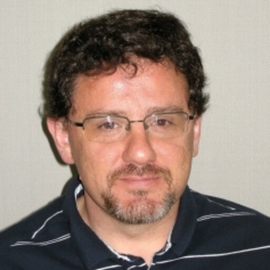
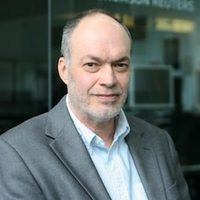
Dr. Saumen Mandal is a Professor in the Department of Statistics at the University of Manitoba, Faculty of Science. He holds a PhD from the University of Glasgow, UK, and MSc/BSc (Gold Medal) from the University of Calcutta, India. His research focuses on optimal experimental design, biostatistics, data science, shrinkage estimation, and constrained optimization. He has received numerous teaching awards including the Dr. and Mrs. H.H. Saunderson Award for Excellence in Teaching, Students Choice Best Professor Award, and multiple Merit Awards. He is also a P.Stat. designee from the Statistical Society of Canada. Education: PhD (Statistics), University of Glasgow, UK MSc (Statistics), University of Calcutta, India (First Class First, Gold Medal) BSc Honours (Statistics), University of Calcutta, India Research Interests: Optimal design theory and applications Biostatistical methods for clinical trials and healthcare data Data science and machine learning techniques Shrinkage estimation and model selection Linear models and goodness-of-fit testing Publications span topics like optimal regression designs, response-adaptive clinical trial methods, and statistical models for healthcare data. His work emphasizes practical applications in medicine and data-driven decision making. Awards include: Teaching Excellence Awards (2005-2007) Merit Awards for Teaching and Research (2010-2019) Faculty of Science Innovation in Teaching Award (2020) He advises graduate students in statistics and contributes to research teams in biostatistics and data science. His office is temporarily located at 256 Parker Building during construction.
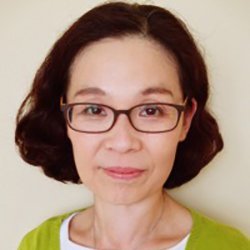
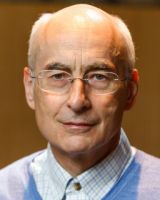
Hyune-Ju Kim is a Professor of Mathematics at Syracuse University's College of Arts & Sciences, affiliated with the Applied Statistics program. Her research focuses on change-point problems, resampling tests, regression model selection, sequential analysis, and statistical applications in genetics. She holds a Ph.D. in Statistics from Stanford University (1988) and a B.S. in Mathematics from Seoul National University (1983). Recent work emphasizes advancements in Joinpoint regression software, including model selection methodologies for health data analysis. Her contributions address complex survey data challenges and longitudinal medical trend studies. She has served on multiple departmental committees, including executive roles in faculty search committees and graduate programs. Teaching responsibilities include advanced statistics courses such as MAT 652 Probability & Statistics II, MAT 654 Linear Models, and MAT 750 Statistical Consulting. Her service roles include statistics liaison for Syracuse University Project Advance and leadership in curriculum development.
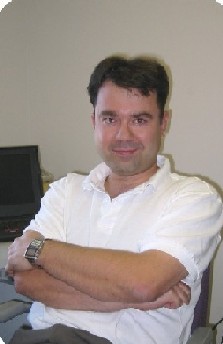
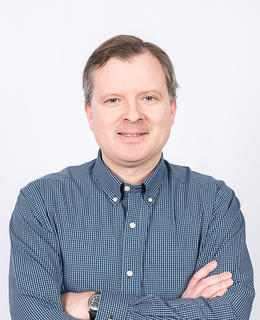
Prof. Christian Conrad is a Professor of Econometrics at the Department of Economics, Heidelberg University. He also serves as a member of the HEiKA Strategic Board, Steering Board Member of the HKMetrics Network, and holds affiliations with institutions like the Centre for European Economic Research (ZEW) and the Rimini Centre for Economic Analysis. His research focuses on Expectation Formation, Financial Econometrics, and Volatility Modeling, with notable contributions to understanding inflation dynamics, financial risk, and macroeconomic uncertainty. Education: PhD in Economics (Dr. rer. pol.), University of Mannheim (2002–2006) MSc in Econometrics and Economics, University of York (2000–2001) Diplom-Volkswirt (Economics Degree), Heidelberg University (1997–2002) Research Interests: Prof. Conrad’s work spans Expectation Formation, Financial Econometrics, and Macroeconometrics. He develops advanced methodologies like the MF2-GARCH model to analyze volatility cycles and explores how household information and experience influence inflation expectations. His research also addresses cryptocurrency volatility, political communication impacts on markets, and the link between inflation uncertainty and macroeconomic performance. Key Contributions: His articles include seminal works on GARCH model extensions, volatility forecasting techniques, and the role of uncertainty in financial markets. Recent studies include analyzing ECB inflation projections and their implications for policy credibility. Awards & Affiliations: Senior Fellow, Rimini Centre for Economic Analysis (2020–present) External Fellow, Center for European Studies (2019–present) Associated Research Professor, KOF Swiss Economic Institute (2011–present) Labs & Teams: He leads the Research Group on Macroeconomics & Financial Econometrics at Heidelberg University, focusing on empirical economic research and policy-relevant studies in financial markets and macroeconomic dynamics.
Pedro Galeano is an Associate Professor in the Department of Statistics at Universidad Carlos III de Madrid (UC3M) since 2009. He holds a PhD in Statistics (2004) under Prof. Daniel Peña, focusing on multiple time series. Previously, he served as Visiting Assistant Professor of Statistics and Econometrics at the University of Chicago’s Graduate School of Business and as a Postdoctoral Fellow at the Department of Statistics and Operations Research at Universidade de Santiago de Compostela. His research focuses on time series analysis, outlier detection, Bayesian inference in financial models, and functional data analysis with applications to missing data. He is an Associate Editor of the Journal of Time Series Analysis and advises the Heliyon journal. Key contributions include developing methodologies for detecting structural breaks, modeling systemic risk via copula approaches, and advancing robust statistical techniques for high-dimensional data. Active in academic leadership, Galeano co-organized the NICDA Workshop 2025 and has published extensively on topics like dynamic factor models, sequential parameter change detection, and functional data applications in energy markets. His work bridges theoretical statistics with practical applications in finance, economics, and environmental science.
Robert A Cribbie is a Professor in the Department of Psychology at the Faculty of Health, York University. His work focuses on quantitative methods for psychological data analysis, particularly equivalence testing, multiplicity control, and robust statistical procedures. Current research emphasizes negligible effect testing, Bayesian statistics, and longitudinal data modeling Active in teaching graduate/undergraduate courses: Statistical Methods, ANOVA, Regression, Multivariate Analysis PI of multiple SSHRC grants (2020-2026) for equivalence testing and statistical modeling research Advisor to 12+ graduate students including Victoria Celio, Naomi Martinez Gutierrez, and Udi Alter Leads Robust Statistics Lab which developed the 'negligible' R package for equivalence analysis Recent publications address: • Equivalence testing in structural equation modeling (2024-2025) • Methodological improvements for Bayesian statistical guides (2025) • Multiplicity control practices in psychological research (2025) • Effect size interpretation standards (2023)
Laurence S. Magder, PhD, serves as Professor in the Department of Epidemiology and Public Health at the University of Maryland School of Medicine, where he has held continuous faculty positions since 1994 after progressing from Assistant to Associate to full Professor. With over 30 years of biostatistical expertise, he has contributed to nearly 200 biomedical publications through collaborative research across diverse health domains. Educational background includes: PhD in Biostatistics, Johns Hopkins University (1994) Master of Public Health, University of Michigan (1983) His research program centers on developing accessible statistical methodologies for real-world biomedical challenges. Key specialties include longitudinal data analysis, handling misclassified/missing data, transmission probability modeling, and systemic lupus erythematosus applications. Magder actively promotes a paradigm shift in statistical practice—advocating for evidence quantification over rigid hypothesis testing frameworks, which he argues renders traditional concerns like one-sided tests and multiple comparisons adjustments largely obsolete in scientific decision-making. Publication analysis reveals consistent methodological innovation across infectious disease modeling, diagnostic test evaluation, and missing data solutions. His work prioritizes practical applicability, translating complex statistical theory into tools usable by non-statisticians while maintaining rigorous evidence standards. Recurring themes include simplification of analytical approaches and contextual interpretation of statistical evidence within broader scientific judgment. As a collaborative biostatistician, Magder has supported numerous biomedical research projects throughout his career, though specific advising relationships and grant details remain undocumented in available sources. His role exemplifies the critical contribution of statistical expertise to advancing medical and public health research through both methodological development and direct project consultation.
Pierre Duchesne is a Full Professor in the Department of Mathematics and Statistics at the University of Montreal . He serves as Professor-responsibility for the M.Sc. and Ph.D. in Statistics programs (2000-2004). His research focuses on applied statistics with emphasis on: Time Series Analysis (univariate and multivariate models, serial correlation testing, portmanteau statistics) Sampling Theory (robust estimation methods, calibration estimators) Multivariate Analysis (ARCH effects, vector autoregressive models, causality testing) Applications in Econometrics and Financial Econometrics His work combines theoretical development with practical implementation through: Wavelet-based diagnostic methods Simulation studies for model validation Software development (S-PLUS/SAS) for statistical analysis Collaboration with organizations like Statistics Canada and Canadian Journal of Statistics He has served as Associate Editor for journals including Computational Statistics & Data Analysis (CSDA) and Canadian Journal of Statistics (CJS/RCS) .
Jian Kang is a Professor and Associate Chair for Research at the University of Michigan School of Public Health , specializing in Biostatistics . His work focuses on developing advanced statistical methods for large-scale biomedical data , with applications to precision medicine , neuroimaging , and genomics . Education: PhD in Biostatistics, University of Michigan (2011) MS in Mathematics (Statistics), Tsinghua University (2007) BS in Statistics, Beijing Normal University (2005) Research Interests include Bayesian nonparametric methods , deep learning for medical imaging , ultra-high-dimensional variable selection , and graphical models for network inference . His 2025-2023 publications demonstrate expertise in Bayesian hierarchical modeling , spatial statistics , and machine learning for healthcare . Scientific Awards : Michigan SPH Excellence in Research Award (2025) ICSA President's Citation Award (2024) Statistics in Biopharmaceutical Research Best Paper (2023) Best Paper in Biometrics by IBS Member (2022) Fellow, American Statistical Association (2021) Grants include NSF-IIS (2021-2025) for BCI statistical learning , NIGMS (2020-2022) for metabolomics biomarker selection , NIDA (2020-2025) for imaging data analysis , and NIMH (2014-2025) for multidimensional neuroimaging methods . Labs and Teams develop Bayesian computational tools for neuroimaging and spatial transcriptomics , collaborating with institutions like Emory University and University of North Carolina.
Gregory R. Hancock is a Professor and Program Director of Quantitative Methodology: Measurement and Statistics at the University of Maryland, College Park. He also serves as Director of the Center for Integrated Latent Variable Research (CILVR) and is an Affiliated Professor at the Center for Advanced Study of Language. Holding a Ph.D. from the University of Washington (1991), his research focuses on structural equation modeling, latent growth models, experimental design, and power analysis. He has co-edited influential volumes such as Structural Equation Modeling: A Second Course and contributed to Psychometrika , Multivariate Behavioral Research , and other top journals. His awards include the Jacob Cohen Award for Teaching (2011), Fellowships from the APA and APS, and multiple recognition for mentorship. Hancock has led over 200 workshops globally and served on editorial boards for major journals. His work emphasizes methodological rigor in quantitative research, with contributions to latent variable models, measurement invariance, and longitudinal methods. Key Contributions: SEM applications, growth curve modeling, and statistical pedagogy Labs/Teams: Center for Integrated Latent Variable Research (CILVR) Funding/Grants: Not explicitly listed, but implied through extensive workshop leadership and editorial commitments
Stuart Shieber is the James O. Welch, Jr. and Virginia B. Welch Professor of Computer Science in the School of Engineering and Applied Sciences at Harvard University. He is a prominent researcher in computational linguistics and natural language processing, with significant contributions across multiple related fields including theoretical linguistics, computer-human interaction, automated graphic design, and the philosophy of artificial intelligence. Professor Shieber's research interests focus primarily on computational linguistics, examining natural language from the perspective of computer science. His work spans scientific and engineering goals, utilizing foundational formal and mathematical tools. He has made significant contributions to grammar formalisms, psycholinguistics, semantics, and synchronous grammars with applications in machine translation and sentence compression. Beyond computational linguistics, his research extends to automatic layout of charts and maps, novel interaction techniques for document reading and diagram layout, online auction mechanisms, library book access prediction, biological evolution tree reconstruction, and the philosophical basis for Turing's test for machine intelligence. His recent publications demonstrate a continued focus on neural language models, syntactic agreement mechanisms, readability assessment, conversational understanding, and bias detection in language models. His research has evolved from traditional grammar formalisms to incorporate modern neural network approaches while maintaining a strong theoretical foundation. The trend shows increasing attention to ethical considerations in NLP, particularly around bias detection and mitigation, alongside continued theoretical work on language structure. Presidential Young Investigator award (1991) Presidential Faculty Fellow (1993) John L. Loeb Associate Professorship in Natural Sciences (1993) Harvard College Professorship (2001) Fellow of the American Association for Artificial Intelligence (2004) Fellow of the Association for Computing Machinery (2014) Fellow of the Association for Computational Linguistics (2017) Professor Shieber has advised numerous PhD students who have gone on to successful careers at institutions including UCSD, Cornell University, Microsoft Research, Google, and various academic institutions. His work on open access and scholarly communication policy, particularly his development of Harvard's open-access policies, led to his appointment as the first director of the university's Office for Scholarly Communication. He is also the founding director of the Center for Research on Computation and Society and a faculty co-director of the Berkman Center for Internet and Society. His laboratory work has focused on advancing computational linguistics through both theoretical and applied research, with numerous patents and co-founding of Cartesian Products, Inc., a high-technology research and development company. His future work appears to be focusing on the intersection of neural network approaches with traditional linguistic theory, particularly in understanding and mitigating bias in language models, while continuing his long-standing interest in the theoretical foundations of language processing.
Francesca Rappa is a Full Professor in the Department of Human Anatomy and Histology within the School of Medicine and Surgery at the University of Palermo. Her academic position (BIOS-12/A classification) centers on biomedicine, neuroscience, and advanced diagnostics with a focus on molecular mechanisms of disease. Her research spans multiple interconnected domains centered on stress response systems. Key interests include: Molecular chaperone networks (particularly Hsp60, Hsp90, Hsp27) in carcinogenesis Thyroid and colorectal cancer pathophysiology Glioblastoma multiforme molecular characterization Probiotic interventions for gut-liver-muscle axis disorders Nanovesicle-based therapeutics from citrus and tomatoes Diagnostic applications of heat shock proteins in inflammatory diseases Publication analysis reveals consistent focus on chaperone systems across cancer types (thyroid, salivary, colorectal, brain), with recent expansion into nutraceutical mechanisms involving citrus nanovesicles and golden tomatoes. Her 2023-2025 output shows increasing emphasis on multi-organ communication pathways (gut-brain, gut-liver-muscle) and industrial-scale therapeutic applications. Methodologically, she integrates immunohistochemistry, proteomics, and animal disease models. Teaching responsibilities include core anatomy courses for Medicine and Radiology programs: Anatomy I (10 CFU) and II (6 CFU) for Medicine Human Anatomy with Histology elements (6 CFU) for Radiology Integrated Anatomy/Biochemistry/Physiology modules (12 CFU) She actively supervises graduate research, with four theses directed between 2020-2024 covering celiac disease histopathology, stress protein interactions in colorectal cancer, glioblastoma biomarkers, and thyroid stress responses. Her laboratory work focuses on immunomorphological analysis of chaperone systems in tumor tissues and development of probiotic/nanovesicle interventions for metabolic and inflammatory conditions.
Professor Michael P. Clements is a leading econometrician at the ICMA Centre , Henley Business School, University of Reading. His research focuses on time-series econometrics, forecasting methodologies, and macroeconomic uncertainty. A DPhil graduate from Nuffield College, Oxford (1993), he held roles at Warwick University (1995–2007) before becoming a full professor in 2007 and joining Reading in 2013. Research Themes : Data revisions, mixed-frequency models, survey expectations, factor models, and macroeconomic forecasting. Editorial Roles : Former Editor of International Journal of Forecasting (2001–2012), current Associate Editor. Scientific Contributions include over 100 journal articles and 5 books. Key awards: Journal of Applied Econometrics Distinguished Author (2008) Honorary Fellow, International Institute of Forecasters (2014) Fellow, International Association for Applied Econometrics (2018) Palgrave Texts in Econometrics Series Editor (2017–) Collaborations with Ana Beatriz Galvão, David Hendry, and others have advanced real-time forecasting and uncertainty analysis. His work bridges econometric theory with practical applications in inflation, GDP growth, and financial markets.
Michael Nussbaum is a Professor of Mathematics at Cornell University, affiliated with the College of Arts and Sciences. He holds a Ph.D. (1979) and Dr. Sc. (1990) from the Academy of Sciences Berlin (Germany). His research focuses on quantum statistics, applying mathematical statistics to analyze quantum experiments and developing asymptotic methods for hypothesis testing, equivalence theory of statistical experiments, and nonparametric models. Key contributions include work on quantum Chernoff bounds, Gaussian approximation of quantum models, and asymptotic equivalence between statistical experiments. Recent research emphasizes quantum hypothesis testing, low-rank quantum state estimation, and asymptotic equivalence with quantum Gaussian white noise. Supported by an NSF Grant (DMS-1915884), his work bridges operator algebras, quantum information, and noncommutative probability. Publications span foundational topics like nonparametric regression, spectral density estimation, and functional empirical processes. He teaches courses such as Statistical Theory and Application in the Real World and supervises graduate research. His lab explores interdisciplinary applications of asymptotic statistical methods in quantum engineering and communication technologies.
Kyle O'Keefe is a Professor in the Department of Geomatics Engineering at the University of Calgary's Schulich School of Engineering. He holds dual B.Sc. degrees in Geomatics Engineering (University of Calgary, 2000) and Honours Physics (University of British Columbia, 1997), and a Ph.D. in Geomatics Engineering (University of Calgary, 2004). He is a Professional Engineer (P.Eng.) registered with the Association of Professional Engineers and Geoscientists of Alberta since 2005. His research focuses on positioning and navigation technologies, including Global Navigation Satellite Systems (GNSS) advancements Ultra-wideband (UWB) ranging for vehicle/pedestrian navigation Indoor positioning using wireless signals Wearable sensor integration for biomechanics and navigation GNSS spoofing detection and cybersecurity Notable projects include: Development of UWB-augmented GNSS for RTK surveying (2007–present) Wearable sensor systems for rowing/kayaking motion analysis (2017–present) CanX-2 nanosatellite GPS receiver operations (2008) Igliniit project with Inuit hunters for Arctic environmental monitoring (2006–2009) Multi-constellation GNSS evaluation across 20+ years He has received prestigious awards including the Michael Richey Medal (2011) and multiple Best Paper Awards at IPIN and ION conferences. His teaching includes courses like Advanced GNSS Theory and Wireless Location. Active in professional organizations, he co-edits special journal issues and advises industry on emerging navigation technologies.
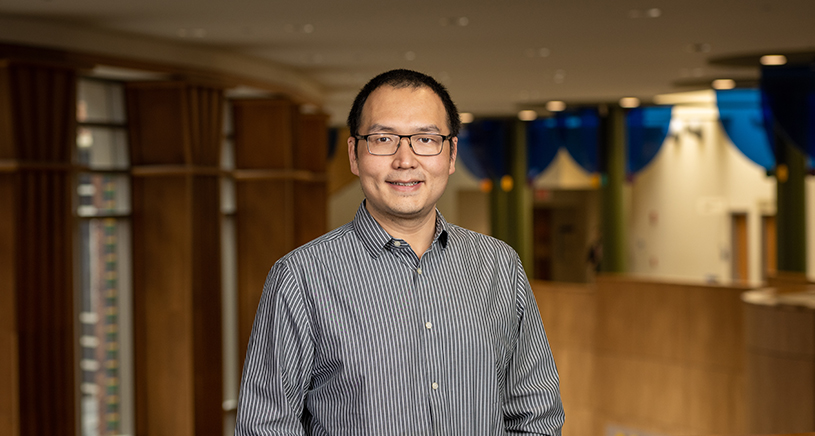
Yubai Yuan is an Assistant Professor of Statistics at the Pennsylvania State University, affiliated with the Department of Statistics within the Eberly College of Science. He holds a PhD from the University of Illinois Urbana-Champaign (2020) and completed postdoctoral research at UC Irvine. His research focuses on network science, causal inference, and statistical machine learning, with applications to neuroscience and social systems. Notable awards include the 2022 NSF-Simons Center Fellow Award and the 2019 ASA Student Paper Award. Education: PhD in Statistics (UIUC, 2020), MS in Statistics (Sun Yat-sen University, 2016), BS in Mathematics (Shandong University, 2012). Research interests span complex network analysis, optimal transport, active learning, and mediation analysis. Current projects include de-confounding causal inference and hypergraph modeling. Teaching includes courses on probability theory and statistical modeling at Penn State. Advises PhD students Yuanchen Wu (active learning on graphs) and Siyu Huang (latent network structures). Collaborates with the Center for Social Data Analytics and organizes workshops in statistical network science. Publications emphasize methodological advancements in network analysis, causal pathways, and data integration. Recent work addresses disaster response via social media data and neuronal activity analysis using optimal transport frameworks.