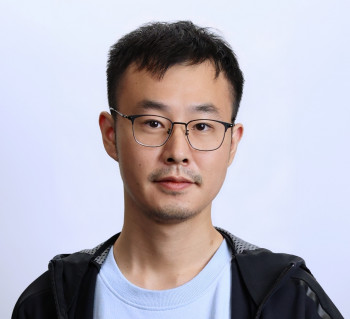
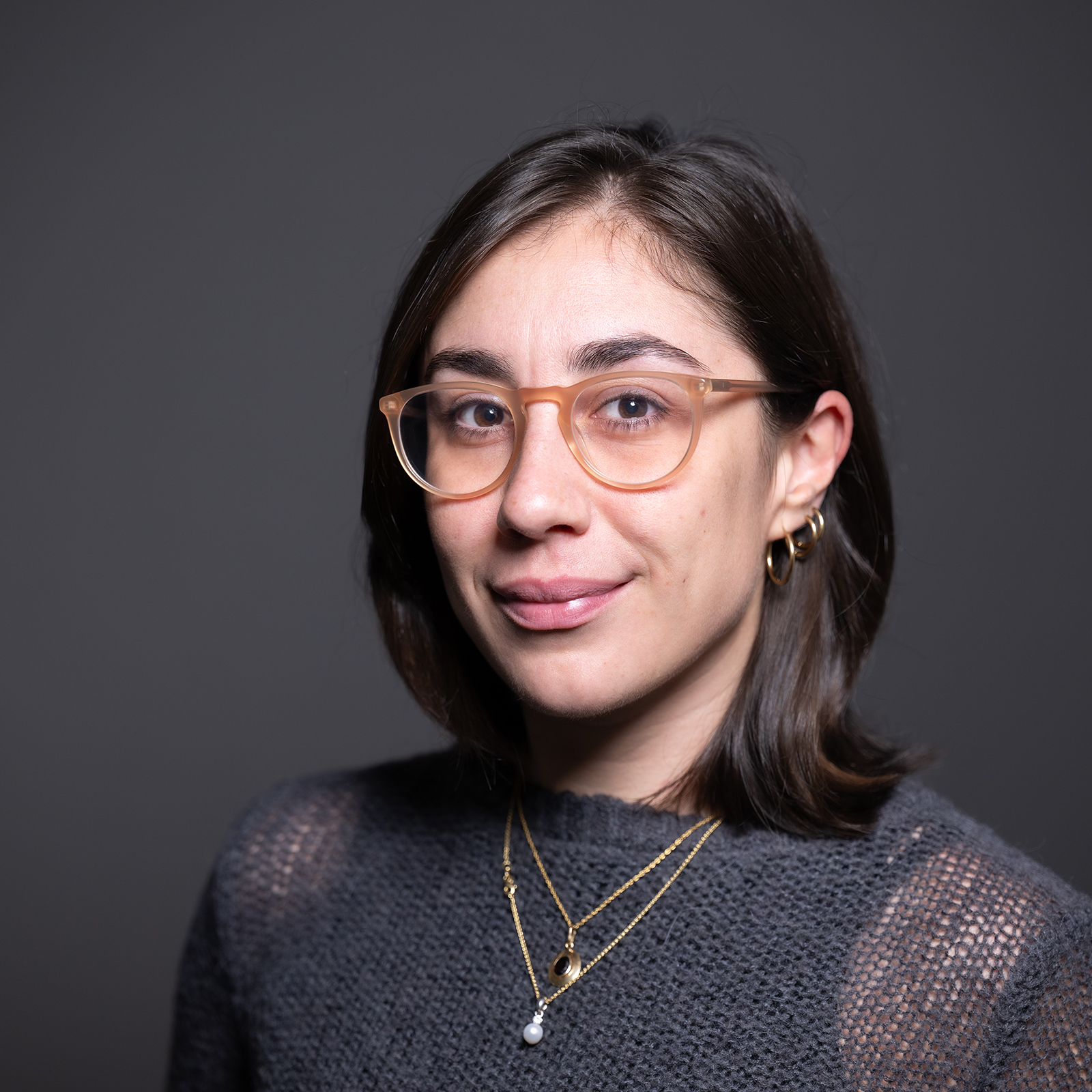
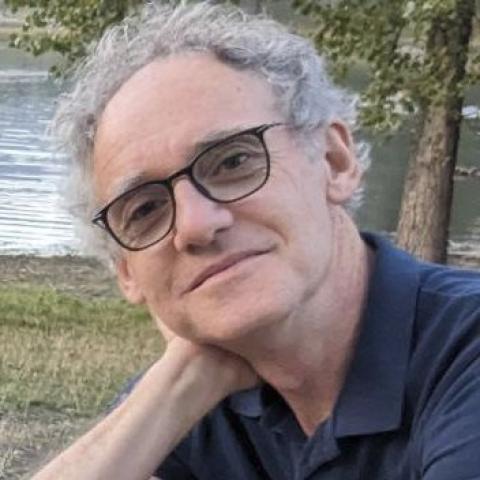
Dr. Ziquan Liu is a Lecturer (Teaching & Research) at Queen Mary University of London's School of Electronic Engineering and Computer Science, affiliated with the Centre for Multimodal AI. He holds a PhD from City University of Hong Kong (2023) and dual B.Sc./B.Eng. degrees from Beihang University (2017). His research focuses on trustworthy machine learning, adversarial robustness, and uncertainty quantification in foundation models. He has served as a reviewer for top conferences like NeurIPS, ICLR, and CVPR, earning an Outstanding Reviewer Award in 2021. His teaching includes modules on machine learning for visual data analysis and principles of machine learning. He supervises PhD students in AI safety and reliability, with notable work on conformal prediction, adversarial attacks, and multimodal learning. His research outputs span top venues such as ICML, CVPR, and NeurIPS, addressing challenges in algorithmic fairness, model certification, and cross-modal alignment.
Jilles Vreeken is a Professor of Computer Science at Saarland University and tenured faculty at the CISPA Helmholtz Center for Information Security, where he leads the Exploratory Data Analysis research group. He is also an ELLIS Fellow and Faculty of the Saarbrücken Unit on AI and ML. His work bridges theoretical foundations with practical applications in causal inference, unsupervised learning, and exploratory data analysis. Dr. Vreeken's research focuses on developing theory and algorithms for answering fundamentally exploratory questions about data: "what is going on in my data?", "what causes what and how?", and "what can we learn from this model?" without making unnecessary or unjustified assumptions. He takes a principled approach based on information theory to identify what is worth knowing, then develops efficient algorithms for extracting useful interpretable results. His work spans causal inference under realistic conditions (including hidden confounding, selection bias, and non-i.i.d. data), summarizing complex data and models in understandable terms, and combining these threads to create more robust and useful models across diverse data types. His recent publications demonstrate a strong trend toward causal discovery in increasingly realistic settings, including non-stationary time series, event sequences, and scenarios with hidden confounders. He has made significant contributions to federated learning, interpretable machine learning, and pattern mining. His work consistently applies information-theoretic principles to develop methods that are both theoretically sound and practically useful for extracting insights from complex data. Dr. Vreeken has received numerous prestigious awards including: IEEE ICDM'18 Tao Li Award for Excellence in Research IEEE ICDM'18 Best Paper Award UdS-CS'15 Busy Beaver Teaching Award ACM SIGKDD'11 Best Student Paper Award ACM SIGKDD'10 Doctoral Dissertation Runner-Up Award ECML PKDD'09 Best Student Paper Award As an advisor, Dr. Vreeken has mentored numerous doctoral researchers to completion, including Dr. Osman Ali Mian, Dr. David Kaltenpoth, Dr. Boris Wiegand, Dr. Sebastian Dalleiger, Dr. Janis Kalofolias, Dr. Jonas Fischer, Dr. Alexander Marx, Dr. Panagiotis Mandros, Dr. Kailash Budhathoki, Dr. Roel Bertens, Dr. Koen Smets, and Dr. Michael Mampaey. He has secured significant research funding as PI for multiple projects including "AI for Prediction and Therapy Guidance in Acute Stroke" (HAICU, 2025-2028), "Neuro-Explicit Models of Language, Vision and Action" (RTG, DFG, 2023-2028), and "Crushing Antimicrobial Resistance using Explainable AI" (HAICU, 2021-2024). Dr. Vreeken leads the Exploratory Data Analysis (EDA) research group at CISPA, which focuses on developing theory and algorithms for discovering novel insights from data, learning inherently interpretable models, and drawing reliable causal conclusions. The group has produced numerous influential algorithms and frameworks in causal inference, pattern mining, and exploratory data analysis, with applications spanning healthcare, materials science, and cybersecurity.
Dr Zhe Wang is a Senior Lecturer at the School of Information and Communication Technology, Griffith University, focusing on artificial intelligence, knowledge graphs, and semantic technologies. He earned his PhD in Computer Science from Griffith University (2011) and previously worked as a Research Fellow at the University of Oxford (2011-2013) on ontology-based systems. Research: Specializes in knowledge graph construction, rule mining for explainable AI, and integrating machine learning with logical reasoning. Led development of the scalable RLvLR rule-mining system and contributed to the HermiT ontology reasoner. Teaching: Instructs undergraduate and postgraduate courses including Introduction to Artificial Intelligence, Secure Development Operations, and Software Engineering Fundamentals. Grants: Funded by Australia's Economic Accelerator Ignite Grant (2025) for AI-driven marine life survey systems and Office of National Intelligence projects (2021-2022). Publications: Active in top venues like AAAI, ICASSP, and ISWC, with recent work on temporal knowledge graph reasoning, auction design algorithms, and neurosymbolic AI systems.
Barış Ethem Süzek is an Associate Professor in the Department of Computer Engineering at the Faculty of Engineering, Muğla Sitki Koçman University. His academic career spans institutions including Middle East Technical University (BS), Johns Hopkins University (MS), and George Mason University (PhD) in Computational Biology. He specializes in bioinformatics and computational biology, focusing on protein informatics, genetic analysis, and machine learning applications in medical research. Education BS: Middle East Technical University - Computer Engineering (1997) MS: Johns Hopkins University - Computer Science (2000) PhD: George Mason University - Computational Biology (2012) His research integrates bioinformatics with molecular dynamics, particularly in host-pathogen interactions, regenerative medicine, and genomic data analysis. He has developed machine learning tools for viral interaction prediction and variant analysis systems. His work with UniProt and cancer Biomedical Informatics Grid projects demonstrates expertise in large-scale biological data integration. Scientific awards include Collaboration, Outstanding Achievement, and Change Agent Awards from the cancer Biomedical Informatics Grid, plus multiple patent recognitions for biomedical systems. He has supervised numerous graduate students in bioinformatics, computational genetics, and forensic biology projects.
Prof. Tomaso Fontanini is a researcher at the Department of Engineering and Architecture, University of Parma. His academic contributions span multiple disciplines, including computer science, artificial intelligence, and computer vision. 2025/2026: Deep Learning and Generative Models (Master's in Computer Engineering) 2024/2025: Processing Systems (Bachelor's in Prevention Techniques) 2023/2024: Processing Systems (Bachelor's in Prevention Techniques) 2022/2023: Processing Systems (Bachelor's in Prevention Techniques) Research Focus: His work primarily explores generative models, image synthesis, and style transfer with a strong emphasis on semantic control and attention mechanisms. Recent research has advanced state space models for efficient style transfer (Mamba-ST), semantic image synthesis via class-adaptive cross-attention, and diffusion model acceleration through U-shape architectures. Scientific Contributions: Publications include breakthroughs in controllable face synthesis, mask-based generative modeling, and video anomaly detection. His work bridges theoretical advancements in neural architectures with practical applications in remote sensing and educational technology. 2025: FLAV (audio-video generation), Swin2-MoSE (remote sensing) 2024: MARS (text-based person search), MCGM (mask conditioning) 2023: FrankenMask (face part editing), Student attendance systems
Jeffrey S. Russell is a Vice Provost for Lifelong Learning, Dean of the Division of Continuing Studies, and Professor of Civil and Environmental Engineering at the University of Wisconsin–Madison. He leads initiatives for lifelong learners, nontraditional students, and online degree programs, including precollege, summer, and international student partnerships. His academic career spans teaching, research, and leadership in construction engineering and project management. Education: Ph.D. and MS in Civil Engineering from Purdue University, BS from the University of Cincinnati. Dr. Russell’s research focuses on construction management , innovative project delivery systems , and construction automation and robotics . His work addresses challenges in project scheduling, resource allocation, and diversity in engineering education. Google Scholar highlights his contributions to out-of-sequence construction analysis, project readiness models, and PM competency frameworks. His publications emphasize agile methodologies , risk mitigation , and data-driven decision-making in construction. These works span themes like project lifecycle optimization , team collaboration , and educational reform . Scientific Awards: ASCE OPAL Lifetime Achievement Award, NSF Presidential Young Investigator, ASEE Glen L. Martin Best Paper Award, and multiple ASCE and NSPE honors. Dr. Russell mentors students and professionals, advocating for lifelong learning and diversity in engineering . He co-founded UW–Madison’s Construction Engineering and Management Program and has received recognition for teaching and leadership, including ASCE’s Distinguished Member and Huber Prize.
Hironori Washizaki is a Professor at Waseda University's School of Fundamental Science and Engineering, Department of Information and Computer Science, and serves as Director of the Global Software Engineering Laboratory. He also holds a visiting professorship at the National Institute of Informatics and serves as outside director at SYSTEM INFORMATION CO.,LTD. and eXmotion Co., Ltd. With a Doctorate in Information and Computer Science from Waseda University (2003), he has established himself as a leading researcher with 384 publications and an h-index of 36 according to Google Scholar. His research spans multiple domains including software engineering methodologies, security patterns, programming education, and the application of machine learning to software development. His work has significantly contributed to the fields of software patterns, quality assurance, and educational tools for programming. With over 20 years of academic experience, his career progressed from Research Associate (2002-2004) to Assistant Professor (2004-2008), Associate Professor (2008-2016), and Professor (2016-present). Washizaki's recent publications demonstrate a strong focus on applying AI and machine learning techniques to software engineering challenges, including prompt engineering patterns, program repair methods, and vulnerability assessment. His work bridges theoretical research with practical applications in both educational and industrial contexts, particularly in B2B software development and programming education for diverse age groups. KDDI Foundation Award (2022) Spirit of the Computer Society Award (2022) Distinguished Contributor, IEEE Computer Society (2022) IEEE Computer Society Golden Core Member (2022) Fellow, International Academy, Research, and Industry Association (2022) Computer Research Contribution Award, APSCIT (2016) Washizaki has served as chair of the IEEE CS Japan Chapter and SEMAT Japan Chapter, director of ACM-ICPC 2014 Asia Regional Tokyo Contest, and Convenor of ISO/IEC/JTC1/SC7/WG20. His editorial work includes positions at IEICE Transactions on Information and Systems and International Journal of Software Engineering and Knowledge Engineering. His leadership extends to programming education initiatives like SamurAI Coding, demonstrating his commitment to developing the next generation of software engineers.
Leo Wanner is a prominent Professor at Universitat Pompeu Fabra's Department of Information and Communication Technologies, specializing in Natural Language Processing. With a research career spanning over three decades, he has made significant contributions to computational linguistics, particularly in natural language generation, collocations, and hate speech detection. He has served as editor for multiple editions of the International Conference on Computational Linguistics (COLING) including the 2025 edition. Wanner's research interests encompass a wide range of topics in computational linguistics, with recent work focusing on hate speech detection, multilingual processing, and the capabilities of large language models. His work bridges theoretical linguistics with practical applications, addressing challenges in lexical semantics, syntax, and discourse analysis. Notably, he has pioneered research in collocation processing and has contributed to the development of frameworks for analyzing thematic progression in texts. His publication record demonstrates consistent productivity with significant contributions across multiple subfields. Recent work shows a strong focus on contemporary challenges in NLP, particularly hate speech detection and the capabilities of large language models. His research often takes a multilingual perspective, addressing challenges across different language families including Romance and Slavic languages. Wanner has led significant research projects including the development of FORGe, a multilingual deep sentence generator based on the Meaning-Text Theory, which achieved top performance in the WebNLG challenge. His work on multilingual surface realization has established important benchmarks in the field through shared tasks that have engaged researchers worldwide. As an academic leader, Wanner has mentored numerous researchers and contributed to building research infrastructure through corpus development and annotation schema design. His work on collocation resources, thematic progression analysis, and hate speech detection frameworks has provided valuable resources for the broader NLP community.
Professor Sebastian Stein is a faculty member in the Electronics and Computer Science department at the University of Southampton, specializing in artificial intelligence and multi-agent systems. He holds a PhD from the University of Southampton (2008) and an MEng in Computer Science from the University of Warwick. His research focuses on citizen-centric AI, mechanism design, and applications in smart energy, transportation, and disaster response. He leads or collaborates on projects such as the EPSRC-funded 'Citizen-Centric Artificial Intelligence Systems' and 'Future Electric Vehicle Energy networks supporting Renewables (FEVER)'. Education: PhD in Multi-Agent Systems (University of Southampton, 2008), MEng Computer Science (University of Warwick) Research Groups: Agents, Interaction and Complexity research group His work emphasizes incentive engineering in dynamic systems, sequential decision-making under uncertainty, and societal challenges like smart mobility and electric vehicle infrastructure. Key awards include the Blue Sky Ideas Award (AAMAS-2021) and Best Demonstration Award (AAMAS 2025). He currently supervises multiple PhD students in computer science and engineering.
Hosna Jabbari serves as Associate Professor in Biomedical Engineering and cross-appointed in Electrical and Computer Engineering at the University of Alberta's Faculty of Engineering, directing the Computational Biology Research and Analytics Laboratory (COBRA Lab) focused on RNA-centric diagnostics and therapeutics development. Education: BSc in Computer Science, University of Victoria MSc in Computer Science - Bioinformatics, University of British Columbia PhD in Computer Science - Bioinformatics, University of British Columbia Research Focus: Dr. Jabbari pioneers RNA structure-function characterization through computational biology to decode disease mechanisms. Her work integrates transcriptomics , RNA-RNA/protein interaction analysis , and aging research with advanced machine learning and quantum computing approaches, emphasizing explainable AI for medical applications in RNA therapy development. Publication Trends: Recent work (2018-2024) demonstrates sustained innovation in RNA pseudoknot prediction algorithms applied to viral pathogenesis (notably SARS-CoV-2) and therapeutic design, with increasing integration of quantum computing and AI methodologies reflecting her interdisciplinary trajectory in computational genomics. Advising & Grants: Actively recruiting undergraduate researchers for funded projects including non-DNA life research, AI-driven vaccine development (comparative analysis and self-amplifying RNA platforms), and aging studies. She instructs BME 415/615 (Bioinformatics Algorithms) and MED 621 (Grant Writing), providing hands-on research training and grant preparation mentorship. Laboratory: As COBRA Lab Director, she leads a globally connected research network advancing RNA bioinformatics through algorithm development, fostering collaborations across virology, aging research, and therapeutic design domains.
Giulia Guidi is an Assistant Professor of Computer Science at Cornell University, affiliated with the Cornell Ann S. Bowers College of Computing and Information Science. She leads the Cornell High-Performance Computing (HPC) Group and is an Affiliate Faculty at Lawrence Berkeley National Laboratory’s Performance and Algorithms Research Group. Her research focuses on high-performance computing for computational sciences, sparse linear algebra, and scalable software infrastructure for parallel systems. She holds a PhD in Computer Science from UC Berkeley (2022) and has been recognized with awards including the 2024 SIAG/Supercomputing Early Career Prize and the 2023 ISSNAF Young Investigator Award. Her work addresses challenges in genomics, population genetics, and scalable computational methods through collaborations like the NSF-funded 'ACED' project with April Wei’s Lab. Guidi mentors a diverse group of PhD, MEng, and undergraduate students, emphasizing parallel programming and HPC applications. Her lab’s research spans GPU-accelerated algorithms, sparse matrix computations, and bioinformatics tools like the Popcorn and BELLA aligners. She is also a Graduate Field Faculty in Computational Biology and Applied Mathematics at Cornell.
Benoît Lemaire is a permanent Lecturer at the University of Grenoble Alpes, affiliated with the Laboratoire de Psychologie et NeuroCognition (LPNC) and the CoMMet team (Consciousness, Memory and MetaCognition). His academic career spans computational cognitive modeling, with a focus on working memory, eye movement research, and educational technology applications. PhD in Computer Science/AI, Université Paris-Sud (1989-1992) Postdoctoral Research: University of Pittsburgh (1993), Swedish Institute of Computer Science (1994) Academic Roles: Maître de conférences (1996-), transitioning through Laboratoire des Sciences de l'Éducation (1994-1996), Laboratoire Leibniz (2004-2006), TIMC (2006-2010), and LPNC (2010-). Lemaire’s research integrates computational modeling with empirical studies across multiple domains: Working Memory : Time-based decay, interference effects, semantic compression, and attentional refreshing mechanisms. Eye Movements : Information search in texts, reading strategies, and visual-semantic integration. Educational Applications : Text assessment, metaphor comprehension, and adaptive learning systems. Inductive Learning : MDL-based models for concept learning and lexical knowledge acquisition. His recent publications (2021–2025) emphasize computational models of mental arithmetic, semantic knowledge impacts on memory, and similarity-based compression techniques. All work aligns with cognitive science and AI methodologies. Current affiliations include: Laboratoire de Psychologie et NeuroCognition (LPNC) – 2010- CoMMet team (Consciousness, Memory and MetaCognition) University of Grenoble Alpes – Permanent Lecturer
Trang Vu is a Lecturer in the Department of Data Science & AI at Monash University's Faculty of Information Technology. Her research focuses on trustworthy NLP methods, cultural-aware machine translation, and efficient ML techniques like active and transfer learning. She holds a PhD in AI and Machine Learning from Monash University, awarded in 2022. Education: Doctoral of Philosophy (AI and Machine Learning) - Monash University (2022) Research Interests: Safe and trustworthy NLP methods for LLM alignment and hallucination mitigation Cultural-aware machine translation systems Efficient NLP techniques including active learning and semi-supervised methods Recent Projects: TMLGenAI (2023-2026): Developing safe and aligned foundation models Knowledge-Intensive Multimodal ASR research (2024) Collaborations: International collaborations in generative AI and multilingual NLP Team leader roles in multiple large-scale AI projects
Christian Blouin is a Professor and Associate Dean, Academic in the Faculty of Computer Science at Dalhousie University. His interdisciplinary research bridges computer science and molecular biology, with a strong focus on bioinformatics and computational biophysics. Education: Ph.D. in Computer Science, Dalhousie University (2001) B.Sc. in Computer Science, Université Laval (1997) His research interests lie at the intersection of algorithms, phylogenetics, protein evolution, and molecular modeling. He develops computational methods to analyze protein structure evolution, multiple sequence alignments, and phylogenetic tree reconstruction. His work integrates high-performance computing and statistical mechanics to model biophysical properties of proteins, particularly in conformational dynamics and electrostatic interactions. The most recent publications reveal a consistent trend in developing algorithmic solutions for biological problems—especially in text mining for biological events, phylogenetic distance computation, and 3D mapping of evolutionary data. His work emphasizes automation, accuracy, and scalability in bioinformatics pipelines. Scientific Awards and Honors: TULA Fellow Dr. Blouin has secured significant research funding from NSERC, the TULA Foundation, and the CFI. His research group has contributed to tools like GenGIS for geospatial genomics and libcov for bioinformatics programming. He has advised students such as Haibin Liu and Vlado Keselj, who have co-authored key publications in text mining and phylogenetics. His lab integrates algorithm development with biological validation, aiming to bridge computational innovation with real-world biological insights.
Lin Lin is an Associate Professor of Biostatistics & Bioinformatics at Duke University's Division of Integrative Genomics and an Associate Research Professor of Statistical Science in Trinity College of Arts & Sciences. With appointments dating from 2022 to present, Dr. Lin has established herself as a prominent researcher at the intersection of statistics, bioinformatics, and biomedical applications. Her work spans multiple departments and research centers at Duke, reflecting her interdisciplinary approach to solving complex biological problems. Ph.D. from Duke University (2012) Dr. Lin's research focuses on developing advanced statistical and machine learning methods for analyzing complex biological data, particularly in immunology and transplantation research. Her expertise in single-cell data analysis, cytometry data interpretation, and biomarker discovery has led to significant contributions in vaccine studies, HIV/AIDS research, and organ transplantation. She has pioneered methods for handling small cohort studies, longitudinal data, and multi-modal datasets, addressing critical challenges in modern biomedical research where traditional statistical approaches fall short. Analysis of Dr. Lin's publication record reveals a strong emphasis on developing interpretable computational methods that bridge the gap between complex data and biological insights. Her recent work shows increasing sophistication in handling high-dimensional single-cell data, with a particular focus on creating models that maintain interpretability while achieving high predictive accuracy. The trajectory of her research demonstrates a consistent pattern of addressing methodological challenges in biomedical data analysis, with applications spanning immunology, transplantation medicine, and infectious disease research. Dr. Lin has secured substantial research funding from multiple prestigious sources including the National Institutes of Health, National Institute of Allergy and Infectious Diseases, National Heart, Lung, and Blood Institute, and National Institute of Environmental Health Sciences. Her grants portfolio demonstrates expertise across diverse biomedical domains, from HIV/AIDS research to transplantation immunology and environmental health effects. These projects typically involve developing novel statistical methodologies while addressing pressing clinical questions, showcasing her ability to bridge theoretical statistics with practical biomedical applications. As an educator, Dr. Lin teaches advanced courses in Bayesian statistical modeling and analysis, contributing to the training of the next generation of biostatisticians and data scientists. Her research group likely focuses on developing computational tools that address real-world challenges in biomedical data analysis, with particular emphasis on making complex models interpretable and applicable to clinical settings.