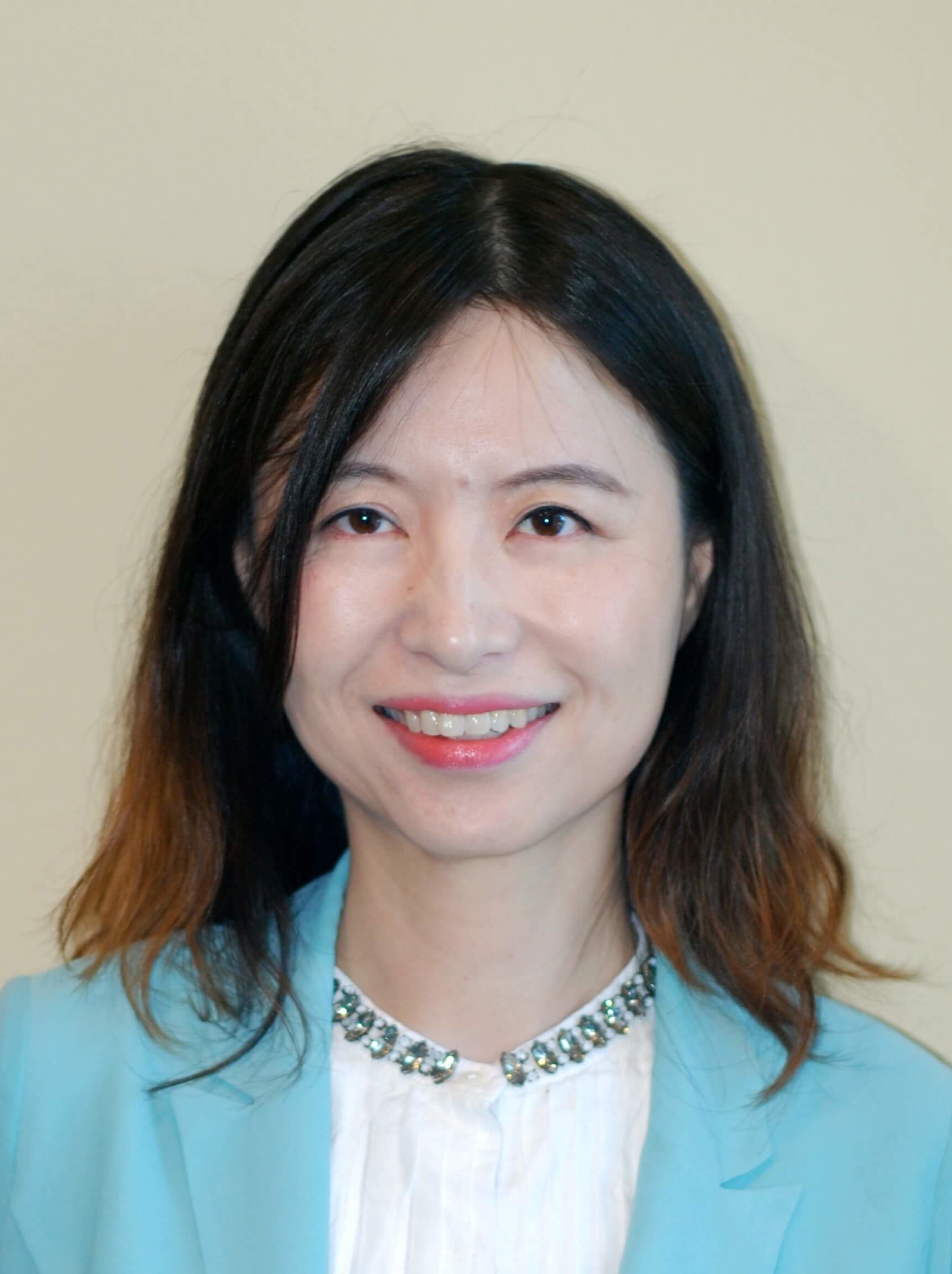
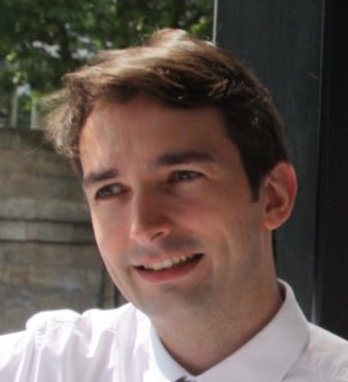
Huiyan Sang is a Professor and Director of the Undergraduate Program in the Department of Statistics at Texas A&M University (College of Arts & Sciences). She earned her Ph.D. in Statistics from Duke University and a B.Sc. in Mathematics and Applied Mathematics from Peking University. Her research focuses on spatial statistics, Bayesian nonparametric methods, machine learning, computational statistics, and applications in environmental sciences, geosciences, urban planning, and biomedical research. Her interdisciplinary work integrates statistical methodologies with real-world challenges, such as analyzing extreme environmental events, optimizing urban infrastructure, and modeling complex systems like human mobility during pandemics. She has contributed to advancing spatio-temporal modeling, Gaussian processes, and Bayesian hierarchical frameworks for large datasets. Recent publications highlight innovations in nonparametric regression, spatial functional data analysis, and stochastic frontier analysis, often leveraging computational efficiency and scalability. Her work addresses critical societal issues, including the impact of community design on public health and environmental monitoring through remote-sensing data. No scientific awards are explicitly listed in the provided texts. She advises no students or grants in the current dataset but collaborates widely on interdisciplinary projects. Her research lab focuses on developing cutting-edge statistical tools with applications in engineering, public health, and environmental science.
Vladimir Spokoiny is a Professor at the Departments of Mathematics and Economics of the Humboldt University of Berlin and Head of the Research Group "Stochastic Algorithms and Nonparametric Statistics" at the Weierstrass Institute for Applied Analysis and Stochastics (WIAS) in Berlin, Germany. His research spans multiple areas of statistics, machine learning, and financial mathematics, with significant contributions to nonparametric statistics, high-dimensional data analysis, and statistical methods in finance. Spokoiny received his M.Sc. in applied mathematics from the Moscow Institute of Railway Engineering in 1981 and his Ph.D. in mathematics from Lomonosov Moscow State University in 1988. He completed his Habilitation at Humboldt University in 1996. His academic career includes positions at the All-Union Institute of Railway Transport in Moscow, the Institute for Information Transmission Problems in Moscow, and the Institute for Applied Analysis and Statistics in Berlin before joining the Weierstrass Institute and Humboldt University where he has been a professor since 2002. Spokoiny's research focuses on adaptive nonparametric smoothing and hypothesis testing, high dimensional data analysis, statistical methods in finance, image analysis with applications to medicine, classification, and nonlinear time series. His work often addresses the challenges of nonstationarity in time series data and develops innovative methods for volatility estimation and risk management. He has made significant contributions to the development of adaptive weights smoothing procedures, which have applications in image processing, community detection, and manifold learning. His recent work has expanded into high-dimensional statistics, Bayesian inference, and optimization methods for machine learning, with publications demonstrating novel approaches to Gaussian approximation, Laplace methods, and statistical inference in non-Euclidean spaces. Spokoiny has supervised numerous PhD students including Oliver Reiss, Danilo Mercurio, Ying Chen, Elmar Diederichs, and Mstislav Elagin, whose research has focused on mathematical finance, time series analysis, and statistical methods. He serves as an Associate Editor for The Annals of Statistics (since 2004) and Statistics and Decisions (since 2002), and has previously served on the editorial board of the Journal of Statistical Planning and Inference. His professional activities include reviewing for major statistical journals including Annals of Statistics, Bernoulli, Econometrica, and Journal of American Statistical Association, as well as reviewing grant proposals for the National Science Foundation (USA), German Research Foundation, and Netherlands Organisation for Scientific Research. Spokoiny is a member of several professional societies including the International Statistical Institute, American Statistical Association, Institute of Mathematical Statistics, and Bernoulli Society. He is fluent in Russian (mother tongue), English, and German, and has good knowledge of French. His research group at WIAS focuses on developing novel statistical methodologies with applications across various scientific domains, particularly emphasizing adaptivity and robustness in complex data environments. The group's work has significant implications for financial risk management, medical imaging, and machine learning applications, with recent publications addressing fundamental questions in high-dimensional statistics and nonparametric inference.
Zhou Zhi-Hua is a Professor at Nanjing University's Department of Computer Science & Technology, serving as Standing Deputy Director of the National Key Lab for Novel Software Technology and Founding Director of LAMDA (Institute of Machine Learning and Data Mining). He holds simultaneous fellowships from ACM, AAAI, AAAS, IEEE, IAPR, IET/IEE, and CCF, reflecting his exceptional contributions to computational intelligence. His educational background includes: B.Sc. in Computer Science from Nanjing University (1996) M.Sc. in Computer Science from Nanjing University (1998) Ph.D. in Computer Science from Nanjing University (2000) Zhou's research pioneers fundamental advances in machine learning theory and applications. His seminal work on ensemble methods established new frameworks for classifier combination, while innovations in multi-label learning and anomaly detection addressed critical challenges in complex data analysis. His research bridges theoretical rigor with practical implementations across diverse domains including biometrics, data mining, and computer vision, resulting in over 150 publications and 18 patents. His textbooks "Ensemble Methods" (2012) and "Machine Learning" (2016) have become standard references in the field. Analysis of his publication trajectory reveals sustained leadership in core machine learning challenges: evolving from neural network ensembles (2002) through semi-supervised learning breakthroughs (2005) to foundational work on multi-instance learning (2012) and theoretical margin analysis (2013). His recent focus demonstrates increasing sophistication in handling complex data structures while maintaining theoretical soundness. His scientific excellence is recognized through: National Natural Science Award of China (2013) PAKDD Distinguished Contribution Award (2016) IEEE ICDM Outstanding Service Award (2016) IEEE CIS Outstanding Early Career Award (2013) Microsoft Professorship Award (2006) Simultaneous fellowships from 7 major international societies Zhou provides extraordinary service to the academic community as Executive Editor-in-Chief of Frontiers of Computer Science and Associate Editor-in-Chief of Science China Information Science. He founded the ACML conference and has chaired premier events including ICDM'16 and PAKDD'14. His leadership extends to serving as General Chair for ICDM'16, Program Chair for IJCAI'15 Machine Learning Track, and Area Chair for multiple top conferences. The available text does not specify student advising details or research grants. He directs LAMDA research group at Nanjing University, which has established itself as a global powerhouse in machine learning research, and contributes significantly to the National Key Lab for Novel Software Technology's mission of developing next-generation intelligent systems.
Carlos Cinelli is an Assistant Professor in the Department of Statistics at the University of Washington, where he conducts research at the intersection of causal inference, statistical methodology, machine learning, and artificial intelligence. He is also a data science fellow at the eScience Institute and affiliate faculty of the Center for Statistics and the Social Sciences, demonstrating his interdisciplinary approach to causal methodology. Dr. Cinelli received his Ph.D. in Statistics from the University of California, Los Angeles, advised by Chad Hazlett and Judea Pearl, two prominent figures in causal inference. His research focuses on developing new causal and statistical methods for transparent and robust causal claims in empirical sciences, with particular attention to challenges faced by social and health scientists. His work spans theoretical developments in causal identification, sensitivity analysis frameworks, and practical software implementations that enable researchers to assess the robustness of their causal conclusions. Cinelli's research program addresses fundamental questions about how unobserved confounding affects causal estimates and develops tools to quantify how sensitive findings are to potential violations of causal assumptions. His work on omitted variable bias frameworks has been particularly influential across multiple disciplines. Through his publications, Cinelli has established himself as a leading researcher in causal inference methodology, with papers appearing in top journals across statistics, machine learning, epidemiology, and social sciences. His work demonstrates both theoretical rigor and practical relevance, often accompanied by open-source software implementations that make his methods accessible to applied researchers. Best paper award at SBE 2024 in Econometrics Royalty Research Fund (RRF) Award recipient NSF/MMS research support As an advisor, Cinelli has successfully guided PhD students like Nick Irons to dissertation completion. He actively seeks new students with strong interests in causal inference. His research is supported by multiple funding sources including the National Science Foundation and the University of Washington's Royalty Research Fund. Cinelli contributes to the academic community through editorial work for the Journal of Causal Inference and by developing widely used software packages like sensemakr for sensitivity analysis.
Surya Ganguli is an Associate Professor in the Department of Applied Physics at Stanford University, with courtesy appointments in Neurobiology and Electrical Engineering. He serves as Senior Fellow at the Stanford Institute for Human-Centered AI and is affiliated with the Stanford Neuroscience Institute , Bio-X , and Wu Tsai Neurosciences Institute . His research spans theoretical neuroscience, machine learning, and statistical mechanics. Ph.D. , UC Berkeley, Theoretical Physics (2004) M.A. , UC Berkeley, Physics (2000) M.A. , UC Berkeley, Mathematics (2004) M.Eng. , MIT, Electrical Engineering and Computer Science (1998) B.S. , MIT, Physics (1998) B.S. , MIT, Mathematics (1998) B.S. , MIT, Electrical Engineering and Computer Science (1998) His lab explores how higher-level cognitive phenomena emerge from neural network dynamics, focusing on perception, memory, attention, and decision-making . Research themes include statistical mechanics of learning , neural representational geometry , and biologically plausible learning rules . Current work examines nonlinear interactions in neural networks through the Schmidt Science Polymath Award (2023). Key article trends reveal expertise in neural coding limits (2022 Nature), synaptic plasticity models (2022 Neural Computation), and deep learning theory (2022 NeurIPS publications). His 2019 Annual Review chapter on statistical mechanics of deep learning established foundational insights into network criticality. Scientific Awards : NSF Career Award (2019) Simons Foundation Investigator (2016) McKnight Scholar Award (2015) James S. McDonnell Foundation Scholar (2014) Sloan Research Fellow (2013) As advisor, he mentors 10+ doctoral students across Applied Physics, Neurosciences, and Computer Science, including Vamshi Balanaga and Mason Kamb. His lab collaborates with experimental teams at Stanford and beyond, supported by grants from NSF , Simons Foundation , and Swartz Foundation . The Neural Dynamics & Computation Lab unites physicists, mathematicians, and neuroscientists to decode cognition through interdisciplinary methods.
Masoud Asgharian is a Professor in the Department of Mathematics and Statistics at McGill University. His research focuses on survival analysis, changepoint problems, nonparametric Bayesian methods, and data envelopment analysis. He has contributed to influential studies on dementia survival rates, censored data methodologies, and statistical efficiency measures. His work bridges biostatistics and operations research, with applications in public health and medical sciences. Key contributions include methodologies for prevalent cohort survival analysis, input relaxation efficiency measures in stochastic DEA, and causal inference techniques. Asgharian has collaborated extensively with researchers in epidemiology and biomedical engineering, as evidenced by his co-authored publications on topics ranging from tooth enamel properties to low-precision neural network quantization. His research has been published in high-impact journals such as New England Journal of Medicine , Journal of the American Statistical Association , and Biometrics . Current affiliations include leadership roles in statistical research at McGill, with ongoing projects in computational statistics and healthcare analytics.
Benjamin C. Lee is a Professor at the University of Pennsylvania, affiliated with both the Department of Electrical and Systems Engineering and the Department of Computer and Information Science. He also serves as Associate Department Chair and Co-Director of the NSF Expedition in Computing: Carbon Connect. His research spans computer architecture, energy efficiency, and environmental sustainability, with interdisciplinary links to machine learning and algorithmic economics. Education: Ph.D. and S.M. from Harvard University, B.S. from UC Berkeley, postdoctoral work at Stanford University. His research integrates computer architecture with datacenter-scale systems, focusing on energy-efficient designs, statistical learning for performance analysis, and sustainable computing. Past projects include the Hound framework for straggler diagnosis in datacenters and the CORE library for regression modeling in microarchitecture. The 15 most recent articles reflect expertise in datacenter architecture, mobile computing, and regression modeling for hardware. Awards include IEEE Fellow (2024), ACM Distinguished Scientist (2019), and multiple best paper/prize recognitions from SIGMETRICS, ASPLOS, and HPCA. Doctoral and Masters alumni have pursued roles at institutions like Meta, Microsoft, and University of Waterloo. Current affiliations include the Distributed Systems Laboratory (DSL) and PRECISE center, with industry collaborations at Google, Meta, and Intel.
Claudio Canizares is a University Professor and Hydro One Endowed Chair in the Department of Electrical and Computer Engineering at the University of Waterloo. He also serves as Executive Director of the Waterloo Institute for Sustainable Energy (WISE). With a career spanning over 30 years, his research focuses on power systems stability, smart grids, microgrids, and renewable energy integration. He has secured nearly $118 million in grants and supervised 180+ researchers/students. Education: PhD (1991) and MSc (1988) in Electrical Engineering from University of Wisconsin-Madison; Electrical Engineering Diploma (1984) from Escuela Politécnica Nacional, Ecuador. Research Interests : Nonlinear systems theory, FACTS/HVDC applications, energy storage systems, microgrid stability/control, renewable integration in remote communities, and smart grid analytics. His work emphasizes bridging academic research with industrial applications through collaborations with utilities and tech firms. Key Achievements : IEEE Transactions on Smart Grid Editor-In-Chief; multiple IEEE Fellowships (IEEE, Royal Society of Canada, Canadian Academy of Engineering); 2017 IEEE PES Outstanding Educator Award; 2016 IEEE Canada Electric Power Medal. His publications (370+) include landmark papers on microgrid stability definitions and control frameworks, cited over 29,000 times. Teaching: Recently taught ECE 140 (Linear Circuits), ECE 467 (Power Systems Analysis), and graduate courses ECE 6601PD/ECE 6613PD on power systems modeling and analysis.
Ismael Castillo is a Professor of Statistics at Sorbonne Université , affiliated with the Laboratoire de Probabilités, Statistique et Modélisation (LPSM) and its Statistics, Data, Algorithms team. He serves as Associate Editor for Annals of Statistics , Bernoulli , and co-Editor for Bayesian Analysis . Research Interests : Mathematical statistics with emphasis on Bayesian nonparametrics , inference in high-dimensional structures , uncertainty quantification , and applications in signal processing and life sciences . Recent Work spans deep neural networks with heavy-tailed weights , posterior and variational inference , fractional posteriors in semiparametric models , and deep Gaussian processes . His publications demonstrate expertise in multiple testing procedures , Spike and Slab priors , and nonparametric Bayesian methods . Awards : IMS Fellow , Honorary Fellow of Institut Universitaire de France , and Best Paper Prize (2021) for research on Pólya tree posterior distributions. Students : Supervised PhD candidates Paul Egels , Thibault Randrianarisoa , and co-supervised Bo Ning (FSMP postdoc) and Kweku Abraham (Hadamard postdoc). Grants : ANR BACKUP (2023-2027, coordinator) and ANR GAP (2021-2025, member).
Dr. Zara Ersozlu is a Senior Lecturer in Mathematics Education within the School of Education at the University of Newcastle, Australia. With a distinguished international career spanning multiple continents, she has held academic positions at prestigious institutions including North Carolina State University (USA), Gazi and Gaziosmanpasa Universities (Turkey), National Taiwan Normal University (Taiwan), The University of Western Australia, Murdoch University, and Deakin University. Her academic journey includes tenured positions as an Associate Professor and leadership roles as Department Head and Chair in teacher education disciplines. Currently, she teaches undergraduate and postgraduate courses in mathematics education, including Effective Pedagogies in Primary Mathematics, K-6 Mathematics, K-6 Numeracy, and Digitally Supported Learning. Dr. Ersozlu earned her Doctor of Philosophy from Firat University in Turkey and her Master of Art from Sakarya University. Her extensive academic preparation is complemented by five years of practical teaching experience in public schools prior to entering academia. This blend of theoretical knowledge and practical classroom experience informs her approach to teacher education and educational research. At the broadest level, Dr. Ersozlu's research investigates solutions to real-life problems impacting people's well-being, success, and capacity to achieve. Her scholarly work spans primary and secondary mathematics education, the psychology of mathematics (including metacognition, self-regulation, and anxiety), cross-cultural educational studies, teacher education, virtual simulated learning environments, and educational assessment. She has increasingly focused on the transformative potential of AI and machine learning in education, exploring how these technologies alter teaching, learning, and research processes. Her methodological expertise encompasses both quantitative and qualitative approaches, allowing her to effectively analyze both small and large educational datasets. Analysis of Dr. Ersozlu's recent publications reveals a strong emphasis on mathematics anxiety, teacher education, and the integration of technology in learning environments. Her work demonstrates a consistent focus on practical applications of educational research to address real-world challenges in mathematics education. The interdisciplinary nature of her research connects educational psychology, technology integration, and cross-cultural perspectives, with particular attention to how these elements intersect in teacher preparation and student learning outcomes. 2023 ATEA Research Recognition Award from the Australian Teacher Education Association 2021 Fellow of the Higher Education Academy (Advance HE, UK) 2010 Fellowship Program for Postdoctoral Researchers from the Council of Higher Education of Turkey Dr. Ersozlu is deeply committed to mentoring the next generation of scholars, currently supervising four PhD students and having successfully guided ten students to completion. Her grant portfolio includes significant funding for projects such as Best Practice Guidelines for RPL in Initial Teacher Education Programs ($60,000), Exploring the Reciprocal Relationship Between Mathematics Anxiety and Mathematical Resilience ($2,599), and multiple conference travel awards. She serves as an Associate Editor for several prominent journals including the International Electronic Journal of Mathematics Education and as Editor for Interdisciplinary STEM Education. Her editorial work reflects her standing as a respected voice in mathematics education research. Dr. Ersozlu's academic leadership extends to her role in developing innovative teaching approaches that integrate virtual simulation technology and learning analytics. Her work with TeachLivE™, a mixed-reality classroom simulation platform, demonstrates her commitment to creating authentic learning experiences for teacher education students. Through these initiatives, she bridges the gap between educational theory and classroom practice, preparing future educators to effectively implement evidence-based teaching strategies in diverse learning environments.
Joshua B. Gross is an Associate Professor in the Department of Biological Sciences at the University of Cincinnati, where he has been conducting research since 2010. His work focuses on evolutionary biology, particularly using the Mexican cavefish ( Astyanax mexicanus ) as a model system to study adaptation to extreme environments. Dr. Gross received his academic training at prestigious institutions: Ph.D. in Organismic and Evolutionary Biology from Harvard University (2005) M.S. with Distinction in Biological Sciences from University of Denver (2001) B.A. in Psychology from Miami University (1995) Dr. Gross's research explores the genetic and developmental basis of evolutionary changes, with a focus on how organisms adapt to extreme environments. His primary model system is the Mexican cavefish ( Astyanax mexicanus ), which exists in both surface-dwelling (with eyes and pigmentation) and cave-dwelling (blind and depigmented) forms. His work integrates quantitative genetics, transcriptomics, and phenotypic analysis to understand the genetic changes underlying cave adaptation, including both regressive traits (like eye loss) and constructive traits (like enhanced taste systems). Analysis of Dr. Gross's recent publications reveals a strong focus on sensory adaptation and craniofacial evolution in cavefish. His work has increasingly incorporated genomic and transcriptomic approaches to understand how cavefish adapt to low-oxygen environments, changes in sensory systems (particularly taste and lateral line), and craniofacial modifications. There's a clear trajectory toward understanding the integration between different biological systems, such as how sensory neuromasts influence skeletal development. Dr. Gross has received several notable awards and recognitions: National Academies Education Fellow in the Life Sciences (2014-2015) Young Investigator Winner, Sigma Xi, University of Cincinnati Chapter (2016) Honorable Mention, Excellence in Doctoral Mentoring Award Nominated for 2018 Dean's Award for Innovative Instruction Young Anatomist's Publication Award from the American Association of Anatomists (2004) As a principal investigator, Dr. Gross has secured substantial funding from the National Science Foundation and National Institutes of Health, including multiple R01 grants from NIH and major awards from NSF. His current projects include "The developmental basis for sensory-skeletal integration: The osteo-inductive role of neuromasts" (NSF IOS-2205928, 2022-2026) and "The constructive evolution of gustation: Molecular, organismal and environmental attributes of taste tuning" (NSF DEB-2343857, 2024-2028). He has mentored numerous undergraduate and graduate students through research projects and has been recognized for his teaching excellence, particularly in Human Genetics. Dr. Gross leads a research laboratory focused on evolutionary and developmental biology at the University of Cincinnati. His team employs a multidisciplinary approach combining field work in Mexican caves, laboratory experiments, genomic analysis, and developmental studies. He has organized international scientific meetings, including the Astyanax International Meeting, fostering collaboration among researchers studying cave-adapted organisms worldwide.
Rina Foygel Barber is the Louis Block Professor in the Department of Statistics at the University of Chicago, where she also serves as Co-chair of the Committee on Community, Diversity, and Inclusion (CCDI) and is a member of the Committee on Computational and Applied Mathematics (CCAM). Her educational background includes: PhD in Statistics, University of Chicago (2012), advised by Mathias Drton and Nati Srebro MS in Mathematics, University of Chicago (2009) ScB in Mathematics, Brown University (2005) NSF postdoctoral fellow, Stanford University Department of Statistics (2012-13), supervised by Emmanuel Candès Professor Barber's research focuses on the theoretical foundations of statistical problems in estimation, prediction, and inference, particularly in high-dimensional settings where classical methods may not be reliable. She specializes in distribution-free inference methods such as conformal prediction, multiple testing methods, algorithmic stability, and shape-constrained inference. Her work also extends to modeling and optimization problems in medical imaging reconstruction. Her recent publications demonstrate a strong focus on distribution-free inference, with particular emphasis on conformal prediction, false discovery rate control, and algorithmic stability. Her work bridges theoretical statistics with practical applications, especially in the medical imaging domain. Professor Barber has received numerous prestigious awards: Elected to National Academy of Sciences (2025) MacArthur Fellowship (2023) IMS Fellow (2023) COPSS Presidents' Award (2020) Peter Gavin Hall Early Career Prize (2020) She actively mentors students and collaborators, with many co-authored publications across statistics, machine learning, and medical imaging. Her research has been supported by significant grants that enable her work on theoretical foundations of statistical inference and practical applications in medical imaging. Professor Barber also co-organizes the International Seminar on Selective Inference. Her research group focuses on developing and analyzing estimation, inference, and optimization tools for structured high-dimensional data problems. They work on false discovery rate control, distribution-free inference, and applications in medical imaging reconstruction.
Chris De Sa is an Associate Professor in the Department of Computer Science at Cornell University, affiliated with the Cornell Machine Learning Group and leading the Relax ML Lab. His research focuses on algorithmic, software, and hardware techniques for high-performance machine learning, particularly relaxed-consistency stochastic algorithms like asynchronous and low-precision stochastic gradient descent (SGD). He earned his Ph.D. from Stanford University under advisors Kunle Olukotun and Chris Ré. His work emphasizes constructing efficient, parallel, and distributed machine learning frameworks for deep learning and data analytics. Education: Ph.D. in Computer Science, Stanford University (2017) Research Interests: Algorithmic techniques for scalable ML, quantization, distributed optimization, hyperbolic geometry in ML, and reliable measurement of ML systems. His group develops frameworks for efficient inference/training and explores the intersection of ML with domains like agriculture and plant science through courses like PLSCI 7202. Recent Highlights: DARPA YFA Grant (2024), NSF CAREER Award, Google Research Scholar Award, and multiple best paper recognitions. Key contributions include QuIP quantization methods, Coneheads attention mechanisms, and theoretical advances in decentralized training. Awards: NSF CAREER Award DARPA YFA Grant (2024) Google Research Scholar Award Mr. & Mrs. Richard F. Tucker Teaching Award Grants & Advising: Advises 8 Ph.D. students (including Ruqi Zhang, Yucheng Lu, A. Feder Cooper) and holds leadership roles in MLSys conferences. Active in grant-funded research (e.g., NSF Robust Intelligence). Labs/Teams: Leads the Relax ML Lab and participates in Cornell’s Institute for Digital Agriculture (CIDA).
Hedvig Kjellström is a Professor at the Division of Robotics, Perception and Learning within the School of Electrical Engineering and Computer Science at KTH Royal Institute of Technology. She holds significant affiliations with the Swedish e-Science Research Centre and the Max Planck Institute for Intelligent Systems in Germany. Her work spans multiple interdisciplinary domains and she serves as Editor-in-Chief for CVIU and was Program Chair for CVPR 2025. Her research centers on Computer Vision as a sub-field of AI, with three interconnected themes: Computational Aesthetics (exploring aesthetic aspects of human communicative behavior), Communicative Behavior (developing models of how humans and animals perceive and produce non-verbal communication), and Embodied Artificial Intelligence (creating methodologies for robots and autonomous agents to perceive the world through sensors, primarily vision). Her work has significant applications in medical diagnostics, animal welfare, human-robot interaction, and creative arts. Analysis of her recent publications reveals a strong trend toward multimodal AI systems that integrate vision, language, and action understanding. Her research increasingly focuses on animal-centered applications, particularly equine pain detection and behavior analysis, while maintaining strong foundations in human communication modeling, gesture recognition, and 3D reconstruction techniques. The interdisciplinary nature of her work bridges computer science with veterinary medicine, neuroscience, and performing arts. Hedvig Kjellström actively supervises numerous PhD and Master's students across various projects and maintains extensive collaborations with institutions including Karolinska Institutet, Swedish University of Agricultural Sciences, and international partners. Her research is supported by major funding bodies including WASP, VR, and SeRC. She leads or participates in several notable projects including OrchestrAI (communication between conductor and orchestra), ANITA (Animal Translator), MARTHA (3D horse motion analysis), and STING (synthesis and analysis with transducers and invertible neural generators). Her work with ACAI (Animal Centered Artificial Intelligence), which she co-founded and directs, demonstrates her commitment to applying AI for animal welfare.
Dr. Saqib Khursheed is an Assistant Professor in the Department of Electrical Engineering and Electronics at the University of Liverpool, UK. He holds a PhD in Electronics and Electrical Engineering from the University of Southampton (2010), where he later worked as a Senior Research Fellow on EPSRC-funded projects. His research focuses on reliability, testability, and hardware security of low-power/high-performance systems and 3D integrated circuits. He has served in leadership roles at major conferences such as IEEE DFT (General Co-Chair 2018) and ETS (Program Co-Chair 2017). Dr. Khursheed is a Senior Member of IEEE and Fellow of the Higher Education Academy. His professional activities include roles as Guest Editor for IEEE Design & Test (2016) and IET Computers & Digital Techniques (2018). He currently chairs the Examinations Officer committee in his department and serves on multiple university-level committees (Senate Progress, Quality Assurance). He has organized workshops like the Friday Workshop on 3D Integration (2012-2015) and reviews for top-tier journals/conferences in his field. Dr. Khursheed’s funded projects include the eFutures Sandpit Award (2018) for secure microelectronics design. His teaching responsibilities include coordinating modules like Advanced Low Power Computer Architecture (ELEC470) and Digital Electronics & Microprocessor Systems (ELEC211). His research has led to innovations in hardware security (e.g., PCB Trojan detection via machine learning), age estimation of ICs, and fault tolerance in 3D ICs.