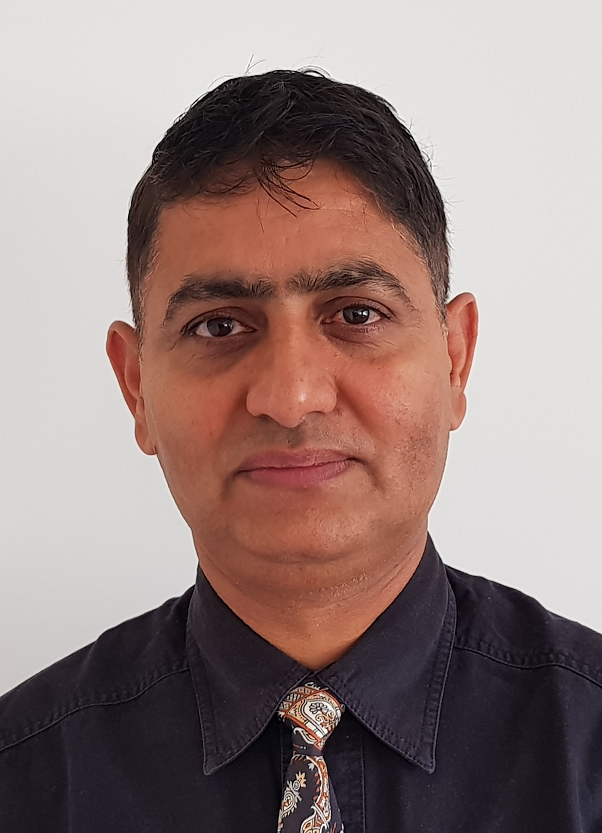
Associate Professor Mohammad Saadatfar is affiliated with the School of Civil Engineering at The University of Sydney. His research focuses on meso-scale materials, combining experiments with simulations to address challenges in environmental science, biomedical engineering, and advanced materials design. Key areas include the study of cellular solids, granular materials, and meta-materials. His work integrates physics, engineering, and biology, with applications to CO₂ geo-sequestration, bone implants, and mechanical meta-materials. He uses X-ray tomography, FE simulations, and topological analysis to explore material behavior. Recent publications span topics like additive manufactured foams, CO₂ flow dynamics in sandstone, and biomimetic wood structures. His contributions highlight interdisciplinary approaches to material science and engineering challenges. No scientific awards or student advisement details are explicitly mentioned in the provided text.
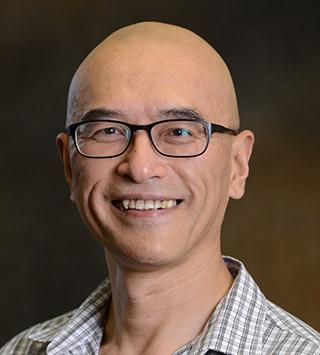
Justin Wan is a Professor in the Department of Computer Science at the University of Waterloo. His research focuses on scientific computing, medical image processing, computational finance, and machine learning. He holds a Ph.D. from UCLA (1998), an M.A. from UCLA (1995), and a B.Sc. from the Chinese University of Hong Kong (1992). Wan’s work bridges numerical methods, optimization, and deep learning, with applications in financial modeling, medical imaging, and fluid dynamics. His research interests include advanced techniques in scientific computing (e.g., multigrid methods), computer graphics simulation, and medical image enhancement (e.g., CT scan artifact reduction). He has pioneered applications of machine learning to computational finance, including option pricing and hedging using deep neural networks and GANs. His recent work explores denoising diffusion models and multi-agent systems for optimal execution in finance. Publications span topics like volatility surface computation, optimal mass transport for image registration, and parallel solvers for fluid dynamics. His methods address challenges in high-dimensional problems, robust numerical valuation, and scalable algorithms for large datasets. Wan collaborates across disciplines, integrating mathematical rigor with practical engineering solutions.
Eduardo Pereyra is a Professor in the McDougall School of Petroleum Engineering at The University of Tulsa, where he serves as Associate Director for the Tulsa Fluid Flow Projects (TUFFP) and the Horizontal Wells Artificial Lift Project (TUHWALP) . His academic career spans theoretical and applied research in multiphase flow, flow assurance, artificial lift systems, and separation technologies. Education: Ph.D. and M.Sc. in Petroleum Engineering from The University of Tulsa; Dual B.S. in Mechanical Engineering and Systems Engineering from the University of Los Andes, Venezuela Pereyra’s research focuses on multiphase flow dynamics , particularly in gas-liquid and oil-water systems. His work addresses critical challenges such as slug flow mitigation , downhole separator efficiency , and ESP motor cooling , leveraging computational fluid dynamics (CFD) and experimental validation. Recent publications emphasize inclined pipe flows , severe slugging mitigation , and plunger lift optimization . Pereyra has received multiple accolades, including the 2023 SPE Production and Operations Award and the 2022 Kermit Brown Outstanding Teacher Award . His contributions to multiphase flow modeling have been recognized through the 2021 Zelimir Schmidt Outstanding Researcher Award . He actively collaborates with industry partners through TUFFP and TUHWALP, directing projects like the Horizontal Wells Artificial Lift Initiative .
Parviz Moin holds the Franklin P. and Caroline M. Johnson Professorship in Stanford University's School of Engineering. As founding director of the Center for Turbulence Research (CTR)—a NASA-Stanford consortium established in 1987—he has pioneered computational methods for turbulence physics, including direct numerical simulation and Large Eddy Simulation (LES) techniques. CTR serves as an international hub for turbulence studies across engineering, mathematics, and physics disciplines. Moin's research encompasses computational physics of turbulent flows, with emphasis on boundary layer control, hypersonic aerodynamics, propulsion systems, and aircraft icing. His recent work advances high-fidelity simulations for aerospace applications, particularly developing wall models for LES that accurately capture separation phenomena under complex pressure gradients and Reynolds number effects. Recent publications demonstrate extensive applications of LES to aircraft design challenges, including transonic buffet prediction, high-lift configuration analysis, and icing aerodynamics. Investigations consistently address fundamental turbulence physics while developing practical computational tools for aerospace engineering, with particular focus on hypersonic boundary layers, flow separation mechanisms, and conjugate heat transfer in iced environments.
Dr. Joshua Brinkerhoff is an Associate Professor in Mechanical Engineering at the University of British Columbia Okanagan Campus. He serves as the Associate Director for Research & Industrial Partnerships in the School of Engineering and leads the UBC-Okanagan Computational Fluid Dynamics Laboratory. His research spans computational fluid dynamics, turbomachinery, multiphase flows, hydrogen safety, wind energy, and biofluid mechanics. He teaches courses in mechanics of materials, alternative energy systems, turbulence, computational fluid dynamics, and aircraft design. PhD, Aerospace Engineering (Carleton University, Ottawa, ON) BEng, Aerospace Engineering (Carleton University) Dr. Brinkerhoff’s research interests include: Computational Fluid Dynamics (CFD) for laminar-to-turbulent transition and instability analysis Wind energy systems and turbine aerodynamics Hydrogen storage and safety protocols for transportation Biofluid mechanics for respiratory diseases and aneurysm modeling Multiphase flows in industrial and environmental contexts His publications focus on CFD simulations for: Aerosol dispersion and mitigation in indoor environments Wind farm interactions and atmospheric gravity waves Cavitation and phase transitions in cryogenic and LNG systems Heat transfer optimization in industrial and thermal systems Instability dynamics in buoyancy-driven and swept flows Turbulent structures in fluidized beds and reactors Dr. Brinkerhoff has no listed scientific awards in the provided data but has extensive contributions to renewable energy, hydrogen safety, and medical fluid dynamics. His laboratory develops open-source tools like TOSCA for large-eddy simulations and investigates practical applications in urban air quality, dental aerosol control, and turbine wake modeling.
Professor Vishnu Pareek is the John Curtin Distinguished Professor at Curtin University, leading the Western Australian School of Mines (WASM) within the Faculty of Science and Engineering. He has held academic roles including Dean of Engineering, Head of School, and various professorships since 2002. His research focuses on multiphase flow modeling, computational fluid dynamics, and reactor engineering, with applications in energy and chemical processes. He holds a BE (Hons) from MNIT, MTech from IIT Delhi, and a PhD from UNSW. Key research interests include LNG process modeling, erosion modeling, and granular flow dynamics. He has authored over 200 peer-reviewed publications, with recent work emphasizing structured packing design, biomass gasification, and additive manufacturing for process intensification. Notable projects include CFD-ANN hybrid models for fluidized beds and experimental studies on 3D-printed structured packings. His expertise spans industrial collaborations in LNG safety, fluid catalytic cracking, and biofuel production. Teaching areas include chemical engineering fundamentals and process systems engineering. He advises on energy policy and leads research teams in multiphase flow and reactor design.
Chun Liu is Chair and Professor of Applied Mathematics at the Department of Applied Mathematics, Illinois Institute of Technology (IIT), within the College of Computing. His research focuses on Nonlinear Partial Differential Equations , Complex Fluids , and Multiscale Modeling , with applications in electrophysiology and materials science. He earned a Ph.D. from New York University’s Courant Institute, an M.S. from Duke University, and a B.S. from Fudan University. Prof. Liu leads projects on General Diffusion Systems , Ion Channel Dynamics , and Viscoelastic Fluids . He has secured grants from NSF, BSF, and DAAD for research in energetic variational approaches, multiscale materials modeling, and biomolecular systems. Key contributions include the development of Poisson-Boltzmann models , coarse-grained dynamics , and energetically stable numerical methods . He serves on editorial boards for Communications in Mathematical Sciences , SIAM Journal on Mathematical Analysis , and others. His work bridges applied mathematics with engineering and biophysics, addressing challenges in fluid mechanics, ion transport, and nonlinear systems.
Nadia Shardt is an Associate Professor in the Department of Chemical Engineering at the Norwegian University of Science and Technology (NTNU). Her research focuses on interfacial thermodynamics, particularly in systems with nanoscale curvature, with applications spanning atmospheric science, biomedical cryopreservation, and industrial process optimization. She contributes to teaching courses such as TKP4580 - Chemical Engineering Specialization Project and KP3100 - Chemical Engineering . PhD in Chemical Engineering (University of Alberta, 2019) BSc in Chemical Engineering (University of Alberta, 2015) Postdoctoral researcher at ETH Zurich (2020-2022) Her work addresses fundamental challenges in phase behavior under curvature constraints, combining microfluidic experimentation , Gibbsian thermodynamic modeling , and machine learning techniques to study systems like CO 2 storage media, cloud microphysics, and food emulsions. Recent publications emphasize surface tension modeling for complex multi-component systems and cryoprotectant loading efficiency. Scientific awards include the ETH Postdoctoral Fellowship Natural Sciences and Engineering Research Council of Canada (NSERC) Postdoctoral Fellowship Outstanding Academic Fellows Programme 2024-2028
Lande Liu is a Senior Lecturer in Chemical Engineering at the University of Huddersfield's School of Applied Sciences. Previously, he held a Lectureship at the University of Manchester (2010-2014), and earlier worked as an industrial consultant and research fellow at Leeds and Sheffield Universities. His academic journey began with a MEng in Chemical Engineering and a PhD in kinetic theory of aggregation from Sheffield (2004), preceded by a visiting PhD at Twente University (2002). Education: PhD in Chemical Engineering (University of Sheffield, 2004) Visiting PhD (Twente University, 2002) MEng in Chemical Engineering (Tsinghua University, 1999) BSc in Applied Mathematics (Tsinghua University, 1996) Liu's research focuses on multi-scale particle interactions (molecular to granular) using kinetic theory of aggregation, with applications spanning nanotechnology, pharmaceutical engineering, and sustainable chemical processes. His work aligns with UN Sustainable Development Goals for environmental protection and industrial innovation. Recent publications examine particle deposition in turbulent flows, enhanced heat exchanger designs, and nanofluid stabilization techniques. He teaches core chemical engineering topics including transport phenomena, unit operations, and process design. Active in collaborative research, Liu has partnered with institutions across Europe on projects involving spectroscopy, ultrasonics, and dynamic modeling. His technical expertise includes particle size analysis, tomography, and computational simulation of complex systems.
Dimitrios Tsaoulidis is a Senior Lecturer in Chemical Engineering at the University of Surrey and an Honorary Lecturer at University College London . He holds a PhD in Chemical/Nuclear Engineering and a Diploma in Chemical Engineering. University roles: Academic Integrity Officer, Senior Personal Tutor, Disability & Neurodiversity Representative Research spans clean energy (nuclear, bio, solar), healthcare (bioprocess scalability), and manufacturing using process intensification and microfluidics . His work combines experimental investigation , CFD simulations , and scale-up optimization for multiphase reactors . Notable research trends include: 15+ publications (2012–2023) on uranium extraction , biodiesel production , and pharmaceutical microfluidics , with grants from UKRI and Innovate UK . Scientific Awards : David Newton’s Award for Sustainability (UCL) Springer Thesis Award Fellow of the Higher Education Academy (FHEA) Associate Member of the Institution of Chemical Engineers (AMIChemE) Research Collaborations : Academic : Prof Panagiota Angeli (UCL), Prof Eric Fraga (UCL), Dr Maryam Parhizkar (UCL) Industrial : UK Atomic Energy Authority, National Nuclear Laboratory, GSK, Greenergy Ltd, Armfield Dr Tsaoulidis supervises PhD students (e.g., Mustapha Hamdan, Anna Tsitouridou) and PDRA staff (e.g., Dr Jamshid Zarkesh) in projects related to solar energy systems , nuclear fuel cycles , and pharmaceutical automation .
Gustav Amberg is a Professor at KTH Royal Institute of Technology, affiliated with the Flow Mechanics research group within the School of Engineering Sciences. His primary appointment is in the Department of Mechanics, where he focuses on fluid dynamics, multiphase flow, and interfacial phenomena. He holds a permanent full professorship with no indication of兼职 roles. Research interests center on dynamic wetting mechanisms, phase-field modeling, and computational fluid dynamics applied to complex fluid systems. His work explores contact line behavior, microstructured surface interactions, and material phase transformations. Notable areas include rapid droplet spreading, viscoelastic fluid dynamics, and boiling heat transfer on engineered surfaces. Recent studies investigate the interplay between surface topography and wetting dynamics, oscillatory contact line phenomena, and numerical benchmarking across molecular and continuum models. He has pioneered methods for simulating surfactant effects in multiphase flows and developed novel approaches for analyzing weld pool behavior during sintering processes. No academic awards or grants are explicitly listed in the provided materials. His advising record remains undisclosed, though his prolific publication history suggests active research supervision. Laboratory affiliations are not detailed, but his work aligns with KTH's broader initiatives in computational mechanics and materials science.
Terese Løvås serves as Vice Dean of Research and Innovation at the Faculty of Engineering, Norwegian University of Science and Technology (NTNU), where she leads strategic development of research and innovation activities. She concurrently holds the position of Professor of Combustion and Thermodynamics within the Department of Energy and Process Engineering. Her leadership responsibilities include oversight of Centers of Excellence, Horizon Europe projects, and PhD researcher training. Her research focuses on combustion engineering and alternative fuel technologies , particularly investigating ammonia and hydrogen combustion for zero-emission engines, biomass gasification processes, and reactive multiphase flow modeling. She heads the Engine Lab at NTNU and teaches Thermodynamics, Heat, and Combustion courses. Her work bridges theoretical modeling with experimental validation in sustainable energy systems. Løvås actively contributes to major research initiatives including LowEmission (SFI center), ACTIVATE (ammonia-powered agricultural vehicles), AMAZE (ammonia zero-emission), and CAHEMA (marine ammonia/hydrogen engines). Her publications reveal strong trends in ammonia combustion chemistry , emissions reduction , and advanced computational modeling for sustainable fuel systems, with increasing focus on nitrogen oxide formation mechanisms and dual-fuel strategies. Member of the Board of Directors, Combustion Institute (2022–present) Joint Editor, Proceedings of the Combustion Institute (2019–present) Alumni Fellow in Engineering, Churchill College, Cambridge University As Vice Dean, she manages NTNU's Research and Innovation Committee and represents the faculty in NTNU's Research and Innovation Committee. She supervises multiple PhD candidates and leads international collaborations through projects funded by the Norwegian Research Council, Nordic Energy Research, and EU programs. Her laboratory work focuses on optical engine diagnostics and advanced combustion testing. Løvås maintains active industry engagement through her leadership in the ComKin Research Group and membership in the Institute of Physics and Scandinavian-Nordic Section of the Combustion Institute. Her current work emphasizes practical implementation of ammonia-fueled engine technologies for marine and agricultural applications.
Dr. Edouard Boujo is a Scientist and Lecturer at the Swiss Federal Institute of Technology Lausanne (EPFL) , affiliated with the School of Engineering (STI) and working in the Institute of Mechanical Engineering (IGM) and Laboratory of Fluid Mechanics and Instabilities (LFMI) . He also teaches in the SGM-ENS department of the School of Engineering. Scientist at EPFL STI IGM LFMI Lecturer at EPFL STI-SGM SGM-ENS His research focuses on Fluid Dynamics with expertise in Flow Stability , Flow Control , Aeroacoustics , Thermoacoustics , Fluid-Structure Interaction , and Coating Flow Dynamics . He employs advanced mathematical modeling and computational methods to study complex fluid behaviors. Recent publications highlight his work on stochastic modeling of fluid instabilities, adjoint-based optimization of flow systems, and nonlinear dynamics of coating flows. His 15 most recent papers cover topics ranging from symmetry-breaking bifurcations to spin coating optimization and noise-induced transitions in fluid systems. Dr. Boujo actively collaborates with institutions across Europe and New Zealand, mentoring PhD student Atharva Lagwankar . He has received research funding from the Swiss National Science Foundation for two PhD theses and contributes to major fluid dynamics conferences like the European Fluid Dynamics Conference and APS Division of Fluid Dynamics meetings. His laboratory work at LFMI involves experimental and computational studies of fluid instabilities, with applications in aerospace, mechanical engineering, and industrial coating processes. He develops adjoint-based control methods for optimizing flow systems and reducing drag in various fluid configurations.
Sheryl Grace is an Associate Professor of Mechanical Engineering at Boston University, leading the Unsteady Fluid Mechanics & Acoustics Laboratory (UFMAL). Her primary appointment is in the Department of Mechanical Engineering within the College of Engineering. She holds a PhD from the University of Notre Dame. Her research focuses on unsteady aerodynamics, aeroacoustics, and fluid-structure interactions, with applications in aerospace systems, propulsion technologies, and biological acoustics. Notable projects include NASA-funded work on quieter vertical lift vehicles and computational modeling of gerbil hearing mechanics. Professor Grace’s research interests span aerodynamics, fluid dynamics, and acoustics. She develops analytical and computational models to predict sound and vibration generated by unsteady flows interacting with solid structures. Recent studies include noise reduction in aircraft wings, turbine blade fatigue analysis, and acoustic scattering in gerbil ears. Her work bridges theoretical models with practical engineering solutions, emphasizing cost-effective predictive tools for next-generation systems. Her publications highlight advancements in shock-droplet interactions, cavitation modeling, and machine learning applications in aeroacoustics. Collaborative projects include multi-institutional efforts to address urban air vehicle noise challenges. While no explicit awards are listed, her contributions to computational acoustics and fluid dynamics are recognized through extensive peer-reviewed output. Advising and grants: Professor Grace leads the UFMAL lab and has secured funding from agencies like NASA. Her research integrates fluid mechanics, acoustics, and computational methods to address industrial and environmental noise issues. She collaborates across disciplines, including mechanical engineering, aerospace, and biomedical acoustics.
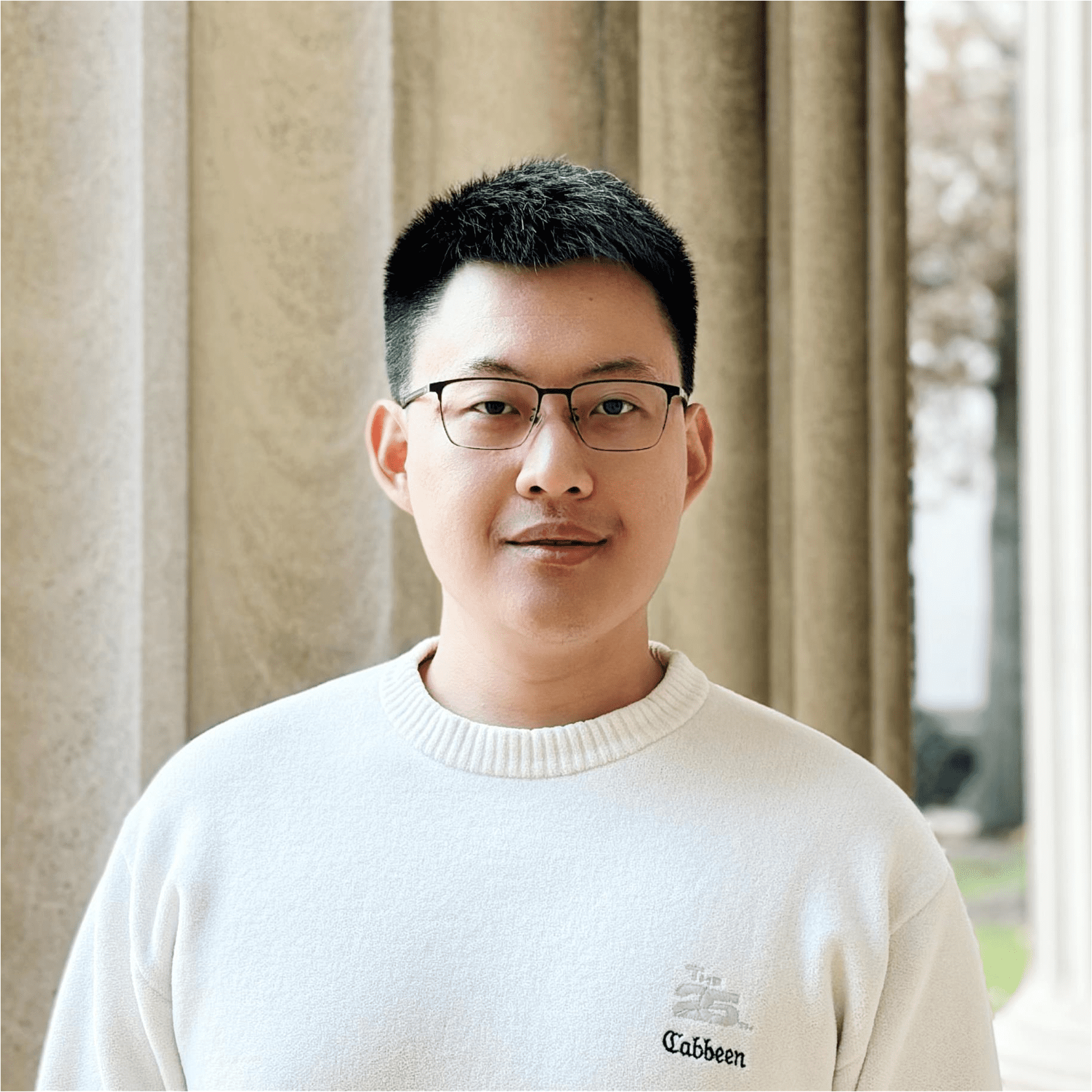
Lenan Zhang is an Assistant Professor in the Sibley School of Mechanical and Aerospace Engineering at Cornell University, joining in July 2024. He directs the Energy Research Laboratory (ERL), focusing on energy sustainability through advanced materials and metrology tools. His research spans thermal and fluid transport phenomena at extreme scales, and he has developed innovative solutions for clean energy and water production. Education: B.S., Mechanical Engineering, Shanghai Jiao Tong University and Purdue University (2016) M.S. and Ph.D., Mechanical Engineering, Massachusetts Institute of Technology (2018 and 2022) Research Interests: Advanced Materials, Computational Fluid Dynamics, Sustainable Energy Systems, and Thermal Systems. His work integrates mechanistic modeling and high-resolution spectroscopy to address global challenges in energy and environment. Publications: Recent work emphasizes solar desalination, energy-efficient systems, and electrochemical processes. Key trends include optimizing thermal localization, developing novel materials for desalination, and advancing renewable energy applications. Awards: Best Inventions of 2023 (TIME Magazine) Wunsch Foundation Silent Hoist and Crane Award (2022) Luis de Florez Award in Science (2021) Martin Family Fellowship for Sustainability (2020) Advising and Labs: Leads the Energy Research Laboratory (ERL) at Cornell. Prior roles include Research Scientist at MIT’s Mechanical Engineering Department. Collaborates across disciplines to advance clean energy solutions.