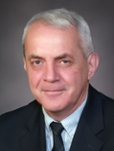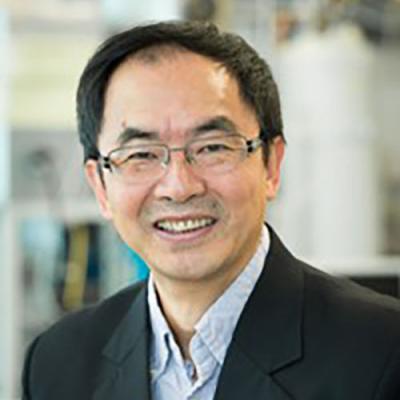
Xiaotao Bi is a Professor in the Department of Chemical and Biological Engineering at the Faculty of Applied Science, University of British Columbia. He is a Fellow of The Canadian Academy of Engineering, recognized for his significant contributions to the field of chemical engineering, particularly in biomass energy systems and environmental technologies. Dr. Bi's research focuses on developing environmental systems analysis and life cycle assessment tools to model and evaluate biomass energy systems. His work encompasses Canadian wood pellets, animal wastes, agricultural residues, and integrated impacts assessment of various biomass conversion processes including combustion, gasification, torrefaction, and pelletization. Current research interests include electrostatic charging of dielectric particles in gas-solids fluidized beds, dual fluidized bed for biomass steam gasification, and novel i-CFB reactors for catalytic NOx reduction. His extensive publication record demonstrates expertise across multiple domains of sustainable energy and environmental engineering. Recent work shows a strong emphasis on biomass conversion technologies, particularly microwave-assisted processes, fluidized bed systems, and waste valorization. There's a clear trend toward developing more efficient and environmentally friendly processes for converting various biomass feedstocks into energy and valuable products, with particular attention to addressing technical challenges like tar formation in gasification and electrostatic issues in particle handling. Dr. Bi has been recognized with the prestigious honor of being named a Fellow of The Canadian Academy of Engineering, which acknowledges his significant contributions to engineering research and practice in Canada. As a research leader, Dr. Bi has supervised numerous graduate students and secured funding for his research team to investigate innovative approaches to biomass conversion and environmental engineering challenges. His work bridges fundamental research with practical applications for sustainable energy systems. Dr. Bi leads a research team focused on developing advanced technologies for biomass conversion and environmental protection. His laboratory facilities likely include specialized equipment for fluidized bed operations, biomass processing, and analytical tools for characterizing biofuels and byproducts.