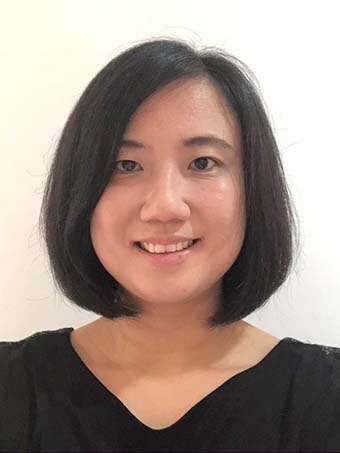
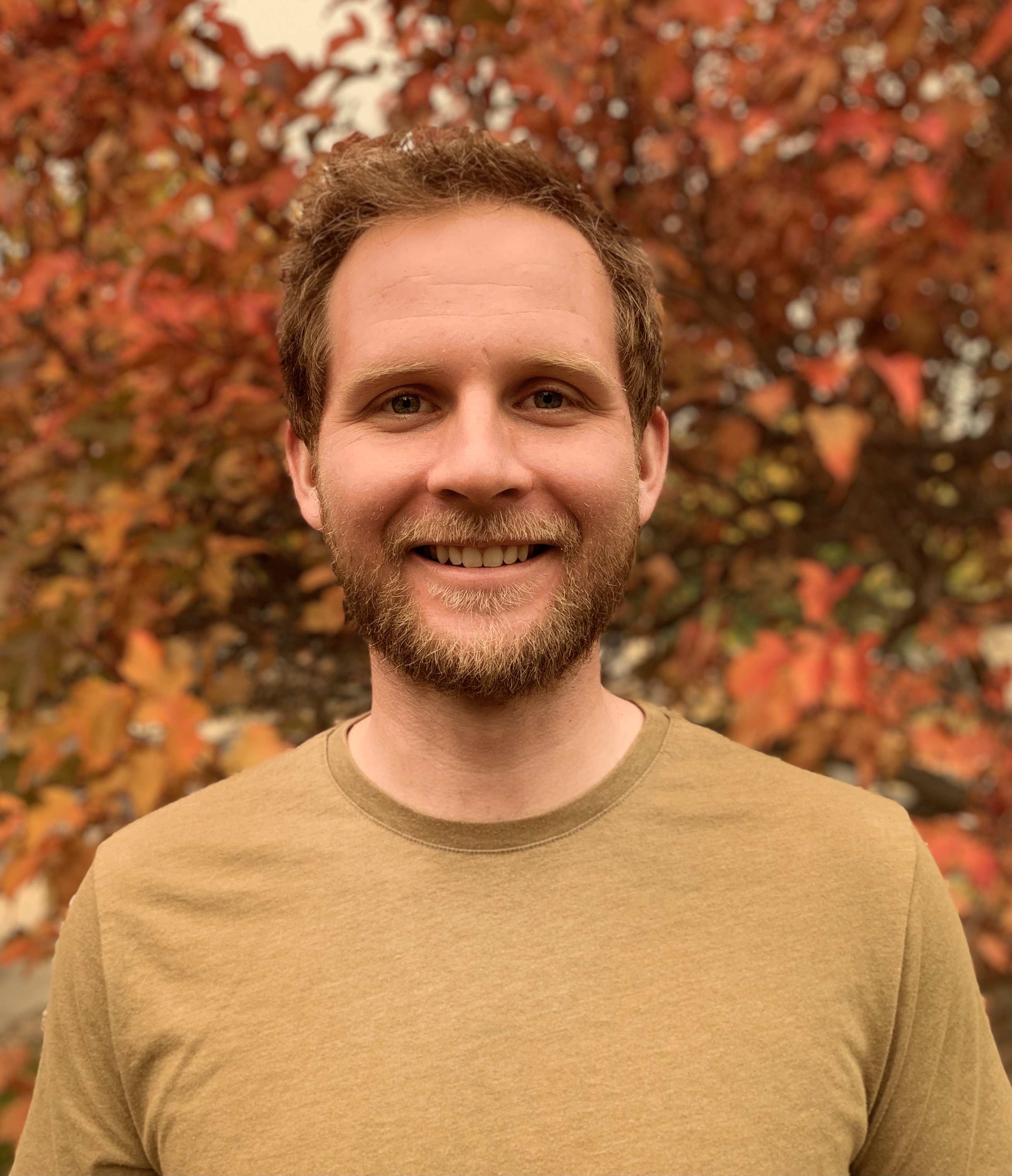
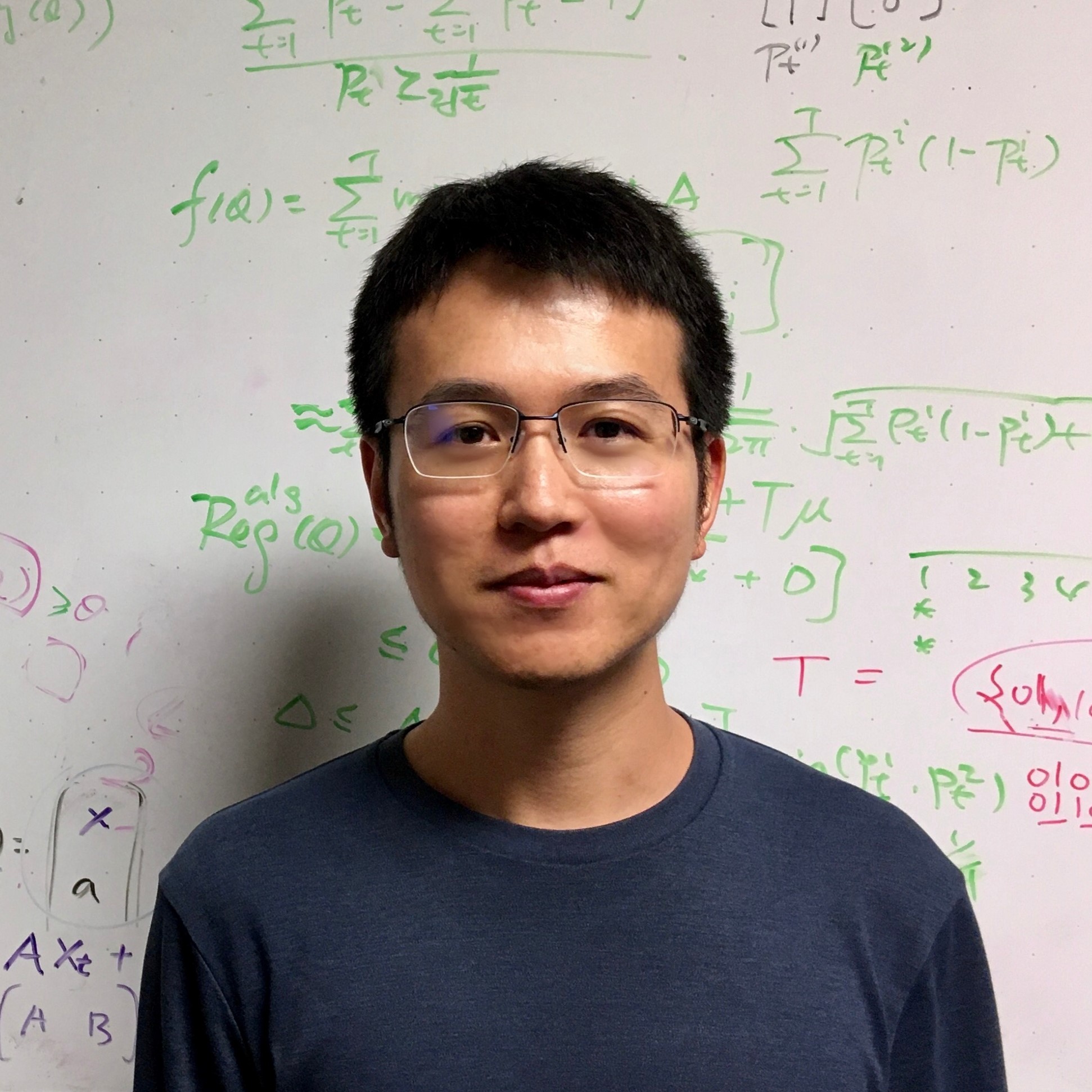
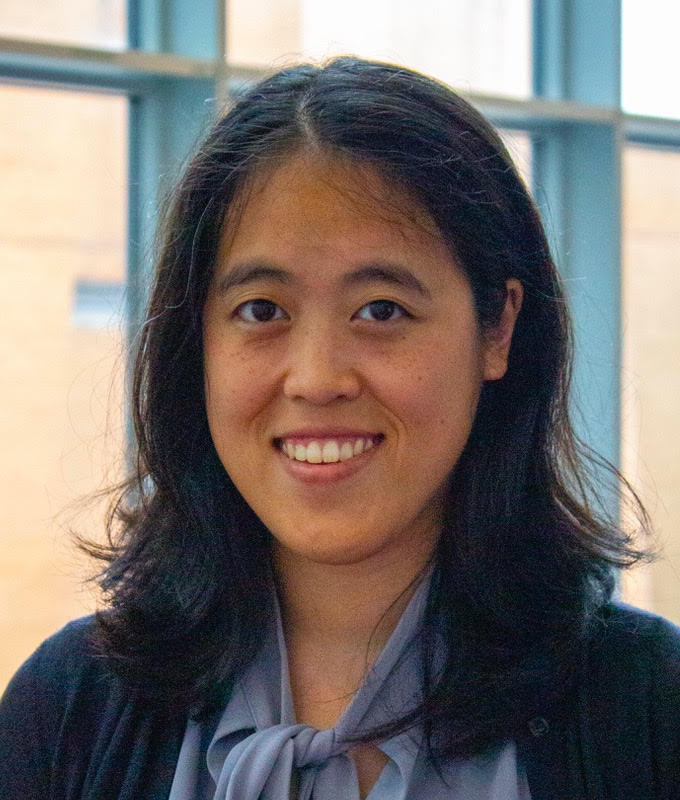
NG Hui Khoon is an Associate Professor at the National University of Singapore , affiliated with Yale-NUS College and the Centre for Quantum Technologies . She holds a PhD in Physics from the California Institute of Technology (Caltech), USA (2009). Research Interests: Her work focuses on theoretical aspects of quantum information and computation, particularly quantum error correction and fault tolerance , quantum noise modeling , and quantum tomography . She investigates how resource constraints limit quantum computing and develops adaptive methods for quantum state estimation using neural networks. Publication Trends: Her recent articles (2021–2013) emphasize quantum error correction frameworks, tomography techniques, and statistical methods for quantum systems. Key themes include fault tolerance under amplitude-damping noise, randomized benchmarking for time-correlated dephasing, and Bayesian approaches for prior-data conflict checking. Scientific Awards: Early Career Teaching Award (2019, Inaugural recipient) CQT Fellowship (2019 – current) Advising & Grants: No explicit advising or grant details are provided. She collaborates with institutions like the Centre for Quantum Technologies and Yale-NUS College. Labs & Teams: She is associated with the Centre for Quantum Technologies, a leading research center in quantum information science.
Zheng (Tracy) Ke is an Associate Professor of Statistics at Harvard University. She holds a Ph.D. from Princeton University (2014) and a B.S. from Tsinghua University (2009). Her research focuses on high-dimensional statistics, machine learning, social network analysis, text mining, and bioinformatics. Notable contributions include advancements in network data analysis (e.g., SCORE normalization), text analysis methodologies, and statistical genetics pipelines. Dr. Ke has received prestigious awards such as the COPSS Emerging Leader Award (2024) and the Sloan Research Fellowship (2023). She has organized major conferences like the Workshop on Statistical Network Analysis and Beyond (2024) and contributed to the MADStat dataset analyzing statisticians' co-authorship networks. Her research interests span theoretical and applied domains, with a focus on developing scalable algorithms and rigorous statistical frameworks for complex data. Recent work emphasizes challenges like severe degree heterogeneity in networks and rare/weak signal detection in high-dimensional settings. Dr. Ke is an Associate Editor for the Journal of the American Statistical Association and actively collaborates on interdisciplinary projects.
Kenichi Shimizu is an Assistant Professor in Econometrics (tenure-track) at the Department of Economics, University of Alberta. He holds a PhD in Economics from Brown University (2021) and previously worked at the Adam Smith Business School, University of Glasgow. His research focuses on Bayesian econometrics, quantitative marketing, industrial organization, and time-series analysis. He teaches courses such as Introductory Econometrics (ECON 399) and Applied Econometrics (ECON 599). Education: PhD in Economics from Brown University (2021). Professional affiliations include roles at the University of Alberta and University of Glasgow. His work emphasizes methodological advancements in econometrics with applications to marketing and industrial organization. Research trends in his publications highlight Bayesian methodologies for dynamic modeling, structural breaks, and high-dimensional data. Key topics include semiparametric estimation, sparse models, and policy evaluation frameworks. Grants: Recipient of SSHRC Insight Development Grant (2024-2026) for research on Bayesian econometric methods in industrial organization and marketing. Active presenter at major conferences including the NBER-NSF Seminar, Canadian Economic Association meetings, and the World Congress of the Econometric Society. Teaching responsibilities include undergraduate and graduate econometrics courses with emphasis on applied regression methods and model specification.
Michael Daniels is a Professor and Chair of the Department of Statistics at the University of Florida, holding the Andrew Banks Family Endowed Chair. He previously held faculty positions at the University of Texas at Austin, Iowa State University, and Carnegie Mellon University. He earned his Sc.D. in Biostatistics from Harvard University (1995) and A.B. in Applied Mathematics from Brown University (1991). University: University of Florida College: College of Liberal Arts and Sciences (CLAS) Department: Department of Statistics His research focuses on Biostatistics , Bayesian methodology , and methodologies for longitudinal and causal inference , with applications in cardiovascular health, muscular dystrophy, and healthcare analytics. He has authored influential books like Bayesian Nonparametrics for Causal Inference and Missing Data (2023) and Missing Data in Longitudinal Studies (2008). Key awards include the Lagakos Distinguished Alumni Award (Harvard) and L. Adrienne Cupples Award (Boston University). He has been funded by NIH grants since 2001 and leads collaborative research in chronic disease management, including studies on opioid use in elderly populations and Duchenne muscular dystrophy progression modeling. Grants & Collaborations: NIH-funded studies on muscle degeneration biomarkers Telemedicine and chronic pain management trials Development of clinical trial simulation tools for neuromuscular diseases His work emphasizes Bayesian approaches to handle missing data and causal inference, with applied focus on improving healthcare outcomes through rigorous statistical methods.
Matt Koslovsky is an Assistant Professor of Statistics at Colorado State University. He completed his PhD in Biostatistics at The University of Texas Health Science Center School of Public Health (UTHealth) in 2016 and served as a Post-Doctoral Research Associate at Rice University's Marina Vannucci lab from 2018-2020. Prior to joining CSU in 2020, he worked as a statistical consultant at Johnson Space Center's Biostatistics Lab. PhD, Biostatistics (2016), UTHealth School of Public Health Post-Doctoral Research Associate (2018-2020), Rice University Assistant Professor (2020-Present), Colorado State University His research spans Bayesian methodology and its applications across diverse domains: Theory: Bayesian modeling, variable selection, graphical models, nonparametric Bayes Applications: Cancer prevention, mental health, microbiome analysis, space health, ecological momentary assessment Recent publications demonstrate methodological advancements in: Bayesian variable selection for rare variants Integrated population modeling Compositional data analysis Continuous-time hidden Markov models mHealth data processing Microbiome mediation effects Current advisees include: Hyungjoon Kim (PhD candidate) Brody Erlandson (PhD candidate) Suppapat Korsurat (PhD candidate)
Haipeng Luo is an Associate Professor at the Thomas Lord Department of Computer Science, University of Southern California, holding the IBM Early Career Chair. He previously worked as a Postdoctoral Researcher at Microsoft Research, NYC, and has held visiting roles at Google and Amazon. His research focuses on developing practical machine learning algorithms with strong theoretical guarantees, particularly in online learning, bandit problems, reinforcement learning, and game theory. PhD in Computer Science, Princeton University (2011–2016) BSc in Computer Science, Peking University (2007–2011) His work spans adversarial and stochastic environments, addressing challenges in reinforcement learning, game dynamics, calibration, and omniprediction. Recent publications highlight advancements in regret minimization, game equilibrium computation, and robust optimization frameworks. Key contributions include algorithms for zero-sum games, bandit problems with feedback graphs, and theoretical analyses of convergence properties in multi-agent systems. Scientific accolades include Best Paper Awards at COLT 2021, COLT 2018, NeurIPS 2015, and ICML 2015. He has received prestigious grants such as the NSF CAREER Award (2020), Google Faculty Research Award (2020), and NSF CRII Award (2018). His students have secured academic and industry positions, and he actively teaches graduate courses in machine learning and online optimization.
Professor Bill Watson is a Full Professor of Cancer Biology at the University College Dublin, School of Medicine , where he serves as Head of Pathology and Director of the Biomedical Health and Life Science BSc program. With a PhD in Biochemistry (University College Cork, 1995) and post-doctoral training at the University of Toronto, he has led translational research in prostate cancer since returning to UCD in 1997. His work focuses on biomarker discovery, therapy resistance mechanisms, and clinical decision tools through the Prostate Cancer Research Consortium and iPROSPECT collaborations. Education: BSc (University College Dublin), PhD (Royal College of Surgeons in Ireland), Post-Doctoral Research Fellow (Toronto General Hospital) His research integrates genomic, epigenetic, and proteomic biomarkers to improve prostate cancer stratification and treatment selection, as demonstrated in the Movember Global Action Plan and ToPCaP initiatives. Recent studies include validating a six-gene MCRS signature for biopsy-based prognostics (2025) and developing beta mixture models for DNA methylation analysis (2024). Scientific Awards include the Alton Prize (2000), Presidents Awards for Teaching (2000, 1998), and Young Investigator Award (1995). He has received grants such as the UCD Equip Scheme (2021) and Molecular Therapeutics for Cancer (2009-2015) . Professional Leadership: Irish Association for Cancer Research (President 2014-2017), Cancer Trials Ireland (Chair of Translational DSSG 2014-present), and Royal Academy of Medicine in Ireland (Fellow since 2006)
Jennifer Tang is a Postdoctoral Associate at the Massachusetts Institute of Technology (MIT), holding dual appointments in the Institute for Data, Systems, and Society (IDSS) and the Laboratory for Information and Decision Systems (LIDS). She conducts her research under Professor Ali Jadbabaie, focusing on interdisciplinary problems at the intersection of information theory, network science, and social dynamics. Her position is temporary as she actively seeks a permanent academic role through the 2025 job market. Her academic credentials include: Ph.D. in Electrical Engineering and Computer Science from MIT, advised by Professor Yury Polyanskiy Bachelor of Science in Engineering (B.S.E.) in Electrical Engineering from Princeton University, with independent work supervised by Paul Cuff Dr. Tang's research program centers on theoretical and applied aspects of information theory, including channel capacity, quantization, and data compression. She investigates prediction and estimation in high-dimensional settings, data analytics for complex systems, and mathematical modeling of social dynamics and inference in multi-agent networks. Her work employs tools from statistics, optimization, and network theory to address challenges in communication, decision-making, and societal systems, with particular emphasis on opinion dynamics under social pressure and efficient representation of probability distributions. Analysis of her publication record reveals consistent contributions to information-theoretic limits, social network modeling, and compression techniques. Her works frequently appear in top venues like IEEE Transactions on Information Theory and major conferences (ISIT, CDC, ACC), demonstrating expertise in bridging theoretical foundations with real-world applications in networked systems and societal challenges. Her scientific achievements have been recognized with: Best Student Paper Award at IEEE International Symposium on Information Theory (ISIT) 2022 Best Student Paper Award at IEEE Machine Learning for Signal Processing (MLSP) 2022 Student Competition Winner at the Shannon Centennial Celebration Dr. Tang maintains an active teaching portfolio, having served as instructor for MIT 1.022: Introduction to Network Models (Spring 2025) and teaching assistant for multiple core courses including 6.008 (Introduction to Inference), 6.041/6.431 (Probabilistic Systems Analysis), 6.437 (Inference and Information), and 6.439 (Statistics, Computation and Applications). She also contributed to the MIT Women's Technology Program as a Mathematics Instructor during summer 2017. Her research is embedded within MIT's Laboratory for Information and Decision Systems (LIDS) and Institute for Data, Systems, and Society (IDSS), two premier interdisciplinary laboratories fostering collaboration on data-driven decision-making, societal challenges, and foundational theory in information and systems.
Filipe Rodrigues is an Associate Professor in the Department of Technology, Management and Economics at the Technical University of Denmark (DTU), where he conducts research in intelligent transportation systems and transportation science. His work integrates machine learning, artificial intelligence, and behavioral modeling to improve urban mobility and public transport systems. His research interests lie at the intersection of machine learning , transportation science , and behavioral modeling . He specializes in discrete choice modeling , reinforcement learning , graph neural networks , and smart card data analytics . His work contributes to sustainable urban mobility, leveraging big data and AI for proactive traffic control and public transport optimization. The recent publications highlight a strong trend toward integrating AI and behavioral science in transportation. Key themes include ride-sourcing driver behavior , public transport trip validation , autonomous fleet control , and causal machine learning . These works predominantly employ deep learning , Bayesian modeling , and offline reinforcement learning techniques, often applied to real-world datasets from Denmark and beyond. Scientific Contributions: Active contributor to journals like Transportation Research Part C and Journal of Choice Modelling . Supervises multiple PhD projects on AI in transportation and causal modeling. Regular presenter at major transportation and AI conferences. Advising and Grants: Filipe Rodrigues is the main or co-supervisor of several PhD students including O. B. Lassen, F. M. F. Santos, A. Nguyen, and X. Wu. He leads and participates in funded research projects such as 'Proactive traffic control through AI and Big Data' and 'Causal Graph Neural Networks for machine learning meta-modelling', indicating sustained grant support. His collaborative network spans institutions in Europe and beyond. Labs and Teams: He is part of the Intelligent Transportation Systems research group at DTU, collaborating closely with researchers like F. C. Pereira and C. M. L. Azevedo. The team focuses on data-driven mobility solutions, combining simulation, machine learning, and behavioral insights.
Jeremy Gaskins, PhD, is an Associate Professor in the Department of Bioinformatics & Biostatistics at the University of Louisville's School of Public Health and Information Sciences (SPHIS). He joined UofL in 2013 as an Assistant Professor, earning tenure and promotion to his current rank in 2019. His expertise lies in Bayesian statistical methods for complex data structures, including longitudinal analysis, missing data imputation, and joint modeling of mixed data types. He collaborates with researchers across multiple departments, including OB/GYN, Radiation Oncology, and Surgery. Education: Ph.D. (2013) in Statistics, University of Florida B.S. (2007) in Mathematics and Applied Mathematics, Auburn University Research Interests: Development of Bayesian methods for longitudinal and clustered data Computational strategies for complex model inference Applications in medical and public health research Missing data mechanisms and imputation techniques Teaching: PHST 661: Probability PHST 662: Mathematical Statistics Collaborations & Labs: Active collaborations with UofL medical departments on applied health research Focus on translational statistics for biomedical and public health problems
Dr. Fu Ouyang is a Senior Lecturer (equivalent to Assistant Professor) in the School of Economics at the University of Queensland (UQ), located in Brisbane, Australia. He holds a Ph.D. in Economics from Duke University (2017) and has been affiliated with UQ since 2018. His research focuses on theoretical and applied econometrics, with expertise in semiparametric/nonparametric methods, panel data analysis, causal inference, and discrete choice models. He applies these methodologies to fields like labor, health, and industrial organization economics. Dr. Ouyang is available for academic supervision and actively publishes in top-tier econometrics journals. Education: Ph.D. in Economics, Duke University, 2017 Research Interests: Development of robust econometric methods for causal inference and high-dimensional settings Analysis of longitudinal/panel data, binary choice models, and limited dependent variables Applications in empirical industrial organization, labor, and health economics Recent Research Trends: His work emphasizes semiparametric estimation techniques, dynamic panel models with lagged dependencies, and bundle choice analysis. Notable contributions include addressing heteroskedasticity in high-dimensional binary choice models and improving inference in multinomial response frameworks. Supervision & Grants: Dr. Ouyang is available to supervise graduate students but no specific grants are listed in the provided texts. His contact details include office room 532A in the Colin Clark Building and professional social media profiles (LinkedIn).
Adam J Rothman is a Professor in the Department of Statistics at the University of Minnesota, Twin Cities campus, specializing in high-dimensional statistical methodologies. His research focuses on covariance estimation, multivariate analysis, and developing innovative regression frameworks for complex data structures. His primary research interests include High-Dimensional Statistics, Covariance Estimation, Multivariate Analysis, and Statistical Machine Learning. Rothman develops penalized likelihood methods and shrinkage estimators to address challenges in matrix-valued predictors, categorical responses, and large covariance matrices, with applications spanning scientific domains requiring scalable high-dimensional analysis. Rothman's recent publications (2019-2024) demonstrate consistent innovation in high-dimensional regression and classification. Key trends include covariance matrix regularization, sufficient dimension reduction techniques, and likelihood-based approaches for categorical multivariate responses. His work emphasizes computational efficiency and theoretical guarantees for datasets where variables exceed sample sizes. He has secured major National Science Foundation funding as Principal Investigator for two projects: Sufficient Dimension Reduction of High-Dimensional Data (2011-2015) and New methods for multivariate analysis in high dimensions (2015-2021). These grants supported foundational work in dimension reduction and covariance estimation, advancing methodologies for modern statistical challenges.
Karin Dorman is a Professor in the Roy J. Carver Department of Biochemistry, Biophysics and Molecular Biology at Iowa State University, where she conducts interdisciplinary research at the intersection of computational methods and biological systems. Her work bridges bioinformatics algorithm development with investigations into immune signaling pathways and stem cell biology. Her educational background includes: PhD in 2001 from the University of California, Los Angeles B.S. in 1994 from Indiana University, Bloomington Dr. Dorman's research focuses on bioinformatics, computational biology, and molecular genetics, with significant contributions to genomic analysis methods and immunological mechanisms. She develops computational tools like MULTICLUST for population genetics and CAPG for polyploid genotyping, while investigating NOD1-dependent NF-kB signaling in hematopoietic stem cell specification. Her work on antimicrobial resistance prediction models bridges veterinary and human health through One Health frameworks. Analysis of her 2022-2025 publications reveals dual methodological and biological emphases: (1) innovative bioinformatics tools for genotyping, epigenomics, and microbiome analysis; (2) mechanistic insights into inflammatory signaling dynamics in stem cell development. This integration of computational and experimental approaches characterizes her interdisciplinary research program. No scientific awards are documented in the provided information. While specific advisees aren't listed in available materials, Dr. Dorman contributes to graduate education through Iowa State's Bioinformatics and Computational Biology Program. Her collaborative work with researchers like Ambuj Kumar and Robert Jernigan demonstrates active engagement in interdisciplinary teams focused on protein interactions and genomic analysis.
Xavier Puig is an Assistant Professor at the Universitat Politècnica de Catalunya (UPC) , affiliated with the Department of Statistics and Operations Research and the School of Mathematics and Statistics (FME). He is a member of the ADBD - Analysis of Complex Data for Business Decisions and GRBIO - Biostatistics and Bioinformatics Research Group . His research focuses on Bayesian data analysis , with applications in Epidemiology Ecology Public health Political science Industrial quality control Marketing analytics Recent publications reveal a strong trend in Bayesian spatiotemporal modeling for health data, alcohol-migraine interaction studies, and industrial error rate monitoring . His work combines methodological innovation with real-world applications across diverse sectors. Collaborations include researchers from biostatistics, clinical epidemiology, and industrial engineering. He has contributed to 44 indexed journal articles and participated in 49 congress presentations , with recent projects focusing on competitive research and non-competitive industrial collaborations in statistical modeling.
Tyler McCormick is a Professor in both the Department of Statistics and Department of Sociology at the University of Washington. He also serves as a Senior Data Science Fellow at the eScience Institute and maintains affiliations with the Center for Statistics and the Social Sciences, the Center for Studies in Demography and Ecology, and the Responsible AI Systems & Experiences (RAISE) initiative. Dr. McCormick earned his Ph.D. in Statistics from Columbia University in 2011. His academic journey has established him as a leading researcher at the intersection of statistical methodology and social science applications. McCormick's research program focuses on developing innovative statistical approaches to address complex societal challenges: Bayesian methods for modeling high-dimensional dependence structures in social networks Estimating vital demographic rates from sparse data sources Developing interpretable predictive models with proper uncertainty quantification Creating methodological frameworks for verbal autopsy analysis in global health His publication record reveals a consistent trajectory of methodological innovation with practical impact. Recent work demonstrates increasing sophistication in handling network interference, integrating machine learning with statistical theory, and addressing data scarcity challenges in global health contexts. His research bridges theoretical advances with applications that inform public health policy and social science understanding. McCormick has received significant recognition for his scholarly contributions: NIH Director's New Innovator Award (2019) Election as Fellow of the American Statistical Association (2023) As an educator, McCormick teaches advanced graduate courses including Hierarchical Modeling for the Social Sciences and Quantitative Techniques in Sociology. His research has been supported by competitive grants from NICHD (2015-2020) focused on vital rate estimation in developing countries and NSF (2016-2018) funding for compact Bayesian models of social networks. His work has influenced policy discussions through media coverage in the Wall Street Journal and Washington Post. McCormick leads the OpenVA initiative, providing open-source tools for verbal autopsy analysis, and has developed multiple R packages implementing his methodological contributions to network analysis and causal inference. His research continues to address critical challenges at the intersection of statistical theory, computational methods, and societal impact.