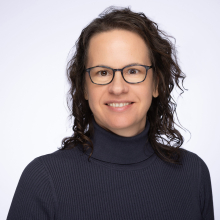
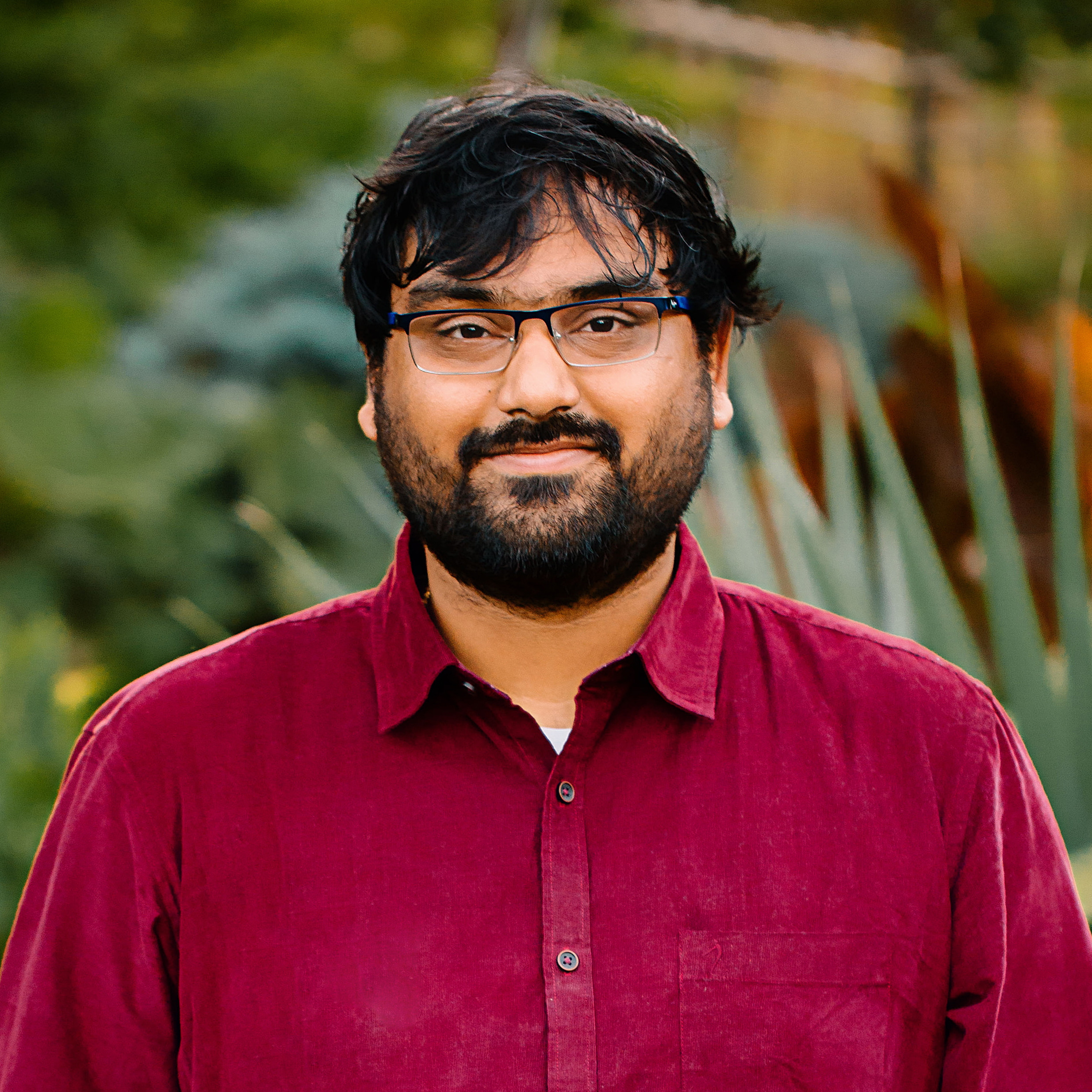
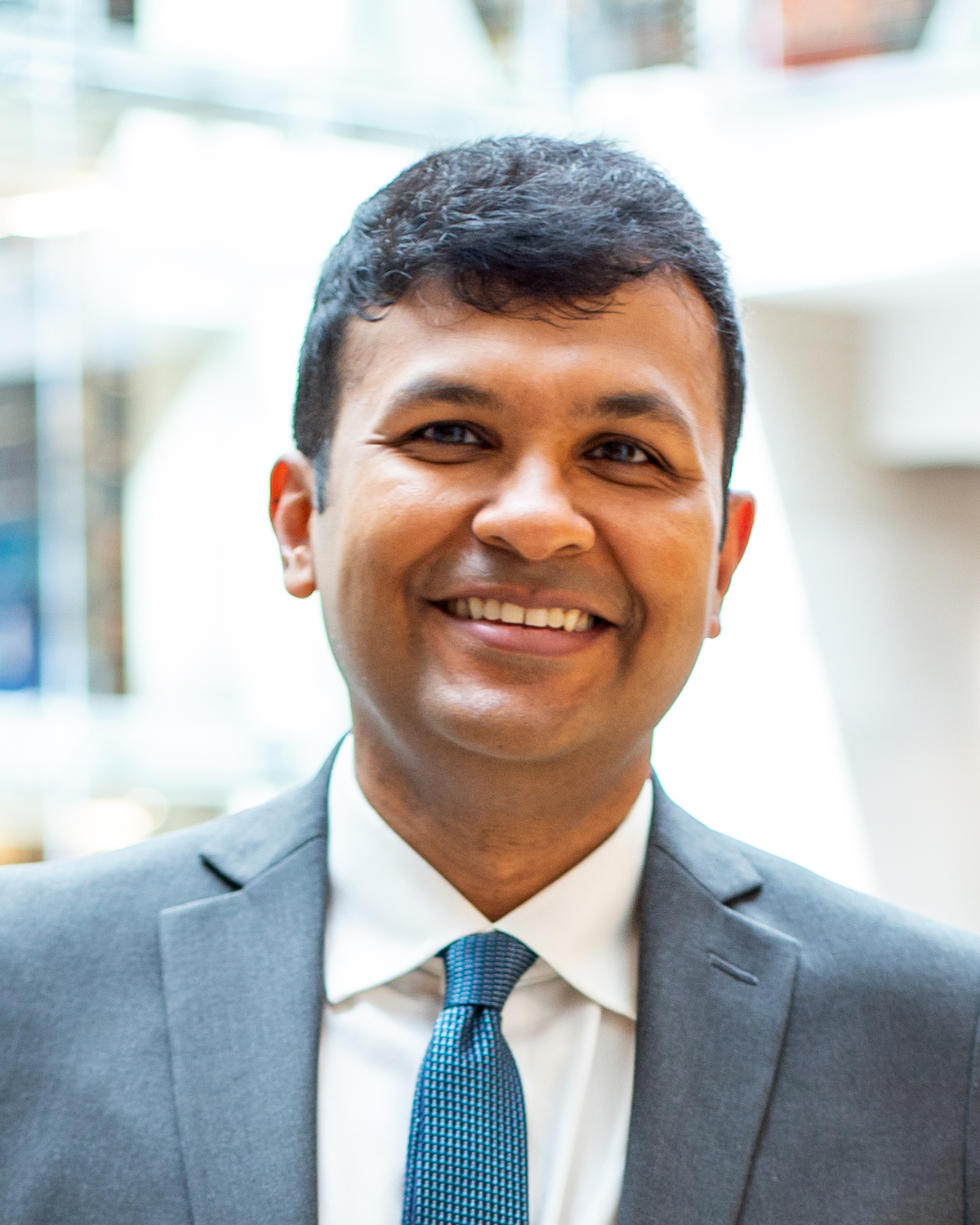
Dr. Almut Sophia Koepke is a junior research group leader and TUM Junior Fellow at the Technical University of Munich (TUM) and University of Tübingen. She leads the multi-modal learning research group focusing on video understanding through sound, vision, and text integration. University: Technical University of Munich School: TUM School of Computation, Information and Technology Department: Informatics 9 Academic Rank: Researcher Her research spans multi-modal learning, audio-visual foundation models, and cross-modal attention mechanisms. Key themes include: Advancing zero-shot learning through language-guided audio-visual models Developing explainable AI systems via attention pattern translation in VQA Exploring temporal understanding in video-adverb retrieval Building robust multi-modal representations for self-driving applications Recent publications analyze foundation model capabilities in audio-visual tasks (ICCV 2025), temporal reasoning (ACMMM 2024), and cross-modal attention frameworks (ECCV 2022). She co-organizes CVPR workshops on foundation model evaluations and serves as area chair/reviewer for major conferences.
Dr. Caroline Paquette is an Associate Professor in the Department of Kinesiology & Physical Education at McGill University's Faculty of Education, where she serves as Associate Dean, Administration. She directs the Human Brain Control of Locomotion (HBCL) Laboratory, focusing on the neural mechanisms of balance and locomotion using biomechanics, neuroimaging, and non-invasive brain stimulation. Her research aims to improve mobility in older adults and neurological patients, particularly those with Parkinson's disease and post-stroke impairments. PhD, Rehabilitation Science, McGill University MSc, Kinesiology, Laval University BSc, Kinesiology, Laval University Postdoctoral Fellowships: Neurology (Lady Davis Institute) and Neuroscience (Oregon Health and Science University) Her research spans motor control, neuroimaging, and non-invasive brain stimulation, with applications in Parkinson's disease, stroke rehabilitation, aging, and locomotor adaptation. She has published in high-impact journals like Neuroimage, Parkinsonism & Related Disorders, and Neurorehabilitation and Neural Repair. Dr. Paquette's Google Scholar publications reveal expertise in: Freezing of gait in Parkinson's disease Neuroplasticity in stroke and aging Functional connectivity analysis Exercise interventions for neurodegenerative disorders Robotic compensation in PET imaging Non-invasive brain stimulation applications She supervises graduate students at the HBCL Laboratory, located at the Education Building and Currie Gymnasium, Montreal, Canada.
Sathyanarayanan N. Aakur is an Assistant Professor in the Department of Computer Science and Software Engineering at Auburn University's College of Engineering. Previously, he was an Assistant Professor in the Department of Computer Science at Oklahoma State University. He is an IEEE Senior Member and has received the prestigious NSF CAREER award for his research on multi-modal event understanding. Dr. Aakur received his PhD from the University of South Florida, where he worked with Dr. Sudeep Sarkar in the Computer Vision and Pattern Recognition Group. He also holds a Master's degree in Management Information Systems from the Muma College of Business at the University of South Florida and an undergraduate degree in Electronics and Communication Engineering from Velammal Engineering College, Anna University, India. His research focuses on the intersection of computer vision, natural language processing, and psychology, with the goal of building intelligent agents that understand the visual world beyond simple recognition or captioning. His work encompasses self-supervised predictive learning for video event segmentation, commonsense reasoning to ground perception and prior knowledge, and generative modeling for building knowledge systems. Much of his group's current work focuses on analyzing, modeling, and synthesizing complex video scenes, with applications in agriculture and animal diagnostics. His recent publications demonstrate a strong focus on open-world visual understanding, neurosymbolic reasoning, and multimodal learning. His work spans from fundamental computer vision problems like egocentric action recognition and scene graph generation to applied research in agricultural technology and biomedical informatics. He has successfully published at top-tier conferences including CVPR, ICCV, ECCV, and WACV, as well as in high-impact journals like IEEE TPAMI. NSF CAREER Award (2022) IEEE Senior Member (2024) Dr. Aakur serves as Area Chair for major conferences including CVPR, WACV, ICML, and NeurIPS, and as Associate Editor for Pattern Recognition journal. He has successfully mentored numerous students who have published at top venues in computer vision and machine learning. His research group has received funding from sources including the NSF and USDA for projects related to multimodal time series classification and stress detection in precision agriculture. The lab maintains active collaborations with institutions including the University of South Florida and Florida State University.
Arnab Nandi is a Professor in the Department of Computer Science & Engineering at The Ohio State University. His work bridges human interaction with data infrastructure, focusing on database systems, LLM-augmented analytics, and immersive query interfaces. Education: PhD in Computer Science & Engineering from the University of Michigan Leadership: Co-founder of OHI/O Hackathon Program and STEAM Factory interdisciplinary network Research spans human-in-the-loop data analytics , vibe querying (natural language + gestural interfaces), LLM integration into education, and climate response systems . Key projects include Omni (multimodal exploration), GestureDB , and Icarus (clinical pipelines). Recent publications analyze LLM-driven query stacks (HILDA 2025), video analytics (SIGMOD 2022), and data sunglasses for cognitive limits (HILDA 2025). Awards include NSF CAREER Google Faculty Research Award IEEE TCDE Early Career Award ACM Distinguished Member Advises students in database innovation , with alumni at Amazon, AWS, Roblox, and Meta. Teaches CSE 3241 (Database Systems), CSE 5889 (Software Startups), and CSE 5242 (Advanced Databases).
Julian Fierrez is a Full Professor at the School of Engineering, Universidad Autonoma de Madrid. With an h-index of 74 and over 20,000 citations, his work spans biometrics, signal/image processing, artificial intelligence, and human-computer interaction. Key research areas include: Biometric anti-spoofing and DeepFakes detection Mobile and behavioral biometrics Bias/fairness in AI systems Biometric applications in e-health and education Security in multimodal biometric systems His recent publications show strong focus on deep learning applications for biometric security, with specific subfields including fake detection, keystroke authentication, facial analysis for Parkinson detection, and privacy-preserving AI. He serves as Associate Editor for multiple IEEE and Elsevier journals. Scientific distinctions include: IAPR Young Biometrics Investigator Award (2017) Miguel Catalan Award to Best Researcher under 40 (2017) EURASIP Best PhD Award (2012) EBF European Biometric Industry Award (2006) Prof. Fierrez leads the BiDA Lab and supervises students like Ruben Tolosana and Aythami Morales. Current projects include BBforTAI (Biometrics and Behavior for Unbiased & Trustworthy AI) and PRIMA (Privacy Matters). He also contributes to standardization efforts in biometric evaluation.
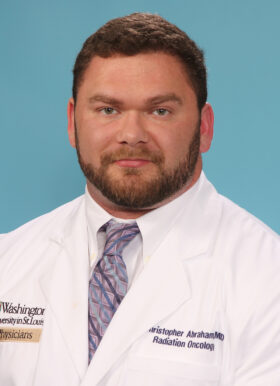
Christopher D. Abraham, MD is an Associate Professor of Radiation Oncology and Associate Professor of Medicine at Washington University School of Medicine in St. Louis. He is affiliated with the Siteman Cancer Center, Brain Tumor Center, and Institute of Clinical and Translational Sciences (ICTS). Dr. Abraham practices at multiple locations including the Center for Advanced Medicine Radiation Oncology Center, Barnes-Jewish West County Hospital, and Siteman Cancer Center – North County. His clinical work focuses on radiation oncology with expertise in treating brain tumors and other cancers. Dr. Abraham completed his Medical Degree at Saint Louis University School of Medicine in 2011 and his Residency in Radiation Oncology at Barnes-Jewish Hospital and Washington University School of Medicine in 2016. He earned his BS in Radiologic Science from the Medical College of Georgia in 2004. Dr. Abraham's research focuses on advancing radiation therapy techniques, particularly in stereotactic radiosurgery for brain metastases, hippocampal-avoidance whole brain radiation therapy, and innovative approaches for glioblastoma treatment. His work demonstrates a strong emphasis on optimizing radiation delivery while minimizing neurocognitive side effects. He has pioneered simulation-free radiation therapy techniques that expedite treatment planning, particularly for palliative care patients. His research also explores the integration of AI and large language models in radiation oncology workflows and insurance appeals processes. Analysis of Dr. Abraham's recent publications reveals a clear research trajectory focused on improving precision in radiation therapy for brain tumors, with particular attention to hippocampal protection, adaptive planning techniques, and combined modality approaches. His work spans clinical trials, technical innovations in treatment planning, and translational research connecting imaging with treatment outcomes. The increasing citation counts of his work, particularly his 2023 paper on simulation-free radiation therapy which has 34 citations, demonstrates growing impact in the field. While specific awards are not listed in the provided information, Dr. Abraham's work has accumulated 536 citations according to Scopus metrics, indicating significant scholarly impact. His research has been referenced in clinical guidelines and policy sources, demonstrating translational relevance to clinical practice. Dr. Abraham actively collaborates with multidisciplinary teams including neurosurgeons, medical oncologists, and physicists. His work on the NRG Oncology/RTOG 0631 trial demonstrates involvement in large cooperative group studies. He has contributed to efforts examining insurance policy adherence to radiation oncology guidelines, showing engagement with healthcare systems issues. As a key member of the Brain Tumor Center at Siteman Cancer Center, Dr. Abraham participates in comprehensive brain tumor care teams that integrate surgical, medical, and radiation oncology approaches. His work with the Institute of Clinical and Translational Sciences highlights his commitment to translating research findings into clinical practice. Current research directions include exploring simulation-free radiation therapy techniques, optimizing hippocampal-sparing approaches, and investigating novel combinations of radiation with immunotherapies.
Fengqing Maggie Zhu is an Associate Professor at the Elmore Family School of Electrical and Computer Engineering within Purdue University , West Lafayette campus. Her research spans image processing , video compression , computer vision , and smart health , with notable contributions to learned image compression , 3D reconstruction , and nutrition analysis via computer vision . Educational background: BS in Electrical Engineering, Purdue University (2004) MS in Electrical and Computer Engineering, Purdue University (2006) PhD in Electrical and Computer Engineering, Purdue University (2011) Her work focuses on developing machine learning-based compression techniques for 2D/3D images and videos, with applications in food portion estimation , wearable dietary monitoring , and virtual reality facial expression tracking . She explores structured pruning , mixed precision quantization , and continual learning to create efficient, robust systems for edge-cloud collaboration. The 2025-2024 article collection reveals concentrated efforts in learned image compression (with 8 papers on quantization, pruning, hierarchical VAEs), food-related computer vision (12+ papers on portion estimation, databases, classification), and 3D reconstruction (MetaFood3D dataset, ICP-3DGS algorithm). Emerging themes include privacy-preserving AI for wearable cameras and class-incremental learning frameworks. Contact: zhu0@purdue.edu
Professor Oskar Hansson is a senior consultant neurologist at Skåne University Hospital and full professor of neurology at Lund University, Sweden. He leads the Swedish BioFINDER studies, focusing on early diagnosis of Alzheimer's and Parkinson’s diseases through biomarker development. Co-director of Lund University's neuroscience research area, he also oversees clinical research at the Memory Clinic. Lund University (2017-present): Full Professor of Neurology Skåne University Hospital (2012-present): Senior Consultant Neurologist His research emphasizes clinical and translational studies, particularly in Neurodegenerative Diseases , Biomarker Development , and Neuroimaging . Key contributions include validating Tau PET imaging and blood-based biomarkers for early Alzheimer's detection. Recent publications highlight applications in Alzheimer's disease subtyping , polygenic risk scores , and Lewy body disorder biomarkers (2025 publications in Nature Communications , The Lancet , and Alzheimer's Research and Therapy ). Current projects include active research on amyloid immunotherapies and tau pathology biomarkers. 2024 : Torsten Söderberg Professorship 2023 : De Leon Prize, ERC Advanced Grant, NIH/NIA R01 grant 2023 : Elsa and Alfred Eriksson Award Hansson leads the Clinical Memory Research platform and oversees multiple initiatives including the MultiPark Parkinson's research program and Proactive Ageing profile area at Lund University.
Philipp Koehn is a Professor in the Department of Computer Science at Johns Hopkins University, with additional affiliation at the University of Edinburgh. His primary research focuses on statistical and neural machine translation, specifically developing methods to leverage large-scale digital information for cross-lingual communication. He leads the Machine Translation Research Group and maintains key resources like the Moses toolkit and Europarl corpus. His research interests span: Core machine translation techniques (statistical/neural approaches) Low-resource and unsupervised translation methods Cross-lingual representation learning Speech-to-speech translation systems Large-scale parallel data mining and alignment Evaluation methodologies for generated text Koehn's recent publications demonstrate strong focus on improving translation efficiency (dynamic compression, streaming models), robustness (noise handling, error correction), and accessibility (low-resource languages, radio speech processing). Key trends include multilingual generalization, document-level coherence, and human-centered evaluation. Significant scientific recognition includes: ACL Fellow (2024) IAMT Award of Honor (2015) European Inventor Award Finalist (2013) He currently advises PhD students Rachel Wicks, Elina Baral, Bismarck Odoom, and Weiting Tan. His Machine Translation Group develops widely-used open-source tools and organizes major conferences including WMT and MT Marathon.
Sameer Nath, MD, is an Associate Professor in the Department of Radiation Oncology at the University of Colorado Anschutz Medical Campus School of Medicine. He holds leadership roles as Vice Chair of Clinical Affairs, Clinical Practice Director at Anschutz Medical Campus, and Medical Director of Radiation Oncology at Highlands Ranch Hospital. Dr. Nath is board-certified in Radiation Oncology and practices at UCHealth Radiation Oncology and Rocky Mountain Gamma Knife Center. MD: University of California, San Diego School of Medicine (2010) Internship: University of California, San Diego (2011) Residency: Yale-New Haven Medical Center, Chief Resident in Radiation Oncology (2015) His research focuses on radiation therapy applications for prostate and lung cancers, brain metastases management, and immunotherapy-radiation combinations. He has pioneered work in stereotactic body radiation therapy (SBRT), tumor hypoxia, radiation pneumonitis prevention, and medical imaging innovations for treatment planning. Recent publications examine oligoprogressive prostate cancer management, radiation oncology nurse education, and deep learning applications in patient positioning. Dr. Nath's 15 most recent publications (2024-2017) demonstrate expertise in prostate cancer (4 articles), lung cancer (4 articles), brain metastases (4 articles), and medical imaging/education (3 articles). Key research themes include SBRT optimization, immunotherapy response monitoring, and radiation toxicity management. American Society of Radiation Oncology (ASTRO) Member Practice locations: UCHealth Radiation Oncology - Anschutz Medical Campus (Aurora, CO) and Rocky Mountain Gamma Knife Center - Anschutz Medical Campus (Aurora, CO) Hospital affiliations: UCHealth Highlands Ranch Hospital and University of Colorado Hospital
Baosheng Yu serves as an Assistant Professor of Digital Health at the Lee Kong Chian School of Medicine, Nanyang Technological University (NTU), Singapore, with prior experience as a Research Fellow at the University of Sydney, Australia. His academic credentials include: Bachelor of Engineering (B.E.) from University of Science and Technology of China (USTC), 2014 Ph.D. from University of Sydney (USYD), 2019 Dr. Yu's research integrates cutting-edge artificial intelligence with multimodal medical data—spanning imaging, clinical text, and physiological signals—to revolutionize diagnostic precision and therapeutic efficacy. His work bridges Artificial and Augmented Intelligence , Biomedical Informatics , and Data Science , with specialized focus on medical image segmentation, clinical NLP for electronic health records, and real-time signal analysis for patient monitoring systems. He actively recruits PhD candidates and Research Associates/Fellows for digital health initiatives, indicating robust research momentum. While specific grant portfolios remain unspecified, his methodology suggests strong alignment with Singapore's national priorities in AI-driven healthcare transformation and precision medicine.
Michele Cooke is an Associate Professor at the University of Massachusetts Amherst , affiliated with the School of Earth and Sustainability. Her research focuses on mechanical modeling of fault systems, particularly in Southern California, and she leads initiatives for disability equity in geosciences. Contact: cooke@umass.edu | (413) 577-3142 | Morrill 3 230, 611 N Pleasant St, Amherst, MA Research Interests: Active faulting and work minimization in fault evolution Integration of analog experiments (sandbox/claybox) with numerical models Disability equity in geosciences (e.g., The Mind Hears mentoring forum) Subduction zone hazards and energy budgets Earthquake early warning accessibility for deaf communities Education: Ph.D., Stanford University
Shah Nawaz is an Assistant Professor at the Institute of Computational Perception , Johannes Kepler University Linz. His research focuses on multimodal systems, deep learning applications in healthcare, and cross-modal learning frameworks. He leads projects addressing challenges like missing modalities in machine learning, face-voice association, and medical image analysis. Key research interests include machine learning for medical diagnostics (e.g., breast cancer detection, skin lesion segmentation), speech recognition, and adaptive neural network architectures. He has contributed to frameworks like Chameleon for robust multimodal learning and the FAME challenge for face-voice association in multilingual environments. Publications emphasize practical applications, such as bilingual healthcare chatbots for pregnant women and light-weight speech recognition models for resource-constrained systems. His work bridges theoretical advancements and real-world deployment in healthcare and security domains. Shaw Nawaz actively participates in academic communities through workshops like DaQuaMRec@RecSys2025 and has developed open-source frameworks for image restoration and multimodal fusion. His lab focuses on scalable solutions for multimodal data challenges in both technical and clinical contexts.
Leonora Kaldaras is an Assistant Professor in the Department of Curriculum & Instruction at Texas Tech University College of Education. Her research focuses on equitable personalized learning, AI-driven assessment systems, and cognitive development in STEM education. She holds a dual Ph.D. in Curriculum, Instruction and Teacher Education and Measurement and Quantitative Methods from Michigan State University (2020) and has worked with Nobel laureate Carl Wieman on AI-guided feedback tools. Education: Dual Ph.D. (2020), Michigan State University Science Education Certificate, BGSU B.S. in Chemistry (2009), BGSU Research Interests: Personalizing learning through technology, equity in blended/personalized learning, and fostering knowledge transfer via self-guided strategies. She specializes in NGSS-aligned assessments and AI-enhanced feedback systems for STEM education. Article Trends: Her recent work (2023-2025) emphasizes AI-driven assessment design, NGSS-aligned learning progressions, and cognitive frameworks for math-science integration. Earlier publications (2012-2016) focus on biophysics but transitioned to education post-2020. Scientific Awards: New and Noteworthy Invited Symposium by American Chemical Society Top Downloaded Article (JRST, 2019) Top Cited Article (JRST, 2021-2022) Grants: NSF DrK-12 Co-PI (2022-2026) for AI feedback systems in NGSS classrooms. Labs & Collaborations: Formerly at Stanford University Graduate School of Education and University of Colorado Boulder PhET Interactive Simulations Project, working closely with Nobel laureate Dr. Carl Wieman.
Yannis Stylianou is Professor of Speech Processing at University of Crete and Senior Research Scientist at Apple. Former positions include AT&T Labs Research, Bell-Labs, and Toshiba Cambridge Research Lab. IEEE Fellow with PhD from ENST-Paris and over 200 publications. Research spans: Adaptive speech/audio modeling Neural speech synthesis/enhancement Biomedical signal processing Awards include: IEEE Fellowship French Ministry Research Fellowship ENST Graduate Scholarship Recent work focuses on neural TTS architectures, intelligibility enhancement, and multimodal synthesis. Organizes annual International Summer School on Speech Processing.