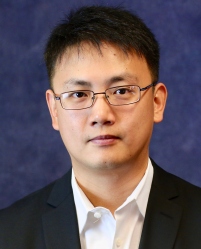
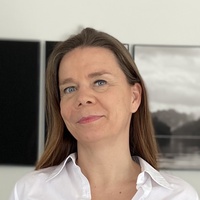
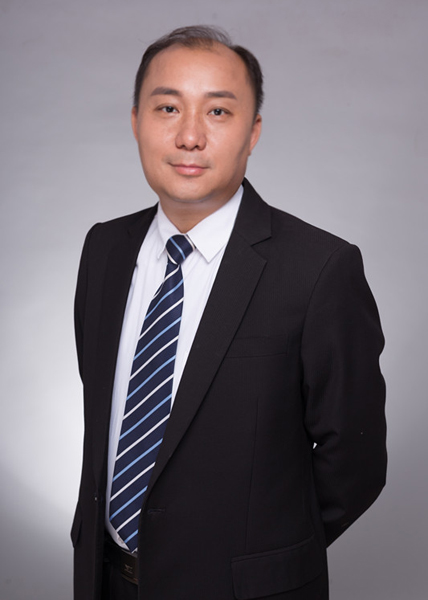
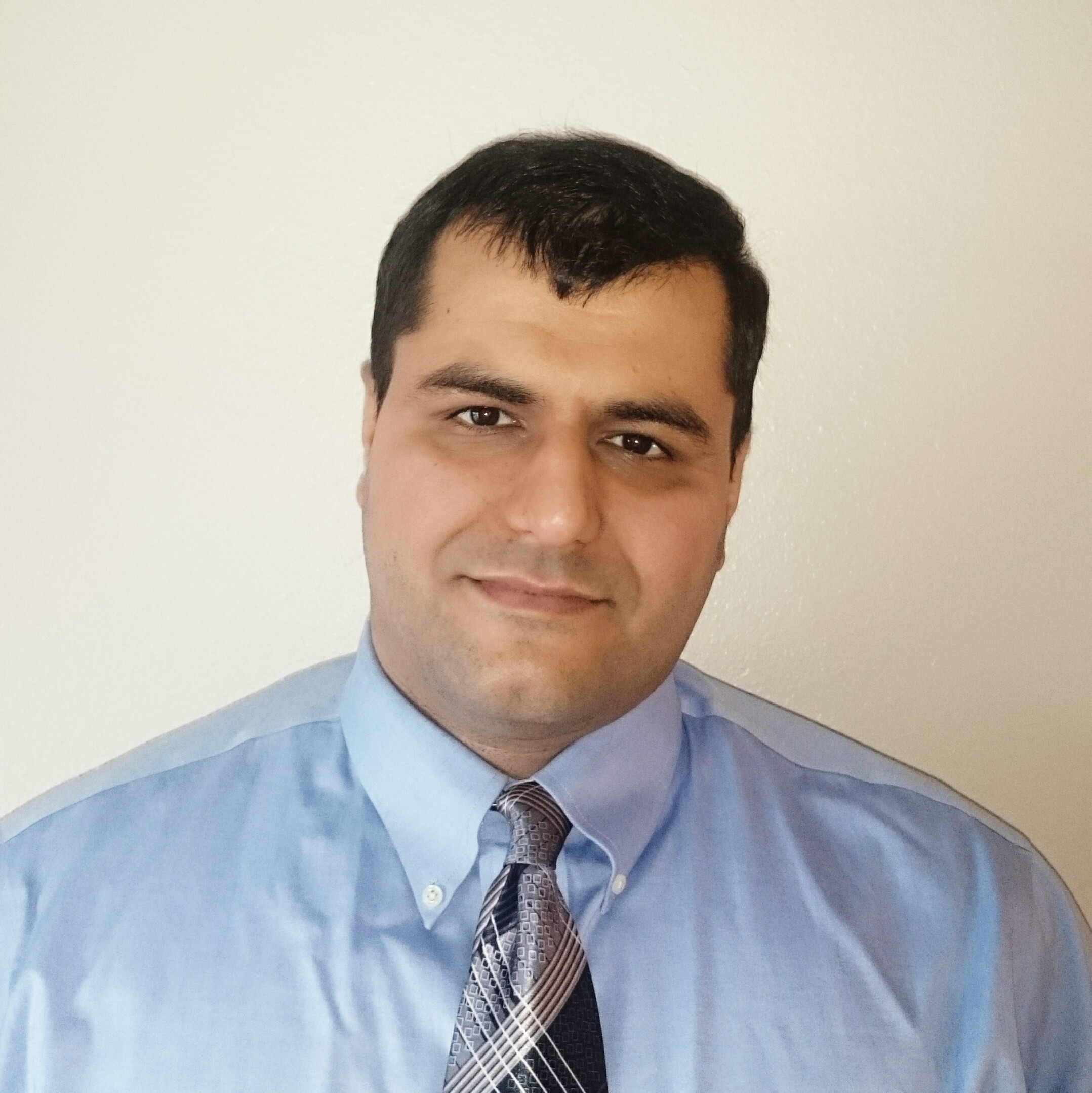
Dr. Varsha Suresh serves as a Postdoctoral Researcher at Saarland University's Computer Science and Computational Linguistics department, affiliated with Prof. Vera Demberg's research group since May 1, 2024. She also contributes to the DFG-funded SFB-1102 project "Information Density and Linguistic Encoding" as part of project B2 focused on "Cognitive modelling of information density for discourse relations". Her research expertise spans multiple dimensions of language technology: Development of knowledge-augmented language models to enhance language understanding capabilities Creation of multimodal language models incorporating non-verbal communication cues Cognitive modeling approaches to information density in discourse relations Integration of gestures, body language, and speech features with linguistic processing Dr. Suresh's work represents an interdisciplinary fusion of computational linguistics, cognitive science, and artificial intelligence, aiming to create language models that more accurately reflect human communication patterns through multimodal data integration. Her research has significant implications for advancing human-computer interaction systems and natural language understanding technologies.
Dr. Alexis Garcia is a Clinical Assistant Professor in the Department of Psychiatry and Behavioral Sciences at the Medical University of South Carolina (MUSC). She holds a PhD in Clinical Psychology from Florida International University with a specialty in child and adolescent psychology. Her postdoctoral training included a National Institute of Alcohol Abuse and Alcoholism (NIAAA) fellowship focusing on adolescent alcohol use. Dr. Garcia is affiliated with MUSC's College of Medicine and actively participates in the MUSC Youth Collaborative, focusing on self-regulation mechanisms related to substance use in adolescents, particularly those with ADHD and emotion dysregulation challenges. Education & Professional Background: PhD in Clinical Psychology, Florida International University Predoc Internship: MUSC Child Track NIAAA Postdoctoral Fellowship (Adolescent Alcohol Use Research) Research Interests: Her work examines emotion dysfunction in ADHD-affected adolescents and its link to risk-taking behaviors like substance use. She also investigates racial disparities in school disciplinary actions, family violence reporting discrepancies, and early intervention strategies for behavioral disorders. Methodologically, she employs multimodal assessments and longitudinal studies like the ABCD project. Professional Contributions: As a mentor, she guides psychology interns and psychiatry fellows at MUSC. Her research has explored fidget spinner efficacy for ADHD symptom management in classrooms, the role of parental monitoring in alcohol experimentation, and neurobehavioral vulnerability markers for substance misuse. She collaborates on large-scale projects such as the Adolescent Brain Cognitive Development (ABCD) study. Labs/Teams: Active member of the MUSC Youth Collaborative, contributing to interdisciplinary studies on youth mental health and developmental psychopathology.
Sina Sareh is a robotics researcher at the Royal College of Art (RCA), where he leads the RCA Robotics Laboratory within the School of Design. He has established himself as an expert in soft robotics and multimodal sensing, developing innovative solutions for human safety and access problems in industrial operations. Dr. Sareh's educational background includes: PhD in Robotics from the University of Bristol, where he worked on monolithic design of flexible actuators for operation in confined liquid environments MSc in Control Systems from the University of Sheffield BSc in Electrical Engineering from Amirkabir University of Technology, Tehran Dr. Sareh's research focuses on soft robotics, multi-modal mobility, manipulation and attachment, and multimodal sensing. His work bridges the gap between robotics engineering and practical applications, particularly in medical and industrial settings. He has developed novel approaches to robotic attachment inspired by octopus biology, created haptic interfaces that mimic the feeling of touching human internal organs, and designed soft robotic technologies to help articulate pain symptoms. His research consistently demonstrates innovation in creating adaptable robotic systems that can operate effectively in complex, unstructured environments where traditional rigid robots face limitations. His publication record demonstrates a strong trajectory in robotics research, with emphasis on soft robotics, medical applications, and novel sensing techniques. The research shows progression from fundamental soft actuator design to practical applications in surgery, industrial operations, and human-robot interaction, with a consistent focus on solving real-world problems through biologically inspired approaches. Dr. Sareh has successfully secured multiple research grants, including EPSRC funding for 'Getting a Grip' and 'Multi-vendor Interoperability in Robotics,' as well as InnoHK funding for 'Intelligent Medicine Warehousing.' He has also served as an impact assessor for the Research Excellence Framework (REF) 2021 in Engineering and is a member of the editorial board at IET Cyber-physical Systems and Robotics Journal. Currently, Dr. Sareh advises research students including Filippo Sanzeni, and maintains active collaborations with industry and academic partners through the RCA Robotics Laboratory, which serves as a hub for interdisciplinary robotics research at the intersection of design, engineering, and human-centered applications. His work on projects like 'Topographies of Pain' and 'Reminisys' demonstrates a commitment to applying robotics technology to improve healthcare outcomes and quality of life.
Andrew Perfors is a Professor of Psychology at the University of Melbourne, leading the Computational Cognitive Science Lab and directing the Complex Human Data Hub. His research focuses on quantitative approaches to higher-order cognition, including concepts, language, decision-making, and misinformation dynamics. He holds a PhD from MIT and degrees from Stanford University. Education: PhD in Brain & Cognitive Sciences, Massachusetts Institute of Technology (2008) MA in Linguistics, Stanford University (2000) Bachelor of Science in Symbolic Systems, Stanford University (1999) Research Interests: He investigates computational models of cognition, cultural and social evolution, and the spread of misinformation. Recent work emphasizes the cognitive mechanisms underlying inductive reasoning, sampling assumptions, and trust in information. Key Projects: Understanding Information and Trust: From the Individual to the Population (2018–2025) Bridging the Meaning Gap: Computational Approach to Semantic Variation (2023–2027) Awards: Recipient of multiple best paper awards for contributions to cognitive science and computational linguistics. Labs & Groups: Leads the Complex Human Data Hub and co-leads the Computational Cognitive Science Lab, focusing on interdisciplinary research in human behavior and data science.
Chung-Hsing Yeh is an Associate Professor at Monash University's Faculty of Information Technology, Department of Data Science & AI. He holds a visiting professorship at National Cheng Kung University, Taiwan, and has extensive experience in academic roles including Chief Examiner and Lecturer for numerous IT and business-related courses. His research focuses on multicriteria decision analysis, applied artificial intelligence, fuzzy logic, neural networks, and sustainable operations management. He has led collaborative projects on e-waste recycling, supply chain optimization, and public health policy, funded by organizations like the Ministry of Science and Technology (Taiwan) and the Australian Research Council. Education: PhD in Operations Research/Information Systems, Monash University (1988) MSc in Management Science, National Cheng Kung University (1982) BSc (Engineering) in Industrial Design, National Cheng Kung University (1977) Research Interests: His work spans decision support systems, optimization modeling, transport research, and recycling operations. Notable contributions include algorithms for production scheduling, AI-driven solutions for healthcare, and sustainable e-waste management strategies. Awards: Listed in Marquis Who's Who in the World Listed in Who's Who in Finance and Industry Listed in Who's Who in Science and Engineering Grants & Projects: Led 6 major projects, including 'Maximizing E-waste Recycling Profitability' (2019–2020) and 'Smoke-Free Policy Effectiveness' (2007–2010). Active in grant review roles for ARC and the Netherlands Organisation for Scientific Research. Teaching: Overseeing courses such as Fundamentals of Artificial Intelligence, Business Intelligence Modelling, and Management Information Systems.
Tao Huan is an Associate Professor in the Department of Chemistry , University of British Columbia , and holds the Canada Research Chair in Metabolomics and Exposomics . His research focuses on advancing mass spectrometry (MS) for metabolomics , integrating bioinformatics to address challenges in cancer metabolism , disease biomarker discovery , and exposome characterization . Education: Ph.D. in Analytical Chemistry (University of Alberta, 2015), Postdoctoral Research Associate (The Scripps Research Institute, 2015-2018). Dr. Huan’s work emphasizes systems biology , combining metabolomics with genomics and proteomics to decode complex biological mechanisms. He has pioneered methods for chemical isotope labeling and multimodal data integration , enhancing metabolite identification and pathway analysis. His recent publications (2020-2019) highlight innovations in LC-MS/MS workflows , freeze-thaw sample stability , and applications in colorectal cancer and Alzheimer’s disease . Dr. Huan’s lab actively recruits students and postdocs in analytical chemistry, metabolomics, and bioinformatics. Awards: Fred Beamish Award (2025), President’s Award, Metabolomics Society (2025), UBC Killam Faculty Research Award (2024), Michael Smith Health Research BC Scholar Award (2023). He serves as a faculty member in UBC’s Graduate Program in Bioinformatics , Genome Science and Technology , and the Cluster for Microplastics, Health and Environment . Lab alumni include Ph.D. and M.Sc. students now in academia and industry.
Véronique Hoste is Senior Full Professor of Computational Linguistics at Ghent University's Faculty of Arts and Philosophy, where she serves as Department Head of Translation, Interpreting and Communication and Director of the LT3 language technology research team. She also holds the position of Research Director for the Faculty of Arts and Philosophy. Her educational background includes a PhD in Computational Linguistics from the University of Antwerp (2005) focused on optimization in machine learning for coreference resolution. Key research areas encompass machine learning for natural language processing, semantic and discourse modeling, including specialized work in event detection, entity/event coreference resolution, irony detection, and emotion analysis. Hoste's publication trends reveal strong interdisciplinary focus, with recent work bridging NLP with crisis communication, digital humanities, and ethical AI. Her team develops high-quality datasets (e.g., EmoTwiCS for emotion trajectories) and collaborates extensively with commercial partners on projects like SentEMO for aspect-based sentiment analysis. Current research emphasizes multimodal emotion analysis, fuzzy rough set methods for sentiment detection, and cross-document event coreference. Elected member of the Royal Flemish Academy of Belgium for Science and the Arts (KVAB) Francqui Chair appointment by Université Libre de Bruxelles (2023-2024) Co-founded LT3 spin-off AlfaSent (2024) for customer feedback analysis Authored first Dutch-language book on NLP: "Taaltechnologie ontrafeld" She actively supervises multiple PhD students on projects including Common-sense knowledge in irony detection (Common-sense), cross-document event coreference (Encore), and empathy modeling in conversational agents (FlandersAI). Her team secures funding through interdisciplinary collaborations like NewsDNA for news recommendation and METRICS for emotion trajectory analysis. Hoste also engages in public outreach through the "AI at school" initiative and advises on language technology integration in high school curricula. The LT3 laboratory under her leadership maintains strong industry partnerships and develops practical NLP tools including EmotioNL and Automatic Term Extraction systems, while advancing core research through projects like CLARIAH-VL for data curation.
Andrea Stevenson Won is a researcher at Cornell University in the Department of Communication , focusing on virtual reality (VR), human-computer interaction, and social dynamics in immersive environments. Her work explores avatar embodiment , nonverbal behavior , and accessibility in VR for users with disabilities. Research Themes : Virtual embodiment and its psychological effects Accessibility solutions for blind and low-vision users in social VR Nonverbal communication analysis in immersive environments Pro-social behavior through VR interventions Collaborative VR systems and AI integration Recent Article Trends : 2024: Investigated avatar behavior transformation in mixed reality ( MRTransformer ), AI-guided accessibility tools, and nonverbal cue adaptations 2023-2022: Focused on educational VR applications, 360° video narratives, and longitudinal team dynamics 2021-2014: Pioneered avatar embodiment studies, anxiety detection via movement tracking, and homuncular flexibility in VR
Hongbo Jiang is a Distinguished Professor and Vice Dean of the College of Computer Science and Electronic Engineering at Hunan University, China. He holds concurrent roles as Director of the Trusted Systems and Networking Key Laboratory of Hunan Province and Director of the Hunan International Technical Cooperation Base for High-Performance Computing and Distributed Systems. His academic journey includes tenures as a Professor at Huazhong University of Science and Technology and a Hong Kong Scholar Research Fellow at The Chinese University of Hong Kong. Education: PhD in Computer Science (Case Western Reserve University, 2008), B.S./M.S. in Mathematics (Huazhong University of Science and Technology, 2002). Research Interests: Distributed systems, mobile computing, smart sensing, wireless networks, IoT, and edge computing. Ongoing projects include mobile/wireless applications, data science in IoT, and edge computing platforms. His work emphasizes practical implementations such as DriverSonar for driving safety and SmileAuth for biometric authentication. Key Achievements: Elected Member of Academia Europaea (2022), Fellow of AAIA, IET, and BCS. Notable awards include the Wu Wenjun Science and Technology Award (2020) and multiple best paper recognitions. Over 100+ publications in top venues like ACM MobiCom, IEEE/ACM Transactions. Professional Contributions: Editorial roles across 8+ journals including IEEE Transactions on Mobile Computing and ACM Transactions on Sensor Networks. Conference leadership includes co-founding ACM TURC and EAI ICECI. Active in technical committees for INFOCOM, MOBIHOC, and ICDCS. Labs/Teams: Leads research groups focused on networking, IoT, and edge computing. Current openings for PhD/MSc students and PostDoc researchers with strong mathematical and systems backgrounds.
Patrick Wu is a Professor in the Department of Computer Science at American University, with additional affiliations as Faculty Fellow at the Center for Data Science and Faculty Affiliate at the Center for Security, Innovation, and New Technology. He holds a PhD in Political Science and Scientific Computing from the University of Michigan, an MA in Statistics from Michigan, and a BA in Political Science and Statistics from the University of Chicago. His research develops AI/ML and natural language processing approaches for computational social science, focusing on: Political elite and non-elite ideology measurement Affective polarization on social media platforms Detection of hateful/abusive speech and memes Application of large language models to political science research Recent work explores innovative methods for political attitude measurement using LLMs, in-context learning techniques for social media analysis, and frameworks for multimodal representation learning. His publications demonstrate consistent innovation in applying NLP and machine learning to political discourse analysis, with emerging focus on generative AI's impact on political science education and methodology. Wu teaches courses including Object-Oriented Programming and topics in Natural Language Processing/Text as Data.
Dr. Ali Ahrari is a Lecturer at the School of Systems and Computing, University of New South Wales, Canberra. He holds a Ph.D. in Mechanical Engineering from Michigan State University (2016) and has extensive experience in research and academia, including roles as a Research Fellow and Associate at UNSW-Canberra and the University of Sydney. His research focuses on evolutionary algorithms, multimodal and multi-objective optimization, and surrogate-assisted optimization. Ahrari is a recipient of prestigious awards, including the ARC-DECRA 2023 and multiple international competition wins in optimization (e.g., CEC/GECCO competitions). He leads research groups like the Canberra Evolutionary Optimization (EvOpt) and serves on editorial boards, including Applied Soft Computing. Education: Ph.D. (2016, Michigan State University), M.Sc. and B.Sc. (University of Tehran). Awards: ARC-DECRA, ISCSO, and GECCO/CEC competition wins. Grants: ARC DECRA (2023), NCI Adapter Schemes, UNSW HPC allocations. Supervision: Currently advising 1 PhD student at SEIT, UNSW-Canberra. Engagements: Chair of IEEE Task Force on Multi-modal Optimization, organizer of optimization competitions (GECCO'2024, CEC'2022). His research emphasizes computational optimization, evolutionary computation, and swarm intelligence, with applications in engineering design and dynamic environments. He actively contributes to academic communities through editorial roles and conference organization.
Dr. Gary Glover is a Professor of Radiology (Radiological Sciences Lab) at Stanford University , with courtesy appointments in Psychology and Electrical Engineering. His work focuses on the physics and mathematics of MRI, particularly rapid scanning methods using spiral k-space trajectories for functional brain imaging and multimodal neuroimaging (fMRI/EEG/fPET/fNIRS) combined with neuromodulation techniques like TMS and transcranial ultrasound. Academic Appointments: Radiology, Psychology, Electrical Engineering Professional Affiliations: Bio-X, Stanford Cancer Institute, Wu Tsai Neurosciences Institute Research Interests include: Development of blood oxygen level-dependent (BOLD) and viscoelastic contrast in MRI Functional MR Elastography for brain activation mapping Optimization of MR-ARFI for transcranial ultrasound guidance Automated spinal cord segmentation (EPISeg) using machine learning Scientific Awards : National Academy of Engineering (2013) Gold Medal, ISMRM (2000) Steinmetz Award, General Electric (1985) Lauterbur Lecture, ISMRM (2018) Recent Publications analyze: Fast fMRI sampling and spurious signal correction Dissociated patterns in default mode network anti-correlations Neural correlates of collaborative behavior in triadic fMRI Salience network contributions to depression pathophysiology
Christof Lutteroth is a Professor in the Department of Computer Science at the University of Bath and Director of the REal and Virtual Environments Augmentation Labs (REVEAL). His work focuses on Human-Computer Interaction (HCI) with emphasis on eye-gaze interaction and virtual reality (VR), particularly for health, exercise, and learning applications. He leads multiple research projects funded by organizations like EPSRC, The British Academy, and The Royal Society. Research Interests include developing gaze-controlled interfaces, immersive VR systems, and adaptive UI/UX for fitness and cognitive training. He explores affective design tools, emotion recognition in VR exergaming, and biometric data analysis for health applications. Recent Publications highlight advancements in gaze-based text entry, emotion measurement in VR, AI-driven UI development, and cross-European XR innovation networks. His work spans from foundational HCI methodologies to applied projects in rehabilitation and immersive learning. Grants include EPSRC IAA, British Academy, and Royal Society funding for projects like TapGazer, Hyper-immersive XR, and Affective Design Tools for VR. He collaborates with institutions across Europe through the EMIL project. Laboratory : REVEAL Lab at the University of Bath drives research in immersive technologies, motion analysis, and augmentation of human interaction with digital environments.
Simon Mills is an Associate Professor in New Media at the Leicester Media School, Faculty of Computing, Engineering and Media, De Montfort University (DMU), UK. He is a leading scholar in the philosophy of technology and media theory, with a specialized focus on the work of Gilbert Simondon. His research explores the philosophical underpinnings of digital media, information, and technical individuation, contributing significantly to contemporary debates on AI, big data, and ethics. PhD, University of the West of England — Gilbert Simondon: Causality, Ontogenesis & Technology PGCert(HE), De Montfort University MSc in Multimedia, Nottingham Trent University MA in Writing (Practice & Issues), Nottingham Trent University BA Hons Philosophy, University of Nottingham Simon Mills' research centers on the philosophy of technology, particularly the work of Gilbert Simondon, and its application to contemporary issues in digital media, AI, and ethics. He investigates concepts such as individuation, transduction, and the transindividual, bridging continental philosophy with media and technology studies. His work critically engages with cybernetics, information theory, and the ontology of technical objects, especially in software and data systems. His recent publications, including the monograph Gilbert Simondon: Information, Technology and Media (2016) and articles like 'Simondon and Big Data' (2015), demonstrate a consistent trajectory in analyzing the philosophical implications of big data, AI, and digital culture through Simondonian frameworks. His scholarship reveals a deep engagement with interdisciplinary themes, connecting philosophy, media studies, and computer science to critique and reimagine technological development. Simon Mills has served on the editorial advisory board of Writing Technologies and has conducted peer reviews for journals such as AI & Society , Information, Communication and Society , and Sociological Review . He has delivered invited talks and keynotes at international conferences, including events at Nankai University, Edinburgh University Press, and the University of Kent, affirming his standing in the academic community. He teaches courses in New Media theory, AI & Society, Cybernetics, and Digital Publishing. He is affiliated with the Media & Culture Research Centre (MCRC) at DMU, contributing to a vibrant research environment focused on media, technology, and culture. His ongoing work includes a forthcoming chapter in The Edinburgh Companion to Simondon (2025), where he explores the optative dimension of technical and ethical invention.
California Institute of Technology (Caltech)United States
Huaizu Jiang is an Assistant Professor at Khoury College of Computer Sciences, Northeastern University. His research bridges computer vision, graphics, and natural language processing to develop AI systems that understand and reconstruct 3D visual environments. Prior to joining Northeastern, he was a Postdoc Researcher at Caltech and Visiting Researcher at NVIDIA. He holds a Ph.D. from UMass Amherst (advised by Prof. Erik Learned-Miller), and M.E./B.E. degrees from Xi'an Jiaotong University. His research focuses on fundamental challenges in 3D scene understanding, including geometry reconstruction, semantic interpretation, novel view synthesis, motion generation, and optical flow estimation. Core interests span video processing, human-object interactions, multimodal reasoning, and efficient edge-device implementations. Recent publications emphasize diffusion models for motion/scene generation, transformer-based 3D perception, and video interpolation. Key trends include multi-view consistency techniques, text-to-3D synthesis, and efficient real-time algorithms for robotics applications. Awards & Honors: Winner of the VQA Challenge 2020 He advises 15+ graduate students on projects spanning 3D reconstruction, motion synthesis, and vision-language models. His group collaborates with institutions like NVIDIA and Caltech, focusing on generative AI for dynamic scene understanding.