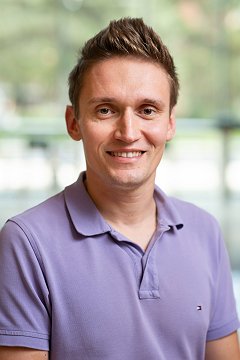
Maximilian Friehs serves as Assistant Professor in Psychology of Conflict, Risk and Safety, maintaining an active research profile with 45 total publications and an h-index of 15. His work bridges cognitive neuroscience, gaming psychology, and risk perception through experimental methodologies. Primary research domains include: Gaming Psychology (100% fingerprint relevance) Response Inhibition and Stop-Signal Task paradigms (88%-53% relevance) Transcranial stimulation techniques (tDCS/TMS) applied to cognitive enhancement Working Memory mechanisms in digital environments Conflict, Risk, and Safety psychology frameworks Current research trends emphasize neurogaming applications, particularly examining transcranial stimulation effects during gameplay and psychological impacts of climate-related doomscrolling. Recent outputs analyze engagement dynamics in Minecraft multiplayer environments and narrative influences on cognitive control tasks. Professional activities include four 2023 conference presentations addressing toxicity mitigation in gaming, multimodal social agents, and art-technology intersections. His work demonstrates consistent annual output growth, with 11 publications in 2024 and 5 already in 2025.
Xianyi ZENG is a Full Professor and Research Supervisor (Section CNU 61) at University of Lille, France, affiliated with ENSAIT (École Nationale Supérieure des Arts et Industries Textiles). His research focuses on human-centered intelligent systems in textile and fashion domains, directing the Human Centered Design Group. His primary research interests span Artificial Intelligence for textiles , Wearable healthcare systems , and Sustainable supply chain optimization . Key specialties include fabric hand evaluation through deep learning, 3D garment fitting technology, fetal monitoring garments, and carbon price forecasting. His work bridges textile engineering with computational intelligence, emphasizing practical applications in fashion digitization and sustainable manufacturing. Analysis of his 15 most recent publications reveals strong trends in AI-driven textile innovation (73% of articles), with significant focus on wearable healthcare (27%) and sustainable systems (33%). His research consistently integrates multimodal data fusion, probabilistic modeling, and human factors analysis across domains. Innovation R&D Award from French-China Committee (2021) National Knight’s title in the Order of Academic Palms (2019) Honorary Doctorate from Gheorghe Asachi Technical University (2019) TBIS2020 Plenary Medal Lecture Award (2020) Annual PEDR Award for PhD supervision since 1995 Professor ZENG has secured substantial research funding through 7 major projects as Principal Investigator, including EU Horizon 2020's FBD_BModel and French ANR's IOTFetMov. His collaborative network spans 15+ institutions across Europe and China. Current research integrates edge AI with textile systems for Industry 5.0 applications, while his teaching covers decision support systems and sensory evaluation.
Ivan Ruchkin is an Assistant Professor in the Department of Electrical and Computer Engineering at the University of Florida, where he leads the Trustworthy Engineered Autonomy (TEA) Lab. He holds affiliate appointments in the Department of Mechanical & Aerospace Engineering, Department of Computer & Information Science & Engineering, Nelms Institute for the Connected World, Artificial Intelligence Academic Initiative, and Intelligent Critical Care Center. Dr. Ruchkin's research focuses on making autonomous systems safer and more trustworthy through novel techniques for modeling, analyzing, verifying, controlling, and monitoring cyber-physical systems. His work spans formal verification methods, safety monitoring with statistical guarantees, model integration approaches, and neuro-symbolic paradigms that combine the strengths of neural networks and symbolic reasoning. He has made significant contributions to the fields of conformal prediction for safety guarantees, neural network repair while preserving correct behaviors, and physically interpretable world models for autonomous systems. His recent publications reveal a strong trend toward developing statistically sound safety guarantees for learning-enabled systems, with particular emphasis on conformal prediction methods that provide calibrated confidence measures. His work bridges the gap between high-dimensional perception (like vision) and formal safety guarantees, addressing the critical challenge of ensuring safety in systems where traditional verification methods fail due to complexity. Dr. Ruchkin is actively involved in the academic community as a program committee member for major conferences including ASE 2025 (Research Papers track) and ICSE 2026 (New Ideas and Emerging Results track). His research has been published in top venues across software engineering, formal methods, and robotics. At the University of Florida, he directs the TEA Lab which focuses on developing theoretically grounded yet practically applicable methods for trustworthy autonomy. His lab investigates approaches that combine formal methods with machine learning to create safety-critical autonomous systems that can provide statistical guarantees about their behavior even in complex, uncertain environments.
Prof. Dr.-Ing. Frank Wallhoff is a Professor for Assistive Technologies at Jade University of Applied Sciences since 2010. He serves as Dean of the Department of Civil Engineering Geoinformation Health Technology and Head of the Institute for Technical Assistance Systems. His career spans over two decades with significant contributions to human-machine interaction, cognitive systems, and assistive technologies. Previously, he worked at Technische Universität München from 1997-2010 where he completed his doctorate and served as a postdoc and Akademischer Rat. His educational background includes: 1988-1991: School education with A-level/high school graduation 1991-1992: Certified Engineer's Assistant 1993-1999: Study of electrical engineering 2002-2006: Doctorate at Technische Universität München on face detection, identification, and emotion recognition Wallhoff's research focuses on the intersection of technology and human needs, particularly in assistive technologies for aging populations and human-robot interaction. His work spans cognitive systems with learning capabilities, social robotics, ambient assisted living, pattern recognition, machine learning, human-machine interaction, and facial expression recognition. He has developed significant databases like the FG-NET Database with Facial Expressions and Emotions, which has been widely used in emotion recognition research. His recent publications (2015-2018) reveal a strong trend toward practical applications of human-robot interaction in healthcare, rehabilitation, and daily living assistance. His work increasingly integrates multimodal sensing, machine learning, and context-aware systems to create adaptive assistance technologies. Key areas include motion exercise recognition for rehabilitation, 3D visualization for underwater vehicle control, and robust human-robot dialogue systems for production environments. His scientific recognition includes: Best Paper Award for 'Experimental Platform for Wizard-of-Oz Evaluations of Biomimetic Active Vision in Robots' at IEEE International Conference on Robotics and Biomimetics (Robio), 2009 Wallhoff has secured significant research funding including the EITAMS project (€1.5 million from Lower Saxony Volkswagen Advance Programme) focused on affordable underwater vehicle systems, and the INTERREG project 'Vital Regions' (2017-2020) developing technologies to support elderly in rural areas. He coordinates the ALIAS project (Adaptable Ambient Living Assistant) and has led multiple projects within the Cluster of Excellence CoTeSys, including JAHIR, ACIPE, EYETRACK, and RealEYE. His research bridges academic innovation with practical applications, particularly in healthcare technology and assistive systems. He leads the Institute for Technical Assistance Systems at Jade University, where his team develops innovative solutions at the intersection of cognitive systems, human-robot interaction, and assistive technologies. Current initiatives focus on underwater robotics for maritime applications, rehabilitation technologies using motion tracking, and ambient assisted living systems for elderly care.
Kyrre Glette is a Professor at the University of Oslo's Department for Informatics, affiliated with the RITMO Centre for Interdisciplinary Studies in Rhythm, Time and Motion and the Robotics and Intelligent Systems (ROBIN) research group. His work focuses on co-designing robot bodies and behaviors using AI methods, particularly through the open-source robotic platform DyRET. Research interests include evolutionary robotics, bio-inspired computing, and embodied AI. Research Groups: Robotics and Intelligent Systems (ROBIN) RITMO Centre of Excellence fourMs Lab Projects: COCOMO: Co-evolution of Control and Morphologies Multimodal Elderly Care Systems (MECS) Predictive and Intuitive Robot Companion (PIRC) His publications explore topics like evolutionary algorithms for morphological adaptation, embodied music interfaces, and neural mechanisms of auditory prediction. Advising focuses on MSc projects in evolutionary robotics and modular robot control.
Joakim Gustafson is a Professor of Speech Technology and Head of the Department at the Division of Speech, Music and Hearing, KTH Royal Institute of Technology. His research focuses on multimodal systems, conversational speech synthesis, social robotics, and interactional analysis of spontaneous spoken dialogue. He leads VR-funded projects such as CONNECTED (context-aware speech synthesis for conversational AI) and co-leads projects like STANCE (speaker stance perception) and CAPTivating (public speaking analysis with TTS). He is also involved in Digital Futures-funded AAIS (social robots for elderly assistance) and WASP-funded PerCorSo (robot behavior in crowded environments). Education: Defended his PhD thesis at KTH in 2002 under supervision of Björn Granström, with faculty opponent Julia Hirschberg from Columbia University. Prior roles include Senior Researcher at Telia Research (2000-2007), leading projects like NICE (speech-enabled computer game for children) and TänkOm (animated agent Pixie). Research interests span speech synthesis realism, robot interaction design, and accessibility technologies. Projects aim to improve AAC devices, dementia detection via multimodal analysis, and sustainable cooking interfaces. He actively contributes to editorial boards of journals including Speech Communication and International Journal of Human-Computer Studies , and served as Technical Program co-Chair for Interspeech 2017. His lab, the Intelligence Augmentation Lab, supports data collection for projects like Food Talk. Grants & Collaborations: VR, RJ, WASP, Vinnova, and EU funding across multiple projects. Co-PI in international initiatives like BabyRobot (robot learning for children) and EACare (dementia early detection). Labs/Teams: Intelligence Augmentation Lab (IA-Lab) at KTH, collaborating with RPL (Robot Perception & Language Lab) and ISCA (International Speech Communication Association).
Clas Rydergren is a Professor and Head of Unit at Linköping University's Department of Science and Technology (ITN), within the Communications and Transport Systems division. His research focuses on transport modelling, data analytics, and simulation, with expertise in passenger demand, traffic flow analysis, and urban traffic management. He leads the Traffic Modelling and Simulation research group, collaborating with industry to address real-world transport challenges. Rydergren coordinates the master's program profile in Traffic Analysis and contributes to logistics and transport education through program boards. His work integrates GPS, radar, and mobile data to improve transport systems. Education details are not explicitly provided in the texts, though his academic roles imply advanced qualifications in transportation engineering. His research spans microscopic traffic simulation, automated vehicles, and sustainable transport policies. Over 50 publications since 1998 reflect contributions to equilibrium modelling, data-driven approaches, and infrastructure design evaluation. He advises on strategic traffic management methodologies and has explored taxation policies' impact on road traffic. Current research emphasizes mobility analytics for efficient road transport and cycling infrastructure investments. Grants and collaborations with industry partners underpin his applied research, aiming to bridge academic insights with practical transport solutions. He is involved in educational program development, ensuring curricula align with industry needs in transport and logistics. Rydergren's lab focuses on large-scale transport models and innovative data sources like cellular network and GPS data for traffic analysis.
Raphaël Phan is a Professor at the Malaysia School of Information Technology, Monash University, specializing in security, cryptography, and malicious AI. His research focuses on areas including privacy, emotion recognition, motion analysis, and generative AI, with a particular interest in adversarial behavior. He has published over 200 papers and secured research funding exceeding RM3 million from government and industry sources. Phan led projects such as the privacy-preserving data mining initiative funded by the UK government and Ministry of Defence, and co-designed the hash function BLAKE, a finalist in NIST’s SHA-3 competition. He currently supervises 18 PhD students and has graduated 13, focusing on topics like AI security, generative models, and neurological disease prediction using AI. Recent research contributions include advancements in adversarial AI, brain disorder identification via graph deep learning, and post-quantum cryptography. He actively serves on technical committees for major conferences (e.g., AAAI 2024, Eurocrypt 2024) and has an h-index of 49 with an Erdős number of 2. Key collaborations include projects on Parkinson’s disease tremor analysis, brain network prediction using signal decomposition, and Indo-Pacific post-quantum cryptography initiatives. His work aligns with UN Sustainable Development Goals addressing health and technological innovation.
Dr. Dan Goodman is a Senior Lecturer in the Department of Electrical and Electronic Engineering at Imperial College London's Faculty of Engineering. He leads the Neural Reckoning Group, focusing on uncovering principles of neural computation using precisely timed spikes. His work bridges computational neuroscience and artificial intelligence, emphasizing spiking neural networks and sensory processing, particularly in auditory systems. Key tools include the Brian simulator, a widely used spiking neural network framework. Research affiliations include the Artificial Intelligence Network, Centre for Neurotechnology, and Georgina Mace Centre for the Living Planet. His interests span neural computation, neuromorphic engineering, and interdisciplinary applications of neuroscience. Recent work explores multisensory fusion, neural modularity under resource constraints, and adaptive temporal coding. Publications highlight advancements in spiking network models, sound localization, and neural simulation techniques. Collaborations emphasize open science and online conference formats, as seen in initiatives like Neuromatch. No explicit awards or grant details are provided, though his tool development and theoretical contributions suggest significant academic impact.
Professor Candy Rowe is a prominent academic at Newcastle University, specializing in behavioral ecology and evolutionary biology. Her research focuses on understanding predator-prey interactions, particularly the evolution and efficacy of warning signals (aposematism), chemical defenses, and multimodal communication strategies. She investigates how predators learn to recognize and respond to defended prey, emphasizing the cognitive mechanisms underlying these interactions. Her work spans diverse topics including the impact of prey size, toxicity, and visual patterns on predator behavior, as well as the ecological and evolutionary implications of mimicry and deimatic displays. She has also contributed to studies on animal cognition, including decision-making processes in avian predators and reward systems in primates. Key areas of interest include the design principles of warning signals, the role of sensory modalities in signaling, and the interplay between defense costs and predation risk. Her research frequently employs experimental approaches with birds and insects, combining field observations with controlled laboratory experiments. Professor Rowe’s publications consistently address foundational questions in evolutionary ecology, such as why certain species evolve conspicuous coloration, how predators balance toxin exposure risks, and the cognitive underpinnings of anti-predator strategies.
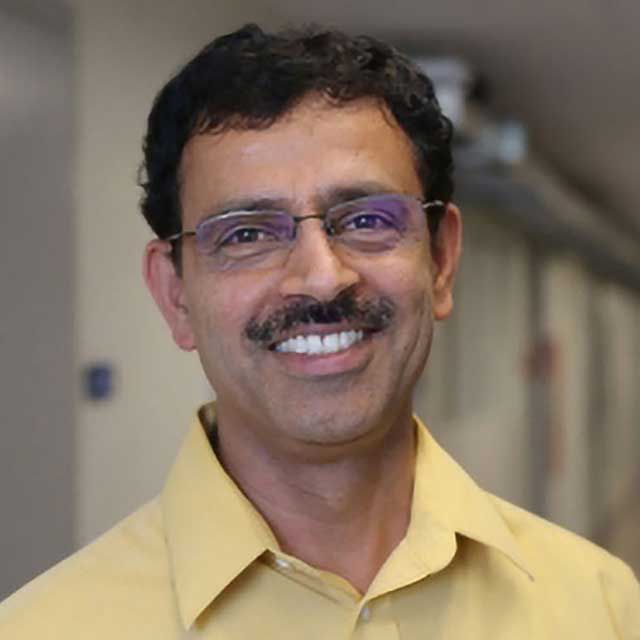
B.S. Manjunath is a Professor in the Department of Electrical and Computer Engineering at the University of California, Santa Barbara (UCSB). He serves as Director of the Center for Multimodal Big Data Science and Healthcare and the Center for Bio-image Informatics. His research focuses on image/video analysis, multimedia databases, steganography, and bio-informatics. Manjunath holds a Ph.D. from the University of Southern California (1991), M.E. from Indian Institute of Science (1987), and B.E. from Bangalore University (1985). He is an IEEE Fellow and ACM Fellow. Education: Ph.D. (1991), Signal & Image Processing Institute, EE-Systems, USC M.E. (1987), Systems Science and Automation, Indian Institute of Science B.E. (1985), Electronics Engineering, Bangalore University Research Interests: Image/video analysis (segmentation, registration, texture analysis) Multimedia databases and data mining Steganography and digital forensics Signal/image processing for bio-informatics His work includes developing the BisQue open-source platform for image informatics and leading NSF-funded initiatives in bio-image informatics and interactive multimedia. Key Contributions: Over 300 peer-reviewed publications 24 patented technologies Co-editor of the ISO/MPEG-7 multimedia standard Founder faculty of the Media Arts and Technology Program Awards and Affiliations: IEEE Fellow (2025) and ACM Fellow (2025) Affiliated with UCSB’s Computer Science Department and Dynamical Neuroscience Program Former Director of the NSF-sponsored Interactive Digital Multimedia IGERT program Labs and Platforms: Director of the Vision Research Lab Lead developer of the BisQue image informatics system Pioneering work in multimodal camera networks and healthcare analytics
Prof. Sonia Garcia is a faculty member at Telecom SudParis, holding the academic rank of Professor. Her primary research focuses on biometric analysis, medical signal processing, and machine learning applications in healthcare contexts. She has made significant contributions to understanding gait abnormalities in neurological disorders, handwriting analysis for early Alzheimer's detection, and enhancing security in biometric systems. Her work often integrates deep learning and statistical methods to analyze complex medical and behavioral data. Prof. Garcia has authored over 50 peer-reviewed articles and holds multiple patents related to identity verification via handwritten signatures and gait analysis. Her research spans collaborations with medical institutions and tech firms to develop practical solutions for clinical diagnostics and security systems. Notable contributions include the development of the OSIRIS iris recognition software and methodologies for quantifying gait asymmetry using advanced mathematical models. Her recent projects emphasize applying machine learning to predict treatment outcomes for neurological conditions and improving early detection of neurodegenerative diseases. This work has led to innovations in both algorithmic frameworks and biomedical engineering applications.
Dr. Amy Beedle is a Lecturer in Biological Physics at King’s College London, based in the Department of Physics within the Faculty of Natural, Mathematical & Engineering Sciences. She holds a PhD in Biophysics from King’s College London (2018) and an MRes in Molecular Biophysics from the same institution (2013). Her research focuses on understanding how mechanical forces drive biological processes at molecular, cellular, and multi-cellular scales. Key areas include protein mechanics, cellular mechanotransduction, and the reversibility of mechanosensitive pathways. Her work integrates advanced techniques like single-molecule force spectroscopy and live-cell microscopy to investigate force-dependent biochemical reactions and cellular responses to mechanical stimuli. She is a member of the King’s MechanoBiology Centre (KMBC), a multidisciplinary hub fostering collaborations in mechanobiology research. Notable contributions include studies on nuclear shielding mechanisms, cytoskeletal dynamics, and the role of extracellular matrix interactions in mechanotransduction. Amy’s research has been supported by a Sir Henry Wellcome fellowship, which enabled her postdoctoral work on cellular mechanosensing mechanisms at the Institute for Bioengineering of Catalonia. Her current position emphasizes bridging biophysical principles with clinical and engineering applications, particularly in understanding how mechanical forces influence cellular behavior in health and disease. Her lab focuses on developing tools to quantify mechanical interactions at the single-molecule level and explore their implications in cellular decision-making processes. Key ongoing projects include analyzing nuclear mechanoresponses to extracellular forces and elucidating the role of protein elasticity in mechanotransduction pathways.
Ralph Adolphs is the Bren Professor of Psychology, Neuroscience, and Biology at the California Institute of Technology (Caltech), and Co-director of the Chen Center for Data Science and Artificial Intelligence (DataSAI). He holds affiliations with the Division of Biology and Biological Engineering, the Caltech Brain Imaging Center, and the T&C Chen Center for Social and Decision Neuroscience. Adolphs completed his B.S. and M.S. at Stanford University (1986) and earned his Ph.D. in Neuroscience from Caltech in 1993. His research focuses on the neural and psychological mechanisms underlying social behavior, emotion recognition, and autism spectrum disorders. He uses advanced techniques like fMRI, eye tracking, and single-neuron recordings to study clinical populations such as neurosurgical patients and individuals with autism. Adolphs' laboratory investigates how brain structures like the amygdala and hippocampus contribute to social cognition, moral judgments, and emotional decision-making. His work bridges clinical and basic neuroscience, with collaborations spanning neuroimaging, psychology, and computational methods. Notable contributions include developing smartphone-based tools for autism research and elucidating neural correlates of social inferences. He has held leadership roles, including Director of the Caltech Brain Imaging Center and Davis Leadership Chair. Recent research highlights include studies on trait impressions from facial cues, longitudinal tracking of socioemotional changes during the pandemic, and the role of structural brain asymmetries in phenotypic diversity. Adolphs teaches courses on social neuroscience, consciousness, and decision-making, emphasizing interdisciplinary approaches to understanding the brain's social functions.
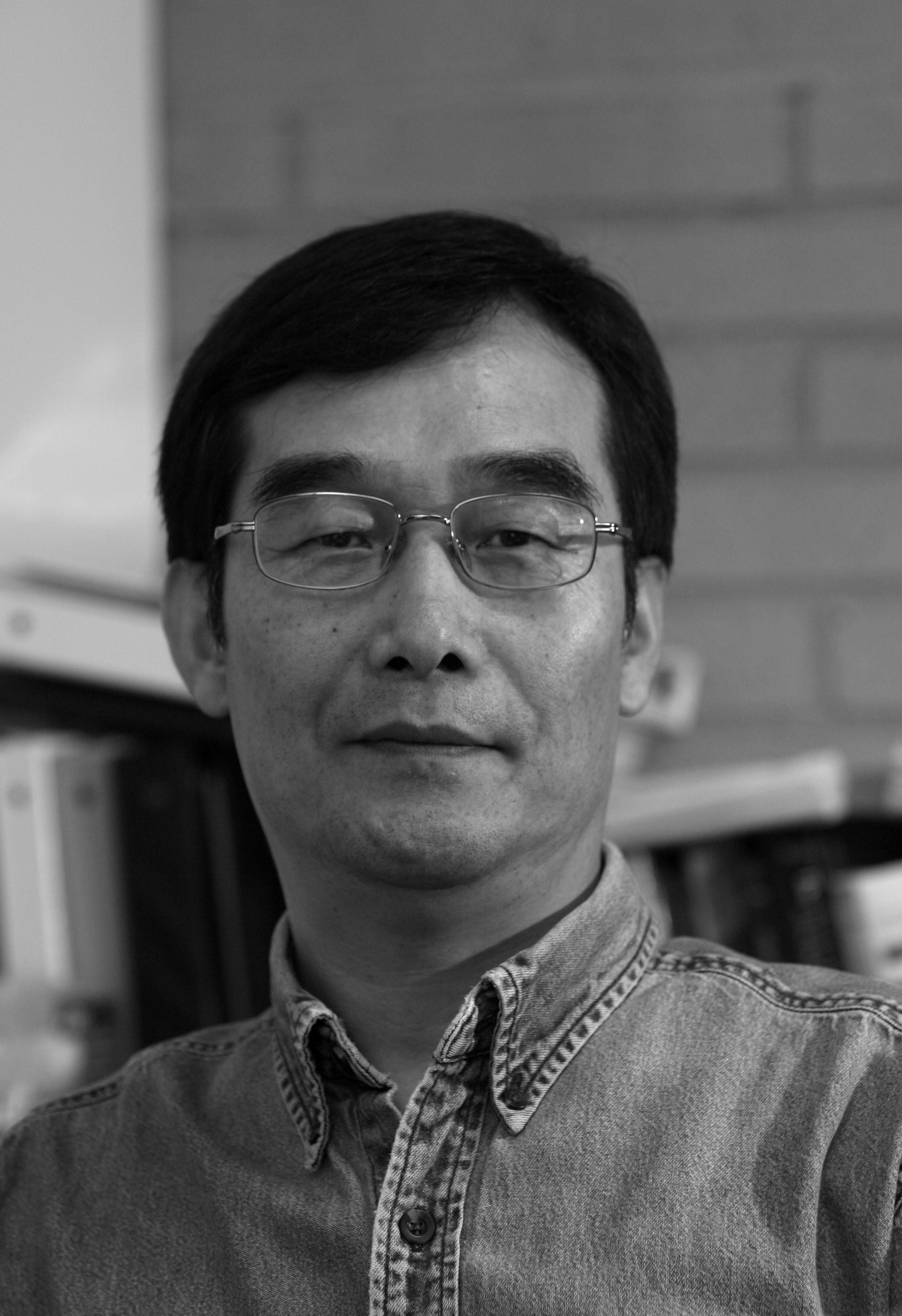
Sungbok Lee is a Research Assistant Professor in the Department of Electrical Engineering at the University of Southern California. He holds dual affiliations at the Speech Analysis and Interpretation Laboratory (SAIL) and the Phonetics and Phonology Group in the Department of Linguistics. His expertise spans Speech Production Modeling of Emotional Speech, Speech and Language Processing, and Human Behavior Analysis in Interactive Environments. Lee’s work integrates advanced signal processing techniques with clinical and developmental studies, particularly focusing on neurodevelopmental disorders and child language acquisition. Education: B.S. in Chemistry (Seoul National University, 1978) M.S. in Physics (Seoul National University, 1985) Ph.D. in Biomedical Engineering (University of Alabama at Birmingham, 1991) His research emphasizes articulatory kinematics, prosody analysis, and multimodal speech databases. Notable contributions include the USC-EMO-MRI corpus and IEMOCAP dataset. Lee’s recent work explores acoustic-prosodic features in child-psychologist interactions and the application of real-time MRI for speech production studies. His methodologies often combine machine learning with physiological measurements to decode emotional and developmental speech patterns.