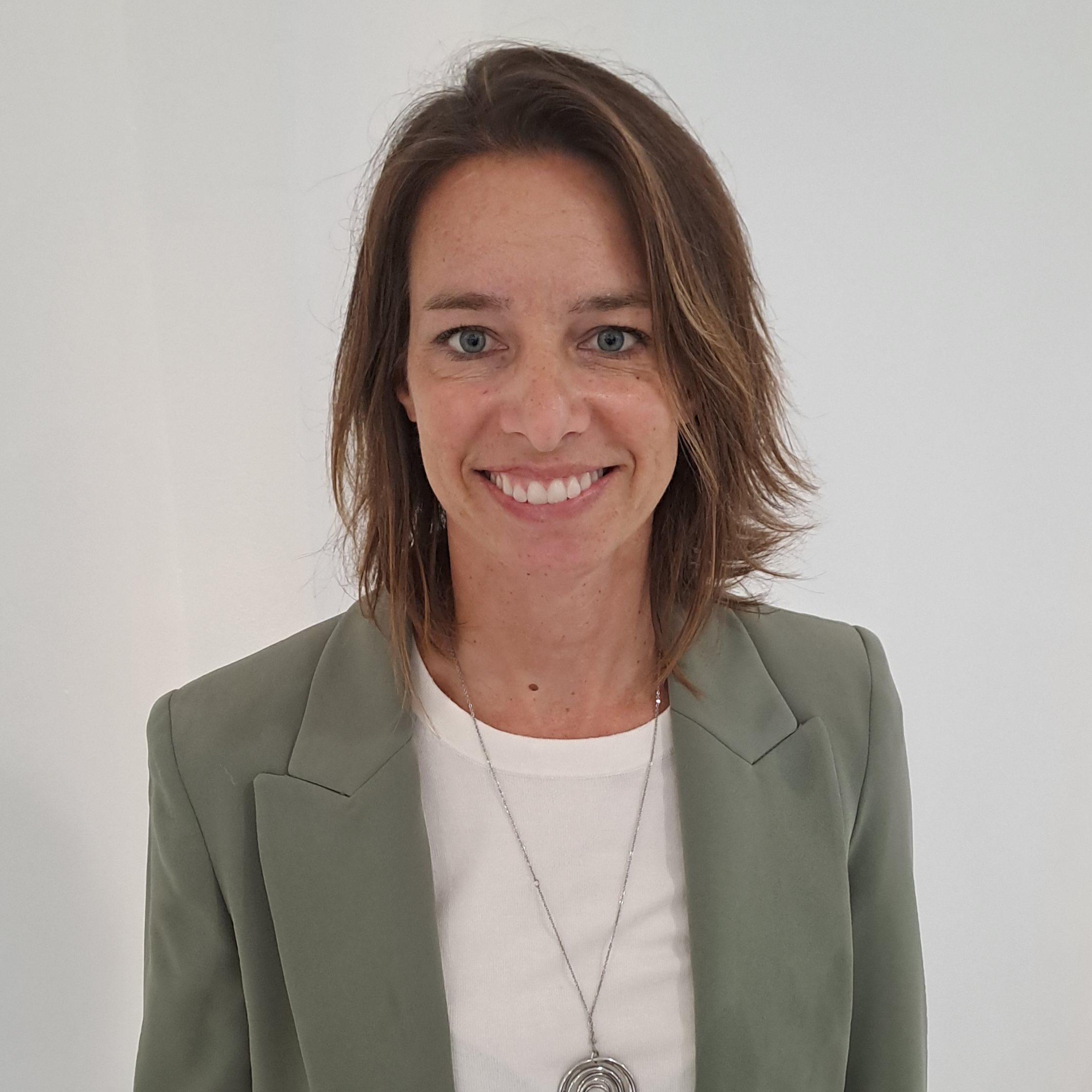
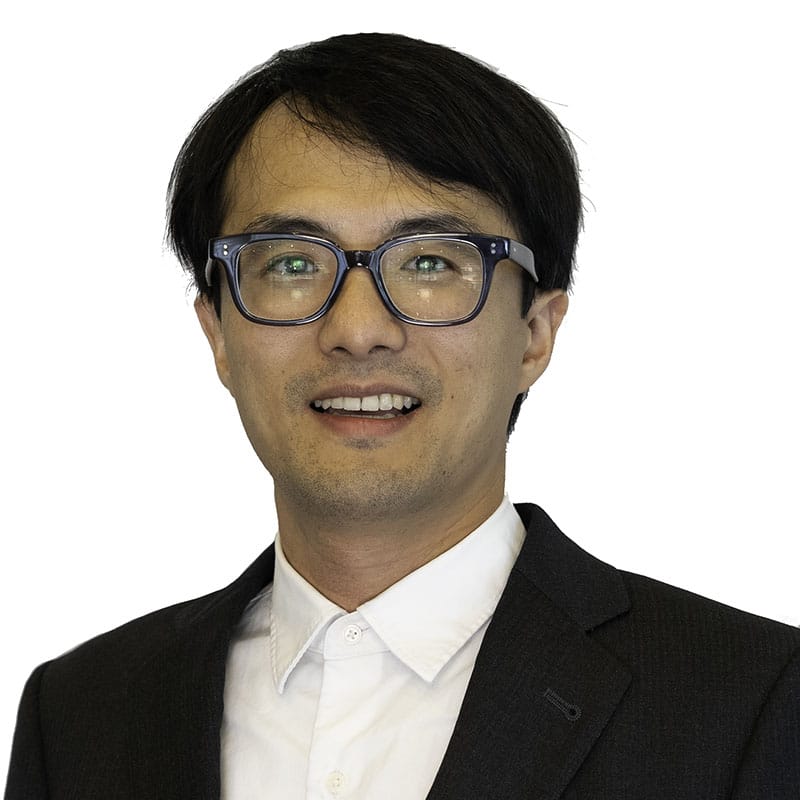
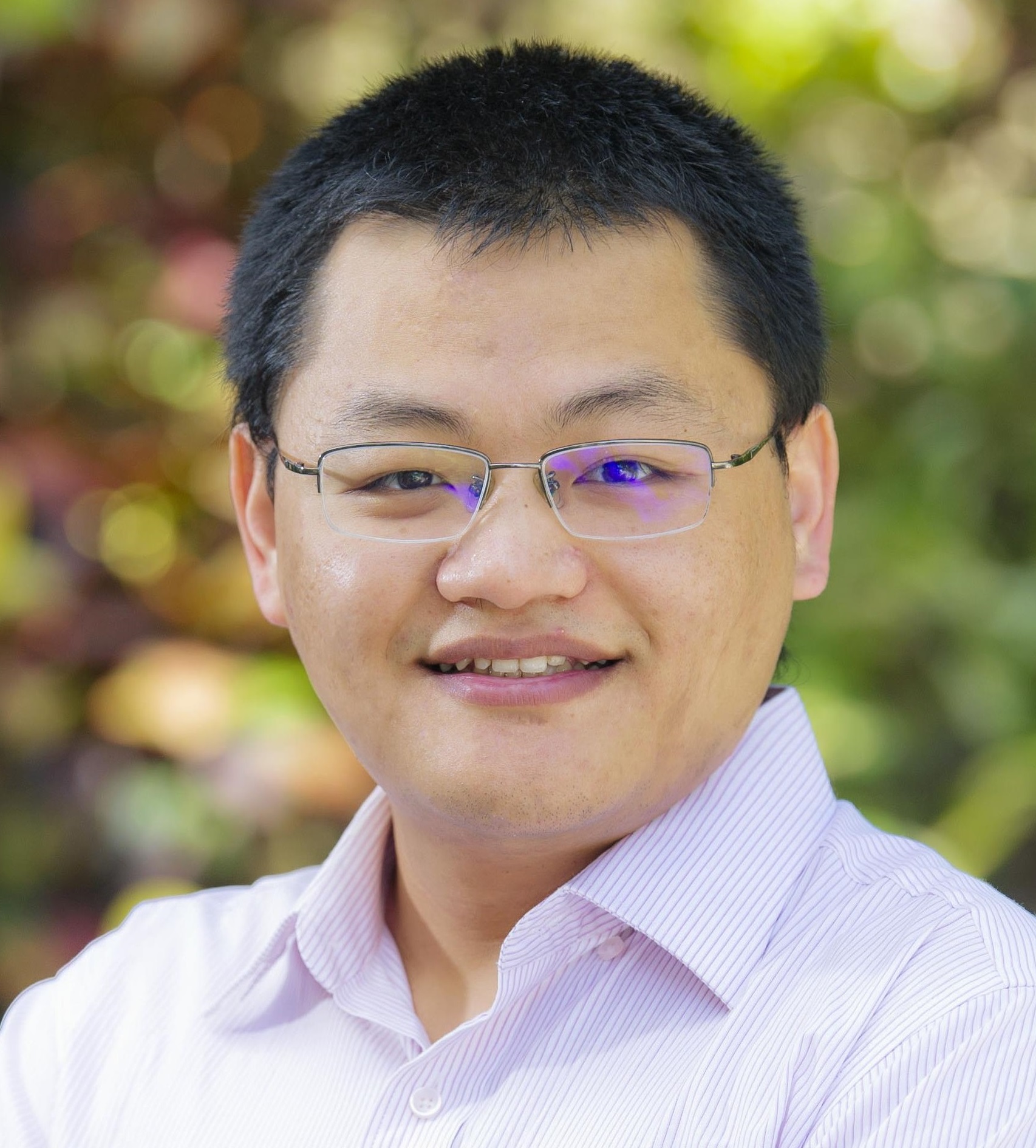
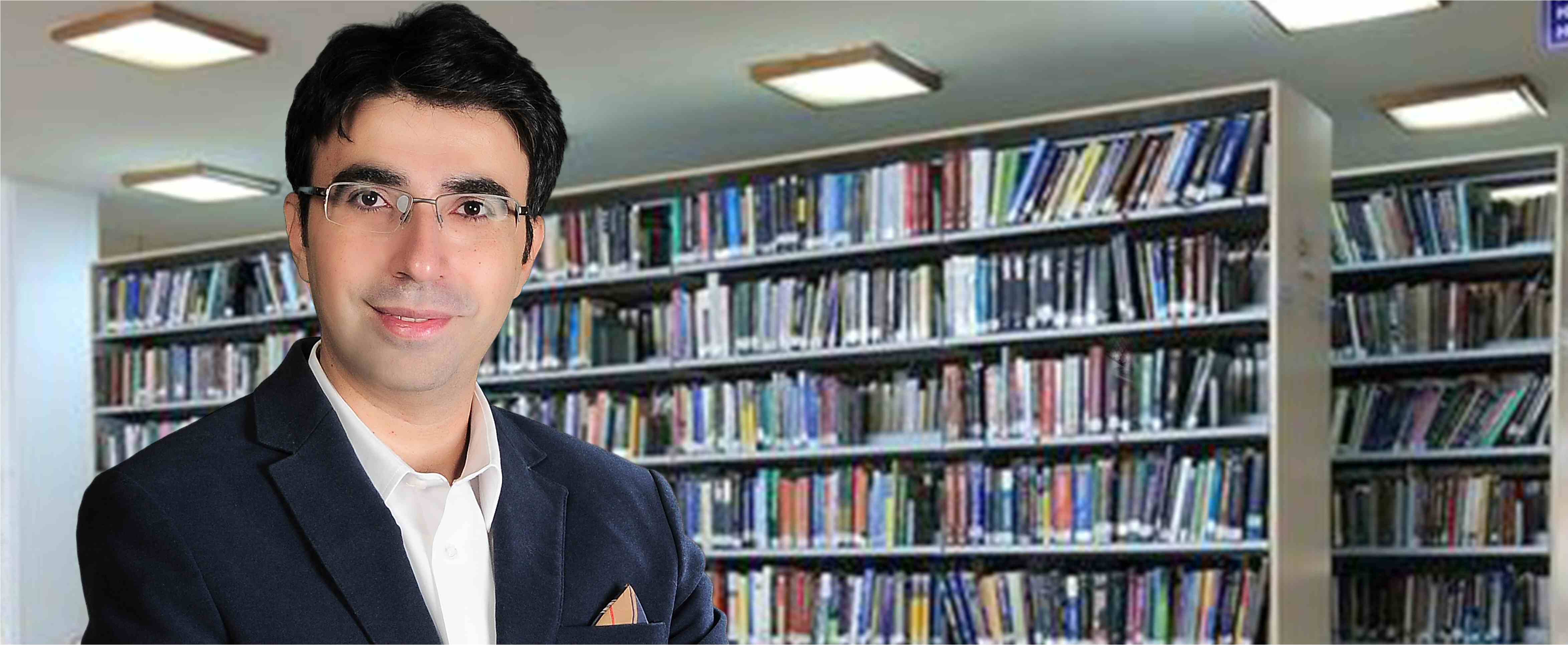
Vlad Popescu is an Associate Professor at the Department of Electronics and Computers, Faculty of Electrical Engineering and Computer Science, Technical University of Brasov. His research focuses on telecommunications, IoT, cognitive radio systems, and multimedia applications. He has authored numerous publications in top journals and conferences, including work on 6G-enabled smart cities, edge-cloud orchestration, and QoE-driven smart home systems. His research explores cutting-edge topics such as immersive multi-sensory experiences, real-time object detection, and energy-efficient architectures for Android TV integration. Popescu has contributed to open-source satellite simulators and pioneered studies on blockchain-based TV advertising systems. His work bridges theoretical advancements with practical implementations in smart home environments, IoT gateways, and next-generation wireless networks. Award-winning research includes innovations in SDR-based satellite gateways and hardware-software partitioning for embedded systems. His collaborative projects address challenges in distributed video applications, D2D communications, and social IoT frameworks for smart tourism management.
Dr. Nina Skorin-Kapov is an Associate Professor at the Technical University of Cartagena, associated with the Centro Universitario de la Defensa de San Javier. She holds a PhD in Telecommunications and Informatics from the University of Zagreb and completed a postdoctoral fellowship at Telecom ParisTech. Her research focuses on optimization of communication networks, wide-area optical networks, operations research, and heuristic algorithms. She leads the Computational and Telecommunications Engineering Group (GICOT) and serves on the editorial board of the IEEE/OSA Journal of Optical Communications and Networking. Her academic roles include teaching undergraduate courses on Electromagnetic Exploration Systems and graduate courses on Metaheuristics and Graph Theory. Key research contributions include work on network security, routing algorithms, and capacity planning in optical networks. Notable projects include the Movilidad Ecoeficiente y Conectada para Ciudadanos initiative (2020–2022), funded by IDAE. Her publications span topics like wildfire resource scheduling, drone control systems, and secure optical network design. Dr. Skorin-Kapov’s articles emphasize practical applications of optimization techniques, such as scheduling aerial resources for wildfire management and improving QoE in drone teleoperation. Her work bridges theoretical research with real-world network challenges, particularly in telecommunications and disaster response scenarios.
Erich Neuhold is a Professor of Computer Science at the University of Vienna and Darmstadt University of Technology. He holds honorary professorships at several institutions, including the University of Guiyang and the New Jersey Institute of Technology. His career spans over five decades, with roles as Director of the Fraunhofer Institute for Integrated Publication and Information Systems (IPSI) and professorships at multiple universities globally. Education: Erich Neuhold earned a Dipl.-Ing. (M.S.) in Electronics and a Dr.-techn. (PhD) in Mathematics and Computer Science from the Technical University of Vienna. He holds special honors in his academic career, including Fellowships from IEEE and the Gesellschaft für Informatik. Research Interests: His work focuses on distributed databases, object-oriented systems, internet databases, information retrieval, semantic web, interoperability, and applications in digital libraries, e-science, and e-government. He pioneered advancements in transaction models, multimedia databases, and semantic integration frameworks. Publications: Over 200 papers and four books, with recent contributions including retrospectives on computing history and foundational work in supercomputing architectures. His articles reflect deep engagement with historical and future trends in computer science. Awards: Recognitions include the Meritorious Service Award from IEEE, medals from academic institutions, and honorary professorships worldwide. Grants & Labs: Led projects like the POREL distributed database system and contributed to initiatives like the EU’s FRESCO e-science cockpit. His work spans academic-industrial collaborations, with budget leadership at IPSI (€10M/year). Labs/Teams: Co-founded the Fraunhofer IPSI and directed research teams in Austria, Germany, and internationally, emphasizing interdisciplinary collaboration in information systems.
Maria Pammer is a faculty member at MCI, currently serving as Head of the Department of Business Administration Online (since 2018) and Academic Director of the Executive Master programs in Digital Business and Digital Economy & Leadership. She has held leadership roles in academic programs, including Head of the Bachelor's programs in Business & Management and Economics & Management (2016–2018), and previously led the Business Administration & HR Development department (2014–2016). She has lectured in areas like Financial Accounting, Change Management, and Academic Writing since 2013. Her research focuses on digital learning environments, workplace interruptions, and educational technology. She has published in journals such as Journal of Higher Education Development and Education Sciences , and contributed to books on topics like blended learning and podcasts in education. She actively participates in conferences like the UNESCO Chair in Futures Capability and events on digital transformation in the workplace. Pammer holds a doctorate in Economics and Social Sciences from the University of Innsbruck (2011) and a diploma in Business Education (2007). She has supervised numerous theses on workplace learning, digitalization strategies, and leadership challenges. Her work emphasizes practical applications, such as digital interruption mitigation and corporate social responsibility. She has undertaken further training in leadership (e.g., Leading Virtual Teams, 2020) and project management in areas like e-cigarette demand analysis (2018–2019). Her involvement in the BOBCAT project (2008–2010) highlights her commitment to competency-based education.
Aditya Sharma is a researcher at the University of California Santa Barbara , focusing on Natural Language Processing , Computer Vision , and Artificial Intelligence . His work bridges vision-language models, medical AI evaluation, and knowledge graph reasoning. PhD : Advancing AI Understanding in Language & Vision (UCSB, 2024) Research Interests: • Vision-Language Models for geometric reasoning and mixed reality • Medical LLM evaluation and hallucination reduction • Temporal knowledge graph reasoning and multimodal systems Article Trends: Recent publications emphasize vision-language integration (e.g., GeoCoder, OCTO+), LLM reliability in medical contexts (MedHELM), and temporal reasoning (TwiRGCN). He explores applications in dark web security , healthcare diagnostics , and energy-efficient computing .
Assistant Professor at the Polytechnic University of Catalonia 's Barcelona School of Informatics , specializing in Computer Architecture and Genomic Data Security . Research focuses on: Secure genomic information representation (MPEG-G, FAIR principles) Medical device cybersecurity (MedSecurance project) Privacy-preserving health data systems (HIPAMS, GIPAMS) Digital rights management for multimedia and health content Watermarking techniques for data leak detection Recent publications address cybersecurity challenges in interconnected medical devices, reversible fingerprinting for genomic data, and compliance with international standards like ISO/IEC 23092. Key collaborators include researchers from health informatics and multimedia standardization fields.
Professor Chua Tat Seng is a distinguished academic at the National University of Singapore's School of Computing, serving as KITHCT Chair Professor and Director of the NUS-Tsinghua Extreme Search Center (NExT). He also holds Distinguished Visiting Professorships at Tsinghua and Zhejiang Universities in China. PhD in Computer Science (University of Leeds, 1983) Founding Dean of School of Computing (1998-2000) Co-founded ViSenze and 6Estates technology startups His research focuses on unstructured multimodal data analytics, with particular emphasis on multimedia information retrieval, social media analytics, recommendation systems, and trustworthy AI. He has pioneered work in computational wellness and fintech applications, establishing the Lab for Media Search and leading NExT++ research initiatives. Over 300 publications in leading venues (CVPR, SIGIR, WWW, AAAI) Recipient of ACM SIGMM Technical Achievement Award (2015) Supervised 37 PhD students since 2004 Editorial leadership in ACM Transactions and IEEE Multimedia Recent work explores multimodal LLMs, knowledge editing techniques (AlphaEdit), and 3D generation frameworks, reflecting his commitment to advancing web intelligence and user empowerment.
Chau-Wai Wong is an Associate Professor in the Department of Electrical and Computer Engineering at North Carolina State University, with affiliations to the Forensic Sciences Cluster and Secure Computing Institute. He previously served as a Data Scientist at Origin Wireless, Research Assistant at University of Maryland, and Research Associate at Hong Kong Polytechnic University. His work bridges machine learning with applications in multimedia forensics, signal processing, and computational social science. Ph.D. , Electrical Engineering, University of Maryland (2017) M.Phil. , Electronic and Information Engineering, Hong Kong Polytechnic University (2010) B.Eng. , Electronic and Information Engineering, Hong Kong Polytechnic University (2008) Research spans federated learning (security vulnerabilities, communication efficiency), physically unclonable features (PUF-based authentication), generative models (GANs for hardware modeling), and computational social science (AI chatbots for disaster communication, TikTok behavioral analysis). Recent work explores neural tangent kernels and multi-LLM agent collaboration . Key publications focus on decentralized AI systems (ICML'25), deepfake detection (under review), and social media health analytics (Telematics and Informatics'25). His federated learning research has appeared at ICLR, IEEE T-NNLS, and USENIX Security. NSF CAREER Award IEEE Signal Processing Cup Organizer (2016) Technical Program Committee Chair (IH&MMSec'25) Area Chair (ICME'21–'24) Senior Member, IEEE Advises students in AI security , physiological sensing , and social science automation . Collaborates with teams at University of Maryland, Hong Kong Polytechnic University, and industry partners. Current projects include identity-privacy protection for smart health and UAV-assisted network optimization (IEEE DySPAN'25).
Shiqi Wang is an Associate Professor in the Department of Computer Science at City University of Hong Kong. He holds a Ph.D. from Peking University (2014) and a B.Sc. from Harbin Institute of Technology (2008). His career includes postdoctoral and research roles at the University of Waterloo, Nanyang Technological University, and Microsoft Research Asia. He specializes in semantic/visual communication, AI content management, and image/video quality assessment. Education: Ph.D. in Computer Application Technology (2014), Peking University B.Sc. in Computer Science and Technology (2008), Harbin Institute of Technology Research focuses on Large Visual-Language Models (LVLMs) , Generative Face Video Coding , and Information Forensics . Recent work includes video coding innovations, AI-driven quality assessment, and bias mitigation in facial analysis. Awards include the IEEE Multimedia Rising Star Award (2021) , NSFC Excellent Young Scientist Fund (2020) , and multiple best paper awards at IEEE conferences. He serves as Associate Editor for IEEE Transactions on Image Processing and leads MPEG standardization efforts for generative video coding. Professional activities include TPC roles at ICML, CVPR, and ACM Multimedia. His lab actively collaborates on standards for generative AI and multimedia systems, with a focus on ethical AI and cross-domain applications.
Jason Quinlan is a Lecturer in the Department of Computer Science at University College Cork (UCC), Ireland. He holds a PhD in Computer Science and has extensive experience in teaching undergraduate modules such as Introduction to Programming (CS1117), Problem-Solving (CS1022), and Team Software Project (CS3305). His current role includes coordinating the CSIT SOLAS support hub for first-year students. Previously, he served as a Senior Post-Doc Researcher focusing on Intelligent Video Delivery at the Edge for 5G networks with the SFI iVID Project and CONNECT institute. Research interests span Natural Language Processing , Video Streaming Optimization , Software Defined Networking , and 5G Infrastructure . He led the development of frameworks like D-LiTE (DASH performance evaluation) and GoDASH (Go-based HAS framework). His work emphasizes QoE/QoS metrics, adaptive streaming algorithms, and network simulation tools. Key achievements include publishing over 30 peer-reviewed articles (e.g., on DASH streaming, 5G dataset analysis), securing €21,744 in research grants, and supervising 2 PhD, 15 Master’s, and numerous undergraduate students. Collaborations span institutions like UC Riverside (USA) and Université Clermont Auvergne (France). He actively contributes to conferences like ACM Multimedia Systems and IEEE LANMAN. Teaching and outreach activities include the MISL Summer of Code initiative mentoring over 60 students since 2018, and completing certifications in Project Management (PRINCE2, Scrum) and Higher Education Teaching. He has reviewed for top journals including Multimedia Systems Journal and IEEE Transactions on Multimedia, and serves on program committees for ACM MM and NetSoft conferences.
Ashwin Rao is a Research Professor at the University of Southern California's Information Sciences Institute (ISI) within the Viterbi School of Engineering. With a research career spanning over two decades, his work bridges computer science, social sciences, and political science, focusing on understanding human behavior through digital footprints. His academic journey began with signal processing research in the 1990s before evolving into network protocols and mobile computing, and most recently into computational social science and AI ethics. Rao's research interests encompass Social Media Analysis, Online Political Polarization, Misinformation Detection, Network Protocols, Mobile Computing, Privacy in Mobile Applications, Natural Language Processing, and AI Ethics. His work demonstrates a consistent trajectory from technical networking research to the societal implications of technology. His most recent publications reveal a strong focus on understanding political discourse online, particularly examining polarization, emotional responses to events, and the impact of social media algorithms on information ecosystems. His interdisciplinary approach combines computational methods with social science theories to address pressing issues in digital society. Rao has published extensively across top venues including ICWSM, WWW, ACL, IEEE Transactions, and numerous conferences in networking and systems. His work often appears with Kristina Lerman, with whom he collaborates closely at USC ISI. His recent research portfolio shows a sophisticated integration of machine learning techniques with social science questions, particularly examining how language models reflect and potentially amplify societal biases. Rao has made significant contributions to understanding privacy issues in mobile applications, network protocols, and social media dynamics. His research has been influential in both technical communities studying network performance and social science communities examining online behavior. His work on BitTorrent performance, mobile privacy, and social media analysis has been widely cited across disciplines. His laboratory work appears to focus on computational social science methodologies, developing tools and frameworks for analyzing large-scale social media data while addressing ethical considerations in AI and data analysis. Recent projects suggest strong connections with public health research through social media analysis during the pandemic.
Jason Hockman is a Reader in Music and Sound Design at the School of Digital Arts (SODA) at Manchester Metropolitan University . He is a leading researcher in Music Information Retrieval (MIR) , computational audio analysis, and music production technologies. He is also a professional music producer and performer under the aliases Jason oS and DAAT , and co-founder of Detuned Transmissions , an artist collective and independent record label. Research Interests: Computational analysis and generation of audio for music production Ethnographies of breakbeat-oriented UK dance music Neural audio synthesis and adversarial networks Automatic drum transcription and onset detection Gesture-based music interaction systems Interactive audio for games and multimedia Publications Trends: His recent work focuses on generative audio models , including GAN-based drum synthesis, neural impact sound synthesis, and latent space exploration for audio. He has also contributed extensively to automatic transcription systems for percussion and string instruments, and interactive performance tools that integrate gesture control and real-time audio manipulation. Scientific Contributions: Co-author of the widely cited Review of Automatic Drum Transcription (2018) Developer of interactive systems like MyoSpat for gesture-based control Pioneer in combining ethnographic research with computational music analysis Teaching & Supervision: Jason integrates his research and music production experience into undergraduate and postgraduate teaching. He supervises students in music technology, sound design, and MIR, and emphasizes a holistic approach that bridges creative practice and academic inquiry. Creative Practice: Through Detuned Transmissions , he releases and distributes electronic music internationally, maintaining an active presence in both academic and artistic communities.
Nancy Zlatintsi is a Postdoctoral Research Associate at the National Technical University of Athens (NTUA) in the Computational Vision and Signal Processing (CVSP) group at the School of Electrical and Computer Engineering. She earned her Diploma in Media Engineering from KTH Royal Institute of Technology (2006) and a Ph.D. in Audio and Multimedia Processing from NTUA (2013). Her research focuses on Music Information Retrieval (MIR) , audio signal processing , and multimodal interaction , with applications in human-robot interaction and movie summarization . Her work has been funded by the European Social Fund (Heracleitus II program) and she has contributed to European projects like iMuSciCA and e-Prevention . Her research spans multimodal saliency detection , audio event recognition , and computational models for emotion tracking . Key scientific contributions include publications in top venues such as IEEE ICASSP , CVPR , and EURASIP Journal on Image and Video Processing . She is also involved in assistive robotics and gerontechnology applications. Email: nzlat@cs.ntua.gr Office: 2.2.19, NTUA
David Broneske is a Researcher at the Otto von Guericke University of Magdeburg , Germany. His work spans Database Systems , Heterogeneous Computing , and Machine Learning Applications , with a focus on GPU/FPGA Acceleration and Non-volatile Memory (NVM) Optimization . He has contributed to projects like ADAMANT (co-processor integration) and GridTables (H2TAP data stores). Key Research Areas : Database acceleration via specialized hardware, Graph database applications in clinical/biological domains, and AutoML for domain-aware model selection. Collaborations : Frequent co-author with Gunter Saake, Bala Gurumurthy, and Sajad Karim on topics like NVM Storage and GPU-based Query Execution . Publications : Over 105 papers (2012–2025) covering Protein Identification Systems , Entity Resolution , and Software Evolution Datasets . Workshops : Co-organized the Workshop on Novel Data Management Ideas on Heterogeneous (Co-)Processors (NoDMC) and contributed to standards like Backlogs/Interval Timestamps for temporal graph queries.
Dr. Ismail Sengor Altingovde serves as an Associate Professor in the Department of Computer Engineering within the College of Engineering at Middle East Technical University (METU) in Ankara, Turkey. Previously, he completed his B.S. and M.S. degrees at Bilkent University, followed by a Ph.D. in Computer Engineering from Bilkent in 2009. His academic journey includes post-doctoral research at Bilkent University (2009-2011) and L3S Research Center in Hannover, Germany (2011-2012) before joining METU. His educational background includes: B.S. in Computer Engineering, Bilkent University (1999) M.S. in Computer Engineering, Bilkent University (2001) Ph.D. in Computer Engineering, Bilkent University (2009) - Thesis: "Improving The Efficiency of Search Engines: Strategies for Focused Crawling, Searching, and Index Pruning" Dr. Altingovde's research focuses on Information Retrieval , particularly Web Search and Mining, Big Data analysis, and Database Management Systems. His work addresses critical challenges in search result diversification, query performance prediction, and scalable indexing techniques. He has pioneered approaches in handling zero-result queries, integrating social signals into search, and developing neural information retrieval models. His research bridges theoretical algorithm design with practical implementations for real-world search engines. His publication record demonstrates a strong trajectory in search technologies, with recent work emphasizing neural information retrieval, social media integration in search, and cross-lingual search systems. The research shows consistent focus on improving search relevance while addressing scalability challenges in modern web-scale systems. His work spans both theoretical contributions and practical implementations with industry relevance. Among his notable recognitions: Distinguished Young Scientist 2016 award (GEBIP) from Turkish Academy of Sciences (TUBA) 2013 Yahoo! Faculty Research and Engagement Program (FREP) award (selected from 27 researchers across 24 countries) Dr. Altingovde actively contributes to the research community through professional service including co-chairing ECIR 2017 short paper track and serving on program committees for CIKM, SIGIR, and Web Science conferences. He has secured multiple research grants from TÜBITAK (Scientific and Technological Research Council of Turkey) including projects on query result caching, semantic relationships for search scalability, and domain-specific search engines. His work connects academic research with practical applications through collaborations with industry partners like Yahoo! Research. He leads research within METU's Computer Engineering Department, contributing to projects like LivingKnowledge (focusing on fact, opinions and bias in time) and previously participating in European projects like MUSCLE (Multimedia Understanding through Semantics, Computation, and Learning). His laboratory work emphasizes experimental validation of search algorithms with real-world datasets and practical implementations.