Anthony Scirica serves as a Senior Judge on the U.S. Court of Appeals for the Third Circuit and a Senior Fellow at the University of Pennsylvania Carey Law School since 2013, teaching civil procedure and complex litigation courses. He was Chief Judge of the Third Circuit from 2003 to 2010. His expertise centers on: Civil Procedure Complex Litigation Federal Judiciary Governance Appellate Systems Judicial Ethics Judge Scirica holds pivotal roles in national judicial administration, currently chairing the Judicial Conference Committee on Judicial Conduct and Disability and serving on the Committee on International Relations. His prior leadership includes chairing the Committee on Rules of Practice and Procedure and the Working Group on Mass Torts, alongside service on the Advisory Committee on Civil Rules and Multidistrict Litigation Panel.
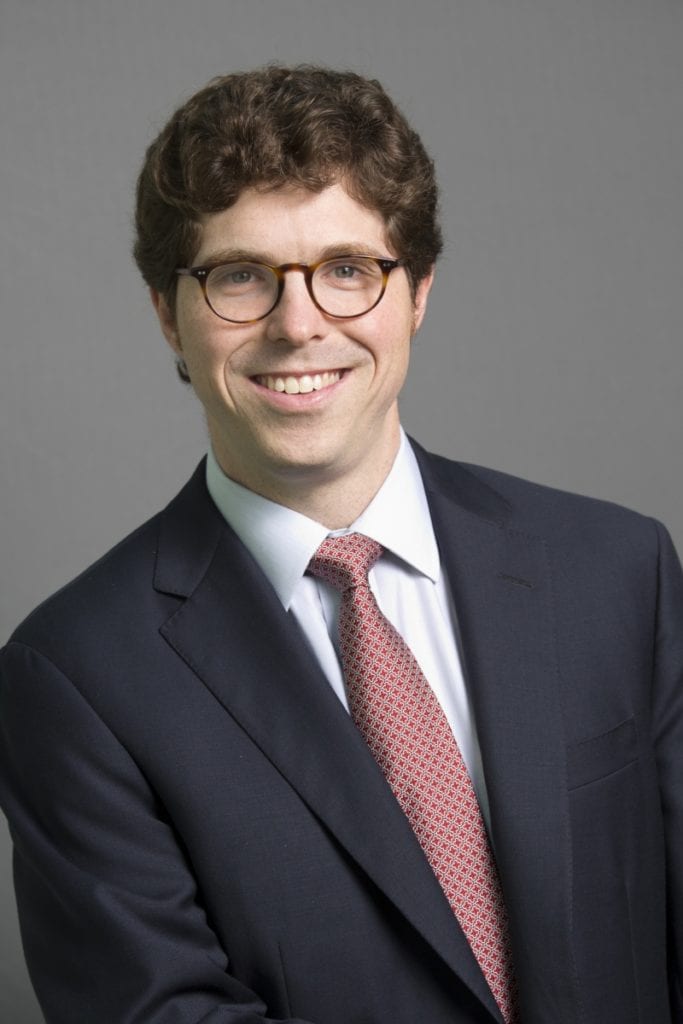
Gregg Webb serves as a Practicing Fellow at Stanford Law School's Deborah L. Rhode Center on the Legal Profession, where he develops tools to improve multidistrict litigation (MDL) systems and increase judicial access. Holding a JD from Stanford Law School and a summa cum laude BA in Politics from Princeton University, he bridges academic research with high-stakes industry experience. Education: JD, Stanford Law School; BA in Politics, Princeton University (summa cum laude, highest departmental standing) Professional Background: Former Head of Corporate, Litigation, IP, and Employment Legal at Grammarly; strategic litigation lead at Lyft handling mass torts and regulatory safety issues; over a decade in law firm practice managing complex MDL cases for global corporations His research examines systemic challenges in coordinated litigation frameworks, focusing on resource allocation for courts and parties while addressing regulatory hurdles in AI-driven industries. Webb's work emphasizes practical solutions for high-risk legal scenarios in heavily regulated sectors, connecting academic theory with real-world corporate governance. As a Fellow, he spearheads initiatives to optimize MDL processes through the Rhode Center, analyzing how mass litigation impacts judicial efficiency and party outcomes. His industry background informs evidence-based policy recommendations for litigation reform.
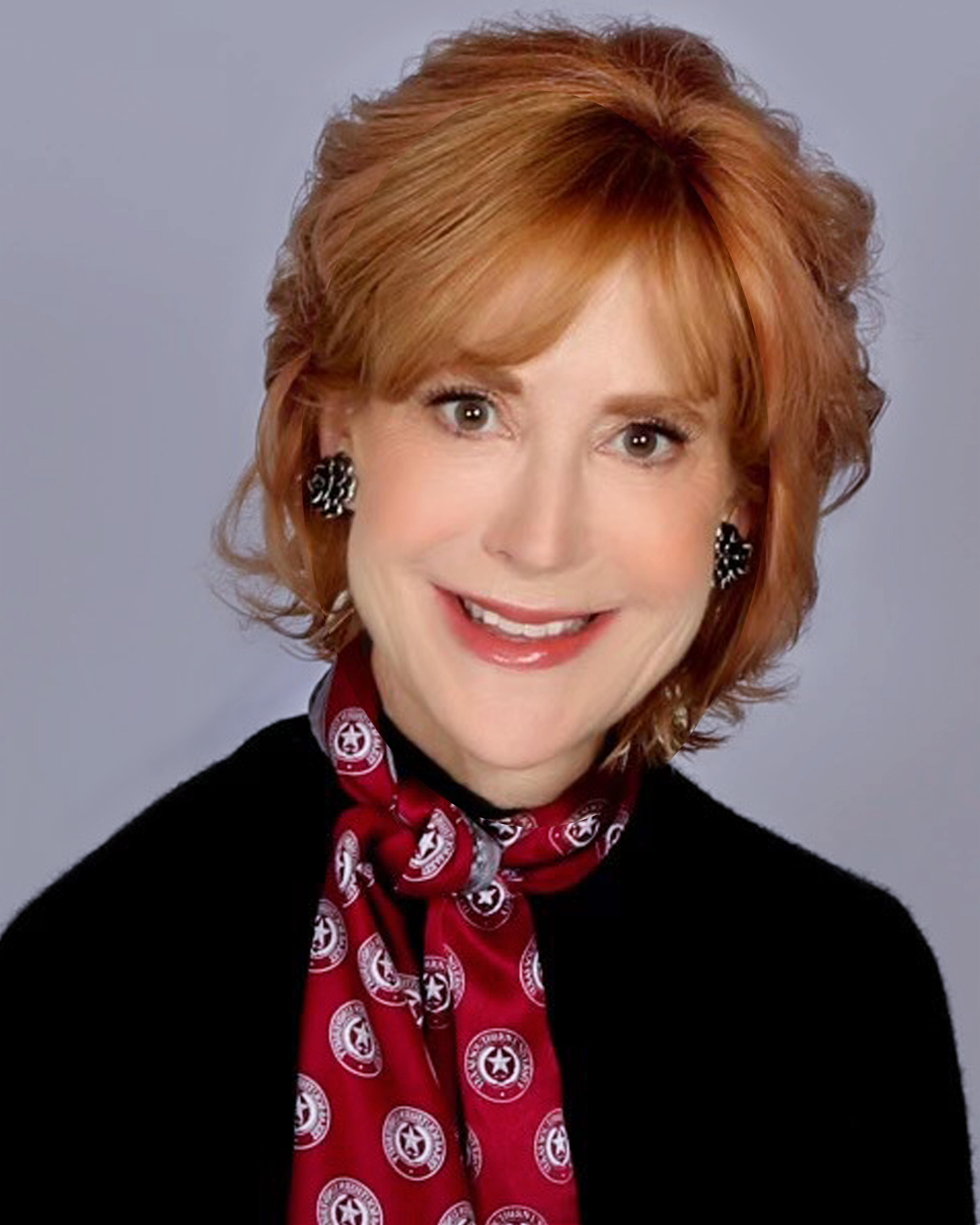
Caroline Baker Hurley serves as a member of the Texas Southern University Board of Regents, appointed by Governor Greg Abbott with a term until February 1, 2027. She previously served as a state district judge in Harris County for over 21 years and continues as a Senior Retired State District Judge. She is an adjunct professor in Trial Advocacy at the University of Houston Law Center. Her professional roles include handling multidistrict litigation (MDL), arbitration, and mediation through the AA White Dispute Resolution Center. Education: A.B. in History from Princeton University (197?) and Juris Doctor from The University of Texas School of Law (198?). Her expertise spans legal ethics, judicial processes, and dispute resolution. She is Board Certified in Personal Injury Trial Law and holds leadership roles in professional organizations like the American Board of Trial Advocates (ABOTA), where she serves on the National Board. She has chaired committees on judicial ethics and grievance matters, reflecting her commitment to legal professionalism. Hurley actively contributes to community initiatives through boards such as BakerRipley, Posse Houston, The Tapia Center, and the Houston BARC Foundation. She has also led organizations like Girls Incorporated of Greater Houston and Leadership Houston.
Robin Effron is a Professor at Fordham University School of Law, where he has established himself as a leading scholar in civil procedure and jurisdictional law. His research focuses on the intricate relationship between procedural rules and substantive justice, with particular expertise in personal jurisdiction, forum selection clauses, and complex litigation systems. Professor Effron's research interests span civil procedure, personal jurisdiction, notice requirements, and the evolving landscape of transnational litigation. His work often examines historical foundations of procedural doctrines while addressing contemporary challenges, particularly how technological advances impact traditional legal frameworks. He has made significant contributions to understanding the 'invisible circumstances of notice' and the complexities of jurisdiction in an increasingly globalized legal environment. His scholarly output demonstrates consistent engagement with cutting-edge issues in procedural law, with recent publications focusing on digital transformation of legal processes, floating forum selection clauses, and consent-based jurisdiction. Professor Effron's work shows a clear trajectory from foundational civil procedure topics toward increasingly sophisticated analyses of jurisdictional challenges in complex, multi-party, and international contexts. Professor Effron actively collaborates with scholars across institutions, including University of North Carolina School of Law, Cornell Law School, and Willamette University. His participation in amicus briefs for significant cases like Microsoft Corp. v. Baker demonstrates his influence on contemporary legal debates. His research provides practical insights for litigators while advancing theoretical understanding of procedural justice mechanisms.
Andrew Bradt is the Shannon Cecil Turner Professor of Jurisprudence and Faculty Director of the Civil Justice Research Initiative at Berkeley Law, UC Berkeley. His expertise spans civil procedure, conflict of laws, and civil remedies, with a focus on multijurisdictional litigation and federal multidistrict litigation. He holds leadership roles in legal reform, including serving as Associate Reporter to the Advisory Committee on Civil Rules of the U.S. Judicial Conference since 2023. Education: B.A., Harvard College (2002), Summa Cum Laude J.D., Harvard Law School (2005), Magna Cum Laude, recipient of the Joseph H. Beale Prize for Conflict of Laws Research & Contributions: Bradt’s scholarship addresses procedural and choice-of-law systems in large-scale litigation. His co-authored textbooks include Pleading and Procedure (12th ed., 2020) and Complex Litigation (7th ed., 2021). He serves on committees for the Restatement (Third) of Conflict of Laws and Torts: Remedies. Awards & Recognition: 2022 UC Berkeley Distinguished Teaching Award 2019 Berkeley Law Rutter Award ALI Membership (2019) Professional Background: Before academia, Bradt was a litigator at Jones Day and Ropes & Gray. He clerked for Judges Robert A. Katzmann (2nd Circuit) and Patti B. Saris (District of Massachusetts). He is a member of the Massachusetts Bar.
Margaret S. Thomas holds the Liskow & Lewis Endowed Professorship and Ben R. Miller, Jr. Professorship as a Professor of Law at Louisiana State University Law Center, where she has taught since 2011. Her expertise spans federal civil procedure, federal courts, and the constitutional interplay between foreign affairs and procedural systems. Professor Thomas earned her J.D. from UC Berkeley School of Law (Order of the Coif, Thelen-Marrin writing prize) and B.A. summa cum laude in German Literature and European Studies from Amherst College. Her legal training included clerkships with federal appellate and district judges, followed by specialized appellate practice at Horvitz & Levy LLP. Her research examines jurisdictional evolution in complex litigation and federalism's role in procedural constraints, with publications analyzing state police powers, multidistrict litigation boundaries, and federal rule interpretation. This work has been featured in the SMU Law Review, Emory Law Journal, and NYU Journal of Legislation and Public Policy. Professor Thomas has received significant professional recognition: Order of the Coif (Berkeley Law) Thelen-Marrin writing prize Southern California Super Lawyer Rising Star (2008–2010) Her teaching portfolio includes foundational and advanced courses in civil procedure, evidence, and federal courts, informed by extensive appellate practice experience. She actively contributes to scholarly discourse through presentations at national faculty workshops and maintains active engagement with both theoretical and practical dimensions of federal litigation systems.
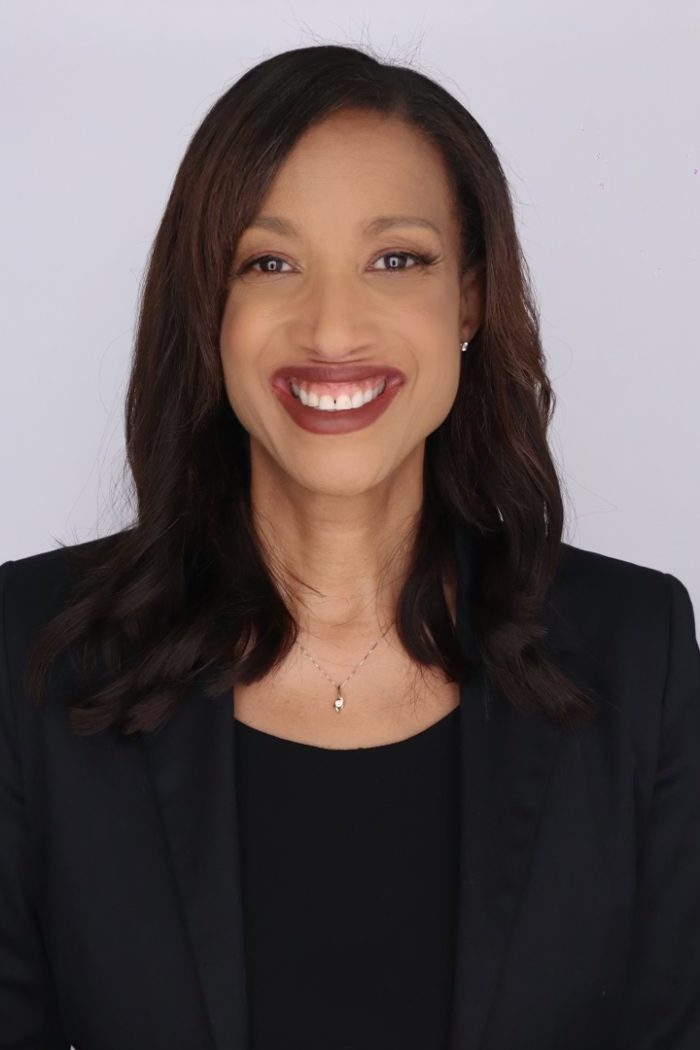
Keri A. McCoy serves as Assistant Dean for Field Placement and Professorial Lecturer in Law at The George Washington University Law School, overseeing one of the nation's largest legal externship programs that connects students with judges and attorneys across government, judicial, and nonprofit sectors while teaching Advanced Field Placement. Her academic credentials include: BA from the University of Pittsburgh JD from Georgetown University Law Center Dean McCoy's professional expertise bridges legal education administration and practical litigation experience, with research interests centered on externship program development, career advancement strategies in law, and communication ethics within legal practice. Her decade-long background as a trial attorney specializing in high-stakes litigation informs her approach to preparing students for real-world legal challenges. She has received significant recognition including: Faculty Member of the Year (2023) from GW Law Black Law Students Association Faculty Member of the Year (2024) from GW Law Black Law Students Association Throughout her GW Law tenure, Dean McCoy has guided thousands of students and alumni through employment placement, developed multiple fellowship programs, and led career development initiatives spanning workshops, alumni mentorship, and recruitment events while previously directing the Office of Alumni Career Development and Mentorship.
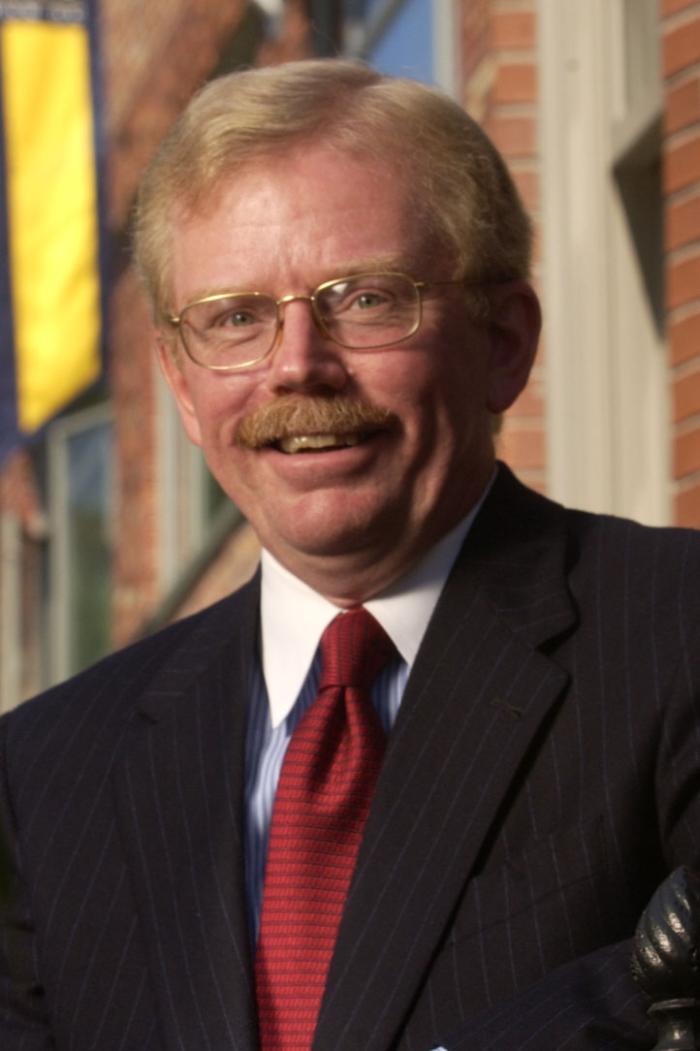
Roger H. Trangsrud serves as the James F. Humphreys Professor of Complex Litigation and Civil Procedure at the George Washington University Law School. He joined the GW Law faculty in 1982 after clerking for Justice Walter Rogosheske of the Minnesota Supreme Court and practicing law with the DC firm of Hogan & Hartson, following his service on the University of Chicago Law Review. Professor Trangsrud's research focuses on the evolving landscape of complex litigation procedures, with particular emphasis on: Complex Litigation frameworks Civil Procedure mechanics Jurisdictional challenges Class Action certification standards Aggregate Litigation methodologies His scholarly work demonstrates a consistent focus on how courts manage large-scale litigation involving multiple parties and complex legal issues. Professor Trangsrud has critically analyzed developments in aggregation methods for mass tort cases and examined the functionality of the adversary system within modern complex litigation contexts, with particular attention to Rule 23 certification standards and multidistrict litigation procedures. Professor Trangsrud has received significant recognition through his appointment to the distinguished James F. Humphreys Professorship. His major publications include: Aggregate Litigation: Critical Perspectives (2011) Complex Litigation Lecture: The Adversary System and Modern Class Action Practice (2008) Federalism and Mass Tort Litigation (2000) During his tenure at GW Law, Professor Trangsrud held significant administrative leadership positions including Associate Dean for Academic Affairs (1993-2000), Senior Associate Dean for Academic Affairs (2000-2006), and served as Interim Dean of the Law School during the 2004-05 academic year. He has co-authored both a casebook titled Complex Litigation and the Adversary System and a treatise on Complex Litigation: Problems in Advanced Civil Procedure.