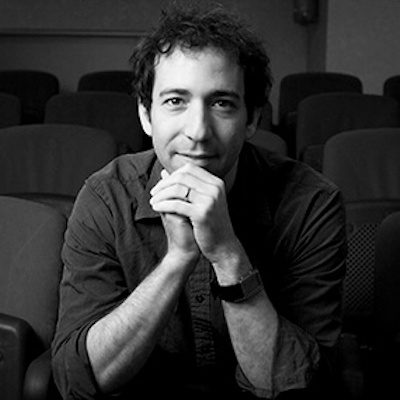
Thibaut Brunetمشاهده پروفایل
پژوهشگر
Thibaut Brunet is a Researcher and Principal Investigator at the Institut Pasteur in Paris, leading the Evolutionary Cell Biology and Evolution of Morphogenesis laboratory within the Department of Cell Biology and Infection. He is affiliated with the Human Disease Models core facility and the Comparative Functional Genomics team. His research explores the cellular and molecular origins of animal multicellularity through the study of choanoflagellates. Institut Pasteur, Paris – Group Leader (G5), Department of Cell Biology and Infection (2021–present) University of California, Berkeley – Postdoctoral Fellow with Nicole King (2016–2021) EMBL Heidelberg – PhD with Detlev Arendt (2011–2016) École Normale Supérieure, Paris – Studies in Biology (2007–2011) His research focuses on understanding the evolution of morphogenesis, cell contractility, polarity, and collective behavior in choanoflagellates. Using interdisciplinary approaches from cell biology, developmental biology, biophysics, and molecular genetics, his lab investigates how unicellular ancestors of animals evolved multicellular traits. Key areas include the regulation of cell shape, environmental response, and the emergence of multicellular coordination. The recent publications of Dr. Brunet span evolutionary cell biology, biophysics, and developmental mechanisms. They reveal trends in the study of pre-animal systems, particularly the role of mechanical forces, signaling (e.g., nitric oxide), and structural dynamics (e.g., microvilli, cytoplasmic bridges) in the transition to multicellularity. His work often combines functional genetics with live imaging and physical modeling, especially in species like S. rosetta , M. brevicollis , and the recently discovered C. flexa . Scientific awards include: ERC Starting Grant (2022) Dr. Brunet advises a diverse team of post-doctoral fellows, PhD and master’s students, and visiting scientists. He is currently recruiting post-docs and interns, though new PhD students are not being accepted before 2025 due to lab capacity. His research is supported by competitive grants, including the ERC Starting Grant. He actively collaborates across disciplines and institutions, contributing to transversal projects such as the IP Stem Cell Initiative. His lab is part of the Human Disease Models core facility and engages in comparative functional genomics, leveraging advanced techniques such as CRISPR, live imaging, RNAseq, and innovative microscopy to study the biology of early-branching eukaryotes and their implications for understanding the origin of animal form and function.