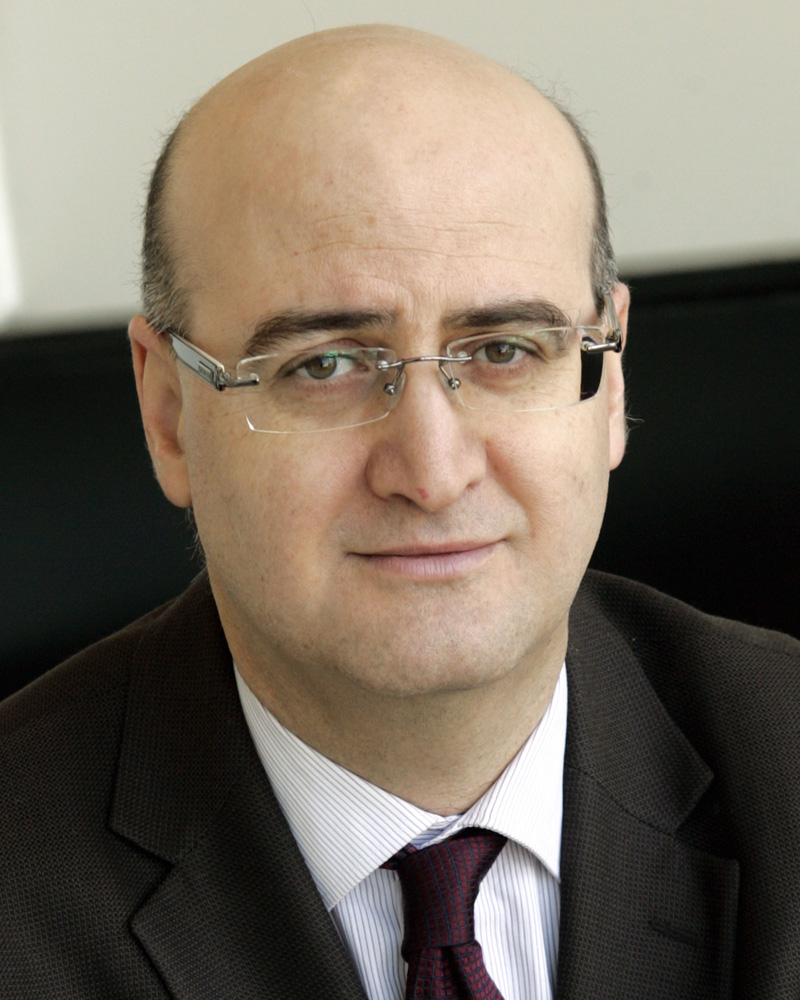
Konstantinos Kalogeropoulos is an Assistant Professor at the Department of Biotechnology and Biomedicine, Technical University of Denmark (DTU), leading research at the Cell Diversity Lab. His work bridges proteomics, computational biology, and snake venom research. Current projects: "The Proteomic Landscape during Influenza Infection" (2022-2025) Supervisor for PhD projects on protease network rewiring in psoriasis and wound exudate degradomics Research interests include: Proteomic analysis of inflammatory diseases Snake venom toxin structure prediction Extracellular matrix biomechanics De novo peptide sequencing algorithms Computational modeling of protease networks Recent article trends demonstrate his work in • Database-free proteomics (InstaNovo/InstaNexus) • Snake venom pathophysiology (V-ToCs clustering) • Inflammatory disease biomarkers (psoriasis, impaired healing) • Extracellular matrix mechanics (fibronectin tension, gut inflammation) Advising: Supervises PhD students Polhaus, C. J. M. and Haack, A. M., focusing on protease networks and wound healing.
Valentina Mazzucato is Professor of Globalisation and Development at the Faculty of Arts and Social Sciences, Maastricht University, where she teaches and leads research in transnational migration and development. She founded and directed the research programme on Globalisation, Transnationalism and Development (2012–2020), co-founded the MA Globalisation and Development Studies, and led the development of the interdisciplinary BSc Global Studies. She is a member of the Royal Netherlands Academy of Arts and Sciences (KNAW) and has held leadership roles in major research initiatives including the ERC Consolidator Grant project MO-TRAYL. Her educational background includes a BA in Political Science and French Literature from Williams College, an MSc in Agricultural Economics from Michigan State University, and a PhD cum laude from Wageningen Agricultural University on indigenous soil and water conservation in Burkina Faso. Her research focuses on transnational migration between Africa and Europe, particularly the socio-economic and cultural impacts on migrants, their families, and communities. She employs mixed methods and multi-sited research designs, pioneering the simultaneous matched sample methodology. Her recent work explores transnational youth mobility, return visits, remittances, and temporalities of migration. The articles from 2024–2025 reveal a strong thematic consistency in migrant youth, transnational identity, methodological innovation, and policy implications, reflecting her leadership in interdisciplinary migration scholarship. ERC Consolidator Grant (2017–2023) for MO-TRAYL project Elected member of the Royal Netherlands Academy of Arts and Sciences (KNAW), 2019 Prof. Mazzucato has secured multiple international grants from NWO, NORFACE, and the ERC, enabling her to build transnational research teams and mentor PhD candidates and early-career researchers. She supervises Bachelor’s and Master’s theses and externally examines PhDs internationally. She is actively involved in policy engagement, having advised Queen Beatrix and participated in EU and NGO forums on migration and development. She also co-created a play with Ghanaian migrants to translate research into public dialogue. She leads the Transnational Links and Livelihoods Group and collaborates across institutions including Princeton University (Center for Migration and Development), African universities, and policy organizations. Her work bridges academic research, teaching innovation, and societal impact.
Professor Jinhua Chen (PhD, McMaster University, 1997) is a leading scholar in East Asian Buddhism at the University of British Columbia’s Department of Asian Studies, Faculty of Arts. Holding a Canada Research Chair (2001-2011) and inducted into the Royal Society of Canada (2020), his work spans trans-regional Buddhist narratives, monastic institutions, relic veneration, and technological innovations in medieval Asian religions. Key Affiliations: UBC Buddhist Forum (Director), Peter Wall Institute for Advanced Studies (Resident Scholar), and editorial roles in Brill Book Series on East Asian Religions and Studies in Chinese Religions . Research Themes: Combines textual analysis with interdisciplinary methods to explore Buddhist sacred sites, doctrinal transmissions, and church-state dynamics. His projects include From the Ground Up (SSHRC Partnership Grant 2016-2023), examining East Asian religions through multi-media sources, and studies on ruixiang (propitious signs) in medieval Chinese prognostication. Scientific Awards: Royal Society of Canada Fellow, Canada Research Chair, SSHRC Insight Grants, Humboldt Research Fellowship, and Max Planck Institute funding. Publications: Over 30 book chapters and journal articles (2000-2016), including monographs on Fazang, Shingon-Tendai conflicts, and Buddhist sacred geography. Teaching: Courses on Chinese thought, Chan/Zen Buddhism, and Buddhist text interpretation, emphasizing methodological rigor and cross-cultural analysis. Projects: Directed international collaborations on Buddhist manuscripts, palace chapels, and relic cultures, with grants totaling over $4 million CAD.
Melanie Molina, MD, MAS is an Assistant Professor of Emergency Medicine at the University of California, San Francisco (UCSF) and Affiliate Faculty of the Philip R. Lee Institute for Health Policy Studies. She serves as Co-Director of the Social Emergency Medicine and Health Equity Section and holds a secondary appointment in the Department of Medicine’s Division of Clinical Informatics and Digital Transformation. Clinically, she works at Zuckerberg San Francisco General Hospital and UCSF Medical Center. National Clinician Scholars Program Fellowship (2023) MAS in Clinical Research, UCSF (2023) Residency in Emergency Medicine, Harvard Medical School (2021) MD in Medicine, The University of Texas at Austin (2017) BS/BA in Biology and Hispanic Studies, The University of Texas at Austin (2012) Dr. Molina’s research centers on leveraging technology to address social determinants of health in emergency settings, with a focus on vulnerable populations. Her work spans health equity, opioid use disorder interventions, microaggressions in healthcare, and clinical informatics. She pioneers EHR-enabled tools to integrate social care into emergency clinical workflows while minimizing clinician burden. Her NIH-funded projects emphasize practical solutions for racial and ethnic health disparities, particularly in vaccine delivery and social risk documentation. Her recent publications (2024-2025) reveal three dominant trends: (1) Integration of AI and informatics for social risk screening and clinical decision support, (2) Health equity interventions targeting vaccine hesitancy and long COVID disparities, and (3) Critical analysis of DEI implementation challenges in academic emergency medicine. The work consistently bridges technical innovation with community-centered approaches to address systemic inequities. National Institutes of Health NIDA Loan Repayment Award (2024-2025) National Hispanic Medical Association Top 40 Under 40 (2024) UCSF John A. Watson Faculty Scholar (2023) National Institutes of Health NIAID Loan Repayment Award (2022-2024) Academy for Women in Academic Emergency Medicine Outstanding Research Publication Award (2021) Harvard Medical School Presidential Scholars Public Service Initiative Award (2017) Dr. Molina actively mentors medical students, residents, and fellows in health equity research. As Principal Investigator on multiple NIH and foundation grants—including the Harold Amos Medical Faculty Development Program grant ($825,575, 2024-2028) and an NIH/NIDA K23 award (2024-2029)—she leads projects developing EHR-integrated interventions for social risk documentation and opioid use disorder treatment. Her PROBOOSTVAXED trial addresses vaccine hesitancy through ED-based delivery across eight U.S. cities. She co-directs the Social Emergency Medicine and Health Equity Section within UCSF’s Department of Emergency Medicine, collaborating closely with the Action Research Center for Health Equity and the Philip R. Lee Institute for Health Policy Studies. Her team integrates clinical informatics expertise with community health workers to develop scalable solutions for social risk mitigation in safety-net emergency departments.
Dan Lizotte is an Associate Professor jointly appointed to the Department of Computer Science in the Faculty of Science and the Department of Epidemiology and Biostatistics in the Schulich School of Medicine & Dentistry at Western University. Additional affiliations include the Schulich Interfaculty Program in Public Health and a cross-appointment to the Department of Statistics and Actuarial Sciences. Based in Middlesex College, London, Ontario, his contact email is dlizotte@uwo.ca. His research centers on machine learning and biostatistics for health decision support, with emphasis on sequential decision-making in chronic disease management where evolving patient health status and preferences inform adaptive interventions. Core contributions involve adapting reinforcement learning frameworks to model dynamic health decisions in public health and primary care settings, addressing methodological challenges in personalized medicine and risk prediction. Analysis of his publication record reveals consistent focus on healthcare applications of machine learning, particularly in chronic disease risk modeling using electronic medical records, intersectionality frameworks in public health AI, and Bayesian methods for dose personalization. His work bridges reinforcement learning with clinical decision support systems, advancing dynamic treatment regimes and statistical methodologies for evolving patient data. No scientific awards were mentioned in the provided text. The text does not specify any advisees, grant funding, or educational background details. Lizotte leads a research laboratory focused on machine learning applications in health, as evidenced by the dedicated lab site referenced in his contact information. His team likely explores intersections of statistical methodology, AI ethics, and clinical implementation for personalized health interventions.
Dr. Merry Mani is an Associate Professor in Radiology and Imaging Sciences and Biomedical Engineering, specializing in biomedical imaging and signal processing. Her work focuses on advancing MRI-based imaging technologies to study neurological disorders such as Alzheimer's, Autism, and Epilepsy. She holds a Ph.D. in Electrical and Computer Engineering from the University of Rochester (2014) and completed a postdoctoral fellowship at the University of Iowa School of Medicine (2018). Her research combines biophysical modeling with machine learning to explore brain microstructures. Key achievements include the NNARSAD Young Investigator Grant and NIH-funded projects like 'Fast Multi-dimensional Diffusion MRI with Sparse Sampling'. Her lab develops cutting-edge reconstruction methods like qModeL and MUSSELS, prioritizing high spatio-temporal resolution imaging. Major contributions span diffusion MRI acquisition, model-based deep learning, and clinical applications in neurodegenerative diseases. Notable grants include NIH R01EB031169 for Alzheimer’s neurodegeneration studies and projects on rTMS for depression. Her work bridges imaging innovation with clinical impact, aiming to improve diagnosis and treatment through advanced imaging biomarkers.
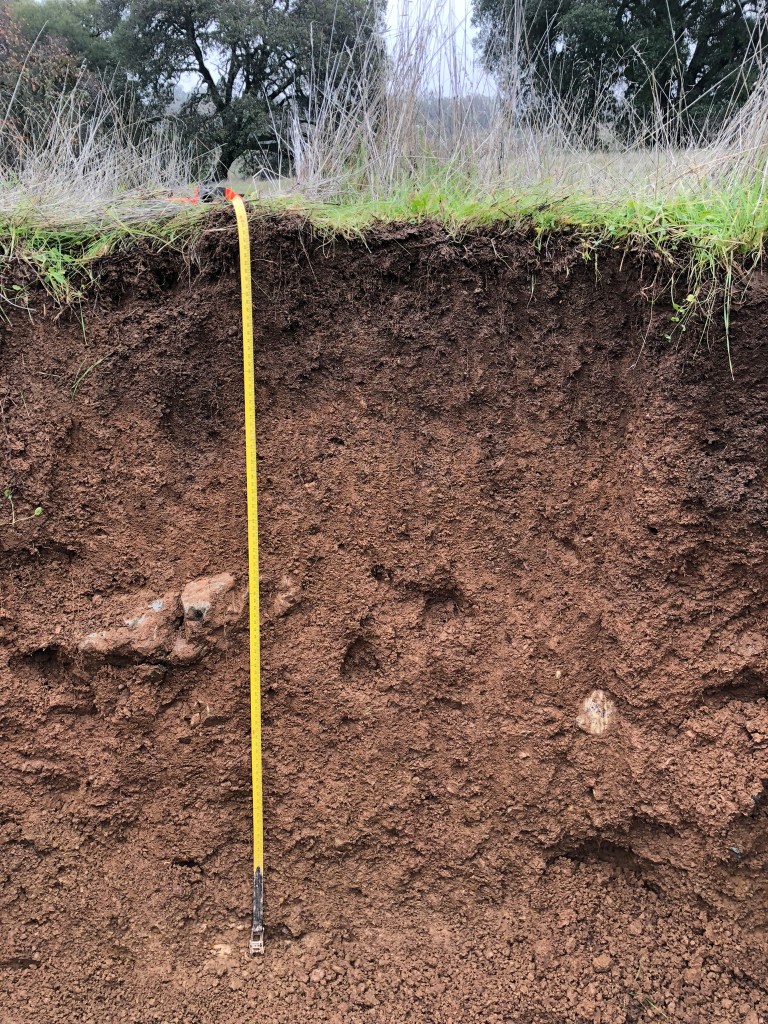
Eric Slessarev is an Assistant Professor at Yale University , affiliated with the Department of Ecology and Evolutionary Biology and the Yale Center for Natural Carbon Capture. His research focuses on soil biogeochemistry, particularly how soil properties influence carbon and nutrient cycling in terrestrial ecosystems, with applications to climate change mitigation strategies like enhanced rock weathering and perennial grass cultivation. Teaches Ecology of Landforms and General Ecology Labs located at KGL 318 (research) and KGL 417 (office) His recent publications highlight interdisciplinary approaches to understanding mineral-organic matter interactions, microbial controls on carbon cycling, and policy implications for soil-based carbon removal strategies. Key methodologies include global data synthesis, isotope tracing, and experimental manipulation of soil-plant systems across depth profiles. Notably, his 2025 work demonstrates drought impacts on carbon persistence, microbial harnessing for CO2 removal, and economic modeling of reversible carbon storage. 2024 studies explore deep-rooted plant effects on carbon fractions, calcium's role in mollisol formation, and policy optimization for carbon sequestration.
Pedram Mortazavi is an Assistant Professor at the University of Minnesota, based in the Civil Engineering Building, Minneapolis, with contact details including email pmortaza@umn.edu and office address 236 Civil Engineering Building, 500 Pillsbury Drive SE. His research centers on structural resilience through: Steel structures and large-scale experimental testing Cast steel energy dissipative systems and passive control devices (damping/isolation) Self-centering systems to mitigate residual deformations Advanced simulation methods including hybrid and multi-platform techniques Validation and codification of new structural systems for seismic applications Analysis of his 2023-2025 publications reveals concentrated work on eccentrically braced frames with replaceable cast steel links, hybrid simulation methodologies, and low-cost re-centering solutions. His research consistently targets enhanced seismic performance, ductility, and resilience via experimental validation and practical design innovations, with significant focus on friction mitigation in multi-axial testing and ultra-low cycle fatigue of structural components.
Sharon Rozovsky is a Professor in the Department of Chemistry and Biochemistry at the University of Delaware's College of Arts & Sciences, where she leads research on oxidative stress response mechanisms and protein quality control pathways. Her work bridges biochemistry, chemical biology, and structural biology with direct implications for understanding neurodegenerative diseases and viral pathogenesis. Her academic foundation includes a B.S. from Tel Aviv University (1994) and a Ph.D. from Columbia University (2000), establishing her expertise in protein dynamics and redox biochemistry. These credentials underpin her innovative approaches to studying cellular stress responses. Rozovsky's research program centers on selenoproteins—proteins containing the rare amino acid selenocysteine—and their critical roles in endoplasmic reticulum (ER) stress resolution. She investigates how membrane-bound selenoproteins like Selenoprotein S and K regulate the ER-associated degradation (ERAD) pathway, with recent work revealing their surprising autoproteolytic activity and involvement in SARS-CoV-2 replication. Her lab pioneers chemical tools including expressed protein ligation and advanced 77Se NMR spectroscopy to characterize these systems at molecular resolution. Analysis of her 2021-2025 publications shows dominant themes in selenoprotein structure-function relationships, ER stress mechanisms, and viral interactions, alongside methodological innovations in cryo-EM grid technology and NMR. This body of work demonstrates consistent focus on redox biochemistry with expanding applications in virology and structural biology. No major scientific awards or fellowships were explicitly documented in the available materials, though her research impact is evident through high-impact publications and methodological contributions. She directs the active Rozovsky Research Group, mentoring graduate students and postdoctoral researchers in biochemical and biophysical techniques. Her laboratory operations are supported by competitive funding including an NSF CAREER award (2011) focused on selenoprotein reactivity, reflecting sustained recognition of her innovative research program.
Kristine Andra Avram is a Visiting Researcher at the Center for Conflict Research (ZfK) at Philipps University of Marburg, serving as a Post-doctoral fellow in the BMBF project 'Transformations of Political Violence' (2024-2025). Her work bridges peace and conflict studies, narratology, and social sciences with a focus on meaning-making in contexts of political violence and state repression. Her educational background includes a PhD in Political Science (summa cum laude, 2022) from Philipps University of Marburg, an MA in Peace and Conflict Studies (2010-2013) with study abroad at the University of Haifa, and a BA in Communication Science and Romance Studies (2007-2010) from the University of Erfurt, including Erasmus at Complutense University of Madrid. Avram's research examines how narratives shape interpretations of violence, influence reckoning with traumatic pasts, and inform transitional justice efforts. Using interdisciplinary narrative and (auto)ethnographic methods, she reveals storytelling as a site of agency and resistance—both for processing historical violence and envisioning just futures. Her work centers on concepts like responsibility, truth, and hope within post-communist contexts, particularly Romania. Her recent publications (2023-2025) demonstrate methodological innovation in narrative analysis applied to political violence, with increasing attention to researcher positionality and reparative methodologies. Articles span qualitative frameworks, courtroom narratives, postcolonial critiques of peacebuilding, and ethical dimensions of studying violence. Key scientific awards include: Dissertation Award from Südost-europagesellschaft (2023) Honorable Mention from Gert-Sommer-Award for Peace Psychology (2023) Mobility Grant from EISA (2023) Scholarships from MARA, Friedrich Ebert Foundation, and University of Haifa She has secured significant research funding including a Fritz Thyssen Foundation grant (2017-2022) as co-applicant and has taught courses on narrative reconstructions of the past at Philipps University Marburg and Goethe University Frankfurt. Her advisory work includes designing memory projects and conflict resolution initiatives with pax christi Rhein-Main. Avram actively collaborates within the Center for Conflict Research's interdisciplinary teams, focusing on political violence, transitional justice, and narrative methodologies in post-communist contexts through projects like 'Ascribing Individual Criminal Responsibility' and 'Transformations of Political Violence'.
Prof. Dr. Helma Wennemers serves as a Full Professor at ETH Zurich's Department of Chemistry and Applied Biosciences, leading the Laboratory for Organic Chemistry. Her research group operates from HCI H 313 at Vladimir Prelog Way 1-5/10 in Zurich, Switzerland, with active teaching responsibilities including Organic Chemistry I and Chemical Biology - Peptides for the Fall 2025 semester. Her research program centers on the intersection of organic chemistry and chemical biology , with particular emphasis on collagen triple helix engineering , peptide-catalyzed asymmetric synthesis , and development of chemical tools for tissue remodeling diagnostics . Key focus areas include designing hyperstable collagen heterotrimers for fibrosis monitoring, creating fluorophore-based probes for collagen cross-linking visualization, and pioneering organocatalytic methodologies for complex heterocycle synthesis. Her group actively explores how hydrophobic modifications and proline derivatives influence collagen stability and cellular uptake mechanisms. Analysis of her 15 most recent publications (2024-2025) reveals three dominant research trajectories: (1) collagen structural engineering for biomedical applications, (2) innovative peptide/organocatalysis enabling stereoselective transformations, and (3) chemical probe development targeting tissue remodeling processes. These works consistently integrate synthetic chemistry with biological validation, demonstrating translational potential in fibrosis diagnostics and regenerative medicine. While specific grant details aren't provided in available sources, her research program clearly supports advanced laboratory infrastructure including peptide synthesis facilities and photochemical reaction systems like the ETHos photoreactor. Her group maintains strong industry and clinical collaborations evident in applications targeting liver cancer cells and prostate cancer diagnostics. The Laboratory for Organic Chemistry functions as an interdisciplinary hub where synthetic organic chemists collaborate with biologists to develop collagen-based diagnostic platforms and catalytic systems. Current projects focus on lysyl oxidase-responsive probes for real-time tissue monitoring and engineered peptide catalysts for sustainable chemical synthesis under environmentally relevant conditions.
Professor Jonathan Adams holds a Chair in Archaeology at the University of Southampton's Department of Archaeology. He leads the Centre for Maritime Archaeology (CMA), established in 1997, and teaches at both undergraduate and postgraduate levels. His career spans over 30 years, including pivotal roles in the Mary Rose excavation and foundational work in deepwater maritime archaeology. Adams specializes in the Black Sea region, focusing on environmental change impacts on prehistoric populations, maritime connectivity, and naval technology's role in state-building. Affiliations: Centre for Maritime Archaeology, Southampton Marine and Maritime Institute Key Projects: Black Sea Maritime Archaeology Project (since 2015), Ships of State (with Södertörn University) Education: BA in Archaeology & Ancient History (Durham University), DPhil in Maritime Archaeology (Stockholm University). His research integrates ship science, oceanography, and historical analysis. He currently supervises seven PhD students and has mentored over 500 graduates through the MA/MSc in Maritime Archaeology program launched in 1995. Research Interests: Chronology of environmental change in the Black Sea Maritime connectivity across historical periods Role of naval architecture in early modern state development
Søren Munch Kristiansen is an Associate Professor in the Department of Geoscience at Aarhus University, Faculty of Natural Sciences. His interdisciplinary research bridges geoscience and archaeology, focusing on the complex interactions between soil, water, and human societies across time. He is actively engaged in transdisciplinary projects involving geoarchaeology, groundwater, and public health. Research Interests: His work centers on how soil and groundwater have shaped human prehistory and continue to influence modern life. Key areas include safe drinking water from a lifelong perspective, geoarchaeological prospection, Viking Age settlements, and the application of geophysical and geochemical methods in archaeological contexts. He is particularly interested in novel, interdisciplinary methodologies. Recent Research Trends: His recent publications reveal a strong focus on integrating geophysical data (e.g., GPR, borehole databases) with archaeological interpretation, especially in 3D urban modeling and landscape change. Themes include Viking Age sites, interglacial deposits, and anthropogenic soil modifications. His work increasingly employs machine learning and large-scale data synthesis. Scientific Awards: No awards mentioned in the provided text. Advising and Grants: While specific students are not listed, he leads and participates in multiple funded research projects, indicating an active supervisory role. His grants span from 2016 to 2024, including projects like TITAN, SAGA, and 'Fingerprinting displaced molecular substances,' highlighting sustained funding and leadership in interdisciplinary geoscience-archaeology research. Labs and Teams: He is involved in collaborative networks such as the Soil Science & Archaeo-geophysics Alliance (SAGA), suggesting leadership in interdisciplinary research teams. His work often involves multi-proxy analyses and international collaborations, particularly in Scandinavian archaeological geophysics.
Dr Shu-Ling Lu is an Associate Professor at the University of Reading , serving as Director of the MSc Project Management Programme and a Member of Senate . Her research spans Innovation Management , Quality Control , and Net Zero Transitions in construction, alongside Heritage Building Integration and Gender Dynamics in built environment sectors. Her academic journey includes a PhD , MSc in Construction Engineering , and a Diploma in Architectural Engineering , all from institutions in Taiwan and the UK, complemented by a Postgraduate Certificate in Higher Education Practice from the University of Salford. Research Interests : Innovation in construction, quality management, heritage conservation, net-zero transitions, gender equity, and system dynamics applications. Article Trends : Focus on defects analysis , heritage integration , gender dynamics , system dynamics , and net-zero strategies across 15 recent publications. Scientific Awards : Fellow of the Chartered Institute of Building (FCIOB) Fellow of Higher Education Academy (FHEA) Full member, Association for Project Management (MAPM) BSI Committee Participation (Quality Management Standards) Supervision & Grants : Mentored 7 PhD students and led/co-led projects funded by Natural Environment Research Council (NERC) , EPSRC , and COST , with total grants exceeding £500,000.
Professor Moncef Gabbouj is a distinguished academic and researcher currently serving as Professor of Signal Processing at the Department of Computing Sciences, Faculty of Information Technology and Communication Sciences, Tampere University, Finland. Previously, he held the same position at Tampere University of Technology before the merger in 2019. He has also held visiting professorships at prestigious institutions including Hong Kong University of Technology and Science, University of Southern California, and Purdue University. Ph.D. and MSc. in Electrical Engineering from Purdue University, USA (1989 and 1986) B.Sc. in Electrical Engineering from Oklahoma State University, USA (1985) Prof. Gabbouj's research spans multiple domains within signal and image processing, with a strong focus on machine learning applications. His primary research interests include artificial intelligence, machine learning, Big Data analytics, multimedia content-based analysis, indexing and retrieval, nonlinear signal and image processing, voice conversion, and video processing and coding. His work bridges theoretical advancements with practical applications across various industries, particularly in multimedia communications and biomedical applications. His extensive publication record demonstrates a clear evolution from traditional signal processing techniques toward more sophisticated machine learning and deep learning approaches. Recent work shows increasing focus on convolutional neural networks for various applications including ECG classification, video processing, financial time-series analysis, and image recognition tasks, reflecting the broader trend in the field toward deep learning methodologies while maintaining strong foundations in signal processing theory. IEEE Fellow (2011) Member, Finnish Academy of Science and Letters (2014) Knight, First Class, of the Order of the White Rose of Finland (2006) Nokia Foundation Recognition Award (2005) Nokia Foundation Visiting Professor Award (2012) Finnish Cultural Foundation for Art and Science Award (2017) TUT Foundation Grand Award (2015) Prof. Gabbouj has supervised 64 doctoral and 72 Master's theses, demonstrating his significant contribution to academic mentoring. His research has been supported by substantial funding, including research grants totaling 8.5 million Euro (2001-2015). He has served as Academy of Finland Professor during 2011-2015 and has been involved in numerous EU research projects including Horizon, ESPRIT, HCM, IST, COST, Tempus and Erasmus programs. As Editor, Guest Editor or member of the Editorial Board of 6 international scientific journals, he has significantly influenced the academic discourse in his field. He leads the Signal Analysis and Machine Intelligence (SAMI) research group at Tampere University and serves as the Finland Site Director of the NSF IUCRC funded Center for Visual and Decision Informatics. His research unit focuses on applying advanced machine learning techniques to solve complex problems in signal processing, computer vision, and multimedia analytics, with applications ranging from healthcare to multimedia communications and financial analysis.