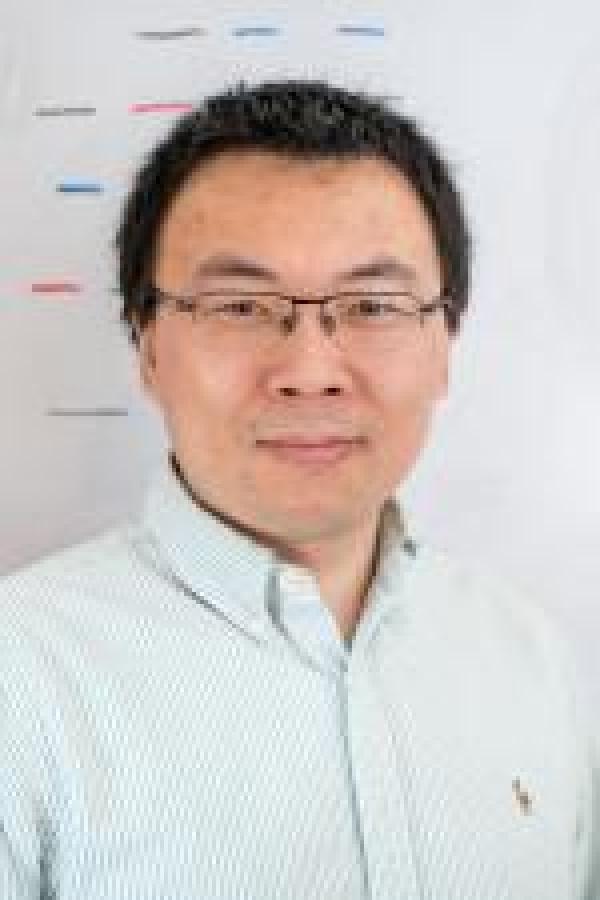
Dr. HOU Shengwei is an Assistant Professor at the Department of Ocean Science and Engineering, Southern University of Science and Technology (SUSTech). His research focuses on computational microbial ecology and evolution, particularly the biogeography and interactions of marine microbes, host-virus dynamics, and microbial responses to climate change. Education: PhD in Bioinformatics (Freiburg University, 2018), Master in Molecular Genetics (Chinese Academy of Sciences, 2013), Bachelor in Biotechnology (Southwest University, 2009). He employs multi-omics approaches and bioinformatics to study microbial environmental adaptation mechanisms, biogeochemical cycles, and climate change impacts. His work spans marine microbial observatories and computational biogeochemical modeling. Dr. Hou has published over 20 papers in prestigious journals like The ISME Journal , PNAS , and RNA Biology . He serves as a guest editor for Frontiers in Microbiology and a review editor for Frontiers in Marine Science , with extensive peer-review experience.
Yuliang Feng is an Associate Professor and doctoral supervisor in the Department of Pharmacology, School of Medicine, Southern University of Science and Technology (SUSTech), China. He also serves as Vice-Chair of the Pan-Vascular Committee of the Guangdong Medical Education Association and holds editorial/reviewer roles for more than 25 international journals. Education Ph.D. in Molecular & Cellular Medicine, University of Oxford, UK (2019-2022) M.D. in Cardiovascular Pharmacology, Joint Ph.D. program, Southern Medical University & University of Cincinnati (2008-2014) B.M. in Preventive Medicine, Sun Yat-sen University, China (2003-2008) Research Interests Dr. Feng integrates 3-D genomics , epigenomics and computational biology to decode how higher-order chromatin organization governs transcriptional programs in human disease, with a focus on cardiovascular disease and cancer . His laboratory maps enhancer–promoter interactions using Hi-C, ChIA-PET and HiChIP, and develops multi-omics databases (e.g., EXPRESSO) to uncover therapeutic targets that reprogram pathological gene networks. Recent work reveals shared genetic architectures among major cardiovascular diseases, telomere-length contributions to disease onset, BRD9–SMAD2/3-mediated stemness in pancreatic cancer, and 3-D chromatin rewiring during dilated cardiomyopathy. These studies highlight his expertise in translating genome topology findings into diagnostic and precision-medicine strategies. Scientific Awards & Honors National Science Foundation of China Distinguished Young Scholar (Overseas), 2023 Guangdong Distinguished Young Scholar, 2023 Shenzhen Pengcheng Peacock Talent (Category C), 2023 Clarendon Scholar, University of Oxford, 2019-2022 ISHR Richard J. Bing Young Investigator Award Finalist, 2022 Multiple ISHR Young Investigator & Travel Awards (2010-2016) Grants & Leadership Dr. Feng currently leads projects funded by the National Natural Science Foundation of China and Guangdong Province, and participates in international consortia such as ENCODE, 4DN and BLUEPRINT. He mentors graduate students and postdocs, while coordinating collaborative teams across SUSTech, Oxford, and industry partners to develop next-generation epigenomic therapeutics. Laboratory & Teams The Feng lab operates within the SUSTech Medical Research Platform with access to state-of-the-art sequencing, single-cell and high-performance computing cores. The group maintains active collaborations with cardiac surgeons, oncologists and AI scientists to accelerate bench-to-bedside translation of 3-D genome-based interventions.
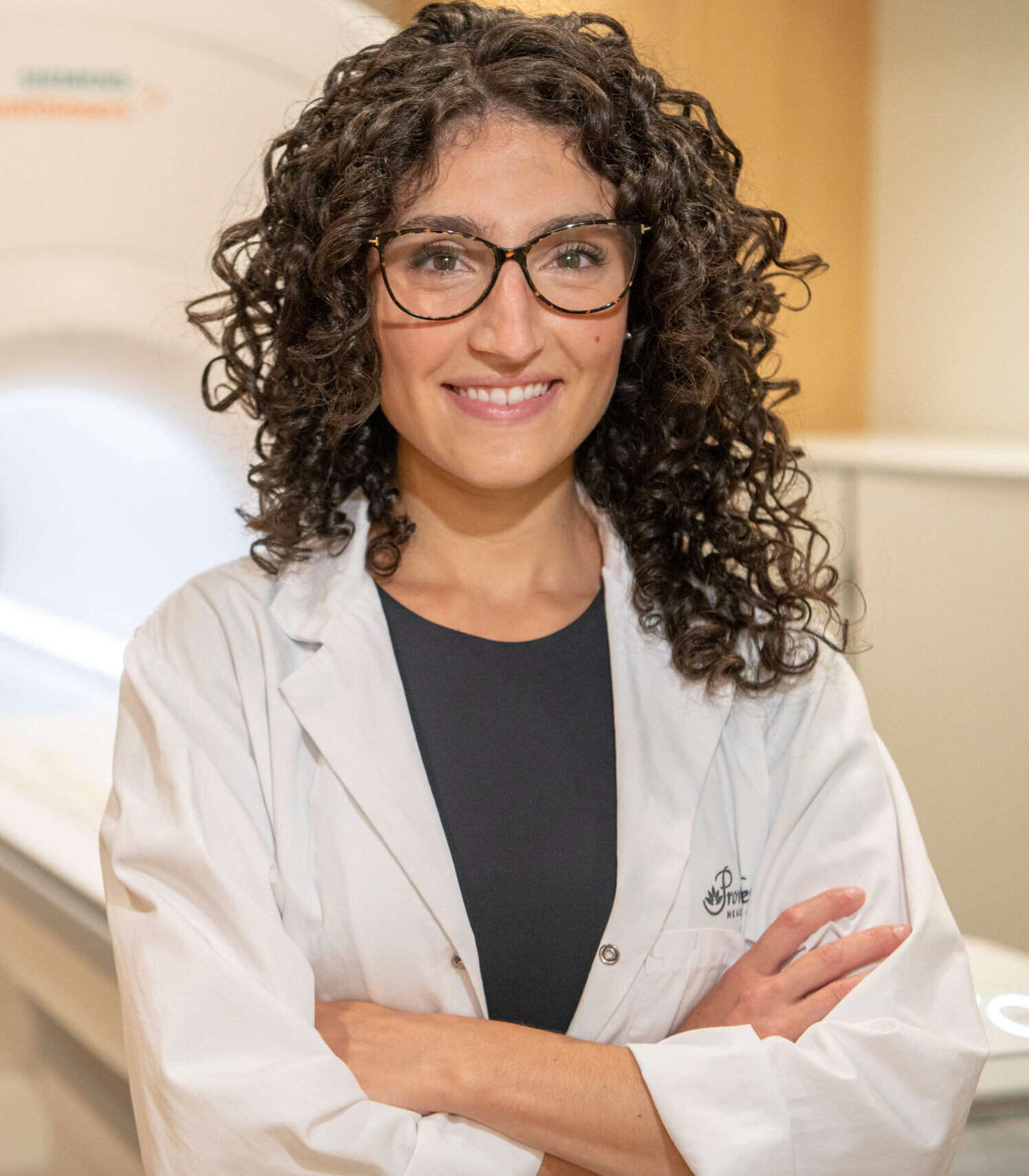
Rachel Eddy is an Assistant Professor in the Faculty of Medicine at the University of British Columbia (UBC), with dual appointments in the Department of Radiology and Department of Pediatrics . As a James Hogg Young Investigator in Pulmonary Imaging and Director of the MRI Core at the Centre for Heart Lung Innovation (HLI), she bridges biomedical engineering and clinical research to advance lung imaging methodologies. Education: BEng in Electrical and Biomedical Engineering (McMaster University), PhD in Medical Biophysics (Western University), postdoctoral training at UBC/HLI/BCCH Research Focus: Development of hyperpolarized 129Xe MRI and quantitative CT for heterogeneous lung disease characterization, with applications in asthma, COPD, long COVID, and vaping-related lung injury Team: Supervises MSc and MASc candidates, including Alexandra Schmidt and Lixin Chu Her work integrates single-cell sequencing with AI-driven imaging analysis to uncover cellular and structural pathologies in respiratory conditions. Collaborations include the BC Children's Hospital Research Institute and cross-institutional trials. Recent publications highlight novel asthma phenotyping, cannabis-induced lung changes, and multi-center imaging standardization efforts.
Isotta Chimenti is an Associate Professor at the Faculty of Pharmacy and Medicine , Sapienza University of Rome, serving as Team Leader in the Experimental Cardiovascular Pathology Lab within the Department of Medical Surgical Sciences and Biotechnologies. She earned a Master of Science and PhD in Experimental Medicine from Sapienza University, with postdoctoral training at Johns Hopkins University, Cedars Sinai Heart Institute, and Pasteur Institute–Cenci Bolognetti Foundation. Research Focus: Cardiac microenvironment, stromal cells in tissue repair, oxidative/metabolic stress in cardiovascular diseases, cardiac tissue engineering, and mechano-sensing. Grants: PRIN, Ricerca Finalizzata, Sapienza research funding, and European Horizon 2022 projects as PI. Publications: Over 85 Scopus-indexed papers with H-index 27 and 3232 total citations. Key topics include 3D cardiac models, autophagy regulation in cardiovascular diseases, and tobacco product cardiotoxicity. She serves on editorial boards of Current Stem Cell Research & Therapy , International Journal of Molecular Science , and Frontiers in Cardiovascular Medicine . 2022: Cover image in Circulation Research 2021: UNSCEAR Expert Group membership 2018: European Society of Cardiology Working Group member Labs: Leads Autophagy and Cardiovascular Diseases Research Group and Cardiovascular Pathology and Repair Lab. Teaches advanced molecular biology, general pathology, and regenerative medicine courses at Sapienza University.
Associate Professor Matt Padula is a faculty member in the School of Life Sciences at the University of Technology Sydney (UTS), where he also directs the Proteomics Core Facility. His research focuses on advanced proteomic, lipidomic, and metabolomic methodologies, with particular emphasis on developing sample preparation workflows and analyzing complex biological systems. Padula has 25 years of experience in protein chemistry, mass spectrometry, and the application of these techniques to diverse organisms including parasites, bacteria, and human cells. Research Interests : Padula's work spans proteomics innovation, platelet biology, and the molecular mechanisms of disease. Recent studies include investigating RPS4Y1's role in asthma inflammation, optimizing multi-omics workflows, and understanding lipid changes in stored platelets. His team is also advancing forensic proteomics for body fluid identification from post-DNA extraction waste. Key Projects : The Proteomics Core Facility provides cutting-edge instrumentation and expertise for researchers. Padula collaborates on projects ranging from coral restoration lipidomics to the development of therapeutic peptides for cardiovascular diseases. His lab's work bridges basic science with translational applications in healthcare and environmental conservation. Awards & Recognition : No specific awards are listed, though his contributions to methodological advancements have been highlighted in over 179 publications. Padula is actively involved in supervising postgraduate students and mentoring researchers in omics technologies.
Prof. Martin Vingron is a Scientific Member and Director at the Max Planck Institute for Molecular Genetics. He holds an adjunct professorship at Freie Universität Berlin. His research focuses on computational molecular biology, integrating algorithmic and statistical methods to study gene regulation, epigenetics, and functional genomics. Education: Studied mathematics in Vienna, PhD (1991, Heidelberg University) under EMBL supervision. Postdocs at UCLA and Bonn University. Research: Current work emphasizes the interplay between epigenetic modifications and gene regulation. Develops methods for analyzing genomic sequences and functional genomics data. Leads the Vingron Lab, collaborating on transcriptional regulation and epigenetic studies. Awards: Max Planck Research Prize (2004), Leopoldina Membership, ISCB Fellowship. Labs/Teams: Heads the Transcriptional Regulation Group at MPIMG, focusing on computational methods for gene regulation analysis and data integration.
Dr. Olga Chervova is a Senior Research Fellow at University College London's Department of Epidemiology & Public Health, specializing in epigenetics and its applications to human health. Her work bridges pure mathematics and clinical sciences, with a focus on cardiovascular medicine, genetics, and oncology. Education: PhD in Pure Mathematics (University College London, 2012); MSc in Clinical Sciences (Saratov State University, 2006). Research interests include epigenetic mechanisms in disease, particularly DNA methylation's role in cancer evolution, cardiovascular conditions, and age-related pathologies. She has pioneered studies on epigenetic clocks, linking accelerated aging metrics to diseases like sarcoma and myocardial infarction. Her work also addresses global health challenges, such as studying war exposure effects in Syrian refugees through epigenetic biomarkers. Key research trends in her publications include integrating multi-omics data (genomic, transcriptomic, epigenetic) for precision medicine, developing diagnostic classifiers using epigenetic signatures, and applying machine learning to interpret clinical time-series data. Her studies often emphasize longitudinal analyses and population-based cohorts. Labs/Teams: Co-founder of the Personal Genome Project-UK (PGP-UK), an open-access multi-omics resource supporting personalized medicine research. She collaborates with international teams on lung cancer evolution and epigenetic biomarker development.
Jun Song is a Professor affiliated with multiple departments at the University of Illinois at Urbana-Champaign, including the Department of Statistics, Department of Physics, Carl R. Woese Institute for Genomic Biology, and holds the title of Founder Professor in Physics. His research focuses on computational biology, statistical genetics, and systems biology, with emphasis on understanding regulatory genomics and epigenetic mechanisms. Song leads a research group developing innovative tools for analyzing genomic data, such as CHANCE, NSeq, and ClusterEnG. His work includes studies on chromatin structure, CRISPR prime editing efficiency, cancer-associated genetic variants, and the molecular basis of schwannoma development. He has contributed to high-impact journals in computational biology and genetics. Song’s lab actively investigates barriers to induced pluripotent stem cell (iPSC) generation through genome-wide screens and functional genomics approaches. Key research themes involve integrating multi-omics data, modeling epigenetic evolution in cancer, and developing statistical methods for interpreting regulatory variation. His collaborative projects span epigenetics, cancer biology, and computational tool development for genomics research.
Mariola Ferraro is an Associate Professor in the Department of Microbiology & Cell Science at the University of Florida. Her research focuses on microbial pathogenesis, extracellular vesicles, and host defense mechanisms. She investigates how pathogens such as Salmonella , Staphylococcus aureus , and Yersinia interact with host cells, particularly through ubiquitin pathways and extracellular vesicle-mediated communication. Her work integrates proteomics, immunology, and space biology to study bacterial adaptation under stress conditions like microgravity. Recent studies include the impact of simulated microgravity on Enterobacter cloacae proteomes and the role of cannabinoid receptors in modulating immune responses during infections. Ferraro’s research also explores novel vaccine strategies using extracellular vesicles isolated from wastewater-derived Salmonella strains. Her interdisciplinary approach bridges fundamental biology with translational applications, including drug development targeting deubiquitinating enzymes (DUBs) and exosome-based therapies for neurological disorders. Publications highlight her expertise in multi-omics data analysis, lipidomic profiling, and the development of standardized protocols for extracellular vesicle research (MISEV2023). Collaborations span microbiology, immunology, and space science, reflecting her commitment to advancing understanding of pathogen-host interactions in diverse environments.
Dr. Li Ma is a Professor in the Department of Animal & Avian Sciences at the University of Maryland, College Park. His research focuses on statistical genetics, population genetics, and genomic selection in livestock, particularly dairy cattle. He develops computational tools to enhance genetic studies using next-generation sequencing data, with applications in improving livestock productivity and disease resistance. His work includes analyzing recombination patterns and PRDM9 alleles in dairy cattle breeding, genomic selection strategies using large-scale datasets, and integrating multi-omic data for precision livestock breeding. He also explores big data analytics in agricultural genomics. Notable research areas include sequence-based genomic discovery, genetic architecture of complex traits, and applying machine learning to genetic studies. His recent articles (2024–2025) show interdisciplinary work in financial econometrics, addressing topics like risk management, stochastic volatility modeling, and option pricing strategies. This dual focus suggests expertise spanning both biological and quantitative finance domains. Dr. Ma collaborates on projects involving genomic databases, statistical method development, and computational biology tools. His work bridges genetic research and advanced financial modeling, though specific student advisement details are not listed here.
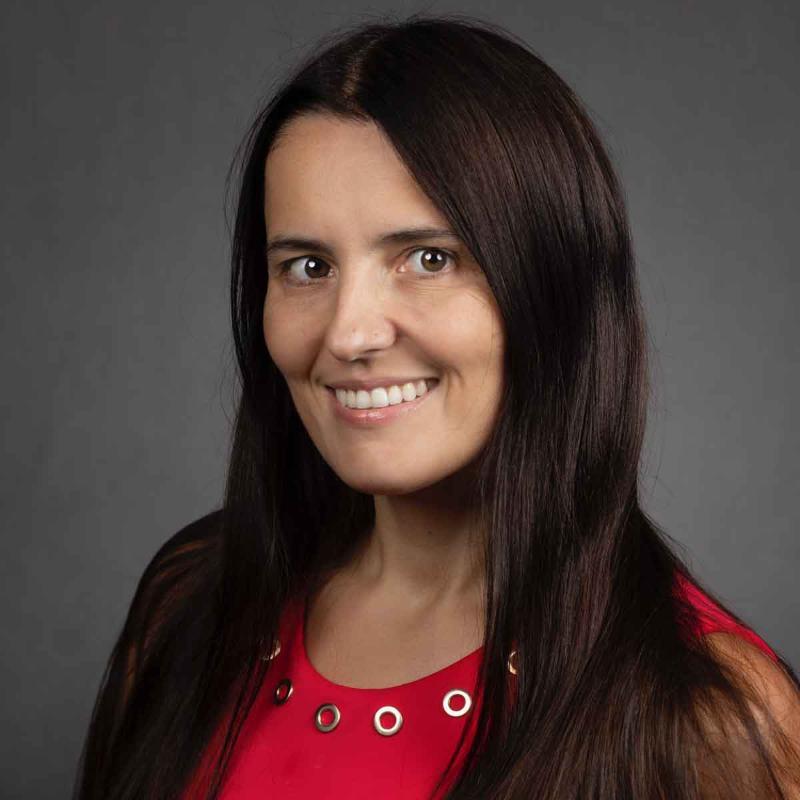
Dr. Tanja Laske is a Group Leader at the Cosy.Bio lab within the Faculty of Mathematics, Informatics and Natural Sciences at the University of Hamburg. Her research focuses on computational systems biology, integrating multi-omics data with mechanistic models and machine learning to address challenges in systems medicine. She holds a PhD in Bioprocess Engineering from the Max Planck Institute for Dynamics of Complex Technical Systems and a Master’s in Biosystems Engineering from Otto von Guericke University Magdeburg. Her work includes experimental studies on adenoviral vector production and mathematical modeling of virus replication dynamics. Her research interests span systems biology, virology, and bioprocess optimization. Key projects include analyzing defective interfering particles in influenza viruses, modeling virus-host interactions, and developing algorithms for differential co-expression analysis (e.g., DRaCOon). She also explores metabolic dysregulation in diabetic bone regeneration and proteomic biomarker discovery for bone-related diseases. Recent work emphasizes computational methods like FedProt for federated proteomic analysis and ProHarMeD for drug repurposing. Her publications highlight contributions to normalization techniques in proteomics, patient stratification via UnPaSt, and mechanistic modeling of viral dynamics. No scientific awards or grants are explicitly listed. She advises no students, though her group contributes to collaborative research projects. Her lab, Cosy.Bio, focuses on systems medicine applications and interdisciplinary approaches to biomedical challenges.
Silke Van Elferen is a Research Associate at the University of Hamburg's Faculty of Mathematics, Informatics and Natural Sciences, within the Computational Systems Biology department. She is concurrently completing a Master's degree in Drug Development and Neurohealth at Maastricht University. Her research focuses on biomarker identification in cardiomyopathies and federated DNA methylation data analysis, conducted under collaborations with CoSy.Bio. Education: BSc (Hons) in Forensic Science, Anglia Ruskin University MSc in Systems Biology, Maastricht University (thesis: federated DNA methylation workflow implementation) Research Interests: Silke specializes in translational bioinformatics, particularly in developing computational frameworks for multi-omics data integration. Her current work targets tissue-specific and blood-based biomarkers for cardiomyopathies, leveraging federated learning approaches to enhance data privacy in genomic studies. She also explores applications of systems biology in drug development pathways. Labs/Teams: Active contributor to CoSy.Bio, collaborating with Dr. Olga Tsoy and Lena Hackl on thesis projects. Previously mentored by Dr. Olga Zolotareva during her MSc thesis.
Carl Saab is an Adjunct Professor of Engineering at Brown University's School of Engineering. His research focuses on neurophysiological mechanisms of pain and sleep, leveraging machine learning, quantum computing, and advanced neuroimaging techniques. He explores biomarker discovery for chronic conditions like neuropathic pain and migraine, and develops innovative treatments such as spinal cord stimulation protocols. Education details are not explicitly provided in the text, but his extensive publication record indicates expertise in neuroscience, biomedical engineering, and computational biology. His work bridges clinical applications and technological innovation, addressing challenges in pain management, sleep medicine, and neurological disorders. Research interests include: Neuropathic pain mechanisms and therapies Sleep-disordered breathing and cardiovascular risk stratification Machine learning in biomarker identification Quantum computing's role in multi-factorial disease analysis EEG/EMG-based pain assessment systems Recent publications emphasize foundational models for clinical decision-making, spinal cord stimulation efficacy, and migraine neurophysiology. Though awards are not listed, his prolific output suggests significant contributions to translational neuroscience. Advising and grant details are not specified, but his work likely involves interdisciplinary collaborations across engineering and medical fields.
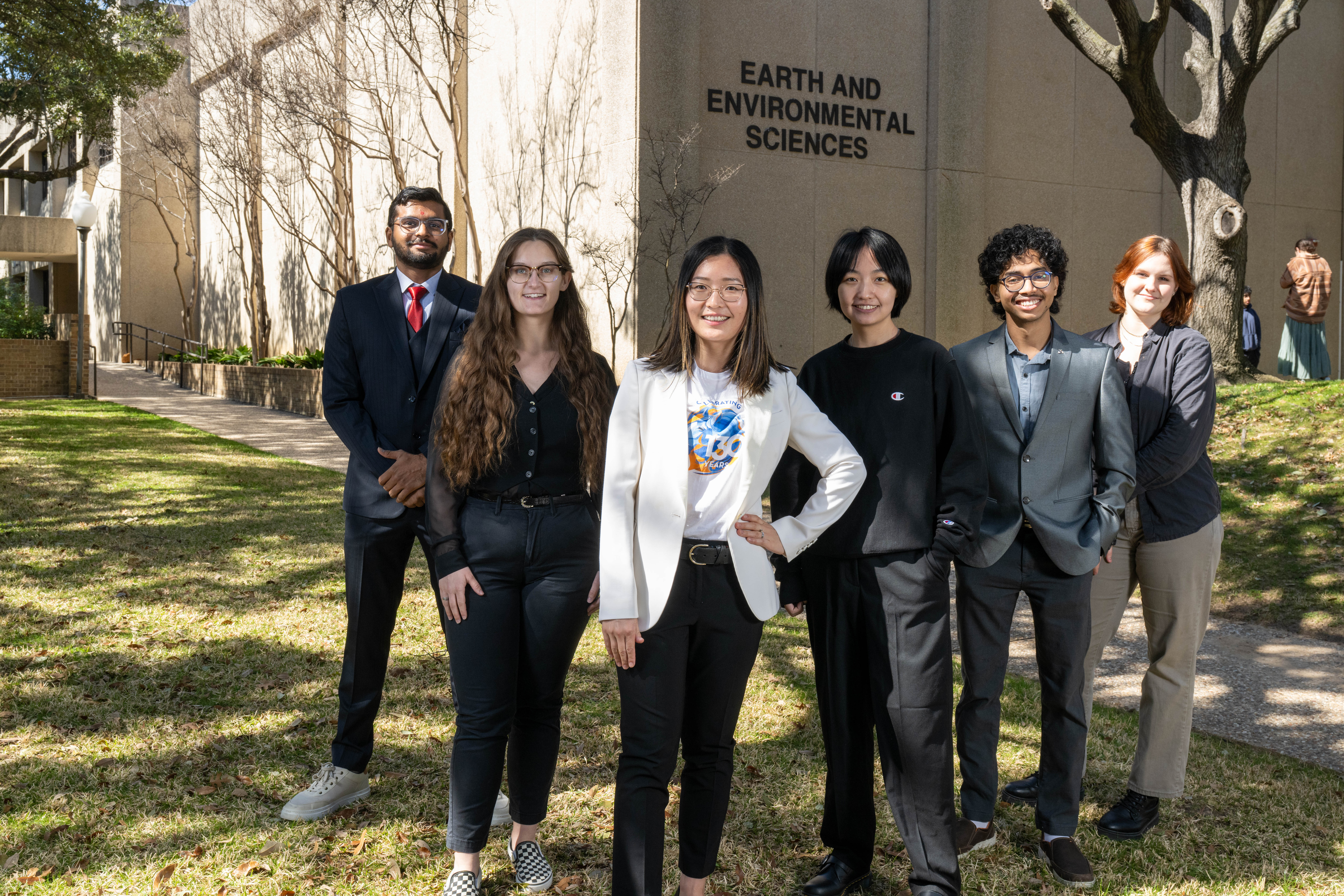
Dr. Yike Shen is an Assistant Professor of Earth and Environmental Sciences at the University of Texas at Arlington. Their research focuses on integrating environmental exposures, multi-omics data, and health outcomes through computational precision environmental health. They hold a PhD in Environmental Science & Policy and Environmental Toxicology from Michigan State University and a BS in Environmental & Conservation Sciences from the University of Alberta. Research interests include environmental health sciences, microbiome studies, and computational methods for risk assessment. They have published extensively on topics like pesticide dissipation, chemical ecotoxicity prediction, and cohort networks for data-driven discovery. Notable awards include the University of Texas System Rising STARs award and the College of Agriculture and Natural Resources Food Systems Fellowship. Dr. Shen has secured multiple grants, including a federal HUD grant for indoor air quality interventions and a USDA-funded summer internship program. They teach courses like Machine Learning for Environmental Science and Environmental Data Science. Their lab, the Shen Research Group, emphasizes interdisciplinary approaches to environmental health challenges.
Stephen Madden is Senior Lecturer in Computational Biology at RCSI's Data Science Centre, holding a PhD from University College Dublin. His research applies bioinformatics and statistical approaches to cancer genomics and precision medicine. Key research areas include multi-omics integration in breast cancer, therapeutic target discovery, and predictive modeling of treatment response. Recent work examines extracellular vesicles in neonatal development, immunothrombosis mechanisms in hematologic malignancies, and implantable sensor technologies. Publications demonstrate expertise in proteomic profiling, preclinical model development, and computational method implementation. Teaching focuses on programming, transcriptomics, and genomics for biomedical students. He serves as Deputy Director for the MSc in Technologies and Analytics in Precision Medicine and supervises PhD projects in cancer systems biology.