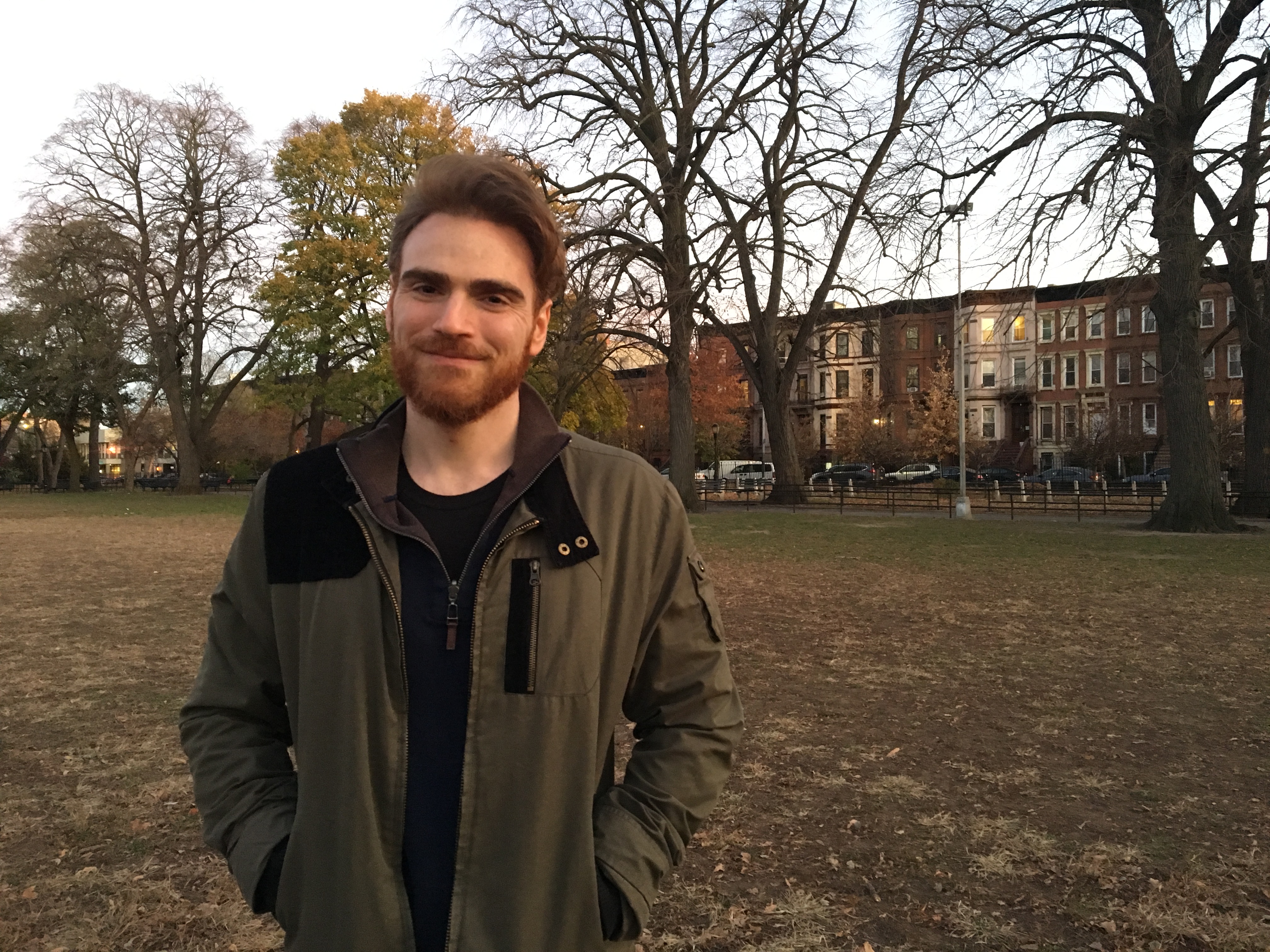
Wesley Tansey serves as Assistant Professor in the Computational Oncology group within the Department of Epidemiology and Biostatistics at Memorial Sloan Kettering Cancer Center (MSKCC). His research bridges statistical machine learning with cancer biology, focusing on developing novel computational frameworks for oncology applications. Dr. Tansey's research program centers on Bayesian statistical methods for biological data analysis, with particular emphasis on spatial transcriptomics (evidenced by his BayesTME framework), drug response modeling , and multi-omics integration . His lab develops scalable algorithms for high-dimensional biological data, including UnitedMet for metabolite imputation and MultiTME for spatial profiling analysis. Current projects address combinatorial drug screening optimization, tumor microenvironment characterization, and predictive oncology platforms for rare cancers. His recent publications (2023-2025) demonstrate strong focus areas: Bayesian active learning for drug screening (6+ publications) Spatial biology methods (BayesTME, MultiTME) Metabolomics-transcriptomics integration (UnitedMet) Causal inference in biological systems Scientific recognition includes serving as Area Chair for AISTATS 2022 and frequent invited talks at major conferences including SIAM's Mathematics of Data Science meeting. Dr. Tansey actively mentors lab members including Sophie Jaro (Spotlight presenter at ICML Workshop), Haoran Zhang (contributed talk presenter), Christopher Tosh (Associate Research Scientist), and Jeff Quinn (Bioinformatics Software Engineer). His lab receives research funding supporting development of computational oncology platforms with clinical translation potential. The VIVO Lab maintains active GitHub repositories for core methodologies including BayesTME, reflecting strong software engineering practices in computational biology.
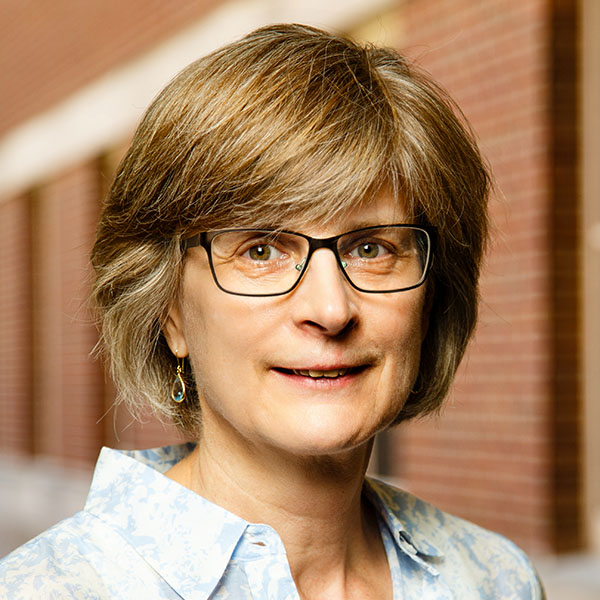
Julia Neitzel serves as Assistant Professor in the Department of Radiology & Nuclear Medicine at Erasmus MC, a leading academic medical center in the Netherlands. Her research sits at the intersection of neuroimaging, cardiovascular health, and neurodegenerative processes, with particular focus on Alzheimer's disease mechanisms. Dr. Neitzel's research spans multiple critical areas in neuroscience including Alzheimer's disease pathology, amyloid and tau protein dynamics, cognitive function assessment, and vascular contributions to brain health. Her work frequently examines how cardiovascular factors like hypertension and arterial calcification interact with neurological processes, utilizing advanced neuroimaging techniques such as PET and MRI to track biomarker changes over time. She actively investigates how social determinants, lifestyle factors, and metabolic profiles influence brain health trajectories across the lifespan. Analysis of her recent publication record (2024-2025) reveals a strong thematic focus on the heart-brain axis, with multiple studies examining how cardiovascular health metrics correlate with neurodegenerative processes. Her research consistently employs large cohort studies and sophisticated multi-modal imaging approaches to unravel complex interactions between vascular health, metabolic profiles, and cognitive outcomes. A significant portion of her work contributes to understanding modifiable risk factors for cognitive decline, with implications for preventive interventions targeting the vascular component of dementia. Dr. Neitzel actively participates in major collaborative research initiatives including the Cross-Cohort Collaboration Consortium and Alzheimer's Disease Metabolomics Consortium, indicating her role in large-scale, multi-institutional research efforts. Her supervised work includes mentoring early-career researchers in neuroimaging and dementia research methodologies.
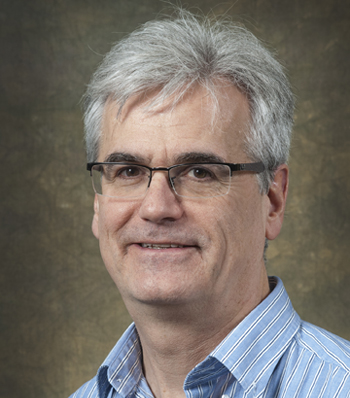
Dr. James Orengo, Associate Professor at Baylor College of Medicine and Director of the Multi-disciplinary ALS Clinic at Michael E. DeBakey VA Medical Center, focuses his research on motor neuron degeneration in neurodegenerative diseases like Spinocerebellar Ataxia Type 1 (SCA1) and ALS . His lab employs mouse models , transgenic zebrafish lines , and human iNeurons to investigate disease mechanisms. Key research areas include: Pathogenic drivers of bulbar dysfunction in SCA1 Transcriptomics of motor neuron degeneration Cross-species modeling (Human, Mouse, Zebrafish) Collaborations with the Undiagnosed Diseases Network (UDN) Dr. Orengo also contributes to clinical care through the BCM ALS Clinic and co-leads multidisciplinary teams at the Michael E. DeBakey VA Medical Center . His lab develops tools for CRISPRi screens and live imaging in zebrafish to accelerate therapeutic discovery.
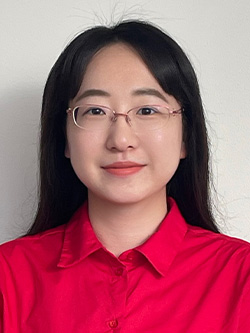
Joseph Scarpa, M.D., Ph.D., is an Assistant Professor of Anesthesiology at Weill Cornell Medical College, Cornell University, and serves as an Assistant Attending Anesthesiologist at NewYork-Presbyterian Hospital. His academic and clinical work bridges anesthesiology, neuroscience, and genomics, with a focus on understanding the molecular and systemic effects of anesthetics and analgesics, particularly in cancer and neuropsychiatric contexts. Education: B.A., University of Virginia (2011) M.D., Ph.D., Mount Sinai School of Medicine (2019) Dr. Scarpa's research centers on precision anaesthesiology, leveraging multi-omic profiling and network biology to explore how intraoperative interventions affect long-term patient outcomes. His work spans chronic pain, opioid signaling, neurodegeneration, and cancer recurrence, frequently integrating human clinical data with animal models and molecular analysis. Key interests include gene network dysregulation in the prefrontal cortex, epigenetic changes in addiction and depression, and the immunomodulatory effects of anesthetics. His recent publications reveal a strong trend in applying systems biology to clinical anesthesiology, with a focus on how opioids and other perioperative drugs influence cancer recurrence, neuroinflammation, and psychiatric conditions. He employs advanced techniques such as transcriptomics, epigenomics, and network modeling to uncover shared molecular signatures across diseases. Scientific Awards: No specific awards mentioned in the provided text. Dr. Scarpa is the Principal Investigator on a funded research project titled The Response of Circulating Tumor Cells to Surgical Resection and Intraoperative Ketamine in Non-Small Cell Lung Cancer , supported by the Foundation for Anesthesia Education & Research (2024–2026). While no formal advisees are listed, his research program likely involves mentoring trainees in translational neuroscience and anesthesiology. He is actively involved in collaborative research and has disclosed an ownership interest in ExactRx, reflecting engagement with industry innovation. His work is conducted within the Department of Anesthesiology at Weill Cornell, a leading academic medical center fostering translational discovery and clinical excellence.
Asmus Cosmos Skovgaard is a Researcher at the University of Southern Denmark's Faculty of Health Sciences, affiliated with the Department of Epidemiology, Biostatistics and Biodemography (EBB). His work focuses on epigenetics, cardiovascular diseases, and multi-omics approaches in twin studies. Key Research Areas : Epigenetics, Cardiovascular Diseases, Multi-Omics, Twin Studies Research Interests : Skovgaard investigates the interplay between epigenetic modifications (e.g., DNA methylation) and cardiovascular outcomes in twins. His projects integrate proteomic, epigenomic, and metabolomic data to identify biomarkers for hypertension, frailty, and atherosclerosis. Recent work includes multi-omics analyses of cardiovascular risk in twin pairs discordant for acute myocardial infarction. Article Trends : His publications (2024-2025) emphasize twin-based multi-omics, with a focus on epigenetics (DNA methylation), proteomics (mass spectrometry), and metabolomics. Themes include hypertension, frailty, atherosclerosis, and abdominal aortic aneurysm prevention. Collaborations : Collaborates with researchers in cardiovascular and geriatric fields, including Lars Melholt Rasmussen, Serena S. Bosc, and Mette Sørensen.
Prof. Dr. Folkert W. Asselbergs is a Professorial Research Associate in Clinical Epidemiology at University College London and holds multiple leadership positions including Chair of the Digital Cardiology and AI committee at the European Society of Cardiology, Chair of Amsterdam Heart Center, and Director of the BRC Clinical Research Informatics Unit at UCL Hospitals NHS Foundation Trust. He maintains concurrent professorial appointments at University Medical Center Utrecht. His education includes an MD from University Medical Center Groningen, PhD from University of Groningen, and MSc in Health Economics from London School of Economics. He completed postdoctoral fellowships in Genetic Epidemiology at Harvard School of Public Health and Bioinformatics at Dartmouth–Hitchcock Medical Center. Asselbergs' research focuses on translational data science using electronic health records, -omics data, and sensor technologies for cardiovascular precision medicine. His work spans: Genome-wide association studies for cardiovascular mechanisms Drug target validation through Mendelian randomization AI-driven disease redefinition using polygenic risk scores Federated learning systems for multi-center research Clinical trial integration within routine care via his founded Nudging Unit He coordinates major international consortia including AI4HF, DataTools4Heart, and MyDigiTwin. His recent publications demonstrate strong focus on AI applications in cardiology (deep learning for ECG/image analysis), precision medicine approaches (proteomic/genetic biomarkers), and innovative trial methodologies. Nearly all recent work incorporates artificial intelligence, machine learning, or advanced data science techniques applied to cardiovascular outcomes. Asselbergs leads significant infrastructure initiatives including the Dutch Cardiovascular Alliance data platform and UCL's Clinical Research Informatics Unit. He co-directs the Big Data in Health Research summer school and coordinates the Erasmus Plus Dataclinics program to develop data science curricula for healthcare professionals.
Mario Calus is a Full Professor in Animal Breeding and Genetics at Wageningen University, specializing in genomics and quantitative genetic modeling. His work focuses on genomic prediction, genetic correlation, and selection strategies to improve animal breeding programs. Current affiliations: Animal Breeding and Genetics Group, WIAS Research themes: Integrating DNA methylation into genetic models, multi-population genomic data analysis, and conservation genetics of endangered breeds. Recent research explores heat stress impacts on dairy cattle fertility, Bayesian selection methods, and functional omics in genomic prediction. His projects include collaborations with institutions across Europe, emphasizing precision breeding and crossover utilization in livestock. His research trends highlight advancements in genomic prediction accuracy through multi-population datasets, epigenetic mechanisms in inheritance, and innovative selection strategies beyond traditional breeding values. Key subfields include DNA methylation dynamics, conservation genetics, and multi-trait genomic models. He supervises PhD candidates like Jeremie Vila I Teixidor and O. Katz, guiding projects on genetic gain optimization and environmental covariates in maize breeding. Calus actively contributes to academic discourse through keynote lectures and peer-reviewed publications.
Dr. Saonli Basu is a Professor in the Division of Biostatistics & Health Data Science at the University of Minnesota School of Public Health. She serves as Founding Director of the Genomic Data Commons and Co-Director of the Analytics Core at the Masonic Institute for the Developing Brain. Education: PhD in Statistics (University of Washington), MStat (Indian Statistical Institute), BS in Statistics (Presidency College) Her research focuses on developing statistical methodologies for genetic mapping of complex traits, particularly rare variant association and gene-environment interaction modeling. She specializes in computational statistics, nonparametric inference, and statistical genetics applications for diseases like Alzheimer's, type 2 diabetes, and substance abuse. Recent publications show trends in SNP heritability analysis , admixed population genetics , longitudinal pregnancy studies , and multi-variant association tests . Key collaborative projects include cerebral small vessel disease genomics and B. pertussis vaccination outcome prediction models. Scientific honors include: Chair, ASA Genomics and Genetics Section (2020) Fellow, American Statistical Association (2017) NIH BMRD study section member (2017-2021) Young Investigator, International Indian Statistical Association (2016) She has taught graduate-level courses in human genetics statistics and probability models for over 15 years. Current research receives NIH/NIDA R01 and NIDDK R21 grants, with co-investigator roles in epidemiology and psychology-led R01 projects.
Lisa Peterson is a Professor in the Division of Environmental Health Sciences at the University of Minnesota School of Public Health , and Program Co-Leader for Carcinogenesis and Chemoprevention at the Masonic Cancer Center. With a PhD in Pharmaceutical Chemistry (University of California, 1985) and BS in Chemistry (Macalester College, 1981), her research focuses on molecular mechanisms of tobacco-induced cancer and environmental carcinogen metabolism . PhD: Pharmaceutical Chemistry, University of California (1985) BS: Chemistry, Macalester College (1981) Peterson investigates how tobacco-specific nitrosamines like NNK cause DNA damage through reactive metabolite formation and DNA repair inhibition . Her work connects furan exposure from food and smoke to liver tumor mechanisms , while team studies demonstrate furan metabolites in human urine among tobacco and e-cigarette users. Current projects explore PFAS bioaccumulation and its health impacts. Recent publications emphasize tobacco carcinogen mutational signatures in cancer genomes and cross-generational exposure analysis through metabolomics. Key collaborations include the Masonic Cancer Center and Human Health Exposure Analysis Resource (HHEAR) . Scientific recognition includes: Delta Omega Honorary Society in Public Health induction American Chemical Society Fellowship (2013) Macalester College Alumni Service Award (2016) Faculty Achievement Award in Environmental Health (2005) Her research program combines organic and analytical chemistry with translational toxicology , maintaining active collaborations in epidemiology and environmental policy . Future work will determine furan's role in tobacco-related harm using advanced mass spectrometry techniques.
Tianshu Sun is a researcher at the Department of Plant Sciences , University of Cambridge. Their work focuses on the spatial patterning of gene expression during the evolution of C4 photosynthesis across species using multi-omics approaches. Education: PhD from Peking University (2012–2018) Previous Role: Research Assistant at Chinese Academy of Agricultural Science (2018–2020) Research Interests Tianshu investigates the molecular mechanisms underlying C4 photosynthesis evolution through integrative analyses of genomics, single-nuclei sequencing, and proteomics. This work aims to enhance plant efficiency for sustainable agriculture. Contact Email: ts843@cam.ac.uk Address: Department of Plant Sciences, Downing Street, Cambridge CB2 3EA
Russell Finley is a Professor at Wayne State University, with joint appointments in the Departments of Molecular Medicine and Genetics and Biochemistry, Microbiology, and Immunology. He serves as Division Director for Education and Graduate Officer in CMMG and is a member of the Karmanos Cancer Institute. His research focuses on regulatory networks controlling cell proliferation, using high-throughput technologies like yeast two-hybrid systems and RNAi screens. PhD in Molecular Biology from SUNY Upstate Medical University (1990) Postdoctoral training at Harvard Medical School and Massachusetts General Hospital (1990-1995) Research keywords include protein interaction networks, Drosophila development, cancer biology, and systems biology. His 2024-2010 publications highlight work on cell cycle regulators, pathogen interactions, and bioinformatics methodologies. He teaches advanced courses in cancer biology, molecular genetics, and systems biology.
Katherine T. Mills is an Associate Professor in the Epidemiology Department at Tulane University's School of Public Health and Tropical Medicine. Her research focuses on cardiovascular and renal disease epidemiology, implementation science, and health disparities, with particular emphasis on blood pressure control interventions and chronic kidney disease. Dr. Mills received her PhD in Epidemiology from Tulane University, completed a postdoctoral fellowship in cardiovascular disease epidemiology at Johns Hopkins University, earned an MSPH in Epidemiology from the University of North Carolina at Chapel Hill, and completed her undergraduate studies in Chemistry at Colorado College. Her research program spans multiple domains of public health and clinical epidemiology. Dr. Mills has established herself as a leader in studies examining the relationship between cardiovascular disease, kidney function, and health disparities. She has conducted extensive research on implementation science approaches to improve blood pressure control, particularly in underserved populations. Her work also investigates health outcomes in chronic kidney disease patients, including progression to end-stage renal disease, cardiovascular events, and mortality. Through her research, Dr. Mills has contributed significantly to understanding how social determinants of health impact cardiovascular outcomes and how community-based interventions can reduce health disparities. She has been particularly active in engaging Black churches as venues for cardiovascular health interventions. Analysis of Dr. Mills' recent publications reveals a strong focus on cardiovascular epidemiology, kidney disease outcomes, and implementation science for hypertension control. Her work frequently employs advanced statistical methods and large cohort studies, particularly the Chronic Renal Insufficiency Cohort (CRIC) study. She has published extensively on topics including blood pressure management, kidney disease progression, cardiovascular risk factors, and health disparities in minority populations. Her research often examines the intersection of social determinants of health with clinical outcomes. Dr. Mills has received numerous scientific awards including: 2020: Outstanding Achievement in Receiving Your First R01 Award 2018: Young Investigator Travel Award, NIH, NIGMS Seventh Biennial National IdeA Symposium of Biomedical Research Excellence (NISBRE) 2017: Sandra A. Daugherty Award for Excellence in Cardiovascular Disease for Hypertension Epidemiology, American Heart Association Council on Epidemiology and Prevention 2016: Award for Excellence in Research and Presentation by a Postdoctoral Fellow, Health Sciences Research Days, Tulane University 2015-2016: NIH/NHLBI T32 Cardiovascular Disease Epidemiology Training Program, Johns Hopkins University 2014: Dorothy R. LeBlanc Memorial Scholarship Award, Tulane University 2010-2012: Dean's Research Council Scholarship, Tulane University Dr. Mills has secured significant NIH funding for her research on blood pressure control interventions and health disparities. She has mentored numerous students and collaborated extensively with interdisciplinary teams across Tulane and other institutions. Her work on church-based interventions for cardiovascular health has been particularly influential in addressing racial health disparities. She has developed and tested multicomponent implementation strategies that engage community health workers and faith-based organizations to improve blood pressure control in low-income communities. Dr. Mills is actively engaged with the Chronic Renal Insufficiency Cohort (CRIC) study and has led multiple analyses examining cardiovascular outcomes in patients with chronic kidney disease. She collaborates with interdisciplinary teams including nephrologists, cardiologists, biostatisticians, and community health workers to address complex questions in cardiovascular and kidney disease epidemiology. Her current research focuses on identifying which populations benefit most from intensive blood pressure interventions and how social determinants of health influence treatment effectiveness.
Xi Lu is an Assistant Professor at the University of Houston College of Pharmacy, affiliated with the Department of Pharmaceutical Health Outcomes and Policy. Their research focuses on applying statistical machine learning to high-dimensional and longitudinal data, particularly in the context of cancer genomics and gene-environment interactions. Ph.D. in Statistics, Kansas State University M.A. in Statistics, Columbia University B.S. in Mathematics and Applied Mathematics, East China Normal University Xi Lu's work emphasizes robust Bayesian and regularized variable selection methods in genomics and multi-omics data analysis. Key applications include survival analysis, mixed-effects modeling, and software development for statistical genetics. Recent publications highlight the development of R packages like Bayenet and marble, which address robust variable selection in genetic studies. These works span computational biology, high-dimensional data analysis, and methodological advancements in longitudinal research. Lolafaye Coyne Statistics Graduate Research Scholarship (2024, 2020) Lin Statistics Graduate Research Scholarship (2020) Graduate Student Council Travel Award (2019)
Professor Michael Inouye is a leading systems genomics and population health researcher at the University of Cambridge (Department of Public Health and Primary Care) and Baker Heart & Diabetes Institute (Melbourne). His work bridges statistical genetics, computational biology, and clinical translation, with a focus on cardiovascular/respiratory diseases and sustainable research practices. Director of Research (Research Professor) since 2021 Honorary Professorial Fellow at University of Melbourne since 2021 Co-leader of Cambridge Baker Systems Genomics Initiative since 2017 Research Interests include: Polygenic risk score development and clinical implementation Multi-omic integration (genomics, proteomics, microbiomics) Host-microbiome interactions in disease Sustainable computational methodologies Cardiometabolic disease prevention Scientific Contributions show leadership in: Developing the Polygenic Score Catalog infrastructure Creating environmentally sustainable algorithmic frameworks Elucidating microbiome contributions to chronic diseases Advancing multi-modal risk prediction models Integrating genetic and metabolic pathway analysis Recent Publications demonstrate expertise across: Polygenic score optimization for blood traits and diabetes Microbiome-disease interaction networks Computational sustainability in biomedical research Cardiovascular risk stratification Multi-omic data harmonization Genetic determinants of molecular phenotypes
Dr. Sally Mortlock is an Affiliate Senior Research Fellow at the Institute for Molecular Bioscience and a Senior Research Fellow at the School of Public Health, University of Queensland. With a PhD from the University of Sydney, her work focuses on the genetic and molecular mechanisms underlying endometriosis and related reproductive disorders. Positions: Institute for Molecular Bioscience, School of Public Health Key Research Areas: Genetics, Genomics, Epigenetics of endometriosis Her research integrates GWAS, epigenetic profiling, and multi-omics approaches to uncover genetic risk factors, gene-environment interactions, and molecular pathways in endometriosis. Recent work examines: Genetic regulation of endocannabinoid system in reproductive conditions Endometrial DNA methylation and disease risk scores Comorbidities with gastrointestinal/psychiatric disorders Scientific contributions include: Developing molecular staging models for endometrial biopsies Identifying pleiotropic genetic factors in endometriosis-depression links Characterizing endometriosis lesion subtypes through gene expression Dr. Mortlock actively supervises PhD students and has secured grants from: National Endometriosis Clinical and Scientific Trials Network (NECST) National Institutes of Health (NIH) National Health and Medical Research Council (NHMRC)