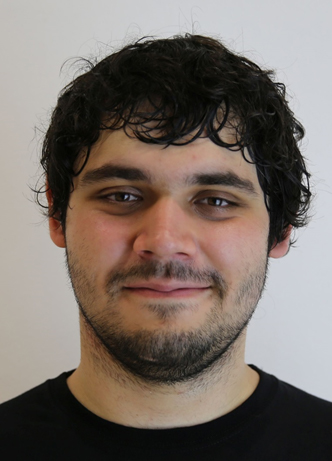
Dongheui Lee is an Assistant Professor at the Institute of Automatic Control Engineering (LSR) within the Faculty of Electrical Engineering and Information Technology at Technische Universität München (TUM). She leads the Dynamic Human Robot Interaction for Automation System Lab. Her research focuses on human motion understanding, physical human-robot interaction, and machine learning in robotics. Education: B.S. and M.S. in Mechanical Engineering from Kyunghee University (2001-2003), PhD in Mechano-Informatics from the University of Tokyo (2007). Prior roles include research scientist at KIST Korea (2001-2004) and project assistant professor at the University of Tokyo (2007-2009). Research Interests: Human-robot collaboration, probabilistic robotics, motion recognition, and incremental lifelong learning mechanisms. She has contributed to advancements in motion primitives, compliant physical interaction, and real-time object tracking. Selected Awards: Finalist for KUKA Service Robotics Best Paper Award (2009), Hirose Scholarship (2006-2007), and multiple grants from KRF, KOSEF, and international robotics competitions. Key Publications: Focus on prioritized inverse kinematics, motion imitation, and adaptive control systems. Her work bridges robotics theory and practical applications in humanoid robots and human-robot interaction.
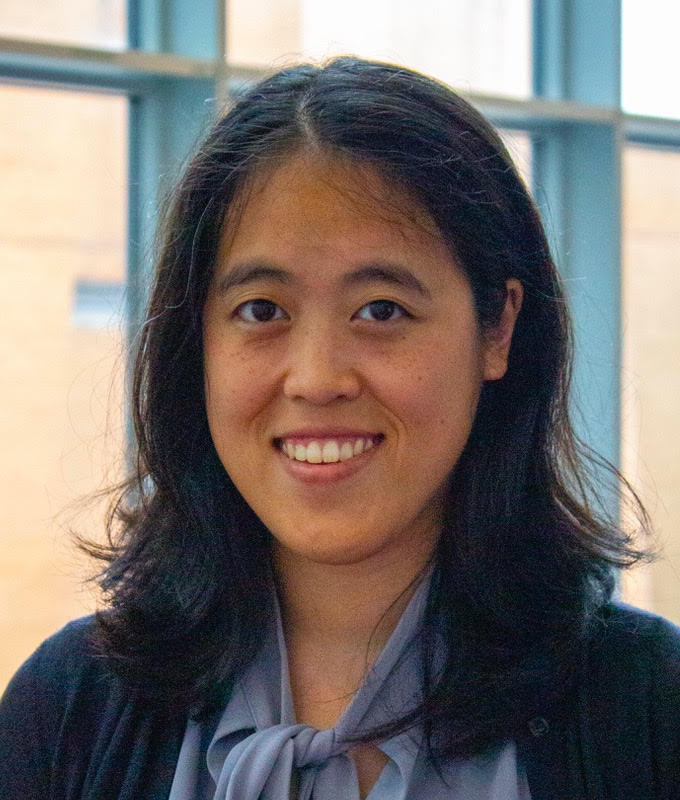
Jennifer Tang is a Postdoctoral Associate at the Massachusetts Institute of Technology (MIT), holding dual appointments in the Institute for Data, Systems, and Society (IDSS) and the Laboratory for Information and Decision Systems (LIDS). She conducts her research under Professor Ali Jadbabaie, focusing on interdisciplinary problems at the intersection of information theory, network science, and social dynamics. Her position is temporary as she actively seeks a permanent academic role through the 2025 job market. Her academic credentials include: Ph.D. in Electrical Engineering and Computer Science from MIT, advised by Professor Yury Polyanskiy Bachelor of Science in Engineering (B.S.E.) in Electrical Engineering from Princeton University, with independent work supervised by Paul Cuff Dr. Tang's research program centers on theoretical and applied aspects of information theory, including channel capacity, quantization, and data compression. She investigates prediction and estimation in high-dimensional settings, data analytics for complex systems, and mathematical modeling of social dynamics and inference in multi-agent networks. Her work employs tools from statistics, optimization, and network theory to address challenges in communication, decision-making, and societal systems, with particular emphasis on opinion dynamics under social pressure and efficient representation of probability distributions. Analysis of her publication record reveals consistent contributions to information-theoretic limits, social network modeling, and compression techniques. Her works frequently appear in top venues like IEEE Transactions on Information Theory and major conferences (ISIT, CDC, ACC), demonstrating expertise in bridging theoretical foundations with real-world applications in networked systems and societal challenges. Her scientific achievements have been recognized with: Best Student Paper Award at IEEE International Symposium on Information Theory (ISIT) 2022 Best Student Paper Award at IEEE Machine Learning for Signal Processing (MLSP) 2022 Student Competition Winner at the Shannon Centennial Celebration Dr. Tang maintains an active teaching portfolio, having served as instructor for MIT 1.022: Introduction to Network Models (Spring 2025) and teaching assistant for multiple core courses including 6.008 (Introduction to Inference), 6.041/6.431 (Probabilistic Systems Analysis), 6.437 (Inference and Information), and 6.439 (Statistics, Computation and Applications). She also contributed to the MIT Women's Technology Program as a Mathematics Instructor during summer 2017. Her research is embedded within MIT's Laboratory for Information and Decision Systems (LIDS) and Institute for Data, Systems, and Society (IDSS), two premier interdisciplinary laboratories fostering collaboration on data-driven decision-making, societal challenges, and foundational theory in information and systems.
Senthil Arumugam Muthukumaraswamy is an Associate Professor at the School of Engineering & Physical Sciences, Heriot-Watt University. His research focuses on robotics, machine learning, IoT applications, and automation, with contributions to the UN Sustainable Development Goals in areas like healthcare and agriculture. His work spans smart navigation systems for healthcare robots, surveillance systems for livestock health, facial recognition algorithms, and automated agricultural solutions like aquaponics and vertical farming. He explores path-planning algorithms for firefighting and military robotics, emphasizing AI-driven problem-solving in hazardous environments. Research trends include integrating bio-inspired algorithms, neural networks, and IoT for real-world applications such as elderly health monitoring, smart home automation, and energy-efficient systems. Collaborations span multiple countries, reflecting global interest in his interdisciplinary approaches. No scientific awards are listed, but his extensive publication record highlights active grant-funded research in robotics, automation, and renewable energy. He leads projects in robotics design, control systems, and sustainable farming technologies, contributing to both academic and industry partnerships. Labs and teams include collaborations on robotics, AI, and IoT systems, though specific lab names are not detailed in the provided texts.
Dr. Gözde Damla Turhan is a Researcher at the Department of Architecture within the Faculty of Fine Arts and Design at İzmir University of Economics, a position she has held since September 2017. She holds a B.Sc. in Architecture from İzmir Ekonomi Üniversitesi (2014), followed by dual Master's degrees: M.Arch in Advanced Architectural Design (2016) and M.Sc. in Architecture (2016). Her Ph.D. in Design Studies (2022) focused on biobased materials, computational design, and digital fabrication. Current research interests include AI applications in design (machine learning, diffusion models, LLMs), and sustainable material innovation. Her work bridges architecture and computational technologies, emphasizing bio-based materials (e.g., bacterial cellulose), digital fabrication methods, and AI-driven design processes. She has explored topics like urban rehabilitation via GANs, NFT art hybrid experiences, and life cycle assessments of unconventional construction materials. Publications (2016–2023) span computational form-finding, material science, and digital tools in architecture. She actively contributes to design pedagogy, investigating how AI tools like diffusion models can reshape educational frameworks.
Professor Mark Price is a leading academic in engineering at Queen's University Belfast, holding the title of Professor of Aeronautics in the School of Mechanical and Aerospace Engineering. He specializes in aerospace engineering, mechanical engineering, and advanced manufacturing technologies. His research focuses on bio-inspired design, cloud-based manufacturing systems, and design automation. He has held key administrative roles, including Pro-Vice-Chancellor for Engineering and Physical Sciences (2015-2020) and Head of the School of Mechanical and Aerospace Engineering (2011-2015). Education: BEng (First Class Honours) in Aeronautical Engineering, Queen's University Belfast (1987) MEng in Engineering Computation, Queen's University Belfast (1988) PhD in Mechanical Engineering (Hexahedral Finite Element Mesh Generation), Queen's University Belfast (1993) Research Interests: Professor Price’s work explores disruptive design technologies, including bio-inspired generative design methodologies, cloud-based manufacturing systems, and sustainable engineering practices. His current projects include the EPSRC Programme Grant on 'Re-Imagining Engineering Design' and the 'Design the Future 2' initiative, which aim to integrate design and manufacturing processes inspired by natural systems. He has published over 240 articles and supervised 30 PhD students. Awards: 2006 Thomas Hawksley Medal from the IMechE Best Paper Gold Award (17th International Conference on Manufacturing Research, 2019) Best Paper Prize (Journal of Materials and Design, 2012) Advising & Grants: Supervised 30 completed PhD students Principal Investigator of EPSRC grants totaling millions Lead on international collaborations, including the UK-China E9 Consortium Labs & Teams: Professor Price leads the Re-Imagining Engineering Design project (EPSRC Programme Grant) and the Biohaviour initiative (EP/R003564/1). He is affiliated with the Research Centre in Sustainable Energy Aerospace and Manufacturing and has contributed to the Northern Ireland Advanced Composites and Engineering Centre (NIACE).
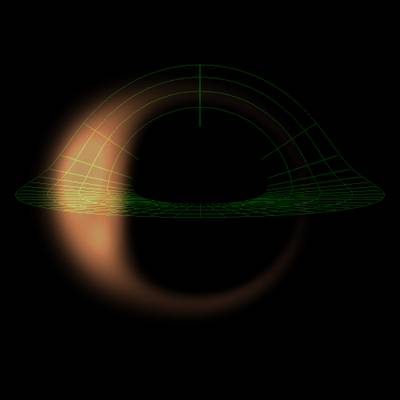
Avery E. Broderick is an Associate Professor in the Department of Physics & Astronomy at the University of Waterloo and an Associate Faculty Member at the Perimeter Institute for Theoretical Physics. His research focuses on theoretical astrophysics, particularly studying compact objects like black holes and testing general relativity through astronomical observations. He is a key member of the Event Horizon Telescope (EHT) collaboration, which produced the first direct images of black hole horizons in M87* and Sagittarius A*. Broderick’s work emphasizes relativistic astrophysical phenomena such as accretion flows, jet formation, and polarization signatures. He collaborates extensively with observational astronomers and computational physicists to model black hole environments using general relativistic magnetohydrodynamic simulations. His recent research includes analyzing EHT data to constrain black hole spin, test spacetime metrics, and study photon ring dynamics. He also explores next-generation EHT (ngEHT) capabilities for higher-resolution imaging and multi-wavelength studies. Broderick has delivered invited lectures globally, including at Harvard-Smithsonian CfA, MIT, and the Aspen Center for Physics, reflecting his leadership in the field. Broderick’s contributions span over 135 refereed publications and conference proceedings, with a focus on black hole astrophysics, VLBI techniques, and relativistic plasma physics. His work bridges theoretical predictions with observational data, advancing our understanding of extreme gravitational regimes in the universe.
Ceyhun Burak Akgül is a Part-Time Lecturer specializing in Computer Vision, Machine Learning, and Statistical Data Analysis. His research focuses on interdisciplinary applications of visual data processing, including medical imaging and 3D object recognition. He maintains a personal website at cba-research.com and can be contacted at cb.akgul@gmail.com . His work spans topics such as image captioning, visual dictionaries, and symbolic feature detection. Key contributions include developing algorithms for action recognition using depth cameras and frameworks for leaf and object recognition. His research also integrates medical applications, such as analyzing Alzheimer’s patient movements and automated diagnosis using imaging data. Akgül’s publications frequently address challenges in 3D shape descriptors, feature selection, and interdisciplinary methodologies. His recent work includes exploring visual dictionaries and improving image processing techniques through model-driven approaches. His academic contributions are evident in journals like the Journal of Visual Communication and Image Representation, and he has participated in competitions like SHREC. Despite his extensive publication record, no formal awards or grants are explicitly mentioned in the provided data.
Dr. Guangbo Hao is a Professor of Mechanical Engineering at University College Cork (UCC), where he leads the UCC CoMAR research group and directs the Mechatronics/Robotics Lab. He holds dual PhDs from Northeastern University (China, 2008) and Heriot-Watt University (UK, 2011). His research focuses on compliant mechanisms, robotics, and their applications in precision manufacturing, energy harvesting, and medical devices. He has secured over €1.3M in research funding, including grants from SFI, EU Horizon 2020, and Enterprise Ireland. He is an ASME Fellow and has received multiple accolades, including the ASME Compliant Mechanisms Award (2017, 2018, 2022) and the UCC President’s Excellence in Teaching Award (2023). Education: BSc (2004), MSc (2007), PhD (2008) from Northeastern University; second PhD (2011) from Heriot-Watt University Research interests include compliant mechanisms, mechatronics, and robotics with emphasis on deployable structures, medical devices, and energy harvesting systems. His work has resulted in over 200 peer-reviewed publications and 30 invited talks. He supervises students in PhD, research-master, and taught-master programs, with notable student achievements in international competitions and awards. Professional roles include Associate Editorships at Advanced Equipment , ASME Journal of Mechanisms and Robotics , and IEEE Robotics and Automation Letters . He chairs major conferences like ASME IDETC/CIE 2025 and co-chairs the 2026 IEEE/ASME AIM conference. His labs, including the UCC Engineering Maker Lab, focus on innovation in robotics and mechatronics.
Xing-Dong Yang is an Associate Professor of Computer Science at Simon Fraser University (SFU) and holds an adjunct appointment as Assistant Professor at Dartmouth College. He directs the XDiscovery Lab and focuses on Human-Computer Interaction (HCI), particularly in developing interactive systems for smart everyday objects such as wearables, garments, and appliances. His research emphasizes accessibility for visually impaired users and prototyping tools for non-specialists. He earned his PhD from the University of Alberta, following degrees from the University of Manitoba and University of Alberta. Affiliations: Simon Fraser University (School of Computing Science), Dartmouth College (Adjunct) Education: PhD, Computer Science, University of Alberta MS, Computer Science, University of Alberta BS, Computer Science, University of Manitoba His research explores novel interactive systems, including tactile interfaces for education, assistive technologies for visual impairments, and innovative input methods for wearables. Key projects include MakeBronze (cultural preservation through interactive crafts), AccessibleCircuits (inclusive electronics for blind users), and systems like iWood and MicroFluID that merge materials science with HCI. His work has been recognized with awards such as the Best Paper Award at UIST'19 and multiple Honorable Mentions at CHI and UIST conferences. He advises a dynamic team of PhD and MSc students, emphasizing hands-on prototyping and industry collaborations through internships at companies like Google, Microsoft, and Apple. Yang has secured grants including an NSF CRII grant for device modulation and an NSF CSR Large grant for health-focused earpiece technology. His lab fosters interdisciplinary innovation, bridging computer science with design, engineering, and cultural studies.
Dr. Serhat Hosder is the James A. Drallmeier Centennial Professor in the Department of Mechanical and Aerospace Engineering at Missouri S&T. He serves as Director of the Aerospace Simulations Laboratory, focusing on computational aerothermodynamics, hypersonic flow modeling, and uncertainty quantification for planetary entry systems. Professor of Aerospace Engineering (2019–present) Director, Aerospace Simulations Lab Advisor to students receiving NASA Space Technology Research Fellowships and Amelia Earhart Fellowships Research funded by NASA, DoD, and NSF Research Interests: Computational aerothermodynamics, hypersonic flow modeling, uncertainty quantification, multi-fidelity methods, directed energy applications, planetary entry systems, and aerodynamic shape optimization. His work combines numerical methods with robust design principles for high-speed vehicles. Scientific Awards: Missouri S&T Outstanding Faculty for Contributions to Graduate Studies Award (2022) Fellow of the Royal Aeronautical Society (2021) NASA Langley Research Center Henry J. E. Reid Award (2018) Associate Fellow of AIAA (2017) Missouri S&T Faculty Research Awards (2015, 2012) Advising & Grants: His students have secured positions at NASA, Sandia National Labs, and academia. Research funded by DoD Joint Hypersonics Transition Office, NASA (Langley, JPL), Missile Defense Agency, NSF, and industry partners like M4 Engineering, Inc.
Salvatore Livatino is an Associate Professor in Virtual Reality and Robotics at the University of Hertfordshire, UK. He holds a MSc in Computer Science from the University of Pisa (1993) and a PhD in Computer Science and Engineering from Aalborg University, Denmark (2003). His academic journey includes roles as Research Fellow and Associate Professor at Aalborg University, as well as visiting positions at institutions like INRIA Grenoble and the University of Edinburgh. He leads the Communications and Intelligent Systems research group and directs the Virtual Reality and Robotics Laboratory. His research focuses on immersive technologies (VR/AR/XR), stereoscopic 3D visualization, and teleoperation systems for applications in robotics, healthcare, and command-and-control interfaces. He has contributed to over 30 peer-reviewed publications and secured funding for projects such as the Innovate UK-backed 'iDOC: AI Empowered Document Authoring' (2023–2025) and 'Immersion for Care: Using Extended Reality in Healthcare Training' (2025–2027). Teaching expertise includes problem-based learning, 3D visualization, and immersive game design. His work spans interdisciplinary collaborations in robotics, AI, and healthcare, emphasizing practical applications of virtual environments.
Aaron J Molstad is an Assistant Professor in the Department of Statistics at the University of Minnesota – Twin Cities, within the College of Science and Engineering. His research lies at the intersection of statistical methodology and genomic data science, with a focus on developing rigorous and scalable methods for modern high-dimensional datasets. His research interests include high-dimensional statistics, covariance and precision matrix estimation, regression modeling with structured responses, variable selection, and integrative analysis of omics data. He develops methods tailored for compositional data, multivariate responses, and ancestry-specific genetic association studies, contributing to both theoretical statistics and public health applications. The recent publications and funded projects highlight a strong trend in developing objective, reliable, and heterogeneous-aware statistical frameworks for genomics and biomedicine. His work emphasizes methodological innovation with direct applicability to complex biological data, particularly in diverse populations and multi-omics integration. Awarded grants from the National Science Foundation and the National Institutes of Health demonstrate recognition of his research’s significance and impact. These include projects on inference from omics data, new regression models for categorical responses, and integrative genomics in African American populations. Objective and reliable methods for inference from modern omics data (NSF, 2024–2027) Collaborative Research: New Regression Models for Multiple Categorical Responses (NSF, 2024–2025) Integrative Genomics into Genetic Association Studies of Blood Pressure and Stroke in African Americans (NIH/Fred Hutchinson, 2023–2024) Dr. Molstad advises and collaborates on major genomic studies involving protein expression, blood pressure, stroke, and ancestry-specific effects. While specific PhD students are not listed, his role as Principal Investigator on multiple grants indicates mentorship of graduate researchers and postdoctoral scholars. He is also active in the broader statistical community, with publications in top-tier journals such as Biometrika , Biometrics , and Genome Biology .
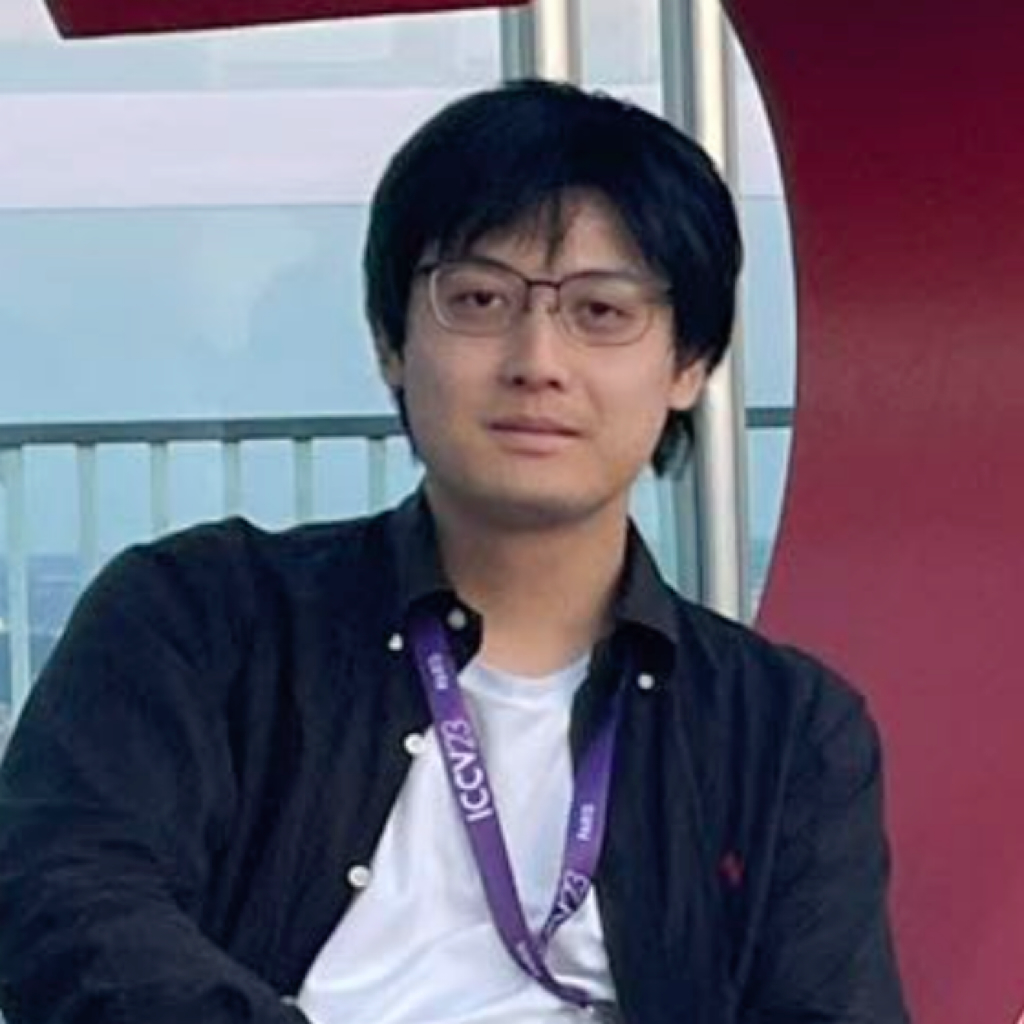
Currently a Research Fellow at Harvard University & MIT , Fangneng Zhan specializes in Neural Rendering and Generative AI . His research focuses on developing evolutive rendering frameworks, 3D-aware generative models, and multimodal synthesis techniques. Previously, he was a postdoctoral researcher at the Max Planck Institute for Informatics under Prof. Christian Theobalt. He earned his Ph.D. in Computer Science & Engineering from Nanyang Technological University, Singapore and a Bachelor's in Communication Engineering from the University of Electronic Science and Technology of China . His work spans 3D reconstruction, robotics applications , and lighting estimation , with significant contributions to SIGGRAPH , NeurIPS , and CVPR conferences. Recent research highlights include evolutive gauge transformations for neural fields, generalizable 3D style transfer via Gaussian splatting, and multimodal synthesis frameworks leveraging pre-trained models like CLIP and Stable Diffusion. He has co-authored Top50 Popular Paper in TPAMI 2023 and organized workshops at CVPR 2024 on generative models. Scientific Awards: Top50 Popular Paper, IEEE Transactions on Pattern Analysis and Machine Intelligence (TPAMI) 2023 Collaborative Network: Mentored students at institutions like Harvard, NTU, and ETH Zurich. His projects include datasets for lighting estimation and real-time scene text detection systems.
Włodzimierz Kasprzak is a Professor at the Institute of Control and Computation Engineering, Faculty of Electronics and Information Technology, Warsaw University of Technology. His research focuses on computer vision, robotics, human-computer interaction, and machine learning. He has contributed to advancements in human action classification, skeleton-based feature analysis, and multimodal interface design. Research Highlights: Development of lightweight classification models for human actions in video using skeleton-based features. Advances in multi-stream fusion techniques for image and video analysis. Design of embodied agent systems for cybersecurity event visualization and control. Awards and Recognition: 2024: Individual First Class Rector's Award for Scientific Achievements (2022-2023) 2021: Medal of the Commission of National Education 2011: Golden Cross of Merit His work integrates theoretical contributions with practical applications in robotics, surveillance systems, and human-centered technologies.
Michal Piovarci is a Researcher (Postdoc) at ETH Zurich's Computational Design Lab led by Bernd Bickel. He holds a Ph.D. from USI Lugano (2020) under Piotr Didyk, receiving the Eurographics PhD Award for his thesis on Perception-Aware Computational Fabrication. His research focuses on computer graphics, computational fabrication, and haptic/appearance reproduction, emphasizing perception-driven solutions. Education: Ph.D., USI Lugano (2020) Previous postdoc at ISTA's Visual Computing Group Research interests include 3D Printing Innovations Haptic Feedback Systems Material Perception Modeling Directional Surface Design Professional Activities: Area chair at ACM Symposium on Computational Fabrication (2024), program committee roles at SIGGRAPH, SAP, and Eurographics. Organized Computational Fabrication Seminars (2021-2022). Grants: SNSF Project Funding (CHF 1M, 2025-2029) and FWF Lise Meitner Grant (2022-2023). Teaching: Taught Scientific Machine Learning for Design (ETH Zurich, 2024) Computational Fabrication (TU Wien, 2022)