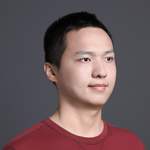
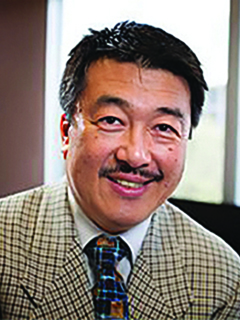
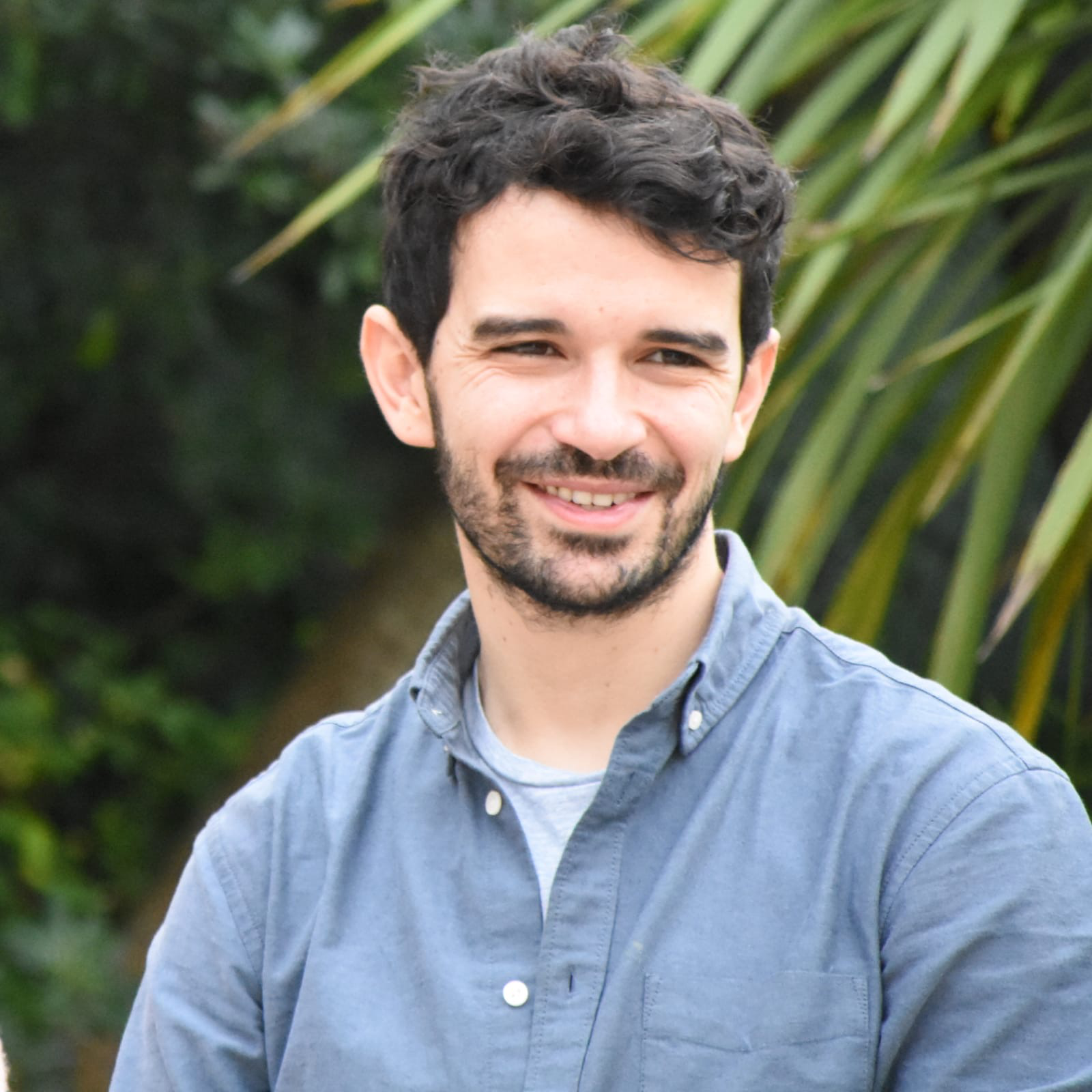
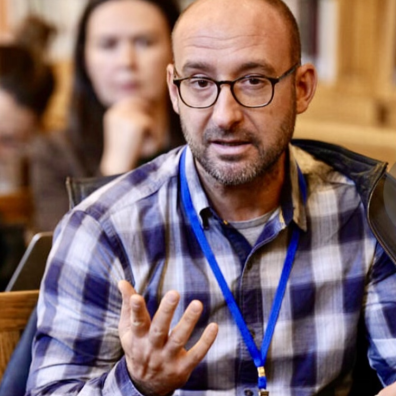
Dr. Ong Huey Fang is a Senior Lecturer in the School of Information Technology at Monash University Malaysia since 2019. She holds a PhD in Intelligent Computing from Universiti Putra Malaysia, with earlier degrees from Universiti Teknologi Malaysia. Her research focuses on artificial intelligence applications in bioinformatics (e.g., cancer biomarker discovery), machine learning (transfer learning for Malaysian English), and computer vision (micro-expression analysis). She has led projects like the 2022 Deep Associative Classification initiative. Professional memberships include IEEE, ACM, and AWS certification. Current work integrates multi-omics data analysis and causal graph modeling to address biases in AI systems. Education: BSc (UTM), MSc & PhD (UPM) Professional Certifications: AWS Cloud Practitioner Research spans cancer biomarkers via omics data, NLP for low-resource languages, and VR-based educational tools. Recent projects include causal analysis of video micro-expression bias and blockchain-enhanced healthcare systems. She actively collaborates internationally on topics like biomedical event extraction and supply chain digitalization.
Sanghyun Park is a PYP Assistant Professor in the Department of Strategy and Policy at the National University of Singapore. His research focuses on organizational design, learning processes, artificial intelligence, and computational social science. He investigates how organizational structures influence multi-agent systems and employs methods like formal modeling, experiments, and NLP. PhD in Strategy from INSEAD (2018–2024) Master's in Strategy from Seoul National University (2015–2018) Bachelor's in Physics, Economics, and Business Administration from Seoul National University (2008–2015) Research interests include decision-making dynamics, AI-driven problem-solving, and the coevolution of organizational structures. His work bridges formal theory with computational methods, addressing challenges in multi-agent learning and human-AI collaboration. Recipient of the Will Mitchell Dissertation Research Grant (WMDRG) from the Strategy Research Foundation (SRF). Current research explores ambiguity in human-AI communication and organizational learning mechanisms.
Mohammad Sadoghi is a Professor in the Department of Computer Science at University of California, Davis, where he leads the Exploratory Systems Lab. His research spans database systems, distributed computing, and blockchain technologies with over 54 publications from 2007-2025 and more than 900 citations. His primary research domains include: Distributed database transactions Byzantine fault tolerance Consensus protocols Event processing systems Blockchain applications Database indexing techniques Prof. Sadoghi's publication trajectory shows evolution from foundational work on boolean expression indexing and event processing to cutting-edge research on blockchain consensus mechanisms. His recent work (2023-2025) demonstrates significant contributions to understanding BFT protocols, with publications in top venues like VLDB, EuroSys, and IEEE TKDE. His research bridges theoretical analysis with practical implementations, particularly focusing on performance optimization and security in distributed environments. His notable recognition includes: ACM Senior Member (2020) Prof. Sadoghi has advised multiple doctoral students who have become active researchers in distributed systems, including Suyash Gupta and Thamir M. Qadah. His lab has secured research funding for projects spanning database engines, consensus protocols, and blockchain infrastructure. The Exploratory Systems Lab maintains strong industry and academic collaborations worldwide, with recent work focusing on edge-cloud consensus applications and high-performance data management systems.
Yiwei Wang is an Assistant Professor at the Department of Computer Science, University of California, Merced, leading the UC Merced NLP Lab . He holds a Ph.D. from National University of Singapore (2023), M.Phil from Hong Kong University of Science and Technology (2019), and B.S. from Southeast University (2017). His research focuses on natural language processing , large language models , and graph machine learning , with emphasis on trustworthy AI systems.
Carlo Curino is a researcher at Microsoft Research , focusing on database systems, cloud computing, and machine learning integration. He has collaborated extensively with institutions including MIT, Microsoft, and the University of Wisconsin-Madison. His research spans Geo-distributed data analytics Automated configuration tuning Tensor-based database systems Data lake optimization Spark performance engineering Recent publications highlight his work on AI-driven systems like MotherNet and Rockhopper , alongside contributions to query processing over compressed data and log-structured tables. Collaborators include prominent figures such as Raghu Ramakrishnan and Jesús Camacho-Rodríguez . Key projects involve LST-Bench (cloud storage benchmarking), AutoComp (data compaction), and PyFroid (commodity workstation analytics). His work bridges database optimization with modern machine learning demands in enterprise environments.
Mitsunori Ogihara is a Professor of Computer Science at the University of Miami's College of Arts and Sciences, with secondary appointments in Electrical and Computer Engineering (ECE), Molecular and Microbiology (MMI), College of Arts (CoA), and Human Genetics and Genomics (HGG). He serves as Director of Workforce Development and Education at IDSC and Director of Graduate Studies for the Computer Science department. Education Ph.D. in Computer Science, Tokyo Institute of Technology (1993) Research Interests Professor Ogihara maintains a diverse research portfolio spanning multiple domains of computer science. His work demonstrates significant contributions to: Theoretical Computer Science - with publications on computational complexity and dynamical systems Bioinformatics and Medical Data Science - pioneering work on multi-omics data integration for Type 1 Diabetes biomarker discovery Data Mining and Machine Learning - developing novel algorithms for knowledge extraction from complex datasets Music Information Retrieval - editing the seminal book "Music Data Mining" and applying computational methods to music analysis Digital Humanities - advancing NLP techniques for historical Japanese text processing Publication Trends Professor Ogihara's recent publications reveal a strong interdisciplinary trajectory , increasingly connecting computer science with biomedical applications and cultural analytics. His work on computational data augmentation for small biomedical datasets represents a significant methodological innovation with potential clinical impact. Simultaneously, he continues to advance foundational work in computational complexity while expanding applications in entertainment analytics and historical text processing, demonstrating remarkable intellectual breadth. Teaching and Mentorship Professor Ogihara has supervised numerous PhD students who have secured positions at leading technology companies (Google, Amazon, IBM) and academic institutions worldwide. His commitment to education extends to textbook authorship, including "Exploring Data Science with R and the Tidyverse" and his upcoming "An Introduction to Theory of Computation," which aim to make complex computational concepts accessible to undergraduate students.
Artur Caetano is a tenured Professor of Information Systems at the Department of Computer Science and Engineering, Instituto Superior Técnico (IST), University of Lisbon, Portugal. His research focuses on semantic data processing for enterprise modeling, digital preservation, and service-oriented systems. He works as a senior researcher at INESC-ID's Information and Decision Support Systems group and serves as a consultant at INOV's Centre for Organizational Design & Engineering. Affiliations: University of Lisbon, INESC-ID, INOV Research Areas: Enterprise Engineering, Business Process Management, Semantic Techniques, Digital Preservation His work spans European R&D projects like TIMBUS, E-ARK, and 4C, addressing challenges in business process continuity, digital curation cost modeling, and preservation of execution contexts. He contributes to international conferences (ACM SAC, ECIS, IEEE CBI) and journals (IEEE Transactions on SMC, Enterprise Information Systems), focusing on ontology-based enterprise architecture, model consistency, and legal constraints in digital preservation. He actively participates in academic service through editorial boards and conference track chairing, including ACM SAC Enterprise Engineering tracks and IEEE EDOC workshops. His academic affiliations are supported by memberships in ACM, IEEE, INCOSE, and CIAO Enterprise Engineering Network.
Welcome to my home page. I am an Assistant Professor at the Department of Computer Science and Engineering, Instituto Superior Técnico, University of Lisbon, and a researcher at INESC-ID's SAT group. My work focuses on embedding formal methods into software development, particularly for JavaScript programs. PhD in Computer Science, University of Nice Sophia Antipolis (2014) MSc in Information Systems and Computer Engineering, Instituto Superior Técnico (2008) My research spans JavaScript verification, symbolic execution, and separation logic. I developed JaVerT, the first separation-logic-based tool for JavaScript analysis, used by Amazon to verify the AWS Encryption SDK and recognized with a Facebook Research Award. Recent publications highlight trends in symbolic execution, JavaScript security, and WebAssembly analysis. Key projects include Gillian (multi-language symbolic execution platform), Rexstepper (regular expression debugger), and Wasmati (WebAssembly vulnerability scanner). Facebook Research Award Supervised students include PhD researcher Gabriela Cunha Sampaio and MSc students Pedro Lopes, Carolina Costa, and others. Current teaching subjects: Analysis and Synthesis of Algorithms, Object-Oriented Programming, Software Security. Affiliated with the SAT group at INESC-ID and the Verified Trustworthy Software Specification group at Imperial College London.
Mr. Shuang Ao is a Postdoctoral Research Fellow at the School of Computer Science and Engineering, University of New South Wales (UNSW Sydney). He earned his PhD from the University of Technology Sydney in January 2024. His research focuses on machine learning, reinforcement learning, and curriculum learning, with applications in robotic control and antibody drug discovery. Research Interests: Machine Learning Reinforcement Learning Curriculum Learning Graph Algorithms Optimization Techniques Recent Publication Trends: Shuang's work spans large language models for location-based recommendations, spatio-temporal forecasting, reinforcement learning frameworks, and graph algorithm optimizations. His articles address both theoretical advancements and practical applications in scalable systems and data analysis. Contact: Email: shuang.ao@unsw.edu.au
Alessandro Savino is an Associate Professor at the Department of Control and Computer Engineering (DAUIN) of Politecnico di TORINO. He serves as an academic advisor for Bachelor’s and Master’s degree programs in Computer Engineering (Ingegneria Informatica) and contributes to PhD programs in Artificial Intelligence and Computer Engineering. Research Interests: Approximate computing, Cybersecurity (including automotive systems), Dependability, Parallel computing, Reliability analysis, and Neuromorphic architectures. Key Projects: Leads RESCHIP4EU (2024-2028), NEUROPULS (2023-2027), and commercial contracts focused on real-time OS validation and avionics design. Publications: Recent work spans hardware security (e.g., VeriSide for leakage assessment), spiking neural networks (SpikeExplorer, SpikingJET), and automotive cybersecurity (CARACAS, CAN-MM). Teaching: Instructs courses on Parallel and Distributed Computing, Hardware & Wireless Security, and System Programming across Politecnico di TORINO and Scuola IMT Alti Studi - LUCCA. Research Group: Leads the SMILIES group, focusing on resilient computer architectures and life sciences.
Prof. Dr. Karsten Borgwardt is Director of the Research Department of Machine Learning and Systems Biology at the Max Planck Institute of Biochemistry in Martinsried, Germany. A leading figure in the intersection of machine learning, bioinformatics, and systems biology, he heads a multidisciplinary team that develops novel computational methods to extract knowledge from large biomedical data sets. Research Mission: The Borgwardt lab converges big data analytics and biomedical research . Two overarching goals drive their work: (1) Automatically generating new biological and medical knowledge from massive data via state-of-the-art machine-learning algorithms. (2) Understanding the molecular underpinnings of biological system function, with emphasis on personalized medicine and biomarker discovery. Their methodological toolbox spans graph neural networks, kernel methods, conformal prediction, deep learning on sequences and structures, and topological data analysis . Application domains include antimicrobial resistance prediction, protease engineering, acute-kidney-injury forecasting, coronary-artery-disease diagnostics, single-cell spatial proteomics, and Long-COVID immune profiling. Recent Publication Landscape (2023-2025): The group’s latest articles demonstrate a clear trend toward translationally relevant machine learning . High-impact venues such as Nature Communications , Science , ICLR , and RECOMB feature their work on: Data-driven protein engineering using DNA-recorded deep mutational scanning. Guaranteed antimicrobial resistance detection from MALDI-TOF spectra via conformal prediction. Graph-based biomarker discovery with theoretical guarantees. Deep phenotyping of human iPSC-derived neuronal networks to study disease mutations. Multi-modal learning that fuses genomics, proteomics, and clinical data for patient stratification. These contributions collectively advance both the theoretical foundations and real-world deployment of machine learning in medicine. Scientific Awards & Honors: While no explicit award list is provided, the breadth and impact of publications, invited book chapters, and keynote-level conference presentations (ICLR, RECOMB, ISMB/ECCB) testify to sustained international recognition. Laboratory & Collaboration Ecosystem: The Borgwardt lab operates at the Max Planck Institute of Biochemistry —a world-leading biomedical research campus. Collaborations span multiple Max Planck centers, university hospitals across Europe, and international consortia such as the EyeConic study on optogenetics therapy. The lab’s open-source footprint includes the Multi-SConES R package for multi-task network-regularized feature selection, fostering reproducible science across the community.
Véronique Legrand is a Researcher at the Conservatoire National des Arts et Métiers (CNAM), working within the School of Engineering's Computer Science and Security department. She is affiliated with the CEDRIC (Centre d'études et de recherche en informatique et communications) Laboratory, focusing on secure systems research. Her career spans over two decades with continuous publication output from 2003 through 2025. Dr. Legrand's research focuses on cybersecurity, particularly trust management systems, intrusion detection, security event correlation, and cyber incident analysis. Her work bridges theoretical frameworks with practical applications, evident from her extensive publication record in both conference proceedings and journals. Recent work shows increasing focus on digital twin technology for critical infrastructure security and cybersecurity policy development. Her publication trends reveal a consistent focus on behavioral analysis for security monitoring, with early work on Bayesian modeling evolving into sophisticated multi-layer frameworks for threat analysis. The 2018-2025 period shows increased emphasis on ontology engineering for incident root cause analysis and practical cybersecurity policy development, reflecting the maturation of her research into applied security solutions. Dr. Legrand has contributed significantly to security frameworks including OMMA (Operator-guided Monitoring of Multi-step Attacks) and HuMa (Multi-layer Framework for Threat Analysis), demonstrating her expertise in developing practical security architectures for complex environments. Her collaborative work spans multiple institutions including INRIA, with consistent partnerships with researchers like S. Ubéda, J. Saraydaryan, and others throughout her career. This extensive collaboration network demonstrates her integration within the French cybersecurity research community.
Mardale Alexandru is a University Professor at Inalco , affiliated with the Europe Department and the SeDyL research center. His work focuses on the syntax–semantics–discourse interface, particularly in heritage Romanian contexts, differential object marking, and the grammaticalization of prepositions in Romance languages. Research Interests: His expertise spans heritage language acquisition, linguistic expression of displacement, and modality in Romanian. He examines how language contact and reduced input affect syntactic structures, with a strong emphasis on grammaticalization processes and case-preposition interactions. 2024-2023 publications highlight his work on heritage Romanian in France, differential object marking, and clitic doubling. 2022-2003 contributions explore complex prepositions, animacy effects, and diachronic changes in Romanian syntax. Administrative Roles: He serves as Head of Romanian Studies and Educational Manager of the cross-disciplinary Linguistics course (LGE) at Inalco. He holds key positions in institutional governance, including membership in the Scientific Council and Research Commission.
Dr. Michał Chromiak is an Assistant Professor at the Department of Cybersecurity and Computational Linguistics , part of the School of Mathematics, Physics and Computer Science at Maria Curie-Skłodowska University . With a PhD in Computer Science from the Polish Academy of Sciences and dual MSc degrees in Mathematics and Computer Science, he focuses on understanding the chaos in data through research in Machine Learning, Deep Learning, and Software Engineering. PhD in Computer Science (Polish Academy of Sciences) MSc in Mathematics and Computer Science His scientific activity spans cross-domain feature transfer in computer vision (e.g., DINOv2, MAE), reinforcement learning (e.g., Decision Transformer), and neural architecture analysis (MLP-Mixer, Transformers). He actively shares insights through his blog, covering topics like Attention Mechanisms , Self-Supervised Learning , and Sequence Modeling . Dr. Chromiak serves on the Program Committee for ECAI 2024 and maintains a strong online presence via ORCID , GitHub , and LinkedIn . Contact for teaching matters: chromiakm@office.umcs.pl . Consultations available via MS Teams on Thursdays 15-17:15 and Fridays after 15:00.
Dr. Takayuki Ito is Professor at Nagoya Institute of Technology in the Computer Science & Engineering school. He earned his Doctor of Engineering from Nagoya Institute of Technology in 2000. His academic journey includes positions as a JSPS research fellow, associate professor at JAIST, and visiting scholar at prestigious institutions including USC/ISI, Harvard University, and MIT (visited twice). He has served as a board member of IFAAMAS (International Foundation for Autonomous Agents and Multiagent Systems). Dr. Ito's research primarily focuses on multi-agent systems, automated negotiation, argumentation frameworks, and AI-mediated discussion platforms. His work spans theoretical foundations of argumentation semantics to practical applications in sustainable development, urban planning, and online citizen engagement. He has developed the D-Agree platform for facilitating large-scale online discussions, with notable implementations in Afghanistan for municipal policy-making and SDG implementation. His publication record demonstrates significant contributions to understanding how AI can mediate human discussions, with experiments involving thousands of participants in countries like Afghanistan. His research shows how argumentative agents can improve responsiveness in discussions while also potentially polarizing debates by reinforcing initial stances. His work bridges theoretical computer science with practical social applications, particularly in contexts with challenging participation constraints. Board member of IFAAMAS Developer of D-Agree discussion support system Conducted large-scale experiments in Afghanistan with over 1,000 participants Expert in multi-agent negotiation protocols Dr. Ito's research has substantial implications for democratic processes, particularly in contexts where traditional face-to-face meetings are problematic due to security concerns, cultural restrictions, or pandemic conditions. His work demonstrates how AI mediation can overcome barriers to equal participation, especially for women and religious minorities in restrictive societies.