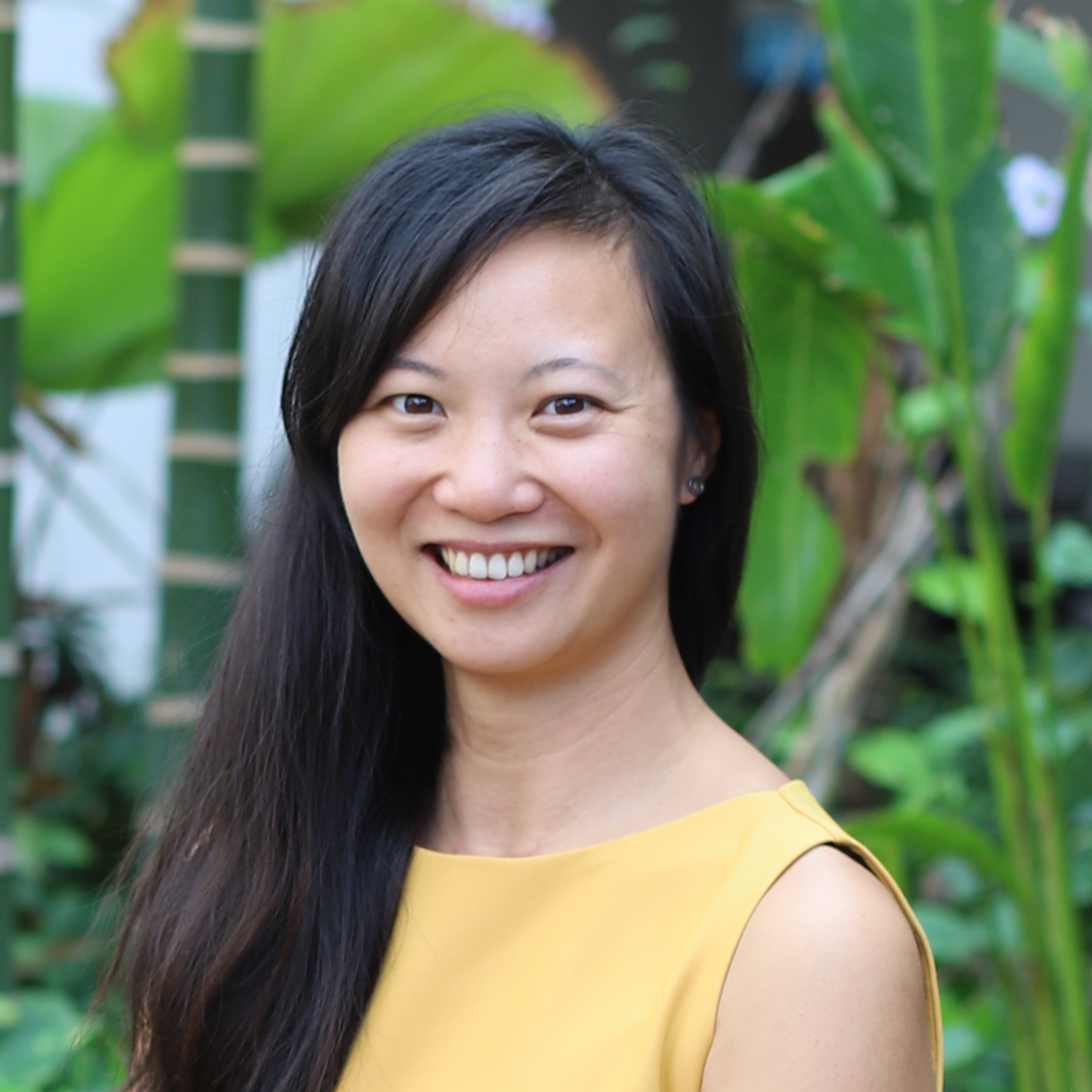
Dr. Yolanda C. Lin is an Assistant Professor in the Department of Geography and Environmental Studies at the University of New Mexico. She holds a Ph.D. from Cornell University. Previously, she served as a research fellow in the Disaster Analytics for Society Lab at the Asian School of the Environment (ASE) at Nanyang Technological University (NTU), Singapore. Her research focuses on developing scenario-based risk assessment methods for single and multi-hazard risks and creating tools for effective risk communication to stakeholders. Her research interests include natural hazards, spatial analysis, earthquake engineering, data visualization, and systems thinking. She is currently advancing a framework to explore impacts from extreme and unexpected natural hazards. Dr. Lin’s work emphasizes interdisciplinary collaboration and STEM education. No scientific awards or grants are explicitly mentioned in the provided text. She has no listed advisees or students, and her current lab affiliations are not detailed beyond her past involvement with NTU’s Disaster Analytics for Society Lab.
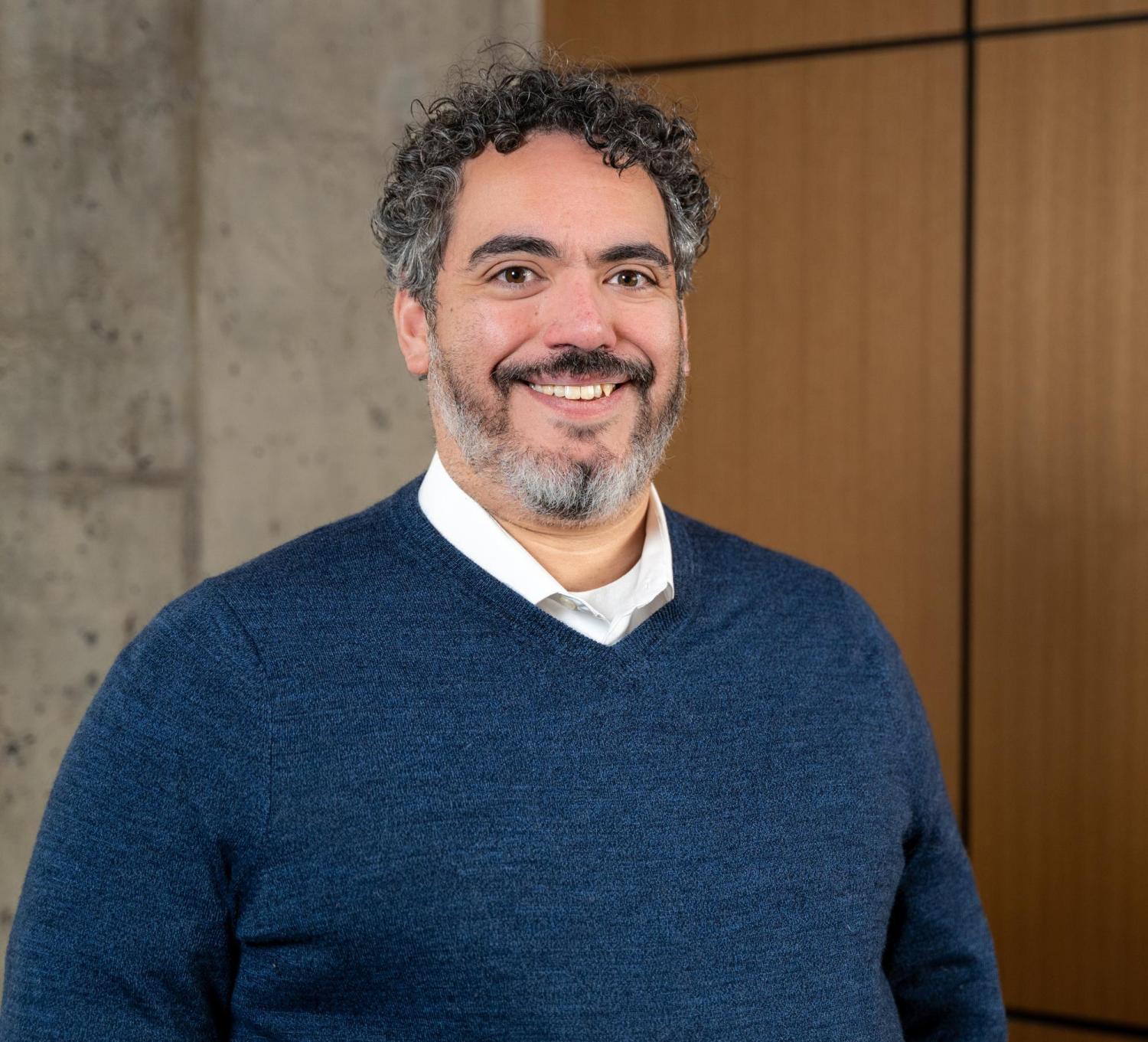
Joseph Kasprzyk is an Associate Professor and Associate Chair for Graduate Education in the Department of Civil, Environmental and Architectural Engineering at the University of Colorado. He specializes in hydrology, water resources, and environmental fluid mechanics. His research focuses on decision making under uncertainty, multiobjective optimization, and scientific visualization in water systems planning. He holds a PhD (2013), MS (2009), and BS (2007) in Civil Engineering from Penn State University. Education: PhD in Civil Engineering, Penn State University, 2013 MS in Civil Engineering, Penn State University, 2009 BS in Civil Engineering with Honors, Penn State University, 2007 Research Interests: Optimization of water resources systems Climate change adaptation strategies Participatory decision support frameworks Multiobjective evolutionary algorithms Model diagnostics and visualization Key Contributions: Developed the Many Objective Robust Decision Making (MORDM) framework Pioneered participatory tools like ParFAIT for decision support Advances in linking water-energy systems through optimization Scientific Awards and Recognition: EPA STAR Graduate Fellowship (2010-2013) Outstanding Reviewer for ASCE Journal of Water Resources Planning and Management Invited presenter at SIAM Computational Science conferences Professional Engagement: Member of ASCE Environmental Water Resources Institute Reviewer for major journals including Environmental Modelling and Software Active in curriculum development for water systems analysis Labs and Teams: Involved in interdisciplinary water resources research groups, including collaborations with organizations like NOAA and the NSF-funded projects on robust decision making in infrastructure systems.
Dr. Heidi Kreibich is a Researcher in the Department of Hydrology at the German Research Centre for Geosciences (GFZ) in Potsdam. Her work focuses on flood loss modelling, vulnerability analysis, and risk management in the Mekong Delta through projects like WISDOM. She has held her position at GFZ since 2002, following a PhD in Environmental Engineering from Philipps-University Marburg and prior studies in Public Management at the University of Applied Sciences in Hof. Education: PhD in Environmental Engineering (1998-2002), Philipps-University of Marburg Environmental Engineering (1991-1997), Technical University of Berlin Public Management (1988-1991), University of Applied Sciences for Administration and Legal Affairs, Hof Research Interests: Her expertise spans flood risk assessment, flood vulnerability analysis, disaster mitigation strategies, and multi-hazard risk evaluations. She applies geoscientific methodologies to quantify environmental and socio-economic impacts of natural disasters, particularly in vulnerable regions like the Mekong Delta. Contact: Email: kreib@gfz-potsdam.de , Phone: +49 331 288 1550
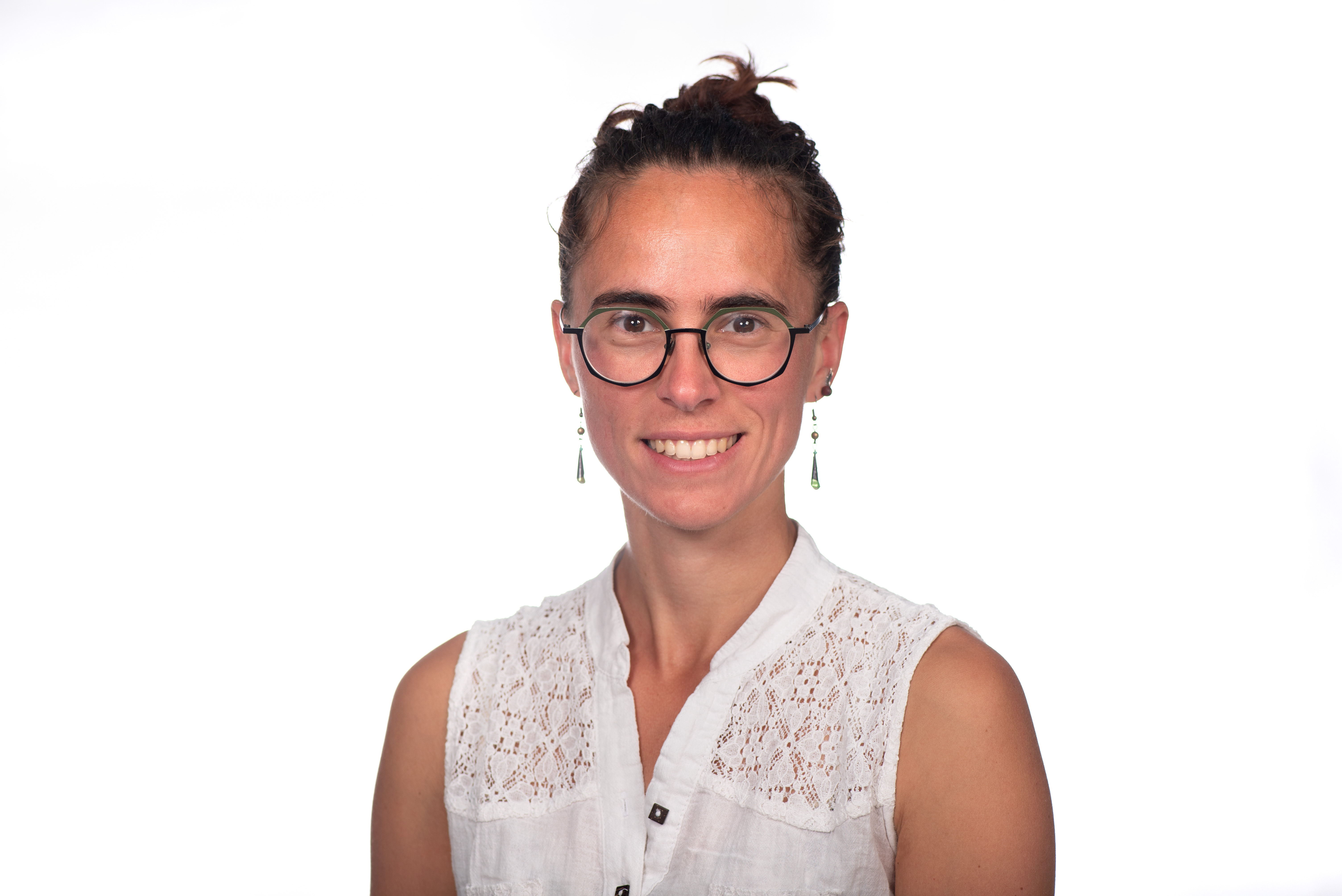
Séverine Furst is a Postdoc Researcher in the Marine Geodynamics unit at GEOMAR Helmholtz Centre for Ocean Research Kiel, Germany. She specializes in physical volcanology, geodesy, and numerical modeling, focusing on volcano dynamics and flank collapse mechanisms. Her work integrates analog experiments and computational simulations to study magmatic processes and geohazards. Education: PhD in Geophysics (2015–2018, University of Montpellier), Engineer in Geophysics (2011–2015, University of Strasbourg), MSc in Geophysics (2014, University of Strasbourg), and BSc in Geosciences (2009–2012, University of Strasbourg). Research Interests: Physical volcanology, seafloor geodesy, numerical modeling of magma transport, volcano instability, and applications to natural hazard mitigation. She leads projects like PRE-COLLAPSE, investigating precursors to volcanic flank collapses. Awards and Grants: Transfer Prize of the Prof. Dr. Werner Petersen-Stiftung (2024), BRIN Research Fellowship (2024–2025), and a PHC PROCOPE award (France-Germany collaboration). Active in science communication through projects like WAVES on underwater geohazards. Key Contributions: Developed multi-method approaches for dike propagation modeling, coupled geodetic data inversion techniques, and participated in international expeditions (e.g., Iceland, New Zealand, and Indonesia).
Miloš Tošović is affiliated with Singidunum University, currently pursuing doctoral studies in Security Studies at the Faculty of Security Studies, University of Belgrade. His research focuses on environmental security, disaster risk management, and energy security, with an emphasis on interdisciplinary approaches to technical-technological disasters and sustainable development. He has actively contributed to academic conferences and journals, publishing on topics such as risk management frameworks, environmental policy, and security systems. Education: Master's in Security Studies, Faculty of Security Studies, University of Belgrade (2021–2022) Bachelor's in Security Studies, Faculty of Security Studies, University of Belgrade (2017–2021) Doctoral Studies in Security Studies, Faculty of Security Studies, University of Belgrade (2022–present) Research Interests: Environmental security, disaster risk mitigation, energy policy, sustainable development, technical-technological disasters, and security systems design. His work bridges theoretical frameworks with practical applications in policy-making, risk assessment, and crisis management. Key Article Trends: Recent publications analyze systemic approaches to risk management, interdisciplinary sustainability challenges, and the intersection of environmental security with global governance frameworks such as COP26. He explores technical and human factors in disaster preparedness and policy implementation. Grants & Advising: No specific grants or advising roles explicitly mentioned in the provided texts. However, his work likely involves collaborative research projects in environmental and security domains.
Professor Tamsin Edwards is a climate scientist specializing in quantifying uncertainties in climate model predictions, particularly focusing on ice sheets and glaciers' contributions to sea level rise. She holds a joint appointment as Professor of Climate Change in the Department of Geography at King's College London, within the School of Global Affairs. Her academic roles include leadership in the IPCC's Sixth Assessment Report and serving as the UK Parliament's first Thematic Research Lead for Climate & Environment. Edwards earned a PhD in High Energy Physics from the University of Manchester and transitioned to climate science, leveraging her expertise in uncertainty analysis. Her research integrates paleoclimate data with future projections, emphasizing Antarctic and Greenland ice dynamics. Key collaborations include ISMIP6 initiatives and projects like PROTECT (assessing sea-level implications). Edwards is recognized for bridging science and policy through media engagement (BBC, Guardian) and public communication platforms (blogging, Twitter @flimsin). Her work addresses both scientific rigor and societal relevance, addressing climate risks and adaptation strategies. Recent research trends highlight advancements in ice sheet modeling, uncertainty frameworks (e.g., the FACTS platform), and interdisciplinary approaches to climate impacts. Awards include her role in landmark IPCC reports and recognition for science communication. Edwards co-leads King's Climate Research Hub and contributes to global environmental policy discussions through platforms like COP26.
Andrew T. Myers is a Professor and Associate Chair for Graduate Studies in Civil and Environmental Engineering at Northeastern University. He leads the Sustainable Structures Group, focusing on offshore wind energy, structural resilience, and probabilistic modeling. His research addresses hurricane risk mitigation, innovative turbine designs (e.g., T-Omega Wind's floating platforms), and multi-hazard assessment for offshore infrastructure. Education: Ph.D., Structural Engineering and Geomechanics, Stanford University (2009) M.S., Civil and Environmental Engineering, Stanford University (2006) B.S., Civil Engineering, Johns Hopkins University (2004) Key Research Interests: Myers investigates fixed and floating offshore wind structures, computational simulation of structural behavior, and probabilistic modeling of extreme environmental conditions. His work emphasizes hurricane risk assessment, cost-effective turbine designs, and sustainable infrastructure solutions. Notable projects include the DOE-funded Academic Center for Reliability and Resilience of Offshore Wind (ARROW) and the National Offshore Wind Research and Development Consortium's hurricane risk mitigation program. Awards & Recognition: 2023 Constantinos Mavroidis Translational Research Faculty Award 2021 College of Engineering Faculty Fellow 2020 Cleantech Open Northeast Winner (T-Omega Wind) 2016 NSF CAREER Award Grants & Collaborations: Myers has secured funding from NSF, DOE, and industry partnerships to advance offshore wind technology. His projects include optimizing thin-walled tube towers, developing multiline anchor systems, and assessing hurricane impacts on wind farms. He collaborates with institutions like UMass Amherst and industry leaders such as T-Omega Wind. Labs & Teams: He directs the Sustainable Structures Group, which bridges academia and industry to tackle challenges in offshore wind energy. The group focuses on structural innovation, risk-based design, and scalable solutions for global energy transitions.
Joshua Green is a Researcher at the University of Southampton , affiliated with the School of Earth and Ocean Science . His work focuses on compound flooding , multi-hazard interactions , and disaster risk reduction , with expertise in numerical modelling and environmental governance . Education : BSc in Physical Geography with minors in GIScience and Geocomputation from the University of British Columbia His research integrates Earth system science , remote sensing , and physical/human geography to address challenges in coastal and estuarine regions . Recent publications analyze compound flooding mechanisms and global extreme sea level trends , leveraging interdisciplinary approaches across natural hazards , climate adaptation , and hydrodynamic models . Joshua has collaborated on natural hazard projects in the US and Canada, spanning wildfire , drought , landslide , and permafrost research. His work emphasizes capacity-building and policy-relevant science for land/resource governance and environmental management .
Prof. Fabrice Renaud is a Professor in Environmental Risk/Community Resilience and Head of the School of Social & Environmental Sustainability at the University of Glasgow, UK. He joined the university in 2018 after 13 years at the United Nations University Institute for Environment and Human Security (UNU-EHS) in Germany and Indonesia, where he led research on vulnerability and ecosystem services in coastal and deltaic regions. His expertise spans disaster risk reduction, climate adaptation, and socio-ecological systems resilience. Education: PhD (2000) in Crop, Soil, and Environmental Sciences, University of Arkansas, USA MSc (1992) in Agricultural Engineering, Cranfield University, UK Diplôme d’Études Supérieures en Agro-développement (1991), École Supérieure d'Agro-développement International, France Research Interests: Environmental vulnerability assessment, ecosystem-based disaster risk reduction, coastal and delta resilience, water pollution impacts, and socio-ecological systems adaptation. He emphasizes interdisciplinary approaches linking environmental and human security. Articles Trends: Recent work focuses on post-pandemic green recovery strategies, nature-based solutions for flood mitigation, and risk assessments in Asian deltas. Key themes include policy integration of ecosystems in disaster management and cross-sectoral resilience frameworks. Labs/Teams: Leads research initiatives within the School of Social & Environmental Sustainability, collaborating internationally on UN-backed projects like the Global Delta Risk Index and Blue Economy recovery frameworks.
Dr. Philip Minderhoud is an Assistant Professor at Wageningen University & Research and a Veni laureate, specializing in coastal-deltaic environmental change with a focus on land subsidence and relative sea-level rise. He holds affiliations at the University of Padova (former Marie Curie Fellow) and advises Deltares. His research spans global deltas including the Mekong, Irrawaddy, Mississippi, and West African coasts, emphasizing subsidence drivers, numerical modeling, and policy engagement. He co-founded the International Panel on Land Subsidence (IPLS) to integrate global subsidence data into IPCC projections. Dr. Minderhoud teaches BSc/MSc courses on geology, coastal oceanography, and field geosciences in Spain. His work bridges academia and practice through collaborations with governments, NGOs, and industry to develop mitigation strategies against subsidence-driven risks. Education: PhD in delta land subsidence through the Dutch-Vietnamese Rise and Fall project. Research Focus: Combines geomorphology, hydrogeology, and remote sensing to understand subsidence mechanisms. Current projects include the 3MAP initiative and the InSPiRED EU project. Key regions studied: Vietnam, Indonesia, Ghana, Nigeria, Italy, and the USA. Awards: Veni laureate (Netherlands), EU Marie Curie Fellowship. Impact: Advocates for science-informed groundwater management and delta sustainability, contributing to policy frameworks through IPLS and direct engagement with policymakers.
Dr Colin Paterson is a Senior Lecturer in Machine Learning Safety at the University of York's Department of Computer Science, working within the Institute for Safe Autonomy (ISA). His research focuses on ensuring safety in autonomous systems, particularly addressing uncertainties in deployed systems. He holds a PhD in Computer Science (2018, York) and a prior PhD in Control Systems Engineering (1993, Coventry), alongside qualifications in education and business. Education: PhD: Computer Science, University of York (2018) PhD: Control Systems Engineering, Coventry University (1993) PGCE: Secondary Education, Leeds Trinity University (2012) BA: Business, Finance, Mathematics, Open University (2011) BEng: Computer & Control Systems Engineering, Coventry University (1990) His research interests span autonomous systems engineering, machine learning assurance, ethical AI design, and verification methodologies. He contributes to the development of safety frameworks for self-adaptive systems and has published extensively on topics like runtime safety monitors, hazard mitigation in autonomous vehicles, and transfer assurance in machine learning. Dr Paterson currently serves as GTA Coordinator and Training Officer within the department. His work emphasizes bridging theoretical safety models with practical implementation in real-world autonomous systems.
Dr. Anastasiia Shynkarenko is a Researcher at the Swiss Seismological Service (SED) within ETH Zürich's School of Architecture, Civil and Environmental Engineering. Her work focuses on seismic risk assessment, subaqueous slope stability, and lake tsunami hazards in Swiss perialpine lakes. She specializes in integrating geophysical and geotechnical methods to investigate sediment properties and failure mechanisms using advanced techniques like Ocean Bottom Seismometers (OBS), ambient vibration analysis, and in-situ testing (CPTu). Key projects include the comprehensive study of Lake Lucerne's submerged slopes, addressing slope stability through interdisciplinary approaches. Her research combines seismological data inversion, spectral analysis, and numerical modeling to evaluate subsurface structures and potential hazards. Recent contributions include developing dynamic earthquake risk frameworks and advancing methodologies for extracting phase velocities from OBS arrays to characterize sedimentary sites. While no formal student advising or grant information is explicitly stated, her work has been published in leading geophysics and engineering journals. Collaborations involve both academic and governmental entities in Switzerland focused on environmental and geohazard mitigation strategies.
Peter Robins is a Professor in Physical Oceanography at Bangor University's School of Ocean Sciences, where he has held roles since 2003. He earned his MSc in Physical Oceanography and Mathematics from Bangor University (2003) and a PhD in Modelling Internal Tides (2008). His research focuses on coastal dynamics, estuarine processes, climate change impacts, marine renewable energy, and water quality management. He has supervised numerous PhD students, including Thomas Clough (compound flooding), Aaron Furnish (estuarine modelling), and Megan O'Hara (marine population dynamics), while co-supervising projects on topics like microbial pathogen dynamics and elasmobranch conservation. Key research interests include larval dispersal, tidal energy resource assessment, and coastal flooding mitigation. He leads projects funded by DEFRA, NERC, and Welsh Water, addressing challenges such as pathogen risk in coastal waters and the socio-ecological impacts of climate change. His work spans interdisciplinary collaborations with policymakers, climate modellers, and conservation groups to ensure practical outcomes for coastal communities. Notable projects include the INVEST initiative on estuarine water quality, the SIARC shark conservation program, and BlueAdapt’s coastal pathogen adaptation studies. His grants total over £multi-million, addressing issues from maerl bed restoration to wastewater epidemiology. Peter actively engages in education through funded PhD opportunities and conference activities, emphasizing sustainable development goals (SDGs) like clean water and climate action.
Professor Jesse Richardson is a distinguished faculty member at West Virginia University College of Law where he serves as Professor of Law and Lead Land Use Attorney. His expertise spans water law, land use law, and agricultural law, with particular focus on karst resources and floodplain management. Richardson teaches courses in Land Use, Water Law, and Land Use and Sustainable Development Clinic, bringing practical experience from his previous private practice in Virginia. Richardson's educational background includes a J.D. from the University of Virginia (1992), M.S. in Agricultural and Applied Economics from Virginia Tech (1996), and B.S. in Agricultural Economics from Virginia Tech (1984). His academic journey previously included a position as Associate Professor in Urban Affairs and Planning at Virginia Tech. Professor Richardson's research focuses on the intersection of property rights, environmental protection, and sustainable development. His work examines how legal frameworks can balance agricultural needs with environmental protection, particularly in sensitive karst regions. He has made significant contributions to understanding water rights, floodplain management, and the legal challenges of heirs' property. His scholarship often addresses the practical implementation of environmental regulations at local and state levels, with particular attention to Appalachian communities. Analysis of Richardson's recent publications reveals a consistent focus on water law evolution, particularly regarding the Clean Water Act and Waters of the United States definitions. His work increasingly addresses climate change adaptation through land use planning and examines how traditional property law concepts must evolve to address modern environmental challenges. The interdisciplinary nature of his research connects legal scholarship with practical resource management concerns. Professional Scholarship Award from American Agricultural Law Association (1999) William E. Wine Award for teaching excellence from Virginia Tech (2004) University Certificate of Excellence in Outreach (2009) AALA Excellence in Agricultural Law for Academia Award (2018) As Lead Land Use Attorney, Richardson directs the Land Use and Sustainable Development Law Clinic, providing students with hands-on experience in land use planning and environmental law. His outreach extends to service on the Boards of Directors of the American Agricultural Law Association, the Universities Council on Water Resources, and the National Cave and Karst Research Institute. He has previously served on the Virginia Farmland Protection Task Force and the Virginia Water Policy Technical Advisory Committee, demonstrating strong connections between academic work and practical policy development. Richardson has worked directly with communities in West Virginia and Virginia on land use planning issues, particularly those involving karst and water resources. Professor Richardson maintains active engagement with professional communities through frequent podcast appearances on the 'Ag Law in the Field' series, where he has participated in multiple episodes discussing regulatory takings, conservation easements, exempt wells, and Supreme Court water cases. His work bridges academic scholarship with practical legal application in rural and agricultural contexts.
David Saah is a Full-Time Faculty member and Program Director at the University of San Francisco, serving as Director of the Geospatial Analysis Lab. His expertise spans ecosystem ecology, landscape ecology, hydrology, geomorphology, and geospatial technologies. He focuses on multi-scale environmental mapping, natural hazard modeling, and decision support systems for resource management. Dr. Saah also emphasizes geospatial data accuracy and ecosystem service valuation. Education: Doctorate in Environmental Science (implied via title) His research integrates remote sensing and GIS to analyze spatial heterogeneity in ecosystems like riparian zones and forests. He addresses environmental management challenges through holistic approaches, including disaster risk assessment and resource allocation strategies. Dr. Saah is committed to advancing geospatial science through innovative methodologies and knowledge dissemination.