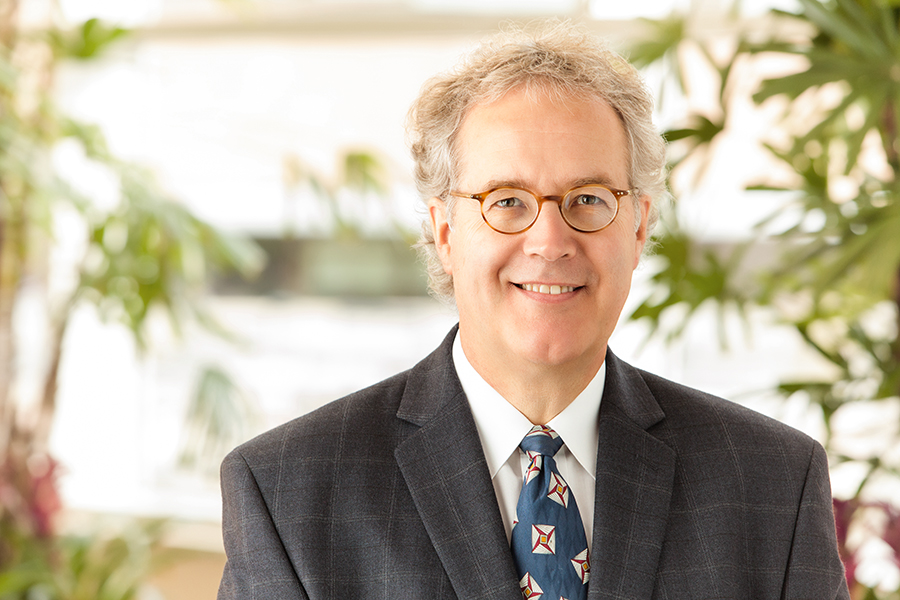
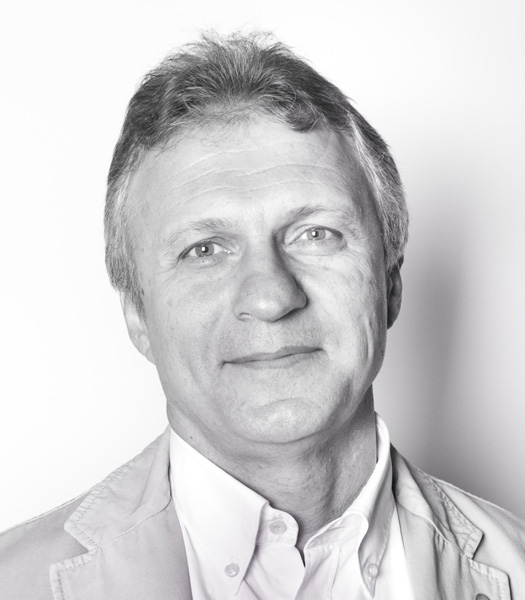
Murat Guvendiren is an Associate Professor in the Department of Chemical and Materials Engineering at New Jersey Institute of Technology. His research focuses on 3D bioprinting, bioink development, and stem cell engineering. Active research areas include hydrogel-based tissue engineering, biodegradable polymer blends, and machine learning-driven drug delivery systems Current projects involve automated cell culturing platforms and dual printing technologies for 3D scaffolds His recent publications highlight advancements in spatially controlled bioprinting, cardiac tissue engineering, and biodegradable mulch films. Key trends show interdisciplinary work combining materials science, biomedical applications, and computational modeling. Research outputs include 67 publications with an h-index of 31 and over 6922 citations. U.S. patents awarded for dual printing additive manufacturing and cell-laden hydrogel constructs (2022-2024) NSF grants: CAREER (2021), PFI-TT (2022), and earlier polymer ink projects
Vamsi Krishna Narra is a postdoctoral researcher at the University of Rennes, specializing in advanced materials chemistry and photovoltaic technologies. His work focuses on organic solar cells, photodynamic therapy, and functionalized porphyrin/phthalocyanine systems. Current affiliations include the University of Rennes, France. Research interests emphasize optimizing hole-transport layers, non-fullerene acceptors, and interfacial engineering in organic photovoltaics. His studies also explore biomedical applications of porphyrin-based systems for cancer therapy and nanoscale self-assembly mechanisms. Recent work includes high-efficiency solar cell designs and novel drug-delivery systems. Publications highlight advancements in: 1) 17% efficiency non-fullerene solar cells, 2) halogen-free processing techniques, 3) porphyrin-based photodynamic therapy for colon cancer, and 4) quantum dot solar cell innovations. His research bridges fundamental chemistry with applied energy/materials science. No formal teaching roles or awards explicitly stated. Advising activities not documented in current materials. Active in collaborative projects involving solution-processed materials and device fabrication methodologies.
Mihai Lucanu is a Professor at the Gh. Asachi Technical University of Iasi , serving as Dean of the Faculty of Electronics and Telecommunications. His academic work focuses on advanced power electronics and electromagnetic phenomena. Subjects taught: Industrial Electronics, Power Electronics, Pulse Width Modulation Techniques Research areas: Power Converters, Fuzzy Controllers, Electromagnetic Scattering Research Highlights: His expertise spans power electronics optimization, including soft switching converters , power factor correction , and multi-level inverters . In computational electromagnetics, he specializes in Wave Iterative Process simulations for complex scattering problems. Academic Output: His publications cover topics from high-frequency AC choppers to electromagnetic diffraction analysis, with recent 2025 work on voltage ripple and neural network implementations in 3D semiconductor technology. Contact: mlucanu@etc.tuiasi.ro
Kim F. Duncan, MD, FACS is a Professor in the Department of Surgery at the University of Nebraska Medical Center (UNMC), affiliated with the Division of Cardiothoracic Surgery. He also serves as the Medical Director of the Clinical Perfusion Program within the College of Allied Health Professions. With over 35 years of experience in congenital heart surgery, Dr. Duncan has been primarily based at UNMC and Children's Nebraska in Omaha. He is semi-retired from clinical surgery but remains active in surgical education, surgical simulation training for medical students, residents, fellows, and clinical perfusion students. His research focuses on expanding the donor organ pool via donation after circulatory death (DCD), improving donor organ recovery through normothermic reperfusion, and adjuvant organ preservation techniques for heart, liver, and kidney transplantation. Education and Training: Dr. Duncan earned his MD from the University of Alberta (Edmonton, Canada). He completed residencies in General Surgery, Thoracic & Cardiovascular Surgery, and a Medical Research Institute residency at the University of Alberta Hospitals. His fellowships include roles at Great Ormond Street Hospital (London, UK) and the Hospital for Sick Children (Toronto, Canada). He holds certifications from the American Board of Thoracic Surgery and Royal College of Physicians and Surgeons of Canada. Research Interests: His translational research emphasizes organ preservation strategies, particularly for DCD donors, with expertise in normothermic machine perfusion and adjuvant therapies to enhance organ viability. He collaborates on projects optimizing donor organ recovery and addressing challenges in multi-organ transplantation. Publications and Contributions: Dr. Duncan has authored over 40 peer-reviewed manuscripts and two book chapters, focusing on congenital heart surgery outcomes, Fontan procedure results, and organ transplantation advancements. His work bridges surgical innovation with clinical education, influencing training programs in cardiothoracic surgery and perfusion. Labs and Teams: Active in the Clinical Perfusion Program, he mentors students in advanced perfusion techniques and surgical simulation. Collaborates with multidisciplinary teams in organ transplantation and surgical research initiatives.
Dr. Giang T. Nguyen is an academic researcher affiliated with Dresden University of Technology (Germany), specializing in advanced networking technologies. His primary affiliation is with the College of Computer Science and the Department of Networking and Communication Systems. He collaborates extensively with Prof. Frank H. P. Fitzek and other researchers on cutting-edge projects. Research Interests: Giang's work focuses on Network Functions Virtualization (NFV) , Edge Computing , Time-Sensitive Networking (TSN) , 5G/6G Technologies , and In-Network Computing (COIN) . He explores applications in industrial automation, tactile internet, and immersive media delivery, with a strong emphasis on latency reduction and network reliability. Publications: His recent work includes advancements in programmable network coding, TSN testbed development, and latency-optimized architectures for XR and IoT systems. Over 100+ publications since 2013 reflect his contributions to edge computing frameworks, network simulation tools (e.g., ns-3, OMNeT++), and collaborative SLAM systems. Key Projects: He leads initiatives like the TSN-FlexTest measurement testbed and the NET Playground heterogeneous network lab. His research bridges theoretical networking concepts with practical implementations in industrial robotics and emergency response systems.
Huan Liu is a Professor at Arizona State University's School of Computing, Informatics, and Decision Systems Engineering, with research spanning artificial intelligence, edge computing, and interdisciplinary applications. His work bridges theoretical advances with real-world implementations across healthcare, transportation, and environmental systems. His primary research interests include: Artificial Intelligence and Machine Learning for complex system optimization Edge-Cloud Computing architectures for IoT and vehicular networks Medical image analysis and clinical decision support systems Graph neural networks and multimodal learning Privacy-preserving federated learning frameworks Recent publications demonstrate strong emphasis on applied AI, with 15+ 2025 papers addressing UAV swarm intelligence, medical diagnostics, and sustainable transportation through novel algorithmic approaches. Publication trends reveal consistent leadership in: Developing efficient edge computing solutions for dynamic environments Creating medical AI tools with clinical validation Innovating in graph-based and multimodal learning Applying optimization techniques to logistics and environmental challenges His work frequently appears in top venues including IEEE Transactions, Bioinformatics, and AAAI.
Martin Verweij is a Researcher in the Cardiology department at Erasmus MC, specializing in advanced ultrasound engineering for medical diagnostics. His work bridges electrical engineering and cardiovascular imaging through innovative transducer design and contrast-enhanced ultrasound methodologies. Research focuses on Transducer Engineering (100% fingerprint match), Beamforming (42%), and Microbubble Contrast Agents , with significant contributions to CMUT array development and acoustic streaming calibration. Key projects include high-frame-rate 3D ultrasound systems and microbubble dynamics simulation for improved cardiac imaging precision. Recent publications demonstrate accelerating innovation in monolithic ultrasound probe integration (2025) and nonlinear imaging physics (2024), establishing trends toward miniaturized, high-speed diagnostic hardware with clinical cardiovascular applications. Verweij maintains active supervision of graduate researchers (1+ supervised works) and extensive international collaborations, as evidenced by multi-institutional publications and global research network maps.
Thomas Hellstén is a Senior Lecturer in Physiotherapy at Arcada University of Applied Sciences, affiliated with the School of Engineering, Culture and Wellbeing. He holds a Master of Physiotherapy and is a PhD student at the University of Helsinki, focusing on interdisciplinary research in technology and healthcare. His research emphasizes musculoskeletal physiotherapy, digitalization in healthcare, rehabilitation robotics, and wearable technologies. Hellstén leads the Computer Vision based Real-Time Motion Analysis in Health and Well-Being project at Arcada. His academic background includes studies in clinical physiotherapy and advanced training in interdisciplinary healthcare innovation. Key research interests include applying computer vision for motion analysis in rehabilitation, remote physiotherapy practices, and integration of humanoid robots in pediatric neurorehabilitation. Recent publications highlight advancements in markerless pose estimation for joint motion analysis, feasibility studies in robotic rehabilitation for cerebral palsy patients, and telehealth implementation in芬兰. His work bridges clinical practice with emerging technologies, emphasizing multi-professional collaboration for healthcare innovation. Professional awards and grants are not explicitly mentioned, but his active role in cross-departmental research collaborations showcases his leadership in academic innovation. Hellstén is involved in developing wearable sensor technologies and real-time monitoring systems for healthcare applications.
Professor Johnny T. Ottesen is affiliated with Roskilde University's Department of Science and Environment Mathematics and Physics (IMFUFA), where he leads the Centre for Mathematical Modeling - Human Health and Disease. His research focuses on applying mathematical modeling to biomedical systems, particularly in hematology, immunology, and physiological processes. He has published extensively on topics including cancer dynamics, inflammation mechanisms, and clinical decision-support systems. Education background includes a PhD in mathematical modeling with a focus on biomedical applications. His work integrates mathematical analysis with clinical data to address challenges in personalized medicine, disease progression modeling, and systems biology. Notable contributions include models for hematopoietic stem cell dynamics, endotoxin-induced inflammation responses, and intracranial pressure regulation. His research outputs (132+ articles) emphasize interdisciplinary approaches, with recent work analyzing myeloproliferative neoplasms, kidney function biomarkers, and immunotherapy optimization. He actively collaborates internationally, organizing conferences like the 12th European Conference on Mathematical and Theoretical Biology and leading the Nordic Biomathematics community. Media engagements highlight his innovative 'mathematical microscope' methodology, which provides novel diagnostic tools for conditions like depression. Despite no listed awards, his work has received attention for bridging clinical and computational sciences through dynamic models predicting treatment outcomes and disease behavior. He has supervised numerous interdisciplinary projects and participates in initiatives like Greater Copenhagen Health Science Partners. His activities span peer review, academic leadership, and public engagement, emphasizing the translation of mathematical insights into clinical practice.
Dr. Ahmad Adnan Qidan is a Research Associate in the Department of Engineering at King’s College London, UK. He previously served as a Research Fellow at the Institute of Communication and Power Networks within the School of Electronic and Electrical Engineering at the University of Leeds (2020-2023). His career focuses on advancing optical wireless communication systems through AI-driven optimization. PhD in Multimedia and Communications from Universidad Carlos III de Madrid (2020) Current affiliation: King’s College London Past affiliation: University of Leeds Dr. Qidan's research bridges optical wireless communication with machine learning , targeting efficiency in high-speed networks. Key areas include interference management , power allocation , and dynamic resource optimization . His publications highlight trends in AI/ML for OWC , NOMA systems , and IRS technologies , with recent work addressing satellite-terrestrial network integration and energy-efficient architectures. Outstanding Thesis Award (2020-2021) - Universidad Carlos III de Madrid IEEE PhD Thesis Award (2020) - IEEE Spanish Signal Processing and Communications Dr. Qidan contributes as a reviewer to leading IEEE journals and has published extensively on AI-driven solutions for optical wireless systems, despite no explicit mention of student advising or grant funding.
Professor Hany Eteiba is an Honorary Professor at the University of Glasgow's School of Cardiovascular & Metabolic Health, affiliated with the Institute of Cardiovascular & Medical Sciences. His research focuses on coronary microvascular dysfunction, myocardial infarction pathophysiology, and interventional cardiology. He has led pivotal studies such as the CorMicA trial, exploring coronary function testing in angina management. His work emphasizes translational research linking invasive hemodynamic measurements with clinical outcomes. Education: Not explicitly stated in provided text. Affiliations: Golden Jubilee National Hospital, Glasgow Research interests include coronary artery disease mechanisms, PCI optimization, and imaging biomarkers for infarct assessment. Over 60+ peer-reviewed publications span topics like fractional flow reserve (FFR), microvascular injury prognostics, and stent optimization strategies. Collaborations include multi-center trials (e.g., FAMOUS-NSTEMI) and device development for coronary interventions. Key contributions include defining microvascular resistance roles in prognosis and advancing thermodilution-based diagnostic techniques. His work bridges clinical cardiology with advanced imaging and genetic analysis to improve ischemic heart disease management.
Dr. Neil Rowan is a globally recognized academic and innovator in the Faculty of Science and Health at Technological University of the Shannon (TUS). He holds adjunct and honorary professorships at University of Galway (School of Medicine) and University KwaZulu-Natal (School of Nursing and Public Health). His career spans over 30 years, blending academic leadership with industry collaboration, particularly in medical device innovation, bioscience, and sustainable development. He directs TUS’s Bioscience Research Institute and co-leads projects such as Empower Eco, an EU-funded platform for green innovation. Education & Early Career: He began at Strathclyde University with a Senior Lectureship (top 5* UK Research Assessment). His academic training includes expertise in applied microbiology, biotechnology, and risk mitigation. Research Focus: Dr. Rowan’s work centers on cross-cutting domains like sterilization science, bioeconomy systems, and digital technologies. He pioneers applications of AI in sustainability (e.g., wastewater-to-energy systems) and integrates peatlands into aquaculture for climate resilience. His research aligns with UN SDGs, emphasizing zero-waste, circular economy, and OneHealth principles. Impact & Recognition: Ranked in Stanford’s Top 2% Global Scientists (2023), he advises the European Innovation Council and chairs roles at University Malaya. His work has led to 160+ publications and media recognition for initiatives like the €5M Mount Lucas Bioeconomy Aquaculture Project. Training & Leadership: Mentor to 40+ PhD students and 14 MSc graduates, he emphasizes skill transfer to industry. He evaluates high-risk/high-reward deep tech innovations and leads national strategies like Ireland’s ‘Creating Our Future’ research framework. Labs & Collaborations: Leads CURAM SFI Medical Device Centre and collaborates internationally via projects like MSCA ITN MedTrain. His Empower Eco platform fosters multi-actor innovation for Green Deal initiatives.
Bhavesh Patel is a Clinical Instructor in Internal Medicine at Yale School of Medicine, Yale University. His research focuses on mechanical circulatory support, extracorporeal membrane oxygenation (ECMO), heart and kidney transplantation outcomes, and critical care medicine. He has contributed to studies on patient survival rates using MCS, kidney function post-transplant, and ECMO management during the pandemic. His work often involves large single-center analyses and multidisciplinary approaches. Education includes an MD from American University, British West Indies School of Medicine (Montserrat, 1997), and a BS from Stockton State College (1993). His research interests emphasize cardiovascular support devices, pandemic-related critical care protocols, and optimizing outcomes in transplant patients. Recent publications highlight innovations in ECMO weaning challenges and post-transplant renal function. No formal awards or grants are listed, but his involvement in high-impact studies underscores his contributions to clinical cardiology and critical care. He collaborates with teams addressing complex cases such as simultaneous heart-kidney transplants and managing right-to-left shunt complications during ECMO.
Cem Ersoy is a Professor at Bogazici University 's Department of Computer Engineering, with a career spanning over 30 years. He has held visiting positions at the University of Trento, Italy, and previously served as Department Head at Bogazici University multiple times. Education : Ph.D. in Electrical Engineering (Polytechnic University, 1992), M.S. in Electrical Engineering (Bogazici University, 1986), B.S. in Electrical Engineering (Bogazici University, 1984) His research focuses on computer networks , pervasive computing , edge computing , and wireless networks . Recent work highlights AI integration in air computing, stress monitoring with wearables, and edge network optimization. Articles span applications of multi-agent DRL, probabilistic tracking, and network slicing. Scientific awards : Elected to the Academy of Sciences of Turkey (2022) Bogazici University Research Excellence Awards (Junior 2007, Senior 2014) He has supervised 24 PhD and 58 MS theses. As principal investigator, he led 35 funded research projects by agencies such as the EU, TUBITAK, and Bogazici University Research Fund. His Google Scholar profile shows 11,856 citations, h-index 43, and i10-index 130.
Professor Jesse Dawson is a Professor of Stroke Medicine and Consultant Physician at the University of Glasgow's College of Medical, Veterinary and Life Sciences (MVLS). He leads research in stroke prevention, rehabilitation, and clinical trials, particularly focusing on treatments for upper limb impairment post-stroke and anticoagulation strategies. He chairs the MVLS Research Ethics Committee and is Treasurer of the European Stroke Organisation. His work includes landmark trials like VNS-REHAB (vagus nerve stimulation for stroke recovery) and ELAN (anticoagulation timing post-stroke). Key areas include xanthine oxidase inhibition (XILO-FIST trial), robotic therapy (RATULS trial), and atrial fibrillation management. He has published in high-impact journals like The Lancet and New England Journal of Medicine . Affiliations: University of Glasgow, Queen Elizabeth University Hospital, European Stroke Organisation. Research Groups: Obesity, Stroke, Vascular Diseases. Research Interests: Clinical trials in stroke prevention/rehabilitation, vagus nerve stimulation, anticoagulation timing, and biomarkers for atrial fibrillation detection. His work emphasizes translating novel therapies into clinical practice, such as FDA-approved VNS paired with rehabilitation. Articles Overview: Recent work focuses on guideline adherence, anticoagulant timing, and neurorehabilitation innovations. Key themes include cerebrovascular effects of therapies, infarct growth analysis, and biomarker studies for stroke risk stratification. Awards/Leadership: Leadership roles in stroke organizations and trial leadership (e.g., ELAN, VNS-REHAB). Recognized for contributions to stroke guidelines and ethical research practices. Advising & Grants: Leads multi-center trials funded by BHF/Stroke Association. Collaborates internationally (e.g., with Prof. Urs Fischer on anticoagulation studies). Labs/Teams: Part of the Stroke Trials Unit and research ethics committee at Glasgow. Involved in global collaborations for stroke prevention strategies.