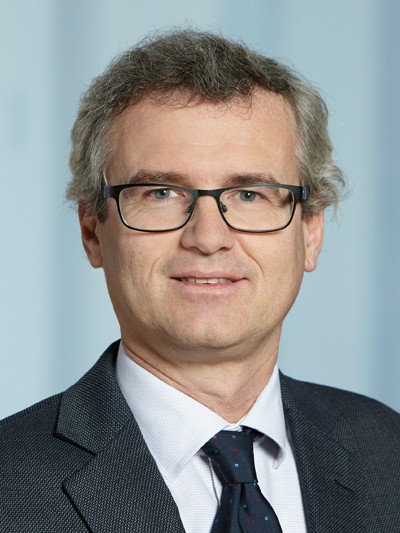
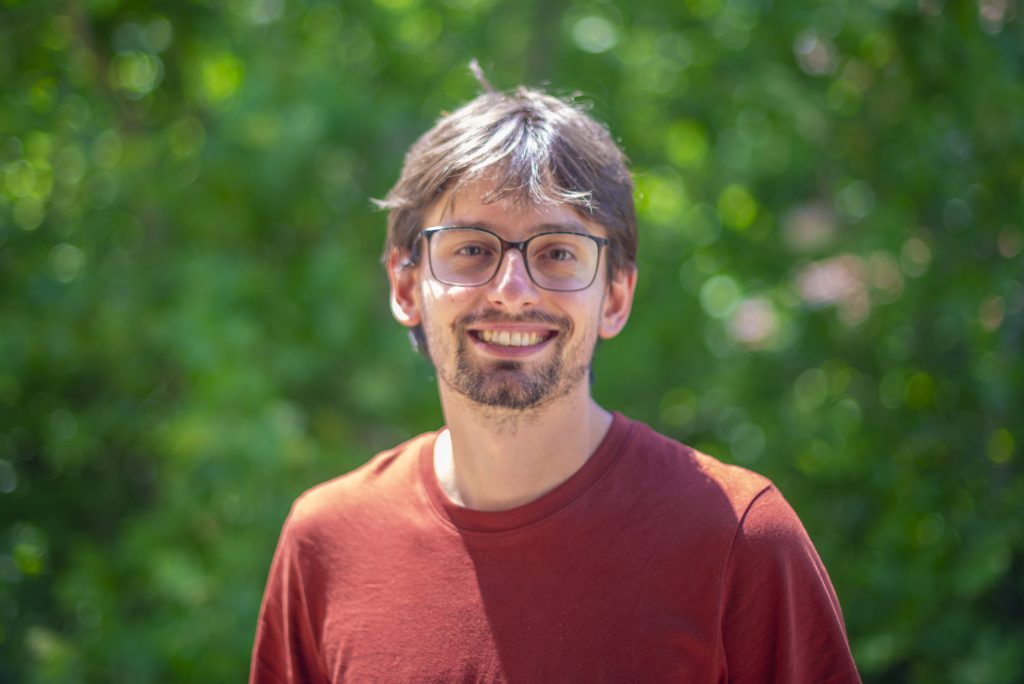
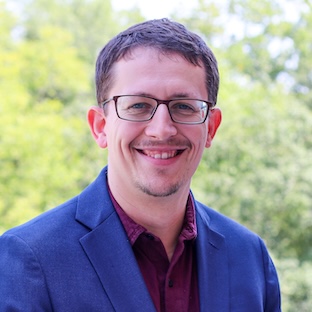
Dr. Andreas Brotzer is affiliated with the Department of Earth and Environmental Sciences at Ludwig Maximilian University Munich, working at the Geophysical Observatory. He currently holds a research position and is conducting a research stay at the University of British Columbia, Canada. His primary research focuses on rotational ground motions, seismology, and geophysical instrumentation, particularly involving ring laser technology (ROMY project) and multi-component seismic observations. His work addresses challenges like atmospheric pressure interference, sediment depth mapping, and high-resolution earth sensing. Research interests include: 1) Advanced rotational motion measurement systems, 2) Integration of fiber optic and ring laser technologies for geophysical monitoring, 3) Seismic array analysis for crustal structure imaging, and 4) Development of low-noise models for ground motion analysis. He has contributed to projects like the Pinon Flats Observatory in Southern California and Greenland's continental margin studies. Recent work emphasizes vehicular source tracking, length-of-day variations observed via ring lasers, and noise characterization in rotational measurements. His posters highlight operational aspects of large ring lasers and seismic station implementations. Professional profiles are available on ResearchGate and LinkedIn.
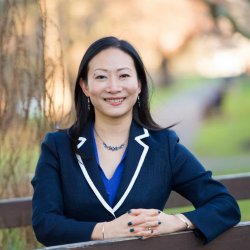
Juerong (Nicole) Li is a Postdoctoral Research Associate and Project Manager at the University of Surrey's School of Mathematics and Physics. Her dual role (50% each) involves advancing research on quantum information and spintronics through the fabrication and characterization of single/dopant atom devices, as well as managing the £8.1M COMPASSS project. Her work integrates semiconductor physics with nuclear and astrophysical studies. Research Interests: Nicole specializes in implantation/fabrication of quantum devices (e.g., single electron transistors), microwave/electrical characterization, and their applications in quantum computing. She also contributes to nuclear physics via gamma-ray spectroscopy and astrophysical reaction studies (e.g., presolar grain identification). Her semiconductor work explores donor-bound excitons, lattice damage effects, and high magnetic field phenomena. Project Management: As COMPASSS Project Manager, she oversees financial, logistical, and outreach aspects of multi-institutional collaborations. Her role ensures timely, quality delivery of projects involving advanced semiconductor and nuclear research. Key Contributions: Nicole’s publications span quantum device physics (silicon doping, bismuth donors), nuclear decay mechanisms (heavy nuclei like ¹⁸⁵Bi), and astrophysical nucleosynthesis (e.g., Cl33(p,γ) reactions). Her work bridges experimental techniques (gamma-ray tracking, Zeeman effect analyses) with theoretical models (shell structure predictions, effective mass theory).
Dr. Simone Dimartino is a Senior Lecturer in the School of Engineering at the University of Edinburgh , specializing in Chemical Engineering . His research focuses on 3D printing technologies, bioseparations, and biomaterials development. Laurea summa cum laude in Chemical Engineering, University of Bologna (2005) PhD in Chemical Engineering, University of Bologna (2009) Post Graduate Diploma in Tertiary Teaching, University of Canterbury (2014) Research interests include: High-resolution 3D printing methods Chromatography for biopharmaceutical production Nanoporous materials for hemodialysis Wet-resistant adhesives inspired by marine organisms Biomaterials for medical applications Recent research output trends show strong focus on: 3D printing applications in biomedical contexts Chromatography optimization via computational modeling Sustainable hemodialysis material development Adsorbent design for therapeutic applications Professional affiliations: Associate Member of IChemE Member of NZBio Investigator, Biomolecular Interaction Centre (University of Canterbury)
Lasse Laurson is a Professor in the field of Physics, specializing in interdisciplinary research at the intersection of condensed matter physics, materials science, and computational modeling. His work focuses on understanding complex phenomena such as domain wall dynamics in ferromagnetic materials, dislocation interactions in crystalline solids, and the application of machine learning to predict material behavior. He actively collaborates on projects involving advanced microscopy techniques like Lorentz microscopy and micromagnetic simulations to study magnetic noise phenomena and their underlying mechanisms. Research Interests: Laurson's core interests include domain wall interactions with dislocations, depinning transitions in elastic interfaces, Barkhausen noise analysis, and developing predictive models for plastic deformation using machine learning. His recent work explores Bayesian optimization in alloy design and the critical behavior of avalanche distributions in disordered systems. Key Research Trends: His publications from 2023-2025 reveal a strong focus on combining experimental and computational methods to study magnetic materials and crystal plasticity. He has made significant contributions to understanding how disorder influences domain wall motion and how machine learning can improve predictive capabilities in materials science. Recent efforts emphasize optimizing material properties via advanced simulation techniques and analyzing deformation mechanisms at nanoscale. Collaborations: Laurson collaborates internationally, with notable work involving researchers from Serbia (Spasojević, Marinković) and Finland (Kaappa, Vippola). His research group has developed novel methodologies for studying magnetic noise in thin films and dislocation dynamics in polycrystalline systems. Labs/Teams: While not explicitly named, his research activities suggest involvement in advanced microscopy facilities and computational materials science teams focusing on magnetic and structural analysis.
Lari Vähäsalo is an active researcher at Åbo Akademi University's Faculty of Science and Engineering , specializing in the Laboratory of Natural Materials Technology . His work focuses on sustainable materials development using wood-derived components. Active in UN Sustainable Development Goals related research Expert in multi-length scale analysis of nanomaterials Key contributor to crystalline nanomaterial assembly techniques Research Interests : • Nanocluster formation from hemicellulose • Molecular assembly of biopolymers • Multi-scale characterization of natural materials • Sustainable polymer development Research Trends : His publication record shows consistent contributions to wood chemistry and nanostructured materials , with recent work (2024) exploring nanoxylan assembly from nanoclusters to submicron spheroids using multi-length scale approaches. Technical Expertise : • Flow cytometry applications • Hot water extraction methods • Colloidal stability analysis • Advanced materials characterization
Johan Persson is a Senior Lecturer at Mid Sweden University's Department of Engineering, Mathematics and Subject Didactics (IMD). He is affiliated with the FSCN Research Centre and serves as Director of Studies in technical design. His research spans mechanical engineering, materials science, and computational modeling. Education: PhD in Mechanical Engineering (2015) from Mid Sweden University. Research interests include: Dynamic crack propagation in discontinuous materials Fluid dynamics of pulp flow in industrial processes Mechanical behavior of fiber-reinforced composites Geometrical optimization of industrial components Computational modeling of fracture mechanics Thermal management in electrical systems Publication trends show focus on pulp flow analysis, mechanical failure prediction, and computational modeling of fiber materials. Recent work applies machine learning to pulp particle classification and investigates fatigue damage in additive-manufactured alloys. Labs & Teams: Collaborates with the FSCN Research Centre on fiber material science and participates in projects like ExpoFiber, NeoPulp, and ModDD.
Lorenzo Valdevit is Professor and Chair of the Department of Materials Science and Engineering at the University of California, Irvine’s Samueli School of Engineering, where he also holds a joint appointment as Professor of Mechanical and Aerospace Engineering and serves as Director of the Institute for Design and Manufacturing Innovation (IDMI). Education Ph.D., Mechanical and Aerospace Engineering, Princeton University, 2005 M.S. (Laurea), Materials Engineering, University of Trieste (Italy), 2000 Research Focus Valdevit’s research integrates mechanics of materials, advanced manufacturing, and architected material design to create multi-functional structures with superior property combinations. His group pursues optimal design, fabrication, and experimental characterization of micro-architected metamaterials; size-effect exploitation in nano-architected solids; non-linear topology optimization of periodic and disordered metamaterials; and process–structure–property relations in additive manufacturing including laser powder-bed fusion, direct ink writing, two-photon polymerization, and cold spray deposition. Recent Publication Themes Across 2023-2025, Valdevit’s publications reveal an emphasis on data-driven and machine-learning-assisted discovery of processing–property relationships in metal additive manufacturing, defect sensitivity and fracture mechanics of architected ceramics and metallic lattices, thermal management and residual stress mitigation in directed energy deposition, and chemo-mechanical design of architected electrodes for lithium-ion batteries. Laboratory & Teams The Additive Manufacturing and Metamaterials Group (Valdevit Research Group) within the Department of Materials Science and Engineering at UC Irvine houses a diverse interdisciplinary team spanning materials science, mechanical and aerospace engineering, and physical sciences. Recent group milestones include the successful Ph.D. defense of Brandon Fields (July 2024), who subsequently joined Applied Materials.
Kyle J. Lafata is the Thaddeus V. Samulski Associate Professor at Duke University with faculty appointments spanning multiple departments including Radiation Oncology (primary), Radiology, Medical Physics, Electrical & Computer Engineering, and Mathematics. He joined the Duke faculty in 2020 following postdoctoral training at the US Department of Veterans Affairs. His interdisciplinary work bridges computational methods with clinical oncology applications. Dr. Lafata completed his Ph.D. at Duke University in 2018. His dissertation focused on the applied analysis of stochastic partial differential equations and high-dimensional image phenotyping, where he developed physics-based computational methods and soft-computing paradigms to interrogate medical images. Prof. Lafata's research centers on computational oncology, with particular expertise in tumor topology, cellular dynamics, and the tumor immune microenvironment. His work investigates drivers of radiation resistance and immune dysregulation, molecular insight into tissue heterogeneity, and biologically-guided adaptive treatment strategies. Through the Lafata Laboratory at Duke, he employs high-performance computing, multiscale modeling, and advanced imaging technology to interrogate disease at different length-scales of biological organization. His approach integrates stochastic partial differential equations with clinical applications to develop novel computational methods for cancer diagnosis and treatment. Analysis of Prof. Lafata's recent publications reveals a strong focus on computational approaches to oncology and medical imaging. His work spans tumor habitat analysis, computational pathology of kidney diseases, lung cancer screening datasets, and digital twin technology. A recurring theme is the application of advanced computational methods—particularly radiomics, machine learning, and multiscale modeling—to extract meaningful biological insights from medical images. His research demonstrates increasing interdisciplinary collaboration across oncology, radiology, nephrology, and computational fields, with growing emphasis on health disparities and explainable AI in medical applications. Prof. Lafata holds the Thaddeus V. Samulski Associate Professorship, an endowed position recognizing his contributions to the field. He has authored over 80 academic papers, delivered 30 invited talks, and presented more than 100 times at national conferences, demonstrating significant scholarly impact in computational medicine. The Lafata Laboratory maintains active collaborations across Duke University and with external institutions. Current research is supported by multiple significant grants from the National Cancer Institute, National Institute of Dental and Craniofacial Research, National Institute of Allergy and Infectious Diseases, Department of Defense, and other funding agencies. These grants support work on computational tumor phenotyping, health disparities in head and neck cancer, B cell response in antibody-mediated rejection, breast calcification analysis, computational pathology of proteinuric diseases, and multi-scale characterization of radiation resistance. Prof. Lafata teaches MEDPHY 717.01 (Techniques in Mathematical Oncology) and maintains an active research laboratory focused on developing and applying computational methods to solve challenging problems in oncology and medical imaging. His work represents a critical bridge between advanced computational techniques and clinical applications in cancer care.
Dr. Valentin Bobrin is a Research Associate at the School of Chemical Engineering, University of New South Wales (UNSW), where he joined Professor Cyrille Boyer's research group in April 2021. His research focuses on polymer chemistry, materials science, and 3D printing applications, with particular expertise in nanostructured polymer materials and their applications in biomedical engineering, energy storage, and advanced manufacturing. Dr. Bobrin's educational background includes: PhD in Macromolecular and Materials Chemistry from The University of Queensland Diploma in Chemistry from The Novosibirsk State University (2012) Dr. Bobrin's research interests center on the programmable assembly of functional polymeric materials across multiple length scales. He specializes in developing new methodologies for creating advanced materials with enhanced properties through organic synthesis, synthetic polymer chemistry, photochemistry, and materials science. His work targets specific applications including asymmetric polymer nanostructures for drug delivery, multifunctional polymer coatings for virus inactivation, 3D printed multi-materials with controlled nanodomains, and customized nanostructured inorganic-organic hybrid materials. Analysis of Dr. Bobrin's recent publications reveals a strong focus on microphase separation 3D printing techniques, nanostructure engineering in polymer materials, and applications in biomedical and energy storage fields. His work demonstrates expertise in controlling material properties from the molecular to macroscopic scale, with particular emphasis on polymer architecture, molecular weight distribution, and phase separation phenomena in printed materials. Dr. Bobrin serves on the Early Career Board of Biomacromolecules (ACS Publications), contributing to the editorial process of this prestigious journal in polymer science. Regarding mentoring and research funding: Co-supervises 4 current PhD students at UNSW Sydney Has previously mentored 3 MPhil students and 1 visiting bachelor student Recipient of the UNSW GROW GRANT 2023 for "Multi-modal Force Sensing of Micro-sized Surgical Forceps for Safe Tissue manipulation" (co-CI) Dr. Bobrin is actively involved in several professional organizations including the Australian Nanotechnology Network (2020-present), American Chemical Society (2019-present), Royal Australian Chemical Institute (2015-present), and Centre for Microscopy and Microanalysis (2013-present), demonstrating his commitment to the broader scientific community and interdisciplinary collaboration.
Jajnabalkya Guhathakurta is a Researcher at the Institute of Computer Architecture and Computer Engineering within Faculty 05 of the University of Stuttgart. His work focuses on advanced materials science, computational imaging, and structural analysis. He specializes in composite materials, computed tomography (CT), and the mechanical behavior of advanced composites under various conditions. His research interests include fiber-reinforced concrete systems, interpenetrated composites, and the application of CT imaging for non-destructive evaluation of materials. He has contributed to studies on steel fiber orientation effects, Li-ion cell expansion phenomena, and data-driven material characterization. His work integrates computational methods with experimental analysis, particularly in high-resolution imaging and dynamic material response modeling. Key areas of exploration include the potato effect in Li-ion cells, bubble dynamics in chemical flows, and the optimization of composite material properties through advanced fabrication techniques. His publications span interdisciplinary fields, combining mechanical engineering, materials science, and computational methodologies.
Edoardo Mazza is a Full Professor of Mechanics at ETH Zürich’s Department of Mechanical and Process Engineering and Deputy Head of the Institute of Mechanical Systems. He leads the Experimental Continuum Mechanics laboratory at Empa. His research focuses on experimental techniques for material characterization, mechanobiology of soft tissues, and mechanical biocompatibility of implants. Prior to academia, he worked in turbine R&D at Alstom Power (1997–2001). He has held leadership roles, including Head of the Department of Mechanical and Process Engineering (2021–2023) and President of ETH Lecturers’ Conference (2016–2020). Education: PhD (Dr. sc. techn.) in Mechanical Engineering from ETH Zürich (1997), undergraduate studies at ETH Zürich. Research interests prioritize interdisciplinary applications in biomechanics and materials science. Key projects include analyzing fetal membrane integrity, developing injectable senolytic hydrogels, and modeling the mechanical behavior of additive-manufactured alloys like Hastelloy X. His work bridges microstructural analysis (e.g., collagen hydrogels) with macroscale tissue mechanics (e.g., skin aging). Recent articles highlight advancements in ex vivo models for fetal surgery, hydrostatic pressure’s role in angiogenesis, and tear resistance of soft tissues. Awards include the ETH Medal for his doctoral work on micrometer-scale structural mechanics. Labs/Teams: Empa’s Experimental Continuum Mechanics Lab, ETH’s Institute of Mechanical Systems. Teaching: Courses include Mechanics I and Continuum Mechanics I .
Marianne Liebi serves as a Tenure Track Assistant Professor at the Swiss Federal Institute of Technology Lausanne (EPFL), affiliated with the School of Engineering (STI), Institute of Materials (IMX), and specifically the Laboratory for X-ray Materials Characterization (CAM-X). She also holds a teaching position within the SMX-ENS division. Her research focuses on advanced X-ray characterization techniques applied to materials science and biological systems. Her primary research interests include X-ray tensor tomography, small-angle X-ray scattering, crystallography, and the structural analysis of biological materials such as bones, tendons, and biomaterials. She investigates hierarchical structures across multiple length scales—from nanoscale to macroscopic—with applications in biomedicine, sustainable polymers, and energy storage materials. Her work often integrates computational methods with experimental synchrotron-based techniques. Analysis of her recent publications reveals a strong emphasis on developing and applying advanced X-ray imaging methodologies to solve complex problems in materials science and biology. Key themes include structural characterization of biological tissues (e.g., narwhal tusks, bone healing, breast cancer metastasis), analysis of polymer nanocomposites, and in-situ studies of material behavior under mechanical or chemical stress. Her research bridges physics, engineering, and life sciences through innovative multi-modal imaging approaches. Liebi actively supervises six doctoral students and teaches courses including Structure of Materials (covering crystallography, amorphous materials, and characterization techniques) and Material Science at Large Scale Facilities (focusing on X-ray and neutron research methods). Her laboratory (CAM-X) is located at MX F 310, Station 12, 1015 Lausanne, and she utilizes major research facilities including synchrotron beamlines for her experimental work.
Flavio Baccari is a postdoctoral researcher at the University of Padua's Department of Physics and Astronomy, affiliated with the Quantum Information and Matter group. His research focuses on developing scalable methods for quantum certification, quantum algorithms, and quantum computing benchmarking. He holds an Alexander Von Humboldt Postdoctoral Fellowship from the Max Planck Institute of Quantum Optics (MPQ) in Munich. Education includes a PhD in Quantum Information Theory from ICFO (Barcelona) under Prof. Antonio Acín, and undergraduate/master studies in Physics at Sapienza University of Rome. His work bridges theoretical and experimental quantum information, emphasizing device-independent certification and tensor network methods. Research interests include quantum noise characterization, entanglement detection in many-body systems, and optimizing quantum advantage in computational tasks. Over 15 recent publications span topics like Bell inequality self-testing, spectral gap certification, and quantum optimizer verification. Key contributions include scalable certification protocols for quantum systems and noise mitigation strategies for near-term quantum devices. Current projects aim to identify quantum supremacy benchmarks and improve quantum hardware validation techniques.
Han Slot is a Full Professor at the Department of Mathematics and Computer Science, Eindhoven University of Technology. His research focuses on theoretical polymer physics and step-growth polymerization processes, with applications in materials science and soft matter systems. He specializes in developing mathematical models to describe molecular architectures, phase behavior, and structural properties of polymers. Key areas: polymerization kinetics, microphase separation, and statistical mechanics of complex fluids Current educational activities include courses on asymptotic techniques, tensor calculus, and differential geometry Recent work investigates branching dynamics in multi-functional monomer systems, semi-flexible diblock copolymer self-assembly, and thermal-mechanical behavior of fiber-reinforced composites. His research combines analytical methods with numerical simulations to predict material properties at molecular and mesoscopic scales. Publications emphasize bivariate distribution analysis, Landau free energy theory, and polymer network characterization Actively collaborates with industry via Dutch Polymer Institute-funded projects
Dr. Michael Pagan is an Assistant Research Scientist at the University of Georgia's School of Chemical, Materials & Biomedical Engineering, specializing in materials science and advanced manufacturing. His work focuses on the design, production, and performance of metals via additive manufacturing (e.g., metal 3D printing and ultrasonic additive manufacturing). He collaborates with regional manufacturing partners to develop practical solutions while advancing long-term scientific and technological goals. Dr. Pagan employs experimental and computational methods to optimize material properties, microstructures, and manufacturing techniques across multiple length scales. His research bridges fundamental science and industrial applications, addressing challenges in metallurgy, mechanical performance, and scalability. Recent publications highlight innovations in laser beam-directed energy deposition, cold spray additive manufacturing, and ultrasonic bonding of titanium and aluminum alloys. His work emphasizes porosity reduction, strength enhancement, and corrosion/erosion protection for sustainable biomass systems. Collaborations with industry aim to translate research into practical manufacturing solutions. Labs and facilities associated with his research include the I-STEM facility at the University of Georgia, where experimental and analytical work is conducted. Current projects focus on interfacial strengthening in dissimilar metals and neutron irradiation effects on ultra-high-temperature ceramics.