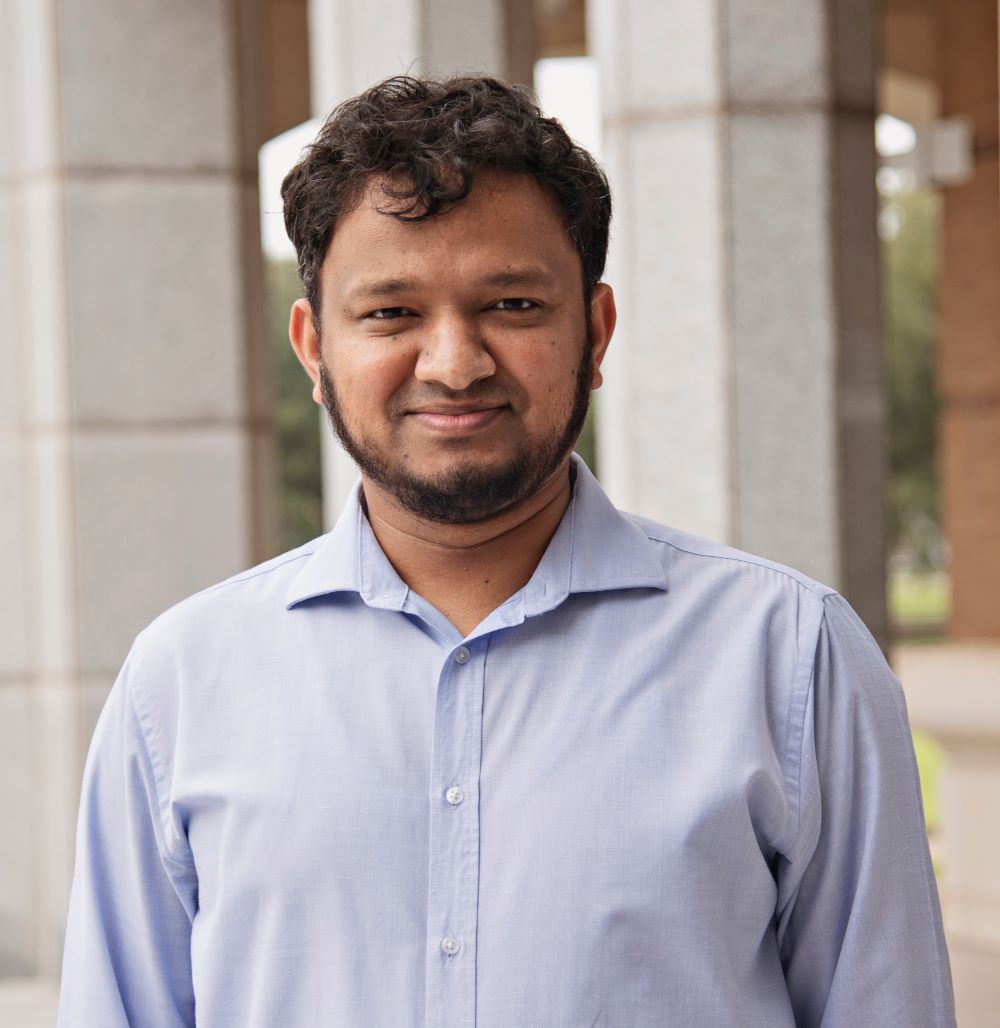
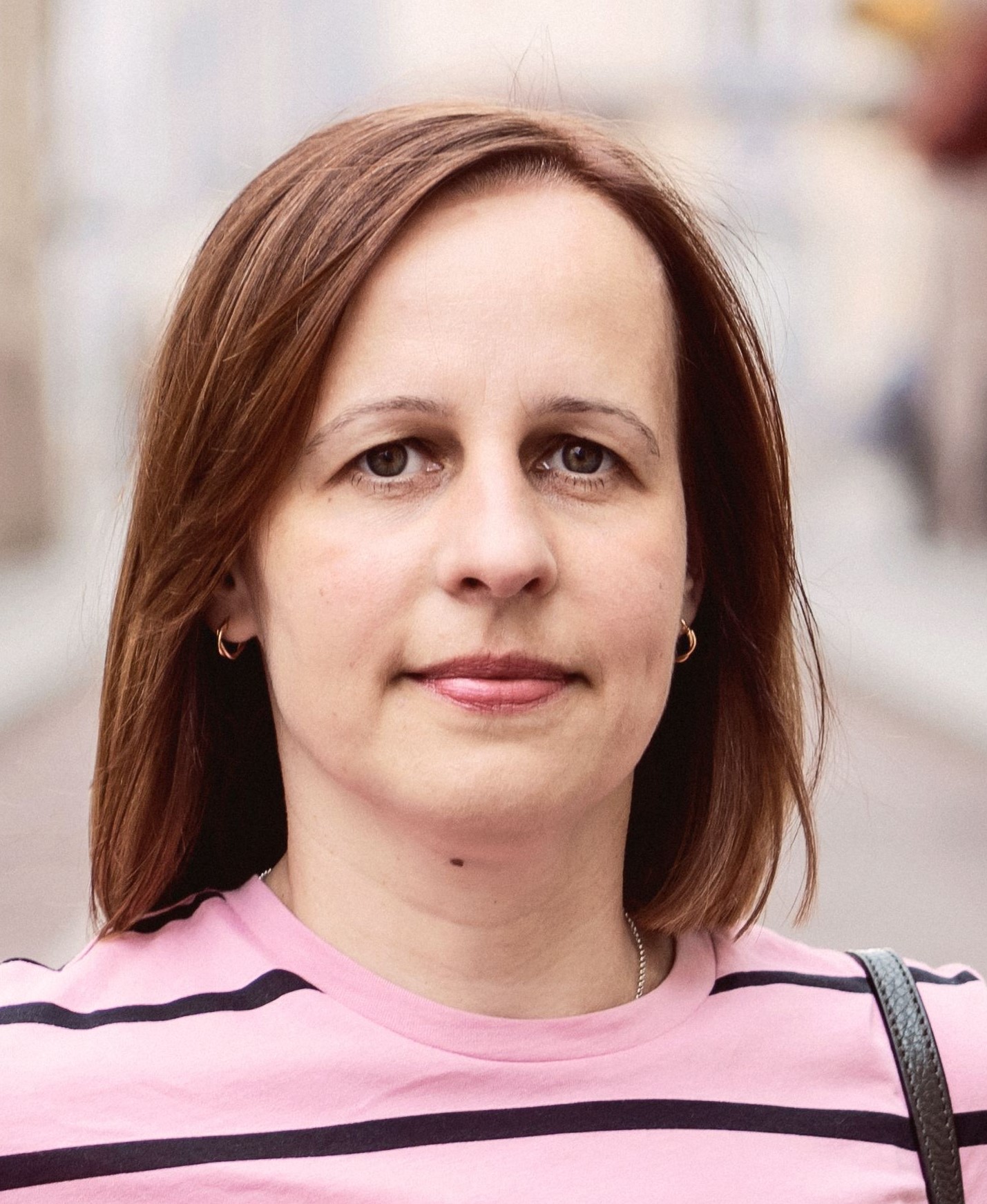
Tauhidul Alam serves as Assistant Professor in the Department of Computer Science within the College of Arts and Sciences at Louisiana State University Shreveport (LSUS), where he has taught since 2019. His research focuses on advancing autonomous robotic systems through innovations in artificial intelligence and cyber-physical applications. Dr. Alam holds a Ph.D. in Computer Science awarded in 2018. His scholarly work centers on robotics challenges including motion planning for underwater vehicles, multi-robot coordination under resource constraints, and energy-aware autonomous navigation. Key research domains span artificial intelligence, cyber-physical security using blockchain, and persistent monitoring in constrained environments. Analysis of his 14 recent publications reveals a strong emphasis on solving real-world robotics problems in marine and aquatic settings. His work consistently addresses uncertainty handling, multi-agent coordination, and security vulnerabilities, with increasing integration of data-driven methodologies across autonomous systems research. Scientific recognition includes: Best Student Paper Finalist at MTS/IEEE OCEANS Conference (2018) Dr. Alam teaches undergraduate courses including Computer Architecture (CSC 242), Database Systems (CSC 315), and Artificial Intelligence (CSC 465), alongside graduate-level instruction in Programming Languages (CSC 620) and Cloud Computing (CSC 690). Information regarding advised students, research grants, or laboratory affiliations is not specified in available materials.
Vianney Perchet is an Associate Professor and Permanent Member at CREST, ENSAE Paris, specializing in the intersection of machine learning, game theory, and economics. His research spans theoretical foundations to practical applications in recommender systems and user behavior modeling, with a concurrent part-time role as principal researcher at Criteo AI Lab focusing on exploration efficiency. His research interests bridge mathematics, computer science, and economics, emphasizing reinforcement learning, social learning, online matching, bandit problems, and auction theory. Key contributions address optimal algorithm convergence rates, non-clairvoyant scheduling, fair resource allocation, and asynchronous multiplayer bandits, demonstrating strong interdisciplinary integration across theoretical and applied domains. Recent publications at NeurIPS, ICML, and AISTATS reveal a cohesive trend toward learning-augmented algorithms for scheduling and allocation problems, with growing emphasis on fairness constraints, communication limitations, and partial prediction scenarios. This work consistently connects theoretical guarantees with real-world economic and technical applications. No scientific awards were explicitly documented in the provided materials. Perchet advises 5 active PhD students on reinforcement learning, social learning, and online matching/bandits, while 4 former students have completed doctorates on bandits and auction theory. His industry collaboration with Criteo AI Lab provides practical validation for theoretical frameworks in recommender systems. As a core CREST research center member, he actively participates in academic initiatives including the Mediterranean Game Theory Symposium, Games and AI Summer School, and Learning in Games workshops, fostering cross-institutional collaboration in algorithmic economics.
Dr. Olga Kurasova is a Professor and Senior Researcher at Vilnius University's Institute of Data Science and Digital Technologies, where she leads research in the Cognitive Computing Group. Her work focuses on developing advanced computational methods for real-world applications. Her primary research explores machine learning paradigms including deep learning for cybersecurity (keystroke dynamics, adversarial attacks), medical image analysis (pancreatic cancer detection), industrial monitoring, and explainable AI. She maintains strong collaborations across disciplines, particularly in healthcare and security domains. Analysis of her recent publications (2023-2025) reveals three dominant themes: (1) Advanced biometric authentication systems using behavioral analysis and deep learning, (2) Medical AI applications focusing on pancreatic cancer detection through CT image analysis, and (3) Theoretical advancements in explainable AI methodologies for high-stakes domains. Significant scientific recognition includes: 2021 Lithuanian Science Prize for the cycle 'From Data Science to Artificial Intelligence Technologies' 2024 Vilnius University Rector's Science Prize She has led multiple national research projects, including a 2024-2027 LMT-funded initiative on 'adversarial machine learning for cybersecurity' and coordinated interdisciplinary teams for projects on cognitive computing capabilities and optimal data mining solutions. She directs research within the Cognitive Computing Group, focusing on developing intelligent systems for data analysis, visualization, and decision support across healthcare, cybersecurity, and industrial applications.
Kobus Barnard is a Professor in the Department of Computer Science at the University of Arizona, with his office located in GS 708. His research bridges computer vision, machine learning, and interdisciplinary scientific applications across diverse domains. Education: Ph.D. from Simon Fraser University (1999) His research interests focus on extracting meaningful insights from complex data through computer vision and probabilistic modeling. Key areas include machine learning for environmental monitoring (flood detection, plant disease analysis), social dynamics (interpersonal coordination, emotional coregulation), astronomy (transient classification), and multimodal learning (visual-linguistic integration). His work consistently applies deep learning to real-world problems requiring high-resolution data interpretation. Analysis of his 2022-2025 publications reveals three dominant trends: (1) Environmental applications using satellite imagery for flood mapping and agricultural monitoring, (2) Cognitive modeling of human teams and emotional dynamics through probabilistic frameworks, and (3) Astronomical data analysis leveraging host galaxy properties for transient classification. These threads demonstrate his commitment to solving practical scientific challenges through computational innovation. While scientific awards aren't documented in available sources, his leadership in projects like FloodPlanet and ToMCAT indicates significant contributions to data infrastructure. His advising and grant activities remain unreported in the source material, though his extensive interdisciplinary collaborations suggest substantial mentorship impact. Barnard's work operates at the intersection of multiple scientific communities, evidenced by applications spanning neuroscience, agriculture, astronomy, and social science. His current focus on high-resolution data fusion and multimodal modeling positions him at the forefront of real-world AI deployment.
Bo Hu is Professor of Biostatistics & Bioinformatics and Professor of Neurosurgery at Duke University, where he leads methodological and collaborative research at the intersection of biostatistics, bioinformatics, and clinical neurosciences. His dual appointments situate him within the Division of Biostatistics in the Department of Biostatistics & Bioinformatics and within the neurosurgical faculty. Education: Ph.D. in Biostatistics, University of Wisconsin–Madison, 2006 Research Interests: Professor Hu’s methodological work centers on advanced biostatistical and machine-learning techniques for high-dimensional biomedical data, including generative AI, synthetic data generation, and predictive analytics in medicine. Clinically, he collaborates on precision-medicine trials in oncology, neurodegeneration (Alzheimer’s disease), metabolic disease (type 2 diabetes and bariatric surgery), and treatment-resistant depression. His neuroimaging genetics portfolio explores structural brain endophenotypes in bipolar disorder and epilepsy using single-cell transcriptomic integration. Complementing his medical research, he maintains a vigorous program in remote-sensing informatics, developing deep-learning solutions for object detection, domain adaptation, and energy-infrastructure mapping from overhead imagery. Recent Grant Portfolio: Empagliflozin to Improve Right Ventricular Function in Pulmonary Arterial Hypertension – Cleveland Clinic Lerner College of Medicine (2025-2030) Gender and Asthma – Mayo Clinic Hospital-Arizona (2025-2027) Engaging Patients in Prenatal Genetic Testing Decisions – Cleveland Clinic Lerner College of Medicine (2025-2027) Laboratory & Collaborative Networks: Professor Hu leads interdisciplinary teams that bridge Duke’s Department of Biostatistics & Bioinformatics with clinical departments (Neurosurgery, Psychiatry, Medicine) and external partners such as Cleveland Clinic, Mayo Clinic, and multiple NIH consortia. These collaborations support large-scale clinical trials, multi-omics neuroimaging studies, and AI-driven remote-sensing analytics.
Paulo Jorge Freitas de Oliveira Novais is a Full Professor of Computer Science at the Department of Informatics, School of Engineering, Universidade do Minho, where he also holds a Habilitation in Computer Science. He leads the Synthetic Intelligence Lab at ALGORITMI Centre and coordinates the research line on Ambient Intelligence for Well-Being and Health Applications. His research spans Intelligent Systems, Machine Learning, Multi-Agent Systems, and their applications in Smart Cities, Health Informatics, and AI Ethics. PhD in Computer Science, Universidade do Minho, 2003 Habilitation in Computer Science, Universidade do Minho, 2011 Research interests include Ambient Intelligence, Ambient Assisted Living, Intelligent Environments, AI and Law, Conflict Resolution, and Explainable AI. His work focuses on enhancing system intelligence and reliability through novel architectures and ethical frameworks. Recent publications highlight applications in wastewater energy prediction, violence detection, student risk modeling, and urban logistics. Awards include multiple Best Paper and IBM Excellence recognitions across 2015–2023, plus a 2022 Career Recognition Award from the Ibero-American Society of Artificial Intelligence. Senior IEEE Member Chair of IEEE Computational Intelligence Chapter, Portugal IFIP TC 12 Artificial Intelligence Working Group Leadership He has supervised 132 PhD and Master’s students and contributed to editorial boards of journals like JAISE and ComSIS . His leadership roles include coordinating LASI – Intelligent Systems Associate Laboratory and serving as former president of APPIA.
Alexey Pavlov is a Professor of Petroleum Cybernetics at the Department of Geosciences and Petroleum, Norwegian University of Science and Technology (NTNU). He holds an MSc in Applied Mathematics from St. Petersburg State University, a PhD in Mechanical Engineering from Eindhoven University of Technology, and has industrial R&D experience from Statoil and Ford Motor Co. Education: MSc (Applied Mathematics, St. Petersburg State University), PhD (Mechanical Engineering, Eindhoven University) His research focuses on control systems for petroleum engineering applications, including nonlinear control theory, iterative learning control, and data-driven optimization methods. Publications reveal a strong emphasis on real-time drilling optimization, well integrity monitoring, and synchronization in networked systems. Recent work trends include machine learning integration for oil well monitoring, moment matching in model reduction, and extremum seeking control for multi-agent systems. Collaborations span institutions like Ford Motor Co., Statoil, and Eindhoven University of Technology. Current affiliations include the Department of Geosciences and Petroleum at NTNU. No scientific awards or advisee information is explicitly mentioned in the provided texts.
Simone Ferlin is an Adjunct Senior Lecturer at Karlstad University working with 5G and Internet evolution. She completed her PhD in computer science in 2017 at the Simula Research Lab and Universitetet i Oslo under the supervision of Dr. Ozgu Alay and Prof. Michael Welzl. Her PhD dissertation focused on increasing robustness in multipath transport with MPTCP. Dr. Ferlin's educational background includes a PhD in Computer Science from the Simula Research Lab and Universitetet i Oslo (2017). Her doctoral research centered on enhancing robustness in multipath transport protocols, specifically focusing on MPTCP (Multipath TCP). She also completed undergraduate work that contributed to a book project with Prof. Friedrich Oehme on electronics and circuit technology. Dr. Ferlin's research spans multiple domains at the intersection of networking, systems, and performance engineering. Her primary interests include network and system measurements, performance analysis, security, and congestion control. She investigates how networks like the Internet evolve, examining technology development, adoption patterns, and their impacts on various entities. Additionally, she explores ways to harmonize security and privacy while making them more usable and assessable. Her work particularly focuses on transport layer and multipath transport protocols, examining their performance and security aspects. She also investigates application and transport layer performance, automation, and monitoring. Her research extends to network programming in both Linux kernel and user space, mobile broadband networks from 2G to 5G, and their intersection with the Internet. She is deeply engaged in observability, distributed and system performance monitoring, and automation. Analysis of Dr. Ferlin's recent publications reveals a strong focus on next-generation networking technologies. Her work spans multiple domains including 5G/6G networks, transport protocols (particularly QUIC and MPTCP), network virtualization, container orchestration, and the application of machine learning to networking problems. She has increasingly incorporated large language models into network configuration and automation research. Her publications demonstrate a consistent emphasis on performance measurement, optimization, and security across diverse networking environments from the edge to the cloud. Dr. Ferlin has received notable recognition for her research contributions: Best paper award at IEEE ICIN'21 for 'Learning-based Incast Performance Inference in Software-Defined Data Centers' Applied Networking Research Prize (ANRP)'25 winner for 'NetConfEval: Can LLMs Facilitate Network Configuration?' Dr. Ferlin is actively involved in mentoring the next generation of networking researchers. She has co-supervised numerous Master's and PhD students across multiple institutions including Karlstad University, KTH, TU Berlin, University of Oslo, and universities in Brazil. Her students have worked on diverse topics including NAT64 performance comparison, system tracing visualization, network observability, ML applications to multipath transport, FEC integration with QUIC, high-performance networking for 5G, congestion control, shared bottleneck detection, multipath IoT applications, and container runtime performance. She is also involved in several significant research projects including Vinnova's SEMLA (Securing Enterprises via Machine-Learning-based Automation), Horizon Europe's CODECO (Cognitive Decentralised Edge Cloud Orchestration), and the Knowledge Foundation of Sweden's DRIVE (Data-driven Latency-Sensitive Mobile Services for a Digitized Society). Dr. Ferlin serves as Workshop Chair for ACM SIGCOMM '25, is a member of the ACM/IRTF Applied Networking Research Workshop (ANRW) steering committee, and co-chairs the Internet Congestion Control Research Group (ICCRG) at the IRTF. She previously served as Associate Technical Editor for IEEE Communications Magazine and has been active on numerous program committees for major networking conferences including SIGCOMM, CoNEXT, IMC, and PAM.
Beth Grill is a Senior Policy Researcher at RAND Corporation and a Professor of Policy Analysis at the RAND School of Public Policy. She specializes in national security policy, focusing on security cooperation, integrated deterrence, and global health engagement. Grill holds a Master's degree in Middle East studies and economics from Johns Hopkins SAIS and has served in roles such as a Presidential Management Fellow and policy analyst at the U.S. Department of Commerce. Her expertise spans capacity building, combat medicine, and geopolitical strategic competition, with notable work on U.S.-European relations and military budgets. Grill has authored over 80 RAND publications, addressing topics like partner support for air operations, lessons from Afghanistan, and defense spending priorities. Her research emphasizes actionable frameworks for enhancing allied capabilities and adapting to strategic competition dynamics. Grill’s recent studies analyze barriers to interoperability with highly capable allies, fund allocation for global health security, and leveraging security cooperation in Air Force decision-making. Her work consistently bridges policy analysis with real-world operational challenges, offering evidence-based strategies for U.S. defense and foreign policy.
Dr. Jully Tan serves as an Associate Professor (Education Focused) at Monash University Malaysia's School of Engineering, leveraging over fifteen years of expertise in chemical engineering education and curriculum development. She plays pivotal roles in program accreditation through Malaysia's Engineering Accreditation Council and actively contributes to UN Sustainable Development Goals via educational and environmental research. Her academic credentials include: PhD in Chemical Engineering, Universiti Malaya (research: life cycle assessment for microalgae production) Master of Environmental Engineering, Universiti Teknologi Malaysia B.Eng. in Chemical Engineering, Universiti Teknologi Malaysia Dr. Tan's research centers on engineering education innovation —developing VR tools for process safety and gamified learning—and sustainable manufacturing , specializing in life cycle assessment of carbon/water footprints across palm oil, plastic waste, and biogas systems. Her work bridges theoretical knowledge with practical workplace readiness for multidisciplinary engineering students. Analysis of her 15 most recent publications (2022-2024) reveals dual thematic trajectories: educational technology (VR, gamification, digital equity) and circular economy solutions (plastic recycling, biowaste valorization, cellulose nanocrystals). These integrate environmental economics with industrial ecology, emphasizing scalable sustainability metrics for developing economies. Her accolades demonstrate excellence in both domains: IChemE Malaysia Highly Commended Award (2024) for educational innovation Engage & Educate Digital Learning Design Competition winner (2024) Faculty of Engineering Australia-Malaysia Travel Grant (2023) School of Engineering Certificate of Commendation for Early Career Education (2021) Institution of Engineers Malaysia Presidential Award (2022) As Primary Chief Investigator, Dr. Tan secures competitive grants including the 2025 Monash-Warwick project on ethical preparedness in engineering education and the ongoing VR-based process safety initiative (2022-2024). She mentors PhD candidates in teaching tool development and sustainable manufacturing while serving on national accreditation panels. Her leadership extends to organizing the Asia PSE Symposium and Malaysian Chemical Engineers Symposium, fostering industry-academia collaboration through the Institution of Engineers Malaysia.
Sanmi (Oluwasanmi) Koyejo is an Assistant Professor in the Department of Computer Science at Stanford University and an adjunct Associate Professor at the University of Illinois at Urbana-Champaign. He leads Stanford Trustworthy AI Research (STAIR), working to develop the principles and practice of trustworthy machine learning with applications to neuroscience and healthcare. Koyejo holds affiliations with multiple Stanford institutes including SAIL, HAI, CRFM, AIMI, AI Safety, Machine Learning Group, and Bio-X. Koyejo completed his Ph.D. at the University of Texas at Austin followed by postdoctoral research at Stanford University. His research bridges theoretical machine learning with practical healthcare applications, focusing on developing robust and fair AI systems that can be trusted in critical domains. His work spans algorithmic fairness, robust distributed learning, metric elicitation, and applications to medical imaging and neuroscience. His recent publications demonstrate a strong focus on emerging challenges in AI including emergent abilities in large language models, fairness in medical AI, federated learning, and robustness against adversarial attacks. His work has increasingly addressed real-world healthcare challenges through deep learning applications to medical imaging, particularly chest radiographs for disease detection. Scientific Awards: NSF CAREER Award 2021 Skip Ellis Early Career Award Sloan Research Fellowship Frederick E. Terman Faculty Fellow (2022) Best Paper Award from UAI Kavli Fellowship IJCAI Early Career Spotlight Koyejo actively mentors a large research group with numerous PhD students and postdocs. His research has been supported by significant grants including NSF funding for projects like 'Fair Federated Representation Learning for Breast Cancer Risk Scoring.' He serves in leadership roles including as General Co-chair for NeurIPS 2022 and President of the Black in AI organization. His STAIR research group focuses on developing trustworthy AI principles and practices, with applications to healthcare and neuroimaging. The group collaborates extensively with healthcare institutions including OSF Healthcare and participates in major initiatives like the NIH-funded MIDRC and the NSF AI research institute AIFARMS.
Luca Pavarino is a Professor at the Department of Mathematics, University of Pavia. His research focuses on scientific computing and numerical methods, particularly in the context of cardiac electrophysiology and multiphysics systems. He leads the Scientific Computing group, specializing in domain decomposition methods (BDDC/FETI-DP), isogeometric analysis, and parallel algorithms. His work integrates advanced numerical techniques with biomedical applications, including cardiac electromechanical coupling, drug testing on cardiac tissues, and modeling genetic cardiac disorders like LQT8 syndrome. Key contributions include scalable solvers for nonlinear systems, preconditioners for heterogeneous media, and operator learning for ionic dynamics. Research interests span computational cardiology, numerical analysis, and parallel computing, with applications to biophysics and drug discovery. His projects often involve interdisciplinary collaborations between mathematics, engineering, and medicine. Notable contributions include: Development of BDDC/FETI-DP preconditioners for cardiac models Integration of machine learning with cardiac electrophysiology High-performance computing for multiphysics systems (Biot’s consolidation, protein stability) Labs/Teams: Scientific Computing Group at the University of Pavia’s Department of Mathematics.
Umesh Sharma is Professor in the Faculty of Education at Monash University , Australia, and serves as Associate Dean (Equity and Inclusion) . Renowned internationally for advancing inclusive and special education, he leads large-scale research and policy initiatives across Australia, South and South-East Asia, and the Pacific. He is chief co-editor of the Australasian Journal of Special Education and the Oxford Encyclopedia of Inclusive and Special Education , and has authored over 150 scholarly works. Education & Qualifications Specific degree details are not provided in the text; however, his sustained professorial appointment and extensive publication record indicate doctoral-level qualification in education. Research Interests Professor Sharma’s research centres on inclusive education , special education , and positive behaviour support . He investigates teacher efficacy for inclusive practice, develops and validates psychometric scales for attitude and concern measurement, and designs inclusive curricular strategies . A significant focus is inclusive education in developing countries , with projects in India, Pakistan, China, Bangladesh, Fiji, Solomon Islands, Vanuatu, Samoa, and beyond. Recent Publication Trends Between 2024 and 2025 his work reveals a surge in systematic reviews, meta-analyses, and cross-national validation studies examining teacher attitudes, self-efficacy, and systemic support for inclusive practices. Emphasis is placed on post-pandemic educational recovery, policy analysis (e.g., India’s NEP 2020), and innovative teacher-education partnerships that bridge theory and practice across culturally diverse contexts. Scientific Awards & Recognition Dean’s Award for Excellence in Innovation and External Collaboration (2012) Dean’s Award for Research Impact (Economic & Social) (2016) Dean’s Award for Research Enterprise (2017) Outstanding Author Contribution Award (2015) Dean’s Award for Innovation for Learning and Teaching (2020) International Book Prize Award, Exceptionality Education International Zero Project Award for Outstanding Policy Development, United Nations Vienna (2016) Australia’s Research Field Leader in Special Education, Australian Chief Scientist Grants & Doctoral Supervision He has secured 30 funded projects since 2006, including two active ARC and government grants (2022-2026) on teacher capabilities in superdiverse classrooms and behaviour assessment in schools. While individual student names are not listed, he supervises doctoral researchers across inclusive education, disability studies, and teacher professional development domains. Laboratories, Teams & Networks Professor Sharma leads collaborative research teams within Monash’s inclusive education hub and coordinates the international CITED consortium (Inclusive Teacher Education & Development). He maintains active partnerships with universities, NGOs, and government agencies in more than 15 countries, fostering cross-cultural policy development and capacity-building initiatives.
Aida Akbarzadeh is a Senior Researcher at the Norwegian University of Science and Technology (NTNU) , specifically within the Department of Information Security and Communication Technology under the Faculty of Information Technology and Electrical Engineering . Her work focuses on cybersecurity, critical infrastructure protection, and cyber-physical systems (CPS). Research Areas: Threat modeling, digital twins for security, dependency-based risk analysis, advanced persistent threats (APT), IT/OT integration, and industrial control system vulnerabilities. Publications: Recent work includes studies on automating threat modeling, digital twin applications, APT attacks on power grids, and protocol-specific vulnerabilities (PTP, IEC 61850, IEC 60870-5-104). Collaborations: Active in interdisciplinary research with colleagues like Laszlo Erdodi, Siv Houmb, Sokratis Katsikas, and Tore Soltvedt. Labs & Groups: Member of the Critical Infrastructure Security and Resilience Group (CISaR) . Contact: aida.akbarzadeh@ntnu.no
Søren Feddersen serves as an Associate Professor in the Department of Clinical Research at the University of Southern Denmark's Faculty of Health Sciences, with dual appointments at Odense University Hospital (OUH) and the Research Unit of Clinical Biochemistry in Odense. His work bridges laboratory science and clinical applications through biomarker discovery across multiple disease domains. His research centers on molecular mechanisms in cardiovascular pathology, cancer progression, and infectious disease diagnostics , with particular expertise in microRNA profiling , genetic variant analysis , and cytokine signature identification . Current projects investigate JAK2 mutations in aortic aneurysms, pharmacogenomics in breast cancer treatment, and novel biomarkers for prostate cancer and tuberculosis diagnosis. Recent publications (2024-2025) demonstrate a strong translational focus through population-based cohort studies and diagnostic validation trials , frequently involving multi-center collaborations across cardiology, oncology, and immunology. His work consistently emphasizes clinically applicable biomarker discovery using plasma, blood, and tissue samples. Dr. Feddersen has supervised at least one Ph.D. thesis as indicated by institutional records. His collaborative network spans Karolinska Institutet (KI), Odense University Hospital, and international research teams, reflecting engagement in large-scale funded projects though specific grant details aren't publicly itemized. He operates within the Research Unit of Clinical Biochemistry at OUH, contributing to SDU's clinical research infrastructure through interdisciplinary teams focused on molecular diagnostics and precision medicine applications.