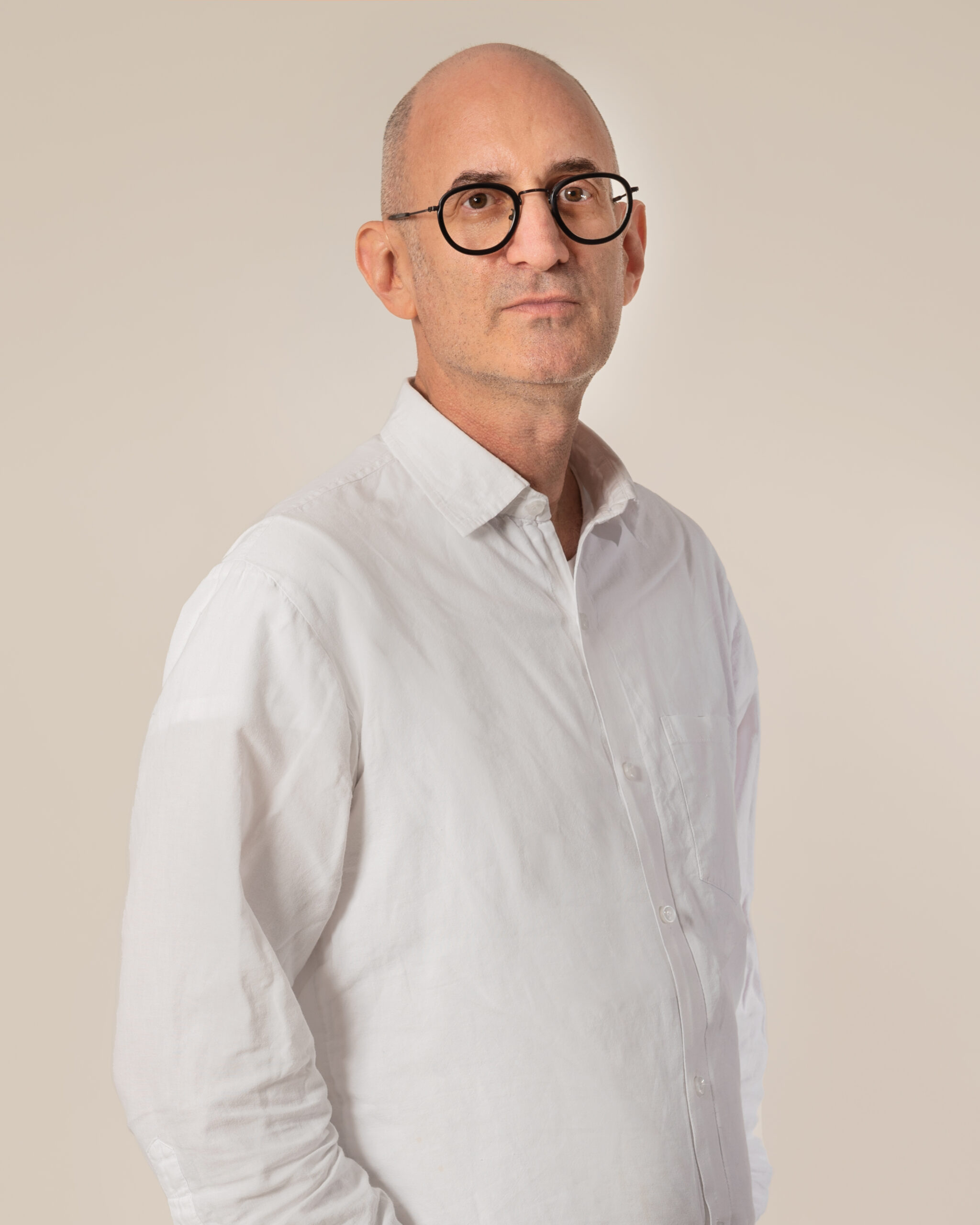
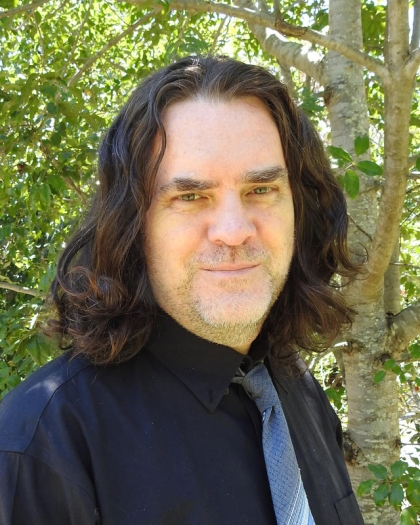
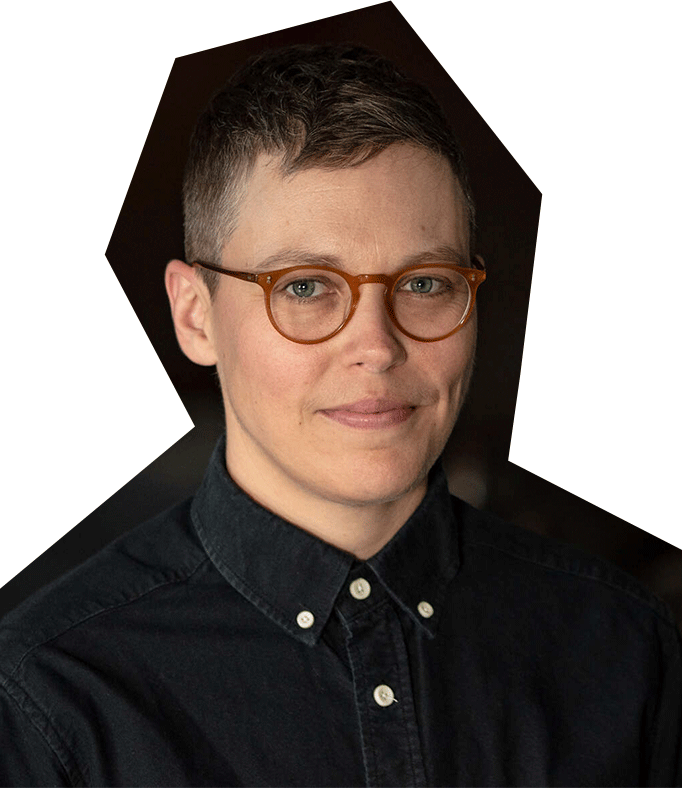
Dr. Caterina Albano is a Reader at Central Saint Martins, University of the Arts London. She holds a PhD in Renaissance Studies (London University, 1993–1998) and specializes in interdisciplinary research at the intersection of art, medical sciences, and cultural theory. Her work explores the cultural history of emotion, politics of memory, and contemporary art practices, with a focus on themes like fear, vulnerability, and the unconscious. Albano is a prominent curator, organizing exhibitions such as Psychoanalysis: The Unconscious in Everyday Life (Science Museum, London) and Crossing Over: Art, Science and Biotechnologies (Royal Institution). She also co-founded the Art and Science Research Group at CSM and chairs the College Research Degree Subcommittee. Her research integrates curatorial practice with academic inquiry, addressing topics such as neuroscience, biogenetics, and the ethics of air in contemporary art. Albano supervises doctoral students in art and curatorial practices and actively contributes to academic discourse through editorial roles and grant assessments. She speaks multiple languages, including Italian, French, German, and English, and her work bridges art, science, and humanities to explore complex cultural and societal issues.
Anna Abrahams is a Senior Programmer Artist Film and Artistic XR at Eye Filmmuseum in Amsterdam and teaches Moving Image at the Royal Academy of Art, The Hague, within the Photography department. She has been active in experimental film since 1989 as a co-founder of Rongwrong, an independent production foundation. Education: Studied film theory at the University of Amsterdam. Her research and practice focus on experimental film, virtual reality (XR), and moving image art. She bridges traditional film techniques (35mm, 16mm) with digital innovations, emphasizing immersive storytelling and artistic exploration of landscapes, urban spaces, and sociocultural themes. The films she has directed or co-directed, spanning 1995–2022, explore topics like psychogeography, counterculture, and digital experimentation. Her 2022 VR work Angels of Amsterdam highlights her engagement with extended reality technologies. As a co-author, she contributed to publications including Warhol Films , mm2. Experimental Film in the Netherlands , and film³ [kyü-bik film] , documenting avant-garde film practices and theoretical frameworks.
Amy Tobin is a Lecturer in the History of Art at the University of Cambridge and Curator of Exhibitions, Events, and Research at Kettle's Yard. She co-edits publications and organizes interdisciplinary projects like Group Work: Art and Feminism . Education: PhD in History of Art (University of York, 2017) Research Interests: Amy explores intersections between feminism, queer theory, post-colonialism, and critical race theory in modern and contemporary art. Her work examines collaborative practices, experimental cinema, and the politics of figuration in visual culture. Key Publications: She has contributed to journals like Tate Papers and MIRAJ , co-edited collections such as London Art Worlds , and authored exhibition texts. Current projects include a monograph on feminism, art, and sisterhood. Scientific Awards: Terra Foundation Pre-Doctoral Researcher, Paul Mellon Centre Grant, Henry Moore Foundation Grant Grants & Teaching: Amy has secured post-doctoral grants and taught at multiple institutions, including York, Birmingham, Goldsmiths, and West Dean College.
Claudia Lehmann is a University Professor of Film Art & Visual Communication at the Institute for Open Arts, Department of Scenography at Mozarteum University Salzburg. She has been a professor at Mozarteum University since 2019 and previously served as a visiting professor at the Berlin Weissensee Art Academy. As a faculty member, she contributes to the Institute management, teaches as a Teacher, and serves on the Curricular Commission. Dr. Lehmann holds a doctorate in physics (Dr. rer. nat.) with her dissertation "GAUGE COVARIANT MULTISCALE ANALYSIS OF COMPLEX SYSTEMS" published through DESY-Publications in 2004. Her academic journey reflects a unique interdisciplinary trajectory from scientific research to artistic practice. Claudia Lehmann's research interests center around the intersection of art and science, with particular focus on perception, reality, and systemic phenomena. Her work spans documentaries, feature films, music videos, art videos, installations, and performances, constantly searching for new forms and formats. She develops visual concepts, video stage sets, and unique live video performances, often in collaboration with Nicolas Stemann. Through her work, she explores diverse possibilities for new structures, especially in the form of artistic collaboration. Her recent artistic output shows a consistent trend toward interdisciplinary work that blends theater, film, and digital media. Lehmann frequently collaborates with Nicolas Stemann and Konrad Hempel, creating innovative performances that integrate video technology with traditional stagecraft. Her work often addresses social and political themes while experimenting with form and presentation. The Institute for Experimental Affairs (IXA), which she co-founded with Konrad Hempel, serves as a platform for exploring the interfaces between science and art through various projects and research initiatives. Dr. Lehmann has received several prestigious awards for her work: Samsung Smartfilm Award 2013 Shocking Shorts Award 2007 Nomination for German Documentary Film Music Prize 2013 Nomination for Studio Hamburg Young Talent Prize for Best Screenplay As an educator and researcher, Lehmann has developed numerous collaborative projects and performances that have been featured at major international festivals including the Berlin International Film Festival, Leipzig Documentary Film Festival, and various theater festivals. Her work with IXA represents a significant research initiative at the intersection of science and art. Lehmann co-founded the Institute for Experimental Affairs (IXA) with visual artist and composer Konrad Hempel. Through IXA, she conducts research and realizes projects at the interfaces between science and art. Her collaborative work spans theater productions, film projects, and interactive installations that have been presented at venues including the Schauspielhaus Zürich, Münchner Kammerspiele, Opéra Comique Paris, and various international festivals.
Professor Steven Eastwood is a Professor of Film Practice at Queen Mary University of London (QMUL), leading Film Practice and directing the BLOC arts complex. He holds a PhD from UCL Slade School of Fine Art (2007). His work bridges film, installation, and co-creation with neurodivergent communities, palliative care professionals, and medical educators. Eastwood's research focuses on neurodiversity representation, end-of-life narratives, and fact-fiction hybrid practices. Key works include The Stimming Pool (2024, co-created with Neurocultures Collective), ISLAND (2017, hospice documentary), and Buried Land (2010, Bosnian archaeology film). His ISLAND educational toolkit is used by NHS Trusts for medical training. Awards include Wellcome Trust grants, BFI London Film Festival premieres, and Grierson Award nominations. Academic Leadership: Head of Film Practice, QMUL Centre for Film & Ethics founder Education: BA/PhD from UCL, prior roles at University of East London and SUNY Buffalo Grants: Wellcome Trust, AHRC, Arts Council England, Paul Hamlyn Foundation Labs: BLOC cinema-lab complex with 4K Dolby Atmos facilities Research explores ethical filmmaking in sensitive domains like palliative care and autism advocacy. Recent projects include Autism Through Cinema (2018-2022) and Death and Dying studies through multiscreen installations. Supervision: 6 current PhD students focusing on documentary ethics, neurodiversity, and prison narratives External Examining: Practice-based film PhDs across UK institutions
Univ.-Prof. Dr. Marc Siegel has been Professor of Film Studies at Johannes Gutenberg University Mainz since October 2020. He is based at the Institute for Film, Theatre, Media and Cultural Studies and also serves as artistic director of ZOOM – Labor Ludwig Schönherr . In parallel, he works as a freelance curator for international film festivals, museums and galleries, and is a founding member of the Berlin-based artist collective CHEAP . Education & Qualification: Although the provided text does not enumerate earlier degrees, Siegel’s title “Dr.” and his appointment as “Universitäts-Professor” indicate the completion of doctoral and post-doctoral qualifications. Research Interests: Siegel’s scholarship is situated at the intersection of queer studies , experimental film , and moving-image art/performance . He interrogates how cinema and related media articulate questions of sexuality, gender, race and anti-Semitism, often employing archival, curatorial and critical methods to foreground marginalized histories and aesthetics. His forthcoming monograph A Gossip of Images (Duke University Press) crystallizes these concerns. Publications & Trends: Across more than two decades Siegel has produced a consistent body of work that re-reads canonical avant-gardists (Warhol, Jack Smith, Werner Schroeter) and contemporary queer media alike. Recent essays expand into digital dissemination, camp temporalities, and the politics of ageing bodies, evidencing a trajectory from close textual analysis toward broader cultural critique. Scientific Awards & Distinctions: Member, Academy of the Arts of the World , Cologne Advisory Board, Forum Expanded , Berlinale Principal Investigator, AHRC-UK funded project “Serge Daney and Queer Cinephilia” (2018-2021) Research Grants & Collaborative Projects: DFG Graduate School “Configurations of Film” (GRK 2279), Goethe University Frankfurt am Main – associate researcher Swiss National Science Foundation project “Moving in Every Direction” , Lucerne University of Applied Sciences and Arts – associate researcher Laboratories & Teams: As artistic director of ZOOM – Labor Ludwig Schönherr Siegel mentors experimental media practices; he also co-founded the artist collective CHEAP , which produces queer interventions in urban and digital space.
Erika Tan is a Reader in Contemporary Art Practice and Course Leader of MA Fine Art at Central Saint Martins, University of the Arts London. With a multidisciplinary background spanning social anthropology, archaeology, and film directing, her research-led practice investigates postcolonial narratives, transnational identities, and decolonial methodologies through moving image, archival interventions, and curatorial projects. Education includes: M.A Fine Art - Central Saint Martins (1997) B.A (Hons) Social Anthropology and Archaeology - University of Cambridge (1991) Advanced Diploma in Film & Video - Central Saint Martins (1995) Film Directing - Beijing Film Academy (1994) Her research focuses on three primary domains: postcolonial museum practices examining colonial collections and restitution; transnational material histories exploring cultural exchange and identity formation; and decolonial methodologies challenging canonical art histories through archival reexamination. Current projects include SOAS-led research on Southeast Asian restitution paradigms and AHRC-funded work on decolonizing national collections through machine learning applications. Publication trends reveal sustained engagement with archival reinterpretation, particularly through the recurring 'Forgotten Weaver' project examining Malayan craft histories. Recent works demonstrate increased focus on participatory sound installations (e.g., Sonic Soundings ) and feminist knowledge-sharing frameworks like Slideshow Party developed for Singapore Biennale 2023. Significant recognitions include: Arts Foundation Digital Arts Fellowship (1998) ACME 5-year Fire Station Residency (2001) Samsung Digital Art Plus Prize Nomination (2012) Stanley Picker Fine Art Fellowship (2018-2020) As Research Associate with UAL's Decolonising Arts Institute, she contributes to major grants including the AHRC's 'Transforming Collections' initiative. She leads the Moving Image research group and has curated geo-locational projects like Sonic Soundings across international contexts.
Kass Banning is an Associate Professor at the Cinema Studies Institute , University of Toronto. Her research interrogates aesthetics, screen alterity, and minor cinema movements across diasporic, Indigenous, and queer contexts. She contributes to critical discourses on cultural translation, transnational analytics, and affect theory. Teaching areas: Critical race theory, migratory aesthetics, documentary media, and moving image installations Co-founded journals: CineAction , Borderlines Current projects: Co-leading the Image/Movement/Sound quadrant for the Andrew W. Mellon Foundation-funded Aesthetic Education: A South-North Dialogue Her scholarship spans Canadian women's cinema , Black British cinema , and collaborations with artists like John Akomfrah and Isaac Julien . She serves on the executive of the Film Studies Association of Canada .
Max Hattler is a media artist and Associate Professor at the School of Creative Media , City University of Hong Kong . He previously held Lecturer positions at Goldsmiths, University of London (2006-2014) and the Royal College of Art (2012-2014). His work explores intersections of abstraction/figuration , sound/image relationships , and creative media through experimental animation and audiovisual performance. Current Research Focus: Abstracted moving images as frameworks for rethinking power relations Recent Curatorial Work: Relentless Melt series (2021-2025) showcasing Hong Kong experimental animation Key Publications Trends : Recent articles examine stereoscopic innovation , graphical sound techniques , and abstract animation semiotics . His curatorial research in Hong Kong digital art and VR animation demonstrates technical and theoretical contributions. Major Awards : Cannes Lions (2013) Visual Music Awards (2010, 2011, 2014) CityU Teaching Excellence Award (2021-22) President's Award (2022) for research contributions Best Experimental Film at Reanima Festival (2017) International Presence : Regularly participates in Ars Electronica , Animafest Zagreb , and Society for Animation Studies conferences. Has conducted workshops at CalArts , Geneva University of Art and Design , and Floating Projects Hong Kong .
Jason Nelson is a Professor of Digital Culture in the Department of Linguistic, Literary and Aesthetic Studies at the University of Bergen, Norway. He is a creator of digital poems and fictions, builder of surrealist and politically focused art games and digital creatures. His work is exhibited widely in galleries and journals around the globe at FILE, ACM, LEA, ISEA, SIGGRAPH, ELO and numerous other venues. Nelson serves on organizational boards including the Australia Council Literature Board and the Electronic Literature Organization. Nelson's research focuses on the intersection of digital technology, creative writing, and artistic expression. He explores how AI and machine learning can be harnessed for creative purposes, developing new forms of digital literature and interactive art. His work often involves building expansive visual worlds through collaborative AI processes, creating interactive digital poetry, and developing novel approaches to digital narrative. Nelson's research spans digital humanities, electronic literature, AI-generated art, and interactive media, with particular emphasis on how these technologies transform creative processes and experiences. Over the past decade, Nelson's work has increasingly focused on the creative potential of AI technologies, especially in the areas of text-to-image generation and multimodal authorship. His projects often blend game engines with poetic expression, creating immersive experiences that challenge traditional boundaries between human and machine creativity. Recent works explore themes of multispecies futures, time perception, and the transformation of physical spaces through augmented reality. Nelson has received numerous scientific awards and fellowships including: Fulbright Fellowship at the University of Bergen Moore Fellowship at the National University of Ireland Winner of the Digital Writing Prize, Queensland Literary Awards (15,000 AUD) Winner of the Woollahra Library Digital Poetry Prize (5,000 AUD) Runner-Up Prize at the Videomedeja digital art exhibition Finalist for the Turn-on Literature Prize Finalist for the Queensland Literary Awards, Digital Writing Category Multiple finalist nominations for the New Media Writing Prize Nelson actively participates in academic advising and has secured significant research funding, including a 125,000 AUD grant from the Australia Council of the Arts, Literature Board for his project "Cube Cryptext and Nomencluster," which was recognized as the world's largest interactive art-game. His work "Nine Billion Branches" received multiple awards including the Digital Writing Prize from the Queensland Literary Awards. He has also received a 75,000 NOK grant for the "Flood Mosaic Artwork" project featured in the Floodlines Exhibition at the State Library of Queensland. Nelson is affiliated with the Center for Digital Narrative at the University of Bergen, where he collaborates with researchers like Scott Robert Rettberg and Alinta Krauth. Together they form EphemerLab, exploring new creative processes that move beyond simple "ask and generate" AI methods. Their work involves stitching together hundreds of individual image fragments and components into cohesive visual and narrative concepts, pushing the boundaries of what's possible with current AI technologies.
Jez Coram is a Lecturer in Digital Media Practice at the University of Leeds , School of Media and Communication. He holds a practice-led PhD in Fine Art, Film, and Digital Cultures from Newcastle University, supervised by leading figures in the field. With a background in the third sector, he has extensive experience in multimedia design, research, and community engagement. Research Focus: Expanded essay film, socio-cultural-techno perceptions, climate futures, hybrid documentary practices, and sustainability. Current Projects: Co-Investigator on the Polycrisis Research Network (Horizons Institute); leads the longitudinal study Essaying the Gare with Mick Schofield. Teaching and Professional Roles: Currently teaches on the BA Digital Media programme. Previously a Teaching Assistant at Newcastle University and a facilitator in community art projects like For the Love of People . Professional memberships include the Priestley Centre for Climate Futures and Advance HE (FHEA). Artistic Outputs: 15+ films/installations (2012–present) blending personal testimony, archive material, and speculative environments. Notable works: The Black Prince , Capteur , The Derealisation Effect , and We're All Someone's Daughter, We're All Someone's Son (Grenfell solidarity project). Grants and Collaborations: Funded by Horizons Institute, Arts Council England, Screen Yorkshire, and Freedom Studios. Collaborations span institutions like West Yorkshire Playhouse, Justice4Grenfell Campaign, and Purple Patch Arts board.
Kate Warren is a Senior Lecturer at the Centre for Art History & Art Theory within the School of Art & Design, Australian National University (ANU), part of the ANU College of Arts & Social Sciences. Her expertise spans modern and contemporary Australian and international art, with specialized focus on film, photography, video, and new media practices. As both an active curator and academic, she bridges theoretical research with public engagement in visual culture. Education: PhD in Art History, Monash University BA (Honours) in Cinema Studies, University of Melbourne BSc, University of Melbourne Research Focus: Warren's scholarship critically examines how visual arts are represented in popular media, particularly Australian magazines and television from the mid-to-late twentieth century. Her work reveals how public reception shaped visual literacy and art understanding, connecting art historiography with media studies and cultural history. She investigates audience engagement models that transformed passive viewers into active participants within Australia's visual ecosystem. Publication Trends: Her recent output (2017-2023) demonstrates consistent exploration of photography's evolving role, video art's political dimensions, and digital mediation of artistic practices. Warren analyzes how memes, celebrity culture, and publishing platforms reshape art discourse, highlighting tensions between institutional narratives and grassroots reception. Her work consistently positions Australian art within global conversations while emphasizing local specificity. Advising and Projects: Warren supervises higher degree research students at ANU and leads the 'University Art Museums Review' initiative (2024-2026), which evaluates how academic art collections drive pedagogical innovation and community impact. This project examines collection stewardship models that balance historical preservation with contemporary relevance. Curatorial Practice: With formative experience at the Australian Centre for the Moving Image (2007-2011), Warren has curated significant independent exhibitions including 'I don’t want to be there when it happens' (2017) and 'Atong Atem: Come Home' (2017). As editor of Peephole Journal, she cultivates experimental film criticism that challenges conventional academic discourse.
Nica Ross is an Associate Professor of Video & Media Design and Director of The Frank-Ratchye STUDIO for Creative Inquiry at Carnegie Mellon University's School of Drama in Pittsburgh, Pennsylvania. With a background in cinema and advanced photographic studies, Ross brings a unique interdisciplinary approach to their work, blending technology, performance, and critical theory to explore how social constructions are reinforced by technology and performance. Ross holds a B.A. in Cinema from San Francisco State University and an M.F.A. in Advanced Photographic Study from The International Center of Photography-Bard College program. Their educational background has informed their practice as both an artist and educator, with a focus on critical applied learning and transdisciplinary collaboration. Through humor and play, Nica Ross creates participatory video installations and games that challenge social constructions reinforced by technology and performance. Their creative research focuses on “social machines” that reveal and interrogate cultural constructs, with particular attention to queer theory, gender non-conforming experiences, and the politics of visibility. Ross emphasizes liveness, human connection, and critical examination of tools and contexts in their teaching and artistic practice. Ross's recent work shows a trajectory moving from traditional video and media design toward increasingly interactive and participatory forms that engage audiences directly in questioning social constructs. Their projects increasingly incorporate game mechanics, queer theory, and critical examinations of surveillance technologies, often using RGB color systems and immersive environments to challenge perceptions of reality. Ross has received notable recognition including the Frank-Ratchye Fund for Art @ the Frontier, the Lighthouse Fellowship, and residency at Baxter Street CCNY. These awards support their innovative work at the intersection of technology, performance, and social critique. As Director of The Frank-Ratchye STUDIO for Creative Inquiry, Ross connects with researchers and creators across Carnegie Mellon University, fostering transdisciplinary practice and critical engagement with technology. Their leadership in this space has created opportunities for collaborative projects that challenge conventional boundaries between art, technology, and social inquiry. Ross's work often involves collaborative teams and labs, including partnerships with musicians like Geo Wyeth, artists like Ginger Brooks Takahashi, and technical collaborators at Carnegie Mellon's Panoptic Dome. These collaborations result in immersive installations, interactive games, and critical explorations of technology's role in shaping social reality.
Alex Munt is an Associate Professor at the University of Technology Sydney (UTS), affiliated with the Faculty of Design and Society. He serves as a key member of the Creative Practice Research Group and previously held the position of Acting Dean for Strategic Higher Degree Research Development at the UTS Graduate Research School from January to December 2021. With a background spanning both creative industries and academia, Munt brings extensive practical experience to his academic role, having worked for a decade in design, architecture, and 3D digital media before transitioning to film and academic work. Munt's educational background includes a PhD in Communications from Macquarie University (2010), a Graduate Certificate in Media Arts and Production (Film & Video) from the University of Technology Sydney (2004), and a Bachelor of Architecture (Hons) from the University of Adelaide (1996). His academic journey reflects a deliberate movement from architecture to film and media studies, creating a unique interdisciplinary perspective that informs his research and teaching. Munt's research expertise focuses on microbudget screen development and production in Australian and international contexts, with particular interest in expanded screenwriting practices, innovative screen aesthetics, and alternative models of film production. He examines granular aspects of film style, particularly diverse approaches to mise-en-scène, and explores how non-industrial filmmaking environments produce distinctive cinematic results. His work extends to expanded modes of moving image production, including video art, artist's moving image installations, and Cinematic Virtual Reality (CVR). Munt's research has been incorporated into Screen Australia's Story Development documents to support Australian low-budget screenwriters and directors. An analysis of Munt's recent publications reveals a clear trajectory toward immersive media and virtual reality storytelling. His work increasingly focuses on the theoretical and practical challenges of screenwriting for virtual reality environments, exploring spatial narrative structures, user embodiment, and the relationship between traditional filmmaking techniques and emerging immersive technologies. The research demonstrates how cinematic virtual reality requires rethinking fundamental elements of screen storytelling, particularly in relation to spatiality, narrative emphasis, and structural elements that differ significantly from conventional film. Four feature films as writer/director: LBF (2010), Poor Little Rich Girls (2013), Collectors (2021), and Isaac's Dream (2023) International recognition with award-nominated films screened and distributed worldwide Contributions to Screen Australia's Story Development documents Editor of the significant anthology 'Screenwriting for Virtual Reality: Story, Space and Experience' (2024) Munt supervises Higher Degree Research students with a particular emphasis on working with industry-based creatives who seek to rethink, reshape, and sustain their creative screen practices. His teaching philosophy draws on the lineage and evolution of indie, alternative, DIY, and microbudget approaches to film conception, development, and production. He views these approaches as creatively sustainable methods that both stand apart from and inform industrial modes of screen production. His research, teaching, and engagement all focus on creativity, creative practice research, and professional practice in film and creative screen media. As a practicing filmmaker and academic, Munt bridges theory and practice through the Creative Practice Research Group at UTS. His work demonstrates how academic research can directly inform and enhance creative practice while simultaneously advancing scholarly understanding of emerging media forms. His current focus on cinematic virtual reality represents a natural evolution of his longstanding interest in innovative screen aesthetics and alternative production models.
Torsten Lauschmann is a Senior Lecturer in Contemporary Art Theory and Practice (Post-Media) at the University of Edinburgh's Edinburgh College of Art. He holds an ORCID iD (0000-0003-3733-6985) and has taught across Fine Art, Intermedia, and Photography programs since 2002. His academic journey includes a BA in Fine Art from Glasgow School of Art (1993-1997) and a Medienkunst degree from Karlsruhe's ZKM (1999). Biography Education: BA (Fine Art), Medienkunst Teaching: Contemporary Art Theory and Practice Lauschmann's research explores intersections of digital and analogue technologies, focusing on human-machine relationships and the nature of the moving image. His works span installation, performance, and experimental film, often combining DIY aesthetics with high-tech elements. Research themes include technological mediation, embodied experience, and the philosophical dimensions of artistic practice. Recent artistic outputs include collaborative multimedia works like Untitled (Puppy) (2024) and explorations of generative AI in contemporary art (2023). His fingerprint in Edinburgh Research Explorer shows active engagement with audio-visual arts, Glasgow-based art communities, and experimental formats. Scientific Awards Paul Hamlyn Award (2013) Samsung Art+ Prize (Shortlisted, 2012) Derek Jarman Award (Shortlisted, 2011) Scottish BAFTA Award (Best Soundtrack, 2000) As advisor and assessor, Lauschmann has guided PhD students and participated in academic activities including symposia, residency panels, and research network involvement. His professional engagements extend to board memberships at Collective Gallery and contributions to new media research collectives.