- conservation science
- biodiversity
- climate change
- +۶ مورد دیگر
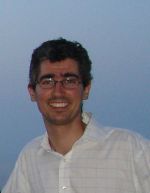
Gianluca Cerullo is a conservation scientist currently serving as a Visiting Researcher at the Department of Zoology, University of Cambridge, with additional affiliation to the Forest Animal Ecology Lab at Oregon State University. His research focuses on navigating trade-offs between biodiversity, climate, and economic objectives while meeting global wood demands through landscape-level modeling and field surveys. His primary research interests include conservation science, biodiversity preservation, climate change mitigation, forest restoration, and tropical ecosystem management. Cerullo combines detailed field surveys with ecological theory to develop approaches for reducing species extinction risk while addressing human needs for natural resources. His work spans multiple continents, with research conducted in Oregon, Borneo, Madagascar, the Colombian Andes, and Nigeria. Cerullo's scholarly output reveals a strong focus on practical conservation outcomes, with recent publications analyzing the complex relationship between tree plantations and ecosystem restoration, examining conservation strategies for endangered species like spider monkeys and pangolins, and exploring effective approaches to forest regeneration. His work consistently emphasizes the importance of evidence-based conservation decision-making and the need to move beyond simplistic solutions to complex ecological challenges. Among his notable contributions are analyses of how monoculture plantations can sometimes support restoration efforts when properly managed, investigations into the conservation value of naturally regenerating forests, and examinations of the challenges facing endangered species in fragmented habitats. His research often bridges academic theory with practical conservation applications. Cerullo is an active science communicator, contributing regularly to the international environmental journalism outlet Mongabay and maintaining his own blog focused on rainforest conservation. His writing emphasizes the importance of individual action in conservation, the need for thoughtful cause selection, and the value of evidence-based decision making in environmental protection efforts. His fieldwork experiences span multiple continents, where he has conducted research in diverse tropical ecosystems, from studying dung beetles in the Colombian Andes to tracking elephant populations in Nigeria's Yankari National Park. These experiences inform his practical approach to conservation science and his understanding of on-the-ground challenges facing biodiversity protection efforts worldwide.