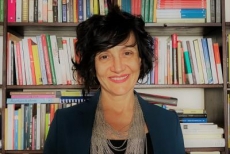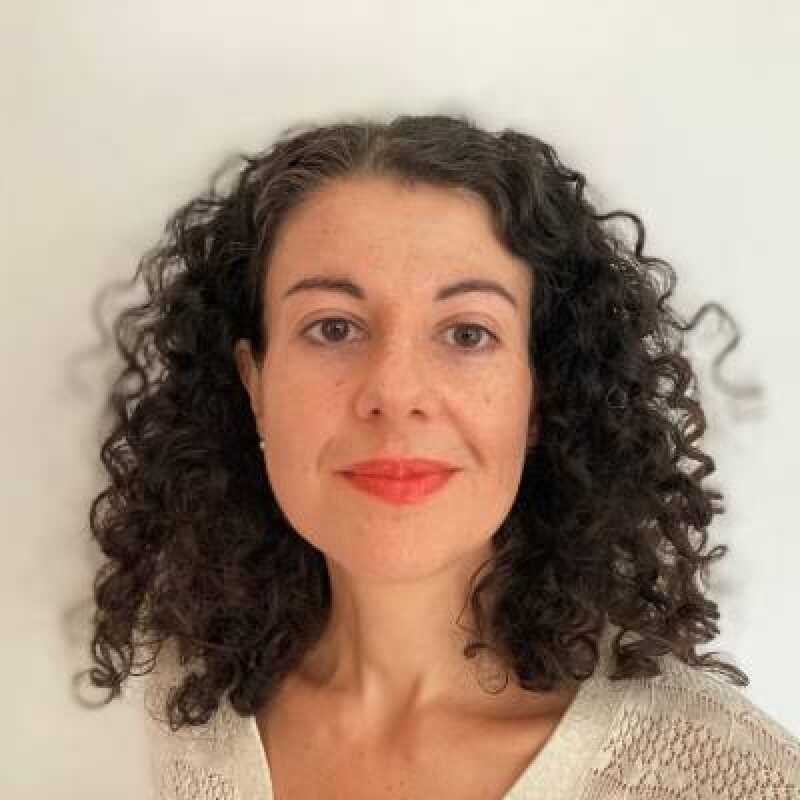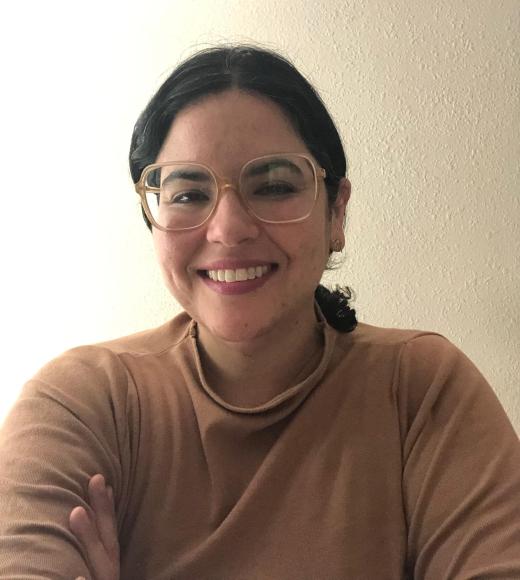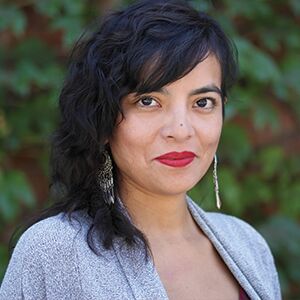
Claudia Arteaga serves as Associate Professor of Spanish, Latin American, and Caribbean Literatures and Cultures and Chair of the Department of Spanish, Latin American and Caribbean Literatures and Cultures at Scripps College. Her academic profile centers on indigenous representation in Latin America through cinematic and literary analysis, with particular emphasis on Andean societies. Her educational background includes: Ph.D. and M.A. in Spanish from Rutgers University B.A. in Linguistics and Literature from Pontificia Universidad Católica del Perú Arteaga's research critically examines indigenous self-representation in Peru, Bolivia, and Guatemala, investigating race-gender intersections , popular environmentalism , and epistemological translation in post-colonial contexts. Her work bridges Decolonial Theory , Indigenous Film Studies , and Andean Cultural Analysis , with significant contributions to understanding how communitarian filmmaking challenges dominant narratives. She actively connects academic research with social movements through interdisciplinary approaches. Her publication trajectory reveals consistent focus on indigenous media as decolonial praxis , with recent works analyzing Mayan documentaries, Quechua poetry, and Amazonian film schools. The research demonstrates evolving methodology from textual analysis toward community-engaged film studies, particularly examining how film festivals and grassroots cinema reshape environmental and identity politics across Latin America. Notable recognitions include: Mary W. Johnson Faculty Achievement Award in Teaching (Scripps College, 2018-2019) Sabbatical Research Fellowship (Scripps College, 2018-2019) Rutgers Teacher-Scholar Fellowship (2013-2014) Adolfo Snaidas Best Graduate Student Essay Award (2009) Arteaga has secured significant research funding from CLAS and GAIA for faculty-student collaborations and academic events, including the initiative 'Sumak Kawsay & Bolivarianism Today.' Her teaching portfolio spans advanced literature courses and specialized seminars on indigenous women's struggles, reflecting her commitment to integrating research with pedagogy. She maintains active engagement with the Latin American Studies Interdisciplinary Group, fostering connections between academic work and community activism. Her current projects extend into contemporary indigenous media production, with ongoing analysis of how digital platforms transform testimonial practices and environmental advocacy among Quechua and Mayan communities.