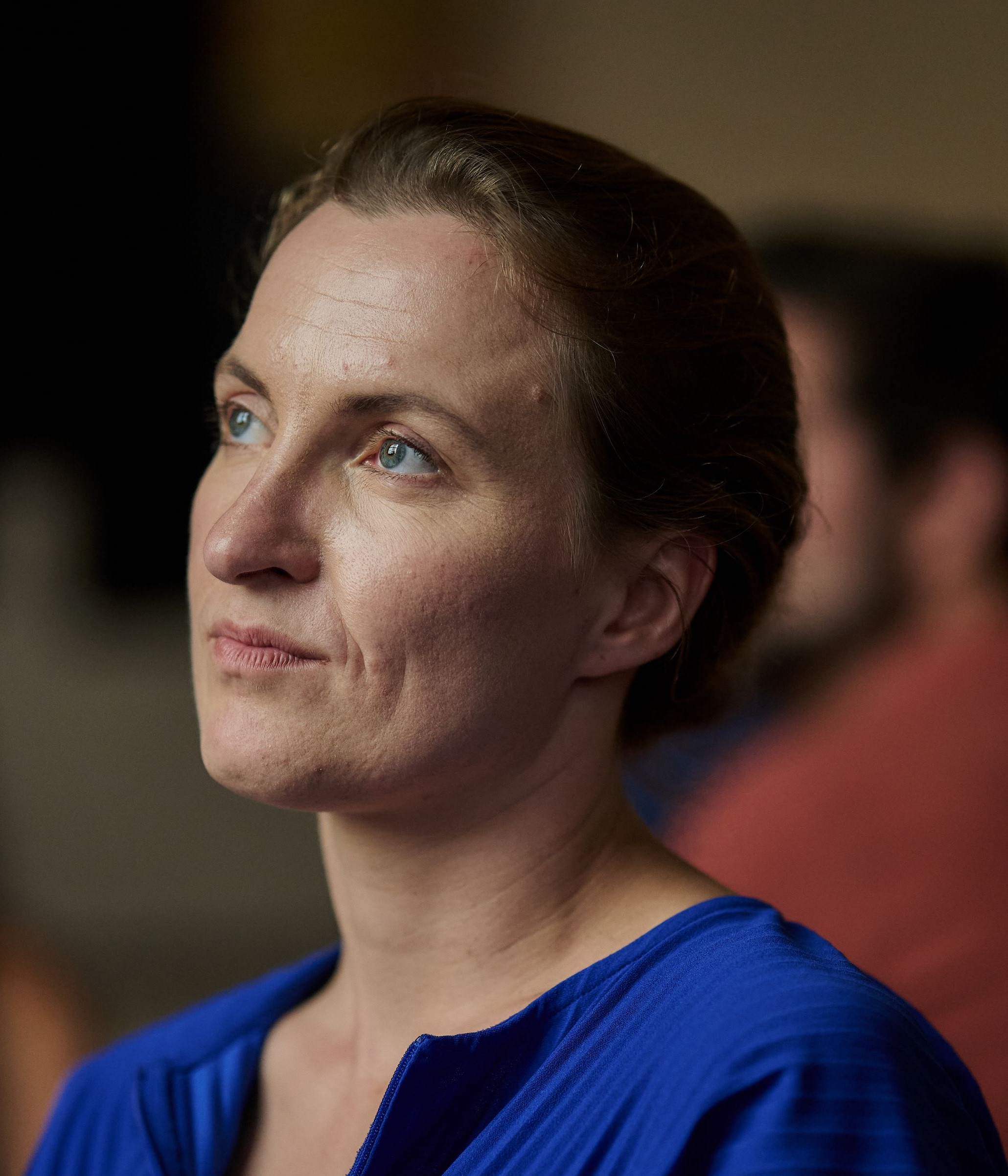
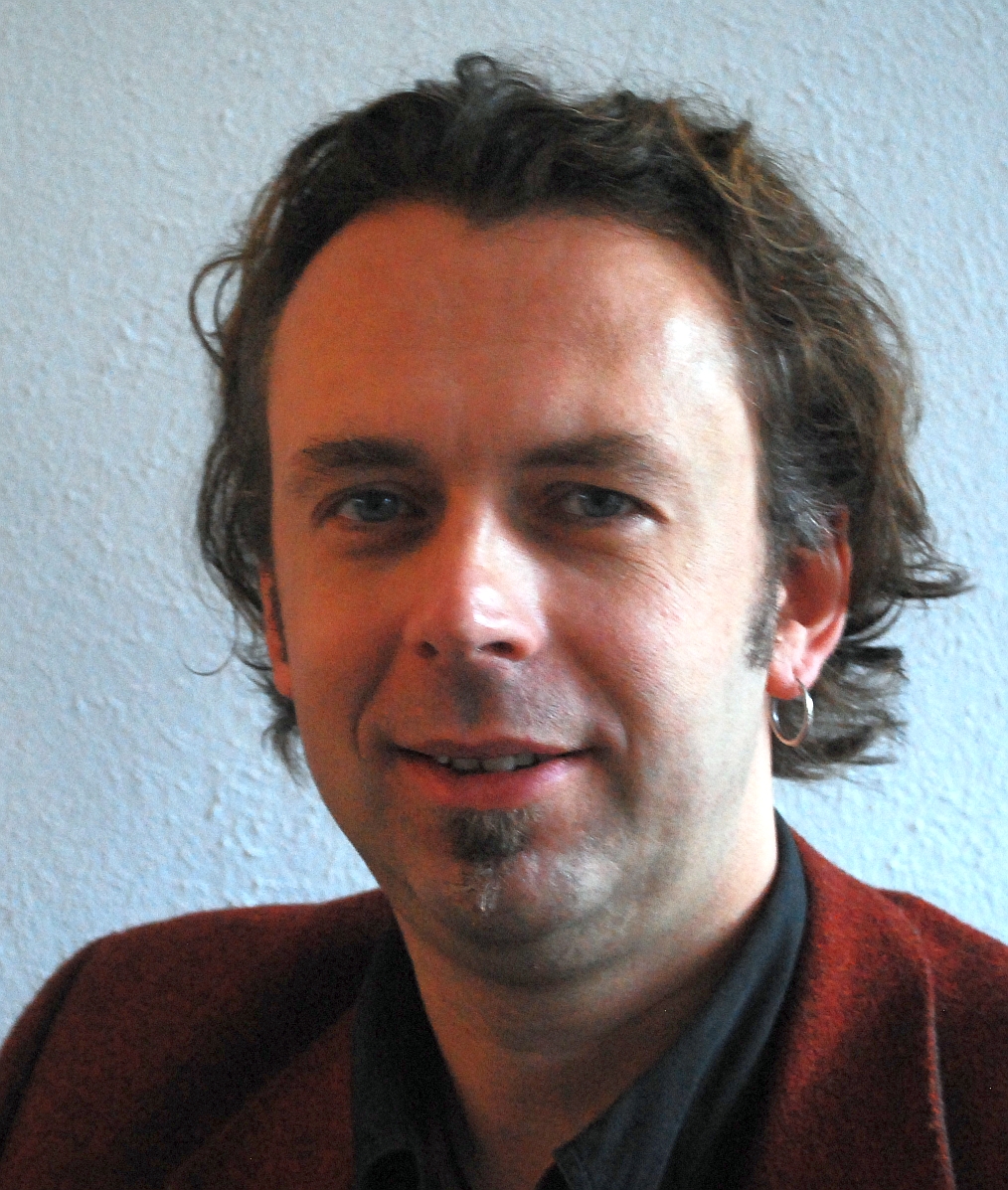
Antonia Krefeld-Schwalb is an Assistant Professor at the Department of Marketing Management, Rotterdam School of Management, Erasmus University. With a background in cognitive science and management, her research bridges computational modeling, eye-tracking, and consumer decision-making to address sustainability challenges. Current Affiliation: Assistant Professor, Rotterdam School of Management Research Focus: Sustainable consumer behavior, decision-making processes, and methodological improvements Key Collaborations: Columbia University, University of Geneva, Erasmus Sustainability Program Her cognitive science training informs methodological approaches like mouse/eye tracking and computational modeling applied to marketing problems. She investigates structural parameter interdependencies, external validity threats in surveys, and climate risk communication effectiveness. Recent research trends include climate adaptation strategies, sustainable behavior interventions, and meta-scientific analyses of statistical practices in consumer research. She advocates for heterogeneous population sampling and preregistration to enhance validity. Scientific Honors: Veni Grant (NWO) She develops targeted sustainability interventions through collaborations like the Erasmus Sustainability Program. Her work appears in journals such as PNAS, Journal of Marketing Research, and Psychological Review.
Rob Willemsen is an Associate Professor in the Department of Clinical Genetics at Erasmus MC, a leading academic medical center in the Netherlands. His research is centered on the molecular and genetic basis of neurodevelopmental and inherited disorders, with a focus on fragile X syndrome and related conditions. He employs advanced models such as zebrafish and in vivo systems to investigate gene regulation, methylation dynamics, and disease mechanisms. His research interests span clinical genetics , molecular genetics , neurodevelopmental disorders , epigenetic regulation , and rare genetic diseases . Using zebrafish models, he explores gene function and pathogenic variants associated with conditions like pediatric cardiomyopathy, hereditary spastic paraplegia, and refractive errors. His work often bridges basic science with translational applications, including drug testing in preclinical models. The trends in his recent publications indicate a strong focus on gene discovery , functional genomics , and therapeutic intervention for monogenic disorders. His studies frequently involve international collaborations and multidisciplinary teams, leveraging high-throughput sequencing, transcriptomics, and animal modeling to validate candidate genes from GWAS and clinical findings. Rob Willemsen has supervised 14 research projects, indicating an active role in mentoring students and junior researchers. He has received significant attention for his work, with mentions in news outlets and citations in major journals, though specific grants or funding sources are not detailed in the text. His collaborations span multiple institutions and countries, reflecting a broad scientific network. His research is conducted within the Clinical Genetics department at Erasmus MC, where he contributes to both fundamental research and potential clinical applications. While no specific lab name is mentioned, his work involves molecular and cellular analysis, animal models, and collaboration with clinical teams to translate findings into patient care.
Prof. Floris de Lange is a Professor at the Donders Institute for Brain, Cognition and Behaviour, Radboud University, and holds a part-time W3-Professorship in Cognitive Computational Neuroscience at the University of Bonn. His research focuses on understanding how top-down factors like goals, attention, expectations, and prior knowledge shape perception, cognition, and decision-making. He uses behavioral and neuroimaging techniques (MEG, fMRI, TMS) to study these processes in healthy and pathological brains. Key research themes include predictive perception, attention, and the neural mechanisms underlying decision-making. His work has been supported by prestigious grants such as the Vici and ERC Consolidator Grants. He teaches courses on Attention and Prediction, Cognitive Control, and Neurophysiology of Cognition and Behaviour. Education: Not explicitly stated in the provided text. Awards: Vici Grant (NWO), ERC Consolidator Grant, Ammodo Science Award, and others. Labs/Teams: Leads the Predictive Perception and Cognition group within the Donders Institute. His research highlights the brain’s predictive nature, demonstrating how expectations modulate sensory processing in early visual cortex and influence decision-making. He collaborates internationally, including an adversarial testing project on theories of consciousness.
Dr. Sohrab Khatab is a Researcher in the Department of Orthopedics and Sports Medicine at Erasmus MC, a leading medical center affiliated with Erasmus University Rotterdam. His work focuses on innovative treatments for joint disorders, particularly using stem cell therapies and regenerative medicine approaches. Dr. Khatab's research spans multiple disciplines including orthopedics, veterinary science, and regenerative medicine. His primary interests include stem cell research, arthritis treatment, intra-articular therapies, and osteoarthritis management. His work utilizes various animal models including equine, murine, and in vitro systems to develop novel treatments for joint inflammation and cartilage damage. Analysis of Dr. Khatab's publications reveals a consistent focus on regenerative approaches for joint disorders. His research demonstrates expertise in stem cell secretome applications, platelet-rich plasma therapies, and biomaterial encapsulation techniques. The work shows progression from basic in vitro studies to more complex animal models, indicating translational research aimed at clinical applications in orthopedics and sports medicine. Dr. Khatab has collaborated extensively with researchers at Erasmus MC, particularly with G. van Osch, N. Kops, K. Bos, and J. Verhaar. His work has generated significant academic interest with multiple publications accumulating substantial citations in the field of orthopedic regenerative medicine. Dr. Khatab's research is conducted within the Orthopedics and Sports Medicine department at Erasmus MC, which appears to have strong capabilities in regenerative medicine, stem cell research, and translational orthopedics. His work with both equine and murine models suggests access to comprehensive laboratory facilities for preclinical testing of novel orthopedic treatments.
Roelof Hut is a Professor of Chronobiology at the University of Groningen, affiliated with the Faculty of Science and Engineering and the Groningen Institute for Evolutionary Life Sciences (GIELS). He leads the Hut Lab - Chronobiology, focusing on circadian rhythms, photoperiodism, and evolutionary adaptations to environmental timing cues. His roles include Chair of the International Hibernation Society and editorial board memberships for Journal of Biological Rhythms , Journal of Circadian Rhythms , and Frontiers in Ecology & Evolution . Research interests span chronobiology, evolutionary biology, and neurophysiology, with a focus on circadian entrainment mechanisms, seasonal timing in animals, and the impacts of light on physiology and behavior. He has contributed to projects like the NWA-funded BioClock initiative, investigating circadian clocks in modern society and light’s role in human health. Key collaborations include studies on light entrainment in insects, stress effects on circadian clocks, and the genomic basis of climate adaptation in species like the winter moth. His work intersects with UN Sustainable Development Goals, emphasizing health and environmental sustainability. Roelof Hut has held postdoctoral fellowships at the University of Virginia and Inserm (France), and his research outputs include over 115 peer-reviewed articles. He is actively involved in public outreach, addressing topics like daylight exposure’s cognitive effects and the societal implications of circadian misalignment.
Professor Alain de Bruin (born 1968) is a distinguished academic at Utrecht University, serving as Professor in the Department of Biomolecular Health Sciences within the Faculty of Veterinary Medicine. Since January 1, 2020, he has been Head of the Department of Biomolecular Health Sciences. His academic journey began with veterinary medicine studies at the University of Hannover in Germany, followed by a PhD from the University of Bern in Switzerland in 1999. After specializing in veterinary pathology and completing a postdoctoral position at Ohio State University, he was appointed professor of pathobiology at Utrecht University in 2005. In 2010, he founded the Netherlands Molecular Pathology Center (UU/UMCG) and became an honorary professor of molecular pathology at the University of Groningen in 2014. Professor de Bruin's research primarily focuses on cancer biology, liver pathology, tumor suppression mechanisms, and aging processes. His expertise includes in vivo modeling, cell cycle analysis, generating transgenic mouse models, pathological analysis of animal disease models, and single-cell transcriptomics. His work centers on proteins that regulate cell proliferation, particularly E2F transcription factors, which he has discovered play critical roles in inhibiting cancer cell growth. His research themes span Life Sciences, Regenerative Medicine, and the Utrecht Platform for Organoid Technology. Analysis of his recent publications reveals a consistent research trajectory centered on cell cycle regulation, particularly the atypical E2F transcription factors (E2F7 and E2F8), and their roles in cancer development, polyploidization, and liver disease. His work demonstrates how these factors influence tumor suppression, angiogenesis, and cellular responses to DNA damage. The publications span multiple disciplines including cancer biology, molecular oncology, hepatology, and regenerative medicine, with applications in both human and veterinary medicine. Professor de Bruin has held significant leadership positions, including chairing the research council (2017-2019) and coordinating the 'Regenerative Medicine, Stem Cells, and Cancer' research program (2013-2019). He serves on the editorial board of 'Frontiers in Cell and Developmental Biology' and participates in review committees for NWO-Rubicon/Veni, the research alliance UTwente/UU/UMCU, and the Comprehensive Cancer Center at Ohio State University. His laboratory work has made significant contributions to understanding how E2F transcription factors regulate cell proliferation, with implications for developing novel cancer therapy strategies. His research on polyploidization mechanisms has provided insights into liver regeneration and tumor development, while his work on senescence has implications for aging-related diseases.
Hendrik Jan (Henk) Busscher is a Professor Emeritus in the Department of Biomedical Engineering at the University of Groningen, affiliated with the Faculty of Medical Sciences and the W.J. Kolff Institute. His research focuses on biomaterial-associated infections, microbial adhesion mechanisms, and surface modification strategies to prevent biofilm formation on medical implants. He has held leadership roles, including Head of the Department of Biomedical Engineering and Director-owner of consulting firm SASA BV, and serves as Editor of Colloids and Surfaces B: Biointerfaces . Research interests include physico-chemical interactions of biomaterials with biological components, antibiotic resistance, and nanotechnology applications in infection control. He has supervised over 79 PhD students and authored >636 publications, achieving an H-index of 58. Key contributions span biofilm dynamics, surface characterization techniques, and in vitro/in vivo infection models. His work emphasizes translational research, bridging academic and industrial partnerships in biomaterials innovation. Recent studies explore quantum dot synthesis for biomedical applications, pH-responsive drug delivery systems, and magnetic nanoparticle-based antibacterial strategies. Collaborations include global institutions and companies like Philips and Procter & Gamble. His interdisciplinary approach addresses sustainable healthcare challenges, particularly in preventing infections from medical devices.
Hetty Boleij is an Assistant Professor at Utrecht University's Faculty of Veterinary Medicine, affiliated with the Department of Population Health Sciences and the Animals in Science and Society research group. Her work focuses on non-invasive stress measurement in laboratory animals using infrared thermography and behavioral analysis. Academic Affiliation: Utrecht University, Faculty of Veterinary Medicine Department: Population Health Sciences Boleij's research explores emotional reactivity, judgment bias, and behavioral habituation in rodents. She has developed methods to assess stress responses in inbred mice and investigates welfare implications across different mouse substrains. Recent publications highlight her expertise in stress physiology, behavioral neuroscience, and animal welfare metrics. Her work combines pharmacological studies (e.g., diazepam effects) with environmental enrichment approaches to improve laboratory animal care. Teaching roles: Course coordinator for BSc Veterinary Medicine and co-coordinator for MSc Veterinary Public Health Methodologies: Infrared thermography, judgment bias tasks, behavioral habituation studies
Prof. dr. Wiep Scheper is a Visiting Professor at the Faculty of Science , Vrije Universiteit Amsterdam , affiliated with the Department of Functional Genomics and Amsterdam Neuroscience - Neurodegeneration . He holds a PhD in Molecular and Cellular Biology from Utrecht University. Research Interests: His work focuses on neurodegenerative diseases, particularly Alzheimer’s and tauopathies. Key areas include tau protein pathology, protein homeostasis, and translational neuroscience. His studies explore mechanisms like proteostatic stress signaling and epigenetic biomarkers in neurodegeneration. Recent Articles: Scheper’s recent work includes studies on DNA methylation in frontotemporal dementia, neuron-to-astrocyte stress signaling in tau pathology, and biomarker research using protein disulfide isomerases. His co-culture models for tau aggregation advance disease modeling efforts. Awards: 2021 KNAW Award Wetenschap Gewaardeerd for societal contributions to science. Grants & Activities: Supervised 7 PhD theses. Editorial roles at Alzheimer's Research & Therapy and Acta Neuropathologica Communications . Organized the Advanced Models Of NeurodeGeneration (AMONG) conference. Labs/Teams: Collaborates in interdisciplinary teams at Amsterdam Neuroscience, focusing on neurodegeneration mechanisms and translational research.
Paul Tiesinga is Professor of Neuroinformatics at Radboud University's Faculty of Science, where he directs the Neuroinformatics group at the Donders Centre for Neuroscience. His research focuses on understanding information processing in the brain, particularly the role of oscillations ('brain waves') in cognitive functions and disease mechanisms. He combines computational modeling with experimental approaches including optogenetics to investigate cortical dynamics. As Director of Education for the Institute for Mathematics, Physics and Astronomy, he oversees academic programs while maintaining active research in: Computational modeling of cortical circuits Oscillation mechanisms in neural coding Data sharing policies for neuroscience Information transfer between brain areas His recent publications reflect advances in neurotechnology development, thalamocortical connectivity analysis, and novel methodologies for neural data interpretation.
Barry Rockx is an Assistant Professor in the Department of Virology at Erasmus MC, where he conducts cutting-edge research on emerging and re-emerging RNA viruses. His work focuses on understanding viral pathogenesis, host immune responses, and developing advanced preclinical models to study infections such as SARS-CoV-2, Zika virus, West Nile virus, Usutu virus, and orthohantaviruses. His research interests span virology, immunology, and infectious diseases, with a particular emphasis on arboviruses and neurotropic viruses . He employs human lung xenograft mouse models and fetal organotypic brain slice cultures to investigate infection mechanisms and evaluate potential therapeutics. The recent publications (2024–2025) demonstrate a strong trend in studying vector-borne transmission , neurovirulence , and diagnostic development . His work frequently explores cross-viral comparisons (e.g., Usutu vs. Zika vs. West Nile), highlighting shared and distinct pathogenic mechanisms. Scientific contributions include: Development of a pan-orthohantavirus human lung xenograft model for preclinical testing Investigating mosquito saliva effects on West Nile virus pathogenesis Assessing neurotropism of Usutu and West Nile viruses in human neural tissues Implementing RT-PCR diagnostics for orthohantaviruses in endemic regions Dr. Rockx supervises research work, as indicated by the 'Supervised Work (4)' metric, suggesting mentorship of students or junior scientists. He collaborates widely across institutions and countries, contributing to a robust network in global virology research. There is no mention of formal education, awards, or grants in the provided text, but his publication record and active research profile underscore his significant role in advancing virological science.
Daryll Eichhorn is a researcher affiliated with the University of Groningen's University Medical Center Groningen, Department of Dermatology. His work spans molecular biology, genetics, and translational medicine. University: University of Groningen School: University Medical Center Groningen Department: Dermatology Research interests include gestational diabetes, dystrophic epidermolysis bullosa, and metabolic disorders. He utilizes mouse models to study intergenerational effects of hyperglycemia and develop exon skipping therapies. Key publications address: 2025: Gestational hyperglycemia's impact on offspring insulin sensitivity 2024: Postpartum metabolic liver disease in lean mouse models 2019: Type VII collagen's role in skin graft outcomes 2019: Exon skipping strategies for genetic skin disorders
Prof. Dr. Victor Rutten serves as an Associate Professor in Infectious Diseases & Immunology at Utrecht University's Faculty of Veterinary Medicine, where he conducts research within the Department of Biomolecular Health Sciences. His academic profile demonstrates a sustained commitment to advancing veterinary immunology across multiple species and disease systems. Faculty position: Associate Professor in Infectious Diseases & Immunology Institutional affiliation: Faculty of Veterinary Medicine, Utrecht University Department: Department of Biomolecular Health Sciences Research focus: Immunology of infectious diseases in domestic and wild animals Dr. Rutten's research spans multiple domains of veterinary immunology. His work demonstrates particular expertise in elephant endotheliotropic herpesvirus (EEHV), canine autoimmune disorders, avian immunology, and mycobacterial diseases. His laboratory investigates immune mechanisms at cellular and molecular levels, with emphasis on antibody responses, cellular immunity, and host-pathogen interactions. The interdisciplinary nature of his research bridges basic immunological principles with practical veterinary applications. Analysis of Dr. Rutten's recent publications (2021-2025) reveals three dominant research themes. First, his extensive work on EEHV represents a significant contribution to wildlife conservation medicine, with multiple publications on antibody detection, vaccine development, and disease epidemiology in Asian elephants. Second, his research on polymyositis in Kooiker dogs has identified a specific 39 kb genomic deletion associated with this condition, advancing understanding of breed-specific autoimmune disorders. Third, his investigations into Leptospira immunology span vaccine development, TLR signaling, and cross-species immune responses, demonstrating translational potential for both veterinary and human medicine. Dr. Rutten actively supervises PhD students as indicated in his university profile, though specific student names aren't provided in the available information. His research appears well-funded, supporting multiple publication streams across different disease systems and animal species. The collaborative nature of his work is evident through extensive co-authorship with researchers both within Utrecht University and international institutions. While specific laboratory details aren't provided in the available information, Dr. Rutten's publication record suggests leadership in a multidisciplinary research team with expertise spanning immunology, virology, bacteriology, and molecular biology techniques. His work with both domestic animals (dogs, chickens) and wildlife (elephants) reflects a comprehensive approach that bridges clinical veterinary medicine and conservation biology.
Ihor Smal is an Assistant Professor at the Department of Biology, Faculty of Science, Utrecht University. He has held previous positions at Erasmus MC (2009-2018) and TU Delft (2019-2020). His research bridges statistical image processing, smart microscopy, and explainable AI for biological motion analysis, with applications in automated real-time imaging systems. Education: M.Sc. in Physics and Electrical Engineering, Ivan Franko National University of Lviv (1999, cum laude) Professional Doctorate in Engineering (PDEng), Eindhoven University of Technology (2005) PhD in Biomedical Imaging, Erasmus University/MC (2009) His work focuses on developing AI-driven solutions for motion registration, particle tracking, and image understanding in biological systems. He leads the NWO IMAGINE! program's Tech Work Package 2, aiming to automate imaging experiments using explainable AI. The 15 most recent publications highlight his contributions to deep learning for CT segmentation, particle tracking, diffusive state modeling, and real-time imaging optimization. Key subfields include neural networks, biomedical signal processing, and automated microscopy. Scientific Awards: VENI grant Erasmus MC Fellowship NWO BBoL grant Students: Vincent Hellebrekers Daan te Rietmole His lab at Utrecht University, accessible via www.smal.ws, collaborates with institutions like Erasmus MC and TU Delft, leveraging facilities such as the Utrecht Biology Imaging Center.
Jelle Adelmeijer is a medical researcher at the University of Groningen's Faculty of Medical Sciences, Department of Surgery, specializing in the intersection of coagulation disorders and liver disease. His work primarily focuses on hemostasis mechanisms in cirrhotic patients, liver transplantation coagulopathy, and regenerative processes following liver injury. His research interests center on the complex relationship between coagulation factors and liver pathophysiology, with particular expertise in Von Willebrand Factor dynamics, thrombin generation in cirrhosis, and the role of coagulation factor XIII in liver regeneration. His work bridges basic science investigations of molecular mechanisms with clinical applications in liver transplantation and anticoagulant therapy for patients with advanced liver disease. Analysis of his publication record reveals a strong focus on translational research connecting coagulation biology with practical clinical challenges in hepatology. His recent work demonstrates increasing sophistication in experimental models, moving from in vitro studies to complex in vivo human transplantation research and innovative machine perfusion techniques that maintain liver function ex situ. Dr. Adelmeijer maintains an extensive collaborative network centered around the University Medical Center Groningen, working closely with leading experts in hepatology and transplantation surgery. His research program appears to be well-funded given the scope of his experimental work involving human liver perfusion systems and translational clinical studies.