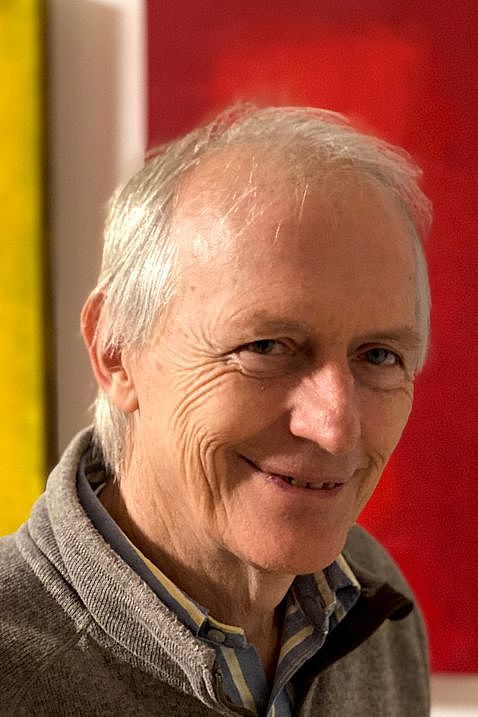
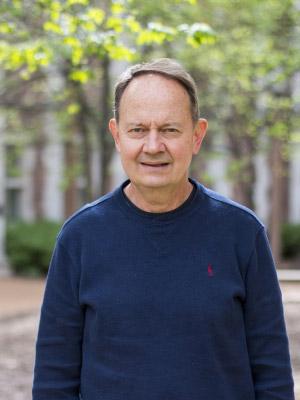
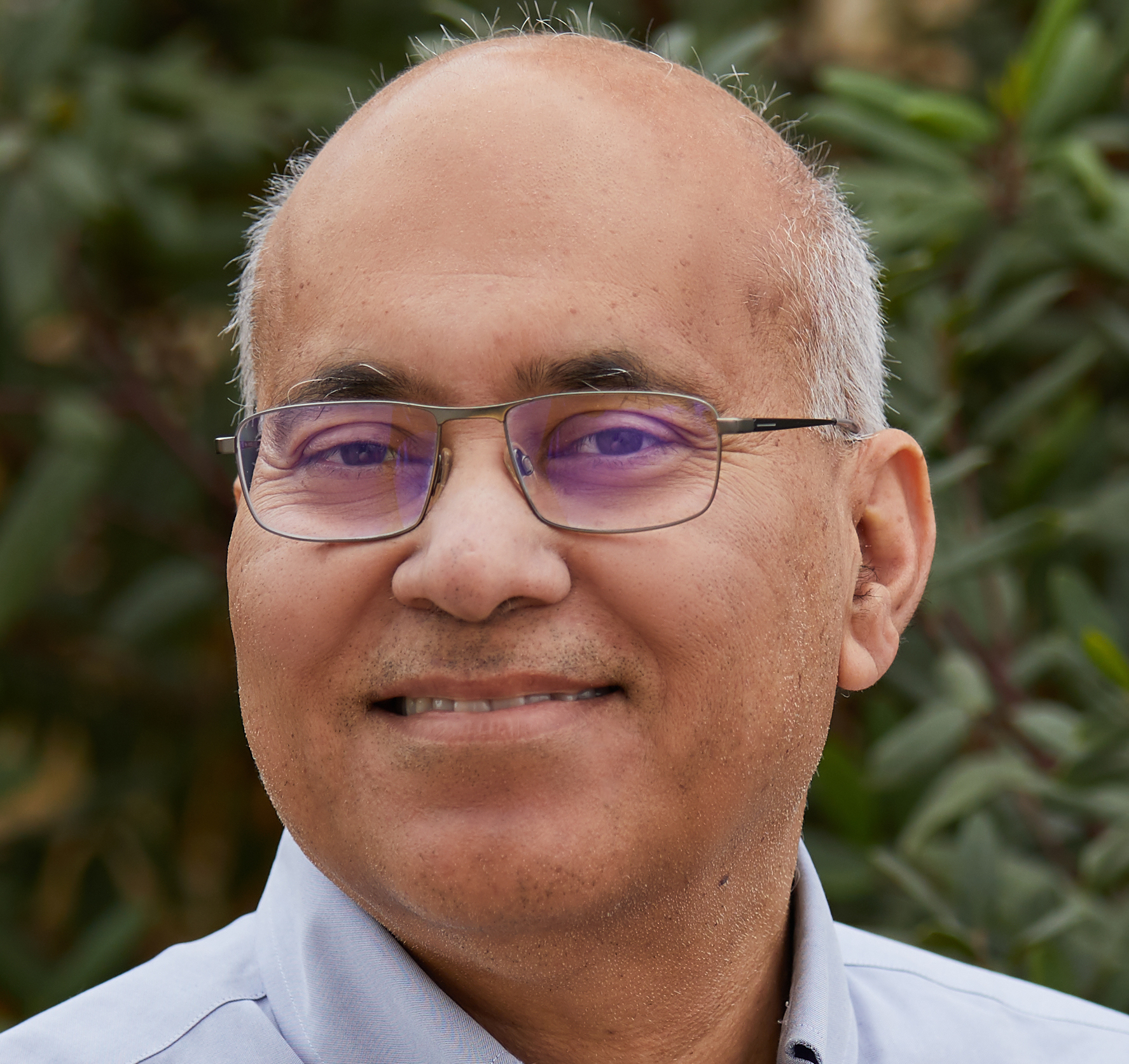
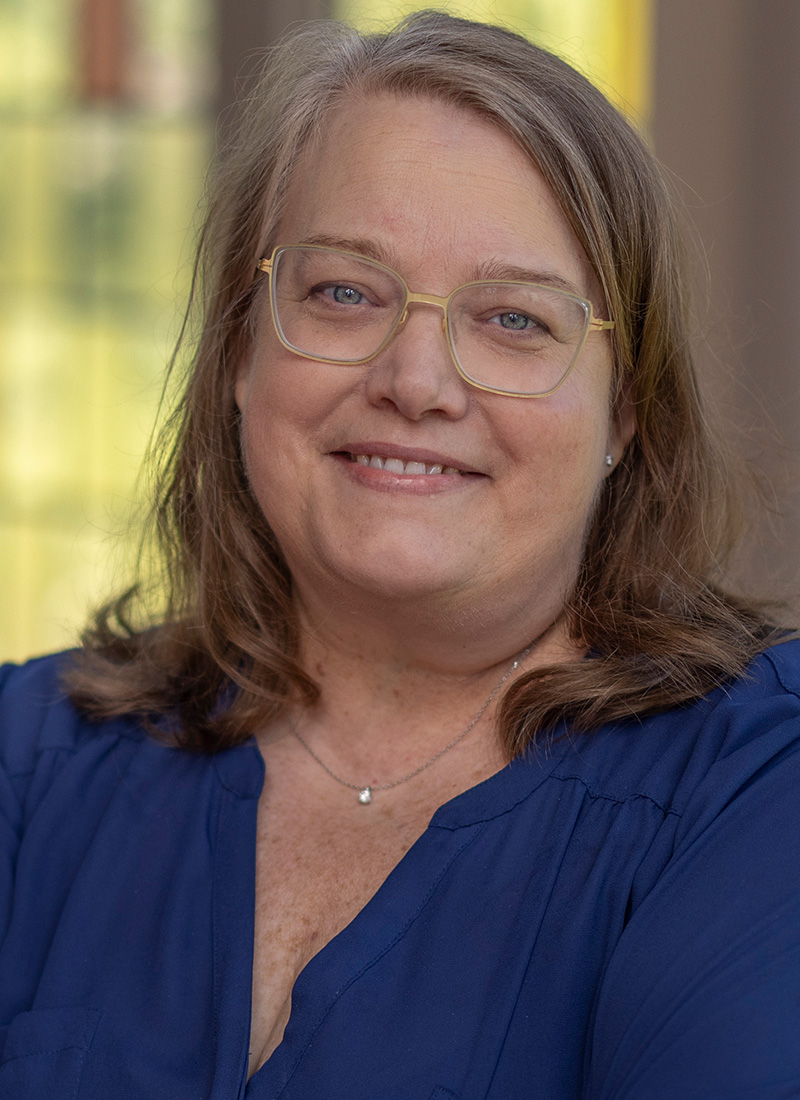
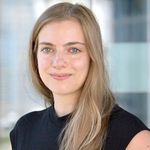
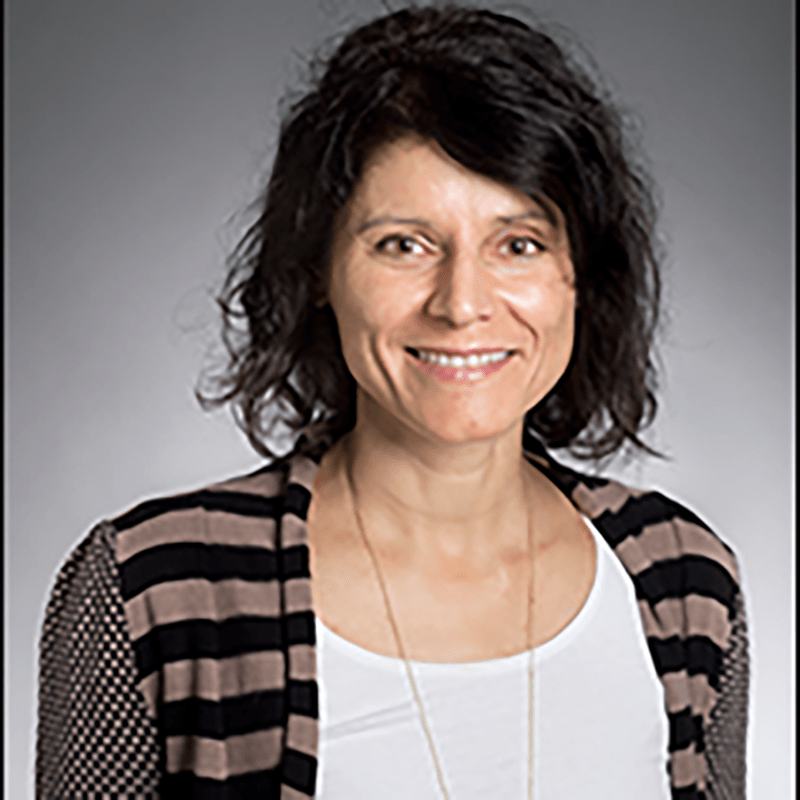
Dr. Katrin Vogt is a researcher at the University of Konstanz, specializing in neuroethology and sensory systems. Her work focuses on understanding recurrent neural circuits governing state-dependent behavior, particularly in olfactory systems of Drosophila larvae. She leads a subproject investigating hunger-dependent serotonergic modulation in the antennal lobe, collaborating with a doctoral student. Her research bridges vertebrate and invertebrate models to identify conserved network principles across species. Dr. Vogt is part of a DFG-funded interdisciplinary team examining recurrent circuits' roles in flexible behavioral responses to environmental changes. Her research interests include neural circuitry modulation, sensory integration, and behavioral plasticity. Key projects involve analyzing how sensory inputs are modulated by internal states like hunger, and how recurrent connections enable adaptive responses. She has contributed to studies on visual and olfactory memory formation, multisensory integration, and navigational strategies in Drosophila. Publications highlight work on dopamine signaling in taste punishment, social behavior in larvae, and cross-species odor coding principles. Her findings aim to uncover fundamental mechanisms underlying sensory-driven behavior and neural plasticity in both vertebrates and invertebrates.
Angels Colomé is an Associate Professor in the Department of Cognition, Development and Educational Psychology at the University of Barcelona's Faculty of Psychology. She specializes in numerical cognition, math anxiety, and decision-making processes. Her work integrates experimental psychology, cognitive neuroscience, and educational research to understand how cognitive and emotional factors influence mathematical reasoning. Education: Psychology Degree, Universitat de Barcelona (1996) Doctorate in Psychology, Universitat de Barcelona (2000) Research Interests: Dr. Colomé investigates how anxiety impacts numerical processing and mathematical performance. Her studies explore spatial processing deficits in math-anxious individuals, probabilistic reasoning biases, and decision-making under uncertainty in medical contexts. She employs behavioral experiments, electrophysiological measures (ERP), and neuroimaging techniques to uncover cognitive mechanisms. Key Projects: 2014-2017: 'Visió i Control de l'Acció' (AGAUR Grant SGR79) - Investigating visual-motor control mechanisms 2016-2019: 'Ansiedad matemática:el papel de la habilidad de procesamiento espacial' (MINECO Grant PSI2015-69915-R) - Examining spatial skills' role in math anxiety 2017-2021: 'Visió i Control de l'Acció' (AGAUR Grant SGR48) - Ongoing visual action control research Teaching: Recently taught courses include 'Cognitive Numerical Processing', 'Mathematical Processing Disorders', and 'Problem-Solving and Reasoning' at the undergraduate level. Labs/Groups: Member of the VISCA research group (Visual Action Control) and the Aprenentatge i Pensament educational innovation team. Collaborates with researchers like Maria Isabel Núñez-Peña and Joan Lopez Moliner.
Ignacio Cifre León is an Associate Professor in the Psychology and Speech Therapy Department at the Blanquerna School of Psychology, Education and Sports Sciences, Universitat Ramon Llull. His research focuses on neuroscience, functional connectivity, chronic pain, fibromyalgia, Alzheimer’s disease, and health communication, using advanced neuroimaging techniques like fMRI and EEG. His research interests center on understanding brain dynamics in neurological and psychological conditions. He investigates functional connectivity patterns in Alzheimer’s, fibromyalgia, and chronic pain, and explores brain complexity related to sleep and aging. His work also extends to mental health in high-risk populations, such as refugee rescue workers, and the psychometric adaptation of clinical tools for aphasia. The recent articles highlight a strong trend in applying nonlinear and multiscale methods to neuroimaging data, integrating fractal analysis, functional connectivity, and brain network dynamics across diverse conditions. His work bridges neuroscience, psychology, and biomedical engineering, with applications in clinical assessment and intervention. He leads and participates in several funded research projects, including FluctCoFuNLin, FASTCONN, and COMSAL, supported by national agencies such as Agencia Estatal de Investigación and MINECO. These projects focus on dynamical functional connectivity, health communication, and objective brain dynamics measurement. He is a core member of the 'Comunicació i Salut' (COMSAL) research group, collaborating with interdisciplinary teams across psychology, speech therapy, and neuroscience. His work involves both primary investigation and collaborative research with experts in trauma, aging, and language disorders.
Prof. Dr. Karl R. Gegenfurtner is a full Professor for General Psychology at the Department of Psychology, Faculty of Psychology and Sports Science, Justus-Liebig-University Giessen. He has held this position since 2001 and leads a prominent research group on visual perception. His work bridges low-level sensory processing with higher cognitive functions and motor control. Education: Psychology Student at the University of Regensburg, Diploma in Psychology, 1986 Ph.D. in Experimental Psychology, New York University, 1990 Postdoc at Howard Hughes Medical Institute and Center for Neural Science, NYU, 1990–1993 Research Scientist at Max Planck Institute for Biological Cybernetics, Tübingen, 1993–2000 Habilitation in Medical Psychology and Behavioral Neurobiology, 1998 Professor for Biological Psychology, Otto-von-Guericke University Magdeburg, 2000–2001 His research focuses on the neural and cognitive mechanisms of visual perception, particularly color vision, object recognition, eye movements, and sensorimotor integration. He investigates how humans perceive complex scenes and objects in natural environments, how these are represented in the brain, and how visual information guides motor actions. His recent work explores topics such as color categorization in neural networks, lightness perception, dynamic size recalibration, and the role of eye movements in perceptual decisions. The 15 most recent articles reflect a strong trend toward understanding perception in real-world contexts, integrating computational modeling, psychophysics, and neuroscientific methods. Key themes include color and shape perception, attention, eye movement control, and the interplay between perception and action. Scientific Awards: Member, German National Academy of Sciences Leopoldina (2015) Wilhelm Wundt Medal, German Society for Psychology (2016) Palmer Lecture, Colour Group (UK) (2019) Turrell Lecture Berlin (2019) Russell Devalois Memorial Lecture, UC Berkeley (2024) ICVS Verriest Medal (2024) Pineapple Science Award (2024) Prof. Gegenfurtner has supervised numerous research projects and training networks, including the DFG Collaborative Research Center TRR 135 on 'Cardinal mechanisms of perception' and the International Research Training Group BrainAct. He has received major funding, including an ERC Advanced Grant (2020) for 'Color 3.0'. He has served on editorial boards of top journals such as Journal of Vision , Vision Research , and Psychological Review , and was President of the Vision Science Society (2012–2013). He is actively involved in academic service, including the Alexander von Humboldt Foundation’s fellowship selection committee. He leads the Visual Perception research group at Giessen, which investigates cortical mechanisms of vision, perception of natural scenes, and the integration of sensory and motor information. The lab employs psychophysical experiments, eye tracking, computational modeling, and neuroimaging to study perception in ecologically valid settings.
David Balota serves as an Adjunct Professor in the Department of Psychological and Brain Sciences at Washington University in St. Louis. With a career spanning multiple decades, his research has significantly contributed to our understanding of cognitive processes in aging and Alzheimer's disease. His work bridges theoretical cognitive psychology with clinical applications, particularly in developing sensitive cognitive markers for early detection of neurodegenerative conditions. Dr. Balota's primary research interests focus on the interplay between attention, memory, and language processing, with specific emphasis on how these cognitive domains change in healthy aging and in the presence of dementing illnesses like Alzheimer's disease. His research program has extensively examined automatic and controlled processes in cognitive tasks, lexical decision performance across the lifespan, and the development of sensitive cognitive markers for preclinical Alzheimer's disease. A significant portion of his recent work has focused on mind-wandering, reaction time variability, and their relationship to Alzheimer's disease biomarkers. His extensive publication record demonstrates consistent contributions to the field, with recent work increasingly incorporating digital assessment methods and biomarker research. Dr. Balota has made notable contributions to understanding how subtle cognitive changes can predict progression to cognitive impairment, particularly through examining attentional control processes and their relationship to tau pathology and neurodegeneration. Dr. Balota has been instrumental in developing large-scale lexical decision and naming corpora that have become standard resources in psycholinguistics research. His work on the English Lexicon Project has provided valuable data for understanding word recognition processes across different age groups and clinical populations.
Jitendra Malik is the Arthur J. Chick Professor of Electrical Engineering and Computer Sciences (EECS) at the University of California, Berkeley, with affiliations in Bioengineering, Cognitive Science, and Vision Science groups. He previously served as Chair of the Computer Science Division (2002-2004) and Department Chair of EECS (2004-2006 and 2016-2017). He also worked part-time as Research Director and Site Lead at Facebook AI Research (Meta Inc.) during 2018-2019. Education : B.Tech in Electrical Engineering (IIT Kanpur, 1980), PhD in Computer Science (Stanford, 1985) Current Research : Computer Vision, Robotics, Machine Learning, Computational Modeling of Human Vision, and Biological Image Analysis Making significant contributions to computer vision , robotics , and machine learning , Malik’s work includes foundational algorithms like anisotropic diffusion , normalized cuts , and R-CNN . His recent research focuses on embodied AI agents , dexterous manipulation , 3D scene reconstruction , and vision-language-action models . His publications have received 11 best paper awards , including test-of-time awards like the Longuet-Higgins Prize (3x) and Helmholtz Prize (3x). Malik has mentored over 80 PhD students and postdoctoral fellows , many of whom hold prominent positions at institutions like MIT, Caltech, Google, and Meta. His lab’s work spans computer vision , robot learning , and 3D modeling , with applications in autonomous systems, medical imaging, and computational biology. Scientific Awards Presidential Young Investigator Award (1989) Distinguished Alumnus Award, IIT Kanpur (2008) IEEE PAMI-TC Distinguished Researcher (2013) K.S. Fu Prize, IAPR (2014) ACM-AAAI Allen Newell Award (2016) IJCAI Award for Research Excellence (2018) IEEE Computer Society Pioneer Award (2019) Fellow, IEEE, ACM, AAAS Member, National Academy of Engineering and National Academy of Sciences As a leader in sensorimotor learning and humanoid robotics , Malik has pioneered approaches for vision-based quadcopter control , humanoid locomotion , and visuo-tactile perception , further advancing the field of artificial intelligence and computational vision .
Kyle Jasmin is a Lecturer in Psychology at Royal Holloway, University of London, specializing in the Department of Psychology under the theme of Language, Memory and Attention . His research focuses on the neural and cognitive bases of communication, social interaction, and conceptual knowledge, particularly in atypical populations like autism. He holds a PhD in Cognitive Neuroscience from University College London (UCL). Research Interests: Neurobiology of communication and social interaction Language acquisition mechanisms Autism and developmental disorders Speech perception and prosody Neural connectivity patterns Cognitive adaptation in bilingual environments Scientific Awards: APS Rising Star (2021) Projects: Reward and motivation mechanisms supporting language learning (2023–2026, Medical Research Council UK, Co-Investigator)
Mary Miller is a Professor of Biology at Rhodes University, specializing in cell cycle regulation and cancer biology. Her research focuses on the molecular mechanisms governing eukaryotic cell division, particularly cyclin protein dynamics and DNA damage responses. B.A., University of Tennessee Ph.D., University of Virginia (Genetics, Microbiology, Cell Biology) Her laboratory investigates how the anticancer drug KP1019 induces cell cycle arrest in Saccharomyces cerevisiae , with implications for oncogenic processes in humans. Key areas include: Genome-wide transcriptional analysis Cell division cycle coordination Protein localization mechanisms Chemotherapeutic drug effects Recent publications highlight KP1019's impact on DNA damage responses and educational initiatives in yeast genetics. Collaborations include work with Pam Hanson and Laura Stultz.
Sandra Martin is a Postdoctoral Researcher at the Max Planck Institute for Human Cognitive and Brain Sciences in Leipzig, Germany, where she works in the Lise Meitner Research Group Cognition and Plasticity. Her research combines neuroimaging and neuromodulation methods with graph theory, large language models, and behavioral modeling to explore cognitive changes across the adult lifespan, with a particular focus on age-related changes in memory processes and their interaction with executive functions. Education: PhD in Cognitive Neuroscience (2018-2023) from the Max Planck Institute for Human Cognitive and Brain Sciences, Leipzig M.Sc. in European Master of Clinical Linguistics (2014) from University of Potsdam, Germany & University of Groningen, The Netherlands B.A. in Linguistics (2012) from Humboldt University Berlin, Germany Research Interests: Dr. Martin's research focuses on cognitive aging , neurolinguistics , and network neuroscience . She investigates how domain-general networks contribute to language prediction and semantic cognition across the adult lifespan. Her work often employs non-invasive brain stimulation techniques like transcranial magnetic stimulation (TMS) to understand the causal roles of specific brain regions in cognitive processes. She is particularly interested in how executive resources shape language predictability effects and how these relationships change with age. She's a strong advocate for open and reproducible research practices including preregistration and registered reports. Her recent publications reveal a strong trend toward understanding the neural mechanisms of semantic cognition and language processing across the lifespan. She combines multiple methodologies including fMRI, TMS, graph theory, and computational modeling to investigate how brain networks reorganize with age and how this affects cognitive performance. Her work has important implications for understanding cognitive aging and developing interventions for language disorders like aphasia. Scientific Awards: Doctoral fellowship from the German Academic Scholarship Foundation (Studienstiftung des deutschen Volkes) Advising and Grants: Dr. Martin has been involved in several research projects, including a DFG-funded project on 'The role of domain-general networks in natural language predictions' together with Prof. Dr. Gesa Hartwigsen (Leipzig University) and Prof. Dr. Jonas Obleser (University of Lübeck). While there's no explicit mention of students she's formally advising, her role as a postdoc suggests she likely mentors junior researchers. She actively promotes open and reproducible research practices and co-organized a symposium on Good Scientific Practice titled 'Doing Good – Scientific Practice under Review'. Labs and Teams: Dr. Martin is part of the Lise Meitner Research Group Cognition and Plasticity at the Max Planck Institute for Human Cognitive and Brain Sciences. She collaborates with researchers from Leipzig University and University of Lübeck. Her work often involves interdisciplinary teams combining expertise in cognitive neuroscience, linguistics, and clinical neurology, particularly in studying aphasia and language recovery after stroke. Her research group maintains open science practices with code and data available on GitLab and OSF.
Albert Cardona is a Research Leader at the Medical Research Council Laboratory of Molecular Biology since 2008. His work focuses on connectomics, particularly mapping the wiring diagram of the Drosophila larval brain to understand how neuronal circuits generate behavior. Research Focus: Connectomics, Synaptic Mapping, Neural Circuit Dynamics Model Organism: Drosophila (fruit fly) Techniques: Electron Microscopy, Genetic Manipulation, Computational Modeling His recent publications highlight advancements in whole-brain connectomic mapping, comparative synaptic connectivity analysis, and quantitative neuroanatomy. These works emphasize integrating structural data with functional studies to explain behavioral complexity. Group Members: Shaurya Agrawal Elizabeth Barsotti Jiaqi Chen Marc Corrales Daniel Franco Barranco Peter Hague Ana Jesus Correia Da Silva Shi Yan Lee Laura Lungu Samia Mohinta Scott Wilson Yijie Yin Jiale Zhai
Baptist Liefooghe is an Associate Professor in the Social, Health and Organisational Psychology department at Utrecht University's Faculty of Social and Behavioural Sciences. His research bridges cognitive psychology with human-centered artificial intelligence, focusing on how humans interact with and trust AI systems while examining fundamental cognitive processes like task switching and instruction-based learning. His primary research interests include Cognitive Psychology , Experimental Psychology , Applied Data Science , and Human-centered Artificial Intelligence . Dr. Liefooghe investigates how humans process instructions, switch between tasks, and develop trust in artificial intelligence systems. His work demonstrates how cognitive processes influence human-AI interactions, particularly examining how people judge AI morality and competence, how social presence affects trust in algorithms, and how cognitive control mechanisms operate during task switching. Analysis of his recent publications reveals a strong trend toward interdisciplinary research combining cognitive psychology with AI applications. His work spans from fundamental cognitive processes (task switching, instruction implementation) to applied human-AI interaction research (trust in AI, facial perception of artificial agents, health behavior change through AI). This integration of basic cognitive research with practical AI applications represents a distinctive feature of his scholarly contributions. Dr. Liefooghe has published extensively in top-tier journals including Journal of Cognition, Cognitive Research, Cortex, and Frontiers in Artificial Intelligence. His research has garnered significant attention in the field, with multiple highly cited publications examining the cognitive mechanisms underlying human interaction with technology. His methodological expertise includes experimental design, statistical analysis using R programming language, and cognitive modeling. This technical proficiency enables him to conduct rigorous investigations into complex cognitive phenomena while applying these insights to real-world human-AI interaction scenarios.
Dr. Neil Bezodis is Associate Professor of Biomechanics and Technology in the School of Sport and Exercise Sciences at Swansea University, where he leads the Elite and Professional Sports (EPS) Research Group. His work bridges biomechanical research with practical applications in professional sports, collaborating with organizations including British Athletics, the English Institute of Sport, and various rugby institutions. Neil's research focuses on understanding the biomechanics of sports techniques, with particular emphasis on sprint acceleration and Rugby Union. His work employs both empirical and simulation methods to analyze athletic performance, contributing significantly to our understanding of how technical factors influence outcomes in competitive sports. He has developed expertise in analyzing sprint starts, acceleration phases, and place-kicking techniques across various athletic disciplines. His recent publications reveal a strong trend toward interdisciplinary research combining biomechanics with technology development. A significant portion of his work examines sprint acceleration mechanics, particularly the initial phases of sprinting in both track athletes and rugby players. Another major focus is rugby place-kicking biomechanics, analyzing factors that contribute to successful kicking performance. His research increasingly incorporates wearable technology and sensor applications for performance monitoring and enhancement. Dr. Bezodis has received several notable honors: Fellow of the Higher Education Academy (HEA) since 2012 Elected director of the International Society for Biomechanics in Sport (ISBS) since 2014 ISBS Fellow (2017) Elected Vice President (Awards) of ISBS (2019) As a supervisor, Dr. Bezodis guides multiple postgraduate research projects focusing on performance enhancement in Olympic sports, swimming starts, sports wheelchair design, and football readiness assessment. He collaborates with industrial partners including the English Institute of Sport and the Welsh Government on projects developing printed smart devices for Olympic athletes. His EPS Research Group serves as a hub for biomechanics research with direct applications to professional sports performance. Dr. Bezodis leads the Elite and Professional Sports Research Group at Swansea University, which collaborates with international institutions including Auckland University of Technology, Fukuoka University, and the National Institute of Fitness and Sport in Kanoya. The group works closely with sporting organizations such as British Athletics, the English Institute of Sport, and various rugby unions to translate biomechanical research into practical performance enhancements for elite athletes.
Dante Mantini is a full professor at the KU Leuven , affiliated with the Faculty of Movement and Rehabilitation Sciences and the Department of Movement Sciences . He serves as the department chair and leads the Movement Control & Neuroplasticity Research Group , while also holding interim leadership at the Bakala Athletic Performance Facility. Research focuses on neural engineering , neuroinformatics , and neuroscience , particularly brain-muscle interactions, movement-related neural dynamics, and neuroprosthetic development. Active projects include multimodal studies on stroke recovery , gait impairments , sleep's impact on motor performance , and neuroprosthetic device fabrication via advanced printing techniques. He contributes to European College of Sport Science and collaborates internationally, notably with Italy's G.D’Annunzio University on brain imaging in athletes. Teaching responsibilities include Research Topics in Motor Control , Advanced Medical Imaging , and Master’s thesis guidance in human movement sciences. His work is funded by the Bijzonder Onderzoeksfonds (BOF), with a sabbatical focused on expanding mobile EEG applications for dynamic movement studies.
Thomas Maresca is an Associate Professor in the Biology Department at the University of Massachusetts Amherst, serving as Graduate Program Director for Molecular & Cellular Biology within the Interdisciplinary Doctoral Graduate Program (IDGP). His research laboratory investigates fundamental mechanisms of cell division with institutional affiliation to the university's life sciences division. His academic training includes: Ph.D. in Cell Biology from the University of California at Berkeley (2005) B.S. in Biology from the University of North Carolina at Chapel Hill (1999) Dr. Maresca's research centers on chromosome segregation mechanics during mitosis, employing Drosophila and Xenopus model systems with advanced live-cell imaging techniques. His laboratory specializes in quantifying kinetochore-microtubule interactions , error correction mechanisms , and force generation during cell division. Key approaches include FLIM-FRET biosensors, single-molecule tracking, and micromanipulation in egg extracts to dissect how intrinsically disordered proteins, motor complexes (particularly dynein), and kinase networks (Aurora A/B, MPS1) ensure mitotic fidelity. Current work focuses on spatiotemporal regulation of phosphorylation gradients and mechanical feedback at the kinetochore-microtubule interface. Analysis of his 15 most recent publications reveals a consistent trajectory in mitotic mechanics with increasing emphasis on intrinsically disordered proteins as mechanical regulators and subcellular signaling hubs . His work bridges molecular biophysics with cellular function, demonstrating how microtubule plus-ends act as physical signaling platforms and how kinase crosstalk establishes precise spatiotemporal control during anaphase. Recent methodological innovations include commercial FLIM-FRET adaptation and quantitative force measurements at kinetochores. As Graduate Program Director, Dr. Maresca oversees curriculum development and student mentorship for the Molecular & Cellular Biology track. His laboratory (located in Morrill Science Center IV, Room 436) maintains active research programs in kinetochore mechanics and mitotic regulation, supported by continuous publication output since 2000. Collaborative networks include structural biologists and biophysicists investigating mechanochemical transduction in division processes.
Valerie Ventura is a Professor in the Department of Statistics and Data Science at Carnegie Mellon University's Dietrich College of Humanities and Social Sciences. She serves as Co-Director of the Ph.D. Program and maintains dual affiliations as affiliated faculty in the Machine Learning Department and the Center for the Neural Basis of Cognition (CNBC). As a graduate advisor for the Program in Neural Computation (PNC), she bridges statistical methodology with neuroscience applications. Her research focuses on computational neuroscience, particularly time series forecasting, networks, algorithms, and nonparametric methods. Key research areas include computational neuroscience, biostatistics & epidemiology, graphical models & networks, and DELPHI lab projects. Her work integrates advanced statistical techniques to solve complex problems in neural data analysis, motor control, and neural decoding. Analysis of her publication record reveals consistent contributions to neural decoding methodologies, spike train analysis, and cortical covariance modeling. Her recent work emphasizes practical applications in brain-machine interfaces and neural prosthetics, with a strong focus on improving decoding accuracy through novel statistical approaches to spike sorting and waveform analysis. The integration of machine learning with traditional statistical methods characterizes her interdisciplinary approach. Scientific Awards: 2006 Canadian Journal of Statistics Best Paper Award As an educator, Ventura serves as Co-Director of the Ph.D. Program in Statistics and Data Science while advising students through the CNBC's Program in Neural Computation. Her collaborations span multiple departments and research centers, particularly through the DELPHI Lab Group which focuses on computational neuroscience applications. Current research directions suggest continued innovation in neural decoding algorithms and applications to motor control systems.