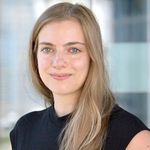
Marc Erich Latoschik is a Professor in the Department of Human-Computer Interaction at the University of Würzburg, Germany. He previously held roles at Bayreuth University, Bielefeld University, and FHTW Berlin. His research focuses on virtual and augmented reality, embodiment, human-computer interaction, and applications in health, education, and social systems. Education: Completed his PhD in 2001 at Bielefeld University with a thesis on multimodal interaction in virtual reality. Research Interests: Embodied interaction, virtual embodiment, presence and plausibility in VR/AR, avatar design, social virtual reality, health applications (e.g., VR therapy for body image issues), and XR security/privacy. Active in developing frameworks like Reality Stack I/O and MAIL for VR/AR research. Key Projects: ViTraS study on body image exercises in VR, avatars for mass use via smartphone reconstruction, and motion-based biometrics in XR. Collaborates with medical teams on cybersickness detection and emergency training simulations. Labs/Teams: Leads research groups on immersive technologies and social VR applications. Involved in interdisciplinary projects combining HCI, AI, and healthcare.
Babett Lobinger is a Researcher at the Institute of Psychology at the German Sport University Cologne, specializing in Performance Psychology and Applied Sport Psychology. She holds academic qualifications including Dipl.-Psych., MA Sportwiss, and Dr. in Sport Sciences. Her research focuses on Performance Psychology , Motor Control Disorders (e.g., Yips in Golf), Movement Safety in Aging , and Coaching Psychology . She has collaborated with organizations like the DFB (German Football Association) and clubs like Arminia Bielefeld and 1.FC Köln, providing sport psychological consulting and research. Key Projects include: DFG-funded studies on Yips in Golf Cross-cultural training needs analysis for football coaches Development of the Athlete Competency Questionnaire for Employability (ACQE) She teaches in the German Football Association’s (DFB) coaching academy and contributes to sport psychology curricula for trainers. Her work appears in journals like InMind and conferences such as FEPSAC.
Prof. Dr. Nadine Lehnen is a Research Group Leader at the Department of Psychosomatic Medicine , Faculty of Medicine, Technical University of Munich (TUM). Her work bridges computational neuroscience and psychosomatic disorders, focusing on the central nervous system (CNS) mechanisms underlying functional symptoms that lack organic explanations. Research Focus : Functional somatic disorders, sensorimotor processing, vestibular system dysfunction, and computational modeling of symptom pathogenesis. Key Collaborations : EURONET-SOMA Group, interdisciplinary teams in neuroscience and clinical psychology. Her recent studies explore sensorimotor dysregulation in irritable bowel syndrome, post-COVID symptoms, and functional dizziness, emphasizing transdiagnostic mechanisms. Publications highlight translational approaches combining computational and experimental methods to redefine understanding of persistent physical symptoms. She mentors students such as Dr. Lena Schröder and Dr. Dina von Werder, contributing to training in psychosomatic research. While no specific awards are listed, her work has been supported by institutional affiliations and collaborative grants.
University Medical Center Hamburg-EppendorfGermany
Prof. Helen Blank is a Professor leading the Multisensory Perception Group and the Prediction in Communication Lab at the Institute for Systems Neuroscience, University Medical Center Hamburg-Eppendorf. Her work focuses on understanding how sensory information is integrated and predicted in contexts like speech perception and face recognition. She holds a Marie Curie Fellowship for her research on prior information's role in human communication. Fluent in German, English, and French, she contributes to experimental medicine and systems neuroscience. Her research spans predictive coding, neuroimaging, and clinical applications in Parkinson’s and developmental disorders. Education: Not explicitly stated in text, inferred as advanced degrees in neuroscience or related fields. Her research interests emphasize multisensory integration, predictive processing in speech and vision, and the neural bases of perception. Recent articles explore topics such as pupil responses to auditory surprise, face expectation hierarchies, and audio-visual speech processing. Awards include the Marie Curie Fellowship supporting her predictive communication work. She leads interdisciplinary teams within the Center for Experimental Medicine, advancing knowledge on perceptual mechanisms and their clinical implications.
Leibniz Institute for Zoo and Wildlife ResearchGermany
Dr. Andrew Bassett serves as Head of the Cellular and Gene Editing Research group at the Wellcome Sanger Institute, where he develops cutting-edge genome engineering techniques using human pluripotent stem cells to investigate neurodegenerative diseases including Alzheimer's and Parkinson's. His work focuses on scaling genetic screening approaches and improving CRISPR specificity for modeling complex disease mechanisms. His academic training includes: PhD at the MRC Laboratory of Molecular Biology (MRC-LMB) with Andrew Travers on chromatin remodelling in heterochromatin formation Postdoctoral research with David Baulcombe at the University of Cambridge studying small RNA roles in chromatin modification Additional postdoctoral work with Chris Ponting at the MRC Functional Genomics Unit (MRC-FGU) in Oxford, where he pioneered CRISPR applications in Drosophila Bassett's research program centers on developing advanced genome engineering methodologies for precise modulation of gene expression networks during development and neurodegeneration. His group specializes in creating complex editing events (SNPs, paired knockouts, enhancer perturbations) within iPSC-derived models, with particular emphasis on epigenetic regulation and transcriptional control. Current projects integrate single-cell 'omics and phenotypic assays to decode genetic causes of neurodegenerative disorders through the OpenTargets consortium. Analysis of his 15 most recent publications reveals dominant trends in CRISPR technology development (35%), neurodegenerative disease modeling (30%), and single-cell functional genomics (25%). His work consistently bridges methodological innovation with disease mechanism studies, increasingly incorporating multi-omics approaches and expanding into cancer immunology and infectious disease applications since 2022. As group leader, Bassett mentors postdoctoral researchers and PhD students while securing major funding for genome engineering initiatives. His team operates within the Sanger Institute's Cellular Operations division and maintains critical partnerships with the OpenTargets consortium for therapeutic target validation. The laboratory specializes in high-throughput screening platforms using iPSC-derived neural and microglial models, with recent methodological advances including scSNV-seq and ONE-STEP tagging systems that significantly enhance precision genome editing capabilities.
Max Planck Institute for Human Cognitive and Brain SciencesGermany
Prof. Joseph Claßen serves as a Professor at Leipzig University, specializing in neural mechanisms of movement, brain adaptation processes, and bodily perception. His work bridges fundamental neuroscience with clinical applications for neurological rehabilitation. Research centers on three interconnected domains: elucidating principles of motor control and learning through neuronal plasticity; developing targeted brain stimulation protocols to alleviate neurological symptoms; and investigating cognitive aspects of bodily representation. These areas drive therapeutic innovation for movement disorders and sensorimotor deficits. PhD projects are actively offered in all three research streams, designed for collaborative execution with other university faculty members to foster interdisciplinary approaches in neuroscience and rehabilitation medicine.
Prof. Dr. Axel Mecklinger is a leading cognitive neuroscientist at Saarland University , specializing in the neurocognition of memory and language through spatiotemporal brain imaging (EEG/MEG/fMRI). His career spans over three decades, with significant contributions to understanding visual working memory , associative recognition , and memory development . Key research areas: Memory binding, ERP subsequent memory effects, novelty detection, and cognitive aging Major grants: DFG Research Groups, Collaborative Research Centers, and international collaborations with the Chinese Academy of Sciences Scientific leadership: Organized conferences, edited journals, and served as speaker for research training groups His recent work explores unitization in memory formation , cross-cultural differences in memory processing , and theta neurofeedback interventions . Awards include the Early Career Award of the German Psychophysiology Society (1992) and the European Federation of Psychophysiology Societies' Federation Prize (1994). Current projects investigate the neural mechanisms of semantic surprisal and memory plasticity in aging populations.
Max Planck Institute for Empirical AestheticsGermany
Dani S. Bassett is the J. Peter Skirkanich Professor at the University of Pennsylvania with primary appointment in the Department of Bioengineering (School of Engineering and Applied Science) and secondary appointments in Physics & Astronomy, Electrical & Systems Engineering, Neurology, and Psychiatry. They serve as an external professor at the Santa Fe Institute and lead a research group focused on complex systems and network science. B.S. in Physics, Penn State University (2004) Ph.D. in Physics, University of Cambridge as Churchill Scholar and NIH Health Sciences Scholar (2009) Postdoctoral position at UC Santa Barbara and Junior Research Fellow at Sage Center for the Study of the Mind Their research integrates complex systems science, statistical mechanics, and applied mathematics to study network dynamics in physical and biological systems. Key areas include brain connectivity mechanisms, cognitive processes, neurological disease modeling, granular matter physics, and collective human curiosity. Bassett employs advanced methodologies including algebraic topology, network control theory, and multilayer network analysis to investigate how network architecture influences system function across diverse domains. Recent publications reveal a strong trend toward interdisciplinary network science applications, particularly in modeling human curiosity through Wikipedia navigation patterns and analyzing brain network reconfiguration during cognitive development. Their work bridges physics, neuroscience, and behavioral science with emphasis on topological network properties and dynamical processes. American Psychological Association's Rising Star (2012) MacArthur Fellow Genius Grant (2014) Lagrange Prize in Complex Systems Science (2017) Erdos-Renyi Prize in Network Science (2018) American Physical Society Fellow (2021) Web of Science Highly Cited Researcher (3 consecutive years) Bassett's research is supported by major agencies including NSF, NIH, DoD, ONR, and private foundations (MacArthur, Sloan, Paul Allen). Their lab actively recruits students from physics, engineering, neuroscience, and computer science backgrounds, emphasizing diversity in academic perspectives. Current projects include the 'Curious Minds' initiative exploring collective knowledge building and network-based models of neurological disorders. Bassett co-authored the MIT Press book 'Curious Minds: The Power of Connection' with philosopher Perry Zurn.
Stefano Noventa is a Research Fellow at the Methods Center, Department of Social Sciences, Faculty of Economics and Social Sciences, University of Tübingen. He has held multiple postdoctoral positions at the University of Tübingen and previously at the University of Verona and the University of Padova. Education: Ph.D. in Cognitive Psychology, University of Padova (2011) M.Sc. in Physics, University of Padova (2006) Studies in Physics, University of Padova (1999–2006) International Visiting Graduate Student, University of Toronto (2009, 2010) Dr. Noventa's research lies at the intersection of mathematical psychology, psychometrics, and psychophysics, with a focus on developing and unifying quantitative models of human cognition and assessment. His work integrates Item Response Theory (IRT) and Knowledge Space Theory (KST) to create more robust frameworks for educational and psychological measurement. He investigates latent variable models, probabilistic knowledge structures, and the identifiability of complex psychometric models, often applying these to domains such as education, organizational psychology, and entrepreneurship. His recent publications (2020–2024) demonstrate a strong trend toward theoretical integration, particularly in bridging cognitive diagnosis models with traditional psychometric frameworks. The articles emphasize mathematical rigor, model generalization, and empirical validation, with applications in both cognitive science and applied psychology. Topics include the unification of assessment models, parameter estimation under local dependence, and the modeling of intuitive physical reasoning. Scientific Awards: No awards or honors listed in the provided text. Dr. Noventa has not been explicitly mentioned as an advisor to students, but he has served as a corresponding author and collaborator on multiple research projects, indicating a leadership role in research teams. He has been involved in a DFG-funded project (GLI NON-NORM) since 2019, suggesting active grant participation. His work is highly collaborative, involving researchers from Germany, Italy, Austria, and Canada. Labs and Research Groups: Methods Center, University of Tübingen Hector Institute of Education Science and Psychology, University of Tübingen Center of Assessment, University of Verona Department of General Psychology, University of Padova
Dr. Anne Koelewijn is an Assistant Professor leading the Biomechanical Motion Analysis and Creation (BioMAC) group at Friedrich-Alexander-Universität Erlangen-Nürnberg (FAU) since 2019. Her research bridges biomechanics, computational modeling, and wearable technology to analyze human movement. She holds a Junior Professorship in Computational Movement Science within the Department of Electrical-Electronic-Communication Engineering. Her educational background includes a Doctor of Engineering in Mechanical Engineering from Cleveland State University (focus: prosthesis design and gait simulations), an MSc in Mechanical Engineering (BioMechanical Design specialization), and a BSc in Aerospace Engineering , both from Delft University of Technology. She completed postdoctoral work at École Polytechnique Fédérale de Lausanne on neuromuscular control. Research interests center on human movement optimization , neuromuscular control mechanisms , and in-the-wild movement analysis . Her work integrates musculoskeletal modeling, optimal control theory, and machine learning to study gait adaptations, exoskeleton design, and pathological movement patterns (e.g., Parkinson’s disease). Publications emphasize predictive simulations , wearable sensor technology , and biomechanical energy optimization , with recent advances in radar-based motion capture, inertial pose estimation, and digital twin applications for medical engineering. Promising Scientist Award , International Society of Biomechanics (2023) Best Paper Award , 5th International Symposium on Wearable Robotics (2020) She leads the BioMAC research group, focusing on computational methods for movement science and collaborating internationally on projects involving exoskeletons, injury prevention, and neuroprosthetics.
Surjo R. Soekadar is the Einstein Professor of Clinical Neurotechnology at Charité – University Medicine Berlin. He leads the Clinical Neurotechnology Laboratory , which focuses on developing noninvasive neurotechnologies for treating neurological and psychiatric disorders through closed-loop brain stimulation and advanced brain-machine interfaces (BCI/BMI). His work integrates real-time EEG/MEG monitoring with electromagnetic stimulation to modulate pathological brain oscillations and enhance neuroplasticity in conditions like stroke, spinal cord injury, and psychiatric disorders. Education : Studied medicine in Mainz, Heidelberg, and Baltimore Clinical Training : Residency in Psychiatry and Psychotherapy at University of Tübingen Academic Journey : 2008-2011 Research Fellow at NINDS (USA); 2017 Venia Legendi at University of Tübingen; 2018 First Professor of Clinical Neurotechnology in Germany His research interests span: • Closed-loop neurostimulation combining real-time brain state monitoring with targeted intervention • Next-generation BCI using optically pumped magnetometers (OPM) for mobile MEG recordings • Neurorehabilitation through exoskeleton control and sensory feedback • Neurophysiological modeling of entropy measures and phase flows Recent publications highlight: • Adaptive deep brain stimulation protocols • Real-time phase-sensitive tACS applications • OPM-based BCI innovations • Stroke recovery mechanisms through corticospinal tract analysis Scientific recognition includes: International BCI Research Award BIOMAG Award NARSAD Young Investigator Award Funded by the European Research Council (ERC) , his lab trains doctoral students like David Haslacher (EEG/MEG integration), Khaled Nasr (multicoil TMS optimization), and Annalisa Colucci (entropy-driven BCI development). The team also explores quantum AI applications in clinical decision-making and bidirectional BCI systems using OPM and tES.
Prof. Dr. Melanie Krüger is a faculty member at Leibniz University Hannover , where she serves as Head of the Research Unit Sports and Cognition within the Institute of Sports Science. Her academic career spans institutions including the Technical University of Munich, University of Tasmania, and Ludwig Maximilian University. She leads research initiatives in embodiment, cognitive aging, motor decision-making, and the impact of physical activity on neurocognitive and motor functioning. Current Position: Professor, Institute of Sports Science, Leibniz University Hannover Prior Appointments: Post-doctoral roles at Technical University of Munich, University of Tasmania, and Pennsylvania State University Education: PhD in Systemic Neurosciences, Ludwig Maximilian University; Diploma in Sports Science, University of Leipzig Krüger's research focuses on: Embodiment Research: Systemic interactions between cognitive and motor development Cognitive Aging: Age-related changes in motor decision-making and coordination Human Locomotion: Collision avoidance, mixed reality interactions, and real-world movement studies Open Science: Advocacy for research data management in sports science Her recent publications explore mixed reality applications ( 2024 ), stress effects on motor function ( 2023 ), and methodological innovations in locomotion studies ( 2021-2025 ). Current projects include Moving Forward (2021-2022) and two Innovation Plus initiatives (2022-2024) developing experimental frameworks for human movement analysis. Krüger actively participates in academic governance: Spokesperson, German Society of Sport Science's Ad Hoc Committee on Research Data Management (since 2022) Board member, DVS Section 'Sports Motor Skills' (since 2022) Doctoral Committee, Faculty of Humanities Examination Board, MSc Sustainable Health Promotion in Sports Science
Professor Melanie Wilke is a leading figure in cognitive neurology at the University Medical Center Göttingen, where she serves as Director of the Department of Cognitive Neurology and Head of the MR Research Unit. She is also a Co-Investigator in the 'Decision and Awareness' group at the German Primate Center. Her work bridges human and non-human primate neuroscience to investigate the neural basis of perception, awareness, and movement planning. Her research focuses on understanding how distributed neural activity supports spatial awareness and decision-making. Key areas include thalamocortical interactions, neural mechanisms of spatial neglect, and translational models of cognitive disorders. She employs multimodal methods such as fMRI, electrophysiology, brain stimulation (tACS, tDCS, TMS), and inactivation techniques in both human and monkey models. Analysis of her recent publications reveals a strong emphasis on visual consciousness, neural connectivity, and sensorimotor integration. Her work frequently explores the role of the pulvinar and parietal cortex in attention and awareness, using innovative paradigms including no-report tasks and microstimulation. There is a clear translational trajectory from basic mechanisms to clinical applications in stroke and Parkinson’s disease. Fellows Award for Excellence in Biomedical Research, National Institutes of Health, USA (2008) Prof. Wilke leads a dynamic research group and mentors students within several graduate programs, including Systems Neuroscience and the International Max Planck Research School (IMPRS). Her team conducts cutting-edge research using advanced imaging and stimulation techniques. She has secured long-term support through the Herman and Lilly Schilling Foundation Professorship (2011–2022) and continues to lead major projects in cognitive neurology and brain network dynamics. Her laboratory, embedded in the Heart & Brain Center Göttingen, fosters interdisciplinary collaboration and focuses on developing novel therapeutic interventions for cognitive deficits following brain injury. The MR Research Unit under her leadership is central to advancing non-invasive brain imaging and stimulation in both research and clinical contexts.
Max Planck Institute for Human Cognitive and Brain SciencesGermany
Daniela Sammler is an Adjunct Professor at Goethe University Frankfurt and Research Group Leader of the Neurocognition of Music and Language research group at the Max Planck Institute for Empirical Aesthetics in Frankfurt/Main. She has established herself as a leading researcher at the intersection of music cognition, language processing, and neuroscience, with a particular focus on prosody, syntax, and the neural mechanisms underlying both speech and musical processing. Education 2025: Adjunct Professor, Goethe University Frankfurt/M. 2022: Venia Legendi, Goethe University Frankfurt/M. 2018: Habilitation and Venia Legendi, University of Leipzig (Topic: Intonation in speech and music) 2004-2008: Dr. rer. nat. in Psychology, University of Leipzig and MPI for Human Cognitive and Brain Sciences, Leipzig (Topic: Syntax in language and music) 1997-2004: Psychology studies at University of Leipzig and Université Louis Pasteur, Strasbourg (Diploma from Leipzig) Research Interests Daniela Sammler's research focuses on the neurocognitive foundations of music and language processing , with particular emphasis on how prosody, melody, and syntax are represented and processed in the brain. Her work explores the common neural mechanisms underlying speech and music, investigating how the brain processes intonation patterns in both domains. She has made significant contributions to understanding the dorsal and ventral pathways for prosody and the neuroanatomical overlap of syntax processing in music and language. Her research employs a variety of methodologies including fMRI, EEG, intracranial ERP studies, and behavioral experiments with both healthy participants and patient populations. She has conducted groundbreaking work on amusia and language disorders , prosodic structure building , and the neural bases of musical joint action . Analysis of her recent publications reveals a growing focus on interpersonal musical interaction, interbrain synchrony, and the cognitive mechanisms underlying collaborative music-making. Scientific Awards Gold Medal for outstanding achievements in the preservation of historic monuments in Europe (2012) Otto Hahn Medal of the Max Planck Society (2010) Otto Hahn Award of the Max Planck Society (2010) Poster Award, Organization of Human Brain Mapping (2010) Research Leadership and Grants Since 2020, Dr. Sammler has led the Neurocognition of Music and Language research group at the Max Planck Institute for Empirical Aesthetics. Prior to this, she headed the Otto Hahn Group Neural Bases of Intonation in Speech and Music at the MPI for Human Cognitive and Brain Sciences from 2013-2020, which was funded through her Otto Hahn Award. Her research has been supported by prestigious grants from the Max Planck Society and other funding bodies, enabling her to establish cutting-edge research programs at the intersection of music, language, and neuroscience. She currently leads multiple research projects including "Neural Networks for Real-Time Joint Music Performance: Piano duos in the MR-scanner" and "Cognitive drivers of interbrain synchrony during musical interaction," which investigate the complex cognitive and neural processes underlying musical collaboration. Her research group has also explored how vocal tone carries information about emotional state and speaker intention through prosody. Research Environment Dr. Sammler's research group operates within the Department of Music at the Max Planck Institute for Empirical Aesthetics in Frankfurt. Her lab employs state-of-the-art neuroimaging techniques including fMRI, EEG, and intracranial recordings to investigate the neural substrates of music and language processing. The research environment fosters interdisciplinary collaboration between neuroscientists, linguists, musicologists, and cognitive scientists, creating a rich intellectual space for exploring the complex relationships between music and language.
Max Planck Institute for Human Cognitive and Brain SciencesGermany
Sandra Martin is a Postdoctoral Researcher at the Max Planck Institute for Human Cognitive and Brain Sciences in Leipzig, Germany, where she works in the Lise Meitner Research Group Cognition and Plasticity. Her research combines neuroimaging and neuromodulation methods with graph theory, large language models, and behavioral modeling to explore cognitive changes across the adult lifespan, with a particular focus on age-related changes in memory processes and their interaction with executive functions. Education: PhD in Cognitive Neuroscience (2018-2023) from the Max Planck Institute for Human Cognitive and Brain Sciences, Leipzig M.Sc. in European Master of Clinical Linguistics (2014) from University of Potsdam, Germany & University of Groningen, The Netherlands B.A. in Linguistics (2012) from Humboldt University Berlin, Germany Research Interests: Dr. Martin's research focuses on cognitive aging , neurolinguistics , and network neuroscience . She investigates how domain-general networks contribute to language prediction and semantic cognition across the adult lifespan. Her work often employs non-invasive brain stimulation techniques like transcranial magnetic stimulation (TMS) to understand the causal roles of specific brain regions in cognitive processes. She is particularly interested in how executive resources shape language predictability effects and how these relationships change with age. She's a strong advocate for open and reproducible research practices including preregistration and registered reports. Her recent publications reveal a strong trend toward understanding the neural mechanisms of semantic cognition and language processing across the lifespan. She combines multiple methodologies including fMRI, TMS, graph theory, and computational modeling to investigate how brain networks reorganize with age and how this affects cognitive performance. Her work has important implications for understanding cognitive aging and developing interventions for language disorders like aphasia. Scientific Awards: Doctoral fellowship from the German Academic Scholarship Foundation (Studienstiftung des deutschen Volkes) Advising and Grants: Dr. Martin has been involved in several research projects, including a DFG-funded project on 'The role of domain-general networks in natural language predictions' together with Prof. Dr. Gesa Hartwigsen (Leipzig University) and Prof. Dr. Jonas Obleser (University of Lübeck). While there's no explicit mention of students she's formally advising, her role as a postdoc suggests she likely mentors junior researchers. She actively promotes open and reproducible research practices and co-organized a symposium on Good Scientific Practice titled 'Doing Good – Scientific Practice under Review'. Labs and Teams: Dr. Martin is part of the Lise Meitner Research Group Cognition and Plasticity at the Max Planck Institute for Human Cognitive and Brain Sciences. She collaborates with researchers from Leipzig University and University of Lübeck. Her work often involves interdisciplinary teams combining expertise in cognitive neuroscience, linguistics, and clinical neurology, particularly in studying aphasia and language recovery after stroke. Her research group maintains open science practices with code and data available on GitLab and OSF.