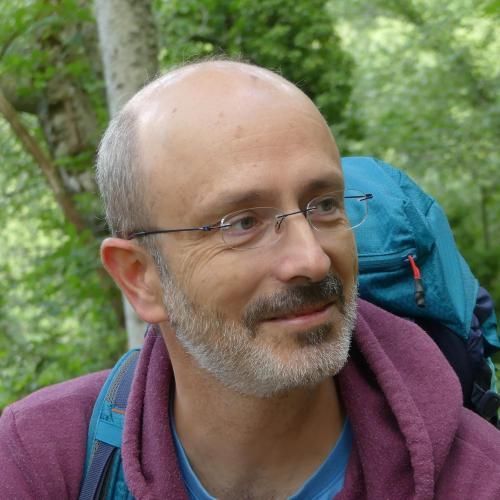
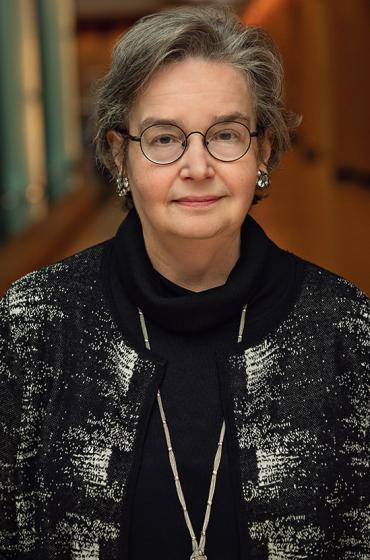
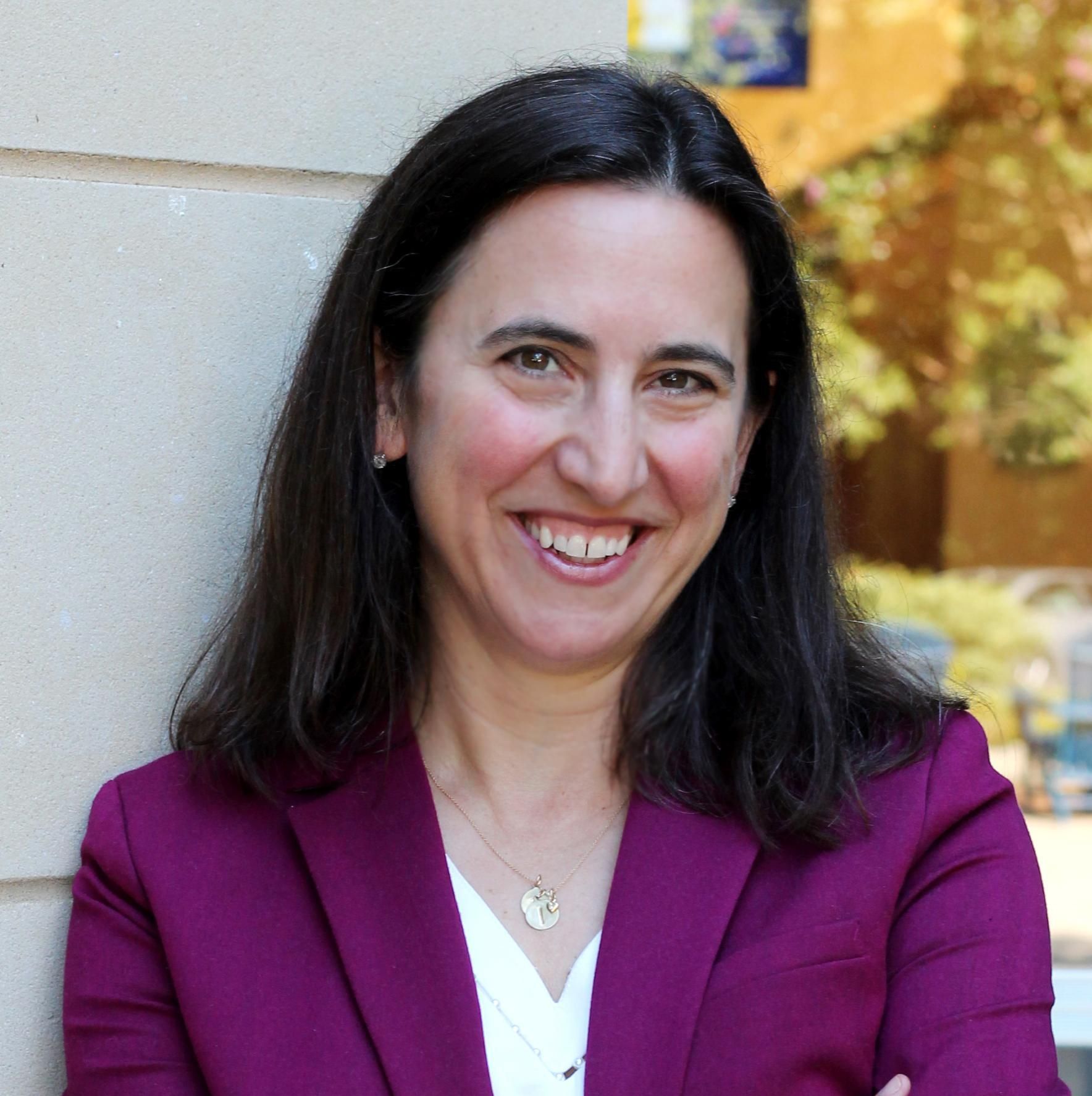
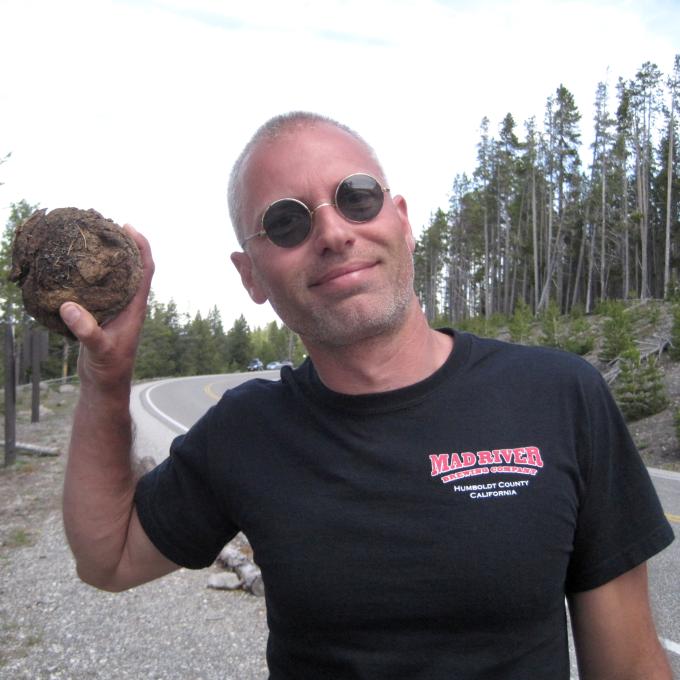
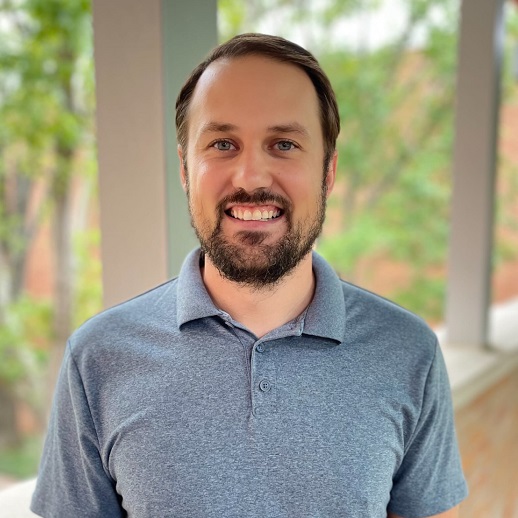
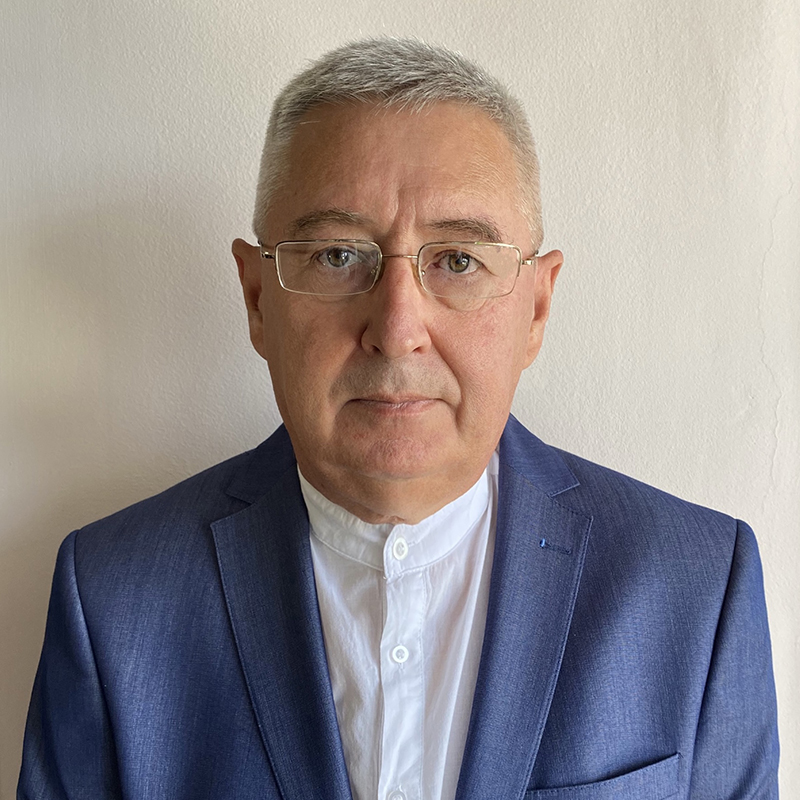
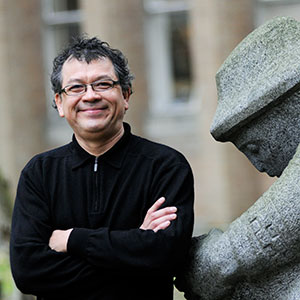
Andrés Baselga Fraga is a Professor at the University of Santiago de Compostela, affiliated with the Department of Zoology, Genetics and Physical Anthropology within the Faculty of Biology. He leads the BiBiCI research group (Biodiversity, Biogeography and Integrative Conservation) and is associated with the Center for Interdisciplinary Research in Environmental Technologies (CRETUS). His doctoral work (2002) focused on Chrysomelidae beetles in Galicia, supervised by Dr. Francisco Novoa Docet. Education: PhD in Biology, University of Santiago de Compostela (2002) Thesis: 'Study of the Chrysomelidae (Coleoptera) of Galicia' Research Interests: His work centers on biodiversity patterns, biogeographical processes, and community ecology, with a focus on spatial scaling of phylogenetic diversity, climate change impacts, and dispersal limitation effects. He explores these through macroecological approaches, integrating genetic, taxonomic, and environmental data. His studies often address beetle communities, particularly Chrysomelidae, and their responses to environmental changes. Article Trends: Recent publications analyze biodiversity value through phylogenetic uniqueness, climate stability's role in species abundance-genetic diversity congruence, and dispersal mechanisms shaping community turnover. He also examines spatial and temporal shifts in montane ecosystems and develops novel statistical methods for assessing distance-decay relationships. Awards: No specific academic awards noted in the provided texts. Grants & Advising: No grant details or student advisees explicitly listed. His research has been supported through institutional affiliations like CRETUS. Labs/Teams: Leads the BiBiCI group and collaborates with CRETUS, focusing on interdisciplinary environmental research.
Dr. Joanna Moss is an Associate Professor in Psychology at the University of Surrey, affiliated with the School of Psychology and the Development, Education, Language and Outreach in Psychology (DevELOP) Research Group. She completed her PhD at the University of Birmingham in 2005, followed by research roles at the Institute of Psychiatry, Psychology & Neuroscience and the Cerebra Centre for Neurodevelopmental Disorders. Her research focuses on autism characteristics in individuals with genetic syndromes, employing methodologies like eye-tracking, EEG, and behavioral assessments. She has secured funding from the Academy of Medical Sciences, British Academy, and others. Dr. Moss co-chairs the Scientific and Clinical Advisory Team for the Cornelia de Lange Syndrome Foundation and advises on international research committees. She teaches a final-year undergraduate module on neurodevelopmental conditions and advises PhD students. Her lab, NDEV Research Lab, explores social-cognitive mechanisms in neurogenetic syndromes. Recent work emphasizes inclusive autism research, anxiety in high-risk groups, and machine learning approaches to phenotype analysis. Education: PhD in Psychology, University of Birmingham (2005) Roles: Senior Academic Tutor, Module Convenor for Neurodevelopmental Conditions Labs/Teams: NDEV Research Lab (www.ndevresearchlab.com) Her research highlights syndrome-specific profiles of autism traits, emphasizing the need for tailored assessments and interventions. Key findings include distinct gaze-following patterns in genetic syndromes and the role of executive dysfunction in repetitive behaviors. She advocates for ethical research practices, including preregistration in undergraduate studies.
Joseph B. Yavitt is a Professor in the Department of Natural Resources and the Environment at Cornell University, within the College of Agriculture and Life Sciences. His research focuses on ecosystem ecology, with emphasis on wetland and forest dynamics, biogeochemical cycles, and tropical forest ecosystems. He leads global research networks studying peatlands from Canada to the southern Appalachian Mountains and tropical forests in Panama, alongside local studies near Cornell. Education: Doctorate from the University of Wyoming (1984), Master of Science from the University of Arizona (1979), and Bachelor of Arts from the University of California, Santa Barbara (1977). Research interests include soil carbon dynamics, methane emissions, and plant-microbe interactions, with recent work addressing climate change impacts on ecosystems. Awards include AAAS Fellowship (2018) and Sigma Xi membership (1984). He teaches courses such as NTRES 2010 (Environmental Conservation) and NTRES 3030 (Introduction to Biogeochemistry). Key publications include studies on peatland rehabilitation in Ontario, nitrogen cycling in tropical forests, and soil fauna roles in decomposition. His work often combines field experiments, isotopic tracing, and microbial community analyses to understand ecosystem function.
Pamela A. Moss serves as the John Dewey Collegiate Professor of Education at the Marsal Family School of Education, University of Michigan. Her scholarship critically engages methodological pluralism in educational research, examining how diverse methodologies shape validity, evidence use, and knowledge production within evolving educational contexts. Research Focus: Moss's work spans three interconnected domains: (1) Methodological pluralism in educational assessment and validity theory; (2) Evidence-based decision-making in educational policy and practice; (3) Knowledge infrastructures (KIs) with emphasis on epistemic justice. Current research analyzes dynamic relationships among policies, technologies, and social structures in KIs to design alternatives promoting equitable knowledge production. Publication Trends: Recent publications (2016-2021) reveal a strategic shift from assessment validity toward infrastructural studies, integrating platformed knowledge brokerage, research synthesis systems, and participatory design. These works consistently address power dynamics, equity implications, and critical alternatives to conventional research ecosystems. Scientific Recognition: Elected member of the National Academy of Education Fellow of the American Educational Research Association Research Leadership: Moss directs major grants including Reimagining the Education Research Commons: Toward Epistemic Justice (2022-2024) and Prototyping a Living Research Synthesis Infrastructure (2019-2024). Earlier work included revising national testing standards and investigating teacher licensure validity. Her sustained focus on methodological rigor and equity demonstrates commitment to transforming educational research practices through infrastructural innovation.
A. Jonathan Shaw is a Professor of Biology at Duke University's Trinity College of Arts & Sciences, specializing in Sphagnum (peat moss) genomics, evolutionary ecology, and bryophyte systematics. His work bridges molecular phylogenetics, carbon cycling, and ecosystem dynamics. Ph.D., University of Michigan, Ann Arbor (1983) M.S., University of Alberta (1980) B.S., Cornell University (1977) Research focuses on Sphagnum's role in peatland carbon sequestration, microbial symbiosis, and phylogenetic discordance in rapidly radiated bryophytes. He investigates how genetic and environmental factors shape niche construction and diversification patterns. Scientific Awards include the Richard Spruce Award (International Association of Bryologists, 2010) and the William Starling Sullivant Award (American Bryological Society, 2000). His recent publications explore sex chromosome evolution in peat mosses, microbiome-mediated climate resilience, and hybridization-driven speciation. As a professional leader , he served as President of the American Bryological and Lichenological Society (2013-2015) and as Associate Editor for journals like Molecular Phylogenetics and Evolution . His teaching includes courses on plant diversity, grant writing, and independent research.
Slippery Rock University of PennsylvaniaUnited States
David Krayesky is an Associate Professor in the Department of Biology at Slippery Rock University. He specializes in phycology with a focus on marine red algae taxonomy and evolution, particularly non-calcified crustose red algae and the genus Caloglossa. He also maintains a strong interest in bryophyte taxonomy and evolution. His research combines classical morphological approaches with molecular techniques to clarify species boundaries and define higher-level taxonomic relationships. Dr. Krayesky's educational background includes a PhD in Environmental Biology and Evolution from the University of Louisiana at Lafayette (2002-2007), where he focused on Marine Phycology: systematics and evolution. Prior to that, he earned a degree from Southern Illinois University Carbondale (1998-2000) in Bryology: systematics and evolution, and completed his undergraduate studies at Johnson State College (1991-1995) in Natural Resources and Environmental Biology. His research interests span multiple areas of botanical science with emphasis on marine and freshwater ecosystems. Krayesky's work primarily focuses on: Taxonomy and systematics of marine red algae (Rhodophyta) Evolutionary relationships within crustose red algae Bryophyte diversity and classification Regional flora documentation, particularly in Pennsylvania Marine biodiversity assessment in the Gulf of Mexico His approach integrates traditional taxonomic methods with molecular techniques to address complex questions in algal systematics. Analysis of Dr. Krayesky's recent publications reveals a strong focus on regional biodiversity documentation, particularly in Pennsylvania, with significant contributions to understanding lichen, bryophyte, and vascular plant distributions. His taxonomic expertise is evident in numerous studies on red algae systematics, especially within the families Peyssonneliaceae and Delesseriaceae. A notable trend in his work is the application of molecular techniques to resolve taxonomic uncertainties, particularly in the genus Caloglossa. His research also addresses ecological concerns such as invasive species monitoring and post-disaster ecological assessment, as evidenced by studies following the Deepwater Horizon oil spill. Dr. Krayesky contributes significantly to botanical education through his teaching of various courses including General Botany, Plant Systematics, Field Botany, and Plant Anatomy. His educational materials, such as the General Botany Laboratory Manual, demonstrate his commitment to undergraduate science education. His research collaborations extend across multiple institutions, with frequent co-authorship with researchers from the University of North Carolina, Smithsonian Institution, and various international partners. While specific awards are not documented in the available information, his substantial publication record (36 publications with over 78,000 reads and 302 citations) indicates significant recognition within his field. Dr. Krayesky is affiliated with Barbara Crandall-Stotler's Lab at Slippery Rock University, where he continues his research on algal and bryophyte systematics. His work contributes to broader understanding of biodiversity patterns and provides critical baseline data for conservation efforts, particularly in regional ecosystems of Pennsylvania and marine environments of the Gulf of Mexico.
Anna Gassman-Pines is a Professor at Duke University with joint appointments in the Sanford School of Public Policy and the Department of Psychology & Neuroscience . She serves as Senior Associate Dean for Faculty Affairs in the Sanford School and is a Faculty Research Scholar at Duke's Population Research Center. Ph.D. in Community and Developmental Psychology from New York University (2007) B.A. in Psychology from Yale University (1999) Her research focuses on the intersection of low-wage work , family life , and social policy . Key areas include: Welfare and employment policy effects on child/maternal well-being Workplace conditions and family mental health Economic disparities in education and health outcomes SNAP benefit timing and academic achievement Gender norms in family structures Recent work examines pandemic policy impacts and racial inequality in social programs. Her 15 most recent publications (2016-2025) span journals in public policy , developmental psychology , and social epidemiology . 2024 - Mavis Hetherington Award (APA) 2022 - Rosabeth Moss Kanter Award (Work-Family Research Network) 2021 - APA Mid-Career Award 2018 - Duke Dean's Mentoring Award Current grants include studies on: 2023-2025 - Housing market inequality in the South 2022-2024 - Pandemic effects on low-income families 2019-2021 - Fair workweek legislation She teaches interdisciplinary courses like RACESOC 796T and PUBPOL 907 , and has led Bass Connections research teams exploring race, education, and social policy since 2013.
Mihai Tomescu is a Professor of Botany in the Department of Biological Sciences at Cal Poly Humboldt (formerly Humboldt State University), where he has established a renowned research program in paleobotany and plant evolutionary biology. Originally from Romania, he earned his MSc from the University of Bucharest and his PhD from Ohio University in 2004. His work bridges the fossil record with developmental biology to understand fundamental patterns in plant evolution. Dr. Tomescu's research interests focus on the plant fossil record, comparative morphology, and developmental anatomy to understand the evolution of plant form, patterns of plant diversity through geological time, and plant phylogeny. His laboratory investigates fossil studies of Late Ordovician–Silurian terrestrial biotas, Early Devonian floras, and plant diversity in Early Permian and Early Cretaceous periods. He maintains active field research programs in Wyoming (Beartooth Butte Formation), Quebec (Battery Point Formation), California (Budden Canyon Formation), and Patagonia. His work on boundary layers, vascular architecture, and the evolution of key plant features like roots and leaves has significantly advanced our understanding of plant morphological evolution. His most recent publications span topics from Devonian plant evolution to bryophyte fossil records, demonstrating a strong focus on integrating developmental perspectives with paleobotanical evidence. The research shows consistent themes in understanding plant body plan evolution, with particular attention to modular developmental patterns and their fossil signatures across geological time. Dr. Tomescu has mentored numerous undergraduate and graduate students, many of whom have received prestigious awards and gone on to successful careers in academia and related fields. His lab has produced significant research output with students frequently presenting at national meetings and publishing in top botanical journals. His laboratory maintains active research programs in multiple areas including Early Devonian floras, cryptogamic paleobotany, origin of land plants, plant morphological evolution, and paleobotany of Northern California and Patagonia. The lab utilizes diverse techniques from fossil preparation to comparative anatomy and collaborates with institutions worldwide including Oregon State University, Museo Paleontologico Egidio Feruglio in Argentina, and the Smithsonian Institution.
Professor Jonathan Moss is an Honorary Professor at the University of Glasgow's School of Cardiovascular & Metabolic Health. His work focuses on interventional radiology, oncology, and vascular medicine, with a particular emphasis on clinical trials evaluating treatment efficacy and patient outcomes. He has contributed to landmark studies such as the CAVA trial (comparing venous access devices for chemotherapy) and the FEMME trial (assessing uterine fibroid treatments). His research spans device safety, cost-effectiveness analyses, and patient experience studies, often involving multidisciplinary collaborations. Key areas include uterine artery embolization, renal artery interventions, and carotid artery stenting. Moss’s publications frequently address translational applications of imaging technologies and interventional techniques in clinical practice. His academic contributions include over 20 peer-reviewed articles in journals like The Lancet and New England Journal of Medicine. Notable studies include the 2007 NEJM paper comparing uterine-artery embolization with surgery, and the 2010 Lancet analysis of carotid artery stenting. He has also authored guidelines on renal denervation and contributed to systematic reviews on device-related complications in oncology. His work bridges clinical practice and health economics, emphasizing cost-utility and patient-centered outcomes in medical decision-making. Moss has led or participated in major randomized controlled trials (e.g., ASTRAL, CAVA, FEMME) and collaborated with institutions globally. His research group’s interdisciplinary approach addresses vascular contributions to diseases like dementia and explores innovations in minimally invasive treatments. Despite no explicitly listed students, his trials involve trainees and junior researchers in clinical trial design and execution.
Dr. David Moss is an Associate Professor in the Department of Environmental and Geosciences at Sam Houston State University (SHSU), part of the College of Science & Engineering Technology. His research focuses on paleobiology and sclerochronology, examining bivalve lifespan and growth patterns to address macroevolutionary questions. He actively engages undergraduate students in research, including projects funded by his NSF CAREER grant. Dr. Moss teaches courses such as Historical Geology, Oceanography, and Invertebrate Paleontology. His educational philosophy emphasizes connecting students to their environment to foster informed decision-making on environmental issues. He leads the Moss Paleobiology Lab, which investigates topics like latitudinal life history gradients and fossil bivalve longevity. Recent research highlights include a 2024 NSF CAREER grant supporting studies on longevity controls and educational outreach, and collaborative work on Baltic Sea Astarte borealis shells as climate archives. His lab’s equipment includes an ESLR Micromill2 for oxygen isotope analyses. Dr. Moss also prioritizes teacher development through workshops and summer programs for high school and community college students. Key awards include the NSF CAREER Grant. His lab’s activities include fieldwork in Florida and partnerships with institutions like the Smithsonian Museum of Natural History. He balances academic work with family life, having two sons and interests in fishing and college sports.
Selena Smith is an Associate Professor in the Department of Earth and Environmental Sciences at the University of Michigan (Ann Arbor), affiliated with the College of Literature, Science, and the Arts (LSA). Her research focuses on plant evolution, paleobotany, and the role of plants in ancient environments, particularly using modern and fossil specimens. She leads the PEPPR Lab, which employs advanced techniques like synchrotron imaging and 3D tomography to study monocot evolution and environmental interactions. Educated at the University of Alberta, she holds a B.Sc. (2002) in Evolutionary Biology and a Ph.D. (2007) in Plant Systematics. Her work integrates anatomical, morphological, and geochemical methods to address questions about plant-environment relationships across geological timescales. Recent projects include studies of Cretaceous Antarctic mosses, Archaean microbialites, and CO2 sensitivity in fossilized stomata. Her lab actively seeks graduate students to study Cretaceous plant anatomy and mentors undergraduates in field and lab research. Collaborative projects with institutions like the Deccan Intertrappean Beds research group highlight her global reach. Current research emphasizes linking paleobotanical data with environmental reconstructions, including studies of ancient climate patterns and plant functional traits.
Christian Terwiesch is the Andrew M. Heller Professor at the Wharton School of the University of Pennsylvania, where he serves as Professor of Operations, Information and Decisions and Professor of Health Policy at the Perelman School of Medicine. He chairs the Operations, Information and Decisions department and co-directs Penn's Mack Institute for Innovation Management. His work bridges operations management, innovation, and healthcare delivery, with research published in leading journals from Management Science to The New England Journal of Medicine. Dr. Terwiesch received his doctoral degree from INSEAD and a Diploma from the University of Mannheim. His academic journey has positioned him at the intersection of business operations and healthcare innovation. Terwiesch's research focuses on healthcare operations, innovation management, lean operations, and new service delivery models. He is particularly known for his work on connected strategies that transform traditional episodic customer interactions into continuous relationships. His research explores how digital technologies can reshape business models, particularly in healthcare delivery, with an emphasis on improving quality while increasing efficiency. He has pioneered work on innovation tournaments as a systematic approach to generating and selecting new ideas, and has recently expanded his research to examine AI's impact on creativity and business processes. His recent publications demonstrate a strong focus on artificial intelligence's impact on business operations and innovation processes. Terwiesch has extensively examined how AI, particularly generative models like ChatGPT, affects creativity, customer service, and business strategy. His work reveals both the potential and limitations of AI in business contexts, highlighting areas where human-AI collaboration can yield optimal results. He has also continued his research into connected healthcare strategies that improve patient outcomes through better monitoring and engagement. Terwiesch has received numerous teaching awards throughout his career, reflecting his excellence in both MBA and executive education: Distinguished Fellow: Manufacturing & Service Operations Management (2017) Multiple Executive MBA Excellence in Teaching Awards (Philadelphia and San Francisco, 2014-2017) Helen Kardon Moss Anvil Award winner (2012) MBA Excellence in Teaching Award (2012, 2010) Numerous "Goes above and beyond the call of duty" and "Tough, but I'll thank you in 5 years" awards Miller-Sherrerd Core Teaching Award (multiple years) Named by Online Course Review as one of the 50 Most Popular MOOCs of All Time (2015) As an educator, Terwiesch has made significant contributions to online learning, developing the first Massive Open Online Course (MOOC) in business on Coursera, which has enrolled over half a million students. He co-authored the widely used textbook "Matching Supply with Demand" and has written influential management books including "Innovation Tournaments" and "Connected Strategies." His consulting work ranges from small startups to Fortune 500 companies, helping them become more innovative through implementing innovation tournaments and restructuring innovation portfolios. He has also received research grants from the Wharton e-Business Initiative. Terwiesch leads the "N=1, t=infinity Project," which focuses on connected healthcare strategies. This initiative aims to reimagine medicine by leveraging connected technologies to create continuous patient-provider relationships that improve outcomes while optimizing resource use. His work in this area has resulted in numerous publications and practical applications in healthcare delivery systems, including research on medication adherence and hospital readmissions using electronic monitoring devices.
Prof. Dr. Milan Veljić is a Full Professor at the Faculty of Biology, University of Belgrade , elected in 2022. He specializes in plant systematics and bryology, with a focus on phytochemistry, ecology, and medicinal plants. His work bridges morphological, chemical, and ecological approaches to plant research. Doctorate (2001), Master's (1997), and Diploma (1989) from the University of Belgrade/Faculty of Biology and University of Novi Sad. Academic career progression: Assistant (1998), Associate Professor (2002, 2012), Full Professor (2022). Associated with the Institute of Botany and Botanical Garden 'Jevremovac' at Takovska 43, Belgrade. His research spans plant systematics (floristics, ecology, medicinal plants) and bryology (moss biology, secondary metabolites, phytochemistry). He has contributed to understanding plant biodiversity and bioactive compounds in mosses. Contact details: veljicm@bio.bg.ac.rs , Phone: +381(0)113342114, Mobile: +381(0)648237931.
Eduardo Jovel is an Associate Professor in the Department of Applied Biology at the University of British Columbia’s Faculty of Land and Food Systems. He also serves as Director of Indigenous Research Partnerships, focusing on integrating Indigenous knowledge systems with Western scientific methodologies while maintaining academic rigor. Research Interests: Indigenous plant knowledge and medicinal systems Mycology and fungal bioactivity Natural product chemistry for health applications Aboriginal health and environmental health intersections Research ethics in Indigenous contexts Gender relations and socio-ecological systems Publication Trends: His 15 most recent articles (1996–2014) span ethnobotany, mycology, natural products chemistry, and Indigenous health research. These works emphasize antioxidant properties, antimicrobial testing, bioactive compound isolation, and environmental contaminant studies, particularly mercury exposure and fungal melanins. Key Projects: Include ecological intensification for food security in Peruvian Andes, indoor mold impacts on Aboriginal housing, bioactive BC fungi identification, environmental contaminant effects on marine foods, and mercury chelation plant research. Labs & Teams: Jovel leads the UBC Aboriginal Research Lab, promoting interprofessional collaboration and community-driven research frameworks.
Kristian Hassel is a Professor of Botany and Head of Department at the Norwegian University of Science and Technology (NTNU) . His research focuses on bryology, plant taxonomy, and ecological studies of mosses and liverworts in Arctic and boreal ecosystems. Specializes in moss taxonomy and ecological adaptation Active in studying peat bogs and liverwort biodiversity Engages in systematic classification of cryptogamic plants Research Interests : Kristian's work centers on the taxonomy, morphology, and ecological distribution of mosses, particularly needle-mosses (e.g., yellow needle-moss , black needle-moss ) and bog-associated species like vrangmose . He studies their adaptation to extreme environments, classification within the order Sphagnales, and conservation in the context of climate change impacts. Key Article Trends : Recent publications emphasize moss taxonomy (2025), ecological modeling (2025), and photographic documentation of cryptogamic species (2024). His work spans both field-based observations and systematic classification across 16 subject categories including liverworts, peat mosses, and brambles. Labs & Affiliations : Leads the Department of Botany at NTNU, contributing to research in the Order of the Bear Moose, Leaf mosses, and Liverworts categories. His lab's activity includes collaborations on spore moss systems and dung moose habitats, though specific team members are not listed.