
Catherine Le Ribault is a Researcher (CNRS) at the Laboratoire de Mécanique des Fluides et d’Acoustique (LMFA), affiliated with École Centrale de Lyon. Her research focuses on fluid mechanics and acoustics with specialization in granular flows, environmental fluid dynamics, and turbulence modeling. She is part of the Fluides Complexes et Transfert group, contributing to studies on dune dynamics, particle transport, and multiphase flows. Key research areas include aeolian processes, boundary layer interactions, and computational simulations of geophysical phenomena. Her work addresses applications in environmental engineering and geophysics. At LMFA, she collaborates on projects related to environmental flows and experimental/numerical methods, leveraging the lab’s infrastructure for fluid mechanics research.
جستوجوی استاد و پژوهشگر
استاد راهنما، استاد دانشگاه یا پژوهشگر مناسب برای مسیر پژوهشیتان را پیدا کنید و با او ارتباط بگیرید.
نمایش ۳۱-۴۵ از ۵۵۱ استاد راهنما
اطلاعات این پروفایلها از صفحات عمومی دانشگاهها جمعآوری شده و ممکن است بهروز نباشد.
Professor Chris Perry is a leading academic in Tropical Coastal Geoscience at the University of Exeter, affiliated with the Department of Geography within the College of Engineering, Mathematics and Physical Sciences. He is based in the Amory Building and leads innovative research on coral reefs and reef islands, focusing on their response to climate change and environmental stressors. Research Interests: His work centers on coral reef geomorphology, carbonate production, sediment dynamics, and the geo-ecological functions of tropical marine ecosystems. He specializes in assessing how coral bleaching and environmental change impact reef growth, structural complexity, and island resilience. His research spans the Indo-Pacific and Caribbean regions, including field sites in Australia, Chagos, Maldives, Jamaica, and Belize. Methodological Contributions: Perry developed ReefBudget and SedBudget—census-based tools for quantifying carbonate and sediment budgets on coral reefs. These tools are now integrated into broader reef monitoring programs and have been pivotal in assessing post-bleaching reef degradation and island sediment supply. Publication and Research Trends: His recent publications reflect a strong focus on climate change impacts, carbonate budget dynamics, reef resilience, and sediment production. Themes across his work include biodiversity shifts, reef structural integrity, and adaptation of reef islands to sea-level rise. Funding Bodies: UK Research Councils (NERC) The Bertarelli Foundation The Leverhulme Trust The Royal Society Nuffield Foundation Research Networks: He is actively involved with the Global Systems Institute and Exeter Marine, contributing to interdisciplinary climate and marine research. His work supports policy-relevant assessments of reef island vulnerability and coastal adaptation strategies.

Ajay B. Limayeمشاهده پروفایل
استادیار
Ajay B. Limaye is an Assistant Professor in the Department of Environmental Sciences at the University of Virginia. His research spans terrestrial and planetary landscapes, focusing on fluvial geomorphology, quantitative stratigraphy, and planetary surface processes. He employs remote sensing, geospatial analysis, numerical modeling, and laboratory experiments to study river dynamics, sedimentary deposits, and climate records on Earth, Mars, and Titan. His work integrates NSF and NASA-funded projects, including the development of a Landscape Evolution Laboratory with a 7m×3m experimental basin for controlled landscape modeling. His research explores feedbacks between landslides and ecology in central Virginia, Martian deltaic deposits, and submarine channel systems. He teaches courses in geomorphology, planetary geology, and fundamental geosciences. NSF CAREER Award (2023) : "GLOW: Sequencing rivers with machine learning and bioinformatics" Keck Institute Fellowship (2010) : High-resolution stratigraphy of Mars polar deposits Recent publications analyze braided river dynamics (e.g., Brahmaputra-Jamuna River), meander bend geometry, landslide-vegetation interactions, and planetary hydrology. His experimental work on autogenic fluvial terraces and turbidity maximum zones in estuaries demonstrates interdisciplinary methodological rigor.
Ping Wang is a Professor in the School of Geosciences at the University of South Florida. His research focuses on coastal geology, sedimentary processes, and coastal engineering. He holds a Ph.D. from the University of South Florida (1995). His expertise includes coastal sediment transport, hurricane impacts, and beach nourishment strategies. Education: Ph.D., University of South Florida, 1995 Research Interests: Coastal morphodynamics and sediment transport mechanisms Impact of hurricanes on barrier island systems Beach nourishment performance and coastal resilience Geoarchaeology of coastal sites Recent Work: Analyzing hurricane-induced sediment transport patterns (2025) Evaluating long-term effects of cyclic beach nourishment (2025) Investigating tidal circulation modifications in McKay Bay (2025) Advising: Current advisees include Jacob Adam, Kirsten Bendik, and others Focus on training students in field and remote sensing techniques Labs/Teams: Engaged in USF's coastal research initiatives, leveraging UAVs and numerical modeling for coastal monitoring.
Daniel Lee Petersمشاهده پروفایل
استادیار
Daniel Lee Peters is a Limited Term Assistant Professor in the Department of Geography at the University of Victoria, holding additional roles as Associate Fellow at the Canadian Rivers Institute (University of New Brunswick) and Sessional Lecturer at UVic. His research focuses on watershed hydrology, climate impacts, and flow regulation effects, with specialties in northern deltas and instream flow needs. Peters holds a BSc (Environmental Geography, Concordia University), MSc and PhD (Watershed Ecosystems, Trent University). Key research areas include: Hydrological impacts of climate variability/change Flow regulation effects on river systems Runoff processes in northern deltas Instream flow standards for agricultural watersheds Hydrological modeling using isotopic/geochemical tracers His publications (2000-2008) emphasize northern hydrology, with notable contributions to understanding Peace-Athabasca Delta dynamics and Mackenzie Basin hydroclimatology. Awards include the D.M. Gray Award and recognition for student research excellence. Professional roles include editorial board membership for the Canadian Water Resources Journal and active participation in national hydrology organizations (CGU, CWRA, IAHS). Technical reports address water resource management challenges in agricultural and northern environments. Current projects involve climate impact assessments on Okanagan streams and Sooke Lake Reservoir hydrology.
Tiffany Roberts Briggs serves as Chair and Associate Professor in the Department of Geosciences at Florida Atlantic University. Her academic foundation includes a Ph.D. (2012), M.S. (2008), and B.S. in Environmental Science with Honors (2006), all from the University of South Florida. Her research centers on coastal geomorphology and sedimentology , with critical focus on beach-dune-nearshore system responses to natural events like hurricanes and anthropogenic interventions including coastal engineering. Key specialties include beach morphology evolution, microplastics in coastal sediments, sea turtle habitat characterization, and coastal resilience strategies. Current projects involve Hurricane Ian impact analysis, regional sediment management, and decadal-scale inlet dynamics. Teaching portfolio spans undergraduate and graduate courses including Physical Geology, Coastal and Marine Science, Shore Erosion & Protection, and specialized topics in beach morphodynamics. She actively mentors graduate students through directed research courses and supervises thesis work evident in her co-authored publications with student researchers. Briggs directs research at the Coastal Studies Lab and leads field investigations across Southeast Florida coastlines. Her work integrates advanced methodologies including LiDAR, aerial imagery, and GIS modeling for coastal change assessment. Recent publications reveal strong collaboration with agencies like USACE and NOAA, particularly in post-hurricane damage evaluation and community resilience planning.
Suzana Ilicمشاهده پروفایل
مدرس ارشد
Suzana Ilic is a Senior Lecturer at the Lancaster Environment Centre, Lancaster University, specializing in coastal processes and management. Her research focuses on understanding coastal hydrodynamics, sediment transport, and morphological changes along coastlines. She develops practical tools for coastal managers to predict future changes, addressing complex challenges of coastal structures' influence on natural systems including shoreline evolution, water quality, and habitat preservation. Dr. Ilic's research interests center on coastal hydrodynamics and sediment transport processes, with emphasis on developing predictive tools for coastal management. Her work aligns with major environmental initiatives including the Foresight programme on coastal flooding and erosion, Water Framework directives, and offshore sustainable energy development. She employs integrated methodologies combining field monitoring, numerical modeling, and community engagement to address contemporary coastal challenges. Her recent publications demonstrate a strong focus on coastal morphodynamics, with increasing attention to interdisciplinary approaches connecting physical processes with social dimensions of coastal management. The research spans multiple geographical contexts including the UK's Holderness coast and Morecambe Bay, as well as international sites like Croatia, reflecting her global perspective on coastal challenges. Dr. Ilic actively supervises PhD students including Juan Montalvan Lume and leads significant research projects such as NERCOUTE Inclusive Natural Environment Futures (2025-2026) and Adaptation Pathways (2025-2026). Her professional engagement extends to the North West Regional Flood and Coastal Committee and various workshops, demonstrating her commitment to translating research into practical coastal management solutions.
Prof. Suzanne J.M.H. Hulscher is a Full Professor in Water Systems at the University of Twente, specializing in fluvial and coastal morphodynamics. Her research focuses on flood risk management, sediment dynamics, and climate adaptation. She has contributed to over 845 publications and supervised 55 research projects, including Vera van Bergeijk's PhD work on overtopping flows. Key achievements include the Simon Stevin Meester award (2016) and multiple best paper awards. Her work addresses UN Sustainable Development Goals through studies on saltwater intrusion, dike breach modeling, and nature-based solutions. Research highlights include hydraulic model calibration, estuarine sand wave dynamics, and vegetation effects on hydrodynamics. She actively contributes to editorial roles (CivilEng Journal) and policy advisory bodies (Wetenschappelijke Raad). Her interdisciplinary efforts bridge engineering, ecology, and climate science. Research areas: Coastal morphology, river dynamics, environmental hydraulics Key collaborations: 4TU.Centre for Research Data, IAHR, Netherlands Academy of Engineering Grants: Not explicitly listed, but extensive publications imply significant funding Her lab focuses on combining field data with numerical modeling for real-world applications like flood dashboard development and machine learning-based prediction systems. Current projects explore climate change impacts on engineered estuaries and distributive justice in climate policy.

Dr. Ian Walker is a Professor in the Department of Geography at the University of California, Santa Barbara (UCSB). He specializes in physical geography and geomorphology, with expertise in sediment transport, coastal and aeolian processes, environmental fluid dynamics, and dune ecosystem restoration. He holds a B.Sc. in Geography and Environmental Science from the University of Toronto and a Ph.D. in Geography from the University of Guelph, Canada. Prior to UCSB, he served as faculty at Arizona State University and the University of Victoria (Canada). His research focuses on coastal and desert environments, employing field and lab methods such as terrestrial laser scanning (TLS), unmanned aerial systems (UAS), wind tunnel simulations, and computational fluid dynamics (CFD). Key projects include dust emissions mitigation at Oceano Dunes (collaborating with California Department of Parks) and invasive plant removal studies in Humboldt Bay. He has secured over $6M in research funding and advised over 40 students/post-docs. Education: B.Sc. (University of Toronto), Ph.D. (University of Guelph) Editorial Roles: Earth Surface Processes & Landforms , Annals of the American Association of Geographers , Journal of Coastal Research Professional Affiliations: Member of NASEM Scientific Advisory Panel for Owens Valley Dust Studies His articles emphasize coastal morphodynamics, restoration strategies, and climate change impacts. Notable work includes comparing UAS/TLS methods for geomorphic change detection and modeling airflow over dunes using CFD. He teaches courses on physical geography, geomorphology, and remote sensing. Grants and partnerships include collaborations with US Fish & Wildlife Service, NOAA, and state agencies. His lab focuses on integrating geospatial technologies with field experiments to address coastal sustainability challenges.
Linnea Blåfield is a Postdoctoral Researcher in the Department of Geography and Geology at the University of Turku, Finland, specializing in high-latitude river systems and hydroclimatic impacts on fluvial processes. Her work bridges geomorphology, hydrology, and environmental engineering to address climate-driven river dynamics. Her research focuses on fluvial geomorphology in cold regions, examining sediment transport under ice-covered conditions, river migration mechanisms, and seasonal hydroclimatic variations. Key methodologies include particle image velocimetry, hydrological modeling, and geospatial analysis to study sediment connectivity, channel evolution, and river-ice interactions in boreal and subarctic environments. Recent publications (2021-2025) reveal consistent themes: digital twin development for river basin management, long-term morphodynamic responses to climate shifts, and sediment dynamics in ice-affected rivers. These works emphasize interdisciplinary collaboration across Nordic institutions and practical applications for river management and climate adaptation. No scientific awards were documented in the provided materials. Information regarding advised students or secured research grants was not present in the source text. Dr. Blåfield collaborates extensively with researchers from the University of Oulu (Petteri Alho, Elina Kasvi), Finnish Environment Institute, and Baltic Sea research teams, focusing on field data collection and modeling of Nordic river systems.
Professor Stephan Theobald is a leading academic in Hydraulic Engineering and Water Resources Management at the University of Kassel , where he has served as Head of Department since 2005. His work focuses on numerical modeling of fluid dynamics , automated reservoir control systems , and flood risk management . Key Research Areas : Numerical Methods for Fluid Dynamics Hydropower Optimization Climate Change Adaptation in Water Management 3D Morphodynamic Simulations Academic Recognition : Prize for Water Management (2000) Science Prize for Hydraulic Engineering (1999) Recent Publications : 2024 papers on sediment transport in river bifurcations 2023 studies on hybrid hydropower plant analysis 2022-2023 works on predictive flood control systems
- Sedimentology
- Stratigraphy
- Marine Geoscience
- +۷ مورد دیگر
Professor Jody Webster is a leading marine geoscientist and Co-Coordinator of the Geocoastal Research Group at the University of Sydney's School of Geosciences. His multidisciplinary research integrates sedimentology, stratigraphy, marine geology, geophysics, paleoecology, and numerical modeling to study coral reef systems and carbonate platforms as critical archives of climate and sea-level change. Research Interests: Jody focuses on Carbonate sedimentology Climate change impacts on reef systems Tectonic influences on sedimentary evolution International Ocean Discovery Program (IODP) core analysis Great Barrier Reef and Hawaii as model systems Sea-level and environmental change during glacial-interglacial transitions . Publications: His recent work examines reef responses to meltwater pulses (MWP-1A/B), Holocene nutrient dynamics in the Great Barrier Reef, and carbonate platform drowning mechanisms. He contributes to databases like RADReef (global reef accretion rates) and numerical tools for reef growth modeling. Awards: Recognized with the 2021 Vice-Chancellor’s Award for Excellence in Research Multiple ARC Discovery grants International research ship time awards . Teaching: Coordinates courses in marine geoscience (GEOS2115, GEOS3009, MARS5007) and mentors students in reef sedimentology, stratigraphy, and climate modeling. Collaborations: Partnerships with institutions like Monterey Bay Aquarium Research Institute (MBARI) Universities of Tokyo, Granada, and Wisconsin-Madison International societies (ISRS, AGU, IAS) .

Joel P Johnsonمشاهده پروفایل
دانشیار
Dr. Joel P. Johnson is an Associate Professor in the Department of Earth and Planetary Sciences at The University of Texas at Austin's Jackson School of Geosciences. His research focuses on quantifying active surface processes, including geomorphic feedbacks, landscape evolution, and sediment transport dynamics. He explores topics like lithologic controls on topography, tsunami deposit analysis, and morphodynamics in mountain rivers. His work integrates field studies, laboratory experiments, and numerical modeling. Education: BS in Earth Sciences, PhD from MIT, postdoc at USGS. He teaches courses like Earth Wind and Fire, Geomorphology, and Professional Ethics in Geosciences. He co-leads the Jackson Scholars program, fostering student engagement and professional development. Research Themes: (1) Climatic and lithologic influences on landscape evolution, (2) Mountain river morphodynamics using smartrocks and flume experiments, (3) Tsunami and storm surge deposit analysis for hazard assessments. Key projects include Guadalupe Mountains lithology studies, Martian canyon comparisons, and Hawaii climate-erosion feedbacks. Advising: Supervises PhD/Master’s students and undergrad researchers (e.g., Grace Guryan, Morgan Carrington). Collaborates with institutions like Tulane University and Durham University. Publications span 20+ peer-reviewed articles since 2003, focusing on fluvial processes, sediment transport, and geomorphic modeling. Labs/Teams: Active in experimental flume research at UT, smartrock tracer technology development, and comparative planetology studies. His group emphasizes interdisciplinary approaches to address Earth system challenges.
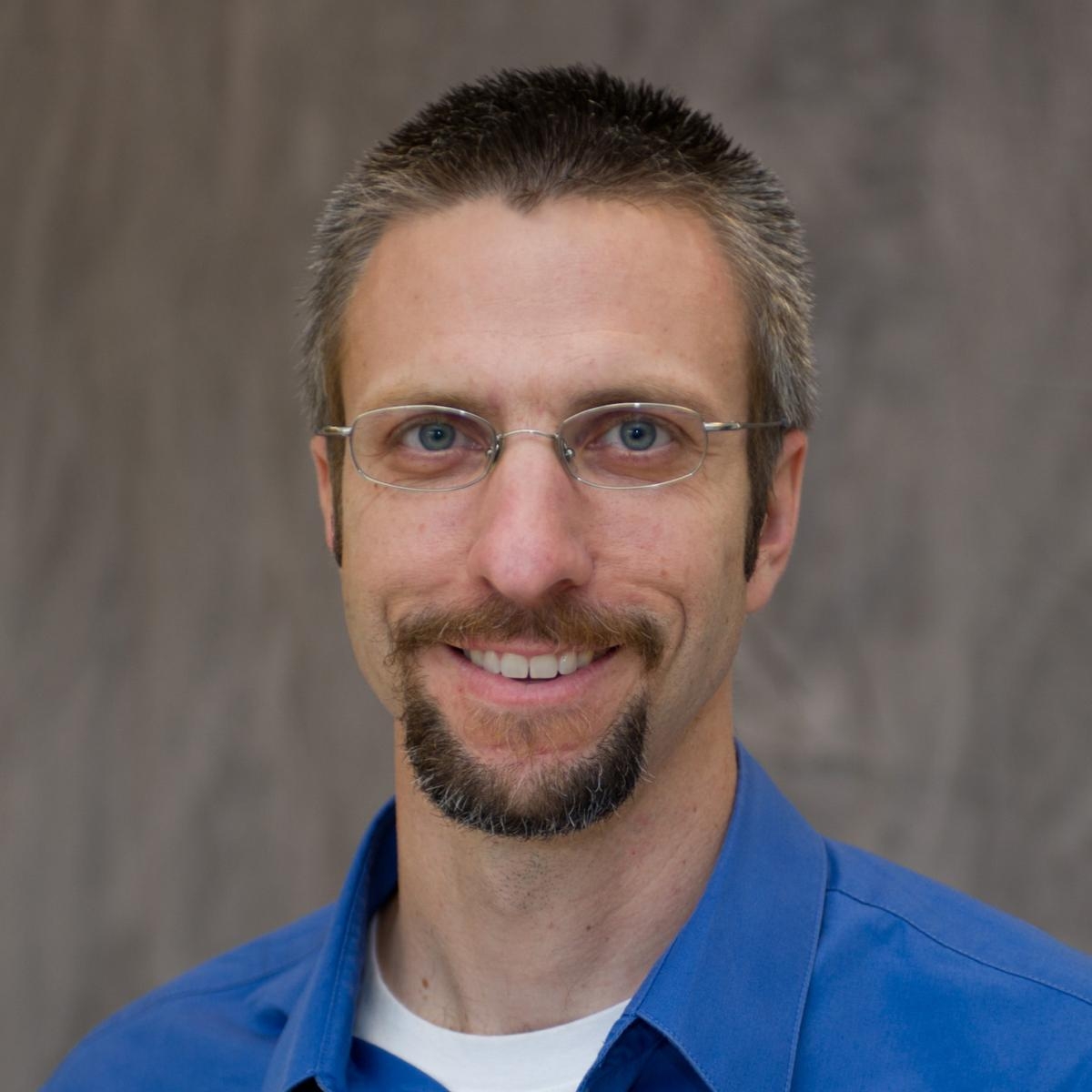
Kevin A. Haas is a Professor of Civil Engineering and Associate Chair for Undergraduate Programs at the Georgia Institute of Technology's School of Civil and Environmental Engineering, part of the team developing Coastal Engineering programs in Savannah. He holds a B.S. (Ohio State University, 1994), M.S. (Ohio State University), and Ph.D. (University of Delaware, 2001) in Civil/Coastal Engineering, followed by a postdoctoral fellowship at the University of Delaware. Education: B.S. in Civil Engineering (Distinction), The Ohio State University, 1994 M.S. in Civil Engineering, The Ohio State University, 1997 Ph.D. in Coastal Engineering, University of Delaware, 2001 Research Interests: Focuses on coastal dynamics, numerical modeling of nearshore circulation, sediment transport, and hydrodynamics of rip currents. Explores wave energy extraction, tidal marsh sediment transport, and applications of video-based field observations. His work bridges environmental engineering and renewable energy, emphasizing sustainable coastal systems. Key Achievements: Recipient of the Delaware Sea Grant Award for outstanding Ph.D. research on rip currents Lead in securing a $1M educational grant for undergraduate programs at Georgia Tech Active in developing tidal and wave energy assessment methodologies Grants & Labs: Principal investigator on projects funded by federal agencies and industry partnerships Conducts fieldwork and modeling at Georgia Tech's Savannah campus and coastal sites Collaborates with USGS, NOAA, and international teams on marine energy initiatives
Daniel Harrisمشاهده پروفایل
مدرس ارشد
Dr Daniel Harris is a Senior Lecturer in the Department of Geography at the School of the Environment, University of Queensland (UQ). His research focuses on coastal and coral reef morphodynamics, integrating physical processes like waves and tides with ecological and geological systems. Prior to UQ, he held positions at the University of Sydney and the Leibniz Center for Tropical Marine Ecology (ZMT). He leads The BeachLab, dedicated to developing tools for coastal resilience in a warming world. Research interests include coral reef structural complexity, coastal protection under climate change, and surf zone processes. His work combines field data, remote sensing (e.g., LiDAR, drones), and numerical modeling to address both fundamental and applied questions. Notable projects involve quantifying coral rubble mobility, analyzing Holocene reef evolution, and assessing shoreline change via satellite imagery. His expertise spans marine geoscience, physical oceanography, and environmental adaptation strategies. Publications emphasize coral reef dynamics, coastal geomorphology, and climate impacts. He collaborates with ecologists, geologists, and coastal engineers to advance interdisciplinary solutions. Teaching focuses on geography and marine science, reflecting his commitment to educating future researchers and practitioners. Key contributions include advancing methods for shoreline monitoring using Bayesian networks and Google Earth Engine. His research highlights the critical role of coral reefs in coastal protection, particularly under rising sea levels and extreme weather events. The BeachLab’s work bridges academic inquiry with practical management strategies for vulnerable coastal ecosystems.