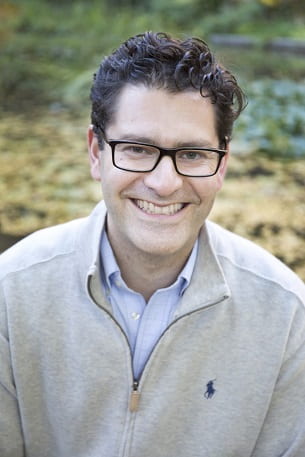
Dr. Kaya de Barbaro is an Associate Professor in the Department of Psychology at the University of Texas at Austin (College of Liberal Arts). She holds a Ph.D. from the University of California San Diego. Her research focuses on bridging computer science and developmental/clinical psychology, particularly maternal mental health and infant social-emotional development. She directs the Daily Activity Lab, which uses mobile/wearable sensors and machine learning to analyze real-world interactions, aiming to develop just-in-time interventions for new mothers. Key research areas include maternal-infant dynamics, physiological synchronization, and the impact of environmental chaos on development. She has pioneered methods for analyzing high-density data, such as Granger causality and machine learning algorithms to detect behaviors like crying and holding. Recent work emphasizes leveraging ecological momentary assessment surveys and 24-hour LENA audio recordings to understand proximal mechanisms of development. Dr. de Barbaro teaches Psychology 333D (Introduction to Developmental Psychology) and has developed curricula for both in-person and online formats. She is actively involved in training students through the Eureka program at UT Austin. Her lab collaborates on tools like chatbots for postpartum mental health and has published extensively on sensor-based methodologies in developmental science.
Christopher Thomas Sege, PhD is an Assistant Professor in the Department of Psychiatry and Behavioral Sciences at the Medical University of South Carolina (MUSC) College of Medicine. His research focuses on the neurophysiological mechanisms underlying anxiety disorders, particularly examining escape, avoidance, and approach behaviors in the anxiety disorder spectrum. Dr. Sege's primary research interests include: Anxiety Disorders and Emotional Processing Defensive Behaviors and Coping Mechanisms Neurophysiological Correlates of Emotional Anticipation Startle Response and Autonomic Nervous System Functioning Transcranial Magnetic Stimulation (rTMS) Applications His work bridges clinical psychology with neuroscience to understand how individuals with anxiety disorders process and respond to emotional stimuli. Dr. Sege leads the research study "Modeling and Modulating Mechanisms of Escape, Avoidance, and Approach in the Anxiety Disorder Spectrum" which investigates whether repetitive transcranial magnetic stimulation (rTMS) can alter how people with anxiety cope with emotional situations. This study involves measuring brain activation while participants view emotional pictures and undergo rTMS procedures. His publication record demonstrates expertise across multiple domains: Neurophysiological mechanisms of defensive behaviors Emotional anticipation and perception Startle modulation in anxiety disorders Borderline personality disorder research Development of experimental paradigms for emotional processing studies His research employs multiple methodologies including psychophysiology, event-related potentials, and neurostimulation techniques. Dr. Sege collaborates with researchers including Lisa McTeague, Bernadette Cortese, Carla Danielson, Thomas Uhde, and Aicko Schumann. His work appears in journals such as Biological Psychiatry: Cognitive Neuroscience and Neuroimaging, Biological Psychology, and Psychophysiology.
Rafał Jończyk is an Assistant Professor at the Department of Pragmatics, Faculty of English, Adam Mickiewicz University in Poznań, Poland, where he conducts research at the intersection of psycholinguistics, affective neuroscience, and bilingualism. His work primarily investigates how emotional processing differs between native and second languages using neurophysiological methods, particularly EEG. With a Ph.D. in English Linguistics from Poznań (2015) and postdoctoral experience at Pennsylvania State University, he has established himself as a leading researcher in bilingual emotional processing. His research interests span Affective Neuroscience , Experimental Pragmatics , Psycholinguistics , Bilingualism and Emotion , and the Neurophysiology of Creativity . His methodology heavily relies on EEG to examine language processing, with particular focus on emotional language comprehension and production in bilingual contexts. His work has demonstrated how bilinguals process emotional content differently in their native versus second languages, revealing reduced sensitivity to negative content in the second language. Jończyk's research program has evolved from early work on hemispheric specialization for emotional words to sophisticated EEG studies of emotional anticipation and metaphor processing in bilinguals. His most recent work explores hyperscanning methodologies to study real-time bilingual communication and the neural correlates of creative thinking in bilingual contexts. His publications show a clear progression from foundational studies of emotional word processing to increasingly complex investigations of emotional communication in naturalistic contexts. Cognitive Neuroscience Society Post-doctoral Fellows Award (2018) START scholarship for most talented young Polish scientists (2018) Scholarship from the Minister of Science and Higher Education (2020) Travel Grant Award for International Symposium on Bilingualism (2013) As Principal Investigator, Jończyk leads two major National Science Center projects examining psychophysiological correlates of affective language processing in bilinguals (2016-2018) and neurophysiological correlates of emotional speech production in bilingualism (2021-2025). He also participates in multiple international collaborations including NSF-funded research on divergent thinking in engineering education. His editorial roles include Topic Editor for Brain Sciences and Associate Editor for Applied Psycholinguistics, reflecting his standing in the field. He teaches courses in Psycholinguistics, Emotions in Social Communication, and Creativity and Language at the university level.
Wim Gevers is a faculty member at the Université libre de Bruxelles (ULB) and leads the CS4S – Cognitive Control & Sleep laboratory within the CRCN research centre. His work bridges cognitive psychology, neuroscience and sleep research to understand how the brain exerts control over thoughts and actions and how sleep contributes to these processes. Research Interests Cognitive Control & Metacognition: Investigating how subjective experiences such as confidence and the "urge-to-err" guide strategic adjustments in behaviour. Working Memory & Ordinal Cognition: Examining how order information is maintained and manipulated, and how these processes relate to mathematical competence. Sleep, Memory & Decision Making: Exploring how sleep-dependent consolidation influences motor learning and decision strategies. Across his 2022–2025 publications a clear trend emerges: a focus on metacognitive monitoring —how humans evaluate their own cognitive states—and the role of emotional and temporal context in shaping those evaluations. Studies range from reaction-time introspection and confidence judgements in perceptual tasks to the impact of aging and depression on metacognitive accuracy. Doctoral Supervision & Mentoring Whitney Stee (PhD 2024) – Sleep-dependent structural brain reorganization & motor learning Gaia Corlazzoli (PhD 2024) – Subjective experience in decision-making Myrtille Dewulf (PhD 2023) – Ordinal coding mechanisms in working memory Rebeca Sifuentes-Ortega (PhD 2023) – REM sleep and memory reactivation All dissertations were defended at ULB, Faculté des Sciences psychologiques et de l’éducation, with Wim Gevers formally listed as Promotor . Laboratory & Collaborative Networks As head of CS4S, Gevers coordinates a multidisciplinary team that combines behavioural experimentation, EEG/MEG, computational modelling and sleep polysomnography. The lab is embedded in the larger CRCN ecosystem, fostering collaborations with groups such as CO3 (consciousness), LCLD (language & deafness), and UR2NF (neurofunctional imaging).
James J. Gross is the Ernest R. Hilgard Professor of Psychology at Stanford University, directing the Stanford Psychophysiology Laboratory. He specializes in emotion regulation, with affiliations in Philosophy (courtesy). His education includes a Ph.D. in Clinical Psychology from UC Berkeley (1993), a B.A. in Philosophy and Psychology from Yale (1987), and a visiting graduate year at Oxford (1988). Research focuses on emotion regulation mechanisms, psychopathology, neuroimaging, and cultural influences. His work bridges clinical, cognitive, and social psychology, examining how individuals manage emotions to influence mental health and behavior. Notable contributions include the Process Model of Emotion Regulation and interventions targeting emotion regulation deficits. Publications (~650, 250k citations) highlight studies on emotion regulation strategies, clinical applications, and neural underpinnings. Recent work explores transdiagnostic treatments, digital health interventions, and the interplay between beliefs and emotion regulation. Awards: Stanford Dean’s Teaching Award, Walter J. Gores Award (highest teaching honor), multiple mentoring awards, and honorary doctorates from UC Louvain and Tilburg. Professional Roles: Co-founding President of the Society for Affective Science, Founding Co-Editor-in-Chief of Affective Science , and Fellow of major psychological and scientific societies. Labs/Teams: Directs the Stanford Psychophysiology Lab, collaborating on projects involving neuroimaging, psychophysiological assessment, and computational modeling of emotion processes.
Jack J. Blanchard, Ph.D., is an Associate Provost for Enterprise Resource Planning and Professor in the Department of Psychology at the University of Maryland, College Park. He is affiliated with the Brain and Behavior Institute and serves as Academic Director of the Master of Professional Studies program in Clinical Psychological Science. Previously, he held roles as Department Chair and Director of Clinical Training. Education: Ph.D. in Clinical Psychology, State University of New York at Stony Brook (1991) B.S. in Psychology, Arizona State University (1984) NIMH Postdoctoral Fellow at Medical College of Pennsylvania (1990-1992) Research Interests: Dr. Blanchard’s work focuses on emotion-behavior interactions in psychotic disorders, particularly schizophrenia. His laboratory (LEAP) employs fMRI, smartphone-based ecological assessments, and actigraphy to study: Social affiliation deficits and paranoia Neural correlates of motivation and reward processing Impact of sleep on symptom severity Clinical and behavioral assessment innovations Publication Trends: Recent articles (2020-2025) demonstrate a strong emphasis on transdiagnostic approaches, integrating neuroimaging with real-world behavioral tracking to examine social reward processing, pandemic-related mental health impacts, and sleep-psychosis comorbidities. Methodological themes include fMRI, smartphone assessments, and longitudinal designs. Awards and Honors: Joel and Kim Feller Professorship (2016) Excellence in Teaching Mentorship Award Fellow, Association for Psychological Science Mentoring and Grants: Actively trains graduate/undergraduate researchers through LEAP lab. Secured major funding including: NIMH grants for neural correlates of social affiliation/paranoia University of Maryland Brain and Behavior Initiative awards for wearable tech integration Laboratory and Collaborations: Directs the Laboratory of Emotion and Psychopathology (LEAP), collaborating with psychiatry departments and neuroscientists. Focuses on minority-representative samples and integrates clinical, behavioral, and technological methodologies.
Dr. Frances Chen is a Professor and Area Coordinator in the Department of Psychology at the University of British Columbia (UBC), located on the traditional, ancestral, and unceded territory of the Musqueam People. She holds a PhD from Stanford University (2009). Her research integrates health psychology, social psychology, and neuroendocrinology to explore how social experiences influence mental and physical health. Key areas include the physiological impacts of loneliness, social support, and hormonal changes during puberty on adolescent development. Education: PhD, Psychology, Stanford University, 2009 Research Focus: Dr. Chen investigates how social interactions 'get under the skin' through studies on loneliness, stress, conflict negotiation, and hormonal mechanisms. Her work emphasizes interventions to enhance social connection and reduce health disparities. Recent Article Trends: Recent publications highlight interdisciplinary approaches, including genetic influences on depression, effects of near-infrared lighting on cognition, and longitudinal studies on adolescent hormonal contraceptive use. Her work bridges basic science and applied health outcomes. Awards & Grants: Michael Smith Health Research BC C2 Award (2022) Killam Faculty Research Fellowship (2019) Teaching & Learning Enhancement Fund Grant (2025) SSHRC Prosociality Project Funding (2023) Lab & Mentorship: Director of the Social Health Lab, she mentors graduate and undergraduate students, prioritizing equity and inclusion. Recent lab achievements include studies on teen health development and interventions to improve student success in psychology programs. Lab Initiatives: UBC Teen Health and Development Study (longitudinal hormonal/mental health tracking) NIR lighting health impact research (collaborative interdisciplinary project) Prosociality 'in the Wild' SSHRC project
Qimin Liu is an Assistant Professor at Boston University, serving as Lab Director of the Quantitative Psychopathology Laboratory. He holds a PhD in Psychological Sciences from Vanderbilt University with specializations in Clinical Science and Quantitative Methods. His research focuses on emotional disturbances across development, statistical methodology development, and health equity with an emphasis on intersectional marginalization. He has expertise in analyzing intensive longitudinal data and has published extensively on topics like irritability, suicidality, and mental health disparities among sexual and gender minority populations. Dr. Liu’s work frequently integrates advanced statistical techniques such as latent variable modeling, network analysis, and machine learning. His recent studies explore the temporal dynamics of affect, the impact of stigma on mental health, and the role of childhood adversity in psychiatric outcomes. Notable contributions include developing methods for analyzing zero-inflated longitudinal data and creating algorithms for digital phenotyping of mood disorders through mobile device usage patterns. His scholarship emphasizes bridging clinical phenomena with rigorous quantitative approaches, addressing gaps in understanding how social determinants and individual differences shape mental health trajectories. He has collaborated on large-scale datasets like the Collaborative Psychiatric Epidemiological Surveys and contributed to interdisciplinary research on public health outcomes among aging sexual minority men. Dr. Liu’s methodological innovations include the DACF framework for ceiling/floor effect data and the lamme package for log-analytic multiplicative effects modeling. He actively publishes in high-impact journals such as Psychological Methods and Journal of Abnormal Psychology , focusing on both empirical findings and statistical best practices.
Dr. Kelsey A. Bonfils is a Nina Bell Suggs Endowed Professor and Assistant Professor in the School of Psychology at the University of Southern Mississippi, where she directs the Social Cognition & Recovery in Schizophrenia (SCORS) Lab. Her academic journey includes a PhD and MS in Clinical Psychology from Indiana University-Purdue University Indianapolis, and a BS from the same institution. Dr. Bonfils' research focuses on social cognition mechanisms in schizophrenia-spectrum disorders, examining contributing factors like sleep disturbance and developing interventions to improve recovery outcomes. Her work spans clinical psychology applications for adults with serious mental illness, psychosis risk, and emotion regulation processes. She maintains active professional affiliations with the American Psychological Association, Society for Research in Psychopathology, and International Society of Interpersonal Psychotherapy. Her publication portfolio demonstrates strong research trends in: Social cognition and metacognition in psychotic disorders Sleep-psychopathology relationships Innovative psychotherapies for serious mental illness Mental health disparities and treatment accessibility Veterans' mental health services Dr. Bonfils has received the distinguished Nina Bell Suggs Endowed Professorship recognizing her contributions to clinical psychology research. She teaches graduate and undergraduate courses including Abnormal Psychology, Clinical Psychology Practicum, and Adult Psychotherapy. At the SCORS Lab, Dr. Bonfils leads research on social cognitive processes and recovery-oriented interventions for individuals with schizophrenia-spectrum disorders, with current projects investigating sleep-social cognition interactions and metacognitive therapies.
Pieter Desmet serves as Professor of Design for Experience at Delft University of Technology's Faculty of Industrial Design Engineering, specifically within the Department of Human-Centered Design. He directs the Delft Institute of Positive Design, focusing on advancing knowledge for designing human flourishing. His research centers on emotional design mechanisms, particularly how product design evokes emotions and contributes to individual and community well-being. Key interests include Positive Design frameworks, mood-regulation interventions, AI-emotion alignment, and multisensory experiences in packaging and museum contexts. Recent work explores liminal spaces in exhibits, autoethnography ethics, and group mood dynamics in workplaces. Analysis of his 275+ publications reveals consistent focus on emotional design theory with expanding applications in AI, healthcare, and sustainability. His work bridges academic research with practical design tools for emotional well-being. No scientific awards are documented in the provided materials. Desmet actively supervises doctoral candidates (evidenced by PhD thesis datasets) and secures research grants through institutional collaborations. His leadership in organizing major conferences like IASDR 2023 and Design & Emotion events demonstrates significant academic influence. He leads the Delft Institute of Positive Design research group, which investigates user experience aspects through interdisciplinary projects integrating psychology, design, and technology.
Professor Gavan McNally is a distinguished behavioral neuroscientist at the University of New South Wales, where he serves as a Professor in the School of Psychology. He is actively engaged in research on the fundamental behavioral and brain mechanisms for learning and motivation, with applications to clinical conditions such as addictions, anxiety disorders, and mood disorders. McNally holds several prestigious editorial positions, including Editor-in-Chief of Neurobiology of Learning & Memory and Senior Editor of The Journal of Neuroscience. He also serves as President-Elect of the European Behavioral Pharmacology Society and is a Member of the Australian Research Council College of Experts. McNally's research interests span behavioral neuroscience, focusing on how fundamental brain mechanisms apply to clinical conditions. He employs a systems neuroscience approach, combining well-controlled behavioral approaches with optogenetics, chemogenetics, in vivo calcium imaging, and whole brain circuit mapping in both normal and transgenic animals. His work bridges basic science with clinical applications through collaborations with colleagues at University of Sydney, Sydney Local Health District, Monash University, and Turning Point. McNally's research particularly examines the cellular, circuit, and systems level mechanisms underlying learning, motivation, and their dysregulation in disorders like addiction. His laboratory investigates how these mechanisms translate to human conditions, with a strong emphasis on developing new treatments for psychological disorders. His extensive publication record demonstrates a clear trajectory in understanding punishment learning, addiction mechanisms, and the neural circuits underlying motivated behavior. Recent work has increasingly focused on the cognitive pathways to punishment insensitivity, the role of specific neural circuits in addiction, and translational approaches to understanding maladaptive behaviors. McNally's research bridges animal models with human studies, creating a comprehensive understanding of the neural mechanisms that govern learning and motivation, with particular attention to how these processes go awry in addiction and other psychological disorders. 2008 QEII Fellow, Australian Research Council 2009 Association for Psychological Science, International Rising Star 2010 Fellow, Association for Psychological Science 2010 UNSW Faculty of Science Staff Excellence Award for Research and Training 2011 Pavlovian Research Award, The Pavlovian Society 2012 Future Fellow (Level 3), Australian Research Council 2016 D.G. Marquis Behavioral Neuroscience Award, American Psychological Association 2017 Fellow, American Psychological Association 2019 Fellow of the Academy of Social Sciences in Australia 2021 D.G. Marquis Behavioral Neuroscience Award, American Psychological Association 2022 Ross Day Plenary Lecturer, Australasian Brain and Psychological Sciences 2023 European Behavioural Pharmacology Society Plenary Lecturer 2024 Elspeth McLachlan Plenary Lecturer, Australasian Neuroscience Society 2024 D.G. Marquis Behavioral Neuroscience Award, American Psychological Association Professor McNally actively supervises several students including Bixuan Lin, Si Yin Lui, Hannah Machet, Bart Cooley, Kelly Zhuang, and Alexandra Gregory. His current research is supported by significant funding including an Australian Research Council Discovery Project (2024-2026) on "Risky choices: From cells and circuits to computations and behaviour," another Discovery Project (2025-2028) on "Multimodal mapping of punishment learning," and NHMRC grants including a Synergy Grant on "Linking clinical and basic science discovery to find new treatments for alcohol-use disorder" and an Ideas Grant on "Novel pathways to abstinence from alcohol seeking." These projects reflect his commitment to both fundamental neuroscience and translational applications for treating psychological conditions. His teaching responsibilities include PSYC2081 Learning & Physiological Psychology and PSYC3051 Physiological Psychology. McNally's laboratory employs advanced techniques including optogenetics, chemogenetics, in vivo calcium imaging, and whole brain circuit mapping to investigate the neural mechanisms underlying learning, motivation, and their dysregulation in disorders. His team works at the intersection of basic neuroscience and clinical applications, with strong collaborations across multiple institutions to translate fundamental findings into potential treatments for addiction and other psychological disorders. The lab has made significant contributions to understanding the role of brain regions like the ventral pallidum, paraventricular thalamus, and nucleus accumbens in addiction, fear learning, and punishment sensitivity.
Istvan Mody is a Professor at the University of California, Los Angeles (UCLA) with appointments in the Department of Neurology and Department of Physiology . His research focuses on synaptic signaling in health and disease, including mechanisms of GABAergic transmission, calcium homeostasis, and their roles in neurological disorders such as epilepsy, Alzheimer's disease, Huntington's disease, stress, alcoholism, and postpartum depression. He utilizes advanced techniques like patch-clamp electrophysiology, neuroanatomical and immunohistochemical methods, and molecular biology in animal models and human brain tissue . Research Interests: Dr. Mody investigates the physiology, pharmacology, and pathology of synaptic transmission and extrasynaptic receptor activation , with a particular emphasis on GABA(A) receptors and their subunit-specific modulation. His work explores how disruptions in excitation-inhibition balance contribute to neurological diseases, including mechanisms of tonic inhibition , calcium signaling , and neurosteroid interactions . He also studies the effects of chronic stress and hormonal fluctuations on neural excitability and behavior. Publications Trends: Recent studies highlight his work on gamma oscillations in Alzheimer's models, microglial dynamics , and rehabilitation strategies for stroke. His lab develops optical tools like dqGEVI for neuronal activity monitoring and investigates human brain organoids to model network dysfunction in epilepsy and intellectual disability. Laboratory Location: 635 Charles Young Dr S, Los Angeles, CA 90095, United States.
Elin Org is a Professor of Microbiomics at the University of Tartu's Institute of Genomics, where she also serves as Head of the Estonian Genome Centre and Vice Director of the Institute. Her academic career spans over two decades with significant contributions to microbiome and genomic research. Education: PhD in Genetics, University of Tartu (2006) Master's Degree in Molecular Biotechnology and Biomedicine, University of Tartu (2000) Bachelor's Degree, University of Tartu (1997) Classical Singing, Heino Eller Tartu Music School (1996) Professor Org's research primarily focuses on the intricate relationships between host and gut microbiota and their influence on metabolism and common complex diseases. Her work bridges microbiomics, genomics, and complex disease research, with particular emphasis on understanding how gut microbiome composition affects human health. She has pioneered research connecting long-term antibiotic usage with microbiota-dependent effects and has made significant contributions to understanding the role of gut microbiome in conditions such as gestational diabetes, endometriosis, and polycystic ovary syndrome. Her approach integrates advanced computational methods with comprehensive health data to uncover causal relationships in microbiome research. Her recent publications demonstrate a strong trend toward integrating microbiome data with extensive digital health metrics, using machine learning approaches to identify microbial predictors of health outcomes. This work is increasingly focused on translating microbiome research into clinical applications for disease prediction and personalized medicine approaches, particularly in the context of the Estonian Biobank initiative. Major Scientific Recognition: 2025 National Science Award in medical and health sciences 2023 and 2022: Recognized among the world's top 1% most cited researchers by Clarivate Analytics 2020: Member of AcademiaNet, a portal for top female researchers 2017: EMBO Installation grant 2013: Marie Curie International Outgoing Fellowship Professor Org has secured substantial research funding as principal investigator for multiple significant projects, including 'DISCERN - Discovering the causes of three poorly understood cancers in Europe' (€245,466, European Commission) and 'Improving colorectal cancer screening and prediction using microbiome-based biomarkers' (€760,450, Estonian Research Council). She has served as an opponent for numerous PhD theses across European institutions, contributing to the development of emerging researchers in her field. As Head of the Estonian Genome Centre, Professor Org leads a multidisciplinary research team that plays a crucial role in Estonia's transition from biobanking to personalized medicine applications. She is actively involved in international collaborations through COST networks including INFOGUT (focused on in vitro colon models) and ML4Microbiome (statistical and machine learning techniques in human microbiome studies), positioning her at the forefront of global microbiome research initiatives.
Tammy English is an Associate Professor in the Department of Psychological & Brain Sciences at Washington University in St. Louis, where she leads the Emotion and Relationships Laboratory. Her research investigates how individuals regulate emotions in real-world social contexts, with a focus on authenticity, interpersonal dynamics, and well-being across the lifespan. PhD, University of California, Berkeley MA, University of California, Berkeley BA, Swarthmore College Her research interests span emotion regulation , social psychology , affective science , interpersonal relationships , and developmental psychology , with increasing emphasis on aging, cognitive factors, and diversity in educational contexts. She employs intensive longitudinal methods such as experience sampling and ambulatory assessment to capture emotional dynamics in daily life. The most recent publications highlight trends in emotion regulation across adulthood , particularly how cognitive abilities, authenticity, and situational context influence regulatory success. Her work explores both intrapersonal and interpersonal emotion regulation, including its role in romantic relationships, intergroup interactions, and mental health conditions like depression. There is a strong methodological focus on ecological validity, momentary assessment, and distinguishing adaptive from maladaptive regulation. APS Fellow (2022) Tenured faculty (2019) Recipient of multiple NIA grants, including R01AG070139 Mentor to award-winning students (ExpiWell Dissertation Award, SPSP Heritage Award) Dr. English has advised numerous graduate students and postdoctoral researchers, including Tabea Springstein and Isidro Landa, and has secured significant grant funding from the National Institute on Aging to study the neural and motivational underpinnings of emotion regulation across the lifespan. Her lab collaborates widely, including with the Emotion and Mental Health Lab, and presents regularly at premier conferences such as the Society for Affective Science and the Association for Psychological Science. The Emotion and Relationships Lab conducts cutting-edge research on how people manage emotions in social contexts across adulthood, with special attention to aging, cognitive health, and educational equity. The lab uses mobile sensing, experience sampling, and experimental designs to study emotion regulation in real time and real-world settings.
Marc G. Berman is a Professor and Chair of the Department of Psychology at the University of Chicago. His research focuses on understanding how environmental factors interact with human cognition, emotion, and behavior, particularly through the lens of environmental neuroscience. He leads the Environmental Neuroscience Lab (ENL), investigating how natural and urban environments influence brain function, memory, attention, and mental health. Dr. Berman holds a B.S.E. in Industrial and Operations Engineering from the University of Michigan and a Ph.D. in Psychology and Engineering from the same institution. His postdoctoral training was at the Rotman Research Institute in Toronto. Prior to Chicago, he was an Assistant Professor at the University of South Carolina. His research interests include the cognitive and affective benefits of natural environments, brain network efficiency, and the neurobiological underpinnings of self-control and emotion regulation. Recent work explores how urban design elements (e.g., greenspace, street activity) relate to crime rates and mental health outcomes, leveraging big data from social media and geospatial tools. Key contributions include demonstrating that natural environments improve memory and attention by ~20%, and that city characteristics like population diversity and segregation correlate with implicit racial biases. His lab employs fMRI, neuroimaging, computational modeling, and ecological data to quantify brain-environment interactions. Dr. Berman collaborates across disciplines, integrating neuroscience, psychology, urban planning, and data science to inform evidence-based environmental design for public health. Current projects include analyzing social media data to map gang networks and investigating how heat and greenspace influence emotional states in urban populations.