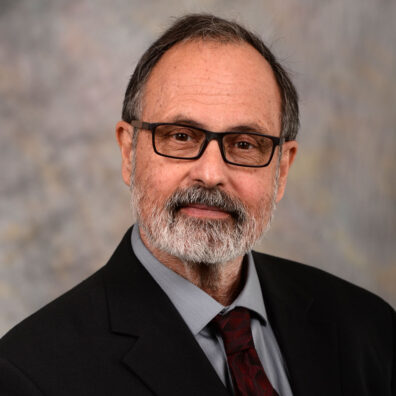
Megan Valentine is a Professor of Mechanical Engineering at the University of California, Santa Barbara (UCSB), affiliated with the College of Engineering. She leads an interdisciplinary research group focused on biological and bioinspired materials, investigating how forces are generated and transmitted in living systems to design responsive synthetic materials. Her work bridges engineering, physics, chemistry, and biology. Education: PhD in Physics from Harvard University, MS in Physics from the University of Pennsylvania, and BS in Physics from Lehigh University. Affiliations include the California NanoSystems Institute (CNSI), Materials Research Laboratory (MRL), Neuroscience Research Institute, and the Center for Stem Cell Biology and Engineering. Research interests span soft material mechanics, bioengineering, and systems biology, with applications in marine-inspired materials, mechanobiology, and soft robotics. Her lab employs advanced experimental techniques to study biophysical and biochemical mechanisms in living systems and translate them into engineered materials capable of self-healing, movement, and environmental responsiveness. Notable awards include the NSF Early CAREER Award, Fulbright Scholarship, and election as Fellow of the American Physical Society and American Institute for Medical and Biological Engineering. Her contributions emphasize creativity, collaboration, and diversity, with a focus on addressing societal challenges through interdisciplinary innovation.
Professor CHEN Wei (National University of Singapore) holds the Provost's Chair Professorship (2023-2026) and serves as Vice-Dean (Research) with joint appointments in the Departments of Chemistry and Physics. His research focuses on molecular-scale interface engineering for 2D materials-based devices and interface-controlled nanocatalysis in energy/environmental applications. PhD in Material Science, NUS (2004) Lee Kuan Yew Research Fellow (2006-2008) Established Surface and Interface Lab (2009) Director, NUS Research Institute (Fuzhou) His work on 2D optoelectronic memory (Nat. Comm. 2018), Kagome lattice design (Nano Lett. 2020), and single-atom catalysis (Nat. Comm. 2021) has been recognized by multiple high-impact publications and the Clarivate Highly Cited Researcher status (2017-2021). Awards include the NRF Investigatorship (2023) , Mitsui Chemicals-SNIC Industry Award (2020) , and Singapore Young Scientist Award (2012) . Grants from NUS, Singapore MOE, CREATE/CRP programs, and A*STAR support his exploration of interface engineering for neuromorphic computing and energy-efficient nanocatalysts . Current projects include monolayer blue phosphorus synthesis and solid electrolyte interphase engineering for lithium batteries.
Professor Todd Squires is a distinguished faculty member in the Department of Chemical Engineering at the University of California, Santa Barbara, within the Robert Mehrabian College of Engineering. His research focuses on the fundamental principles of transport phenomena as applied to interfaces, membranes, and complex fluids, employing theoretical, computational, and experimental approaches to address significant challenges in micro-scale fluid mechanics. Dr. Squires' educational background includes: BS in Physics, UCLA (1995) BA in Russian Language and Literature, UCLA (1995) PhD in Physics, Harvard University (2002) His research interests span microfluidics and electrokinetics, active and nonlinear microrheology of complex materials, polymer dynamics and sensors, with particular emphasis on non-linear electrokinetic flows, interfacial rheology, and the self-assembly of nanostructured materials. His work bridges fundamental fluid mechanics with practical applications in microfluidic devices, energy storage, and biomedical systems, demonstrating the versatility of this fascinating field. Analysis of Professor Squires' recent publications reveals a consistent focus on interfacial phenomena, with particular attention to the rheological properties of fluid interfaces, particle dynamics in complex fluids, and novel microfluidic techniques for measuring and manipulating these systems. His research demonstrates strong interdisciplinary connections between chemical engineering, physics, and materials science, with applications spanning energy storage, biomedical engineering, and environmental systems. Professor Squires has received numerous prestigious awards and honors: 2018 Robert W. Vaughan Lecture in Chemical Engineering, Caltech 2015 Elected Fellow of the American Physical Society 2013 Mid-Career Award, American Electrophoresis Society 2012 The Dudley Saville Memorial Lecture at Princeton 2010 Pierre Gilles de Gennes Prize 2010 Allan P. Colburn Memorial Lectureship, University of Delaware 2009 Francois Frenkiel Award for Fluid Mechanics 2009 Camille Dreyfus Teacher-Scholar Award 2008 Beckman Young Investigator 2007 NSF CAREER Award 2005 'Rising Star' - Chronicle of Higher Education As principal investigator of the Squires Group, Professor Squires leads a dynamic research team that combines experimental, theoretical, and computational approaches to investigate transport phenomena at interfaces. His work has been supported by major funding agencies including the National Science Foundation, with his CAREER award indicating early recognition of his potential as both researcher and educator. While specific grant details aren't provided in the source material, his extensive publication record and prestigious awards suggest robust and sustained research funding. The Squires Group maintains state-of-the-art laboratory facilities for studying micro-scale fluid mechanics, including specialized equipment for microrheology measurements, microfluidic device fabrication, and interfacial characterization. Their research environment fosters collaboration across disciplines, with connections to materials science, physics, and biomedical engineering researchers at UCSB and beyond.
Prof. dr. ir. C.H. (Caspar) van der Wal is a Full Professor in Physics of Quantum Devices at the Faculty of Science and Engineering , University of Groningen. His research focuses on spintronic and quantum information functionalities using electron/nuclear spins in semiconductor devices, combining quantum optical and electron transport methods. PhD in Quantum Transport (Delft University of Technology, 2001) Postdoc in Quantum Optics at Harvard University (2001-2003) Scientific Director of Zernike Institute for Advanced Materials (2016-2022) Research keywords include Quantum Optics , Spintronics , Quantum Information , and Semiconductor Physics . Recent work explores 2D/3D semiconductor heterostructures , spin defects in SiC , and transition metal dichalcogenides . His scientific contributions have earned him the NWO-Vidi Grant (2005) , ERC Starting Grant (2011) , and multiple teaching awards. Publications since 2001 span topics like quantum superpositions in superconducting circuits, spin relaxation in quantum dots, and telecom-ready spin centers in silicon carbide. Grants : NWO-Vidi (2005), ERC Starting Grant (2011) Leadership : Scientific Director, Zernike Institute (2016-2022) Teaching : Teacher of the Year (2015), Education Prize (2012) Current affiliations include the Physics of Nanodevices group at the Zernike Institute for Advanced Materials. Collaborations span institutions like MIT, Harvard, and AMOLF.
Robert J. Hamers is a Professor of Chemistry and the Steenbock Professor of Physical Science at the University of Wisconsin-Madison . He serves as the Director of the Center for Sustainable Nanotechnology , a multi-institutional collaboration, and is a Senior Editor for Accounts of Chemical Research . Additionally, he co-founded the startup Silatronix, Inc. and leads the ACS/UW-Madison Bridge to the Chemistry Doctorate Program . B.S. in Chemistry, University of Wisconsin-Madison (1980) Ph.D. in Chemistry, Cornell University (1986) Hamers' research focuses on surface chemistry, nanotechnology, and renewable energy , with specific interests in electrochemical energy storage, photoelectron emission mechanisms, and environmental impacts of nanomaterials . His group develops ultra-stable surface chemistries for energy devices and investigates charge-transfer processes at material interfaces . Recent publications highlight advances in diamond-based materials , organosilicon electrolyte additives , and environmental fate of nanomaterials . Scientific recognitions include the Wisconsin Distinguished Professor title. His work bridges fundamental surface science with applied technologies through collaborations with academic institutions, national laboratories, and industry partners like Dow Chemical . The Hamers Group actively trains graduate students and postdoctoral researchers in multidisciplinary approaches.
Farhan Rana is the Joseph P. Ripley Professor of Electrical and Computer Engineering at Cornell University. He earned his BS, MS, and PhD from MIT and leads the Semiconductor Optoelectronics Group at Cornell, focusing on graphene, 2D materials, and semiconductor nanostructures. His research bridges experimental condensed matter physics and optoelectronic device engineering. Current Research Focus Ultrafast Spectroscopy Terahertz Microphotonics Quantum Optics Plasmonics and Nanostructures His group specializes in graphene optoelectronics , terahertz devices , and ultrafast semiconductor lasers . Recent work explores valley-dependent optical phenomena, exciton dynamics, and plasmon-phonon interactions in 2D materials. Key trends in his publications include graphene plasmonics , MoS2 photodetectors , and terahertz spectroscopy . He has contributed to foundational studies on carrier relaxation in graphene and quantum cascade lasers . 3× Michael A. Tien Excellence in Teaching Award (2006, 2010, 2017) NSF Career Award (2004) DARPA Young Faculty Investigator (2008) IEEE 'Most Downloaded Paper' (2008) MRS Best Paper Ribbon (2004) His students have received prestigious fellowships and awards, with alumni like Jared Strait (National Defense Science Fellowship) and Haining Wang (Cornell Best PhD Thesis). The group actively mentors graduate and undergraduate researchers.
Prof. Alexander Holleitner leads the Chair of Nanotechnology and Nanomaterials at the Department of Physics, Technical University of Munich , under the Walter Schottky Institute. His research focuses on ultrafast optoelectronics, quantum optoelectronics, and excitonic systems in nanoscale circuits. Research Directions : Ultrafast optoelectronics, quantum optoelectronics, excitonic systems, THz time-domain spectroscopy, and nanofabrication of mixed organic/inorganic systems. Publications : Recent work spans hyperbolic polaritons, interlayer excitons, graphene nano-gap dynamics, and defect engineering in 2D materials. Collaborations include interdisciplinary projects with groups studying semiconductor heterostructures and quantum technologies. His lab welcomes students and researchers interested in experimental physics, quantum electronics, and nanofabrication.
Justin D. Holmes is Professor of Nanochemistry in the School of Chemistry at University College Cork (UCC) and serves as a Principal Investigator at the Environmental Research Institute. He holds the position of Deputy Director at the Advanced Materials and Bioengineering Research (AMBER) centre, a Science Foundation Ireland-funded initiative that bridges academic research with industry applications. With more than 400 peer-reviewed publications in materials science, Professor Holmes has established himself as a leading figure in nanochemistry research and development. Professor Holmes' research program centers on developing chemical methods to synthesize and assemble nanostructured materials for environmental and energy applications. His work spans three primary domains: atmospheric sensors for detecting radicals and gases (RADICAL project), energy conversion through nanofluidic platforms for waste heat conversion (TRANSLATE project) and solar-to-chemical energy conversion (FreeHydroCells project), and sustainability through chemical recycling of waste plastics (AMBER project). His interdisciplinary approach integrates chemistry, materials science, and environmental engineering to address critical sustainability challenges through nanoscale innovation. Analysis of Professor Holmes' recent publications reveals a strong emphasis on sustainable materials development and energy applications. His research demonstrates consistent focus on germanium-based nanomaterials for electronics and energy storage, innovative polymer recycling techniques, and sustainable nanomaterial synthesis. The progression of his work shows increasing integration of circular economy principles, with significant contributions to plastic waste management and green chemistry approaches. Professor Holmes has received significant recognition for his contributions to science: Member of the Royal Irish Academy Fellow of the Royal Society of Chemistry His research is supported through substantial funding mechanisms, including his leadership role in the AMBER centre. Professor Holmes has successfully translated research into commercial applications through co-founding Glantreo Ltd., a UCC spin-out company. His work demonstrates a strong commitment to both fundamental scientific advancement and practical applications that address environmental challenges. Professor Holmes leads an active research group within the School of Chemistry at UCC, collaborating extensively through the Environmental Research Institute and the AMBER centre. His team maintains strong interdisciplinary connections across chemistry, materials science, and engineering disciplines, with sophisticated capabilities in nanomaterials synthesis, characterization, and application development. The research environment fosters innovation in environmental sensing, energy conversion technologies, and sustainable materials development.
Dr. Julie N.L. Albert is an Assistant Professor in the Department of Chemical and Biomolecular Engineering at Tulane University, holding the Robert and Gayle Longmire Early Career Professorship. She is affiliated with the School of Science and Engineering and serves as co-director of the SMART REU NSF-funded program. Her research focuses on engineering nano- and micro-structured polymeric materials for energy, health, and environmental applications, emphasizing self-assembly processes in block copolymers and polymer blends. Key areas include nanoporous membranes, biocompatible surfaces, and stimuli-responsive materials. Dr. Albert earned her B.S. in Chemical Engineering from the University of Florida (2005) and her Ph.D. from the University of Delaware (2012). She conducted postdoctoral research at North Carolina State University. Her work has been supported by prestigious grants, including the NSF CAREER Award and a Gulf Research Program Fellowship. Her research group explores topics like polymer crystallization, polyorganosiloxanes, and block copolymer architectures. Notable achievements include developing methods for controlling polymer morphology via solvent vapor annealing and surface chemistry gradients. She advises numerous graduate and undergraduate students and mentors organizations like the Society of Women Engineers. Education: B.S., Chemical Engineering, University of Florida, 2005 Ph.D., Chemical Engineering, University of Delaware, 2012 Research Interests: Self-assembly of block copolymers, nanoporous membranes, biocompatible materials, and energy applications. Awards: NSF Graduate Research Fellowship, Gulf Research Program Early-Career Fellowship, AIChE Travel Award. Dr. Albert’s lab houses advanced facilities such as AFM, spectral reflectometry, and GPC, enabling cutting-edge polymer characterization. Her contributions bridge polymer science, materials engineering, and environmental sustainability, addressing challenges in energy recovery and biomedical technologies.
Dr. Arvydas Ruseckas is a Research Fellow at the School of Physics and Astronomy, University of St Andrews. His research focuses on organic photovoltaics, semiconductor materials, and optoelectronic systems. Key areas include exciton dynamics in solar cells, perovskite photovoltaics, and X-ray detector technologies. He collaborates extensively on interdisciplinary projects, bridging material science with marine biology and quantum optics. Research interests span organic solar cells, energy harvesting, and semiconductor physics, with contributions to understanding charge transfer mechanisms and material optimization. He has published widely on topics such as exciton diffusion, light-harvesting in red algae, and polariton condensates in organic semiconductors. His work often involves experimental studies of thin films, photoluminescence, and device performance, with a focus on advancing sustainable energy technologies and novel optoelectronic applications.
Professor K.W. Hipps is a Regents Professor of Chemistry and Materials Science and Engineering at Washington State University (WSU). He holds multiple fellowships, including those from the American Chemical Society, American Physical Society, and American Association for the Advancement of Science. His research focuses on surfaces, interfaces, and nanotechnology, utilizing advanced techniques like Scanning Tunneling Microscopy (STM), Transmission Electron Microscopy (TEM), and spectroscopy. His work explores molecular-scale processes, including surface diffusion, electron transfer, and nanoparticle properties. Education: Ph.D. in Chemical Physics from WSU (1978), followed by a postdoc at the University of Michigan. He has authored over 180 publications and received numerous awards, including the Sahlin Eminent Faculty Award and WSU Distinguished Faculty Award. Research Interests: Surface chemistry, nanotechnology, materials characterization, and molecular dynamics. His lab studies interfaces, thin films, and supramolecular assemblies using STM and spectroscopic methods. Scientific Contributions: His STM images have featured on journal covers, and his work on cobalt and copper phthalocyanines demonstrated chemical selectivity in molecular imaging. Students in his group gain expertise in microscopy, spectroscopy, and materials synthesis.
Dr. Julia W.P. Hsu is a Professor and Texas Instruments Distinguished Chair in Nanoelectronics at the University of Texas at Dallas (UT Dallas), affiliated with the Erik Jonsson School of Engineering and Computer Science. She holds leadership roles, including Director of the MaSTeR facility and former Associate Head of the Materials Science and Engineering Department. Previously, she served at Sandia National Laboratories (2003–2010), Bell Laboratories (1999–2003), and the University of Virginia (1993–2001). Education: PhD in Physics (Stanford, 1991), MS in Physics (Stanford, 1987), BSE in Chemical Engineering (Princeton, 1985). Research: Focuses on nanomaterials, photovoltaics, interfacial phenomena, and semiconductor nanostructures. Key areas include solution-synthesized materials, low-temperature processing, and device physics. Her work bridges experimental techniques like scanning probe microscopy and industry-relevant applications in energy materials. Notable achievements include pioneering studies on organic-inorganic hybrid systems and contributions to nanofabrication. Awards and Honors: MRS Fellow (2011) APS Fellow (2001) AAAS Fellow (2007) Simons Foundation Pivot Fellow (2023) Advising and Leadership: Supervised over 15 PhD and MS students. Directed the Light Institute of Texas and UT Dallas’ MaSTeR facility, emphasizing interdisciplinary research and industry collaboration. Labs/Teams: Leads the MaSTeR facility for material characterization and collaborates with the Light Institute for optoelectronics research.
Jiwoong Park is Professor of Chemistry and Chair of the Department of Chemistry at the University of Chicago, and simultaneously Professor of Molecular Engineering in the Pritzker School of Molecular Engineering. His interdisciplinary research group, the Park Group, is jointly affiliated with the James Franck Institute and the Materials Research Science and Engineering Center (MRSEC) at UChicago, and operates from the Gordon Center for Integrative Science. Education & Training Ph.D., University of California, Berkeley (2003) B.S., Seoul National University (1996) Junior Fellow, Rowland Institute, Harvard University (2003–2006) Assistant → Associate Professor, Department of Chemistry and Chemical Biology, Cornell University (2006–2016) Research Interests Park’s research centers on the science and technology of precisely engineered nanomaterials, particularly atomically-thin two-dimensional (2D) crystals and van der Waals solids. Spanning chemistry, physics, materials science and electrical engineering, his group develops novel synthetic, imaging and characterization techniques to uncover new physical phenomena and translate them into scalable device technologies. Key thrusts include growth of wafer-scale molecular crystals, optical and transport spectroscopy of 2D semiconductors, mechanical behavior of polycrystalline nanomembranes, and integration of these materials into photonic, electronic and energy-harvesting devices. Scientific Awards Elected Fellow of the American Physical Society (2022) – “for the development of synthetic, imaging, and characterization techniques of atomically thin materials and the discovery of novel properties of van der Waals solids.” Clarivate Highly Cited Researcher (2023) – recognition for multiple papers ranking in the global top 1% by citations in Materials Science and Chemistry. Group & Collaborations The Park Group is an interdisciplinary team of postdocs, graduate researchers and undergraduates housed in the Gordon Center for Integrative Science. The group actively collaborates with colleagues across the Department of Chemistry, Department of Physics, and the Pritzker School of Molecular Engineering, leveraging shared facilities at the James Franck Institute and MRSEC to push the frontiers of 2D material science.
Dr. Chitraleema Chakraborty is an Assistant Professor in the Departments of Materials Science and Engineering and Physics and Astronomy at the University of Delaware. Her research focuses on solid-state quantum emitters, 2D materials, and quantum optics, aiming to develop quantum technologies for computing, communication, and sensing. She combines computational and experimental approaches to predict, fabricate, and image quantum emitters integrated with photonic devices. Education: Ph.D. in Materials Science, University of Rochester (2018) Dual MS and MTech in Nanophysics and Nanostructures, University of Delhi and Joseph Fourier University, Grenoble (France) BSc Honors in Physics, Jadavpur University, Kolkata (2009) Research interests include quantum emitters in 2D materials, integrated photonics, and hybrid quantum systems. Her work bridges theoretical predictions and experimental validation to advance applications in quantum information and nanoscale sensing. Publications highlight advancements in strain-tunable quantum emitters, on-chip photonic integration, and room-temperature ferromagnetism in van der Waals materials. Recent trends emphasize scalable synthesis methods and defect engineering for quantum technologies. Awards: Carl E. Anderson Outstanding Doctoral Thesis Finalist (2019) Rising Star in EECS (2019) Outstanding Dissertation Award, University of Rochester (2018) Best Student Speaker at MRS Fall Meeting (2017) Egide Scholar, France (2010-2011) Her research group actively explores nanoscale confinement effects and electrical tuning of quantum systems. Collaborations focus on integrating 2D materials with photonic platforms for scalable quantum devices. Ongoing projects aim to develop robust quantum emitters for real-world applications.
Jun Liu is an Assistant Professor in the Department of Mechanical and Aerospace Engineering at the School of Engineering and Applied Sciences, University at Buffalo. His research focuses on advanced energy materials, nano/micro-mechanics, and self-powered systems, with applications in triboelectric energy harvesting and scanning probe microscopy. Education: PhD, Materials Engineering, University of Alberta (2018) MS, Materials Science, Shanghai University (2015) BE, Materials Science and Engineering, Nanchang University (2012) Research Interests: Development of tribovoltaic and triboelectric systems for self-powered electronics Mechanical energy harvesting via dynamic heterojunctions and Schottky contacts 3D-printed hydrogel structures for energy absorption and flexible electronics Nanoscale characterization using atomic force microscopy Design of nanocomposite sensors and catalytic materials Publication Trends: His work emphasizes triboelectricity, nanoscale energy conversion, and sustainable materials. Recent articles explore bionic tactile sensing, tunable hydrogels, and quantum dynamics in sliding interfaces. Awards: SONY Faculty Innovation Award (2021) Nature Springer MINE Young Scientist Award (2020) International Contest of Applications in Nano/Micro Technology Prize (2013) Laboratory: Advanced Energy Materials and Nanomechanics Lab at University at Buffalo.