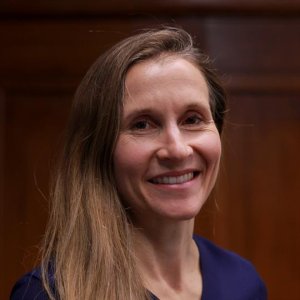
Dr. Anastasia Mallidou is Professor and Associate Director of Graduate Education at the University of Victoria's School of Nursing, with expertise in health services research, knowledge translation, and healthy aging. Her research examines organizational contexts and evidence-based interventions across healthcare settings. Key research domains: Health informatics implementation Research literacy among healthcare professionals Non-pharmacological treatments for aging populations Patient safety culture measurement Publication analysis shows consistent focus on methodological rigor in psychometrics, systematic reviews, and cross-cultural studies applied to healthcare workforce development. Her work bridges research and practice through competency frameworks and implementation strategies. Active community engagement includes partnerships with long-term care facilities and healthcare organizations to improve quality metrics and staff training programs.
Shi-Yi Wang , MD, PhD, is an Associate Professor and Senior Research Scientist at the Yale School of Public Health , with affiliations to the Cancer Outcomes, Public Policy and Effectiveness Research (COPPER) Center and Public Health Modeling Concentration. His work integrates outcomes research , decision science , and health policy through systematic reviews, data analysis, and simulation modeling. Education: PhD in Epidemiology (University of Minnesota, 2012), MD (Taipei Medical College, 1992) Research Focus: Cancer epidemiology, end-of-life care, genomic profiling, health economics, and clinical decision-making frameworks His recent publications analyze genomic testing patterns in lung cancer, frailty risk models for colorectal survivors, and cost disparities in myeloma care. He has secured funding from the National Cancer Institute , AHRQ , and PCORI . Notable awards include the Population Science Research Prize (Yale Cancer Center, 2017) and the Distinguished Student Mentor Award (YSPH, 2016). His collaborations span institutions like Yale Cancer Center and National Comprehensive Cancer Network.
Kurt Zatloukal has been Professor of Pathology at the Medical University of Graz since 1997. His career includes postdoctoral training at the Research Institute of Molecular Pathology (IMP) in Vienna and residency at the Institute of Pathology, University of Graz. He is a member of the Austrian Academy of Sciences and has held leadership roles in European biobanking initiatives. Research Focus: Molecular pathology of metabolic liver diseases and cancer. Development of high-quality biobanking standards and infrastructures. Harmonization of ethical and legal frameworks for biobank operations. Medical aspects of long-duration space flights. His work has been pivotal in establishing BBMRI-ERIC and leading the SPIDIA project under the EU FP7 framework, both aimed at improving biobank interoperability and standardization across Europe. Scientific Awards & Recognitions: Santa Chiara Chair, University of Siena (2009) Honorary Professor, University of Dundee (2009–2012) Director, Christian Doppler Laboratory “Biospecimen Research and Biobanking Technologies” (2010) Founder and former CEO of Oridis-Biomed (2001–2005) Leadership & Advisory Roles: Member, Austrian Science Fund board (2000–2003) Member, Bioethics Commission at the Austrian Federal Chancellery (2001–2009) President, Austrian Society of Genetics and Gene Technology (2002–2005) Member, OECD task force on biological resource centres (2002–2007) Member, ESFRI Roadmap Working Group (2004–2011)
Michel Dupuis is a Research Professor in the Department of Chemical and Biological Engineering at the University at Buffalo (UB), affiliated with the Computation and Data-enabled Science and Engineering (CDSE) program, RENEW Institute, and the New York State Center of Excellence in Materials Informatics (CMI). His research focuses on computational design of renewable energy materials, leveraging multi-scale/multi-physics modeling and high-performance computing. Key areas include photocatalytic water oxidation, electrocatalytic hydrogen production, and semiconductor charge dynamics. Educated at the Ecole Polytechnique (France) and UB (PhD, 1976), Dupuis has held senior roles at Pacific Northwest National Laboratory and IBM. He is a Fellow of the American Physical Society and AAAS, and a member of the International Academy of Quantum Molecular Science. His NWChem software contributes widely to computational chemistry. Research Highlights: Design of novel materials for solar fuels, defect engineering in semiconductors, and predictive computational methods. Awards: Over 225+ publications (28,000+ citations), prestigious fellowships, and international academy memberships. Key Tools: DFT simulations, hybrid density functional theory, and mesoscale modeling frameworks. His work bridges fundamental theory and applied energy solutions, addressing global challenges in clean energy conversion and storage.
Elena ARGIRIADIS is an Adjunct Professor at the Department of Environmental Sciences, Informatics and Statistics (DAIS) at Ca' Foscari University of Venice. Her research focuses on environmental chemistry, geochemistry, and paleoenvironmental analysis, with a particular emphasis on biomarkers and their applications in reconstructing historical human-environment interactions and climate change. She has contributed to studies on fecal biomarkers in archaeological and geological contexts, paleofire activity through speleothems, and geochemical reconstructions of ancient ecosystems. Elena's teaching activities include laboratory courses in Analytical Chemistry for Environmental Sciences students, emphasizing practical skills in environmental chemistry techniques. Her work integrates multidisciplinary approaches to address questions in climate science, archaeological chemistry, and ecological dynamics. Her recent publications explore topics such as herbivore impacts in Yellowstone National Park, Bronze Age soil horizons in Italy, and tropical Australian stalagmites as paleofire proxies. She collaborates internationally on projects like the Easter Island geochemical record and New Zealand's prehistoric fire history. Despite her extensive contributions, no specific scientific awards are explicitly listed in the provided materials.
Markku Hauta-Kasari is the 1st Vice Dean and a Professor of Computer Science at the University of Eastern Finland (UEF), affiliated with the School of Computing under the Faculty of Science, Forestry and Technology. He holds a MSc (1994) and PhD (1999) in computer science and information processing from the University of Kuopio and Lappeenranta University of Technology, respectively. His career includes roles as Director of InFotonics Center Joensuu (2003–2010) and Head of the School of Computing (2014–2021). As a researcher, he focuses on spectral color science, pattern recognition, and computer vision with applications in biomedical imaging, material analysis, and clinical diagnostics. His work bridges academia and industry through projects like the BioColour Library and the ODSI-DB dental imaging database. Key research areas include hyperspectral imaging for tumor detection, spectral analysis of biological tissues, and optimizing light sources for medical visualization. He has led over 50 peer-reviewed publications and contributed to international collaborations, including visiting research roles in Japan. He chairs the Pattern Recognition Society of Finland and the CIE TC8-07 Technical Committee on Multispectral Imaging. Hauta-Kasari’s innovations span clinical tools like real-time spectral imaging systems for neurosurgery and dental diagnostics, leveraging machine learning for improved diagnostic accuracy. His laboratories emphasize interdisciplinary approaches to solve challenges in medicine, forestry, and material science.
Charleen Hsuan is an Associate Professor in the Department of Health Policy and Administration within the College of Health and Human Development at Pennsylvania State University. She also serves as Regulatory Impact Lead for the Research Methods Core at the Penn State Clinical and Translational Science Institute (CTSI). Her academic background combines law and health policy expertise, with a J.D. from Columbia Law School and a Ph.D. in Health Policy & Management from UCLA. B.S., Molecular, Cellular, and Developmental Biology, Yale University J.D., Columbia Law School Ph.D., Health Policy & Management, University of California, Los Angeles Dr. Hsuan's research focuses on health and public health law, particularly examining how laws influence access to care and how hospitals and other organizations respond to legal requirements. Her work centers on emergency department transfers, health equity, hospital markets, and racial disparities in healthcare delivery. She investigates how policy interventions affect healthcare utilization, quality, and equity, with particular attention to vulnerable populations including racial and ethnic minorities and patients with substance use disorders. Her extensive publication record demonstrates a consistent focus on understanding structural factors that contribute to healthcare disparities. Recent work examines racial and ethnic disparities in emergency department transfers, health equity in hospital markets, and timing of treatment for opioid use disorder among birthing people. Her research employs sophisticated quantitative methods to analyze large healthcare datasets and inform policy development. Structural Racism and Discrimination in Emergency Department Transfers: Unintended Consequences of the Emergency Medical Treatment and Labor Act (EMTALA) - National Institute on Minority Health and Health Disparities (2022-2024) Predictors of Ambulance Diversions: Do Hospitals Strategically Divert to Avoid Medicaid and Uninsured Patients - Agency for Healthcare Research and Quality (2015-2016) Dr. Hsuan's research has been widely disseminated, with her work being picked up by numerous news outlets, blogged about, referenced in policy sources, and shared across social media platforms. Her conceptual framework for optimizing equity in hospital-based emergency care has been particularly influential in the field. As part of the Health Policy and Administration department, Dr. Hsuan contributes to research initiatives examining the complex interactions between healthcare policy, organizational behavior, and patient outcomes. Her work bridges legal, policy, and clinical perspectives to address persistent challenges in healthcare delivery and access.
Andrew Su, PhD, is a Professor in the Department of Integrative Structural and Computational Biology at Scripps Research. He holds the Elden and Verna Strahm Chair for Medical Research. His lab focuses on biomedical discovery using quantitative methods, leveraging computational tools and data mining to address challenges in genetics, cancer biology, immunology, and genomics. Su's team develops open-source platforms like BioGPS and the Gene Wiki, emphasizing community-driven knowledge sharing. Key projects include genome-wide association studies, eQTL analysis, and collaborations on large-scale biological datasets. Education: PhD in Chemistry, The Scripps Research Institute, 2002 B.A. in Chemistry, Computing and Information Systems, Integrated Science, Northwestern University, 1998 Research Interests: Computational biology, drug repurposing, bioinformatics tool development, cancer genomics, immunology, and open science initiatives. His work bridges computer science and biology to create tools that accelerate biomedical research and democratize data access. Collaborations & Impact: Su collaborates globally on projects ranging from spatial transcriptomics to SARS-CoV-2 drug discovery. His lab's contributions include the ReFRAME drug repurposing library and frameworks for genomic variant interpretation (e.g., CIViC, CAGI). These efforts highlight his commitment to translational research and open data principles. Lab & Team: The lab employs graduate students, postdocs, and bioinformatics experts. Projects emphasize open-source tool development, large-scale data analysis, and interdisciplinary collaborations. The team's work is showcased through platforms like Outbreak.info and the EXRNA Atlas.
Professor Catherine Bennett is a Deakin Distinguished Professor and Chair in Epidemiology at Deakin University, affiliated with the Faculty of Health, School of Health and Social Development, and the Institute for Health Transformation. She is a leading expert in quantitative infectious diseases epidemiology, public health, and pandemic response, with a strong focus on research, teaching, and leadership. Doctor of Philosophy, La Trobe University Master of Applied Epidemiology, Australian National University Bachelor of Science, La Trobe University Her research spans infectious disease transmission, public health policy, digital health, and risk communication. She leads major international collaborations such as the C-MOR Research Consortium on excess mortality and works with Denmark’s Staten Serum Institute on Staphylococcus genomics. She also investigates mis/disinformation using AI and leads studies on pelvic pain in youth and pandemic quarantine systems. Her recent publications highlight trends in excess mortality, pandemic communication, digital health tools, and health equity, reflecting a multidisciplinary and globally relevant research agenda. Her work combines epidemiological rigor with policy impact and innovative methodologies. Journal of Public Health Research and Practice Excellence Awards - Highly Commended in Best Paper Category (2022) Conferred Alfred Deakin Professor (2019) Vice-Chancellor's Award for Outstanding Contribution to Student Wellbeing and Safety, Deakin University (2019) Australian Community Leadership Award, Unisport Australia (2018) Strategic Achievement Award, CAPHIA (2017) Vice Chancellor’s Award for Student and Staff Wellbeing, Deakin (2015) David White Award for Excellence in Teaching, University of Melbourne (2008) Australian Award for University Teaching (2008) Professor Bennett actively supervises PhD and Masters students across diverse topics including pandemic quarantine, oral cancer in India, and bravery award impacts. She has secured significant grant funding from NHMRC, DFAT, and industry partners. Her leadership includes founding CAPHIA and driving Deakin’s smoke-free and alcohol culture change initiatives. She is involved in multiple research teams, including the C-MOR Research Consortium and collaborations with Deakin’s AI specialists and the Murdoch Children’s Research Institute, advancing interdisciplinary public health innovation.
Steve W. Leung, MD , is a Professor in the Department of Internal Medicine at the University of Kentucky College of Medicine , where he serves as Program Director for both the Cardiovascular Medicine Fellowship and the Advanced Cardiovascular Imaging Fellowship , as well as Medical Director of Cardiology IT. He is a distinguished cardiologist with fellowships in major professional societies: FACC, FASE, FSCCT, and FSCMR. Education: BA in Biology, Johns Hopkins University (1996–2000) MD, Vanderbilt University School of Medicine (2000–2004) Internal Medicine Residency, Duke University (2004–2007) Cardiovascular Medicine Fellowship, University of Kentucky (2007–2010) Advanced Cardiovascular Imaging Fellowship, National Institutes of Health (2010–2012) Graduate Certificate in Clinical and Translational Science, University of Kentucky (2014) Dr. Leung’s research is centered on cardiovascular imaging , particularly stress cardiac magnetic resonance (CMR), myocardial strain analysis, and coronary artery disease. His work explores the prognostic value of imaging biomarkers, ethnic differences in cardiac structure, and outcomes in conditions like sepsis and infective endocarditis. He frequently collaborates with large research consortia such as the Society for Cardiovascular Magnetic Resonance (SCMR) and contributes to clinical guidelines, including the ACR Appropriateness Criteria for syncope. His recent publications show a strong focus on stress CMR perfusion imaging , risk stratification in diverse populations (including Medicare-eligible and sex-specific cohorts), and translational models of vascular disease. He has no listed advisees in the provided data, but his leadership in fellowship programs suggests active mentorship. Scientific Awards and Recognitions: Fellow of the American College of Cardiology (FACC) Fellow of the American Society of Echocardiography (FASE) Fellow of the Society of Cardiovascular Computed Tomography (FSCCT) Fellow of the Society for Cardiovascular Magnetic Resonance (FSCMR) Dr. Leung is actively involved in clinical research, grant-funded studies, and national registries such as the SPINS study. He leads initiatives in cardiology informatics and contributes to improving diagnostic accuracy and patient outcomes through advanced imaging. His work bridges clinical practice, education, and research innovation.
Rhonda N. McEwen is a Professor at the University of Toronto's Faculty of Information and the Institute of Communication, Culture, Information and Technology (ICCIT). Her work bridges Social and new media Human-machine communication Mobile learning and cognition Special education technology domains. With a PhD in Information (University of Toronto), MSc in Telecommunications (University of Colorado), and MBA in Information Technology (City University, London), she combines technical and social science perspectives. Her research focuses on Emerging media and cognitive informatics Eye-gaze systems for communication Virtual reality perception studies Autism and technology Human-robot trust dynamics . She holds a Canada Research Chair in Emerging Media and Communication, and her work has been featured by 60 Minutes (USA/Australia) and Toronto Star . Recent publications explore VR-based gene regulation simulations and mobile device impacts on education . Notably, her team's eye-gaze technology research (2021) demonstrates how these systems enable communication for children with complex needs. She actively mentors graduate students in projects ranging from home companion robots to mobile communication in autism education .
Arjun P. Athreya, Ph.D., M.S., is an Associate Professor at Mayo Clinic's Department of Molecular Pharmacology and Experimental Therapeutics , specializing in Artificial Intelligence and Digital Health for precision medicine. With a background in Electrical and Computer Engineering, he bridges engineering ecosystems with clinical practice to optimize treatment selection and management through data integration from genomics , wearables , and electronic health records . Ph.D., University of Illinois Urbana-Champaign (Electrical and Computer Engineering) M.S., Carnegie Mellon University (Computer Software Engineering and Electrical and Computer Engineering) B.E., RV College of Engineering, VTU (Electrical and Telecommunication Engineering) His research spans precision care for chronic conditions like major depressive disorder and bipolar depression , digital health technologies for pediatric mental health , and provider well-being solutions. He leads projects on multi-omic biomarker discovery for diseases such as primary sclerosing cholangitis and pancreatic ductal adenocarcinoma , integrating AI with clinical workflows. Dr. Athreya’s work emphasizes participatory design in decentralized digital health studies and ethical AI applications. Current projects include National Institute of Nursing Research -funded studies on smartwatch adherence for burnout prediction and National Science Foundation initiatives to implement patient-specific therapy profiles in EHRs for genomic medicine. His research team collaborates with psychiatrists, gastroenterologists, and bioethicists across Mayo Clinic. Scientific Awards: American Society for Clinical Pharmacology and Therapeutics Presidential Trainee Award (2017-2019) Jason Morrow Memorial Award (2017) IEEE Best Paper Awards (2016, 2017) Rambus Computer Engineering Fellowship (2017) Carnegie Mellon Dean’s Fellowship (2011-2013)
Dr. Annabelle Gourlay is an Assistant Professor at the London School of Hygiene & Tropical Medicine (LSHTM) , affiliated with the Department of Global Health and Development (Faculty of Public Health Policy) and Department of Population Health (Faculty of Epidemiology and Population Health). As an epidemiologist with expertise in quantitative and qualitative research , her work focuses on HIV/AIDS and sexual and reproductive health in sub-Saharan Africa and Europe. Her research spans program evaluation for initiatives like DREAMS (HIV prevention for adolescent girls) and LINEA (anti-transactional sex intervention in Tanzania). She leads mixed-methods data analysis and causal impact assessments , collaborating with institutions in Kenya (APHRC, KEMRI), South Africa (AHRI), and Zimbabwe (CeSHAAR). She also co-leads a realist-style review of gender-transformative approaches to SRH promotion. Teaching: Co-Programme Director of Distance-Learning MSc in Epidemiology Research: PMTCT, HIV continuum of care, DREAMS evaluation Grants: White Paper for UNICEF adolescent HIV strategies (2021-2023) Affiliations: Centre for Evaluation , Centre for Maternal Adolescent Reproductive & Child Health
Dr. Felix Fărcaş is a Romanian academic and researcher affiliated with both the National Institute for Research and Development of Isotopic and Molecular Technologies (INCDTIM) in Cluj-Napoca and the Technical University of Cluj-Napoca, where he holds the academic rank of Associate Professor. He manages the INCDTIM Grid site (RO-14-ITIM) and developed the itimcloud platform, integrated into European CDI networks. His work bridges advanced computing infrastructure with systems engineering. PhD in Systems Engineering (2010), Technical University of Cluj-Napoca Master in Industrial Informatics (2001), Technical University of Cluj-Napoca Bachelor in Systems Engineering (1998), Technical University of Cluj-Napoca His research focuses on Grid and Cloud Computing , with specialization in IPv6 networking, infrastructure monitoring, and Linux administration. At INCDTIM, he contributes to collaborative projects like CONDEGRID, while at his university role, he teaches postgraduate and Master's courses in Applied Informatics. He has led R&D projects for enterprises, participated in international peer-review activities, and developed institutional DATA CENTER infrastructure. Proficient in German (native) and English, his personal interests include tennis, skiing, and skating.
Drew A. Torigian is a Professor of Radiology at the Perelman School of Medicine, University of Pennsylvania, with extensive contributions to medical imaging research. His work focuses on developing advanced methodologies for PET/CT image analysis, disease quantification, and anatomical segmentation through innovative applications of deep learning and computer vision techniques. Dr. Torigian's research interests span multiple critical areas in medical imaging including quantitative image analysis, PET/CT applications, deep learning in medicine, radiation therapy planning, and anatomical segmentation. His work has significantly advanced the field of medical image analysis through the development of novel algorithms for disease quantification without explicit object delineation, standardized anatomic space frameworks, and attention-based neural networks for medical image interpretation. His recent publications demonstrate a strong trend toward integrating artificial intelligence with medical imaging, particularly in developing gaze-guided neural networks, geographical attention mechanisms, and hybrid transformer-convolutional architectures for improved medical image analysis. These works consistently address critical challenges in radiology including disease quantification, anatomical segmentation, and the development of clinically interpretable AI models. Dr. Torigian has received recognition through his substantial publication record in top-tier medical imaging venues including Medical Image Analysis, IEEE Transactions on Biomedical Engineering, and leading medical imaging conferences. His research has been consistently funded through various mechanisms supporting innovation in medical imaging technology. Through his mentorship and collaborative research, Dr. Torigian has contributed to advancing the field of medical imaging with practical applications in radiation therapy planning, disease quantification, and the development of standardized methodologies for image analysis. His work bridges the gap between computer science innovation and clinical radiology applications.