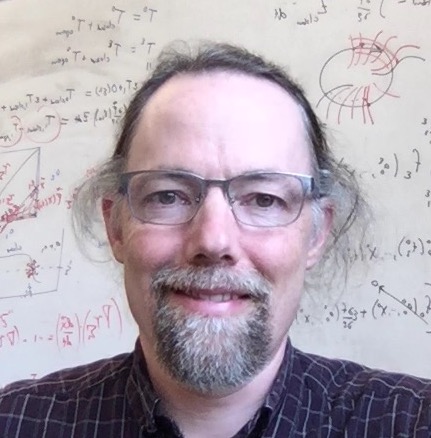
Doron Betelمشاهده پروفایل
استادیار
Doron Betel serves as an Assistant Professor at Weill Cornell Medicine's Graduate School of Medical Sciences, with affiliations in both the Physiology, Biophysics & Systems Biology and Computational Biology programs. He directs the Applied Bioinformatics Core (ABC), a central service group providing specialized computational and analytical support for biomedical research across multiple institutions. Dr. Betel's research focuses on developing computational genomic tools for studying human diseases and cellular development, with emphasis on integrative analyses of genomic and epigenomic data from high-throughput assays. His work addresses specific questions related to disease progression, treatment response, stem cell differentiation, and neurological processes through two closely interacting research groups: the Applied Bioinformatics Core and his independent research lab. The analysis of his recent publications reveals a strong emphasis on single-cell and spatial genomics, cross-species data integration, and machine learning applications in cancer immunology and neurodegenerative disease modeling. His research spans multiple high-impact areas including cancer immunotherapy, stem cell biology, diabetes research, and cardiovascular regeneration, with numerous publications in top journals like Nature, Cell, and Nature Immunology. Through the Applied Bioinformatics Core, Dr. Betel provides extensive analytical support across various genomic platforms including single-cell RNA-seq, spatial transcriptomics, ChIP-seq, ATAC-seq, and variant calling. The Core serves as a vital resource for researchers at Weill Cornell Medicine and the broader Tri-Institutional network, offering specialized analysis, computational pipelines, and training services. Dr. Betel maintains extensive collaborations with leading researchers including Lorenz Studer at MSKCC for stem cell and neurodegenerative disease research, Tuomas Tammela for cancer genomics, and multiple immunology researchers studying T cell function in autoimmunity and cancer. His work bridges computational methodology development with direct biomedical applications across multiple disease areas.